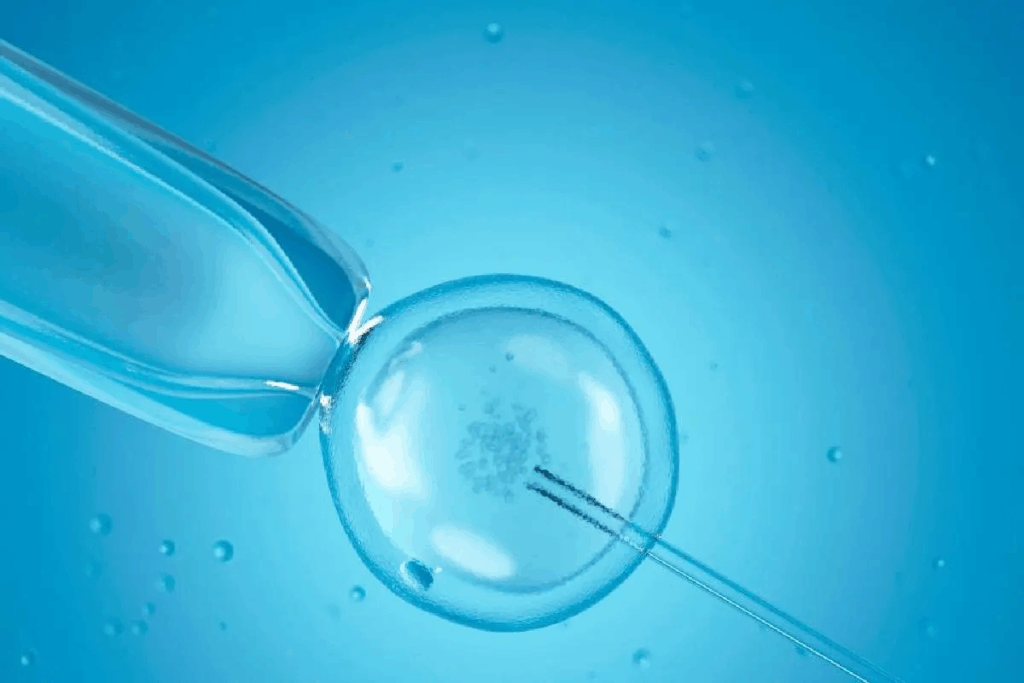
Knowing how many eggs are retrieved during IVF is key to understanding your fertility chances. On average, 8-14 eggs are taken out per IVF cycle 7 eggs retrieved ivf.
At Liv Hospital, our fertility experts give you the facts you need. They help you see what to expect based on your situation. The number of eggs varies by age. Women under 35 usually get around 16.2 eggs, while those over 42 get about 7.3 eggs.
The link between egg count and live birth outcomes is complex. Our team will guide you through this. They offer personalized care to help you reach your fertility goals.
Key Takeaways
- The average number of eggs retrieved per IVF cycle is between 8-14.
- Egg retrieval numbers vary significantly with age.
- Understanding your individual egg retrieval numbers is key to IVF success.
- Liv Hospital’s fertility specialists provide personalized guidance and care.
- Our experts will help you navigate the complexities of IVF treatment.
The Significance of Egg Quantity in IVF Success
Knowing how many eggs are needed for IVF is key for patients. The number of eggs found during IVF can greatly affect success.
The Role of Retrieved Eggs in Treatment Outcomes
The number of eggs found is a big factor in IVF success. Studies of over 400,000 IVF cycles show that live birth rates go up with more eggs. They peak around 15 eggs, then level off and drop after 20.
Around 10-15 mature eggs is considered the sweet spot for the best results. This number balances the chance of successful fertilization with the risks of too many eggs.
Balancing Egg Quality and Quantity
Egg quality is just as important as quantity. Not all eggs are ready to be fertilized.
Egg Maturity | Fertilization Potentia | Impact on IVF Success |
Mature Eggs | Higher | Increased chances of successful IVF |
Immature Eggs | Lower | Reduced chances of successful IVF |
So, it’s important to understand how egg quantity and quality work together. This helps manage expectations and make better choices during IVF.
Average Egg Retrieval Numbers in IVF Cycles
IVF cycles usually get a certain number of eggs, but results can differ. Knowing this average is key for those going through IVF.
The number of eggs taken out during IVF is key to treatment success. While results vary, research gives a general idea of what to expect.
Typical Range of 8-14 Eggs Per Cycle
Research says 8-14 eggs are usually taken out per IVF cycle. This is the typical range for women doing IVF. But, this number can change based on age and how many eggs a woman has.
A study in a top fertility journal found something interesting. Women with 8-14 eggs had a better chance of a live birth. This was compared to those with fewer eggs.
Research Findings on Retrieval Numbers
Studies show younger women usually get more eggs per cycle. This is because egg quality and number go down with age.
Age Group | Average Eggs Retrieved | Success Rate |
Under 35 | 12-15 | 40% |
35-37 | 8-12 | 30% |
38-40 | 5-8 | 20% |
The table shows that both egg number and IVF success rate drop with age. This is important for patients and doctors to know when deciding on IVF.
“The number of eggs retrieved is a critical factor in IVF success, and understanding the averages can help manage patient expectations.”A leading fertility specialist
Knowing the average egg retrieval numbers and their link to IVF success helps patients. It prepares them for the treatment and sets realistic hopes for their outcomes.
What Constitutes a “Good” Number of Eggs for IVF
IVF success depends on the number of eggs retrieved. But what makes a good number? It’s all about finding the right balance between how many eggs you get and their quality.
The Optimal Range of 10-15 Mature Eggs
Studies show that getting 10 to 15 mature eggs is usually the best for IVF. This number helps increase the chances of healthy embryos. It also lowers the risk of too much stimulation.
“The optimal number of eggs retrieved is a critical factor in IVF success, with 10-15 eggs being the sweet spot for many patients.”
Having 10 to 15 eggs means you have more embryos to choose from. This can boost your chances of a successful pregnancy.
Diminishing Returns Beyond 15-20 Eggs
Getting more than 15 to 20 eggs doesn’t always mean better success rates. It can even raise the risk of serious problems like Ovarian Hyperstimulation Syndrome (OHSS).
Egg Retrieval Number | Success Rate | Risk Level |
Less than 5 | Lower | Low |
5-10 | Moderate | Low |
10-15 | Higher | Moderate |
15-20 | High | Higher |
More than 20 | Variable | High |
Risks Associated with High Egg Numbers
Having lots of eggs might seem good, but it can be risky. OHSS is a serious condition that needs careful management.
We aim to make IVF successful while keeping risks low. Knowing the best number of eggs to retrieve helps us customize treatment. This makes the IVF journey better for everyone.
Understanding the “7 Eggs Retrieved IVF” Scenario
Getting 7 eggs during IVF is a good start for success. The number of eggs is important, but not the only thing. Egg quality, how well they fertilize, and how they grow are also key.
Expected Maturation Rate with 7 Retrieved Eggs
With 7 eggs, we usually see 5-6 mature. Only mature eggs can be fertilized.
How many eggs we get depends on age, how many eggs you have left, and how well you respond to hormones. Knowing these things helps set realistic hopes.
Fertilization and Embryo Development
Not all mature eggs will fertilize. About 70-80% will, so we might get 3-5 fertilized eggs from 5-6 mature ones.
After fertilizing, not all eggs will grow into embryos. About 50-60% will become blastocysts, which are embryos ready for transfer after 5-6 days.
Success Rates with 7 Retrieved Eggs
Having 7 eggs means a good chance of getting a viable embryo for transfer. With 5-6 mature eggs, 3-5 fertilized, and 2-3 blastocysts, success is more likely.
Success depends on many things like egg and sperm quality and the uterus. But with 2-3 blastocysts, the chances of pregnancy are good.
In summary, getting 7 eggs in IVF can lead to success. It’s all about maturation, fertilization, and growth. While results vary, knowing these factors helps everyone make better choices.
The Egg-to-Embryo Journey: Natural Attrition in IVF
The path from eggs to embryos in IVF is full of natural losses. Not every egg will turn into a viable embryo. It’s key to know this when going through IVF.
First, we check if the eggs are mature after retrieval. About 80% of eggs are ready for fertilization.
From Retrieved Eggs to Mature Oocytes
Egg retrieval is the first step. The goal is to get enough eggs for fertilization. But, not all eggs are mature. Only mature eggs can be fertilized.
Maturation Rates: Studies show that about 80% of eggs mature. This can change based on age and ovarian reserve.
Fertilization Rates and Early Embryo Development
When eggs are mature, fertilization happens next. About 70-80% of eggs are fertilized successfully.
“The fertilization rate is a critical indicator of the IVF process’s success, reflecting both egg quality and sperm viability.”
After fertilization, embryos grow over a few days. Each embryo grows at its own pace.
Day | Embryo Development Stage | Expected Proportion |
1 | Fertilization | 70-80% |
3 | Cleavage Stage | 50-60% |
5 | Blastocyst Stage | 30-50% |
Blastocyst Formation and Viability
The final stage is the blastocyst, around 5 days after fertilization. Not all embryos reach this stage. But, those that do have a better chance of implanting.
Blastocyst Formation Rates: About 30-50% of fertilized eggs become blastocysts.
Knowing about natural losses in IVF helps set realistic goals. It also helps in making treatment choices. Understanding each stage and its challenges helps patients through their IVF journey.
Key Factors Affecting Egg Retrieval Numbers
Knowing what affects egg retrieval numbers is key for IVF success. The number of eggs retrieved can greatly impact treatment results. Several important factors influence this number, and we’ll dive into them.
Age-Related Decline in Egg Quantity and Quality
A woman’s age is a big factor in egg retrieval numbers. As women get older, both the number and quality of eggs drop. This drop gets faster after 35, making it harder to get many eggs.
Key age-related changes include:
- Reduced ovarian reserve
- Decreased egg quality
- Increased risk of chromosomal abnormalities
Ovarian Reserve Assessment
Assessing ovarian reserve is vital for predicting egg retrieval numbers. We use tests like Anti-Mullerian hormone (AMH) levels and antral follicle count (AFC) to check this.
AMH levels are very useful because they show how many eggs are left. A higher AMH level usually means a better reserve and more eggs during IVF.
Individual Response to Stimulation Protocols
Every woman responds differently to ovarian stimulation. The type and amount of medication, and how sensitive she is to it, greatly affect egg retrieval numbers.
Key considerations include:
- Customized medication protocols to optimize response
- Careful monitoring of follicle growth and hormone levels
- Adjustments to stimulation protocols as needed
By understanding these factors and tailoring our approach, we can improve egg retrieval numbers and IVF success.
Egg Maturity: A Critical Factor in IVF Outcomes
Getting eggs to the right maturity is key for IVF success. The maturity of eggs plays a big role in how well IVF works. It affects how many eggs can be fertilized and the quality of the embryos.
The 80% Maturity Expectation
About 80% of eggs retrieved are expected to be mature for fertilization. This number comes from many IVF cycles. But, results can change based on age, how many eggs a woman has, and how well she responds to treatments.
This knowledge helps set realistic hopes and guides treatment plans. If a patient’s egg maturity is lower than expected, the plan might change for future cycles.
Identifying and Managing Immature Eggs
Immature eggs can’t be fertilized and can lower IVF success rates. Knowing the types of immature eggs is key for planning and adjusting treatments.
- Germinal Vesicle (GV) Stage: Eggs that are not yet mature.
- Metaphase I (MI) Stage: Eggs that are maturing but not yet ready for fertilization.
- Metaphase II (MII) Stage: Mature eggs ready for fertilization.
Understanding immature eggs’ chances is important. Some may mature in culture, but others may not be good for fertilization.
Impact of Maturity Rates on Fertilization Success
The rate of egg maturity greatly affects fertilization success. More mature eggs usually mean better fertilization rates and higher chances of successful IVF.
Things that can affect egg maturity include:
- Age of the patient
- Ovarian reserve
- Response to ovarian stimulation
By focusing on these factors, we can improve egg maturity and boost IVF success.
Strategies to Optimize Your Egg Retrieval Results
To increase IVF success, focus on strategies that improve egg retrieval outcomes. This includes personalized medical treatment, lifestyle adjustments, and informed decisions about IVF.
Customized Medication Protocols
One key strategy is customized medication protocols. Tailoring the ovarian stimulation protocol to individual needs can greatly improve egg quality and quantity. This approach considers age, ovarian reserve, and past responses to stimulation.
Adjusting the dosage and type of gonadotropins can also help. Some may need a minimal stimulation protocol, while others require a more aggressive approach. Our fertility specialists work with patients to find the best protocol.
Lifestyle Modifications to Improve Egg Quality
Lifestyle modifications are also vital for better egg quality. Eating a healthy diet, exercising, and managing stress can all help. Avoiding harmful substances like tobacco and excessive alcohol is also important.
Supplements like folic acid and Coenzyme Q10 (CoQ10) may also improve egg quality. Always talk to a healthcare provider before starting new supplements to ensure they’re safe and right for you.
When to Consider Multiple Retrieval Cycles
For some, a single egg retrieval cycle may not provide enough eggs for multiple IVF attempts. In these cases, considering multiple retrieval cycles or egg banking can be beneficial. This strategy allows for more eggs over several cycles, increasing the chances of viable embryos.
Talking to a fertility specialist about multiple cycles is key. It depends on individual health, financial situation, and emotional readiness.
Egg Banking Approaches
Egg banking is another strategy for optimizing IVF outcomes. Freezing eggs from multiple cycles allows patients to build a reserve. This is useful for those who need time to accumulate eggs or want to preserve their fertility for the future.
Egg banking offers flexibility and can reduce the need for repeated stimulation cycles. This makes the IVF process less physically demanding over time.
Conclusion: Navigating Your IVF Journey with Realistic Expectations
IVF treatment can be tough, mainly because of the egg retrieval numbers. We’ve looked into how many eggs are needed for success. While more eggs can help, it’s not the only thing that matters.
Studies show that 10-15 mature eggs are usually the best for IVF. But, the eggs’ quality, how ready the uterus is, and the clinic’s skill are also important. Finding the right balance between how many eggs and their quality is key.
Knowing that IVF success depends on many things can help you set realistic goals. By teaming up with your fertility doctor to create a plan just for you, you can boost your chances of success. Whether you’re curious about “what is a good number of eggs retrieved for IVF” or “how many eggs retrieved IVF,” knowing the facts is essential.
FAQ
What is considered a good number of eggs retrieved for IVF?
A good number of eggs for IVF is usually 8-14 per cycle. The best is 10-15 mature eggs.
How many eggs are usually retrieved during IVF?
The average number of eggs retrieved in IVF is 8 to 14 per cycle.
What happens if only 7 eggs are retrieved for IVF?
If 7 eggs are retrieved, expect 5-6 to mature. The fertilization rate is 70-80%. This results in 3-4 embryos.
How many eggs are fertilized in IVF?
The number of eggs fertilized in IVF varies. It depends on egg quality and maturity. Usually, 50% to 80% of eggs are fertilized.
What affects the number of eggs retrieved for IVF?
Age, ovarian reserve, and how well you respond to stimulation protocols affect egg retrieval numbers.
How does egg maturity impact IVF success?
Egg maturity is key to IVF success. Mature eggs have a higher chance of fertilization and better embryo quality.
Can lifestyle modifications improve egg quality for IVF?
Yes, a healthy diet, regular exercise, and stress management can improve egg quality.
What is the expected maturation rate for retrieved eggs?
Expect about 80% of retrieved eggs to mature. But, this can vary based on individual factors.
How many embryos can be expected from IVF?
The number of embryos from IVF varies. It depends on eggs retrieved, fertilization rate, and embryo growth. Usually, 2 to 5 embryos are expected.
What are the risks associated with high egg numbers in IVF?
High egg numbers can lead to ovarian hyperstimulation syndrome (OHSS) and other complications.
Can egg banking approaches improve IVF outcomes?
Yes, egg banking can help. It’s good for those who want to save eggs for later or need more cycles.
References
National Center for Biotechnology Information. Evidence-Based Medical Guidance. Retrieved from https://www.ncbi.nlm.nih.gov/pmc/articles/PMC9809223/