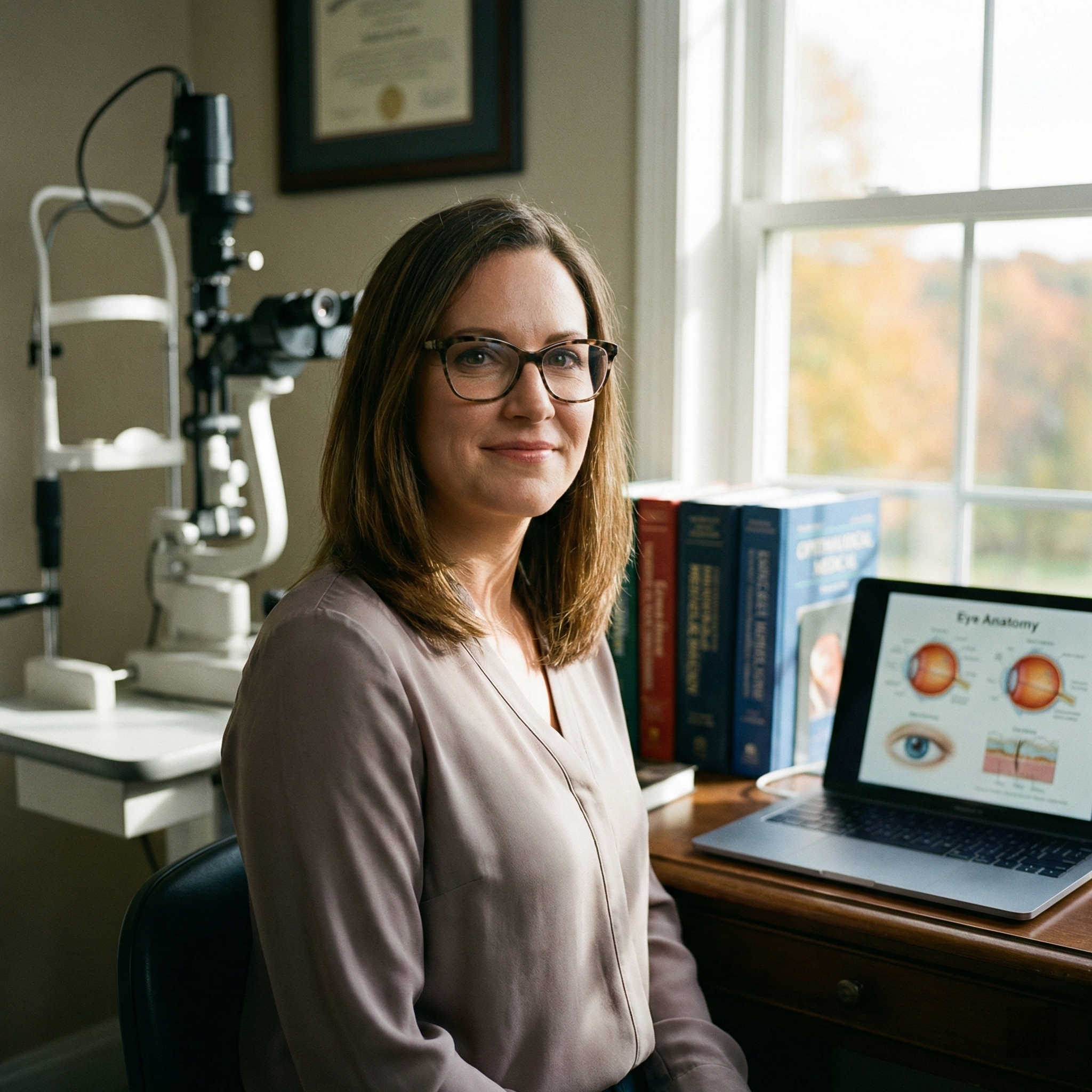
Eye exams are key to keeping your eyes healthy. At Liv Hospital, we stress the need for detailed eye exams. They help find problems early and keep your vision sharp and clear.
A full eye exam checks your vision and eye health. Our experts use the latest tools and methods. The Haas Vision Center website explains it well. They use diagnostic eye tests to check your eye health fully.
Key Takeaways
- Comprehensive eye exams are vital for maintaining long-term eye health.
- Various diagnostic tests are involved in evaluating eye health and visual function.
- State-of-the-art diagnostic equipment is used to conduct thorough examinations.
- Early detection of problems can stop serious issues.
- Regular eye exams help keep your vision sharp and comfortable.
The Purpose of Comprehensive Eye Examinations
Comprehensive eye exams are key to keeping your eyes healthy and catching problems early. They go beyond simple vision tests to check your eyes fully.
Beyond Simple Vision Screening
Simple vision tests mainly fix nearsightedness or farsightedness. But, comprehensive eye exams do more. They check for eye diseases and conditions that could harm your vision if not caught.
At a comprehensive eye exam, we do many different eye exams. We check your vision with a refraction eye test. We also look at your retina, cornea, and other important parts of your eyes.
How Often You Should Get Your Eyes Checked
How often you need an eye exam depends on your age, health, and risk for eye diseases. We suggest a personalized eye exam schedule based on your needs.
| Age Group | Recommended Frequency | Risk Factors |
| Children | Annual exams starting at age 3 | Family history of eye conditions |
| Adults (18-60) | Every 2-3 years | Diabetes, high blood pressure |
| Seniors (61+) | Annual exams | Age-related macular degeneration |
Knowing about the tests in an eye exam and when to get them is important. It helps keep your eyes healthy and catches problems early.
What Tests Are Done During an Eye Exam: Vision Assessment
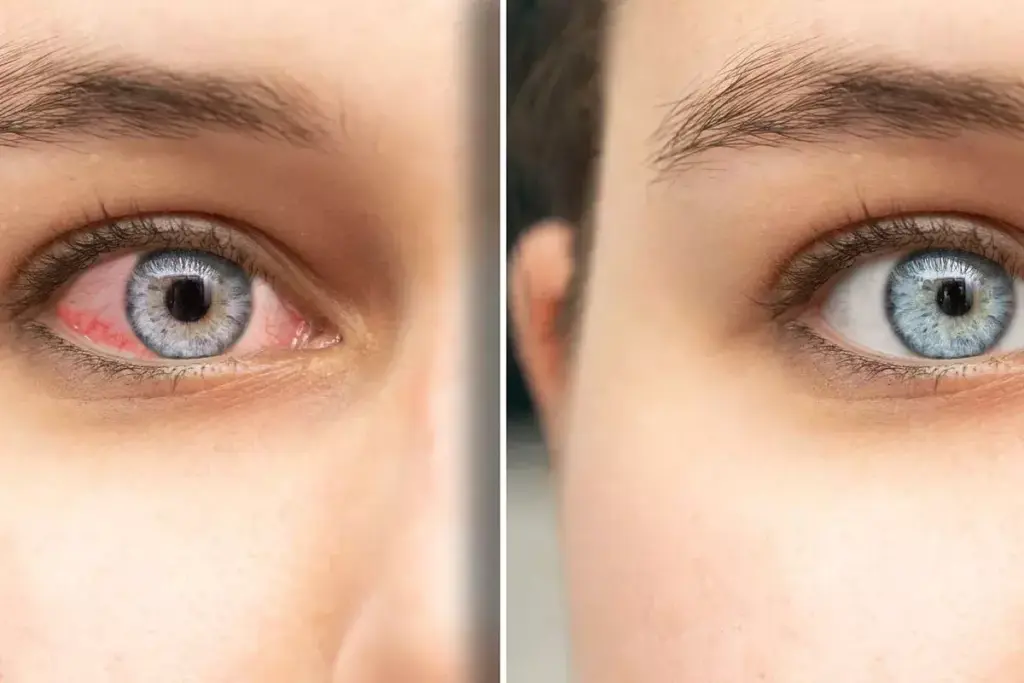
Eye care professionals use many tests to check your vision. These tests help find out how well you see and if there are any problems.
Visual Acuity Testing with the Snellen Chart
The Visual Acuity Test is a common eye vision test. It checks how well you can see things at different distances. You read letters on a Snellen Chart, with the letters getting smaller as you go down.
This test shows if you have nearsightedness, farsightedness, or astigmatism. For more info on eye tests, check Discover Vision’s blog on types of eye tests.
Refraction Testing for Prescription Determination
Refraction testing is key in an eye exam. It finds the right prescription for glasses or contacts by seeing how your eyes focus light.
You’ll look through a phoropter, a device with different lenses. The eye doctor will change lenses to find the best one for clear vision.
Color Vision Testing
Color vision testing checks if you can tell different colors apart. It’s important for finding color blindness.
The Ishihara test is a common way to do this. It has numbers or shapes in colored dots for you to find.
| Test Name | Purpose | Method |
| Visual Acuity Test | Measures clarity of vision at various distances | Reading letters off a Snellen Chart |
| Refraction Testing | Determines correct prescription for eyeglasses or contact lenses | Using a phoropter to test different lenses |
| Color Vision Testing | Assesses ability to distinguish between different colors | Ishihara test or similar color vision tests |
Advanced Diagnostic Tests for Eye Health Evaluation
Advanced tests are key in checking eye health and spotting problems early. These tests help doctors see how well the eyes are working. They find issues that could harm vision if not treated.
Tonometry: Measuring Intraocular Pressure
Tonometry measures the pressure inside the eyes. High pressure can lead to glaucoma, which can cause permanent vision loss. A tonometer gently touches the eye or blows air to check the pressure.
Key aspects of tonometry include:
- Non-invasive procedure
- Quick and relatively painless
- Crucial for glaucoma detection and monitoring
Dilated Eye Examination for Internal Structures
A dilated eye exam lets doctors see inside the eye. They use drops to open the pupils for a better look. This helps check the retina and optic nerve.
The benefits of a dilated eye examination include:
- Detailed view of the retina and optic nerve
- Early detection of diabetic retinopathy and other retinal diseases
- Comprehensive assessment of the eye’s internal structures
Visual Field Testing for Peripheral Vision
Visual field tests check peripheral vision. They help find problems like glaucoma and neurological issues. This test is vital for spotting vision defects.
Visual field testing involves:
- Assessing the sensitivity of the retina in different locations
- Detecting blind spots or areas of decreased sensitivity
- Monitoring changes in the visual field over time
Optical Coherence Tomography (OCT) Scanning
OCT scanning is a non-invasive test that shows detailed images of the retina. It helps diagnose and track diseases like macular degeneration and diabetic retinopathy.
- High-resolution images of the retina
- Early detection of retinal diseases
- Monitoring of disease progression and treatment response
Conclusion: Maintaining Optimal Vision Through Regular Eye Exams
Regular eye exams are key to keeping your vision sharp and your health in check. They help spot problems early, so you can get the right treatment fast. This is why eye care is so important.
Getting your eyes checked regularly lets you catch issues before they get worse. It’s a smart way to take care of your vision and your health. It’s all about being proactive.
So, make sure to book your eye exams regularly. It’s a big step towards keeping your eyes healthy and your vision clear. It’s part of taking care of yourself.
FAQ
What is the purpose of a comprehensive eye exam?
A comprehensive eye exam checks more than just how well you see. It looks at your eye’s health to find problems early. This helps keep your vision at its best.
How often should I get my eyes checked?
How often you need an eye exam depends on your age and health. Adults usually need one every two to three years. But, it can change based on your specific needs.
What is visual acuity testing, and how is it conducted?
Visual acuity testing uses a Snellen chart to check your vision. You read letters or symbols from far away. This shows how clear your vision is.
What is refraction testing, and why is it necessary?
Refraction testing finds the right lens for your eyes. It corrects nearsightedness, farsightedness, or astigmatism. It’s key to making sure your vision is corrected right.
What is tonometry, and what does it measure?
Tonometry checks your eye’s pressure. High pressure can lead to glaucoma. So, it’s important for catching serious eye problems early.
What is a dilated eye examination, and why is it performed?
A dilated eye exam uses drops to open your pupils. It lets doctors see inside your eyes well. This is vital for finding eye diseases.
What is Optical Coherence Tomography (OCT) scanning?
OCT scanning uses light to take detailed pictures of your retina. It helps diagnose and track eye conditions.
How can regular eye exams contribute to maintaining optimal vision?
Regular eye exams are key to good eye health. They catch problems early, helping you see better for life.
Are there different types of eye tests for adults?
Yes, there are many eye tests. They check your vision, eye health, and more. This includes tests for visual acuity, color vision, and advanced scans like OCT.
What diagnostic eye tests are typically included in a comprehensive eye exam?
A comprehensive eye exam includes many tests. These include visual field tests, dilated exams, tonometry, and OCT scanning. They help check your eye health fully.
References
National Institutes of Health. Evidence-Based Medical Insight. Retrieved from https://www.nei.nih.gov/learn-about-eye-health/healthy-vision/regular-eye-exams