
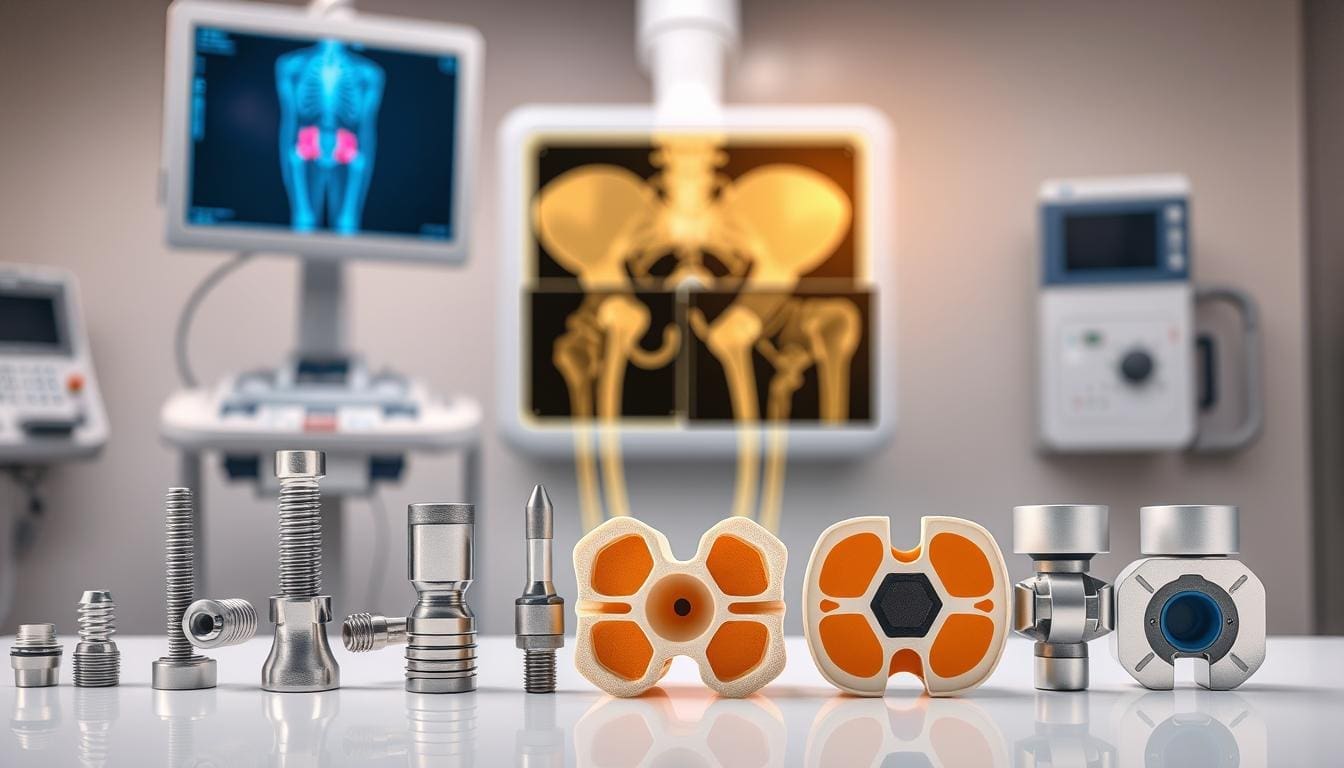
At Liv Hospital, we understand that hip pain can be debilitating. It affects every part of life. That’s why we offer personalized care. We have a range of advanced hip replacement options for each patient’s needs.
Choosing the right hip replacement surgery or alternative depends on many factors. These include age, lifestyle, and bone quality. Our team works closely with patients to find the best treatment plan. This ensures the best possible outcomes.
We focus on delivering world-class healthcare. We cater to international patients seeking top medical services. Our commitment to excellence and patient-centered care makes us stand out. We provide a supportive environment for those seeking relief from hip pain.
Key Takeaways
- Personalized treatment plans are key for effective hip replacement.
- Age, lifestyle, and bone quality affect the choice of hip replacement options.
- Liv Hospital offers advanced hip replacement surgery and alternatives.
- Our team provides complete care for international patients.
- World-class healthcare services are tailored to individual needs.
Understanding Hip Joint Problems
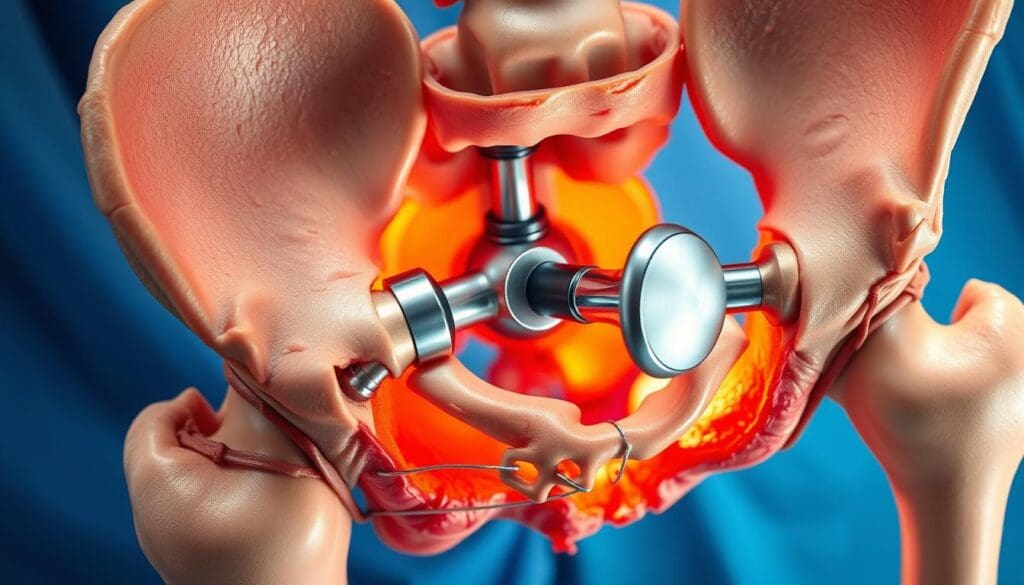
Hip joint issues can come from many causes, like degenerative conditions and injuries. The hip joint is big and complex, playing a key role in our movement and weight support. Problems here can really affect our daily life.
Common Causes of Hip Pain and Deterioration
Hip pain and wear can be caused by several things, including:
- Osteoarthritis: A disease that wears down cartilage, causing pain when bones rub together.
- Rheumatoid Arthritis: An autoimmune disease that causes inflammation and can damage joints.
- Hip Fractures: Breaks in the hip bone, often from osteoporosis or injury.
- Labral Tears: Tears in the cartilage ring around the hip joint.
- Bursitis: Inflammation of the fluid-filled sacs (bursae) that cushion the joints.
These issues can cause long-term pain, less mobility, and a lower quality of life. Knowing the cause is key to finding the right treatment.
When Medical Intervention Becomes Necessary
When hip pain makes daily tasks hard or when other treatments don’t work, medical help is needed. At this stage, talking to healthcare experts, like the best hip replacement surgeons, is important. They can help figure out the best treatment, including hip replacement surgery and hip replacement alternatives.
“The decision to undergo hip replacement surgery is typically made when other treatments have failed and the pain is significantly impacting the patient’s quality of life.”
It’s important to look at all options, including non-surgical treatments, to find the best solution. Things like age, health, and how damaged the joint is are considered when choosing between hip replacement surgery or other treatments.
Comprehensive Guide to Hip Replacement Choices
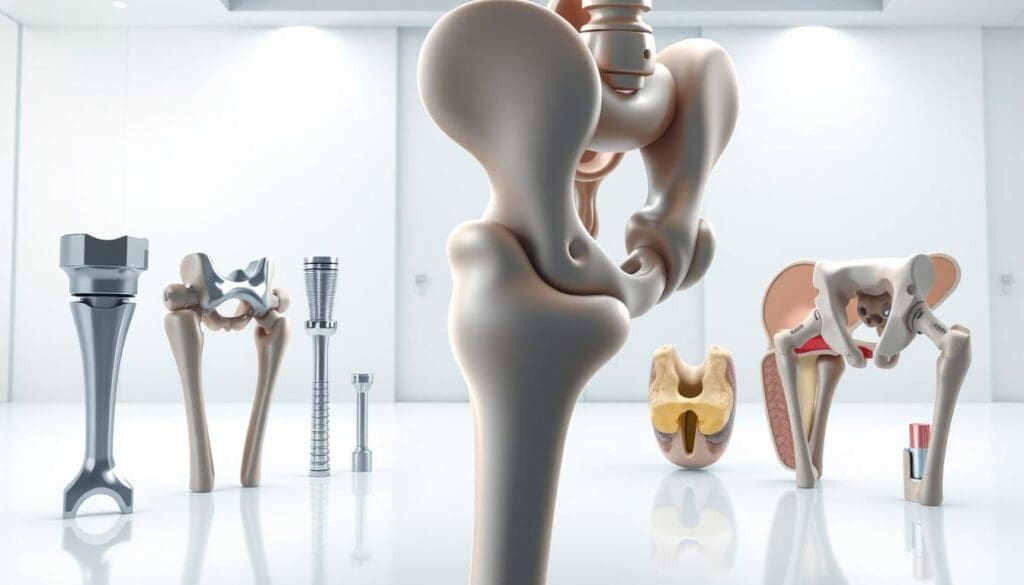
Hip replacement surgery has changed a lot. Now, there are many options for different needs. This change comes from new medical tech and knowing more about what patients need.
Factors Influencing Selection: Age, Lifestyle, and Bone Quality
Choosing a hip replacement depends on several things. These include the patient’s age, lifestyle, and bone quality. For example, younger, active people might do better with hip resurfacing. This keeps more bone. Older people or those with less bone might need a total hip replacement.
Age Considerations: A patient’s age is very important. Younger people need implants that last longer because they’re more active. Older people might want quicker recovery options.
Lifestyle Factors: What you do every day also matters. If you’re very active, you’ll need stronger implants.
| Factor | Influence on Hip Replacement Choice | Example Procedures |
|---|---|---|
| Age | Younger patients require more durable implants. | Hip Resurfacing |
| Lifestyle | Active patients need implants that withstand high activity. | Total Hip Replacement with Ceramic Components |
| Bone Quality | Patients with poor bone quality may need specialized implants. | Revision Hip Replacement with Augments |
The Importance of Personalized Treatment Plans
Personalized plans are key in hip replacement surgery. They take into account each patient’s unique needs. This makes the surgery more likely to succeed and makes patients happier.
We work with patients to create a plan that fits their needs. This approach improves the surgery’s success and makes the whole experience better. It helps from the start to the end of recovery.
The recovery and costs of hip replacement surgery depend on the chosen procedure. Knowing this helps patients make better choices for their care.
Total Hip Replacement: The Gold Standard
Total hip replacement is seen as the top choice for severe hip damage. It replaces the damaged hip with an artificial one, greatly improving life quality.
Many have found relief from chronic pain and better mobility after this surgery. It’s chosen when other treatments don’t work well.
Who Benefits Most from Total Hip Replacement
Those with severe hip damage from arthritis, fractures, or other conditions are best for this surgery. It helps those with chronic pain, limited movement, and a lower quality of life.
Key factors that determine suitability for total hip replacement include:
- The extent of joint damage
- The patient’s overall health
- Previous treatments and their effectiveness
Our medical team checks each patient to see if this surgery is right for them.
Long-term Outcomes and Success Rates
Most patients see big improvements in pain and function after total hip replacement. Studies show prostheses can last 20-25 years or more. This depends on age, activity level, and prosthesis type.
Long-term results are mostly good, with many patients doing normal activities again. But, like any surgery, there are risks like infection, blood clots, and prosthesis loosening.
We watch our patients closely after surgery to lower these risks. Knowing the benefits and risks helps patients make better choices.
Partial Hip Replacement: A Targeted Approach
Partial hip replacement is a surgery that fixes only the damaged part of the hip. It keeps the healthy parts safe. This method is great for people with certain hip fractures or damage in just one area.
Ideal Candidates for Partial Replacement
We find the right people for partial hip replacement based on several things. These include how much and where the hip is damaged, their health, and their lifestyle. People with hip fractures that don’t affect the whole joint usually fit the bill.
Our skilled orthopedic doctors work with patients to pick the best treatment. They think about age, bone quality, and how active the person is. For example, older folks with certain fractures might do better with partial replacement. It’s less invasive and can help them recover faster.
Advantages for Specific Fracture Types
Partial hip replacement has big benefits for certain fractures. It only fixes the damaged part, keeping more natural bone and tissue. This can mean better joint function and happier patients.
Key Benefits:
- Less invasive than total hip replacement
- Can lead to quicker recovery
- Keeps more natural bone and tissue
- Improves joint function for some patients
Let’s look at a study’s results for partial hip replacement:
| Fracture Type | Number of Patients | Average Recovery Time | Success Rate |
|---|---|---|---|
| Femoral Neck Fracture | 120 | 6 weeks | 95% |
| Intertrochanteric Fracture | 90 | 8 weeks | 92% |
| Subtrochanteric Fracture | 60 | 10 weeks | 90% |
The table shows success rates vary by fracture type. Our doctors carefully check each patient to suggest the best treatment.
Choosing partial hip replacement means a focused fix for your specific hip issue. It keeps the healthy parts of the joint safe. We keep an eye on our patients to make sure they get the best results.
Hip Resurfacing: Preserving Bone Tissue
For younger patients, hip resurfacing is a great option. It keeps more of the bone, which is good for those who love to stay active. This surgery replaces the damaged part of the hip with a metal cap, not the whole joint.
This method is great for young, active people. It saves more of the natural bone. This is perfect for those who might need more surgeries later or are very active.
Benefits for Younger, Active Patients
Young, active patients get a lot from hip resurfacing. It lets them move naturally and lowers the chance of dislocation. They can go back to sports and heavy workouts without many worries.
Activity Levels and Performance Expectations
How active you are matters a lot with hip resurfacing. People who get this surgery are often happier with their ability to do physical things. The metal-on-metal design is strong and lasts long, helping those who stay active.
Talking to your doctor about what you expect is key. This way, you know what to expect after surgery. It helps you make the best choice for your treatment and recovery.
Minimally Invasive Hip Replacement Techniques
Minimally invasive hip replacement techniques have changed orthopedic surgery. They offer a less invasive option than traditional surgery. These methods use smaller incisions, leading to less tissue damage and quicker recovery.
Reduced Incision Approaches
Reduced incision approaches use smaller cuts, usually under 10 cm. This is compared to the 20-30 cm cuts of traditional surgery. It requires special training and tools but can mean less blood loss, less pain, and faster healing.
Key benefits of reduced incision approaches include:
- Less tissue trauma
- Reduced risk of infection
- Smaller scars
- Faster rehabilitation
Candidate Selection Criteria
Not every patient is right for these new techniques. We look at each patient’s condition carefully. We consider the severity of hip damage, overall health, and BMI. Ideal candidates have less severe damage and are in good health.
Recovery Advantages and Limitations
The recovery for these new techniques is often less painful. Patients may have shorter hospital stays and return to normal activities faster. But, it’s important to know these methods have their own limits. They may require longer surgery times and need specialized training.
Recovery advantages include:
- Reduced postoperative pain
- Faster return to daily activities
- Less noticeable scarring
While these techniques offer many benefits, it’s key to talk about risks with your doctor. Like any surgery, there are risks such as infection, blood clots, and implant failure.
Understanding the benefits and limits of these techniques helps patients make better choices. We aim to provide personalized care and guidance every step of the way.
Advancements in Hip Implant Materials
Hip implant materials have changed a lot, giving patients longer-lasting implants and fewer complications. Many new materials are now available to meet different patient needs.
Ceramic vs. Metal vs. Plastic Components
Choosing the right material for hip implants is key. It depends on the patient’s age, lifestyle, and the doctor’s advice. Ceramic components are durable and less likely to wear out, great for younger patients. Metal components, like titanium, are strong and safe for the body. Plastic components help reduce friction and act as a cushion.
It’s important to weigh the pros and cons of each material. Ceramic implants are durable but might break. Metal implants are strong but can release ions, though this is rare. Plastic implants can wear out, causing the implant to loosen.
Titanium and Other Modern Materials
Titanium is a top choice for hip implants because it’s strong, resistant to corrosion, and biocompatible. Titanium alloys are used in many hip replacements for their durability and safety. New materials like advanced ceramics and cross-linked polyethylene are also being used to make implants last longer and reduce complications.
Implant Longevity and Reduced Complication Risks
New materials have made hip implants last longer and be safer. The right material for each patient can greatly improve surgery results. For example, ceramic-on-ceramic or metal-on-highly cross-linked polyethylene surfaces reduce wear, making implants last longer.
As we keep improving hip implant materials, patients will see better results from hip replacement surgeries. Knowing about these advancements helps patients make informed decisions about their treatment, including the cost of hip replacement..
Potential Risks and Complications of Hip Surgery
It’s important to know the risks and complications of hip replacement surgery. This knowledge helps you make informed choices. Hip replacement is usually safe and works well, but it’s not without risks.
Common Complications and Their Frequency
Hip replacement surgery can lead to complications, just like any surgery. Common issues include infections, blood clots, and when the implant fails. Studies show these problems happen at different rates.
| Complication | Frequency |
|---|---|
| Infection | 1-2% |
| Blood Clots | 2-5% |
| Implant Failure | 1-3% (over 10 years) |
The table shows these complications are rare. It’s key to talk about these risks with your doctor.
Risk Factors and Prevention Strategies
Some factors can up the risk of problems during or after hip replacement. These include age, health, and lifestyle choices like smoking. We can lower these risks by:
- Checking for risk factors before surgery
- Using medicines to prevent blood clots
- Using antibiotics to fight infection
- Choosing less invasive surgery when it’s safe
By knowing these risks and taking steps to prevent them, we can lower the chance of complications.
Long-term Monitoring Requirements
It’s vital to keep an eye on things after hip replacement surgery. This means regular check-ups with your doctor and watching for any changes in your health.
“Regular follow-up is essential to monitor the condition of the implant and the overall health of the patient,” says -Dr. an orthopedic surgeon. “Early detection of any issues can significantly improve outcomes.”
Staying healthy with a good diet and exercise helps your hip replacement last longer.
Non-Surgical Alternatives to Hip Replacement
For many, looking into non-surgical options before hip replacement is key. Surgery is a big choice, and knowing all options is important.
Non-surgical methods can help avoid surgery, improving life quality. They focus on symptom management and better function.
Physical Therapy and Exercise Regimens
Physical therapy is often the first step for hip issues. A tailored exercise plan can strengthen muscles, improve flexibility, and lessen pain. We suggest a physical therapist to create a plan that fits your needs.
Exercise plans might include swimming, cycling, or elliptical use. These keep joints moving and muscles strong without harming the hip.
Medication Management Options
Managing medications is key in non-surgical hip treatments. Different drugs can ease pain and swelling, improving life quality. We help find the best medication plan for you, based on your symptoms and health.
Common drugs include pain relievers, steroid injections, and hyaluronic acid shots. We discuss their benefits and risks with you to help you decide.
Nutritional Supplements and Lifestyle Modifications
Nutritional supplements and lifestyle changes also help with hip health. Supplements like glucosamine and chondroitin may support joints, but results vary.
Lifestyle changes like a healthy weight, balanced diet, and avoiding painful activities are also important. We guide you on making these changes as part of your treatment.
Exploring non-surgical options can help patients make informed decisions about their care. This might avoid or delay surgery. We’re here to support you, providing care that fits your needs.
Hip Arthroscopy and Other Alternative Procedures
Minimally invasive procedures like hip arthroscopy are changing how we treat hips. They offer alternatives to traditional hip replacement surgery. It’s key to know about hip arthroscopy and its benefits.
Conditions Treatable with Minimally Invasive Techniques
Hip arthroscopy is great for treating many hip issues. It works well for:
- Femoroacetabular impingement (FAI)
- Labral tears
- Loose bodies within the joint
- Chondral lesions
This method uses small cuts for a camera and tools to fix or remove damaged tissue. It’s precise, causing less harm to other tissues.
Recovery Expectations and Success Rates
Hip arthroscopy recovery is quicker than open surgery. Most people can get back to normal in a few weeks. Success depends on the condition and the patient’s health.
Research shows hip arthroscopy can greatly help those with the right conditions. But, like any surgery, there are risks and possible complications.
Suitability for Less Severe Joint Damage
Hip arthroscopy is best for those with mild joint damage. It can help before needing more serious surgery. It offers relief and might delay the need for bigger procedures.
The table below compares hip arthroscopy with traditional hip replacement surgery:
| Procedure | Minimally Invasive | Recovery Time | Suitability |
|---|---|---|---|
| Hip Arthroscopy | Yes | Several weeks | Less severe joint damage |
| Traditional Hip Replacement | No | Several months | Advanced joint damage |
Knowing the pros and cons of hip arthroscopy helps patients and doctors choose the best treatment.
Conclusion: Making Informed Decisions About Hip Treatment
When you face hip joint problems, knowing your treatment options is key. We’ve looked at different hip replacement choices. These include total hip replacement, partial hip replacement, and hip resurfacing, each with its own benefits and who they’re best for.
Think about your age, lifestyle, and bone quality when picking a hip replacement. A treatment plan made just for you can greatly improve your surgery’s success and your life after recovery. At Liv Hospital, we offer detailed healthcare services for our international patients.
Understanding the various hip replacement surgery options helps patients make better choices. We suggest talking to healthcare experts to find the right treatment for you. This way, you can get the best results for your condition.
What are the most common causes of hip pain and deterioration?
Hip pain and wear can come from many sources. Osteoarthritis, rheumatoid arthritis, hip fractures, and avascular necrosis are common culprits. We tailor our treatments to address these issues.
How do I know if I need hip replacement surgery?
Deciding on hip replacement surgery is a big step. It’s usually considered after other treatments fail and the joint is badly damaged. Our team will evaluate your situation and suggest the best treatment.
What are the different types of hip replacement procedures available?
There are several hip replacement options. These include total hip replacement, partial hip replacement, and hip resurfacing. The right choice depends on your age, lifestyle, and bone health.
What is the difference between total hip replacement and partial hip replacement?
Total hip replacement replaces the whole joint. Partial hip replacement only fixes the damaged part. Our surgeons will choose the best option for you.
What are the benefits of minimally invasive hip replacement techniques?
Minimally invasive techniques use smaller cuts. This means less damage to tissue and quicker healing. But, not everyone is a good fit for these methods.
How long do hip implants typically last?
Hip implant longevity varies. It depends on the implant type, your activity level, and overall health. Modern implants can last 20 years or more.
What are the possible risks and complications of hip replacement surgery?
Hip replacement surgery comes with risks like infection and blood clots. Implant failure is also a possibility. We work hard to minimize these risks and closely monitor patients post-surgery.
Are there non-surgical alternatives to hip replacement?
Yes, there are non-surgical options. These include physical therapy, medication, and lifestyle changes. They can help manage symptoms and delay surgery.
How much does hip replacement surgery cost?
Hip replacement costs vary. It depends on the procedure, location, and insurance. We help with financial planning and insurance to make costs clearer.
What is the role of physical therapy in hip replacement recovery?
Physical therapy is key in hip replacement recovery. It helps regain strength, mobility, and function. We work with physical therapists to create personalized plans.
Can I undergo hip replacement surgery if I have other health conditions?
Having other health conditions might affect hip replacement suitability. Our team will assess your health and recommend the best treatment.
How long does it take to recover from hip replacement surgery?
Recovery times vary. It depends on the procedure and individual factors. We provide personalized guidance on what to expect during recovery.
What are the benefits of hip resurfacing for younger, active patients?
Hip resurfacing is good for younger, active patients. It preserves bone tissue and can offer better outcomes. This helps maintain activity levels and performance expectations.
Are there any new advancements in hip implant materials?
Yes, there are new hip implant materials. These include ceramic, titanium, and other modern materials. They can improve implant longevity and reduce risks.



 Departments
 Related Videos
 Our Doctors
 News
News