
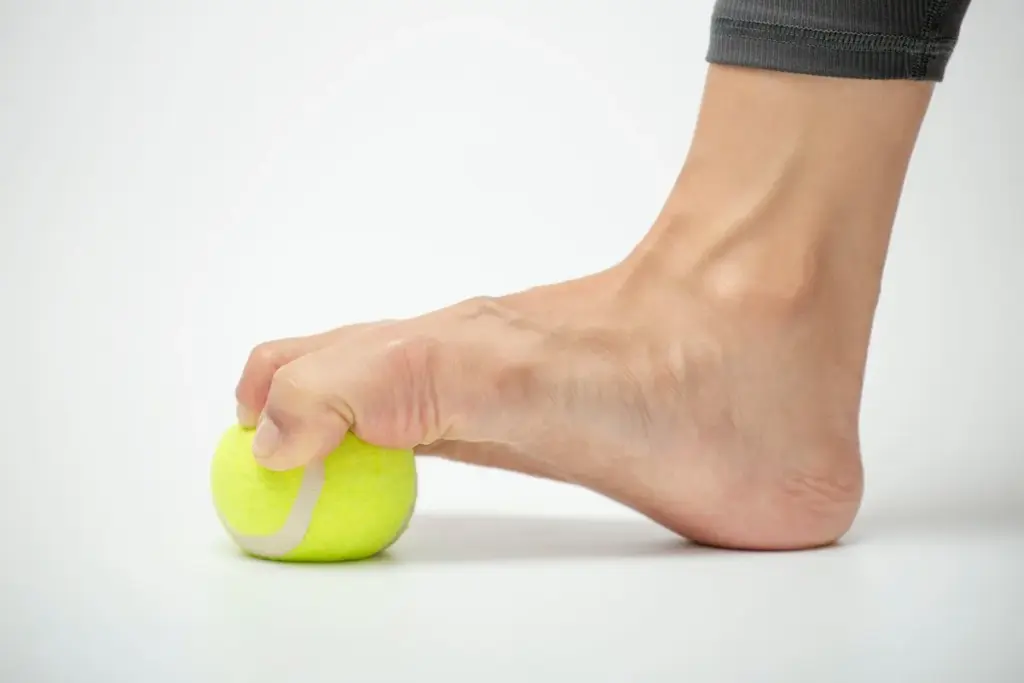
The human foot and ankle are key for moving and staying balanced. They have 28 bones, 33 joints, and many muscles and ligaments. This makes them both complex and interesting.
Knowing how the foot and ankle work is important. It helps doctors and patients understand and treat problems in this area.
The seven main muscles in the foot and ankle are very important. They help us stand, move, and stay balanced.
Key Takeaways
- The foot and ankle complex is made up of numerous bones, joints, and muscles.
- Understanding the anatomy is key for diagnosing and treating issues.
- The seven main muscles are vital for movement and balance.
- Proper care and knowledge can prevent injuries and conditions.
- Advanced medical care is available for foot and ankle problems.
The Foot and Ankle Complex: Anatomical Foundation

Understanding the foot and ankle’s anatomy is key to grasping how we move. This complex structure allows us to walk and perform various movements with balance and precision.
Structural Overview: 28 Bones, 33 Joints, and 112 Ligaments
The foot and ankle have 28 bones, 33 joints, and over 112 ligaments. This detailed setup is essential for our ability to move in many ways. The bones are divided into three groups: tarsal, metatarsal, and phalanges.
| Bone Group | Description | Number of Bones |
| Tarsal Bones | Form the hindfoot and midfoot | 7 |
| Metatarsal Bones | Connect the tarsal bones to the phalanges | 5 |
| Phalanges | Form the toes | 14 |
The Talocrural Joint: Gateway to Foot Movement
The talocrural joint, or ankle joint, is a hinge joint. It lets us move our foot up and down. This joint is made by the tibia, fibula, and talus bones working together.
Extrinsic vs. Intrinsic Muscles: Understanding the Difference
The foot’s muscles are divided into intrinsic and extrinsic groups. Intrinsic muscles are inside the foot, while extrinsic ones are in the lower leg. Knowing this helps us diagnose and treat foot and ankle issues.
The way these muscles work together is key for foot movement and stability. Extrinsic muscles control the foot’s big movements, while intrinsic muscles offer fine control and support.
Complete Ankle Diagram: The 7 Key Muscles by Compartment
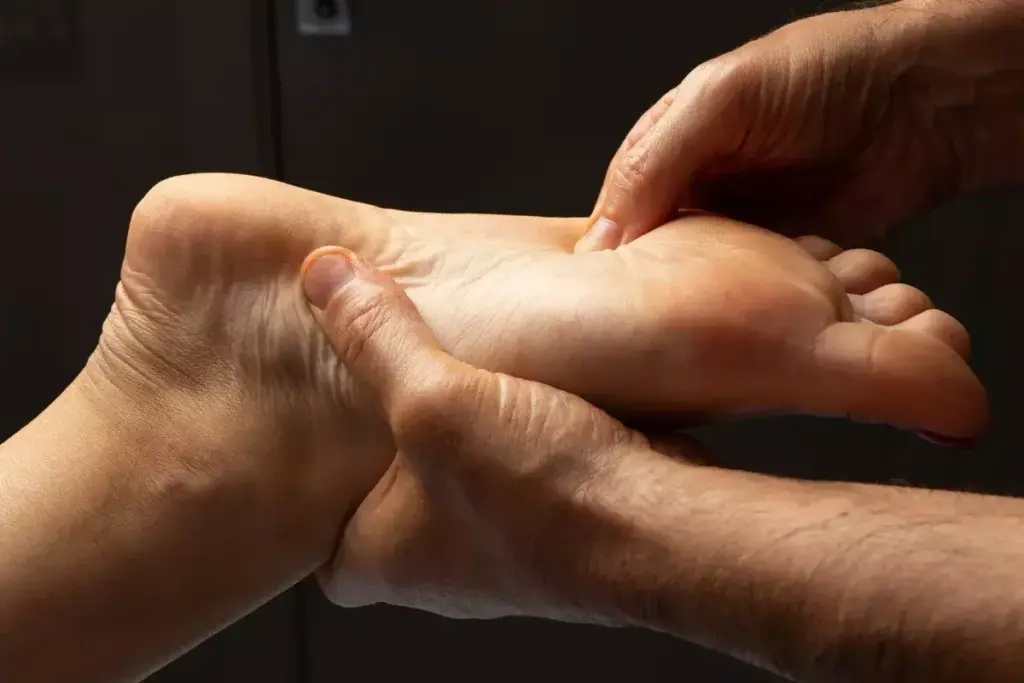
Understanding the muscles in the ankle and foot is key for doctors and patients. It helps in diagnosing and treating many conditions.
Anterior Compartment Muscles
The anterior compartment has four main muscles. These are the Tibialis Anterior, Extensor Hallucis Longus, Extensor Digitorum Longus, and Peroneus Tertius. They help in moving the foot and ankle up, which is important for walking and running.
The Tibialis Anterior muscle helps in moving the ankle up and the foot inward. The Extensor Hallucis Longus and Extensor Digitorum Longus muscles help extend the toes and move the foot up. The Peroneus Tertius muscle also helps in moving the foot up and outward.
Posterior Compartment Muscles
The posterior compartment has muscles that help in moving the foot down. This is important for pushing off the ground. The main muscles here are the Gastrocnemius and Soleus, known as the calf muscles, and the Flexor Hallucis Longus.
The Gastrocnemius and Soleus muscles come together to form the Achilles tendon. This tendon attaches to the heel, allowing for strong foot movement down. The Flexor Hallucis Longus muscle helps in bending the big toe and moving the foot down.
Lateral Compartment Muscles
The lateral compartment has the Peroneus Longus and Peroneus Brevis muscles. These muscles are important for moving the foot outward and keeping the ankle stable.
The Peroneus Longus and Peroneus Brevis muscles work together to move the foot outward. The Peroneus Longus also helps support the foot’s arch. Knowing how these muscles work is important for treating ankle sprains and other injuries.
Functional Significance of Ankle and Foot Musculature
It’s important to understand how ankle and foot muscles work together. They help us move in many ways, which is key for everyday tasks and sports.
The Achilles Tendon: Connecting Powerful Plantarflexors
The Achilles tendon links the gastrocnemius and soleus muscles to the calcaneus. It’s vital for movements like walking, running, and jumping.
Movement Mechanics: Dorsiflexion, Plantarflexion, Inversion, and Eversion
Many muscles in the ankle and foot work together. They help us move in different ways. This includes bending up and down, and side to side movements.
| Movement | Primary Muscles Involved | Joint Involved |
| Dorsiflexion | Tibialis anterior, Extensor digitorum longus | Talocrural |
| Plantarflexion | Gastrocnemius, Soleus | Talocrural |
| Inversion | Tibialis anterior, Tibialis posterior | Subtalar |
| Eversion | Peroneus longus, Peroneus brevis | Subtalar |
Arch Support and Stability: Role of Intrinsic Foot Muscles
The intrinsic foot muscles are key for supporting the arches. They help keep the foot stable when we stand or walk.
Conclusion: Clinical Importance of Understanding Foot and Ankle Muscle Anatomy
Knowing how the foot and ankle muscles work is key for doctors and patients. It’s vital to understand the anatomy of the foot and ankle. This knowledge helps in diagnosing and treating problems accurately.
Doctors can spot the causes of foot and ankle issues with this knowledge. They can then create specific treatment plans. This way, patients get the best care possible.
Understanding the foot and ankle’s anatomy is also important for rehab. It helps in treating foot and gait disorders. With this knowledge, we can give top-notch care that meets each patient’s needs.
FAQ
What is the importance of understanding the anatomy of the foot and ankle?
Knowing the anatomy of the foot and ankle is key for doctors and patients. It helps in diagnosing and treating foot and ankle problems.
What are the main components of the foot and ankle complex?
The foot and ankle complex has 28 bones, 33 joints, and 112 ligaments. These parts work together for activities like walking and balancing.
What is the function of the talocrural joint in foot movement?
The talocrural joint, or ankle joint, lets us move our foot up and down. This is important for walking and running.
What is the difference between extrinsic and intrinsic muscles of the foot and ankle?
Extrinsic muscles are outside the foot and ankle. Intrinsic muscles are inside. Both are important for foot movement and stability.
What are the seven key muscles of the ankle and foot, and how are they categorized?
The seven key muscles are divided into three groups: anterior, posterior, and lateral. Each group has different functions, like moving the foot up and down.
What is the role of the Achilles tendon in foot movement?
The Achilles tendon helps us push off the ground. It’s key for activities like walking and running.
How do the intrinsic foot muscles contribute to arch support and stability?
The intrinsic foot muscles help control the arches. They are important for keeping the arch stable and preventing problems like flat feet.
Why is understanding foot and ankle muscle anatomy important for diagnosis and treatment?
Knowing the anatomy is essential for diagnosing and treating foot and ankle issues. It helps doctors find the right treatment.
How can healthcare professionals benefit from understanding foot and ankle muscle anatomy?
Healthcare professionals can give better care by knowing the anatomy. This helps patients move better and feel less pain.
References
https://www.kenhub.com/en/library/anatomy/ankle-and-foot-anatomy