
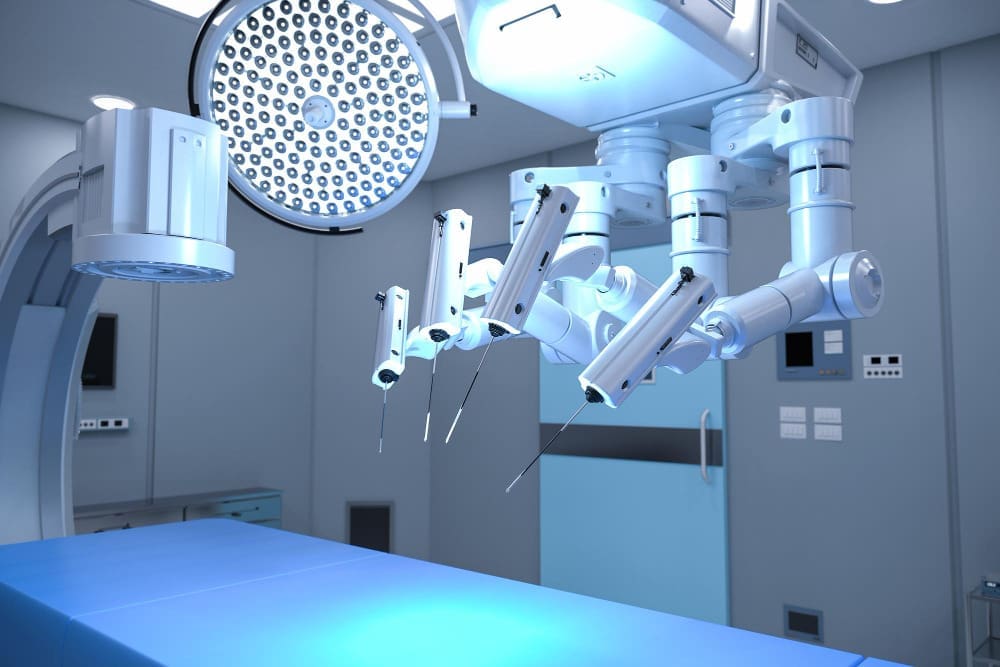
At Liv Hospital, we’re changing how we care for patients with the latest in surgical robots. Robotic surgery has changed the medical world. It brings many advantages that make care better and surgeries smoother.
Research shows robotic surgery means patients stay in the hospital less and get readmitted less often. This shows it can make healthcare better. By using robotic-assisted surgeries, we offer precision and comfort that patients can rely on.
We’re all about putting patients first and staying ahead with new ideas. This means our patients get the best care, with faster recovery times and less scarring. As we keep exploring robotic surgery, we’re excited to share its big benefits in today’s healthcare.
Key Takeaways
- Robotic surgery offers enhanced precision and dexterity.
- Minimal scarring and quicker recovery times improve patient outcomes.
- Reduced surgeon fatigue leads to more accurate procedures.
- Shorter hospital stays and lower readmission rates.
- Improved 3D visualization enhances the surgical experience.
The Evolution of Surgical Robots in Modern Medicine
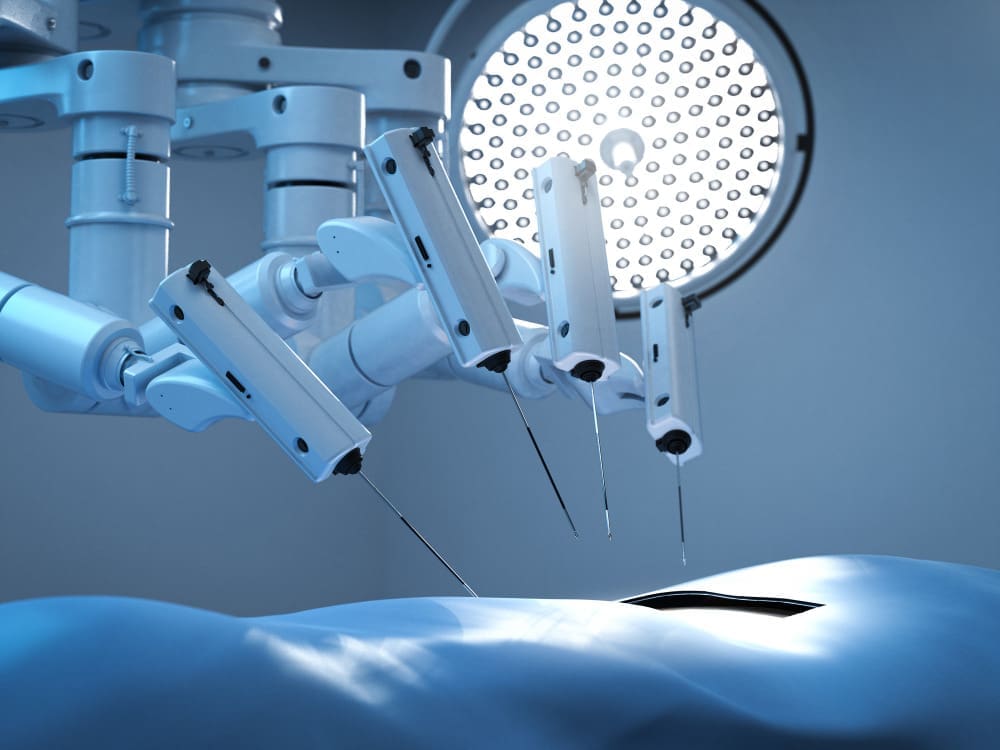
The arrival of surgical robots is a big step forward in medical tech, leading to better patient care. We’ve seen a big change in surgery, moving from old open surgeries to new robotic-assisted ones.
From Traditional Surgery to Robotic Assistance
For centuries, traditional surgery was the main way doctors worked. But now, with new tech, robotic help is more common. These robots give better dexterity, precision, and vision, making tough surgeries easier and more accurate.
The shift to robotic surgery is because we need more precise and less invasive methods. Now, surgeons can do operations that were hard or impossible before.
Major Technological Breakthroughs in Surgical Robotics
There have been big tech advances in surgical robots. One key one is 3D imaging systems, giving surgeons a clear view of what they’re doing.
Another big step is the creation of wristed instruments. These let surgeons move and work more easily, thanks to their 360-degree rotation.
| Technological Breakthrough | Description | Impact on Surgery |
|---|---|---|
| 3D Imaging Systems | High-definition 3D visualization of the surgical site | Enhanced precision and accuracy |
| Wristed Instruments | Instruments with 360-degree rotation capability | Greater flexibility and dexterity |
| Robotic Arms | Stable and precise robotic arms for instrument control | Reduced tremors and improved control |
The da Vinci Surgical System, approved in 2000, was a big step in robotic surgery. It brought better dexterity and 3D vision. Many more improvements have followed, making surgical robots even better.
Understanding How Surgical Robots Work
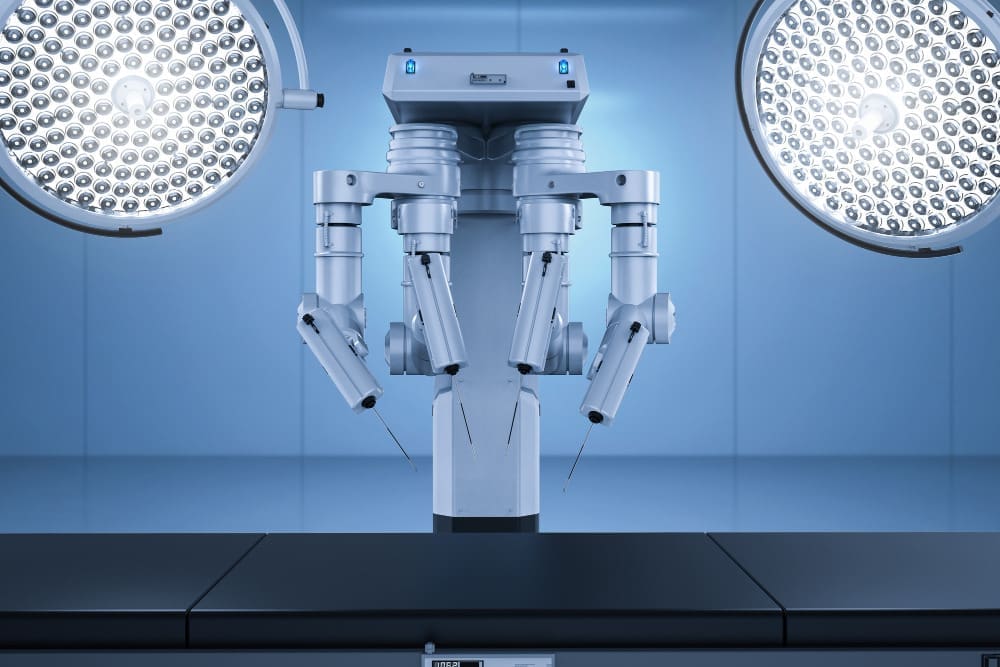
It’s important to know how surgical robots work to see their value in today’s medicine. We’ll look into the details of robotic surgical systems. We’ll also see how skilled surgeons use them.
Components of a Robotic Surgical System
A robotic surgical system has several key parts. These parts work together to give surgeons the tools they need for precise operations.
- A high-definition 3D vision system that provides a clear view of the operating area
- Computer-controlled instruments that can be manipulated with great accuracy
- A console where the surgeon controls the instruments
- A patient-side cart with robotic arms that hold the instruments
Together, these parts help surgeons do operations with better precision and less invasion.
| Component | Description | Functionality |
|---|---|---|
| 3D Vision System | High-definition camera system | Provides clear visualization of the operating area |
| Computer-Controlled Instruments | Precise instruments controlled by the surgeon | Enables accurate manipulation of tissue and suturing |
| Surgeon’s Console | Control center for the surgeon | Allows for precise control of the robotic arms and instruments |
| Patient-Side Cart | Robotic arms that hold the instruments | Performs the surgical procedure with minimal invasion |
The Surgeon’s Role in Robot-Assisted Procedures
The surgeon’s role in robot-assisted procedures is complex. It involves technical skills and medical knowledge to make important decisions during surgery.
Surgeons use the robotic system from a console. They use their experience to guide the instruments. This teamwork between the surgeon and the robot improves patient care.
By understanding how surgical robots work and the role of surgeons, we can see the progress these technologies bring to healthcare.
The 7 Key Benefits of Surgical Robots in Modern Healthcare
Surgical robots are changing healthcare a lot. They make surgeries better and safer. This is thanks to many benefits they offer.
Overview of Transformative Advantages
Surgical robots bring big changes to healthcare. They make surgeries more precise and accurate. This leads to better results for patients.
Here are seven main benefits of surgical robots:
- Unparalleled precision and accuracy
- Enhanced 3D visualization for surgeons
- Minimally invasive procedures with smaller incisions
- Faster recovery times for patients
- Reduced complications and blood loss
- Improved surgical dexterity and control
- Reduced surgeon fatigue and ergonomic advantages
How These Benefits Impact Patient Outcomes
Surgical robots help patients a lot. They make surgeries safer and faster. This means patients can get back to their lives sooner.
| Benefit | Impact on Patient Outcomes |
|---|---|
| Unparalleled Precision | Reduced risk of complications |
| Minimally Invasive Procedures | Less tissue damage, reduced scarring |
| Faster Recovery Times | Shorter hospital stays, quicker return to normal activities |
Exploring surgical robots further shows they’re changing surgery a lot. They make care better for patients. This shows how important they are in today’s healthcare.
Benefit 1: Unparalleled Precision and Accuracy
Precision and accuracy are key in robotic surgery, changing patient care. The use of surgical robots in healthcare has led to more precise and reliable surgeries.
Computer-Controlled Instruments for Enhanced Precision
Surgical robots have computer-controlled instruments for unparalleled precision. These tools are made to move like a surgeon’s hands but better. They allow for detailed procedures with little mistake.
We use advanced robotic systems with high-definition 3D visualization and precise tools. This setup lets surgeons do complex tasks with high accuracy, something traditional surgery can’t match.
Making Complex Surgeries Safer and More Effective
The precision of surgical robots makes complex surgeries safer and more effective. These systems reduce the risk of complications, leading to better patient results. For example, advanced imaging technologies in robotic surgery improve precision.
| Surgical Aspect | Traditional Surgery | Robotic Surgery |
|---|---|---|
| Precision Level | Limited by human hand | Enhanced by computer control |
| Complication Rate | Higher | Lower |
| Recovery Time | Longer | Shorter |
Using surgical robots improves the care we give our patients. As technology gets better, we’ll see more progress in robotic surgery.
Benefit 2: Enhanced 3D Visualization for Surgeons
Advanced imaging in robotic systems gives surgeons better 3D views. This leads to better surgery results. It has changed surgery, making it clearer and more precise.
Advanced Imaging Technologies in Robotic Systems
The da Vinci system offers high-definition 3D views. This helps surgeons see complex anatomy better. High-definition 3D visualization lets them do surgeries more accurately.
- High-definition 3D visualization for enhanced clarity
- Improved depth perception for better navigation
- Enhanced magnification for detailed examination
How Improved Visualization Leads to Better Surgical Outcomes
Improved views help surgeons do better by:
- Seeing anatomical structures more clearly
- Navigating complex areas with ease
- Doing precise dissections and suturing
By improving what surgeons see, 3D visualization technology lowers complication risks. It also makes patient outcomes better. We think advanced imagingin surgical robots will keep getting better, making surgeries safer and more precise.
Benefit 3: Minimally Invasive Procedures with Smaller Incisions
Robotic surgery is great because it can do complex operations through tiny cuts. This is a big deal in minimally invasive surgery. It’s getting more popular because it’s good for patients.
The size of the cuts matters a lot for how well a patient recovers and feels about the surgery. Robotic surgery makes smaller cuts than old-school surgery. This means less damage to the body and less pain for the patient.
Comparing Incision Size: Traditional vs. Robotic Surgery
Traditional surgery needs big cuts to see what’s going on. But robotic surgery uses tiny cuts. This lets in the robotic arms and a camera.
| Surgery Type | Typical Incision Size | Recovery Time |
|---|---|---|
| Traditional Open Surgery | 6-12 inches | Several weeks to months |
| Robotic Surgery | 0.5-1 inch (multiple incisions) | Several days to weeks |
Aesthetic Benefits and Reduced Scarring
The small cuts in robotic surgery are not just good for healing. They also make the scars less noticeable. This makes patients happier with how they look after surgery.
A study found that robotic surgery leads to less scarring and better looks. This is a big win for patients. It means they heal faster and have less visible scars.
In short, robotic surgery’s small cuts are a big plus. They mean less scarring, less pain, and faster healing. As we keep improving, we expect even better results for patients.
Benefit 4: Faster Recovery Times for Patients
Robotic surgery offers a big advantage: patients recover faster. This is because it’s less invasive, causing less damage and trauma. This means patients heal quicker and can get back to their daily lives sooner.
Reduced Hospital Stays After Robotic Surgery
Patients after robotic surgery often stay in the hospital less than those who have traditional surgery. Data shows that hospital stays for robotic surgery patients are much shorter. This saves hospital resources and cuts down on healthcare costs.
| Surgery Type | Average Hospital Stay |
|---|---|
| Robotic Surgery | 1-2 days |
| Traditional Surgery | 3-5 days |
The minimally invasive nature of robotic surgery is why hospital stays are shorter. It leads to less pain and fewer complications. This means patients can go home sooner and recover faster.
Quicker Return to Normal Activities and Work
Patients who have robotic surgery also get back to their normal lives faster. The precision of robotic systems means less damage and pain. This lets patients get back to their routines and work sooner than those who had traditional surgery.
Robotic surgery’s benefits, like faster recovery and shorter hospital stays, make it a great choice for patients. As technology gets better, we’ll see even better results for patients.
Benefit 5: Reduced Complications and Blood Loss
Advanced robotic technology helps surgeons perform complex procedures with high accuracy. This leads to fewer complications and less blood loss. It makes complex surgeries safer for patients.
How Robotic Precision Minimizes Surgical Risks
Robotic precision is key in reducing surgical risks. It allows for precise dissections and suturing. This reduces damage to tissues and blood vessels.
Studies show robotic systems cut down on blood loss during surgery. This is due to better visualization and precise movements. It also reduces tissue trauma.
“The integration of robotic technology in surgery represents a significant advancement in our ability to provide safe and effective care to our patients.”
Lower Infection and Readmission Rates
Robotic surgery’s minimally invasive nature reduces tissue trauma. It also lowers infection rates. Smaller incisions mean less chance of contamination.
Robotic surgery’s precision leads to faster healing and fewer complications. This results in lower readmission rates for patients. It’s because of the reduced risk of complications and better recovery.
We aim to give our patients the best treatment options. Robotic surgery offers benefits like reduced complications, less blood loss, and quicker recovery. It’s part of our mission to provide top-notch healthcare.
Benefit 6: Improved Surgical Dexterity and Control
Surgical robots bring a new level of precision and flexibility to the operating room. They help surgeons perform complex tasks with more skill. This is key for handling the detailed anatomy found in many surgeries.
Greater Flexibility in Tight Surgical Spaces
Robotic systems are great for working in tight spaces. Their instruments move like a human wrist, giving surgeons more control. This makes it easier to do detailed work in small areas.
In surgeries like prostatectomies or hysterectomies, surgeons face complex structures. Robotic systems help them make precise, delicate cuts. This reduces the chance of problems during the surgery.
Overcoming Human Physical Limitations
Robotic surgery also helps surgeons work longer without getting tired. The robotic console is made for comfort, easing strain. This lets surgeons stay focused and perform better.
- Enhanced precision through scaled movements
- Improved range of motion compared to traditional laparoscopy
- Reduced tremor through advanced filtering technology
Thanks to these benefits, surgeons can keep their skills sharp. This leads to better results for patients.
Benefit 7: Reduced Surgeon Fatigue and Ergonomic Advantages
Advanced robotic technology helps surgeons do their jobs with less effort. This makes them feel better overall. The design of these systems is key in cutting down on surgeon fatigue. It lets surgeons move more precisely and control their actions better during surgery.
How Robotic Systems Prevent Surgeon Burnout
Surgeon fatigue is a big problem in traditional surgery. It can make surgeons less accurate and increase the chance of complications. Robotic systems aim to solve this by giving surgeons a comfortable place to work.
These systems are set up so surgeons can work in a way that’s easy on their bodies. This means less physical and mental tiredness. Studies show that using these systems can greatly cut down on surgeon fatigue, making surgeries safer for patients.
Long-Term Benefits for Healthcare Providers
The benefits of less surgeon fatigue and better design go beyond the surgeon. They help the whole healthcare team. By making surgery easier on surgeons, healthcare providers can keep their teams happy and working well.
| Benefits | Traditional Surgery | Robotic Surgery |
|---|---|---|
| Surgeon Fatigue | High | Low |
| Ergonomic Design | Limited | Advanced |
| Surgeon Comfort | Variable | High |
As we keep improving robotic technology in surgery, we’ll see big gains in surgeon health and patient care. Making surgery easier and less tiring for surgeons is a big step towards better surgical care.
Conclusion: The Future of Surgical Robots in Healthcare
Medical technology is advancing fast, and surgical robots are leading the way. At Liv Hospital, we’re excited to use these robots to help our patients get better results. We’re all about making sure our patients get the best care possible.
Surgical robots bring many benefits, like better precision and faster healing. They change how we do surgery for the better. As tech gets better, robots will help us treat patients in new, effective ways.
We want to make sure our patients get the best care. By using the latest in robotic surgery, we aim to improve health outcomes and reduce risks. We’re committed to keeping up with the latest in healthcare to give our patients the best treatments.
References
American Medical Association (AMA) Journal of Ethics. Robotic‑Assisted Surgery — Better? https://journalofethics.ama-assn.org/article/robotic-assisted-surgery-better/2023-08
American Hospital Association (AHA). 3 Ways Robotic Surgery Is Changing Health Care this Year. https://www.aha.org/aha-center-health-innovation-market-scan/2025-03-04-3-ways-robotic-surgery-changing-health-care-year
National Center for Biotechnology Information (NCBI). Advancements in Robotic Surgery: A Comprehensive Overview of Current Utilizations and Upcoming Frontiers. https://pmc.ncbi.nlm.nih.gov/articles/PMC10784205/