


Great strides in pediatric oncology have changed the outlook for kids with cancer. The American Cancer Society says about 9,550 kids in the U.S. will get cancer in 2025. Many cancer childhood symptoms, like unusual lumps, unexplained weight loss, frequent fevers, and persistent pain, can be subtle or mistaken for common illnesses. Yet, thanks to improvements in treatment, 85% of kids with cancer now live for 5 years or more.
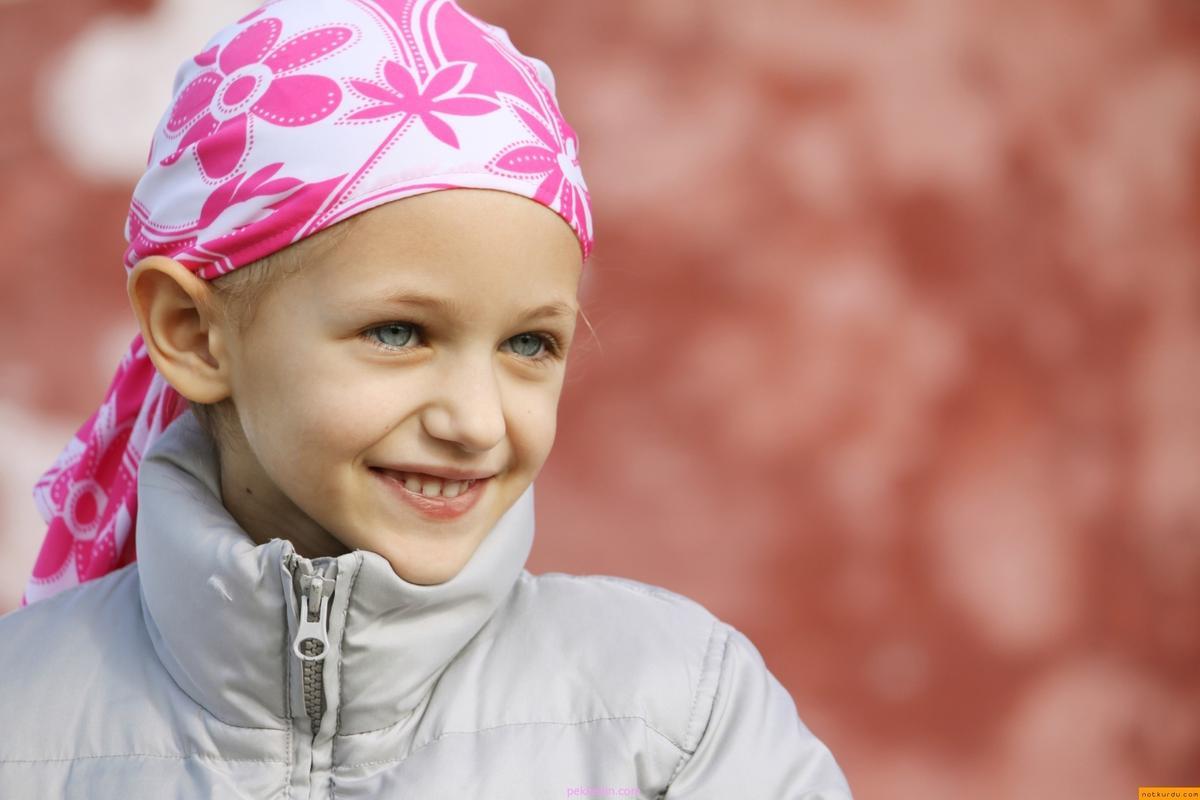
We’re seeing a big change in how we treat pediatric cancer. New medical advances have greatly boosted survival rates. Now, most childhood cancers in rich countries are curable. The 5-year survival rate has jumped from about 63% in 1975 to over 85% today.
Key Takeaways
- Most childhood cancers in high-income countries are now considered curable.
- The 5-year survival rate for children with cancer has significantly improved.
- Understanding childhood cancer symptoms is key to early detection.
- Advancements in medical care have led to better treatment outcomes.
- 85% of children diagnosed with cancer now survive 5 years or more.
The remarkable improvement in childhood cancer survival rates
Medical science has made huge strides, leading to a remarkable increase in survival rates for kids with cancer. This progress shows the hard work of researchers, doctors, and healthcare teams around the world.
The history of childhood cancer survival rates is truly inspiring. Back in 1975, the 5-year survival rate was about 63%. Now, it’s over 85%, thanks to St. Jude Children’s Research Hospital and the World Health Organization (WHO). This big jump shows how far medical research and treatments have come.
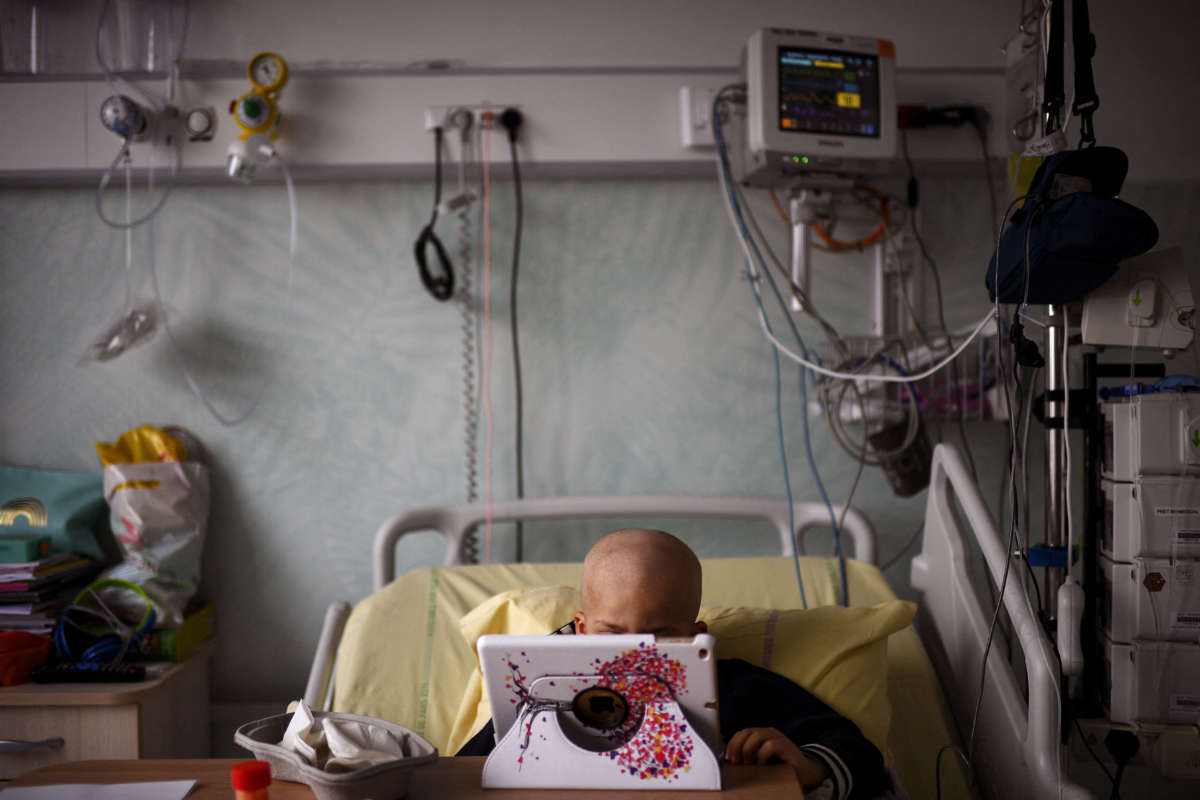
Historical perspective: From 63% in 1975 to over 85% today
The journey from 63% in 1975 to over 85% today is a story of never giving up. Studies say this progress comes from understanding cancer better, better chemotherapy, and better care.
Key factors driving improved outcomes
Several key factors have helped improve survival rates in childhood cancer. These include:
- Better understanding of cancer biology: New research in genetics and molecules has led to more targeted treatments.
- Improved chemotherapy regimens: New, less harsh chemotherapy plans have cut down on side effects and boosted success rates.
- Enhanced supportive care: Better care for side effects has greatly improved the lives of kids with cancer.
As we keep exploring new ways to fight pediatric cancer, it’s vital to stay aware of the signs of pediatric cancer and support childhood cancer awareness. This way, we make sure every child gets the best care and treatment.
Curability rates by common types of childhood cancers
It’s important to know how well different childhood cancers can be treated. Each type of cancer has its own survival rate and treatment success. This knowledge helps us find better ways to treat these diseases.
Leukemia: A Success Story with Over 85% Survival Rate
Leukemia is the most common childhood cancer. Thanks to better treatments, more than 85% of kids with leukemia survive for five years. This success is thanks to new medicines and targeted therapies.
Lymphoma: Approaching a 94% Survival Rate
Lymphoma is another common childhood cancer. It has a survival rate close to 94%. This is because of effective treatments like chemotherapy and immunotherapy.
Brain and Bone Tumors: The Ongoing Challenge at 60%
Brain and bone tumors are harder to treat, with a survival rate of about 60%. These cancers are tough because of where they are and how hard they are to remove. We need to keep working on new treatments and ways to fight these cancers.
Rare Pediatric Cancers and Their Prognosis
Rare pediatric cancers are a big challenge. Even though they are not common, they are hard to treat because they are so rare. We need to study these cancers more to help kids survive.
In summary, we’ve made big strides in treating childhood cancers. But we must keep researching, focusing on rare and tough cancers. By understanding how well we can treat each type of cancer, we can make treatments better for kids.
Recognizing childhood cancer symptoms for early intervention
Early detection is key in fighting childhood cancer. Spotting the signs and symptoms is the first step. Childhood cancer symptoms can be tricky to spot because they’re similar to common illnesses. Knowing the common warning signs can greatly improve treatment chances.

Common warning signs parents should never ignore
Parents need to watch out for certain symptoms that could mean childhood cancer. These include:
- Unexplained fever: Persistent or recurring fevers without an apparent cause.
- Persistent headaches: Headaches that do not go away and are often accompanied by other symptoms like vomiting or dizziness.
- Bone pain: Pain in the bones or joints that persists and is not related to an injury.
- Weight loss: Unexplained weight loss is a common symptom in many types of cancer.
- Swollen lymph nodes: Swelling in the neck, armpits, or groin that does not go away.
The critical importance of timely diagnosis
Getting a diagnosis early is vital in treating childhood cancer. Early detection can greatly improve survival chances and reduce the need for harsh treatments. When parents know the signs, they can get medical help sooner. This can lead to quicker diagnosis and treatment.
The World Health Organization stresses that early diagnosis is essential for better cancer survival rates. By being proactive and recognizing warning signs, parents are key in their child’s treatment journey.
Screening recommendations for high-risk children
Some kids are at higher risk for certain cancers due to genetics or other factors. For these kids, regular screenings are vital. Pediatricians might suggest specific screening plans based on the child’s risk. This could include regular check-ups, imaging tests, or other diagnostic procedures.
By knowing the signs of childhood cancer and the importance of early detection, parents can be more involved in their child’s health care. This active role can lead to better treatment results and higher survival rates.
Treatment breakthroughs transforming childhood cancer care
The way we treat childhood cancer is changing fast. New technologies and therapies are leading the way. These changes are making treatments more personalized and effective, helping kids get better faster.
Targeted Therapies and Precision Medicine
Targeted therapies and precision medicine are changing the game. They focus on the specific genetic issues causing cancer. This means treatments are more precise and have fewer side effects.
Immunotherapy Advancements
Immunotherapy uses the body’s immune system to fight cancer. It’s showing great promise in treating childhood cancers. With CAR-T cell therapy and checkpoint inhibitors, we’re seeing more treatment options and better survival rates.
Radiation and Surgery Innovations
New approaches in radiation and surgery are making a big difference. Techniques like proton therapy lower the risk of secondary cancers. Advances in surgery are also helping kids recover faster and have fewer long-term effects.
Multidisciplinary Care Approaches
Multidisciplinary care is key. It brings together experts from different fields for a complete care plan. This team effort is vital in tackling the complex challenges of childhood cancer treatment.
As we explore new frontiers in childhood cancer treatment, we’re seeing big improvements. These breakthroughs are not just about survival; they’re about improving life for survivors. We’re dedicated to providing the latest and most caring treatments to our patients. These advancements show our ongoing commitment to better outcomes.
Life after treatment: Long-term considerations for survivors
The journey doesn’t end with treatment; childhood cancer survivors need ongoing support and care. As survival rates improve, we focus more on their long-term needs.
Managing chronic health conditions from treatment effects
Childhood cancer survivors often face chronic health issues from their treatment. These can include heart problems, secondary cancers, and growth and development issues. Managing these conditions well is key to improving their quality of life. We must closely monitor their health and act early to lessen treatment effects.
Regular check-ups and screenings are key to catching problems early. This helps healthcare providers tackle issues before they worsen. It ensures survivors get the care they need.
Psychological and social support needs
The psychological impact of childhood cancer is significant, affecting survivors and their families. Psychological support is vital for survivors to cope with their trauma. This support includes counseling, therapy, and support groups to help them deal with emotional challenges.
Social support is also critical for survivors to reintegrate into their communities and rebuild their lives. A supportive environment helps them overcome social and emotional hurdles from their experience.
Follow-up care protocols and their importance
Follow-up care is key for survivorship care. It involves regular monitoring and assessment to spot late treatment effects. Clear follow-up care protocols are essential for consistent and thorough care.
These protocols should match each survivor’s needs, based on their treatment history and risk factors. This way, we can offer care that meets each survivor’s unique challenges.
Conclusion: The future of childhood cancer treatment
We’ve seen big steps forward in treating childhood cancer. This progress gives us hope for the future. It shows that research and better care are making a difference.
New treatments like targeted therapies and immunotherapy are changing how we fight childhood cancer. These breakthroughs offer hope to kids and their families. They show us that better days are ahead.
Research is key to making treatments even better. By keeping up the research and improving care, we can help more kids beat cancer. This is our goal.
We’re dedicated to giving top-notch care to kids from around the world. Our mission is to improve their chances of survival and quality of life. We’re excited for the future of treating childhood cancer.
FAQ
What are the most common signs and symptoms of childhood cancer?
Look out for unexplained fever, persistent headaches, and bone pain. Also, watch for weight loss and other unusual symptoms. These signs are important for catching cancer early.
How have childhood cancer survival rates changed over time?
Back in 1975, the 5-year survival rate was about 63%. Now, it’s over 85%. This big jump is thanks to better research, early detection, and treatment.
What are the curability rates for different types of childhood cancers?
Leukemia has a survival rate of over 85%. Lymphoma is close to 94%. Brain and bone tumors have a rate of around 60%. Knowing these rates helps in planning treatment.
What advancements are transforming childhood cancer treatment?
New treatments like targeted therapies and precision medicine are making a big difference. So are immunotherapy, better radiation and surgery, and team-based care. These changes are improving outcomes and reducing side effects.
Why is early detection of childhood cancer important?
Early detection means quicker treatment, which boosts survival chances. Screening for high-risk kids can help catch cancer early.
What are the long-term needs of childhood cancer survivors?
Survivors often face chronic health issues from treatment. They need ongoing care and support. Psychological and social help are key, along with regular check-ups to watch their health.
How is pediatric cancer research contributing to improved outcomes?
Research into cancer biology and treatment is leading to better survival rates and quality of life. It’s a big step forward for kids with cancer.
What can parents do to ensure their child receives the best possible care for childhood cancer?
Parents should know the common signs of childhood cancer. If they see any unusual symptoms, they should get medical help right away. Working closely with doctors is also important for the best care.
References
- American Cancer Society. (2024). Key Statistics for Childhood Cancers. Retrieved from https://www.cancer.org/cancer/types/childhood-cancers/key-statistics.html
- World Health Organization. (2023). Childhood Cancer. Retrieved from https://www.who.int/news-room/fact-sheets/detail/childhood-cancer
- U.S. Centers for Disease Control and Prevention. (2023). Long-Term Follow-Up Care for Childhood Cancer Survivors. Retrieved from https://www.cdc.gov/cancer/survivors/life-after-cancer/long-term-followup.htm
- U.S. National Library of Medicine. (2022). Advances in Pediatric Oncology: A Review of Recent Progress. Pediatric Blood & Cancer, 69(S3), e29977. https://www.ncbi.nlm.nih.gov/pmc/articles/PMC9469777/


 Departments
 Related Videos
 Our Doctors
 News
News


