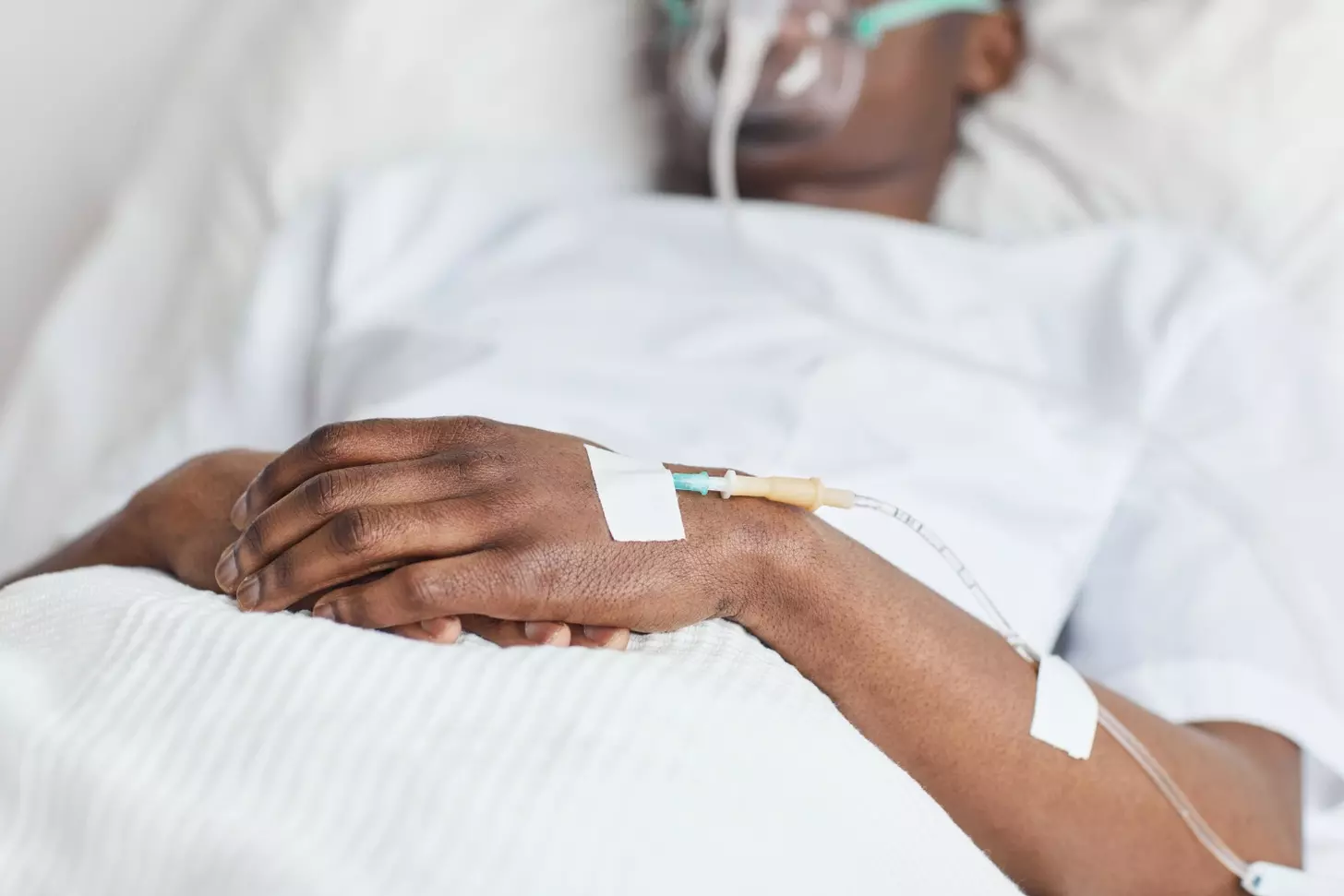
At Liv Hospital, we know how vital effective treatment is for Hodgkin lymphoma. The ABVD chemotherapy regimen is key in fighting this disease. It helps many patients achieve remission, no matter the disease stage.
ABVD chemotherapy drugs are essential in treating Hodgkin lymphoma. These include doxorubicin, bleomycin, vinblastine, and dacarbazine. Our team focuses on giving each patient care that fits their unique needs.
Key Takeaways
- ABVD chemotherapy is a widely used regimen for treating Hodgkin lymphoma.
- The regimen includes four key drugs: doxorubicin, bleomycin, vinblastine, and dacarbazine.
- High remission rates are achieved with ABVD chemotherapy across various disease stages.
- Liv Hospital provides a patient-centered approach to cancer treatment.
- Our experts are dedicated to delivering world-class healthcare services.
- Personalized care is a cornerstone of our treatment protocols.
The Fundamentals of Hodgkin Lymphoma

It’s key to know about Hodgkin lymphoma to see how ABVD chemotherapy works. This cancer starts in the lymphatic system, which fights off infections and diseases.
The lymphatic system is vital for our health. Hodgkin lymphoma can mess with how it works. Research links the size of tumors to how well patients feel, showing the disease’s impact.
What Distinguishes Hodgkin Lymphoma from Other Cancers
Hodgkin lymphoma is unique because of Reed-Sternberg cells. These cells are a sign of the disease. They make Hodgkin lymphoma different from other cancers.
The disease has different types based on the Reed-Sternberg cells. Knowing this helps doctors choose the best treatment.
Why Specialized Treatment Approaches Are Needed
Hodgkin lymphoma needs special treatments because of its unique nature. ABVD chemotherapy is a key treatment for many. It shows the need for treatments tailored to each patient.
Special care means more than just chemotherapy. It also includes helping patients deal with side effects. Understanding Hodgkin lymphoma helps doctors give better, more personal care.
ABVD Chemotherapy Drugs: The Cornerstone of Hodgkin Lymphoma Treatment
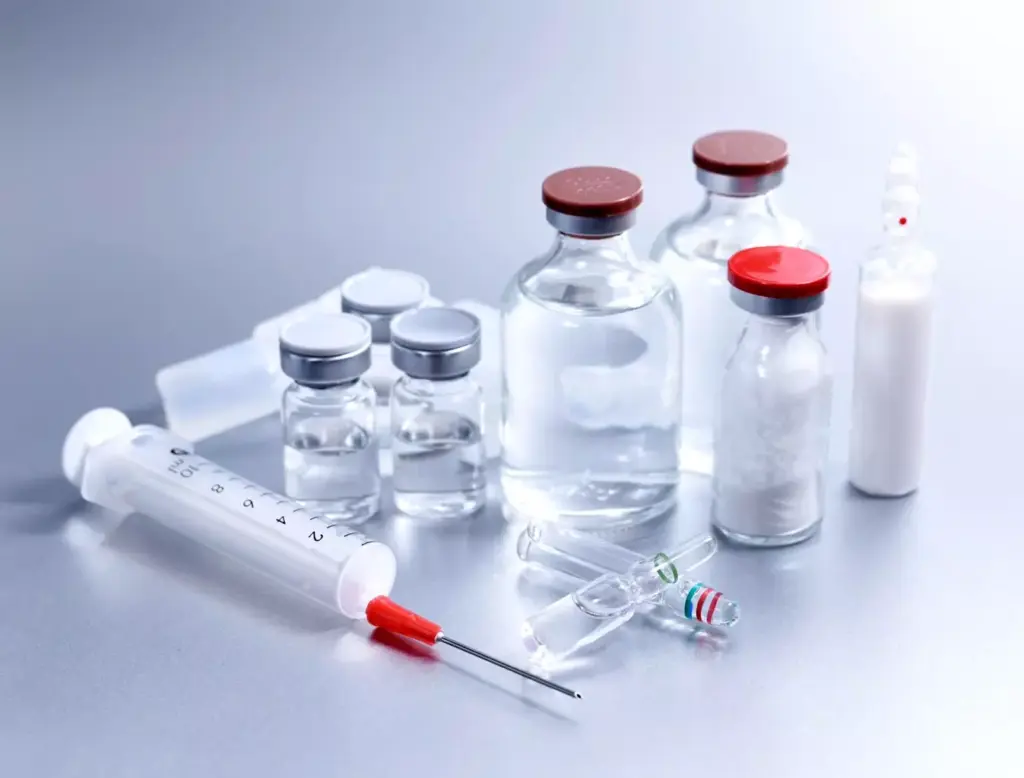
For patients with Hodgkin lymphoma, the ABVD chemotherapy protocol is key. It combines doxorubicin, bleomycin, vinblastine, and dacarbazine. This mix has been a mainstay in fighting Hodgkin lymphoma for years.
Doxorubicin: The “A” in ABVD
Doxorubicin is a chemotherapy drug that stops cancer cells from growing. It works by messing with DNA, causing cancer cells to die. As part of the ABVD regimen, doxorubicin targets fast-growing cancer cells in Hodgkin lymphoma.
Bleomycin: The “B” in ABVD
Bleomycin is a vital drug in the ABVD regimen. It damages DNA, stopping cancer cells from making new DNA. Bleomycin is very good at killing certain cancer cells, including those in Hodgkin lymphoma.
Vinblastine: The “V” in ABVD
Vinblastine stops cancer cells from dividing by messing with their cell structure. This stops cancer cells from growing and spreading, making vinblastine a key part of the ABVD regimen.
Dacarbazine: The “D” in ABVD
Dacarbazine damages DNA, stopping cancer cells from making new DNA. This causes cancer cells to die, helping the ABVD chemotherapy work better.
The ABVD regimen uses all four drugs to fight Hodgkin lymphoma. It targets cancer cells in different ways to improve treatment results.
- Doxorubicin intercalates DNA, inhibiting topoisomerase II.
- Bleomycin causes DNA strand breaks.
- Vinblastine inhibits microtubule formation.
- Dacarbazine alkylates DNA, interfering with replication.
Knowing how each drug works in the ABVD regimen helps doctors tailor treatments. This makes treatment for Hodgkin lymphoma more effective.
How the ABVD Regimen Works to Combat Cancer Cells
The ABVD regimen combines doxorubicin, bleomycin, vinblastine, and dacarbazine. It has changed how we treat Hodgkin lymphoma. This mix targets cancer cells in a unique way.
This treatment’s power comes from its synergistic effects. The four drugs work together better than alone.
Synergistic Effects of Combined Medications
The ABVD regimen uses four chemotherapy drugs. Each drug works differently:
- Doxorubicin stops DNA from moving, causing cells to die.
- Bleomycin breaks DNA strands, killing cells that are not resting.
- Vinblastine stops cells from dividing by messing with microtubules.
- Dacarbazine damages DNA, stopping cancer cells from growing.
Targeting Rapidly Dividing Cells
Cancer cells grow fast. The ABVD drugs attack these cells in different ways. This ensures cancer cells are hit at every stage.
Why This Combination Is Particulary Effective
This mix of drugs is powerful because it:
- Attacks cancer cells in many ways, making it hard for them to resist.
- Increases the damage to tumors, shrinking them more.
- Allows for lower doses of each drug, reducing side effects.
Understanding the ABVD regimen helps patients and doctors see why it’s a top choice for Hodgkin lymphoma treatment.
ABVD Treatment Protocol: What to Expect During Therapy
Knowing about the ABVD treatment is key for those starting Hodgkin Lymphoma therapy. It uses Doxorubicin, Bleomycin, Vinblastine, and Dacarbazine. These drugs are given in cycles over months.
Typical Treatment Cycles and Duration
The ABVD chemotherapy is given in 28-day cycles. Patients get the drugs on Days 1 and 15 of each cycle. The number of cycles depends on the disease stage and treatment response, usually 4 to 6 cycles.
Cycle duration and frequency help the body recover between treatments. This balance is key for effective treatment.
Administration Methods and Procedures
ABVD chemotherapy is given through an IV. It happens in an outpatient setting, like a chemotherapy day unit. Patients are seated and the drugs are infused over a few minutes to hours, based on the drug and patient condition.
During infusion, patients are closely monitored for any immediate reactions. The healthcare team is there to handle any concerns or side effects.
Pre-medication and Supportive Care
To reduce side effects and make treatment comfortable, supportive care measures are used. This includes pre-medications for nausea, antibiotics for infections, and medications for blood cell counts.
We also offer tips on managing daily activities during treatment. Advice on nutrition and hydration helps patients stay strong during therapy.
Success Rates: ABVD Therapy Effectiveness by Disease Stage
Knowing how well ABVD therapy works is key for patients and doctors. It helps them choose the best treatment for Hodgkin lymphoma. The therapy’s success has been studied a lot, giving us insights into its performance at different disease stages.
Early-Stage Hodgkin Lymphoma: High Remission Rates
For those with early-stage Hodgkin lymphoma, ABVD therapy is very effective. It has impressive remission rates, often over 80%. This is because the disease is more localized at this stage, making it easier to treat with ABVD.
Research shows that starting ABVD chemotherapy early can lead to long-term remission for most patients.
“The use of ABVD chemotherapy in early-stage Hodgkin lymphoma has revolutionized treatment outcomes, giving patients a high chance of cure with manageable side effects.”
Advanced-Stage Disease: Significant Success
ABVD therapy also works well for advanced-stage Hodgkin lymphoma, even though the disease is harder to treat. About 70% of patients with advanced disease see positive results. Advanced disease needs a more complex treatment plan, often combining chemotherapy with other treatments.
Yet, ABVD is a key part of treating advanced Hodgkin lymphoma.
Factors Influencing Treatment Outcomes
Many things can affect how well ABVD therapy works. These include the patient’s health, the type of Hodgkin lymphoma, and how well they handle the treatment. Patient selection and supportive care are very important for the best results. New research into other treatments might also improve ABVD’s success in the future.
Every patient’s fight against Hodgkin lymphoma is different, and results can vary. By understanding what affects ABVD therapy’s success, doctors can make treatment plans that fit each patient better. This can lead to better remission rates and outcomes for patients.
Managing ABVD Chemo Side Effects
ABVD chemotherapy is a top choice for treating Hodgkin lymphoma. But, it’s key to manage its side effects to keep patients’ quality of life high. The treatment uses Doxorubicin, Bleomycin, Vinblastine, and Dacarbazine. Each drug can cause different side effects.
Common Short-term Side Effects
Short-term side effects of ABVD chemotherapy can be tough but are usually manageable. Common issues include:
- Low Blood Counts: This raises the risk of infections, anemia, and bleeding.
- Nausea and Vomiting: Antiemetic meds can help manage these.
- Hair Loss: It’s temporary and reversible.
- Fatigue: Feeling tired or weak is common.
We help patients reduce these side effects through supportive care. This way, they can keep up with their treatment with less discomfort.
Long-term Considerations
ABVD chemotherapy is effective, but it’s also important to think about long-term side effects. These can include:
- Bleomycin-induced Lung Toxicity: Regular checks are key to catch lung problems early.
- Increased Risk of Secondary Cancers: Though rare, there’s a chance of getting secondary malignancies.
- Fertility Issues: We advise talking about fertility preservation before starting treatment.
We talk to our patients about these long-term effects. We also help plan follow-up care to address these concerns.
Supportive Treatments to Minimize Side Effects
To lessen the side effects of ABVD chemotherapy, we use supportive treatments. These include:
- Antiemetic Therapy: This helps control nausea and vomiting.
- Growth Factors: They help make more blood cells.
- Pulmonary Function Monitoring: Regular checks are important for lung health, mainly for Bleomycin users.
By customizing supportive care for each patient, we can greatly improve their treatment experience and results.
AVD Chemo: When Bleomycin Is Removed from the ABVD Protocol
Bleomycin can harm the lungs, making AVD chemotherapy a safer choice than ABVD for some patients. This change is important for those at high risk of lung problems from bleomycin.
Understanding Bleomycin-Related Lung Toxicity
Bleomycin is key in ABVD treatment for Hodgkin lymphoma. But, it can also damage the lungs, which can be serious or even deadly. Risks include age, smoking, lung diseases, and chest radiation.
Doctors check patients closely before starting treatment. For those at higher risk, they might choose AVD instead of ABVD to avoid lung damage.
Patient Selection for AVD versus ABVD
Choosing between AVD and ABVD depends on many things. These include the patient’s health, lung risk, and lymphoma stage. Doctors use these factors to pick the best treatment.
| Patient Characteristics | ABVD | AVD |
|---|---|---|
| Low Risk for Lung Toxicity | Recommended | Not Necessary |
| High Risk for Lung Toxicity | Not Recommended | Recommended |
| Advanced Age | Caution Advised | Considered |
Effectiveness Comparisons Between Protocols
Research has looked at how well AVD and ABVD work. ABVD is often used, but AVD might be safer for those at high lung risk. The difference in effectiveness is small, but it’s worth it for avoiding lung problems.
Our study found AVD can work as well as ABVD for some patients. This is true when choosing AVD based on the patient’s risk factors.
Multidisciplinary Approach to ABVD Chemotherapy for Hodgkin Lymphoma
At the heart of successful Hodgkin lymphoma treatment is a multidisciplinary approach. This brings together various medical specialties. It ensures patients get the best care, tackling the cancer and their overall well-being.
The Role of the Oncology Team
The oncology team is key in treating Hodgkin lymphoma, focusing on ABVD chemotherapy. This team includes medical oncologists, hematologists, and oncology nurses. They create a treatment plan that fits each patient’s needs.
They consider the disease stage, the patient’s health, and any past treatments. This makes the chemotherapy more effective for each patient.
Integrating Radiation Therapy When Needed
In some cases, radiation therapy is added to ABVD chemotherapy. Radiation oncologists work with the oncology team to plan the best radiation treatment. This ensures it works well with the chemotherapy.
This approach can lead to better results for patients with certain risk factors or disease characteristics.
Supportive Care Specialists
Supportive care specialists are vital in the team. They manage side effects, address nutritional needs, and offer psychological support. This includes oncology social workers, nutritionists, and mental health professionals.
They focus on the whole patient, not just the disease. This helps improve the patient’s quality of life during and after treatment. It ensures they get all-around care.
Life During and After ABVD Treatment
ABVD treatment for Hodgkin lymphoma can be tough. But knowing what to expect helps a lot. We’ll guide you through managing daily life, recovery time, and the need for long-term follow-up.
Managing Daily Activities During Therapy
Side effects from ABVD treatment can affect daily life. Managing these side effects is key to keeping quality of life. Here’s what we suggest:
- Drink plenty of water and eat well
- Do light exercises, like walking, to stay energetic
- Rest and sleep well to help your body heal
- Get support from family, friends, or groups
Keeping a routine is also important. It helps you feel more normal during treatment.
Recovery Timeline and Expectations
Recovery time after ABVD treatment varies. Most patients feel better in a few weeks to months after treatment ends. Always follow your healthcare team’s recovery plan.
| Recovery Stage | Timeline | Expectations |
|---|---|---|
| Immediate Post-Treatment | 0-3 months | Fatigue, hair loss, and other side effects may last |
| Early Recovery | 3-6 months | Energy levels improve, side effects lessen |
| Late Recovery | 6-12 months | Most side effects gone, you can usually return to normal |
Long-term Follow-up and Surveillance
After ABVD treatment, long-term follow-up is vital to watch for recurrence and manage treatment effects. This includes:
- Regular visits with your oncologist
- Imaging tests, like PET or CT scans, as needed
- Blood tests to check health and catch issues early
Knowing what to expect during and after ABVD treatment helps patients on their recovery path. Our team is dedicated to giving you the best care and support.
Advanced Treatment Centers: Liv Hospital’s Approach to ABVD Therapy
At Liv Hospital, we focus on the latest research and care for our patients. We use the newest academic protocols to ensure our treatments are the most effective.
Up-to-Date Academic Protocols
Liv Hospital leads in medical progress by using the latest research in ABVD therapy. This means our patients get the best treatment for Hodgkin lymphoma, including the ABVD regimen.
Our protocols are always updated to match the latest science. This makes our treatments more effective and reduces side effects by using the latest supportive care.
Multidisciplinary Care Pathways
Our care at Liv Hospital is a team effort. Specialists like oncologists, radiologists, and supportive care experts work together. They create a treatment plan that fits each patient’s needs.
This team approach ensures we consider all aspects of a patient’s health. It leads to more effective and personalized care, which is key for complex conditions like Hodgkin lymphoma.
Patient-Centered Treatment Philosophy
Our treatment philosophy at Liv Hospital puts the patient first. We focus on their medical, emotional, and psychological needs. This is at the heart of our mission to provide top-notch healthcare.
By focusing on patient-centered care, we create a supportive environment. Patients feel empowered to be active in their treatment. This approach has been shown to improve outcomes and enhance the patient experience.
In summary, Liv Hospital’s approach to ABVD therapy stands out. We are committed to the latest research, team care, and patient-centered care. This makes us a leading center for Hodgkin lymphoma treatment.
Conclusion: The Evolving Landscape of Hodgkin Lymphoma Treatment
ABVD chemotherapy is a key part of treating Hodgkin lymphoma. It has shown high success rates in many cases. The treatment includes doxorubicin, bleomycin, vinblastine, and dacarbazine, which are effective against cancer cells.
The field of Hodgkin lymphoma treatment is always changing. New research and technology are helping us improve care. ABVD chemotherapy is a key part of this, helping us fight the disease.
At Liv Hospital, we focus on top-notch healthcare for our international patients. We use a team approach with ABVD chemotherapy. Our modern facilities and patient-first philosophy make us leaders in Hodgkin lymphoma care. We’re committed to keeping up with new treatments to give our patients the best care.
What is ABVD chemotherapy, and how is it used to treat Hodgkin lymphoma?
ABVD chemotherapy is a mix of doxorubicin, bleomycin, vinblastine, and dacarbazine. It’s a key treatment for Hodgkin lymphoma. It helps many patients achieve remission, no matter the disease stage.
What are the drugs involved in the ABVD chemotherapy regimen?
ABVD includes four drugs: doxorubicin, bleomycin, vinblastine, and dacarbazine. Together, they target and kill cancer cells.
How does the ABVD regimen work to combat cancer cells?
ABVD’s four drugs work together to attack cancer cells. This makes it very effective against Hodgkin lymphoma.
What is the typical treatment protocol for ABVD chemotherapy?
ABVD treatment usually involves several cycles. The length and how it’s given can change based on the patient’s health and how they respond.
What are the common side effects of ABVD chemotherapy?
Side effects of ABVD include nausea, fatigue, and hair loss. There’s also a risk of lung damage from bleomycin.
Why is bleomycin-related lung toxicity a concern, and when is AVD chemotherapy used instead of ABVD?
Lung damage from bleomycin is a big worry, mainly for those at higher risk. AVD, without bleomycin, is used as a safer option for some.
How effective is ABVD therapy across different stages of Hodgkin lymphoma?
ABVD is very effective against Hodgkin lymphoma at all stages. Early-stage patients see remission rates over 80%. Advanced-stage patients see about 70% remission.
What role does a multidisciplinary team play in managing Hodgkin lymphoma treatment?
A team of specialists, including oncologists and radiation experts, is key. They ensure patients get the best care possible.
How can patients manage daily life during ABVD treatment, and what is the expected recovery timeline?
Patients can stay on top of daily life with the right care and advice. Recovery usually takes a few months after treatment ends.
What is the significance of long-term follow-up after ABVD chemotherapy?
Following up long-term after ABVD is vital. It helps catch any late treatment effects and keeps patients healthy.
How does Liv Hospital approach ABVD therapy for Hodgkin lymphoma?
Liv Hospital uses the latest treatment plans and a team approach. They focus on patient care to offer top-notch treatment for Hodgkin lymphoma.
References
- American Cancer Society (ACS). (n.d.). Chemotherapy for Hodgkin Lymphoma. Retrieved from https://www.cancer.org/cancer/types/hodgkin-lymphoma/treating/chemotherapy.html
- Cancer Research UK. (n.d.). ABVD. Retrieved from https://www.cancerresearchuk.org/about-cancer/treatment/drugs/abvd
- National Center for Biotechnology Information (NCBI) / PubMed Central. (n.d.). Retrieved from https://pmc.ncbi.nlm.nih.gov/articles/PMC7392734/