
Choosing ACDF spine fusion surgery can feel overwhelming. But knowing the important facts helps you make a well-informed decision. At Liv Hospital, we focus on your needs and use the newest medical methods. We guide you every step of the way for the best results in ACDF cervical spine procedures.
Anterior Cervical Discectomy & Fusion (ACDF) is the top cervical spine surgery in the U.S., making up over 61 percent of all cervical surgeries. We’ll look into why ACDF is key for treating cervical spine issues. We’ll also cover the main points of this article.
Key Takeaways
- Understanding ACDF spine fusion and its significance in treating cervical spine conditions.
- Prevalence of ACDF surgery in the United States.
- Overview of the key facts about ACDF spine fusion.
- Importance of patient-centered care in ACDF cervical spine procedures.
- Latest medical protocols used in ACDF surgery.
Understanding ACDF: Definition and Purpose
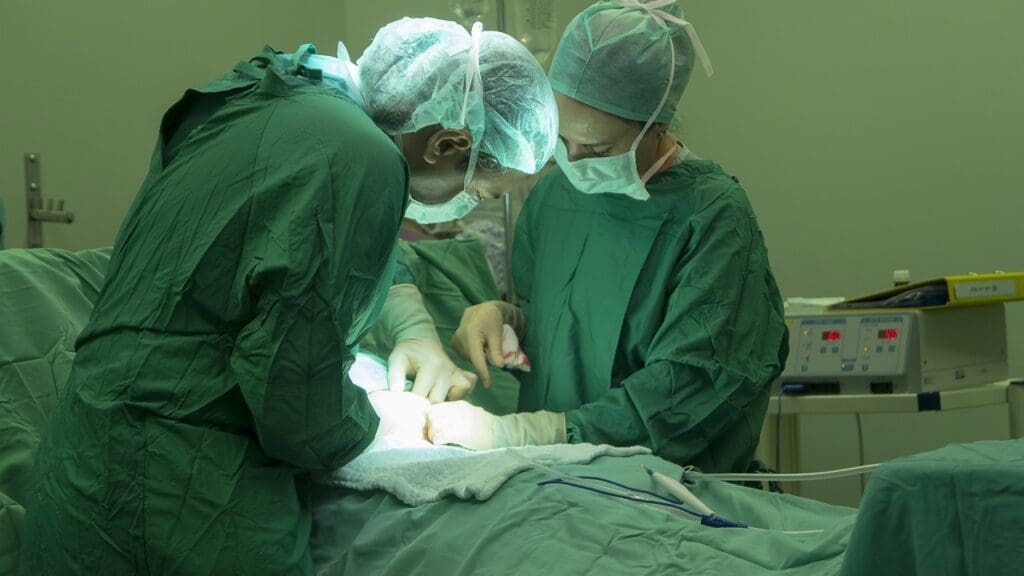
Anterior Cervical Discectomy and Fusion, or ACDF, is a key surgery for the neck. It treats many cervical spine problems. We’ll cover the medical terms and the anatomy of the neck, along with common issues it addresses.
What ACDF Means in Medical Terminology
ACDF means Anterior Cervical Discectomy and Fusion. “Anterior” means the front, “Cervical” is the neck, “Discectomy” is removing a disc, and “Fusion” is joining bones. This surgery removes a bad disc from the front and fuses the bones to stabilize the spine.
Basic Cervical Spine Anatomy and Pathology
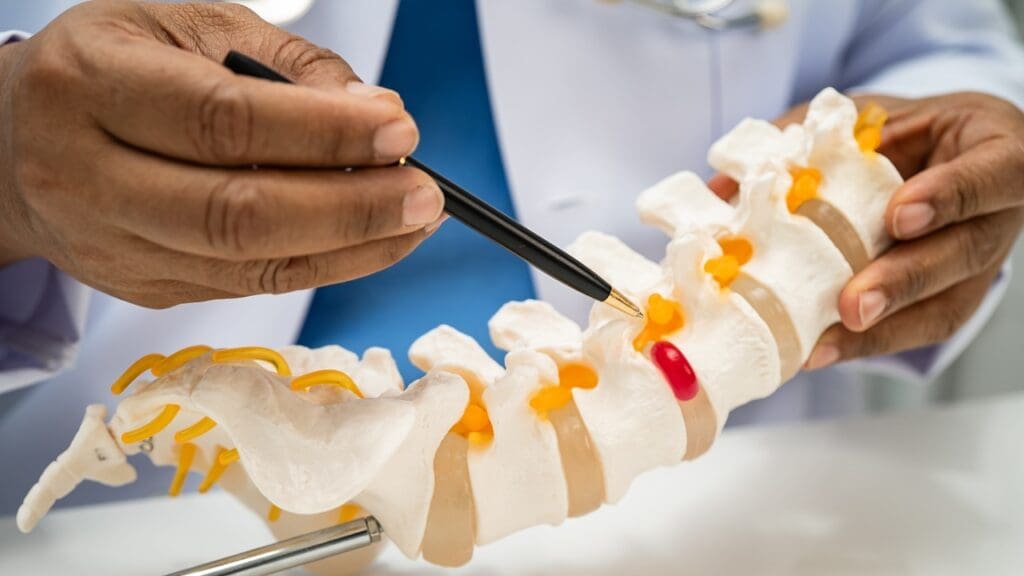
The cervical spine has seven vertebrae, from C1 to C7. It supports the head and lets it move freely. Problems like herniated discs, degenerative disease, and cervical radiculopathy may need ACDF. These issues can cause a lot of pain and affect daily life.
To understand the neck’s anatomy and how problems affect it, let’s look at its structure and function.
| Cervical Spine Component | Function | Common Pathologies |
|---|---|---|
| Vertebral Bodies | Provide structural support | Osteoporosis, Fractures |
| Intervertebral Discs | Absorb shock, facilitate movement | Herniation, Degeneration |
| Nerve Roots | Transmit nerve signals | Radiculopathy, Compression |
Knowing about these parts and problems helps us see why ACDF surgery is important.
The Prevalence of ACDF Spine Fusion in Modern Medicine
ACDF spine fusion is now a key part of spinal surgery. It’s chosen more often because it works well for many cervical spine problems.
Statistical Overview of Cervical Spine Procedures
In the U.S., ACDF makes up over 61 percent of cervical surgeries. This shows it’s widely used and accepted by spinal surgeons.
| Cervical Spine Procedure | Percentage |
|---|---|
| ACDF | 61% |
| Other Procedures | 39% |
Why Anterior Cervical Discectomy and Fusion Remains the Gold Standard
ACDF is seen as the top choice because it has a high success rate. It brings a lot of relief to those with cervical radiculopathy and myelopathy. The procedure helps stabilize the spine and reduce pressure on nerves and the spinal cord.
Common Conditions Treated with ACDF Surgery
ACDF surgery is a top choice for treating many cervical spine problems. We’ll look at the common conditions it addresses, their symptoms, and how ACDF helps.
Cervical Disc Herniation and Degenerative Disc Disease
Cervical disc herniation happens when the soft center of a disc leaks out. This can press on nerves. Degenerative disc disease makes discs in the neck wear out, causing pain and stiffness. ACDF surgery removes the bad disc and fuses the vertebrae together. This relieves nerve pressure and stabilizes the spine.
A study in the Journal of Neurosurgery: Spine showed ACDF greatly improves symptoms for these conditions. It found, “ACDF is a safe and effective treatment for cervical disc disorders, providing significant improvement in pain and function.”
Cervical Radiculopathy and Myelopathy
Cervical radiculopathy is when nerves in the neck are compressed or irritated. This can cause pain, numbness, or weakness in the neck, shoulder, or arm. Cervical myelopathy is more serious, where the spinal cord is compressed. This can lead to coordination and balance problems, as well as weakness in the arms or legs. ACDF surgery can help by removing the compression and stabilizing the spine.
A study in the Spine Journal found ACDF is effective for cervical radiculopathy. It provides significant symptom relief and improves quality of life. The study stressed the importance of early treatment to avoid long-term damage.
Cervical Spine Instability
Cervical spine instability happens when the spine can’t stay in its normal position and movement. This can be due to trauma, degenerative changes, or other conditions. ACDF surgery can stabilize the spine by fusing the affected vertebrae together. This reduces pain and prevents further injury.
| Condition | Symptoms | ACDF Treatment |
|---|---|---|
| Cervical Disc Herniation | Pain, numbness, or weakness in neck, shoulder, or arm | Removal of herniated disc and fusion of vertebrae |
| Degenerative Disc Disease | Pain and stiffness in neck | Fusion of vertebrae to stabilize spine |
| Cervical Radiculopathy | Pain, numbness, or weakness in neck, shoulder, or arm | Relief of nerve compression through disc removal and fusion |
| Cervical Myelopathy | Coordination and balance problems, weakness in arms or legs | Decompression of spinal cord through ACDF surgery |
| Cervical Spine Instability | Pain and instability in neck | Fusion of vertebrae to stabilize spine |
ACDF surgery is a versatile and effective treatment for many cervical spine conditions. Understanding these conditions helps patients see the benefits and outcomes of this surgery.
When Is ACDF Recommended? Indications for Surgery
Patients are considered for ACDF surgery when other treatments don’t work. We suggest anterior cervical discectomy and fusion for those with certain cervical spine issues. These issues haven’t gotten better with other treatments.
Failed Conservative Treatment Approaches
First, we try non-surgical treatments like physical therapy and medication. If these don’t help, ACDF might be the next step.
Neurological Symptoms Requiring Intervention
Neurological symptoms like numbness or weakness in the arms or legs may mean surgery is needed. We check how serious these symptoms are to see if ACDF surgery is right.
Diagnostic Tests That Confirm Surgical Necessity
Tests like MRI or CT scans help us see if ACDF is needed. They show us the spine’s condition in detail. This helps us decide the best treatment.
Knowing when ACDF is needed helps patients make better choices. We aim to guide and support you every step of the way.
Single-Level vs. Multilevel ACDF: Important Distinctions
When you’re thinking about ACDF surgery, it’s key to know the difference between single-level and multilevel procedures. ACDF, or anterior cervical discectomy and fusion, helps treat neck pain and other cervical spine issues.
Understanding Fusion Rates and Success Metrics
Fusion rates and success metrics are key to judging ACDF’s success. Single-level ACDF often has better fusion rates than multilevel procedures. For example, a study on ACDF C4-C7 fusions found a big difference in fusion rates between single and multilevel ACDF.
| Procedure Type | Fusion Rate | Complication Rate |
|---|---|---|
| Single-Level ACDF | 95% | 5% |
| Multilevel ACDF | 85% | 15% |
Specific Considerations for ACDF C4-C7 and C6-C7 Fusions
Procedures like anterior cervical discectomy and fusion C6-C7 are common and have their own considerations. The choice between single-level and multilevel ACDF depends on the patient’s condition and how much of the cervical spine is affected.
Risk Factors for Pseudarthrosis in Multilevel Procedures
Pseudarthrosis, or the failure of fusion, is a big risk in multilevel ACDF procedures. The number of levels fused, patient health, and surgical technique all play a part. Knowing these risks helps manage patient expectations and improve surgical outcomes.
The ACDF Operation: Step-by-Step Procedure Overview
We will guide you through the ACDF operation step by step. This surgery is complex, with several key steps for success. It aims to fuse the spine and improve patient outcomes.
Surgical Approach and Techniques
The ACDF operation starts with the patient lying on their back. Their neck is slightly extended. A small incision is made in the front of the neck, guided by fluoroscopy for accuracy.
The surgeon then carefully moves the muscles and tissues. This allows access to the cervical spine.
Types of Grafts and Implants Used
After removing the damaged disc, the surgeon prepares the space for a graft or implant. The choice depends on the patient’s condition and the surgeon’s preference. The graft is inserted to help fuse the vertebrae.
Duration and Anesthesia Considerations
The ACDF surgery usually takes 1-2 hours per level fused. It’s done under general anesthesia for comfort and safety. Advanced techniques and tools have improved the surgery’s efficiency and results.
Understanding the anterior cervical spine fusion procedure helps patients prepare for surgery and recovery.
Preparing for Your ACDF Cervical Spine Surgery
Getting ready for your ACDF cervical spine surgery is key. We’ll help you understand what to do to make sure everything goes well. This will help you stay healthy and get the best results.
Pre-Surgical Testing and Evaluation
We’ll do tests before your surgery to check your health and spine. These might include blood tests, X-rays, or MRI scans. They help us confirm your diagnosis and plan your surgery.
Medication Adjustments Before Surgery
Some medicines, like blood thinners, might need to be changed or stopped before surgery. This is to avoid bleeding problems. We’ll look at your medicines and tell you what to do.
What to Bring to the Hospital
On surgery day, bring important papers like insurance cards and ID. Also, wear comfy clothes for your stay. Make sure someone can drive you home after the surgery.
By following these steps and working with your healthcare team, you’ll have a successful surgery. And you’ll recover smoothly.
Recovery Timeline After ACDF Fusion
Knowing what to expect after ACDF fusion is key for a smooth recovery. The healing process is divided into three main stages. These are immediate care after surgery, short-term recovery, and long-term activity return.
Immediate Post-Operative Care (Hospital Stay)
Right after ACDF surgery, patients are watched closely in the hospital. They usually stay for 1 to 2 days. During this time, doctors manage pain, check nerve function, and make sure the patient is okay before they go home.
Short-Term Recovery (First 6 Weeks)
In the first six weeks, patients should not lift heavy, bend, or do strenuous activities. Managing pain is a big focus. Medication and rest help ease discomfort. Patients are slowly encouraged to do light exercises and move around to avoid stiffness.
Long-Term Recovery and Return to Activities
Recovering fully from ACDF fusion can take months. Patients slowly get back to their usual activities. It’s important to stick to a rehabilitation plan that may include physical therapy to strengthen the neck and improve flexibility.
Physical Therapy and Rehabilitation Protocols
Physical therapy is essential for recovery, helping patients regain strength and movement. A customized rehabilitation program includes exercises for better posture, neck mobility, and overall cervical spine health. Following these plans is critical for the best results and to avoid complications.
Potential Complications and Risks of Anterior Cervical Spine Fusion
Anterior cervical discectomy and fusion (ACDF) is a complex surgery. It has risks and complications, like any surgery. Patients thinking about ACDF surgery worry about these risks.
Understanding Common Side Effects and Serious Complications
ACDF surgery can cause temporary pain, swelling, or numbness. But, serious problems like nerve damage or infection can happen. It’s key to talk to your doctor about these risks.
Adjacent Segment Degeneration Concerns
ACDF surgery might lead to degeneration in nearby spinal segments. We watch patients for signs of this and plan treatments.
Risk Factors That May Affect Outcomes
Smoking or pre-existing conditions can impact ACDF surgery results. We help patients manage these risks. This way, we aim for the best outcome.
What does ACDF stand for in medical terminology?
ACDF stands for Anterior Cervical Discectomy and Fusion. It’s a surgery for neck pain and other cervical spine issues.
What is the purpose of ACDF surgery?
ACDF surgery aims to ease pressure on the spinal cord or nerves. It removes a bad disc and fuses the spine.
What are the common conditions treated with ACDF surgery?
ACDF surgery treats many conditions. These include herniated discs, degenerative disc disease, and nerve problems in the neck.
How is ACDF surgery performed?
The surgery starts with a neck incision. Then, the bad disc is removed and a graft is placed to stabilize the spine. It’s done under general anesthesia.
What is the difference between single-level and multilevel ACDF procedures?
Single-level ACDF treats one spine level. Multilevel ACDF treats more levels. Multilevel surgeries are more complex and riskier.
What are the risks associated with ACDF surgery?
Risks include infection, nerve damage, and bleeding. There’s also a chance of the bone not fusing properly. Worry about the spine wearing out more quickly too.
How long does it take to recover from ACDF surgery?
Recovery time varies, but most get back to normal in 6-12 weeks. Physical therapy helps ensure a smooth recovery.
What can I do to prepare for ACDF surgery?
Prepare by getting pre-surgery tests and following medication changes. Listen to your healthcare team’s instructions. Plan for recovery too.
What are the success rates for ACDF surgery?
ACDF surgery often brings significant relief. But success depends on the condition and your health.
Can I undergo ACDF surgery if I have other medical conditions?
Your health and other conditions matter. Your team will assess you and discuss risks and benefits.
How is the ACDF surgical procedure different from other spine surgeries?
ACDF is unique because it’s done from the front. It uses a graft or implant for spine stability.
What is the role of physical therapy in ACDF recovery?
Physical therapy is key in recovery. It improves movement, strength, and function, and lowers complication risks.