

Imagine walking naturally again, climbing stairs without effort, and feeling comfort and control like never before. Thanks to bionic and smart knee implant technology, this dream is becoming a reality. We’re dedicated to bringing these innovations to those who seek the best care.
At Liv Hospital, we lead in using advanced technologies like the Persona IQ smart knee implant. It tracks your recovery by collecting motion data, improving your outcomes. This is a big step forward in prosthetic tech, giving patients a more natural and stable option.
Key Takeaways
- Advances in bionic and smart knee implant technology are transforming patient outcomes.
- Liv Hospital is committed to providing high-quality, evidence-based care.
- New technologies like the Persona IQ smart knee implant are improving recovery tracking.
- Smart knee implants offer patients more control and comfort.
The Revolution in Knee Replacement Technology
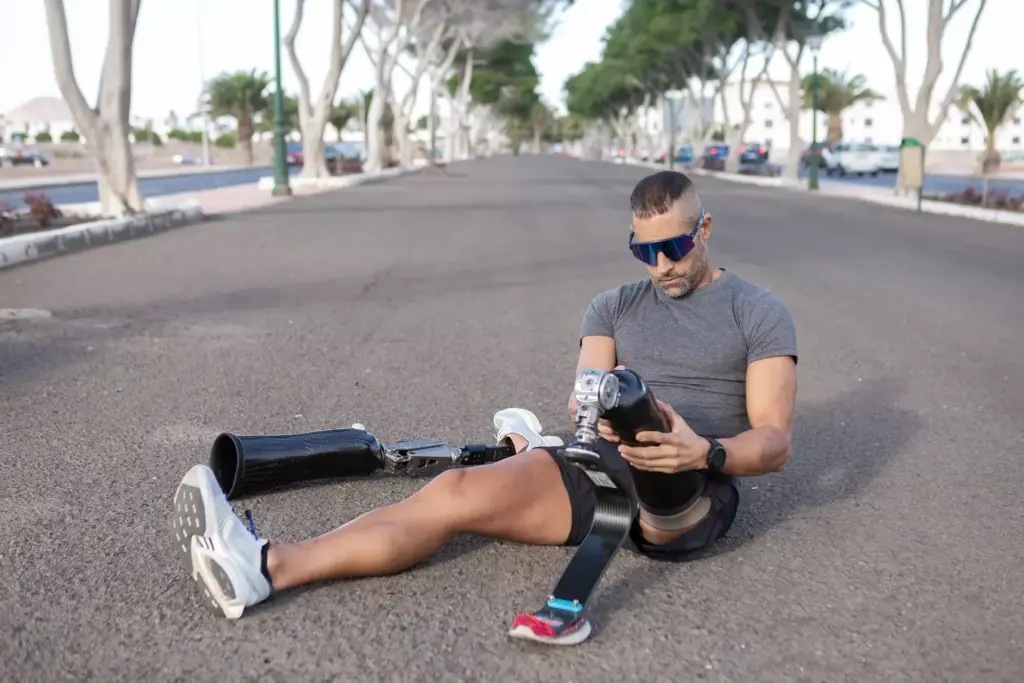
Knee replacement technology is changing fast. We’re moving towards better, more custom prosthetics. These new options fix old problems.
The Limitations of Traditional Knee Prosthetics
Old knee prosthetics have big drawbacks. They don’t move well and don’t stay stable. This hurts a patient’s life a lot.
They don’t move like our knees do in everyday tasks. This makes life hard.
Also, they can hurt and need a lot of rehab. They don’t fit well with our bones and muscles. This makes them feel and work unnatural.
The Growing Need for Advanced Solutions
Old prosthetics aren’t good enough anymore. New bionic knees, like MIT’s, connect with bone and muscle. They work better and feel more natural.
The Persona IQ smart knee is a great example. It’s a custom knee with sensors. It tracks how you move and walk. This helps make the prosthetic better.
We’re getting better at making prosthetics. They’re not just better at moving. They also make life better for patients.
Understanding Bionic Knee Replacement Technology
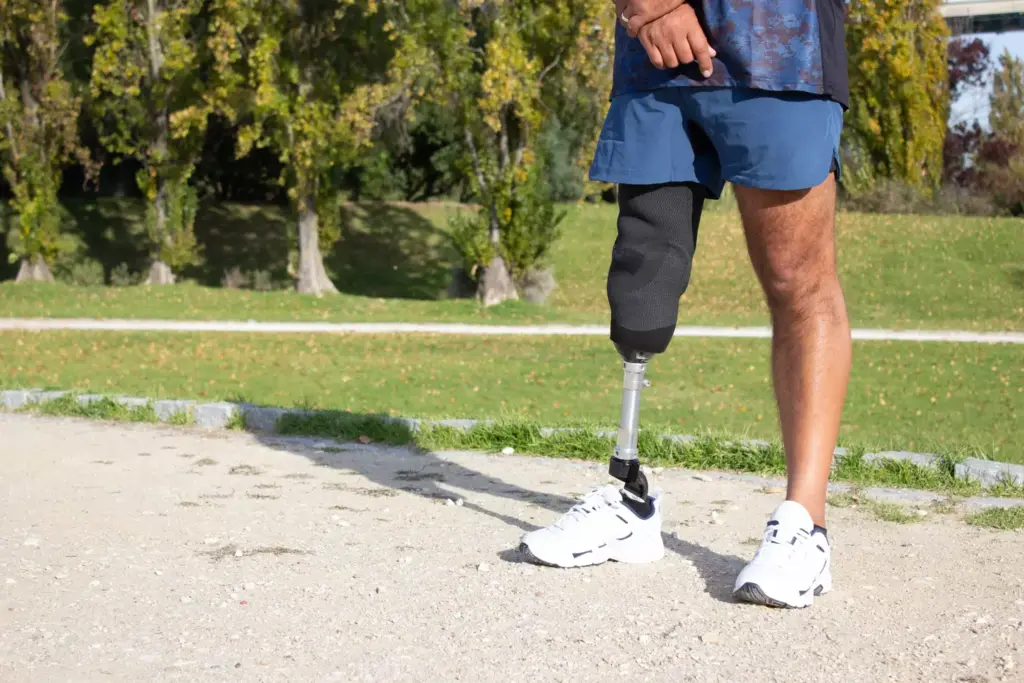
Bionic knee replacement technology is complex but vital to understand its benefits. It combines advanced systems for natural movement and stability. The design of bionic knees is evolving, aiming for a better fit with the body.
The Science Behind Bionic Knee Systems
Bionic knee systems use osseointegrated and neural-controlled technologies for natural movement. Osseointegration helps the prosthetic bond with bone, preventing loosening. Neural control lets the prosthetic follow the patient’s movements, improving control.
The Utah Bionic Leg is a prime example. It uses AI for extra power in various activities. This shows how bionic knees can greatly enhance mobility and life quality.
MIT’s Breakthrough Research in Bionic Knees
MIT researchers have greatly advanced bionic knee technology. They aim to make prosthetics more intuitive and natural. Their work focuses on developing control systems that mimic human movement.
MIT also explores new materials and designs for bionic knees. Their research aims to make prosthetics more durable and effective. This could lead to significant future advancements.
Key Fact 1: Osseointegration Creates Direct Bone Connection
Osseointegration is changing bionic knee replacements by linking the prosthetic directly to the bone. This method offers a more stable and natural option for those needing knee surgery. We’ll look into how osseointegration works in bionic knees and its benefits over traditional prosthetics.
How Osseointegration Works in Bionic Knees
Osseointegration attaches the prosthetic directly to the bone, skipping the need for a socket. This happens through a surgery where the prosthetic is implanted into the bone. This creates a strong bond between the bionic knee and the bone and muscle, allowing for real-time biomechanical data exchange. This improves the prosthetic’s function.
Advantages Over Socket-Based Prosthetic Systems
Osseointegration has many benefits over traditional prosthetics. It offers greater stability and mobility, making daily activities easier and more confident. It also cuts down on skin irritation and discomfort found in socket-based systems. Plus, it allows for more precise control over the prosthetic, boosting the user’s experience.
The advantages of osseointegration in bionic knees are clear. It enhances stability, mobility, and control, improving users’ lives. This technology is a big step forward in prosthetic technology.
Key Fact 2: Neural-Control Systems Enable Natural Movement
Neural-control systems are making it possible for people with bionic knee replacements to move more naturally. This is thanks to the connection of neural interfaces with muscle tissue. It lets users control their prosthetic limbs in a more intuitive way.
The Integration of Neural Interfaces with Muscle Tissue
The Utah Bionic Leg is a great example of how neural interfaces control prosthetics. It connects directly to the user’s nervous system. This lets for real-time communication between the prosthetic and the user’s muscle signals. It results in more precise control and a natural feel.
Neural interface technology is changing how prosthetic limbs are controlled. The connection between the neural interface and muscle tissue gives users more control. It allows for complex movements and actions.
Real-Time Response and Adaptation Capabilities
Neural-control systems are great because they offer real-time response and adaptation. As users move around and do different things, their prosthetics adjust. This gives a more natural and intuitive experience.
The ability to respond quickly is key for activities like going up stairs or walking on uneven ground. With neural-control systems, users can count on their prosthetics to adapt. This boosts their mobility and confidence.
Thanks to advanced neural interfaces and real-time data processing, bionic knee replacements are getting better. This technology is making prosthetic control more natural and intuitive. It’s greatly improving the lives of people with limb differences.
Key Fact 3: Smart Knee Implants Provide Valuable Biomechanical Data
Smart knee implants, like the Persona IQ, are changing orthopedic surgery. They give valuable data on how we move and how active we are. This helps doctors understand our knee function better.
The Persona IQ Smart Knee System: Features and Capabilities
The Persona IQ smart knee system has advanced sensors. These sensors track our range of motion, how many steps we take, and how fast we walk. This data helps improve patient care.
Key Features of the Persona IQ Smart Knee System:
- Advanced sensors for precise data collection
- Real-time monitoring of patient activity and mobility
- Personalized data analysis for tailored treatment plans
How Data Collection Improves Patient Outcomes
The data from the Persona IQ smart knee implant helps in many ways. Doctors can see where patients need to improve. They can then create specific rehab plans.
| Data Metric | Benefit to Patient Care |
|---|---|
| Range of Motion | Helps in assessing knee flexibility and recovery |
| Step Count and Walking Speed | Provides insights into patient mobility and activity levels |
| Gait Metrics | Aids in identifying and correcting abnormal gait patterns |
Physician Monitoring and Remote Adjustments
The Persona IQ system lets doctors check on patients from afar. This means they can make changes to treatment plans quickly. It helps patients get better care and better results.
Thanks to smart knee implants like the Persona IQ, doctors can give more personalized care. This leads to better health and a better life for patients.
Key Fact 4: Enhanced Mobility for Everyday Activities
Bionic knee replacements change lives by making everyday tasks easier. They let people move around with more confidence and ease.
Navigating Stairs and Uneven Terrain
Bionic knees are great for going up stairs and walking on uneven ground. Old prosthetics often find these tasks hard. But, bionic knees use smart sensors and algorithms for smoother movements.
Clinical evidence shows that users can climb stairs better and stay steady on rough ground.
Speed and Stability Improvements in Clinical Studies
Clinical studies prove bionic knees make people move faster and steadier. They show a big drop in fall risks and better mobility.
These studies show bionic knees greatly improve life quality for those with knee issues.
Returning to Active Lifestyles After Implantation
Bionic knees help people get back to their active lives sooner and safer. They support a variety of activities, from simple walks to sports.
They offer enhanced mobility and stability. This lets people enjoy their favorite activities with more confidence and freedom.
Key Fact 5: Psychological Benefits of Advanced Knee Implants
Advanced knee implants do more than fix physical issues. They also boost confidence and make users feel more whole. These implants have many psychological benefits that change a patient’s life in many ways.
Increased Sense of Embodiment and Natural Feel
Advanced knee implants offer a big psychological plus: they make users feel more connected to their body. Unlike old prosthetics, these new ones fit better and feel more natural. Studies show that people with these implants feel closer to their prosthetic limb, seeing it as part of themselves.
Quality of Life Improvements Reported in Studies
Studies prove that these implants greatly improve life quality. A key study found that those with smart knee implants are happier and feel better than those with old prosthetics.
| Aspect of Quality of Life | Traditional Prosthetics | Advanced Knee Implants |
|---|---|---|
| Mobility | Limited by technology | Enhanced with neural control |
| Patient Satisfaction | Variable, often lower | Generally higher due to natural feel |
| Psychological Comfort | Often less comfortable mentally | Increased sense of embodiment |
Reducing Phantom Limb Sensations and Discomfort
These implants also cut down on phantom limb pain and discomfort. They work by giving a better connection between the prosthetic and the body’s nerves. This helps reduce brain signals that cause phantom pain. It’s a big win for mental health.
The mental benefits of these implants are just as important as their physical ones. They help users feel more connected, improve life quality, and lessen pain. These implants are changing lives for the better.
Key Fact 6: Cost and Accessibility of Bionic Knee Technology
Bionic knee technology is getting better, but its cost and how easy it is to get are key. This is something patients and doctors need to think about a lot.
Pricing for Advanced Knee Systems
The price of bionic knee tech varies a lot. For example, The Persona IQ smart knee system costs more than old knee replacements. This is because it has new tech that might help patients more.
Prices can change based on many things. These include how complex the surgery is, the doctor’s fees, and the hospital’s costs. For example, a new bionic knee tech is being made to help patients move better and save money.
Insurance Coverage and Reimbursement
How well insurance covers bionic knee tech is very important. Many insurances are starting to pay for these new knee systems. They see how they can help patients and save money in the long run.
But, insurance rules can change a lot. Even in the same country, different insurances can cover things differently. It’s best for patients to talk to their insurance to know what they cover.
Global Availability and Access Considerations
How easy it is to get bionic knee tech around the world is also a big deal. These new knee systems are getting more common in some places. But, they’re not easy to get in many areas.
We’re trying to make these technologies more available worldwide. We’re working with doctors and government officials to solve the problems that stop them from being used more. Our goal is to help people get these technologies, no matter where they are.
Key Fact 7: Future Developments in Bionic Knee Technology
We are on the verge of a significant breakthrough in bionic knee technology. This is thanks to emerging research and clinical trials. The field is rapidly evolving, driven by advancements in materials science, robotics, and neural interface technology.
Emerging Research and Upcoming Clinical Trials
Ongoing research aims to improve the functionality and durability of bionic knee systems. Upcoming clinical trials will validate the safety and efficacy of these advanced technologies. This will pave the way for wider adoption.
Some of the key areas of research include:
- Advanced materials for enhanced durability and osseointegration
- Improved neural interfaces for more natural movement and control
- Smart technologies for real-time monitoring and feedback
Integration with Other Smart Health Technologies
The future of bionic knee technology lies in its integration with other smart health technologies. This includes wearable devices, health monitoring systems, and personalized medicine approaches.
For instance, integrating bionic knees with wearable technology could enable real-time adjustments. These adjustments could be based on the patient’s activity and environment. This could significantly enhance patient outcomes and quality of life.
A key aspect of future developments is the integration of bionic knees with other smart health technologies. This could involve:
| Technology | Application | Benefit |
|---|---|---|
| Wearable Devices | Real-time monitoring and adjustments | Enhanced patient outcomes |
| Health Monitoring Systems | Continuous data collection and analysis | Personalized care and treatment |
| Personalized Medicine | Tailored treatment plans based on individual patient data | Improved recovery and quality of life |
As research continues to advance, we can expect to see significant improvements in bionic knee technology. These improvements will lead to better patient outcomes and a higher quality of life.
Conclusion: The Transformative Impact of Bionic Knee Replacements
Bionic knee replacements have changed prosthetics for the better. They offer a more natural and stable option for patients. This technology greatly improves patient outcomes and mobility, making life better overall.
These replacements connect directly to the bone and allow for natural movement. This is thanks to neural-control systems. Patients see better mobility, less pain, and feel more connected to their prosthetics.
As research keeps moving forward, we’ll see even more improvements in bionic knee tech. Smart health technologies will be key in making prosthetics even better in the future.
What is bionic knee replacement technology?
Bionic knee replacement technology combines osseointegrated and neural-controlled systems. This allows for natural movement and greater stability. It has changed prosthetics, giving patients a more natural and stable option.
How does osseointegration work in bionic knees?
Osseointegration is key in bionic knee technology. It creates a direct bone connection. This makes the solution more stable and natural, improving mobility and quality of life.
What is the Persona IQ smart knee system?
The Persona IQ smart knee system is a bionic knee implant. It collects biomechanical data. This data helps improve patient outcomes and doctor monitoring, leading to better treatment.
How does neural-control systems enable natural movement?
Neural interfaces with muscle tissue allow for real-time response. This gives users more control over their prosthetic. It enables natural movement and boosts mobility.
What are the benefits of bionic knee replacement technology?
Bionic knee technology offers many benefits. It enhances mobility, improves stability, and feels more natural. Users can move faster and more stably, making it easier to stay active.
How much does bionic knee technology cost?
The cost of bionic knee technology is a big deal for patients and healthcare providers. Prices for Persona IQ and other smart knee systems vary. Insurance coverage and reimbursement differ around the world.
What is the future of bionic knee technology?
Research and development are pushing bionic knee technology forward. New research and clinical trials show promising results. Future advancements might include working with other smart health technologies.
Are there any psychological benefits to advanced knee implants?
Yes, advanced knee implants have psychological benefits. They give users a sense of embodiment and natural feel. This improves quality of life. They also reduce phantom limb sensations and discomfort.
References
- MIT News. (2025, July 10). A bionic knee integrated into tissue can restore natural movement. Retrieved from https://news.mit.edu/2025/bionic-knee-integrated-into-tissue-can-restore-natural-movement-0710 MIT News