Are you looking for a modern, patient-focused way to handle prostate growth? We offer detailed info on bipolar TURP. It’s a safe, innovative procedure with top patient results from trusted places.
Bipolar TURP is a small surgery for prostate blockage. At places like Liv Hospital, we use this method for the best results and quick healing.
We’ll cover the main points about bipolar TURP. This includes its benefits, how it’s done, and how long it takes to get better. This info will help you decide on your treatment.
Key Takeaways
- Bipolar TURP is a minimally invasive procedure for treating benign prostatic hyperplasia.
- The procedure is typically done under general anesthesia.
- An overnight hospital stay is usually required.
- Bipolar TURP has a high success rate and can provide long-term relief from symptoms.
- As with any surgical procedure, there are possible risks and complications to be aware of.
Understanding Benign Prostatic Hyperplasia and Urinary Obstruction
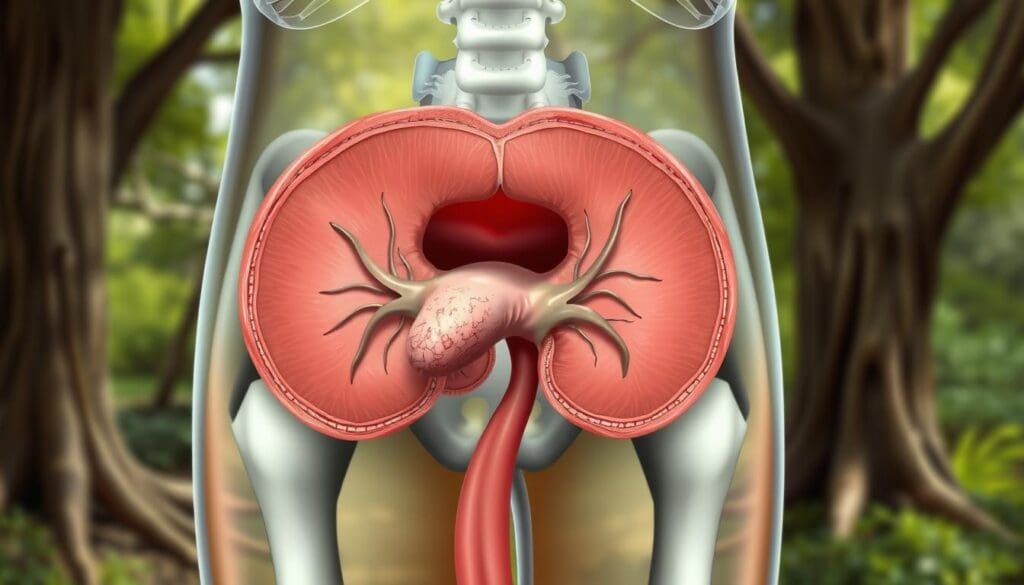
Benign prostatic hyperplasia (BPH) is common in older men. It causes urinary obstruction and other symptoms. Knowing its causes, symptoms, and when surgery is needed is key.
What Causes Prostate Enlargement
Prostate enlargement, or BPH, is mainly due to hormonal changes with age. Hormones and growth factors work together. Dihydrotestosterone (DHT), a testosterone derivative, is a major factor in prostate growth.
Symptoms of Urinary Obstruction
Urinary obstruction symptoms from BPH can greatly affect a man’s life. Common signs include:
- Weak or interrupted urine flow
- Difficulty starting urination
- Frequent urination, often at night
- Urgent need to urinate
These symptoms happen because the enlarged prostate presses on the urethra. This blocks urine flow.
When Surgical Intervention Becomes Necessary
Surgery is needed when BPH symptoms are severe and don’t get better with medicine. Or when problems like urinary retention, infections, or bladder stones happen. Bipolar Transurethral Resection of the Prostate (TURP) is a very effective surgery for BPH and urinary blockage.
| Symptoms | Severity | Treatment Approach |
|---|---|---|
| Mild urinary symptoms | Low | Watchful waiting, lifestyle changes |
| Moderate urinary symptoms | Medium | Medicines (alpha-blockers, 5-alpha-reductase inhibitors) |
| Severe urinary symptoms or complications | High | Surgical intervention (Bipolar TURP) |
Bipolar Transurethral Resection of Prostate: A Complete Overview
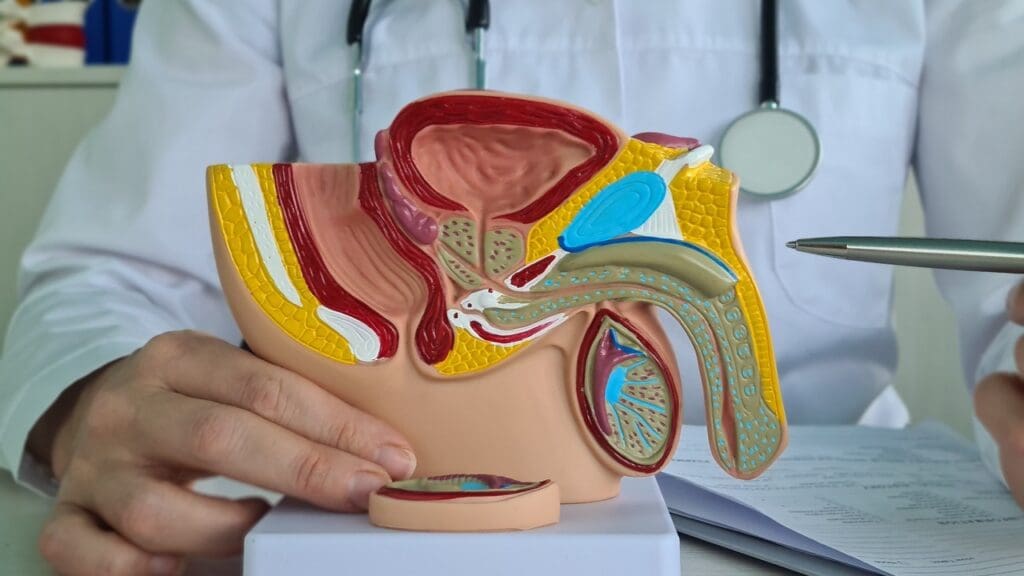
Bipolar TURP has changed how we treat enlarged prostates. It uses new technology and is safer. Now, we have a better way to help patients with urinary problems.
Definition and Purpose
Bipolar TURP is a surgery for enlarged prostates. It removes extra prostate tissue that blocks urine. The goal is to fix problems like weak urine flow and needing to urinate often.
Evolution from Monopolar to Bipolar TURP
The move from monopolar to bipolar TURP is a big step forward. Bipolar TURP uses water instead of a chemical, cutting down on serious side effects.
Key Components of the Procedure
Specialized Equipment
The bipolar TURP needs special tools, like a resectoscope and a bipolar unit. These tools help remove and stop bleeding from prostate tissue.
Surgical Approach
The surgery starts with a resectoscope going through the urethra. The doctor then uses the bipolar unit to cut and remove extra prostate tissue. This helps urine flow better and lessens BPH symptoms.
| Procedure Component | Description | Benefit |
|---|---|---|
| Resectoscope | A specialized endoscope used to visualize the prostate gland | Precise visualization of the surgical site |
| Bipolar Electrosurgical Unit | A device used for resection and coagulation of prostate tissue | Effective removal of excess tissue with minimal bleeding |
| Saline Irrigation | Use of saline solution to irrigate the surgical site | Reduced risk of TUR syndrome |
Understanding bipolar TURP shows how it’s better than old methods. It uses new tools and a better way to do surgery. This makes bipolar TURP a top choice for treating BPH.
How the Bipolar TURP Procedure Works
The bipolar TURP procedure uses several important parts to ensure a safe and precise surgery. We’ll explore the saline irrigation system, low-frequency electrical current, and the tissue removal process. These are key to understanding the procedure.
Saline Irrigation System
The bipolar TURP procedure relies on a saline irrigation system. This system keeps the surgical area clean and clear for the surgeon. It also lowers the risk of TUR syndrome, a complication from using non-saline fluids.
Low-Frequency Electrical Current Technology
The bipolar TURP uses low-frequency electrical current to remove prostate tissue. This technology cuts and coagulates tissue precisely, reducing bleeding. The bipolar design also cuts down on electrical current risks.
The Tissue Resection Process
In the bipolar TURP procedure, a special resectoscope is used to remove prostate tissue. The resectoscope has a loop electrode for cutting and removing tissue. The surgeon can see exactly what they’re doing, allowing for precise control.
Visualizing the Procedure Through Transurethral Surgery Prostate Videos
Transurethral surgery prostate videos offer a look into the bipolar TURP procedure. They show the surgical technique and equipment used. These videos help patients understand what to expect during their surgery.
| Key Components | Description | Benefits |
|---|---|---|
| Saline Irrigation System | Continuous flow of saline solution | Reduces risk of TUR syndrome |
| Low-Frequency Electrical Current | Precise cutting and coagulation | Minimizes bleeding |
| Tissue Resection Process | Removal of prostate tissue using a resectoscope | Precise control over tissue removal |
Benefits of Choosing Bipolar TURP Over Traditional Methods
Bipolar TURP is a better choice than traditional monopolar TURP for prostate surgery. It offers many benefits for patients. Knowing these advantages helps patients make better decisions about their treatment.
Reduced Risk of TUR Syndrome
Bipolar TURP lowers the risk of TUR syndrome. This serious condition happens when the body absorbs too much irrigation fluid. Using saline irrigation in Bipolar TURP makes it safer for patients.
Lower Bleeding Complications
Bipolar TURP also means fewer bleeding problems. It uses advanced technology for precise tissue removal and better control of bleeding. This reduces the need for blood transfusions.
Improved Safety Profile
Bipolar TURP is safer because of its saline irrigation and energy systems. This leads to fewer complications and better results for patients.
Precision in Tissue Removal
Bipolar TURP allows for precise removal of prostate tissue. This is key for effective relief of urinary blockages. It also helps in keeping the surrounding tissue safe, leading to better recovery.
| Benefits | Bipolar TURP | Traditional Monopolar TURP |
|---|---|---|
| Risk of TUR Syndrome | Reduced | Higher |
| Bleeding Complications | Lower | Higher |
| Safety Profile | Improved | Standard |
| Precision in Tissue Removal | High | Variable |
Choosing Bipolar TURP means patients get a safer and more advanced treatment for BPH. This aligns with our goal of providing top-notch healthcare solutions.
The Bipolar TURP Surgery Experience
Exploring bipolar TURP surgery, we look at preparation, procedure, and recovery. This method has changed how we treat benign prostatic hyperplasia. It’s safer and more effective than old methods.
Pre-Surgical Preparation
Before bipolar TURP, patients get a full health check. This includes urodynamic tests and prostate-specific antigen (PSA) screening. We also tell patients to stop some medicines that might make bleeding risk higher during surgery.
What Happens During the Procedure
In bipolar TURP, we use a saline system and special electrical current. This method is precise and reduces risks.
How Long Does Bipolar TURP Surgery Take
The time for bipolar TURP surgery varies. It depends on the prostate size and procedure complexity.
Factors Affecting Procedure Duration
- Prostate size and shape
- Any anatomical issues
- Surgeon’s bipolar TURP experience
Average Timeframes
On average, bipolar TURP takes 60 to 90 minutes. But, it can change based on the patient.
Anesthesia Options
We offer different anesthesia choices for comfort. These include spinal anesthesia or general anesthesia. It depends on the patient’s health and what they prefer.
Knowing about bipolar TURP helps patients prepare and understand recovery. Our team is dedicated to giving full care and support every step of the way.
Recovery Time from Bipolar TURP Surgery
Patients usually recover quickly after bipolar TURP surgery. Most are home within a few days. This is a big plus compared to older surgery methods.
Hospital Stay Duration
The time in the hospital varies. It depends on the patient and the surgical team. Generally, patients stay 1 to 3 days after surgery. This lets doctors check for any problems and make sure the patient is healing right.
Post-Operative Care
Good care after surgery is key for a smooth recovery. Patients get a care plan. It includes:
- Watching for infection or bleeding signs
- Using medicine for pain
- Drinking enough water
- Not doing too much for a while
Timeline for Returning to Normal Activities
When to go back to normal activities varies. But most are back in a few weeks. It’s important to listen to the surgeon about how much to do.
Managing Discomfort During Recovery
Dealing with discomfort is important. Some issues, like needing to pee a lot, usually go away in a few weeks. Pain management comes from medicine and changes in daily life.
Knowing the recovery process and following doctor’s orders helps. It helps avoid problems and get the best results from bipolar TURP surgery.
Long-Term Outcomes and Effectiveness of Bipolar TURP
Looking at how well bipolar TURP works over time is key. We’ll check its effect on urine flow, how long the results last, and if more treatments are needed.
Improvement in Urinary Flow Rates
Bipolar TURP really helps with urine flow in men with enlarged prostates. Research shows big and lasting improvements. This makes life better for many patients.
Durability of Results
How long the benefits of bipolar TURP last is important. Studies say the good effects can last for years. A BAUS study shows most patients keep feeling better over time.
How Long Does TURP Last?
How long TURP’s benefits last can change based on many things. Usually, bipolar TURP helps for 10 to 15 years or more. But, some might need more treatment as their condition gets worse.
Potential Need for Repeat Procedures
Even though bipolar TURP works well, some might need it again. This depends on the prostate size, other health issues, and age at surgery. It’s smart to keep up with doctor visits to stay on top of things.
Potential Risks and Complications of Bipolar Prostate Resection
It’s important for patients to know about the risks of bipolar TURP before they decide. Like any surgery, bipolar TURP has risks that can affect how well a patient does after the surgery.
Short-Term Side Effects
Right after bipolar TURP, patients might face bleeding, infection, and trouble controlling their urine. Some might feel pain or irritation in their urinary tract. But, these issues are usually fixed with good care after surgery.
Long-Term Considerations
Looking ahead, bipolar TURP might lead to problems like a narrowed urethra or bladder issues. It could also cause a man to ejaculate backwards. We tell our patients about these risks so they know what to expect.
Comparing Complication Rates with Other Procedures
It’s useful to compare bipolar TURP’s risks with other prostate surgeries. Here’s a table that shows some differences:
| Complication | Bipolar TURP | Monopolar TURP | Laser Prostatectomy |
|---|---|---|---|
| Bleeding | Low | Moderate | Low |
| Infection | Low | Moderate | Low |
| Urethral Stricture | Rare | Rare | Rare |
Knowing about these risks helps patients make better choices. We aim to give our patients all the care and support they need during their treatment.
Conclusion: Is Bipolar TURP Right for You?
Deciding if bipolar TURP is right for you depends on several things. These include your health, prostate size, and how bad your symptoms are. We’ve looked at the good and bad sides of this procedure and how well it works for BPH.
Whether bipolar TURP is good for you depends on your unique situation. Knowing what the procedure does, its benefits, and possible problems helps you decide. This way, you can choose the best treatment for you.
It’s very important to talk to a doctor about bipolar TURP. They can look at your situation and give advice that fits you. This ensures you get the best care for your condition.
What is bipolar TURP?
Bipolar TURP is a surgery for BPH. It removes extra prostate tissue to help urine flow better.
How does bipolar TURP differ from traditional monopolar TURP?
Bipolar TURP uses saline and low-frequency current. This reduces risks of TUR syndrome and bleeding compared to monopolar TURP.
What are the benefits of choosing bipolar TURP?
Bipolar TURP has fewer risks of TUR syndrome and bleeding. It’s safer and more precise in removing tissue.
How long does bipolar TURP surgery take?
Bipolar TURP surgery lasts about 60 to 90 minutes. The exact time depends on the case.
What kind of anesthesia is used for bipolar TURP?
Anesthesia for bipolar TURP can be general, spinal, or regional. It depends on the patient’s health and preferences.
What is the recovery time from bipolar TURP surgery?
After bipolar TURP, patients usually stay in the hospital for a few days. They can get back to normal in a few weeks.
How long does it take to recover from TURP?
Recovery from TURP varies. Most people can get back to normal in 2-4 weeks. Some discomfort is managed with care instructions.
What are the possible risks and complications of bipolar TURP?
Risks of bipolar TURP include bleeding, infection, and urinary incontinence. Long-term, you might need more procedures.
How effective is bipolar TURP in improving urinary flow rates?
Bipolar TURP greatly improves urinary flow rates. Most patients see a big relief from symptoms.
How long do the results of TURP last?
TURP results last long for most. But, some might need more procedures later.
Is bipolar TURP right for me?
To know if bipolar TURP is right for you, talk to a healthcare professional. They can help you decide based on your needs.
References
- National Center for Biotechnology Information (NCBI) / Bookshelf: https://www.ncbi.nlm.nih.gov/books/NBK560884/
- BackTable: https://www.backtable.com/shows/urology/articles/bipolar-turp-procedure-advantages-limitations
- DC Urology: https://dcurology.net/procedures/bipolar-turp.php
- British Association of Urological Surgeons (BAUS): https://www.baus.org.uk/_userfiles/pages/files/Patients/Leaflets/TURP%20for%20benign.pdf
- Vanderbilt University Medical Center (VUMC) Global Surgical Atlas: https://www.vumc.org/global-surgical-atlas/sites/default/files/public_files/PDF/Trans-Urethral-Resection-of-the-Prostate.pdf