Knowing about heart rhythms is key to keeping your heart healthy. At Liv Hospital, we focus on the difference between normal heart rhythm changes and serious issues.
Irregular sinus rhythm, also known as sinus arrhythmia, is a normal heart rhythm change. It happens when the time between heartbeats changes in a cycle. This starts in the sinoatrial node, our heart’s natural leader.
Sinus arrhythmia is usually not a problem, but it’s important to know about it. We’ll look into what it is, why it happens, and how it shows how well our heart is doing.
Key Takeaways
- Sinus arrhythmia is a variation of normal sinus rhythm.
- A cyclical change in the time interval between heartbeats characterizes it.
- The condition originates in the sinoatrial node.
- Understanding sinus arrhythmia is important for heart health.
- Sinus arrhythmia is generally a harmless condition.
What Is Irregular Sinus Rhythm?
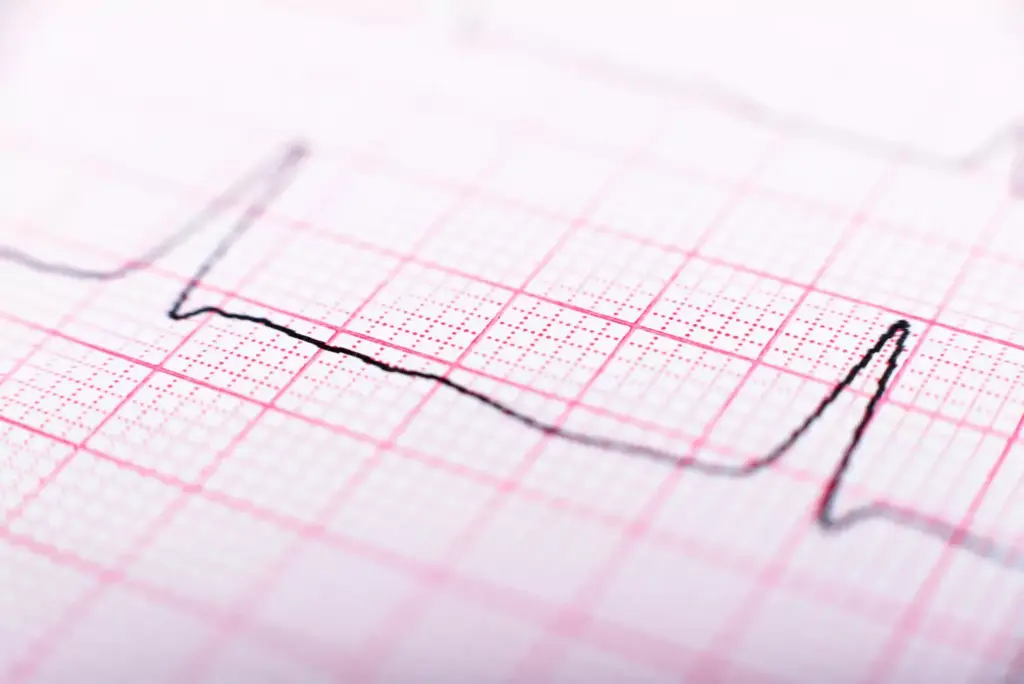
Sinus arrhythmia is a type of irregular sinus rhythm. It shows changes in heart rate with breathing. This happens because of the vagus nerve and changes in heart filling during breathing.
Definition and Basic Concepts
To define sinus arrhythmia, it’s about heart rate changes from the sinoatrial node. This node is the heart’s natural leader. It makes the heart beat.
This condition is usually okay, as long as it’s linked to breathing. The sinoatrial node listens to the body’s signals. It makes the heart rate go up with breathing in and down with breathing out.
The Relationship Between Sinus Rhythm and Breathing
The link between sinus rhythm and breathing is deep. Breathing arrhythmia shows how heart rate changes with breathing. It’s because of how breathing and heart systems work together.
When we breathe in, our chest gets less pressure. This lets more blood get to the heart. So, the heart rate goes up a bit. When we breathe out, the pressure goes up, and the heart rate goes down.
Knowing this connection is key for diagnosing and treating irregular sinus rhythm. Even though sinus arrhythmia is usually not a problem, knowing its signs helps spot other serious heart issues.
The Origin and Mechanism of Sinus Arrhythmias
Sinus arrhythmias start in the sinoatrial node. This node is a small group of cells in the heart. It acts as the heart’s natural pacemaker, controlling the heartbeat.
The Sinoatrial Node: The Heart’s Natural Pacemaker
The sinoatrial node sets the heart rate and coordinates the rhythm. It’s influenced by the autonomic nervous system. This system can speed up or slow down the heart rate as needed.
According to a study on NCBI, the sinoatrial node is key for a normal heart rhythm.
The Role of the Sinoatrial Node is not just to generate impulses. It also adjusts the heart rate for the body’s needs, like during exercise or stress.
| Function | Description |
|---|---|
| Pacemaker Activity | Generates electrical impulses |
| Rate Regulation | Adjusts heart rate according to bodily needs |
| Coordination | Coordinates the heart’s rhythm |
How Autonomic Nervous System Affects Heart Rhythm
The autonomic nervous system greatly affects the sinoatrial node. It has two branches: the sympathetic, which speeds up the heart, and the parasympathetic, which slows it down. The balance between these ensures the heart rate is right for the body’s state.
“The autonomic nervous system’s influence on the heart is a complex interplay between the sympathetic and parasympathetic branches, which together regulate heart rate and rhythm.”
The vagus nerve, part of the parasympathetic system, is key in regulating heart rhythm. It releases neurotransmitters that slow down the heart, helping to relax and reduce heart stress.
Understanding sinus arrhythmias, the sinoatrial node, and the autonomic nervous system is vital. It helps in diagnosing and managing heart rhythm disorders.
Types of Sinus Arrhythmia
We see many types of sinus arrhythmia, with respiratory sinus arrhythmia being the most common. This condition changes heart rate with breathing.
Respiratory Sinus Arrhythmia: The Most Common Type
Respiratory sinus arrhythmia is common in young, healthy people. It’s a normal heart rate change with breathing. It’s often seen in kids and athletes, showing a healthy nervous system.
The heart rate changes with breathing due to brain and nervous system interactions. It’s usually harmless and doesn’t need treatment.
Non-Respiratory Causes of Sinus Arrhythmia
But, non-respiratory sinus arrhythmia can also happen. It’s not tied to breathing and might be linked to other health issues.
Non-respiratory sinus arrhythmia can be caused by many things. This includes some medicines, heart problems, and other diseases. Sometimes, it means there’s an underlying health issue that needs attention.
Knowing the different types of sinus arrhythmia is key for correct diagnosis and treatment. While most cases are okay, some need more investigation.
Identifying Sinus Arrhythmia on ECG
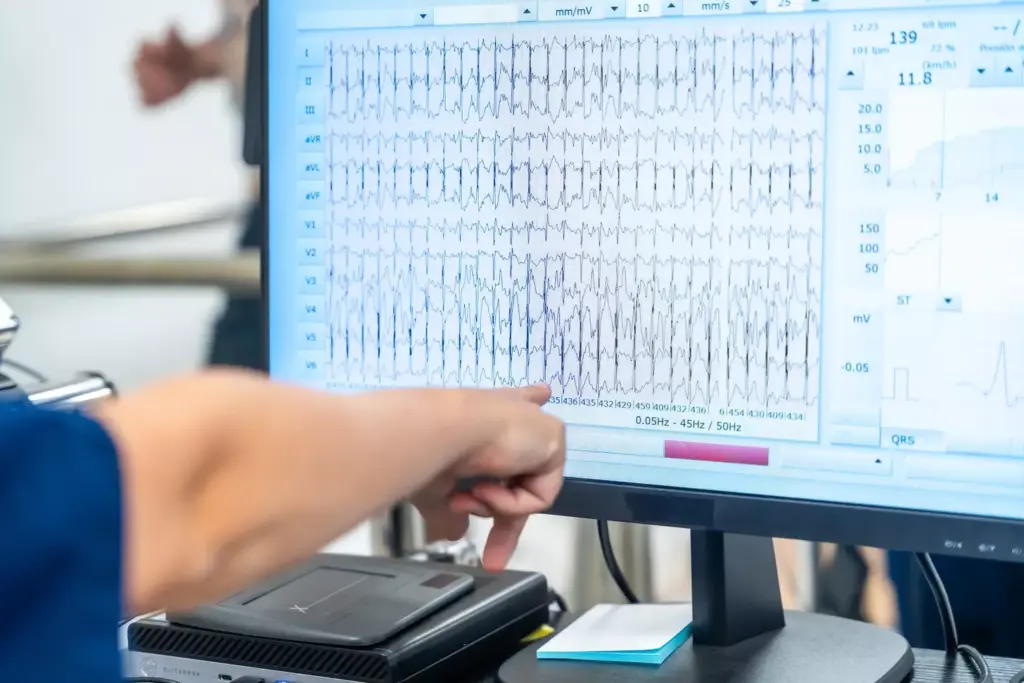
The electrocardiogram (ECG) is key for spotting sinus arrhythmia. It shows changes in the P-P interval. We look for certain patterns to tell it apart from other heart rhythms.
ECG Characteristics of Sinus Arrhythmia
Sinus arrhythmia on an ECG is marked by a rhythm that changes with breathing. The main signs are:
- A change in the P-P interval of more than 0.12 seconds
- P waves that look the same
- A steady P wave direction
These signs help us tell sinus arrhythmia apart from other heart issues. The consistent P wave shape shows the rhythm starts from the sinoatrial node. This is a key sign of sinus arrhythmia.
Irregular Rhythm with P Waves: Key Diagnostic Features
Spotting sinus arrhythmia means looking at the rhythm’s irregularity and P waves. The main signs are:
- An R-R interval that changes with the P-P interval
- P waves before each QRS complex, showing a sinus start
- A normal P wave direction, usually between 0 and +75 degrees
The rhythm’s irregularity with consistent P wave shape is a key sign of sinus arrhythmia. This pattern helps us tell it apart from other arrhythmias that don’t have consistent P wave shapes.
In summary, finding sinus arrhythmia on an ECG needs a close look at the P-P interval and P wave features. Knowing these ECG signs helps us correctly diagnose sinus arrhythmia and distinguish it from other heart rhythms.
Normal Sinus Rhythm with Sinus Arrhythmia: Understanding the Difference
It’s important to know the difference between normal sinus rhythm with sinus arrhythmia and other heart rhythms. This knowledge helps in making accurate diagnoses and treatments. We will look at the main differences and how to spot them on an electrocardiogram (ECG).
Comparing ECG Results
A normal sinus rhythm with sinus arrhythmia shows a change in the R-R interval, bigger than 0.12 seconds. This change is linked to respiratory sinus arrhythmia. The heart rate goes up when you breathe in and goes down when you breathe out. When checking ECG results, look for P waves before each QRS complex. This shows the rhythm starts in the sinus.
For more on sinus arrhythmia, check out Verywell Health’s article on sinus arrhythmia.
Other heart rhythms might not show these changes. For example, atrial fibrillation has an irregular rhythm without clear P waves. Knowing these differences is key for correct diagnosis.
Clinical Interpretation of ECG Findings
When looking at ECG results, doctors must think about the patient’s situation. A normal sinus rhythm with sinus arrhythmia is usually okay, seen in young people and athletes. But, it’s important to tell it apart from other issues that might need treatment.
If a patient feels dizzy or has trouble breathing, more tests might be needed. The clinical interpretation of ECG findings should match the patient’s symptoms and medical history.
In summary, knowing the difference between normal sinus rhythm with sinus arrhythmia and other heart rhythms is key for good patient care. By carefully looking at ECG results and the patient’s situation, doctors can make the best decisions for treatment.
Physiological vs. Pathological Sinus Arrhythmia
Sinus arrhythmia can be normal or a sign of a serious problem. We’ll look at the differences and when it’s okay and when it’s not.
When Sinus Arrhythmia is a Normal Variation
In many cases, sinus arrhythmia is harmless, seen more in young, healthy people. It’s linked to breathing, where heart rate changes with each breath. This is a normal response and usually not a worry.
“Respiratory sinus arrhythmia is a common and normal finding in healthy individuals, particular in children and young adults.” It shows an increase in heart rate when you breathe in and a decrease when you breathe out. This is more common in people with a strong nervous system, like athletes.
When to Be Concerned About Irregular Sinus Rhythm
Even though sinus arrhythmia is often harmless, it can sometimes point to a serious issue. Non-respiratory sinus arrhythmia might be linked to heart problems or other heart issues. We should watch for signs like dizziness, fainting, or shortness of breath.
If you have symptoms like chest pain, palpitations, or if it happens in older adults without a clear reason, it’s time to check further. An electrocardiogram (ECG) and other tests can help find the cause.
In conclusion, while sinus arrhythmia is usually normal, it’s important to know when it’s not. By understanding its characteristics and knowing when to worry, we can help our patients better.
Characteristic Features and Clinical Significance
To understand sinus arrhythmia, we need to look at its key ECG signs and symptoms. We’ll dive into these details to give a full picture of this condition.
Defining Features of Sinus Arrhythmia
Sinus arrhythmia shows up on an ECG with clear P waves and a steady PR interval. But, the time between each beat can change. This change often matches the breathing cycle, with the heart rate going up when we breathe in and down when we breathe out. The ECG characteristics are key to spotting sinus arrhythmia.
An ECG of sinus arrhythmia shows a normal P wave axis and a steady PR interval. This means the heartbeat starts from the sinoatrial node. The changing RR interval, which changes with breathing, is a key sign of this condition.
Symptom Profile
Many people with sinus arrhythmia don’t feel any symptoms. But, if symptoms do show up, they might be linked to other health issues. Symptoms can include feeling your heart beat too much, feeling dizzy, or having trouble breathing.
It’s important to remember that symptoms could mean there’s something else going on that needs doctor’s care. We’ll talk about when to worry about irregular heart rhythms based on these symptoms.
Sinus Rhythm with Marked Sinus Arrhythmia in Special Populations
In certain groups, like kids and athletes, sinus arrhythmia is more common. It shows up in healthy children or athletes, meaning their hearts are in good shape.
Children and Adolescents
Sinus arrhythmia is very common in kids and teens. Their hearts react more to changes in breathing and activity. This is usually a normal sign and not something to worry about.
As people get older, sinus arrhythmia becomes less common. This shows that it’s a sign of a young, healthy heart. Kids also show a stronger connection between breathing and heart rate.
| Age Group | Prevalence of Sinus Arrhythmia |
|---|---|
| Children (5-12 years) | High |
| Adolescents (13-18 years) | Moderate to High |
| Young Adults (19-25 years) | Moderate |
Athletes and Active Individuals
Athletes and those who are very active often have marked sinus arrhythmia. This is because their bodies are more in tune with physical activity. Their hearts beat slower and more variably, showing they’re in top shape.
“The presence of sinus arrhythmia in athletes is a sign of a well-conditioned heart, capable of adapting to varying demands.”
Athletes with sinus arrhythmia usually have better heart health. They recover faster after exercise and have stronger hearts overall.
In conclusion, sinus rhythm with marked sinus arrhythmia in kids, teens, athletes, and active people is usually okay. It shows their hearts are healthy and flexible.
Conclusion: Living with Sinus Arrhythmia
Understanding sinus arrhythmia is key for doctors and patients alike. We’ve looked into its many sides, from what it is to its importance in health.
Sinus arrhythmia usually means your heart is in good shape. People with it can feel relieved to know it’s often not a worry.
Getting a proper diagnosis is vital. It helps patients handle their condition better. It also lets doctors offer better advice and reassurance.
Dealing with sinus arrhythmia means a mix of medical knowledge and a healthy lifestyle. We urge people to talk openly with their doctors for the best care.
What is sinus arrhythmia?
Sinus arrhythmia is a normal variation in heart rhythm. It shows an irregular heart rate that changes with breathing. The heart rate goes up when you inhale and slows down when you exhale.
Is sinus arrhythmia a sign of an underlying heart condition?
Usually, sinus arrhythmia is not a sign of heart disease. It’s often seen in children, teens, athletes, and active people.
How is sinus arrhythmia diagnosed?
Doctors use an electrocardiogram (ECG) to diagnose sinus arrhythmia. The ECG shows an irregular rhythm with P waves before each QRS complex. This indicates the heartbeat starts from the sinoatrial node.
What is the difference between normal sinus rhythm and sinus arrhythmia?
Normal sinus rhythm has a regular heartbeat from the sinoatrial node. Sinus arrhythmia has an irregular rhythm that changes with breathing, also from the sinoatrial node.
Can sinus arrhythmia be a concern?
Sinus arrhythmia is usually not a concern. But in older adults or those with heart disease, it might mean there’s something wrong. It’s best to check with a doctor.
How does breathing affect sinus arrhythmia?
Breathing affects sinus arrhythmia through the autonomic nervous system. The vagus nerve makes the heart rate go up during inhalation and down during exhalation. This is called respiratory sinus arrhythmia.
Are there different types of sinus arrhythmia?
Yes, the most common type is respiratory sinus arrhythmia, linked to breathing. There are also non-respiratory causes, related to various health conditions.
What does marked sinus arrhythmia mean?
Marked sinus arrhythmia means a big change in heart rate with breathing. It’s usually normal in younger people and athletes.
Should I be concerned if I have sinus arrhythmia?
Generally, sinus arrhythmia is not a worry. But, it’s smart to talk to a doctor, mainly if you have health issues or concerns.
Can sinus arrhythmia be treated?
Usually, sinus arrhythmia doesn’t need treatment as it’s harmless. But, if it’s linked to another condition, treating that might be needed.
References
- The Cardiology Advisor. (n.d.). Sinus arrhythmia vs. atrial fibrillation: Understanding the difference. https://www.thecardiologyadvisor.com/features/sinus-arrhythmia-vs-afib/
- WebMD. (n.d.). Normal sinus rhythm vs. atrial fibrillation (AFib) — irregular heartbeat. https://www.webmd.com/heart-disease/afib-normal-sinus-rhythm WebMD+2WebMD+2
- Life in the Fast Lane (LITFL). (n.d.). Sinus arrhythmia — ECG library. https://litfl.com/sinus-arrhythmia-ecg-library/