Last Updated on November 18, 2025 by Ugurkan Demir
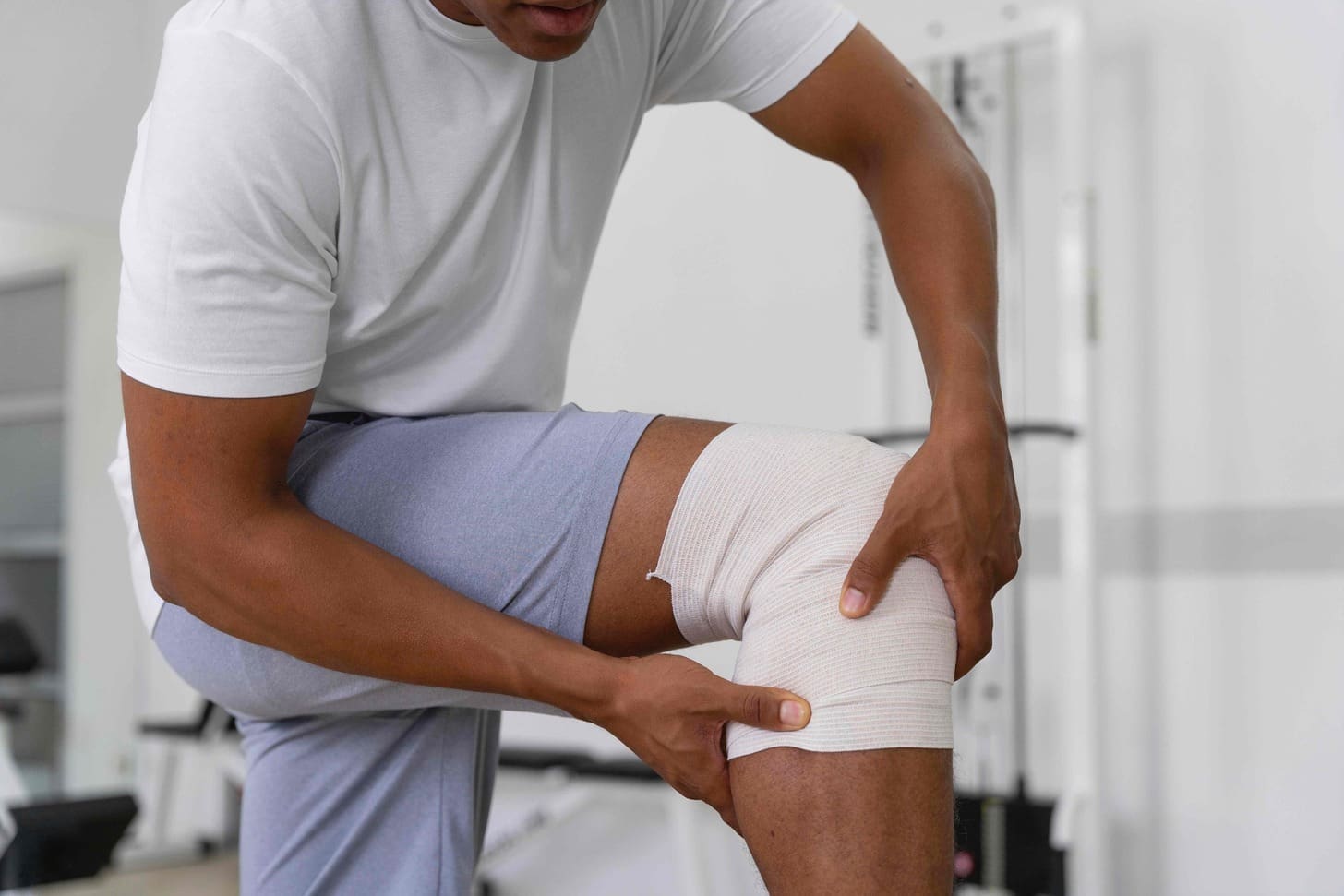
At Liv Hospital, we focus on keeping joints healthy and helping patients recover quickly. Unicompartmental knee replacement, or partial knee replacement, is a popular choice. It offers many benefits.
This advanced method replaces only the damaged knee part. It keeps the healthy bone and tissue intact. This leads to a faster recovery and better outcomes than traditional knee surgery.
We aim to provide top-notch healthcare and support for our international patients. Our team is ready to help you regain confidence and improve your joint function. We use the latest in knee surgery to help you.
Key Takeaways
- Faster recovery with unicompartmental knee replacement
- Preservation of healthy bone and tissue
- Better outcomes compared to traditional knee replacement
- Comprehensive support for international patients
- Renewed confidence and improved joint function
What Makes Partial Knee Replacement Different?
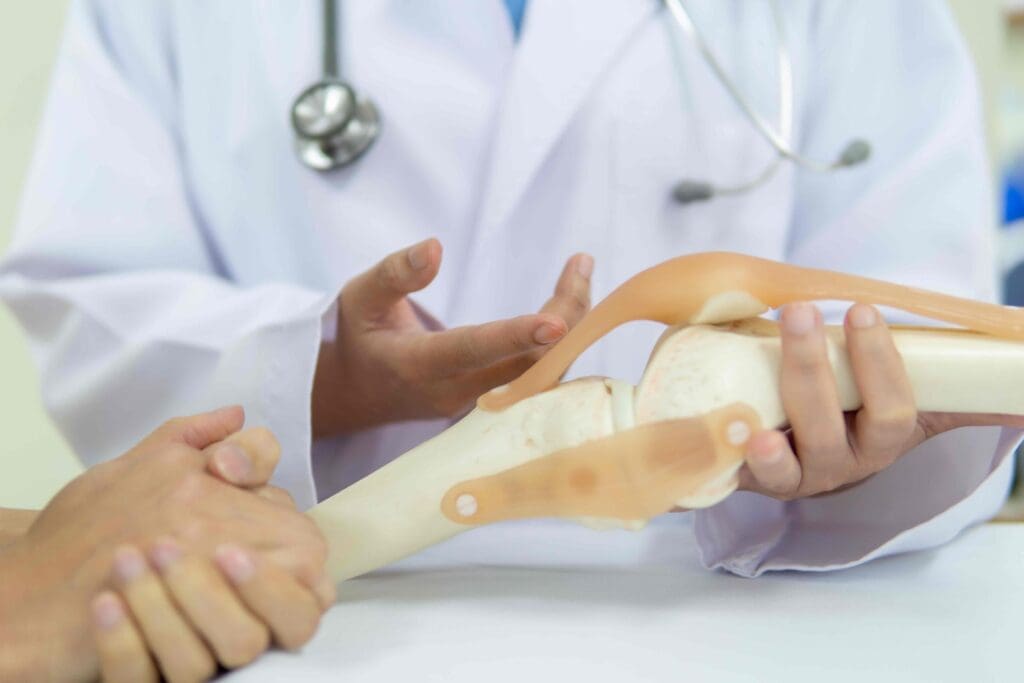
Unicompartmental Knee Arthroplasty (UKA), also known as partial knee replacement, is a less invasive option than total knee replacement. We will look at what makes this procedure unique.
Defining Unicompartmental Knee Arthroplasty (UKA)
UKA replaces only the damaged part of the knee, not the whole joint. This minimally invasive approach is for those with damage in just one area.
The Three Compartments of the Knee
The knee has three parts: the medial, lateral, and patellofemoral. Knowing these areas helps decide if UKA is right for you. The medial compartment is the inner knee, the lateral compartment is the outer, and the patellofemoral compartment is between the kneecap and femur.
Comparison with Total Knee Replacement
UKA is different from total knee replacement because it targets only the damaged area. The main differences are:
- Extent of Surgery: UKA uses smaller cuts and removes less bone.
- Recovery Time: Recovery is often quicker with UKA because less tissue is affected.
- Preservation of Healthy Tissue: UKA keeps the healthy parts of the knee, making it feel more natural.
Understanding these differences helps patients choose the best treatment for them.
Key Fact #1: Partial Knee Replacement Preserves Healthy Tissue

Partial knee replacement surgery aims to keep healthy tissue intact, leading to better results. This method is great for those with localized knee damage. It fixes the damaged area without harming the rest of the knee.
Maintaining Natural Ligaments and Bone
Partial knee replacement is good because it keeps the knee’s natural ligaments and bone. Unlike total knee replacement, it only fixes the damaged part. This preservation of healthy tissue helps keep the knee stable and natural.
Patients can feel and move more naturally after surgery. A study in the Journal of Arthroplasty found that unicondylar knee arthroplasty patients were happier. This is because their natural knee anatomy was preserved.
Smaller Incisions and Reduced Surgical Trauma
Partial knee replacement uses smaller cuts than total knee replacement. This reduced surgical trauma means less damage to muscles and ligaments.
Smaller cuts also mean less pain and scarring after surgery. A top orthopedic surgeon, says, “Smaller incisions in partial knee replacement reduce risks and speed up healing.”
“The preservation of healthy tissue and the use of smaller incisions in partial knee replacement surgery significantly enhance the patient’s recovery experience.”
Impact on Long-Term Knee Function
Keeping healthy tissue and using smaller cuts in partial knee replacement improves knee function long-term. Patients often have a better range of motion and knee movement.
| Aspect | Partial Knee Replacement | Total Knee Replacement |
|---|---|---|
| Tissue Preservation | Preserves healthy ligaments and bone | Replaces entire knee joint |
| Incision Size | Smaller incisions | Larger incisions |
| Recovery Time | Faster recovery | Longer recovery period |
The table shows partial knee replacement has many benefits over total knee replacement. It’s better for preserving tissue and recovery. Choosing the right surgery can lead to better outcomes and knee function.
Key Fact #2: Recovery Time Is Significantly Faster
Patients who get partial knee replacement surgery recover much faster than those with traditional knee replacements. This is because the surgery is less invasive and keeps more of the knee’s healthy tissue intact.
Hospital Stay Duration
One big plus of partial knee replacement is a shorter hospital stay. Patients usually spend less time in the hospital than those with total knee replacements. This not only saves money but also cuts down on the chance of getting infections in the hospital.
Timeline for Returning to Daily Activities
After partial knee replacement, people can get back to their daily routines faster. Most can start doing normal things in just a few weeks. But, how fast you can get back to normal depends on your health and how big the surgery was.
Returning to daily activities typically involves:
- Light activities, such as walking, within 1-2 weeks
- Moderate activities, like climbing stairs, within 2-4 weeks
- More strenuous activities, including sports, within 6-12 weeks
Physical Therapy Requirements
Physical therapy is key to getting better after partial knee replacement. But, you usually need less of it than after a total knee replacement. This means you can get stronger and move better faster.
Not needing as much physical therapy is a big plus. It lets you recover at home with less help. This makes patients happier and saves money on care.
Key Fact #3: Less Post-Operative Pain and Complications
Partial knee replacement keeps more of the healthy tissue. This means less pain after surgery and fewer problems. It’s a big plus for those who can have it.
Pain Management Advantages
Managing pain well is key for a good recovery. Partial knee replacement has many benefits in this area. The smaller cut and less invasive method cause less damage to tissue. This leads to less pain after surgery.
Patients usually need less pain medicine and feel more comfortable while they heal.
Reduced Blood Loss During Surgery
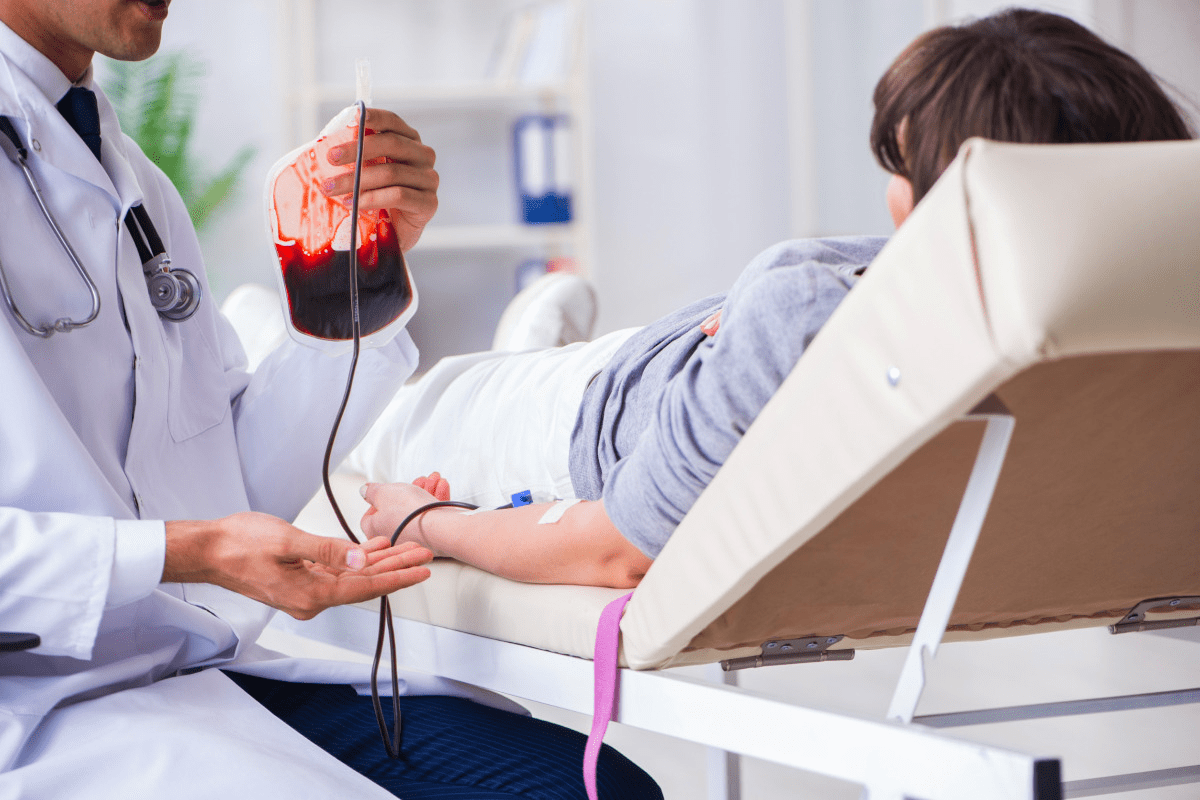
Another plus of partial knee replacement is less blood loss during surgery. The small incision and careful approach mean less bleeding. This is good for patients.
Less blood loss also means fewer blood transfusions. This lowers the risk of complications from blood transfusions.
Lower Risk of Certain Complications
Partial knee replacement has a lower risk of some complications than total knee replacement. It keeps more of the natural knee structure. This lowers the chance of problems like infection and implant failure.
The quicker recovery time also means less chance of getting sick in the hospital. This is a big plus.
| Complication | Partial Knee Replacement | Total Knee Replacement |
|---|---|---|
| Infection Risk | Lower | Higher |
| Blood Loss | Reduced | More Significant |
| Recovery Time | Faster | Longer |
These benefits make partial knee replacement a good choice for some patients. We’ll look at more facts about it in the next sections.
Key Fact #4: Types of Partial Knee Replacement Procedures
Partial knee replacement isn’t a one-size-fits-all solution. It includes several surgical methods, each tailored to a patient’s unique needs. The procedure chosen depends on the knee damage’s extent and location.
Medial Unicondylar Knee Arthroplasty (Medial UKR)
Medial UKR is a common partial knee replacement. It replaces the inner knee compartment, often damaged by osteoarthritis. This method is effective in improving knee function with minimal tissue disruption.
Lateral Unicompartmental Knee Replacement
Lateral unicompartmental knee replacement targets the outer knee compartment. It’s less common than medial UKR, as osteoarthritis affects the outer compartment less. Yet, it’s a good option for those with outer knee damage.
Patellofemoral Joint Replacement
This procedure focuses on the kneecap and femur area. Patellofemoral arthritis can cause a lot of pain. Replacing this joint can bring significant relief and better knee function.
Bi-Unicompartmental Approaches
Bi-unicompartmental knee replacement addresses both the inner and outer knee compartments or the inner and kneecap areas. It’s a more complex procedure, suited for specific knee damage patterns.
There are many partial knee replacement options. Surgeons can choose the best one for each patient. Knowing about these procedures helps patients make better treatment choices.
Key Considerations:
- The choice of procedure depends on the extent and location of knee damage.
- Each type of partial knee replacement has its specific indications and benefits.
- Advancements in surgical techniques continue to improve outcomes for patients undergoing these procedures.
Key Fact #5: Advanced Technologies Improving Outcomes
New technologies are making partial knee replacement surgery more precise and faster to recover from. We’re seeing big changes in how these surgeries are done. Technologies like robotic-assisted PKR knee surgery, computer navigation systems, and patient-specific instrumentation are leading the way.
Robotic-Assisted PKR Knee Surgery
Robotic-assisted PKR knee surgery is a big step forward in orthopedic surgery. It allows for greater precision in preparing bones and placing implants. This could lead to better results and longer-lasting implants. Studies show it can also make patients happier with their surgery.
The benefits of robotic-assisted PKR knee surgery include:
- Enhanced surgical precision
- Improved implant alignment
- Potential for better long-term outcomes
- Reduced risk of complications
Computer Navigation Systems
Computer navigation systems give surgeons real-time feedback during surgery. This helps them make more accurate decisions. It can also improve how implants are aligned, leading to better results for patients.
Some key advantages of computer navigation systems include:
- Improved accuracy in implant placement
- Enhanced visualization of the surgical site
- Potential for reduced wear on implants
- Better tracking of surgical progress
Patient-Specific Instrumentation
Patient-specific instrumentation (PSI) creates custom surgical guides from the patient’s imaging. This technology aims to make bone cuts and implant placement more accurate. It could lead to better results for patients.
The benefits of PSI include:
- Customized surgical planning
- Improved accuracy in bone preparation
- Potential for reduced surgical time
- Enhanced patient-specific outcomes
Modern Implant Materials and Design
New implant materials and designs are also making partial knee replacements better. Modern implants are designed to last longer and move more like the natural knee.
Some key developments in implant technology include:
- Improved material durability
- Enhanced implant design for better kinematics
- Increased options for patient-specific implants
- Potential for longer implant survival
These advanced technologies are improving partial knee replacement outcomes. They make surgery more precise, implants better aligned, and recovery times shorter. This helps patients get back to their normal activities faster.
Key Fact #6: Impressive Long-Term Implant Survival Rates
Modern partial knee implants have shown impressive long-term survival rates. This is great news for those thinking about partial knee replacement. It means the procedure can last a long time and work well.
30-Year Survival Statistics for Modern Partial Knee Implants
Recent studies have given us good news about partial knee implants. A study in a top orthopedic journal found that these implants can last up to 30 years. In some cases, the survival rate is as high as 85-90%.
This is much better than older models of partial knee implants. Newer designs, materials, and surgical methods have led to these improvements.
Factors Affecting Implant Longevity
Several things can affect how long a partial knee implant lasts:
- Patient Selection: Choosing the right patient is key. Age, activity level, and knee damage are important.
- Implant Design and Materials: New implants are made with better materials and designs. This makes them last longer and work better.
- Surgical Technique: How well the surgery is done matters a lot. Proper alignment and positioning of the implant are critical.
- Post-Operative Care: Good follow-up care and rehabilitation are important. They help the implant last longer.
Comparison with Total Knee Replacement Durability
Partial knee replacement has its own strengths compared to total knee replacement:
- Survival Rates: Both have high survival rates, but partial knee replacements can be better in some cases.
- Revision Complexity: Fixing a failed partial knee replacement is often easier than fixing a total knee replacement.
Choosing between partial and total knee replacement depends on many factors. These include how damaged the knee is and the patient’s specific needs.
Revision Surgery Considerations
If a partial knee implant fails, surgery to fix it may be needed. The decision to have this surgery depends on several things. These include how worn out the implant is, pain levels, and how well the knee functions.
When a partial knee replacement fails, it’s often converted to a total knee replacement. Thanks to new implant designs and surgical methods, this process is now easier. The results are usually good.
Key Fact #7: Enhanced Joint Function and Natural Feel
Partial knee replacement surgery improves joint function and feels natural. Patients often see big improvements in their knee’s function. This lets them do their daily activities more easily.
Range of Motion After Uni Arthroplasty Knee
Partial knee replacement can improve how much you can move your knee. Studies show UKA knee replacement patients move more naturally than those with total knee replacements. This is because more of the natural knee is kept.
Keeping natural ligaments and bone helps your knee work better and feel more natural. Patients often say they can move their knee more freely and with less stiffness.
Natural Knee Kinematics and Proprioception
Uni arthroplasty keeps the knee moving naturally, which is key for proper function. Keeping healthy tissues and ligaments helps with better proprioception. This means you can sense your knee’s position and movement better.
Patients often feel their knee working more naturally after uni arthroplasty. This is because the surgery keeps more of the natural knee structures and is less invasive.
Activity Levels and Sports Participation
Partial knee replacement can greatly improve your activity levels and sports participation. Many patients can start doing their favorite activities again with more energy.
| Activity | Pre-Surgery Ability | Post-Surgery Ability |
|---|---|---|
| Cycling | Limited due to pain | Able to cycle long distances |
| Golfing | Difficulty with knee movement | Able to golf without restrictions |
| Hiking | Avoided due to knee pain | Able to hike long trails |
Patient Satisfaction Rates
Patient satisfaction with uni arthroplasty is usually high. Many patients see big improvements in their life quality. Better range of motion, natural knee movement, and more activity levels all contribute to high satisfaction.
Our experience shows most patients are very happy with their choice of partial knee replacement. They often mention the natural feel and function of their knee as key reasons.
Ideal Candidates for Unicompartmental Knee Replacement
Choosing the right person for unicompartmental knee replacement is key. This surgery helps those who fit certain criteria. It’s a good option for the right patients.
Age and Activity Level Considerations
Age matters, but it’s not everything. People over 60 often have arthritis in just one part of their knee. But, younger folks might also qualify if they need it. How active you are also plays a big role. If you’re not very active, you might be a better fit.
Arthritis Pattern Requirements
The type of arthritis you have is very important. Those with isolated medial or lateral compartment osteoarthritis are usually good candidates. Your other knee parts and ACL should be healthy too.
Ligament Stability and Deformity Assessment
Having stable ligaments is key for UKA success. People with intact ACLs are preferred. Big deformities or instability might mean you need a different surgery.
Contraindications for UKA Knee Arthroplasty
Some things make UKA not the best choice. Severe obesity, big deformities, inflammatory arthritis, and bad patellofemoral joints are examples. These might mean you need a different surgery.
| Criteria | Ideal Characteristics for UKA | Contraindications |
|---|---|---|
| Age | Typically above 60 years | Very young or very old with poor bone quality |
| Arthritis Pattern | Isolated to one compartment (medial or lateral) | Generalized osteoarthritis or inflammatory arthritis |
| Ligament Stability | Intact ACL and stable ligaments | Significant ligament instability or deformity |
| Activity Level | Low to moderate activity level | High-demand activities or excessive obesity |
Want to know if UKA is for you? Talk to an orthopedic specialist.
Potential Risks and Limitations of Partial Knee Surgery
Partial knee replacement has many benefits, but it also has risks and limitations. We will look at common complications, how the disease can spread, and the chance of needing a total knee replacement. We will also talk about how choosing the right patient can affect the outcome.
Common Complications
Like any surgery, partial knee replacement can have complications. These include infection, blood clots, nerve damage, and implant failure. “The risk of complications can be minimized with proper patient selection and adherence to surgical best practices,” say orthopedic experts. We work hard to reduce these risks and give our patients the best care.
Some common complications are:
- Infection
- Blood clots
- Nerve damage
- Implant failure
- Prolonged recovery time
Disease Progression in Other Compartments
One big limitation is that the disease can spread to other parts of the knee. This surgery only fixes one area, so other parts might get worse. It’s important to keep up with follow-up appointments and watch for any new problems.
Conversion to Total Knee Replacement
Some patients might need to switch to a total knee replacement later. This can happen if the disease gets worse or if the implant fails. Even so, the first surgery can help by delaying the need for a total replacement and keeping more of the bone and ligaments intact.
A leading orthopedic surgeon says, “The success of partial knee replacement can significantly impact the outcome of a subsequent total knee replacement, if needed.” This shows how important it is to choose the right patient and use the best surgical techniques.
Patient Selection Impact on Outcomes
The success of partial knee replacement depends a lot on choosing the right patient. Things like how damaged the knee is, the patient’s overall health, and how active they are are very important. By carefully looking at these factors, we can make sure the surgery works well and reduce the chance of problems.
In short, while partial knee replacement has many benefits, it’s important to know about the risks and limitations. Understanding these can help patients make better choices about their treatment.
Conclusion: Making an Informed Decision About Partial Knee Replacement
Partial knee replacement has many benefits. It leads to faster recovery and less pain after surgery. It also improves how well the joint works.
This procedure is good because it saves healthy tissue. It causes less damage during surgery. It also makes the knee feel and work more naturally.
Advanced technologies, like robotic-assisted surgery, make the results even better. This is a big plus.
But, it’s important to think about the downsides too. Things like arthritis pattern, ligament health, and overall health matter. Talking to a doctor helps figure out if it’s the right choice.
In the end, partial knee replacement is a good option for many. Knowing its pros and cons helps patients choose the best treatment for them.
FAQ
What is partial knee replacement, and how does it differ from total knee replacement?
Partial knee replacement, or unicompartmental knee arthroplasty (UKA), replaces only the damaged part of the knee. Total knee replacement, on the other hand, replaces the whole knee. This means we keep the healthy parts of your knee, making it feel more natural and helping you recover faster.
What are the benefits of partial knee replacement?
Partial knee replacement offers many benefits. You can recover faster and feel less pain after surgery. It also means less blood loss and a lower risk of complications. Plus, we keep your natural ligaments and bone, improving your knee’s function and feel.
How long does it take to recover from partial knee replacement surgery?
Recovery times vary, but most people can get back to daily activities in a few weeks. You’ll likely spend less time in the hospital than with total knee replacement. Physical therapy needs are often less too.
What types of partial knee replacement procedures are available?
We offer several partial knee replacement options. These include medial UKR, lateral unicompartmental knee replacement, and patellofemoral joint replacement. The right procedure depends on your specific condition and needs.
How do advanced technologies improve the outcomes of partial knee replacement?
Technologies like robotic-assisted surgery and computer navigation make partial knee replacement more accurate. This leads to better results and longer-lasting implants.
What are the long-term survival statistics for modern partial knee implants?
Modern partial knee implants have impressive survival rates. Some studies show they can last up to 30 years. Survival depends on patient selection, surgical technique, and implant design.
Who is an ideal candidate for unicompartmental knee replacement?
The best candidates for UKA have isolated arthritis in one compartment, stable ligaments, and minimal deformity. Age, activity level, and the absence of certain conditions also matter.
What are the possible risks and limitations of partial knee surgery?
Risks include common complications and the chance of disease spreading to other parts. There’s also a risk of needing a total knee replacement later. Choosing the right patient and using proper techniques can reduce these risks.
Can I participate in sports and high-impact activities after partial knee replacement?
Many people can go back to sports and high-impact activities after surgery. But, it depends on your procedure and overall health.
How does partial knee replacement compare to total knee replacement in terms of durability?
Partial knee replacement and total knee replacement have different durability. Total knee replacement is generally more durable. But, modern partial knee implants have shown impressive long-term survival rates, making them a good option for some.
References
- Bone & Joint Tennessee. (n.d.). Knowing your options for partial knee replacement. Retrieved October 18, 2025, from https://boneandjointtn.org/knowing-your-options-for-partial-knee-replacement
- PubMed. (n.d.). [Article corresponding to PMID 39892622]. Retrieved October 18, 2025, from https://pubmed.ncbi.nlm.nih.gov/39892622