
Vascular conditions can be silent but serious. A popliteal artery aneurysm is an abnormal dilation in the main artery behind the knee.
This is the most common peripheral aneurysm, making up about 70 percent of all cases. If you feel unusual pain or notice a bulge behind your knee, it might be a sign.
At Liv Hospital, we focus on your health with trusted care. We diagnose and manage vascular disorders with advanced treatments, ensuring your peace of mind.
Key Takeaways
- Popliteal artery aneurysm is the most common peripheral aneurysm.
- It accounts for roughly 70 percent of all peripheral aneurysms.
- Symptoms may include unusual pain or a bulging sensation behind the knee.
- Liv Hospital provides patient-centered expertise in vascular care.
- Advanced diagnostic and treatment options are available.
What Is an Aneurysm in Popliteal Artery?
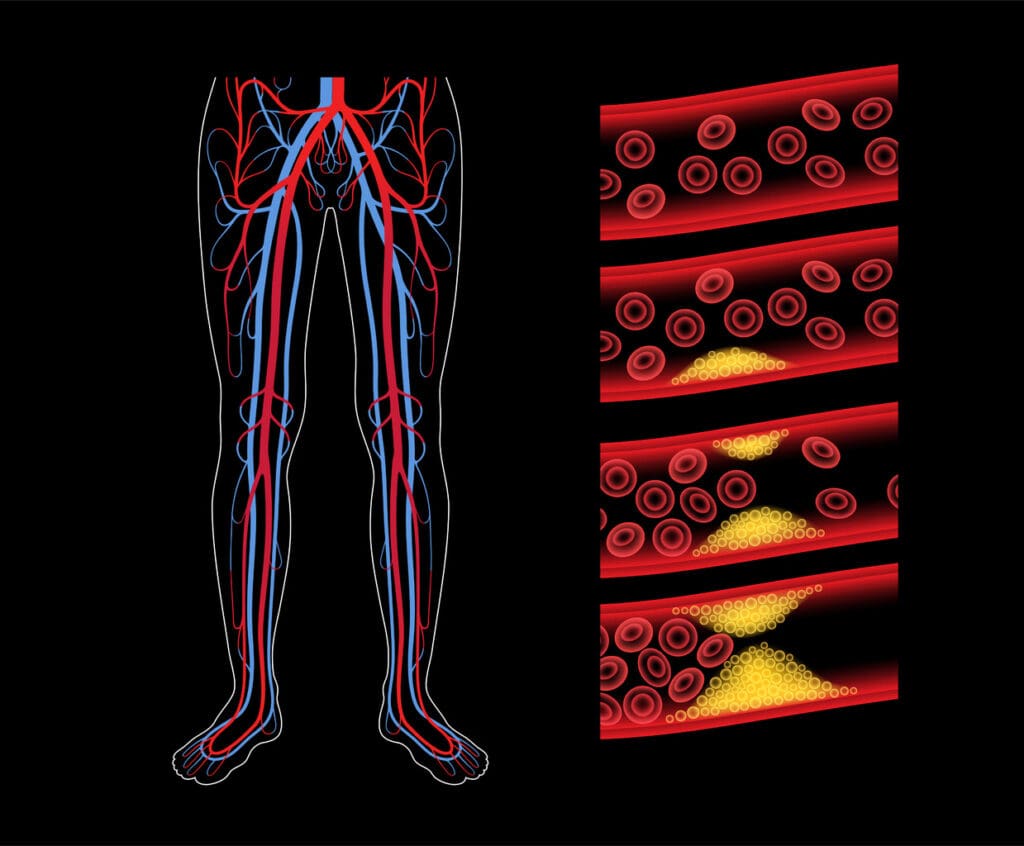
The popliteal artery aneurysm is a serious condition. It’s a bulge in the main artery behind the knee. We’ll look at what it is, where it is, how it forms, and what makes it different.
Definition and Anatomical Location Behind the Knee
An aneurysm of the popliteal artery is a bulge in the artery behind the knee. This artery is key for blood flow to the lower leg. The bulge happens when the artery wall weakens, causing blood flow problems.
How Popliteal Aneurysms Develop
Popliteal artery aneurysms often affect older men. They happen due to atherosclerosis, high blood pressure, and genetics. The artery wall weakens, leading to a bulge under blood pressure.
Distinguishing Features from Other Arterial Conditions
A popliteal arterial aneurysm is unique because of its location and risks. It can cause serious problems like blood clots or rupture. It’s important to diagnose it correctly to treat it right.
Knowing about popliteal artery aneurysms helps doctors treat it well. This ensures the best care for patients.
Key Fact #1: Most Common Peripheral Aneurysm
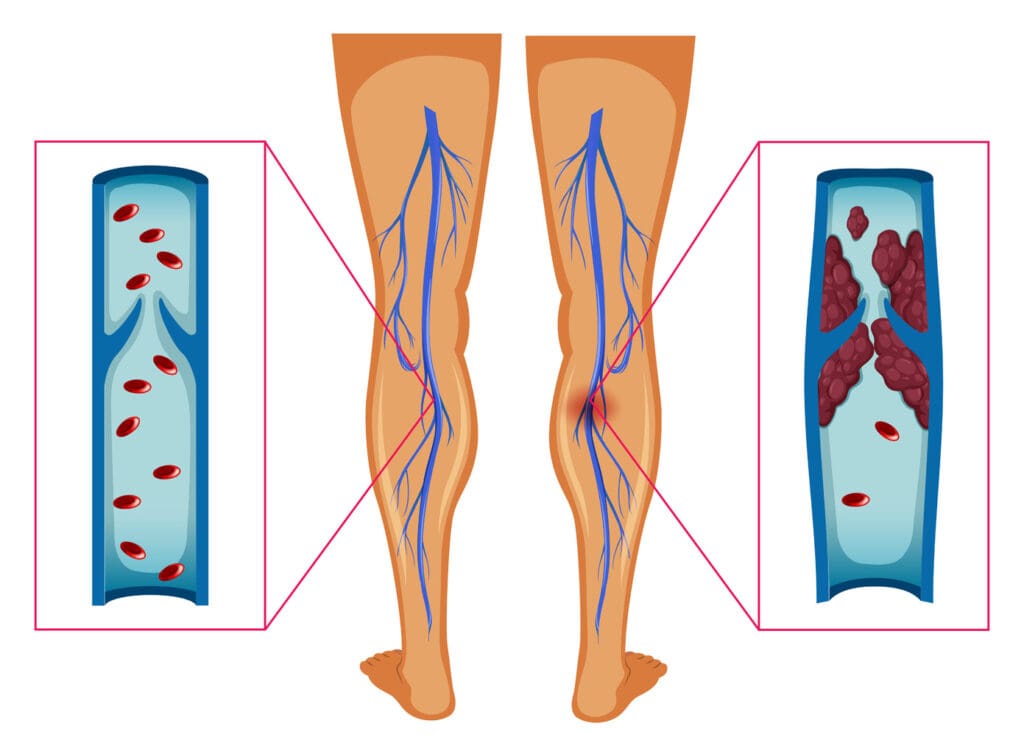
Popliteal artery aneurysms are the most common type of peripheral aneurysms. This makes them very important for our vascular health.
70% of All Peripheral Aneurysms
Popliteal artery aneurysms make up about 70 percent of all peripheral aneurysms. This shows they are the most common type by a big margin. It points out their leading role among peripheral aneurysms.
Prevalence Rates in the General Population
Studies show popliteal artery aneurysms are not very common in the general population. But, they are important enough to be well-known and understood.
Comparison to Other Leg Aneurysms
Popliteal artery aneurysms are more common than other leg aneurysms. Their location behind the knee is a key reason. Other leg aneurysms, like those in the femoral artery, are less common.
The fact that popliteal artery aneurysms are the most common has big implications. It shows why doctors need to be careful in spotting and treating these aneurysms.
Key Fact #2: Demographics and Risk Profile
It’s important to know who is at risk for popliteal artery aneurysm. We’ll look at how age and gender affect this condition.
Predominance in Older Men
Most popliteal artery aneurysms happen in older men. Men over 65 face a higher risk. Hormonal and lifestyle factors in men contribute to this.
Smoking and Hypertension as Risk Factors
Smoking and high blood pressure are big risks for popliteal artery aneurysm. Smoking harms the arteries, and high blood pressure stresses them. Managing these risks is key to preventing aneurysms.
Family History and Genetic Predisposition
A family history of aneurysms raises your risk. Genetic factors can weaken arteries, making some more prone to aneurysms. People with a family history should get regular vascular checks.
Knowing who’s at risk helps us take steps to prevent popliteal artery aneurysm. This way, we can lower its occurrence.
Key Fact #3: Association with Other Aneurysms
Popliteal artery aneurysms often go hand in hand with other aneurysms, like those in the abdominal aorta. This link is key to grasping a patient’s overall vascular health.
Connection to Abdominal Aortic Aneurysms
Research indicates that people with popliteal artery aneurysms are more likely to have abdominal aortic aneurysms (AAAs). The presence of one aneurysm may indicate a systemic vascular issue, pointing to the need for a thorough vascular check-up.
We advise patients with popliteal artery aneurysms to get screened for AAAs. This is because there’s a strong link between the two conditions.
Multiple Aneurysm Syndrome
In some instances, patients may have aneurysms in various spots, known as multiple aneurysm syndrome. This syndrome stresses the need for a detailed vascular assessment to spot and manage all aneurysms, not just the ones that show symptoms or are first found.
- Multiple aneurysm syndrome needs a detailed treatment plan.
- It’s vital to keep up with regular check-ups to watch other aneurysms.
- Family history is a big factor in assessing the risk for multiple aneurysm syndrome.
Screening Recommendations for Patients
Given the link between popliteal artery aneurysms and other aneurysms, we push for proactive screening. Screening should include imaging tests like ultrasound or CT angiography to find aneurysms in other spots, like the abdominal aorta.
For those with a diagnosed popliteal artery aneurysm, we recommend:
- Starting with an ultrasound for AAA screening.
- Keeping up with regular imaging to track any found aneurysms.
- Making lifestyle changes to lower the risk of aneurysm growth.
By recognizing the connection between popliteal artery aneurysms and other aneurysms, healthcare teams can provide better care. This could lead to better outcomes for patients.
Key Fact #4: Recognizing Popliteal Aneurysm Symptoms
It’s key to spot popliteal aneurysm signs early to avoid serious issues. Popliteal artery aneurysm shows up in different ways. So, it’s important for both patients and doctors to know its symptoms.
The Silent Nature: Asymptomatic Presentation
Diagnosing popliteal artery aneurysm can be tough because it often has no symptoms at first. Many people don’t notice anything until the aneurysm grows big or causes problems like blood clots or blockages. This is why regular health checks are so important for those at risk.
Classic Symptoms: Leg Pain and Pulsation
When symptoms do show up, they might include leg pain and a pulsating feeling behind the knee. People might feel a throbbing or discomfort in the popliteal fossa, which could mean the aneurysm is getting bigger. These signs should lead to more tests to find out what’s causing them.
Acute Presentations: Sudden Coldness and Ischemia
In some cases, popliteal artery aneurysm can suddenly cause coldness and lack of blood flow in the lower leg. This is a serious emergency that needs quick action. Sudden limb ischemia can happen if the aneurysm causes a blood clot or blockage. Quick treatment is needed to save the limb and avoid lasting harm.
Knowing these symptoms is key for catching popliteal artery aneurysm early and treating it well. Doctors must watch closely for patients at risk and check on them often to stop problems before they start.
Key Fact #5: Life-Threatening Complications
Popliteal artery aneurysms can cause severe and potentially life-threatening problems if not treated. These issues come from how the aneurysm affects blood flow and the chance of clotting or rupture.
Thrombosis: Blood Clot Formation
Thrombosis in the aneurysm is a big risk, leading to acute limb ischemia. A blood clot in the aneurysm can block the artery. This causes sudden and severe leg pain, coldness, and loss of function. Prompt medical attention is vital to fix blood flow and avoid permanent harm.
Embolism: Downstream Tissue Damage
Embolism happens when clots from the aneurysm move and block smaller arteries. This can cause tissue damage and even gangrene if not treated. The risk of embolism shows why it’s key to watch and treat popliteal artery aneurysms early.
Rupture: Rare but Dangerous Consequence
Rupture of a popliteal artery aneurysm is rare but very dangerous. It needs immediate medical help. Rupture can cause severe bleeding, shock, and even limb loss or death. The risk of rupture stresses the need for quick diagnosis and treatment of popliteal artery aneurysms.
In summary, the serious complications of popliteal artery aneurysm, like thrombosis, embolism, and rupture, require careful management and monitoring. Knowing these risks is key for healthcare providers and patients to get the best results.
Diagnostic Approaches for Arterial Aneurysm Behind Knee
Diagnosing a popliteal artery aneurysm involves several steps. It starts with a detailed physical check-up. Healthcare experts use both clinical checks and advanced imaging to find the cause.
Physical Examination: What Doctors Look For
When checking for a popliteal artery aneurysm, doctors look for a mass behind the knee. They also check for weak foot pulses or signs of poor blood flow. Knowing a patient’s medical history is key to spotting risks like smoking or high blood pressure.
Duplex Ultrasound as First-Line Imaging
Duplex ultrasound is the first tool used to check for a popliteal artery aneurysm. It’s a non-invasive test that uses sound waves to see the artery and check blood flow. It’s great for measuring the aneurysm size and spotting blood clots.
Advanced Imaging: CT Angiography and MRA
For a closer look, we use CT angiography (CTA) or Magnetic Resonance Angiography (MRA). CTA gives clear images of the arteries and helps plan treatments. MRA, without radiation, is good for some patients.
CTA and MRA are key for seeing how big the aneurysm is and if it’s causing problems. They help us choose the best treatment for each patient.
Key Fact #6: Size Matters in Treatment Decisions
The size of a popliteal artery aneurysm is key in choosing the right treatment. We look at many factors to decide if surgery is needed.
The 2cm Threshold for Intervention
Popliteal aneurysms over 2 cm are often treated because of higher risks. This size is a guide for doctors to suggest treatment.
| Aneurysm Size | Typical Recommendation | Rationale |
|---|---|---|
| < 2 cm | Monitoring | Lower risk of complications |
| > 2 cm | Intervention | Higher risk of thrombosis and embolism |
Risk Assessment for Asymptomatic Aneurysms
We do a detailed risk check for asymptomatic popliteal aneurysms. We look at size, growth, and the patient’s health.
“The risk of rupture or thrombosis in popliteal aneurysms is significant, even in asymptomatic patients, necessitating careful evaluation and management.”
When Immediate Treatment Is Necessary
For symptomatic aneurysms or acute limb ischemia, quick treatment is needed. We act fast to avoid more problems and get the best results.
In summary, the size of a popliteal artery aneurysm is very important in deciding treatment. By knowing the risks of different sizes, we can give each patient the best care.
Key Fact #7: Treatment Options Have Evolved
We’ve seen big changes in treating popliteal artery aneurysms. Today, we use more advanced and patient-focused methods than before.
Traditional vs. Modern Approaches
Oldly, open surgery was the main way to fix popliteal artery aneurysms. But now, we have less invasive endovascular procedures. These new methods help patients recover faster and have fewer problems.
Comparison of Traditional and Modern Approaches:
| Treatment Aspect | Traditional Open Surgery | Modern Endovascular Procedures |
|---|---|---|
| Invasiveness | More invasive, larger incision | Less invasive, smaller incisions |
| Recovery Time | Longer recovery period | Shorter recovery period |
| Complications | Higher risk of complications | Lower risk of complications |
Factors Influencing Treatment Selection
Choosing between open surgery and endovascular procedures depends on several things. These include the aneurysm’s size and location, the patient’s health, and their medical history.
“The decision-making process for treating popliteal artery aneurysms requires a thorough assessment of the patient’s condition and the aneurysm’s characteristics.”
The Importance of Specialized Vascular Centers
Getting treatment at specialized vascular centers is key for the best results. These centers have teams of experts in vascular surgery, radiology, and more. They work together to give patients the best care.
By using the latest technology and focusing on the patient, vascular centers can greatly improve treatment success for popliteal artery aneurysms.
Open Surgical Popliteal Aneurysm Repair
The open surgical method has been key in treating popliteal aneurysms for years. It involves making an incision to directly access the aneurysm. This allows surgeons to repair or bypass the affected area.
Surgical Bypass Techniques
During the repair, surgeons use bypass techniques to go around the aneurysm. They create a detour with a graft to restore blood flow to the lower leg. “Bypass surgery has been the gold standard for treating popliteal aneurysms, with long-term success,” say vascular surgeons.
The procedure includes:
- Accessing the popliteal artery through a posterior or medial approach
- Identifying and isolating the aneurysm
- Implanting a graft to bypass the aneurysm
Graft Materials and Selection
Choosing the right graft material is key for success. Surgeons pick between synthetic grafts (like Dacron or PTFE) and autologous vein grafts. The choice depends on the patient’s health, aneurysm size, and graft availability.
Autologous vein grafts are often chosen for their high success rate and low infection risk. But synthetic grafts are an option when vein grafts aren’t possible.
Recovery Timeline and Rehabilitation
Recovery from open surgery for a popliteal aneurysm takes time. It includes hospital stay and a structured rehab program. Patients need several weeks to fully recover, with close monitoring for complications.
Rehab includes:
- Gradually starting physical activities
- Attending follow-up appointments to check graft health
- Living a healthy lifestyle to avoid future vascular problems
Knowing about open surgical repair helps patients prepare for treatment and recovery.
Endovascular Treatment for Popliteal Artery Aneurysm
Endovascular techniques have changed how we treat popliteal artery aneurysms. This method uses stent grafts to block the aneurysm from blood flow. It stops the aneurysm from growing and reduces the risk of rupture.
Stent Graft Placement Procedures
Stent graft placement is a small incision procedure. It uses a covered stent to block the aneurysm under imaging. This method is less invasive, leading to quicker recovery times.
Benefits of Stent Graft Placement:
- Minimally invasive, reducing recovery time
- Less risk of complications compared to open surgery
- Can be performed under local anesthesia
Benefits of Minimally Invasive Approaches
Endovascular treatments are less invasive. They lead to shorter hospital stays, less pain, and faster recovery. A study on Springer Link shows they have lower morbidity rates than open repair.
Limitations and Patient Selection
Not all patients are good candidates for endovascular treatment. The aneurysm’s size, the stent graft’s landing zones, and the patient’s health are key factors. We evaluate each patient to find the best treatment.
| Criteria | Description |
|---|---|
| Aneurysm Size | Aneurysms larger than 2cm are typically considered for treatment |
| Vascular Anatomy | Suitable landing zones for stent graft are necessary |
| Patient Health | Overall vascular health and comorbidities are assessed |
Living with Treated Popliteal Aneurysms
After treatment for a popliteal artery aneurysm, patients start a recovery phase that needs careful watching. We know that managing a treated popliteal aneurysm requires a full plan. This includes regular check-ups and lifestyle changes to keep blood vessels healthy and avoid problems.
Follow-Up Protocols and Surveillance
It’s key to have regular check-ups to watch the treated aneurysm and blood vessel health. We suggest:
- First check-up in 1-3 months after treatment
- Regular duplex ultrasound tests to check the aneurysm and spot issues early
- Annual visits with a vascular specialist to check overall heart health
As one study shows, “Regular checks are vital to catch any problems and make sure treatment works long-term.”
“Checking up regularly is a big part of taking care of patients with treated popliteal artery aneurysms.”
Lifestyle Modifications for Vascular Health
Changing your lifestyle can greatly help your blood vessel health and lower the chance of more aneurysms or heart problems. We tell patients to:
- Stop smoking to lessen blood vessel stress and boost heart health
- Eat a healthy diet full of fruits, veggies, and whole grains
- Do regular physical activity, like walking, to improve blood flow
- Keep blood pressure and cholesterol in check with diet, exercise, and meds if needed
| Lifestyle Modification | Benefit |
|---|---|
| Smoking Cessation | Lessens blood vessel stress and lowers aneurysm risk |
| Healthy Diet | Boosts heart health |
| Regular Exercise | Improves blood flow and vessel function |
| Blood Pressure Management | Reduces blood vessel strain |
Managing Concurrent Vascular Conditions
Many people with popliteal artery aneurysms also have other blood vessel issues. We stress the need to:
- Keep an eye on and manage high blood pressure to avoid more damage
- Check for other aneurysms, like in the belly, because they often go together
- Deal with peripheral artery disease through lifestyle changes and, if needed, medical help
By sticking to these tips and working with their doctors, patients with treated popliteal artery aneurysms can live active, healthy lives. They can also lower the risk of future problems.
Conclusion: Optimizing Outcomes for Popliteal Artery Aneurysms
Getting a diagnosis early and choosing the right treatment is key for good results in popliteal artery aneurysm patients. We’ve covered important facts about this condition, like how common it is and its symptoms. Knowing about popliteal arterial aneurysm helps us give better care.
Today, we have better treatments like open surgery and endovascular methods. These options help reduce risks and improve recovery. Finding the best treatment for each patient is important. This way, we can help them heal faster and better.
As we keep improving in vascular health, following up with patients is vital. Lifestyle changes also play a big role in managing popliteal aneurysms. This ensures the best results for those treated, improving their life quality.
What is a popliteal artery aneurysm?
A popliteal artery aneurysm is an abnormal dilation in the main artery behind the knee. It can lead to serious complications if left untreated.
What are the symptoms of a popliteal artery aneurysm?
Symptoms include leg pain, pulsation behind the knee, sudden coldness, and ischemia. Some aneurysms may not show symptoms at all.
Who is at risk of developing a popliteal artery aneurysm?
Older men, smokers, and those with hypertension are at higher risk. Family history and genetic predisposition also play a role.
How is a popliteal artery aneurysm diagnosed?
Diagnosis involves physical examination, duplex ultrasound, and advanced imaging like CT angiography and MRA.
What are the complications of a popliteal artery aneurysm?
Complications include thrombosis, embolism, and rupture. These can be life-threatening if not treated promptly.
When is treatment necessary for a popliteal artery aneurysm?
Treatment is recommended for aneurysms larger than 2cm or with symptoms. Immediate treatment is needed for acute complications.
What are the treatment options for popliteal artery aneurysm?
Treatment options are open surgical repair and endovascular treatment with stent graft placement. The choice depends on the aneurysm’s size and location.
What is the recovery process like after popliteal artery aneurysm repair?
Recovery involves a rehabilitation process. The timeline varies by treatment type. Patients are advised to follow a specific follow-up protocol and make lifestyle modifications.
Can a popliteal artery aneurysm be prevented?
While some risk factors cannot be changed, managing hypertension, quitting smoking, and maintaining a healthy lifestyle can reduce the risk.
How often should I have surveillance for a treated popliteal artery aneurysm?
Follow-up protocols include regular surveillance to monitor the treated aneurysm and overall vascular health. The frequency depends on individual patient factors.
References
Legs Matter. Popliteal aneurysm. https://legsmatter.org/information-and-support/health-concerns/popliteal-aneurysm
Paducah Vascular. Popliteal artery aneurysm. https://www.paducahvascular.com/popliteal-artery-aneurysm
National Center for Biotechnology Information (NCBI). Peripheral Aneurysm. https://www.ncbi.nlm.nih.gov/books/NBK430863/