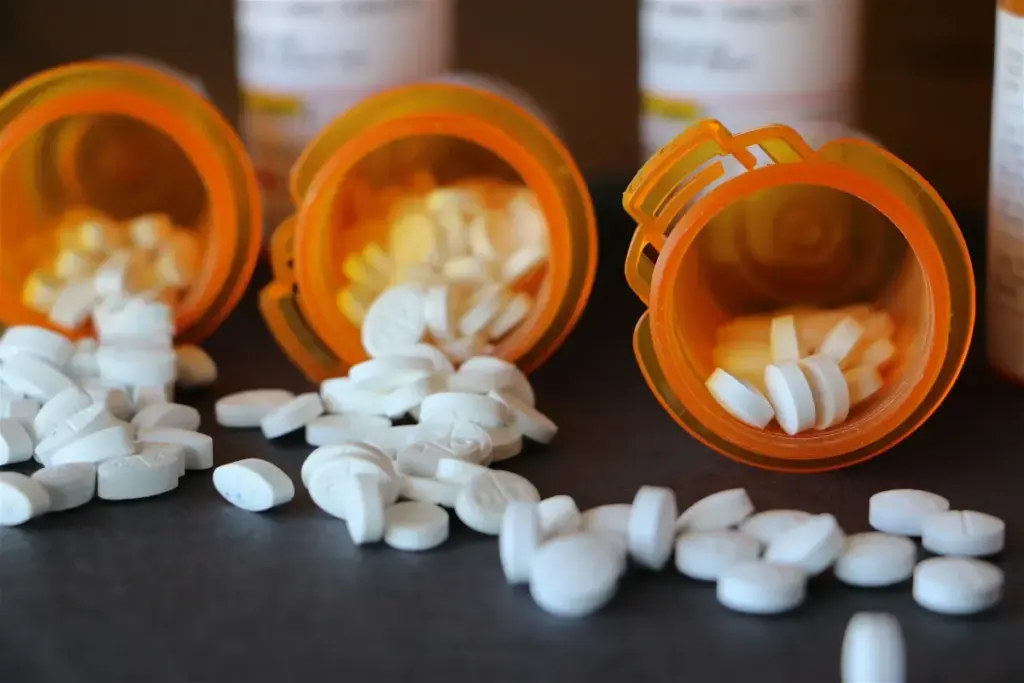
Stopping or cutting down on opioid use can cause a serious condition called withdrawal.
Opioids, like prescription painkillers and illegal drugs, help with serious pain. When people who are dependent on these stop or use less, they face intense physical and mental symptoms.
It’s important to know the main signs of opioid withdrawal. This helps both patients and doctors spot it early and treat it well.
Key Takeaways
- Opioid withdrawal happens when you stop or cut down on opioids.
- The symptoms can be very strong and affect both body and mind.
- Spotting it early is key to good treatment.
- There are treatments to help with withdrawal symptoms.
- Knowing the signs helps patients and doctors a lot.
Understanding Opioid Dependence and Withdrawal
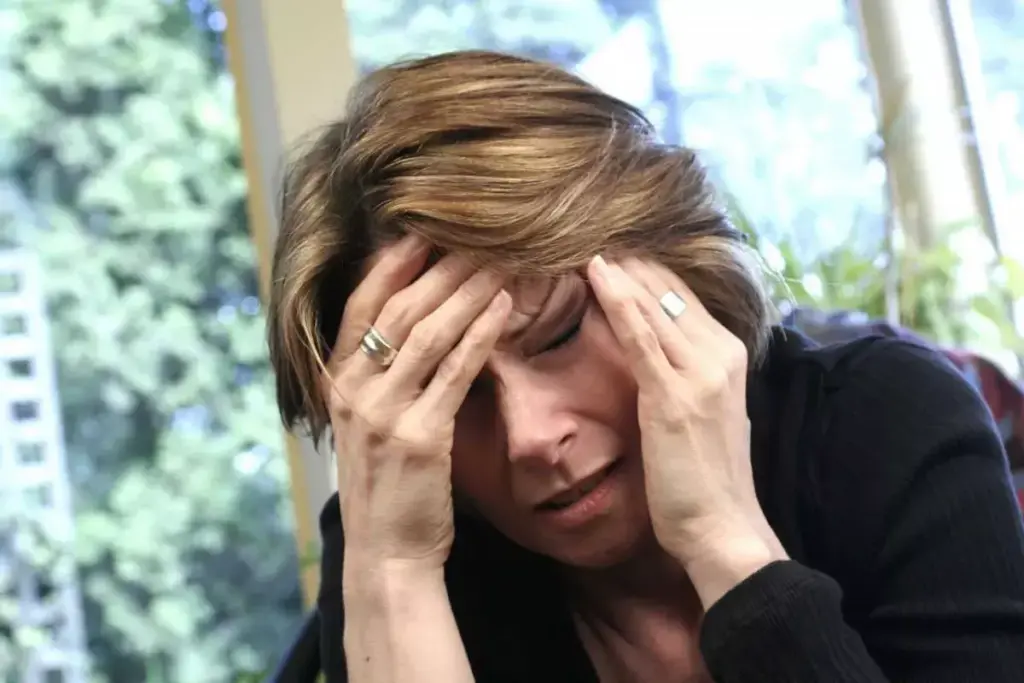
It’s key to understand opioid dependence and withdrawal to create good treatment plans. Opioid dependence happens when the body gets used to opioids and needs them to feel normal.
Opioids are split into two groups: prescription opioids and illicit opioids. Prescription opioids, like oxycodone and hydrocodone, are legal and used for pain. Illicit opioids, like heroin, are illegal and very addictive, with a high risk of overdose.
Types of Opioids: Prescription vs. Illicit
Prescription opioids are meant to be used with a doctor’s guidance but can lead to dependence. Illicit opioids are highly addictive and risky because of their unknown strength and possible contamination.
Knowing the difference between prescription and illicit opioids is important. Prescription opioids are for medical use but can cause dependence. Illicit opioids, being illegal, have a higher risk of dependence and overdose.
Withdrawal Timeline: Short vs. Long-Acting Opioids
The time it takes for opioid withdrawal to start varies. Short-acting opioids, like heroin and oxycodone, cause symptoms in 8-24 hours. These symptoms reach their peak in 1-3 days and can last up to 7 days.
Long-acting opioids, such as methadone, start withdrawal symptoms later, usually in 12-48 hours after the last dose. Knowing these timelines helps in managing withdrawal and providing the right care.
Overcoming opioid dependence is tough, but with the right help and treatment, it’s possible. It’s vital to have a treatment plan that covers both the physical and mental sides of dependence.
The 7 Key Signs of Opioid Withdrawal
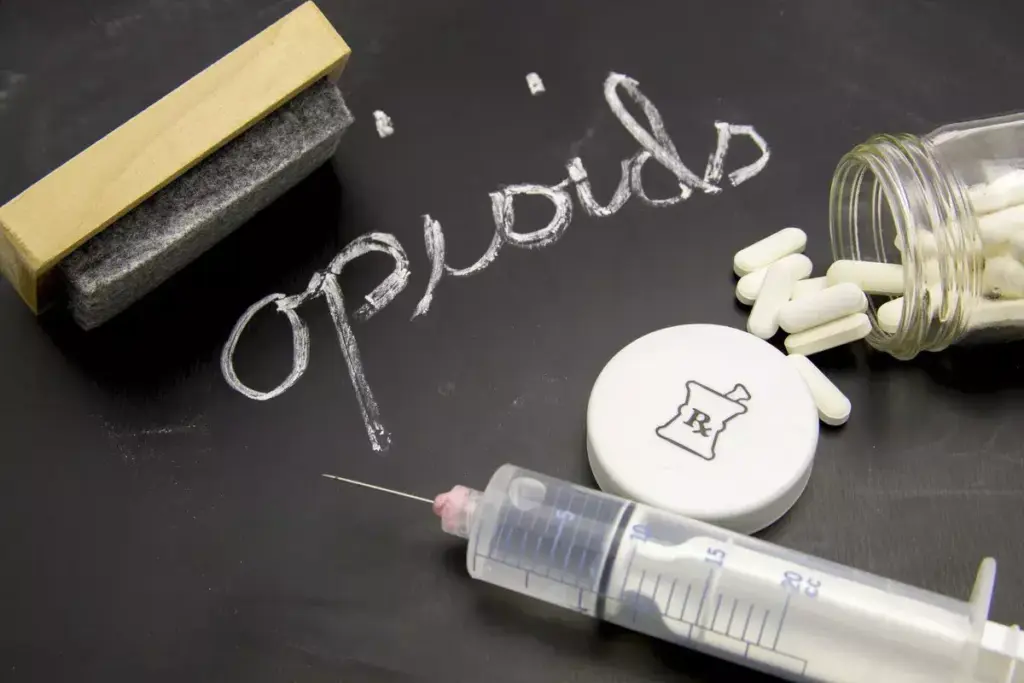
Opioid withdrawal has several key signs that people should know. It happens when someone stops using opioids or uses less. This leads to physical and emotional symptoms. Knowing these symptoms helps in supporting recovery.
1. Anxiety and Irritability
Anxiety and irritability start early in opioid withdrawal. They can show up in the first 6-24 hours after the last dose. People might feel restless, agitated, and have mood swings.
Anxiety makes you feel uneasy or worried. Irritability can make you short-tempered.
2. Muscle Aches and Joint Pain
Muscle aches and joint pain are common in opioid withdrawal. They happen because the body misses opioids. These feelings can be mild or severe, like having the flu.
Muscle aches can happen anywhere in the body. Joint pain makes moving hard.
3. Excessive Sweating and Chills
Excessive sweating and chills are big signs of opioid withdrawal. The body’s temperature control gets off track. This leads to sweating or feeling cold.
Excessive sweating is uncomfortable and embarrassing. Chills cause shivering and discomfort.
4. Gastrointestinal Distress
Gastrointestinal distress, like nausea, vomiting, and diarrhea, is common in opioid withdrawal. These symptoms can cause dehydration and electrolyte imbalances. It’s important to stay hydrated and get medical help if these symptoms don’t go away.
Knowing these signs of opioid withdrawal is key for recovery. Understanding symptoms helps prepare for challenges and seek medical care when needed.
Treatment Options for Opioid Withdrawal
Effective treatment for opioid withdrawal combines medical and supportive care. Each person’s needs are different. The goal is to create a care plan that covers both physical and emotional needs.
Medical Detoxification Protocols
Medical detox is a key first step. It uses medications to manage symptoms and reduce cravings. Medications like buprenorphine and methadone are often used. They help with anxiety, muscle aches, and stomach issues.
Healthcare professionals oversee medical detox. It’s vital for safety and comfort. It helps stabilize the person before further treatment.
Medication-Assisted Treatment (MAT)
Medication-Assisted Treatment (MAT) combines medications with counseling and therapy. It treats both physical and psychological aspects of addiction.
- Buprenorphine: Reduces cravings and symptoms without causing euphoria.
- Methadone: Reduces symptoms and cravings, allowing normal functioning.
- Naltrexone: Blocks opioid effects, preventing relapse.
MAT improves treatment outcomes and lowers relapse risk. It’s often paired with supportive care for better results.
Supportive Care and Comfort Measures
Supportive care and comfort measures are essential. They offer emotional support and ease discomfort during withdrawal.
Some key measures include:
- Counseling and therapy to address issues.
- Support groups for community and understanding.
- Comfort medications for specific symptoms.
- Nutritional support for better health.
These measures help individuals get holistic care during opioid withdrawal. They support the recovery journey.
Conclusion
Understanding opioid withdrawal and its treatment options is key for those struggling with opioid dependence. The path to recovery is tough, but with the right support, it’s possible to beat opioid withdrawal and stay sober for good.
Opioid withdrawal symptoms can be severe, but they don’t usually threaten life. While death from narcotic withdrawal is rare, the process can be very uncomfortable. Symptoms include muscle aches and joint pain, similar to those from pain medication withdrawal.
Effective treatments, like medical detox and medication-assisted therapy, can help manage withdrawal symptoms. These options support individuals through recovery. By getting professional help, people can get the care they need to overcome opioid dependence and live a healthier, happier life.
In short, opioid withdrawal is a tough but conquerable challenge. With the right treatment and support, people can beat opioid withdrawal and move towards a healthier future.
FAQ
What are the common symptoms of opioid withdrawal?
Symptoms include anxiety, irritability, and muscle aches. You might also feel joint pain, excessive sweating, and chills. Gastrointestinal distress is another common symptom.
How long does opioid withdrawal last?
The time it takes to get through opioid withdrawal varies. It depends on the opioid type. Short-acting opioids like heroin have a shorter timeline. Long-acting opioids, like methadone, take longer.
What is the difference between short-acting and long-acting opioids?
Short-acting opioids have a quick effect and cause intense withdrawal. Long-acting opioids last longer and lead to a longer withdrawal process.
Can you die from narcotic withdrawal?
While narcotic withdrawal is uncomfortable and can be dangerous, death is rare. If you’re experiencing severe symptoms, seek medical help right away.
What helps with fentanyl withdrawal?
Treatment for fentanyl withdrawal includes medication-assisted treatment (MAT) and medical detox. Medications like buprenorphine and methadone help manage symptoms and cravings.
What are the symptoms of morphine withdrawal?
Morphine withdrawal symptoms are similar to other opioid withdrawal symptoms. You might feel anxious, irritable, and experience muscle aches and joint pain. Excessive sweating, chills, and gastrointestinal distress are also common.
How to deal with morphine withdrawal?
To manage morphine withdrawal, seek medical help and undergo detox. Medication-assisted treatment (MAT) and supportive care can help manage symptoms.
What is opioid withdrawal syndrome?
Opioid withdrawal syndrome is a condition that occurs when someone stops or reduces opioid use after becoming dependent. It’s characterized by a set of symptoms.
What is the role of medication-assisted treatment in opioid withdrawal?
Medication-assisted treatment (MAT) is key in managing opioid withdrawal symptoms and cravings. Medications like buprenorphine, methadone, and naltrexone help alleviate symptoms and support recovery.
Can piloerection be a symptom of opioid withdrawal?
Yes, piloerection, or “cold turkey,” is a common symptom of opioid withdrawal. It’s when the skin becomes gooseflesh due to the body’s reaction to the absence of opioids.
References:
World Health Organization. Evidence-Based Medical Guidance. Retrieved from https://www.who.int/publications/i/item/9789241547543