Last Updated on December 4, 2025 by Ugurkan Demir
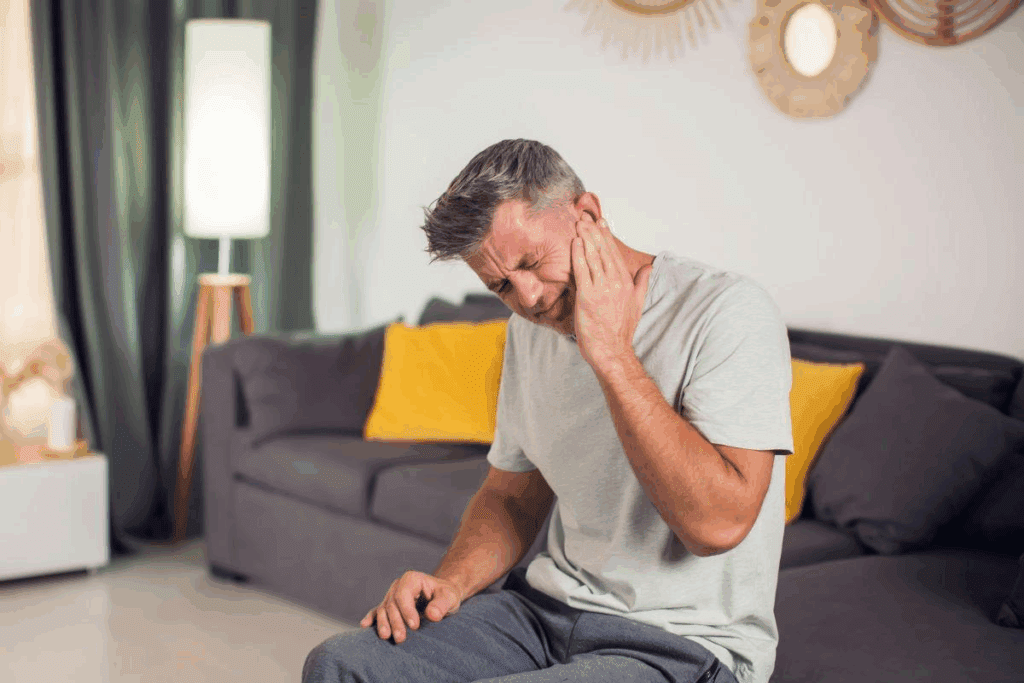
At Liv Hospital, we know how important it is to spot the signs of a heart attack early. Find out how jaw pain for heart attack appears, its warning signs, and how to recognize it early.
Jaw pain is a key warning sign of a heart attack. The American Heart Association says symptoms can differ between men and women. This makes it key to know all the possible signs.
It’s vital to understand these signs to get help quickly. We aim to give care that’s trusted and focused on the patient. Spotting these subtle signs could save a life.
Key Takeaways
- Recognizing subtle warning signs of a heart attack is key.
- Jaw pain can be a big sign of a heart attack.
- Symptoms of a heart attack can differ between men and women.
- Spotting heart attack symptoms early can save lives.
- Patient-centered care is vital for good treatment.
Understanding the Critical Signs of a Heart Attack
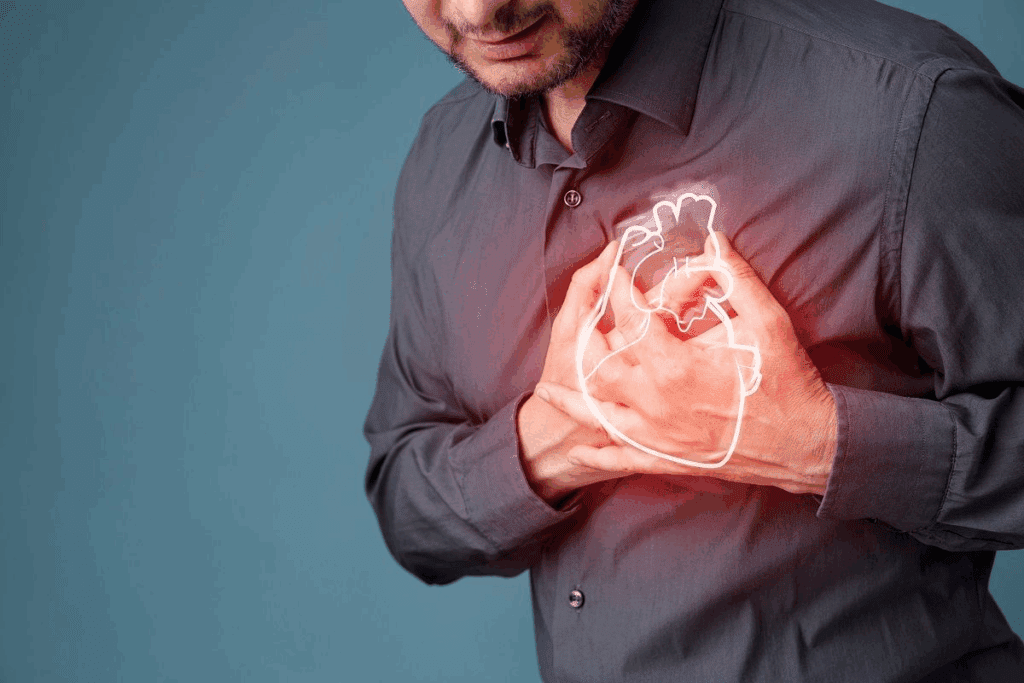
Knowing the signs of a heart attack can greatly improve treatment results. Heart attacks happen when blood flow to the heart is blocked, damaging the heart muscle. Symptoms can differ from person to person, making it key to know both common and unusual signs.
Spotting these symptoms early can be a matter of life and death. The National Heart, Lung, and Blood Institute highlights the need to know heart attack warning signs. This ensures quick medical help.
Why Recognizing Atypical Symptoms Matters
Atypical symptoms are not usually linked to heart attacks, like jaw pain, shortness of breath, or nausea. These signs can be confusing and might not be seen as heart attack warnings right away. Spotting atypical symptoms early is vital for timely treatment, as waiting can cause more heart muscle damage.
Jaw pain is a heart attack warning sign often missed. Yet, it’s a critical sign that should not be ignored. We’ll dive deeper into this symptom later.
The Importance of Timely Medical Intervention
Quick medical help is key to reducing heart muscle damage during a heart attack. The sooner treatment starts, the better the survival and recovery chances. Quick action greatly improves heart attack patient outcomes.
The American Heart Association emphasizes the need for immediate medical care. Knowing the critical signs and acting fast can save lives.
Jaw Pain for Heart Attack: A Crucial Warning Signal
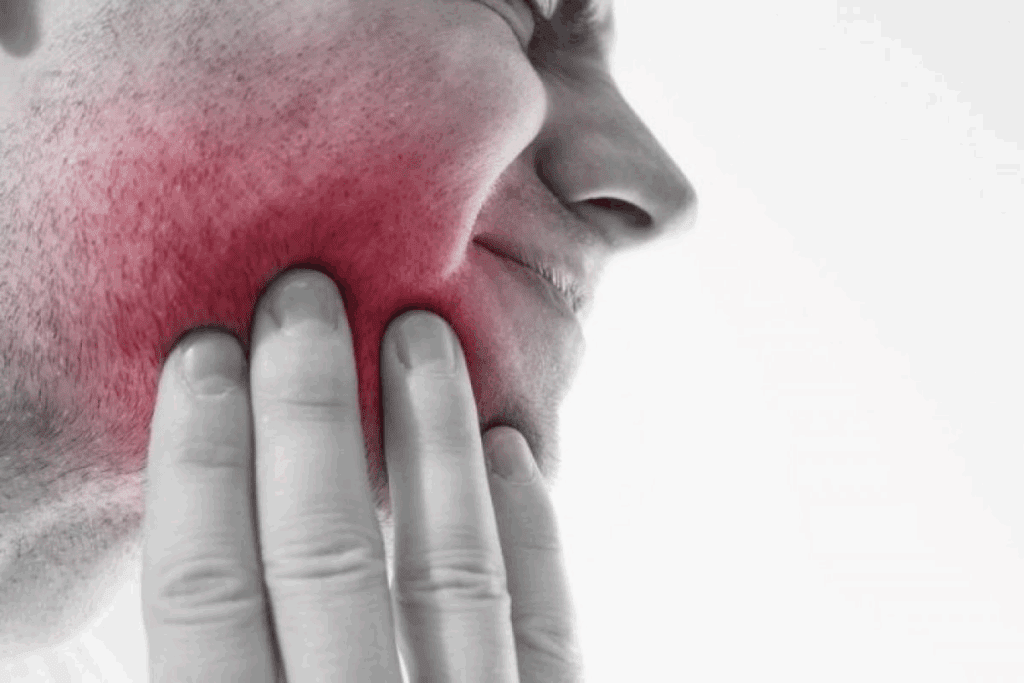
Jaw pain is a key warning sign for heart attacks. It’s not just chest pain that matters. Jaw pain, often seen in women, is also a big indicator.
How Cardiac-Related Jaw Pain Presents
Cardiac jaw pain can feel like a dull ache or sharp pain. It often starts in the chest and spreads to the jaw. This pain can stay the same or change.
Key characteristics of cardiac-related jaw pain include:
- Often starts in the chest before radiating to the jaw
- May be triggered or worsened by physical exertion or stress
- Can be accompanied by other symptoms like shortness of breath or nausea
- Typically doesn’t change with jaw movement
Why This Symptom is Frequently Overlooked
Many people think jaw pain is just dental issues. They don’t see it as a heart attack symptom.
The reasons for this oversight include:
- Lack of awareness about heart attack symptoms beyond chest pain
- Misattribution to more common causes like dental problems or TMJ disorders
- Variability in how jaw pain presents, making it less recognizable
Distinguishing Heart-Related Jaw Pain from Dental Issues
Telling heart pain from dental pain can be hard. But there are some clues.
| Characteristic | Heart-Related Jaw Pain | Dental-Related Jaw Pain |
| Relation to Activity | Often triggered or worsened by exertion | Typically unrelated to physical activity |
| Pain Location | Often bilateral or on the left side | Usually localized to a specific tooth or area |
| Associated Symptoms | May include chest discomfort, shortness of breath | Usually isolated to the jaw or mouth |
Knowing these differences helps spot heart-related jaw pain. It’s important to get medical help quickly.
The Science of Referred Pain in Cardiac Events
The heart and jaw are connected by nerves. This connection is key in feeling pain during heart events. Knowing this helps spot heart attack warning signs.
Neural Pathways Connecting Heart and Jaw
The heart and jaw share a complex nerve network. This network sends pain signals from the heart to other parts of the body. The vagus nerve and the sympathetic nervous system help in this process.
Why Pain Radiates to the Jaw, Neck, and Teeth
Pain goes to the jaw, neck, and teeth because of nerve connections. These connections can confuse where pain comes from. This makes diagnosing heart pain hard.
| Region | Nerve Pathway Involved | Common Symptoms |
| Jaw | Vagus nerve, trigeminal nerve | Pain, discomfort, or aching |
| Neck | Sympathetic nervous system | Tightness, pain, or stiffness |
| Teeth | Trigeminal nerve | Pain or sensitivity |
Spotting patterns of referred pain is vital for quick diagnosis and treatment. Healthcare providers can better help patients by understanding these neural pathways.
Gender Differences in Heart Attack Symptoms
Heart attack symptoms in women are different from those in men. This shows the importance of understanding these differences. Women often have symptoms other than chest pain, which men also experience.
Why Women Experience More Jaw Pain During Cardiac Events
Women are more likely to feel jaw pain during a heart attack. This is because the nerves for the heart and jaw are connected. The connection between heart and jaw pain is a critical aspect of cardiac care.
Other Female-Specific Heart Attack Warning Signs
Women also experience symptoms like shortness of breath, nausea, and fatigue. These symptoms can be mild and mistaken for other issues. Awareness of these symptoms is key for quick medical help.
| Symptom | Men | Women |
| Chest Pain | Common | Common |
| Jaw Pain | Less Common | More Common |
| Shortness of Breath | Less Common | More Common |
| Nausea and Fatigue | Less Common | More Common |
Importance of Gender-Specific Symptom Awareness
Knowing these differences is vital for healthcare and the public. Spotting unique symptoms in women can speed up diagnosis and treatment. Education and awareness are essential for better heart attack care in women.
Dry Mouth and Heart Attacks: The Connection
Recent studies have found a surprising link between dry mouth and heart attacks. This shows that oral health is closely tied to heart health. The connection between dry mouth and heart health is complex and multifaceted.
Stress Hormones and Salivary Changes
When the heart has a problem, the body’s stress response kicks in. This leads to the release of stress hormones like adrenaline and cortisol. These hormones can change how much saliva we make, leading to dry mouth.
The reduction in saliva flow can result in dry mouth, a condition that may serve as an early warning sign for a heart attack. It’s important to understand how the heart and salivary glands are connected. This helps us see how heart problems can affect our mouth.
Recent Research on Dry Mouth as a Warning Sign
New research is looking into the link between dry mouth and heart attacks. It shows that people having a heart attack might have drier mouths. This could be because of the body’s stress response and hormonal changes.
While the exact mechanisms are not fully understood, the connection between dry mouth and heart events is becoming clearer.
When to Be Concerned About Sudden Oral Dryness
If you suddenly have a dry mouth, and it’s not explained, seek medical help right away. Dry mouth can be a sign of a heart problem, and quick action is key. People with heart conditions or risk factors should watch their oral health closely.
Understanding the link between dry mouth and heart attacks helps us see why we need to monitor our health well. It shows the importance of care that looks at both heart and oral health.
Coughing as a Symptom of Heart Disease
Coughing is often linked to lung problems, but it can also hint at heart issues. Studies show coughing can be a sign of heart disease, mainly in chronic heart failure. Knowing the connection between coughing and heart health is key for quick medical help.
Distinguishing Heart-Related Coughs
Not every cough is due to heart disease, but some signs point to it. A cough linked to heart disease is usually ongoing and may have white or pink frothy mucus. It’s important to tell apart a heart-related cough from one caused by lung issues.
Coughing in Heart Failure versus Acute Heart Attack
Coughing can signal both heart failure and acute heart attack, but the signs are different. Heart failure coughs are long-lasting and linked to lung fluid buildup. On the other hand, an acute heart attack cough is sudden and often comes with chest pain or breathing trouble.
| Characteristics | Heart Failure | Acute Heart Attack |
| Cough Duration | Chronic | Sudden Onset |
| Mucus Production | White or Pink Frothy Mucus | Variable |
| Accompanying Symptoms | Shortness of Breath, Fatigue | Chest Pain, Nausea, Cold Sweats |
When a New Cough Warrants Cardiac Evaluation
A new, persistent cough, with symptoms like shortness of breath or chest pain, needs a doctor’s check-up. It’s vital to figure out if the cough is from heart disease or something else. If you have a new cough, see your doctor to find out why and get the right treatment.
We stress the need to see coughing as a sign of heart disease. By knowing the signs of heart-related coughs and getting medical help quickly, people can get the right care. This can help avoid serious heart problems.
The Constellation of Heart Attack Warning Signs
Knowing the signs of a heart attack is key to saving lives. A heart attack happens when blood flow to the heart is blocked. This causes damage to the heart muscle. The symptoms can differ from person to person, but there are common signs we should watch for.
Chest Discomfort and Pressure: The Classic Symptom
Chest discomfort or pressure is a well-known sign of a heart attack. It can feel like tightness, squeezing, or pain in the chest. This feeling can last for more than a few minutes or come and go. If it’s severe or with other symptoms, it’s a cause for concern.
Shortness of Breath and Respiratory Distress
Shortness of breath, or dyspnea, is another important symptom. It’s feeling like you can’t catch your breath or breathe easily. This symptom is often seen in women and older adults. It may be the only sign of a heart attack for them.
Nausea, Vomiting, and Cold Sweats
Nausea and vomiting are common signs, mainly in women. These can be with cold sweats, showing the body’s stress. If you have these symptoms, along with others, get medical help right away.
Unusual Fatigue and Weakness
Feeling unusually tired or weak can also be a sign of a heart attack, often in women. It’s not just feeling tired; it’s a deep lack of energy. If this fatigue is sudden and unexplained, see a doctor.
Knowing these signs can help save lives by getting people to seek medical help quickly. If you or someone you know has these symptoms, call emergency services without delay.
When to Call 911: Emergency Response to Symptoms
When a heart attack happens, every second is vital. Calling 911 is the first step to get help fast. The National Heart, Lung, and Blood Institute says to call 911 right away if you have heart attack symptoms. This quick action can save lives and prevent lasting harm.
Red Flags That Demand Immediate Medical Attention
Some symptoms mean you should call 911 fast. Look out for severe chest pain or discomfort, shortness of breath, and pain in arms, back, neck, jaw, or stomach. Feeling weak, light-headed, or faint is also a warning sign.
Other signs that need quick action include confusion, trouble speaking, severe headache, and cold sweats. Spotting these symptoms as heart attack warnings can help get medical help fast.
The Critical Golden Hour for Treatment
The first hour after a heart attack is called the “golden hour.” It’s a key time because quick medical help can greatly improve results. During this time, treatments like clot-busting drugs can help protect the heart muscle.
Calling 911 quickly means emergency responders can start treatment before they even get to the hospital. They can give life-saving care, like defibrillation and medication, which is vital in the early stages of a heart attack.
What to Tell Emergency Responders
When you call 911, give clear and quick information to the responders. Describe your symptoms, when they started, and how they change. If you can’t talk, have someone else give this info.
Also, tell the responders about any health conditions you have, like diabetes or heart disease. This helps them give the best care during the emergency.
Risk Factors That Amplify Heart Attack Danger
Knowing the risk factors for heart attacks is key to preventing them. We’ll look at these factors, focusing on those we can change and those we can’t. We’ll also talk about how they affect symptoms.
Modifiable vs. Non-Modifiable Risk Factors
Risk factors for heart attacks fall into two groups: modifiable and non-modifiable. Modifiable risk factors are things we can change through lifestyle or medicine. These include:
- High blood pressure
- High cholesterol levels
- Smoking
- Diabetes
- Obesity and physical inactivity
Non-modifiable risk factors are things we can’t change. These include:
- Age
- Family history of heart disease
- Gender
The American Heart Association says managing modifiable risk factors is key. “Controlling high blood pressure and cholesterol, quitting smoking, and maintaining a healthy weight are essential steps in preventing heart disease.”
How Multiple Risk Factors Affect Symptom Presentation
Having many risk factors can make heart attack symptoms harder to spot. People with several risk factors might have a mix of typical and unusual symptoms. This makes it tough to diagnose a heart attack quickly.
For example, someone with diabetes and high blood pressure might feel jaw pain or shortness of breath without chest pain. It’s important to see these symptoms as signs of a heart attack and get help fast.
Special Considerations for High-Risk Individuals
People with many risk factors or a history of heart disease need extra care. They should watch their health closely and know the signs of a heart attack.
High-risk individuals should work closely with their doctors. This might mean regular check-ups, making lifestyle changes, and taking medicine as prescribed.
“Prevention is key when it comes to heart health. By understanding and managing risk factors, individuals can significantly reduce their likelihood of experiencing a heart attack.”
By knowing the risk factors for heart attacks and taking steps to manage them, we can lower the number of heart attacks. This improves our overall heart health.
Heart Attack Prevention and Ongoing Monitoring
Preventing heart attacks needs a mix of lifestyle changes and regular doctor visits. Knowing and using these steps can greatly lower heart attack risk.
Lifestyle Modifications for Heart Health
Healthy choices are key to avoiding heart attacks. This means quitting smoking, keeping a healthy weight, and staying active. The American Heart Association says adults should do at least 150 minutes of moderate exercise weekly.
“The best way to stop heart disease is a healthy lifestyle,” says the American Heart Association. “Eat well, exercise often, keep a healthy weight, and don’t smoke.”
Regular Screening and Medical Check-ups
Regular health tests are important to find heart disease risks. It’s good to check blood pressure, cholesterol, and sugar levels often. Finding problems early helps fix them fast.
Heart-Healthy Diet and Exercise Recommendations
Eating a diet full of fruits, veggies, whole grains, and lean meats is good for your heart. Avoid foods high in saturated fats and cholesterol. The DASH diet and Mediterranean diet are great for heart health.
Exercise is also key. Mix aerobic activities like walking with strength training to keep your heart healthy.
| Dietary Component | Heart-Healthy Choices |
| Fruits and Vegetables | 5-7 servings per day |
| Whole Grains | 3-5 servings per day |
| Lean Proteins | Include fish, poultry, and legumes |
Stress Management Techniques
Too much stress can harm your heart by raising blood pressure and leading to bad habits. Try meditation, yoga, or deep breathing to relax. Hobbies and time with family can also help.
By making these lifestyle changes, getting regular check-ups, eating right, and managing stress, you can lower your heart attack risk. We urge everyone to take steps to keep their heart healthy.
Conclusion: Taking Action on Warning Signs
Knowing the signs of a heart attack and acting fast is key to getting better. We’ve looked at important signs, like jaw pain, and why quick medical help is vital.
The National Heart, Lung, and Blood Institute stresses the need for quick action when symptoms show up. By knowing signs like chest pain, trouble breathing, and feeling sick, we can quickly get help.
Acting on heart attack signs means getting medical help right away. We need to know the risks that make heart attacks more likely. By understanding these risks, we can lower our chances of a heart attack and get the right treatment fast.
Being informed and watchful helps us manage our heart health. We should take heart attack warning signs seriously and get medical help fast.
FAQ
Is jaw pain a symptom of a heart attack?
Yes, jaw pain can be a sign of a heart attack. This is called referred pain. It happens when nerves that serve the heart also serve the jaw, causing pain to spread to the jaw.
How can I distinguish between heart-related jaw pain and dental issues?
Heart-related jaw pain often comes with other signs like chest pain, shortness of breath, or nausea. Dental problems usually cause pain in one spot and might include sensitivity or swelling.
Is dry mouth a sign of a heart attack?
Dry mouth can be linked to a heart attack, more so in women. Stress hormones from a heart event can reduce saliva, leading to dry mouth.
Can coughing be a symptom of heart disease?
Yes, coughing can signal heart disease, mainly in heart failure cases. A cough that brings up pink, frothy mucus might mean fluid in the lungs.
What are the classic symptoms of a heart attack?
Heart attack symptoms include chest pain or pressure, shortness of breath, nausea, vomiting, cold sweats, and feeling unusually tired or weak.
Are there differences in heart attack symptoms between men and women?
Yes, women often have atypical symptoms like jaw pain, shortness of breath, and nausea. Men usually have more classic symptoms like chest pain.
When should I call 911 for a heart attack?
Call 911 right away if you or someone else has symptoms like chest pain, shortness of breath, or jaw pain. Also, call if there are other warning signs like nausea or cold sweats.
What are the risk factors that amplify heart attack danger?
Risk factors include high blood pressure, high cholesterol, smoking, and diabetes. Non-modifiable factors include age, family history, and genetic predisposition.
How can I prevent a heart attack?
To prevent a heart attack, make lifestyle changes. Eat heart-healthy, exercise regularly, manage stress, and get regular medical check-ups.
Is a dry mouth a sign of a heart attack in men?
Dry mouth can happen in men too, during a heart attack, if they’re stressed or anxious.
Can a cough be a sign of heart problems?
Yes, a persistent cough can signal heart issues, if it’s with other symptoms like shortness of breath or fatigue.
What should I tell emergency responders when calling 911 for a suspected heart attack?
When calling 911, tell them about your symptoms, when they started, and any medical history. This helps responders get ready.
References
- Mwalimu, J., & Cooper, A. (2024). Multiple variations in abdominal aorta branching with special reference to the presence of accessory renal arteries from an East African female cadaver. Surgical and Radiologic Anatomy, 46(8), 929-934. https://www.ncbi.nlm.nih.gov/pmc/articles/PMC11441833/