
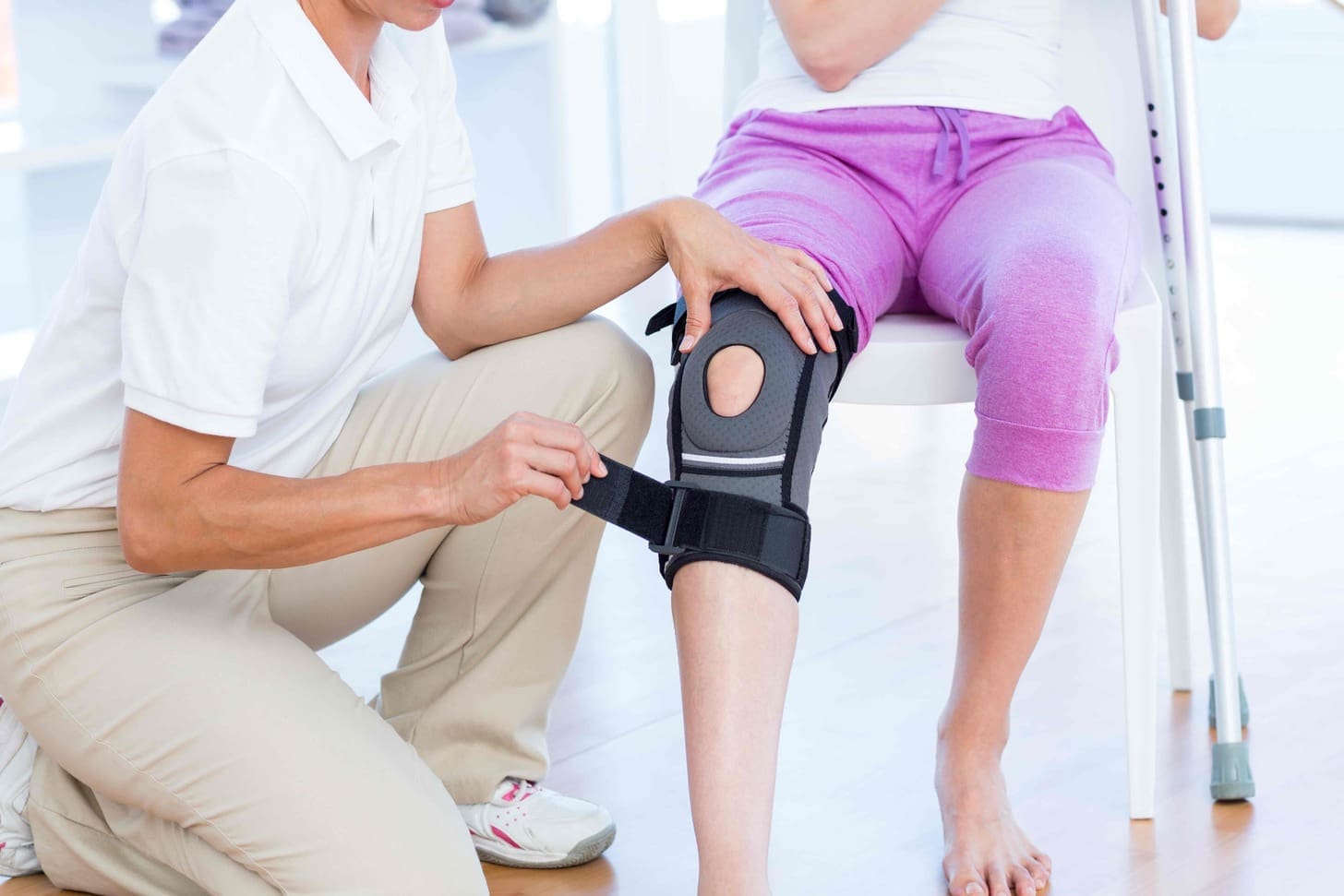
Medical science is making big strides in treating bone-on-bone knee pain. This is giving new hope to those with osteoarthritis. Now, there are many non-surgical and minimally invasive options instead of traditional knee replacement surgery.
At Liv Hospital, our team is all about giving the latest care. We know that up to 80% of people told they need knee replacement might have other options. This means many can skip or delay major surgery and keep their knee working naturally.
Looking into the latest treatment options, we see that a one-size-fits-all approach is outdated. Our team focuses on personalized care. We use the latest methods to ease pain and improve function.
Key Takeaways
- Non-surgical alternatives can benefit up to 80% of patients told they need knee replacement.
- Minimally invasive options are emerging as viable treatments for bone-on-bone knee pain.
- Liv Hospital’s multidisciplinary team delivers innovative, patient-centered care.
- Preserving natural knee function is a priority in our treatment approach.
- Advanced medical technology is transforming the treatment of osteoarthritis.
Why Patients Are Seeking Alternatives to Knee Replacement Surgery
More people are looking for ways to avoid traditional knee replacement surgery. This is because they want to skip the major surgery and its risks. Now, they’re exploring non-surgical ways to handle bone-on-bone knee pain.
Understanding Bone-on-Bone Knee Pain
Bone-on-bone knee pain happens when the cartilage in your knee wears out. This lets the bones rub together, causing pain. It’s a big problem that affects your daily life.
Key factors contributing to bone-on-bone knee pain include:
- Wear and tear on the joint due to age or repetitive strain
- Previous injuries or trauma to the knee
- Obesity or excess weight putting additional stress on the knee
- Genetic predisposition to osteoarthritis
Limitations and Risks of Traditional Knee Replacement
Knee replacement surgery is common but has its downsides. It can take a long time to recover, and there are risks like infection or blood clots. You might also need another surgery later.
After surgery, you’ll have to make big changes in your life. This can be hard for many people.
| Potential Complications | Description | Impact on Recovery |
|---|---|---|
| Infection | Bacterial infection at the surgical site | Prolonged recovery, possible need for more surgery |
| Blood Clots | Formation of clots in the legs or lungs | Higher risk of serious health issues, longer recovery |
| Revision Surgery | Need for additional surgery due to implant failure or wear | More recovery time, risk of more complications |
Who Can Benefit from Non-Surgical Approaches
Non-surgical methods are great for those who don’t want surgery yet. They can help with pain and improve how you move. Options include physical therapy, pain meds, and injections.
Patients who may benefit from these alternatives include those with:
- Early to moderate osteoarthritis
- A desire to avoid surgery
- Health conditions that make surgery risky
- A need for non-invasive pain management options
How Doctors Determine If You Can Avoid Knee Replacement
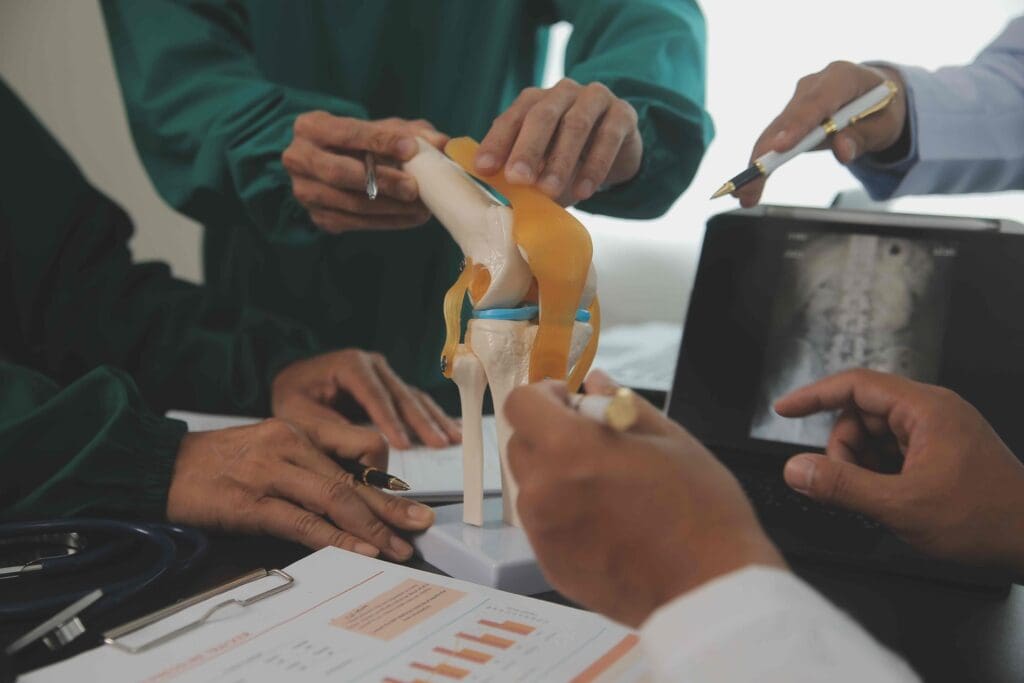
Every patient is different, and finding the right treatment is key. Doctors take a close look at your condition to decide the best option. This might mean avoiding knee replacement surgery.
The 80% Rule: When Alternatives May Work
The “80% rule” says many patients might not need knee replacement. It’s based on the idea that with the right treatment, many can see big improvements.
Key factors considered under the 80% rule include:
- The extent of cartilage loss
- The presence of bone-on-bone contact
- The patient’s overall health and medical history
Importance of Joint Space in Imaging Results
Joint space visibility in imaging is very important. It shows how severe osteoarthritis is. Doctors use this to decide if other treatments can work.
Imaging techniques like X-rays and MRI scans give important details about the joint space and tissues.
| Imaging Technique | Information Provided |
|---|---|
| X-rays | Joint space narrowing, bone spurs |
| MRI Scans | Detailed images of cartilage, ligaments, and surrounding tissues |
Evaluating Your Candidacy for Alternative Treatments
Checking if you’re a good candidate for other treatments involves a detailed look at your health. Our team works with you to find the best treatment.
Factors considered during evaluation include:
- The severity of your symptoms
- Your overall health and medical history
- Previous treatments and their outcomes
By looking at these factors and using advanced tests, we can see if other treatments are right for you.
Alternative #1: Advanced Physical Therapy Protocols
Advanced physical therapy is a promising way to manage bone-on-bone knee pain. It aims to improve joint function, reduce pain, and enhance life quality. These protocols offer relief without surgery.
Specialized Strengthening Programs for Bone-on-Bone Conditions
Specialized strengthening programs help support the knee by strengthening muscles. These exercises target the quadriceps, hamstrings, and more. This can greatly improve knee stability and function.
Key components of these programs include:
- Personalized exercise regimens tailored to the patient’s specific condition and needs
- Progressive resistance training to gradually increase muscle strength
- Flexibility and mobility exercises to maintain or improve joint range of motion
Aquatic and Low-Impact Exercise Approaches
Aquatic and low-impact exercises are low-risk and help maintain strength and mobility. Aquatic therapy uses water’s buoyancy to reduce joint stress, making exercises easier.
The benefits of aquatic and low-impact exercises include:
- Reduced pain and inflammation due to low-impact nature
- Improved cardiovascular fitness without excessive strain on the knee
- Enhanced muscle strength and flexibility
Success Rates and Expected Outcomes
Research shows advanced physical therapy can greatly improve pain and function for bone-on-bone knee pain patients. While results vary, many see significant benefits. This makes these protocols a good alternative to surgery.
Expected outcomes include:
- Reduced pain levels
- Improved knee function and mobility
- Enhanced quality of life
By using advanced physical therapy, patients might avoid or delay knee replacement surgery. It’s wise to talk to a healthcare professional about the best treatment plan.
Alternative #2: Next-Generation Injection Therapies
Injection therapies have changed a lot, now they’re a good option for knee osteoarthritis. They can help avoid knee replacement surgery. These new treatments aim to lessen pain, improve joint function, and better the patient’s life quality.
Corticosteroid Injections: Benefits and Limitations
Corticosteroid injections are a common treatment for knee osteoarthritis. They quickly reduce pain and swelling. They help patients do physical therapy and other rehab programs better. But, their effects don’t last long, and getting them too often can harm the joint or weaken tendons.
Hyaluronic Acid Viscosupplementation
Hyaluronic acid viscosupplementation adds hyaluronic acid to the knee joint. It makes the joint more lubricated and less painful. It’s good for those with mild to moderate osteoarthritis. It’s safer than corticosteroids and has fewer side effects.
Platelet-Rich Plasma (PRP) for Knee Osteoarthritis
Platelet-rich plasma (PRP) therapy uses the patient’s own blood platelets. These platelets have growth factors that help heal the knee joint. PRP injections can reduce pain and improve function in knee osteoarthritis patients. It’s a promising treatment with fewer risks.
| Therapy Type | Benefits | Potential Limitations |
|---|---|---|
| Corticosteroid Injections | Rapid pain relief, anti-inflammatory effects | Short-term effects, possible joint damage with repeated use |
| Hyaluronic Acid Viscosupplementation | Improves joint lubrication, reduces pain | Variable effectiveness, might need multiple injections |
| Platelet-Rich Plasma (PRP) Therapy | Stimulates healing, possible tissue regeneration | Variable results, might need multiple treatments |
These new injection therapies are a big step forward in treating knee osteoarthritis. They give patients many options to manage their condition and might help avoid knee replacement surgery. Knowing the good and bad of each therapy helps patients make better choices for their care.
Alternative #3: Regenerative Medicine Approaches
For those with bone-on-bone knee pain, regenerative medicine is a hopeful solution. It aims to fix or grow back damaged tissues. This gives new hope for those looking for alternatives to knee replacement bone on bone conditions.
Regenerative therapies are making big strides. They aim to fix knee function and lessen pain. Treatments like stem cell therapy, prolotherapy, and growth factor injections are being studied for knee osteoarthritis treatment.
Stem Cell Therapy for Knee Cartilage Regeneration
Stem cell therapy is a new and exciting treatment for knee osteoarthritis. It uses the body’s healing powers to grow back cartilage and improve joint function. “Stem cell therapy represents a paradigm shift in the treatment of osteoarthritis, promising a cure, not just symptom relief.”
Studies show stem cell therapy can greatly improve pain and function in knee osteoarthritis patients. It involves injecting stem cells into the joint. These cells can turn into cartilage cells, potentially fixing the damaged tissue.
Prolotherapy and Growth Factor Injections
Prolotherapy and growth factor injections are also being used to treat knee osteoarthritis. Prolotherapy uses a solution to start the body’s healing process, repairing and strengthening tissues.
Growth factor injections, like PRP therapy, use the patient’s own blood to heal. These injections can reduce inflammation and help grow new tissue. They offer relief for those with severe osteoarthritis.
Effectiveness for Advanced Osteoarthritis
The success of regenerative medicine for advanced osteoarthritis is a big topic. Results can differ based on the person and their condition. Yet, many patients have seen big improvements in pain and function.
“Regenerative medicine has the power to change how we treat osteoarthritis, giving new hope to those who’ve tried everything else.”
As research keeps improving, we’ll see even better regenerative treatments. For now, these options are a promising alternative to knee replacement surgery.
The Latest Alternatives to Knee Replacement for Severe Cases
New medical tech has brought minimally invasive options for severe knee osteoarthritis. These changes offer hope for those with advanced knee degeneration. They promise to reduce pain and improve function.
There’s a move towards less invasive surgeries for severe knee issues. This could mean avoiding traditional knee replacement for some. Two new options are Minimally Invasive Subchondral Hemi-Arthroplasty (MISHA) and shock-absorbing implants.
Alternative #4: Minimally Invasive Subchondral Hemi-Arthroplasty (MISHA)
MISHA is a new procedure that resurfaces damaged bone without replacing the whole joint. It’s a less invasive method that aims to keep the joint’s natural shape. This helps address bone-on-bone pain.
Key benefits of MISHA include:
- Preservation of natural joint anatomy
- Minimally invasive, reducing recovery time
- Potential to delay or avoid full knee replacement
Alternative #5: Shock-Absorbing Implants
Shock-absorbing implants help cushion the joint, reducing movement impact on the damaged knee. They’re made from advanced materials that mimic healthy cartilage’s shock-absorbing properties.
Orthopedic specialists say shock-absorbing implants show great promise. They reduce pain and improve function in severe knee osteoarthritis patients.
“The use of shock-absorbing implants represents a significant advancement in the treatment of severe knee osteoarthritis, providing a less invasive option than traditional knee replacement surgery.”
Pain Reduction and Functional Improvement Data
Studies show MISHA and shock-absorbing implants significantly reduce pain and improve knee function. The data is encouraging, with many patients seeing big improvements in their quality of life.
A study found MISHA patients had a 60% pain reduction and a 40% improvement in function. Shock-absorbing implant users reported a 50% pain decrease and a 30% function boost.
| Treatment | Pain Reduction | Functional Improvement |
|---|---|---|
| MISHA | 60% | 40% |
| Shock-Absorbing Implants | 50% | 30% |
Alternative #6: Arthroscopic and Minimally Invasive Procedures
For those looking for knee replacement surgery alternatives, arthroscopic and minimally invasive procedures are worth considering. These methods have improved a lot. They help manage knee osteoarthritis with little harm to the surrounding tissue.
Targeted Arthroscopic Interventions
Arthroscopic interventions are precise in treating knee osteoarthritis. Targeted procedures like debridement remove damaged tissue. Microfracture helps grow new cartilage. These methods aim to reduce pain and enhance joint function.
Arthroscopic techniques have made big strides. Surgeons can now do complex surgeries with better accuracy and less invasion.
Subchondral Bone Stimulation Techniques
Subchondral bone stimulation, like subchondroplasty, treats bone marrow lesions in osteoarthritis. It involves injecting a bone substitute into the damaged area. This helps stabilize the bone and lessen pain.
By focusing on the subchondral bone, we can tackle knee pain’s root causes. This might delay or prevent the need for more invasive surgeries.
Recovery Time and Return to Activities
Arthroscopic and minimally invasive procedures have a big advantage: shorter recovery times. Patients usually feel less pain after surgery. They can get back to their usual activities faster than with traditional knee replacement surgery.
We suggest talking to your healthcare provider about your recovery expectations. This way, you can fully understand the benefits of these procedures.
Alternative #7: Comprehensive Lifestyle and Supportive Approaches
For those looking to dodge knee replacement surgery, a mix of lifestyle changes and support can be a good option. We know that fighting knee osteoarthritis needs a plan that’s more than just medicine.
Weight Management Programs for Joint Preservation
Keeping a healthy weight is key to easing the knee’s load. Our weight management plans help you stay at a good weight. They include diet advice, exercise plans, and support to keep you on track. This way, we can ease pain and slow down osteoarthritis.
Advanced Bracing and Unloading Techniques
Using advanced bracing and unloading methods can shift the knee’s load, giving it more support. These methods use special braces or devices to take pressure off the damaged joint. This reduces pain and boosts function. We help find the best bracing and unloading plan for each person.
Complementary Therapies: Acupuncture, Massage, and Anti-Inflammatory Diets
Along with usual treatments, therapies like acupuncture, massage, and anti-inflammatory diets can help a lot. Acupuncture and massage can ease pain and boost well-being. An anti-inflammatory diet can cut down inflammation and aid in healing.
By adding these lifestyle and support methods to a treatment plan, people might avoid knee replacement surgery. Our team creates a custom plan for each patient to help their knees stay healthy.
Conclusion: Creating Your Action Plan to Avoid Knee Replacement
Understanding the alternatives to total knee replacement is key. Patients can then make a plan to manage their knee osteoarthritis. Advanced physical therapy, injection therapies, and lifestyle changes can help a lot.
We help patients work with healthcare pros to create a plan that fits them. This way, they can learn how to prevent knee replacement surgery. It’s all about making informed choices and taking charge of their health.
To avoid knee replacement, exploring other treatments is vital. Creating a plan that’s just right for you can reduce the need for surgery. This approach can greatly improve your life quality.
What are the alternatives to knee replacement surgery?
Instead of knee replacement surgery, you can try advanced physical therapy. You can also use injection therapies like corticosteroids and hyaluronic acid. Regenerative medicine, like stem cell therapy, and lifestyle changes are other options.
Can bone-on-bone knee pain be treated without surgery?
Yes, you can treat bone-on-bone knee pain without surgery. Try advanced physical therapy, injection therapies, and regenerative medicine. These work if your joint space is visible on imaging.
How do doctors determine if you can avoid knee replacement surgery?
Doctors check if you can avoid surgery by looking at imaging results. They see if your joint space is visible. They also check how much cartilage you’ve lost and your overall health.
What is the 80% rule in knee replacement surgery?
The 80% rule says most people told they need knee surgery might not need it. This is if their joint space is visible on imaging. They might be good candidates for other treatments.
Are there any new alternatives to knee replacement surgery?
Yes, new options are coming. Minimally invasive subchondral hemi-arthroplasty (MISHA) and shock-absorbing implants are promising. They help with severe knee osteoarthritis pain and improve function.
What is regenerative medicine, and how can it help with knee osteoarthritis?
Regenerative medicine aims to fix damaged cartilage. It uses stem cell therapy, prolotherapy, and growth factor injections. It offers long-term solutions for bone-on-bone knee pain.
Can lifestyle modifications help manage knee osteoarthritis?
Yes, lifestyle changes can help. Losing weight, using advanced braces, and trying unloading techniques are effective. Complementary therapies like acupuncture and anti-inflammatory diets also help.
How effective are injection therapies for knee osteoarthritis?
Injection therapies are effective. Corticosteroids, hyaluronic acid, and PRP therapy provide pain relief. They also restore joint viscosity and stimulate healing.
What are the benefits of advanced physical therapy protocols for bone-on-bone knee pain?
Advanced physical therapy improves muscle support and reduces joint strain. It promotes mobility and strength. It’s a low-risk alternative to surgery.
How can I prevent knee replacement surgery?
To prevent knee replacement, try alternative treatments. This includes physical therapy, injection therapies, regenerative medicine, and lifestyle changes. Work with healthcare professionals to create a personalized plan.
Are there any alternatives to total knee replacement?
Yes, there are alternatives. Try advanced physical therapy, injection therapies, regenerative medicine, and new surgical options like MISHA. These can delay or avoid traditional knee replacement.
What helps bone-on-bone knee pain without surgery?
Treatments without surgery include physical therapy, injection therapies, regenerative medicine, and lifestyle changes. These can be used alone or together to manage pain and improve function.
References
- Okuno, Y., Shinjo, T., & Kato, S. (2015). Transcatheter arterial embolization as a treatment for medial knee pain in patients with mild to moderate osteoarthritis. Retrieved from https://www.osti.gov/biblio/22470004
- Genicular artery embolization for early-stage knee osteoarthritis: results from a triple-blind single-centre randomized controlled trial. (2023). Retrieved from https://pubmed.ncbi.nlm.nih.gov/37051829/
- Midterm clinical outcomes and MR imaging changes after transcatheter arterial embolization as a treatment for mild to moderate radiographic knee osteoarthritis. (2017). Retrieved from https://pubmed.ncbi.nlm.nih.gov/28365171/
- Clinical outcomes of transcatheter arterial embolisation for chronic knee pain: mild-to-moderate versus severe knee osteoarthritis. (2019). Retrieved from https://pubmed.ncbi.nlm.nih.gov/31338552/
- The efficacy of transcatheter arterial embolization for knee pain on patients with knee osteoarthritis: A case series. (2022). Retrieved from https://pubmed.ncbi.nlm.nih.gov/34744067/