
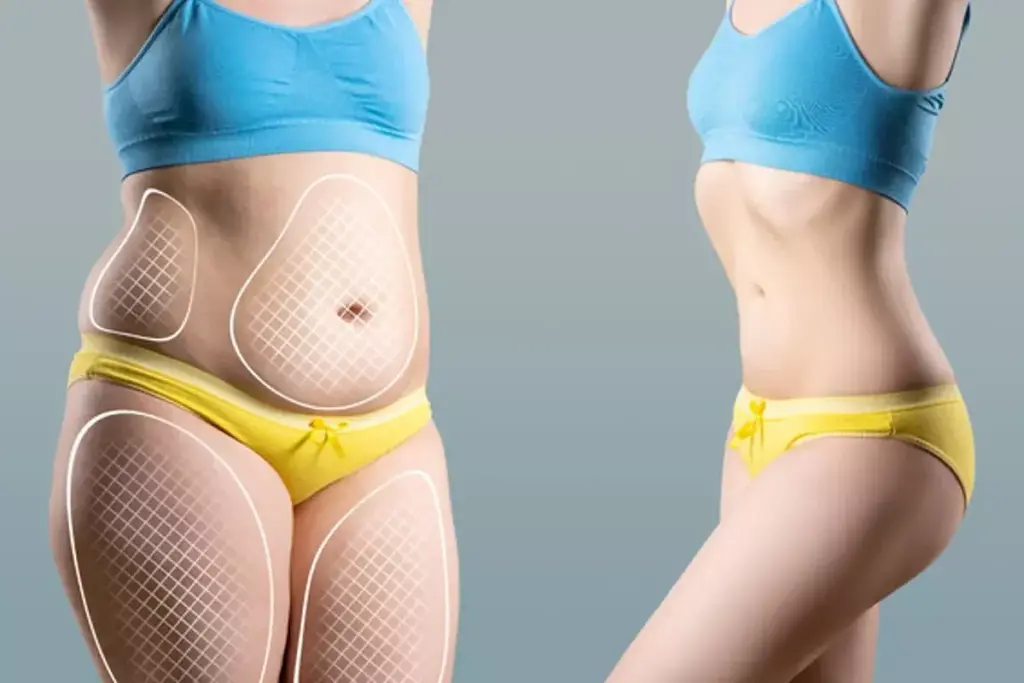
Liposuction is a surgery to remove fat, but it can have risks. Now, there are safer ways to get rid of belly fat without surgery. These methods don’t need anesthesia or long recovery times.
Cryolipolysis (CoolSculpting), radiofrequency, and laser lipolysis are popular. They work well and are low-risk. The Plastic Surgery Statistics report shows they’re among the top non-invasive cosmetic procedures.
These new methods reduce fat effectively with little downtime. For more info on non-surgical fat reduction, check out American Board of Cosmetic Surgery.
Key Takeaways
- Non-invasive fat reduction methods offer a safer alternative to traditional liposuction.
- Technologies like cryolipolysis and radiofrequency-based treatments are popular for their efficacy.
- Minimal risk and downtime make these options appealing to individuals seeking less invasive solutions.
- Clinically-proven results are achievable with these innovative procedures.
- Multiple treatments are available, including CoolSculpting, Liposonix, and Emsculpt.
Understanding Traditional Liposuction and Its Drawbacks
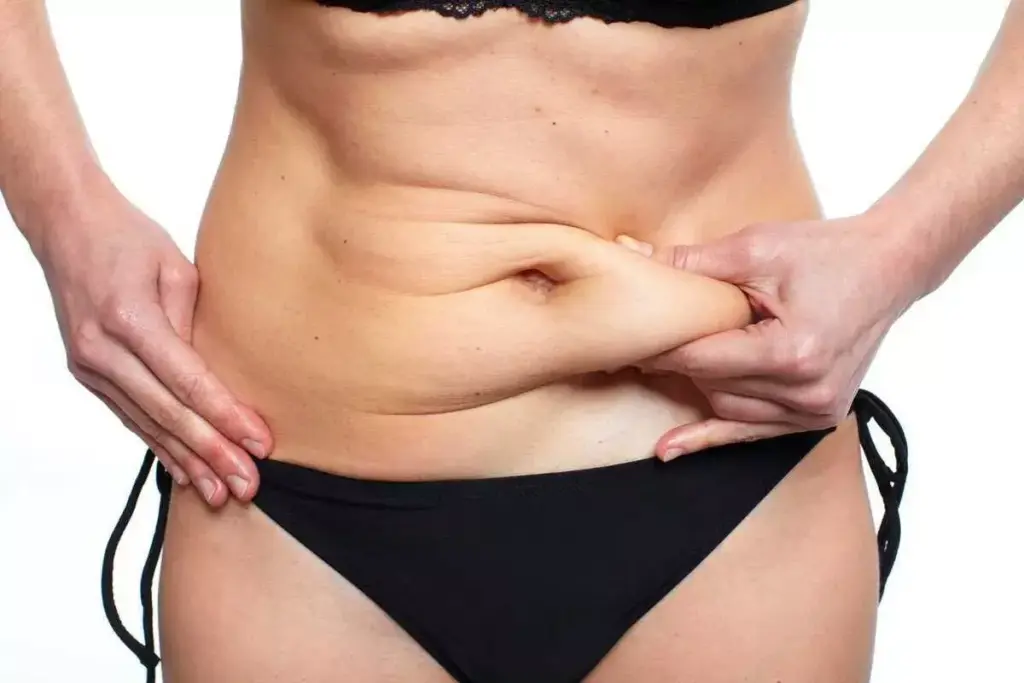
Liposuction has long been a popular choice for fat removal. Yet, its invasive nature is a major concern. We’ll dive into the traditional liposuction method, covering the procedure and its risks.
What Is Traditional Liposuction?
Traditional liposuction uses small incisions to insert a cannula for fat removal. It’s done under general anesthesia to reduce pain. The aim is to reshape the body by removing unwanted fat.
The process starts with marking the fat removal areas. The patient is then given anesthesia. The surgeon makes incisions and inserts a cannula to remove fat. The time needed varies based on the fat amount and treatment areas.
Risks and Recovery Associated with Surgical Liposuction
Traditional liposuction can be effective but comes with risks and a long recovery. Possible complications include infection, bleeding, scarring, and uneven fat distribution. Recovery involves several weeks of rest, with swelling, bruising, and discomfort common.
To grasp the implications of traditional liposuction, let’s look at some key points:
| Aspect | Description | Considerations |
| Procedure | Involves small incisions and use of a cannula to remove fat | Performed under general anesthesia |
| Risks | Infection, bleeding, scarring, uneven fat distribution | Potential for serious complications |
| Recovery | Several weeks of rest and possible swelling and bruising | Significant downtime required |
Knowing these aspects of traditional liposuction is key to deciding if it’s right for you. Next, we’ll look at alternatives with fewer risks and quicker recovery times.
7 Effective Alternatives to Liposuction for Belly Fat

Looking to cut belly fat without surgery? Many non-invasive options are now available. These alternatives help avoid the risks and downtime of traditional liposuction.
CoolSculpting (Cryolipolysis)
CoolSculpting freezes fat cells, which then leave the body. Studies show it can cut fat by 20-25% in treated areas. It’s painless and has no downtime, so you can get back to life right away.
Radiofrequency Treatments (TruSculpt, BodyTite, Vanquish)
Radiofrequency treatments like TruSculpt, BodyTite, and Vanquish use heat to kill fat cells. Vanquish can reduce body fat by 15-20% with radiofrequency energy. They also boost collagen, improving skin and reducing wrinkles.
Learn more about non-surgical fat removal at CareCredit’s guide. It covers all the available treatments in detail.
Laser-Based Fat Reduction (SmartLipo, SculpSure)
Laser treatments like SmartLipo and SculpSure melt fat cells with laser energy. These methods target specific areas, like the belly, as a less invasive option than traditional liposuction.
Ultrasound Fat Reduction Treatments
Ultrasound treatments use sound waves to break down fat cells. They’re then removed naturally. This method is safe and effective for areas like the abdomen, without the need for surgery.
These non-invasive options offer many benefits. They have less recovery time, fewer risks, and can focus on specific areas. Knowing these alternatives helps you make better choices for your body.
Comparing Results, Recovery, and Costs
Exploring alternatives to traditional liposuction, we look at effectiveness, recovery, and cost. Non-invasive treatments offer benefits, but knowing their differences is key. This helps in achieving the desired results.
Effectiveness and Realistic Expectations
Each non-invasive fat reduction treatment has its own strengths and levels of effectiveness. For example, CoolSculpting can reduce fat in targeted areas by up to 20-25% after one session. Laser-based treatments like SculpSure can reduce fat by up to 24% in treated areas. It’s important to have realistic expectations and understand that results can vary.
Here’s a comparison of the average effectiveness of some popular treatments:
| Treatment | Average Fat Reduction | Number of Sessions |
| CoolSculpting | 20-25% | 1-3 |
| SculpSure | Up to 24% | 1-2 |
| TruSculpt | Up to 24% | 1-2 |
Cost Comparison and Insurance Considerations
The cost of non-invasive fat reduction treatments varies. It depends on the technology, area treated, and number of sessions. On average, CoolSculpting costs between $1,432 to $5,008. Laser fat removal treatments like SculpSure can cost from $300 to $1,500 per session.
Here’s a summary of the cost ranges for different treatments:
| Treatment | Cost per Session | Total Average Cost |
| CoolSculpting | $600-$1,900 | $1,432-$5,008 |
| SculpSure | $300-$1,500 | $300-$3,000 |
| TruSculpt | $1,000-$2,500 | $1,000-$5,000 |
Most of these treatments are cosmetic and not covered by insurance. But, some clinics offer financing or package deals to make treatments more affordable.
When choosing a non-invasive fat reduction treatment, consider cost, effectiveness, recovery time, and risks. Understanding these factors helps make an informed decision that fits your goals and budget.
Conclusion
Non-invasive body contouring has changed how we tackle fat reduction. It offers safe, effective ways to reduce fat, unlike traditional liposuction.
There are many non-surgical options for belly fat, like CoolSculpting and laser treatments. These methods can reduce fat significantly without the dangers of surgery.
Choosing the right method for belly fat removal is key. Non-invasive treatments are safer and easier, with little downtime for most people.
As body contouring advances, non-invasive methods will become even more important. We suggest looking into these options and talking to a professional to find the best fit for you.
FAQ
What are non-invasive alternatives to liposuction?
Non-invasive alternatives to liposuction include CoolSculpting and radiofrequency treatments like TruSculpt and Vanquish. Laser-based fat reduction treatments like SculpSure and ultrasound fat reduction treatments are also options. These methods aim to reduce belly fat without surgery.
How invasive is liposuction?
Liposuction is quite invasive. It involves making cuts in the skin and using a cannula to remove fat. This can lead to risks like infection, scarring, and anesthesia complications.
What are the benefits of non-invasive liposuction alternatives?
Non-invasive alternatives offer several benefits. They have less risk of complications and require little to no downtime. They are also less painful than traditional liposuction. These options are great for those looking for body contouring with fewer risks.
Are non-invasive liposuction alternatives effective for belly fat reduction?
Yes, many non-invasive alternatives are effective for belly fat reduction. Their effectiveness depends on the technology, individual factors like skin elasticity, and the number of treatments.
What is the cost comparison between non-invasive alternatives and traditional liposuction?
The cost of non-invasive alternatives varies widely. They might be more affordable but may need multiple sessions. Traditional liposuction is more expensive upfront but is a one-time procedure.
Is liposuction considered a minimally invasive procedure?
Liposuction is not always minimally invasive. Traditional liposuction involves incisions and is invasive. Some forms are called minimally invasive, meaning they have smaller incisions and less trauma.
What should I consider when choosing between liposuction and non-invasive alternatives?
Consider your health, the amount of fat to remove, your risk and downtime tolerance, and your budget. It’s also important to have realistic expectations about the procedure’s outcomes.
Are there any less invasive lipo options available?
Yes, there are less invasive lipo options. These include laser-assisted liposuction and other technologies that aim to reduce surgical risks. They offer a middle ground for those not ready for fully non-invasive treatments.



 Departments
 Related Videos
 Our Doctors
 News
News