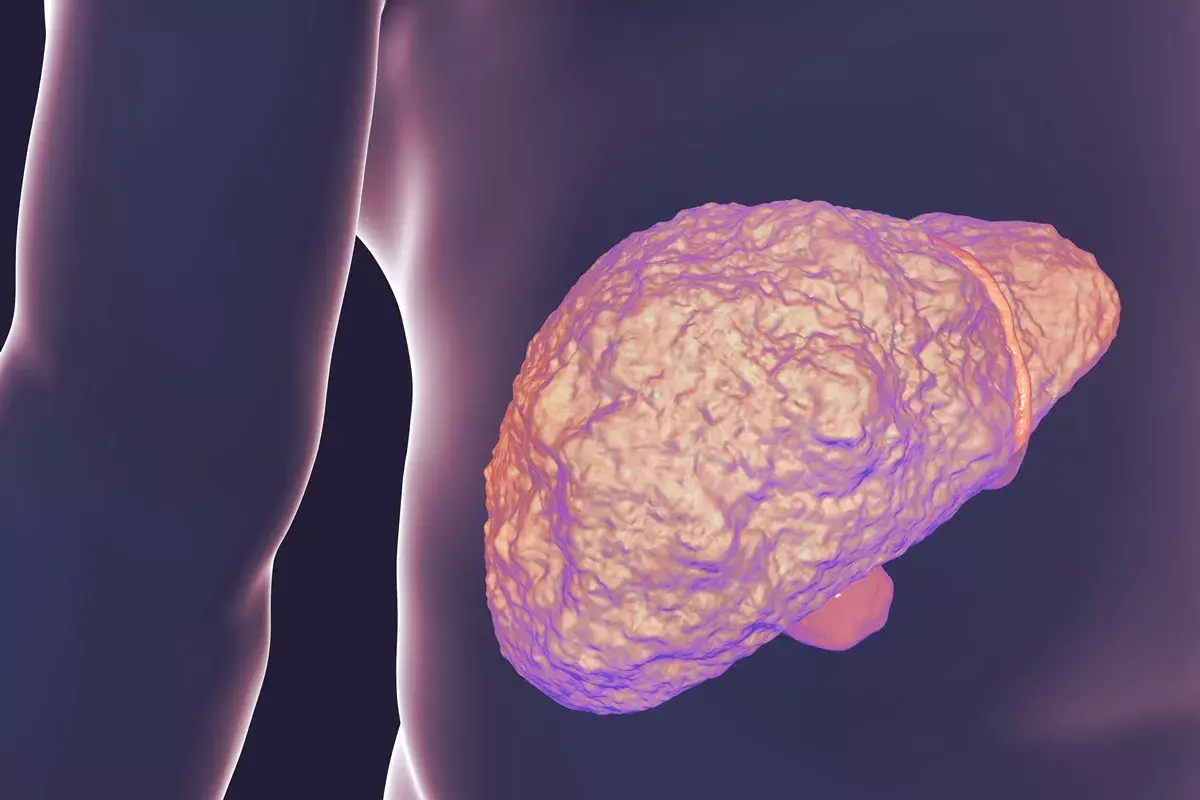

The rectum is the last part of the large intestine. It’s about 12 to 15 cm long. It sits in the pelvis, right against the sacrum.rectum anatomyColon to Rectum: Anatomy and Function Explained
It starts where the sigmoid colon ends and ends at the anal canal. Knowing where the rectum is located and its blood vessels and nerves is key. It helps doctors diagnose and treat many colorectal issues.
At Liv Hospital, we offer detailed checks and advanced care for complex rectal problems. We make sure our patients get the best support.
Key Takeaways
- The rectum is a vital part of the large intestine, playing a significant role in the digestive system.
- Its location within the pelvis is against the anterior surface of the sacrum.
- The rectum’s blood supply and innervation are complex and vital for its function.
- Understanding rectum anatomy is essential for healthcare professionals.
- Liv Hospital provides complete care for patients with rectal conditions.
Understanding the Rectum in the Digestive System
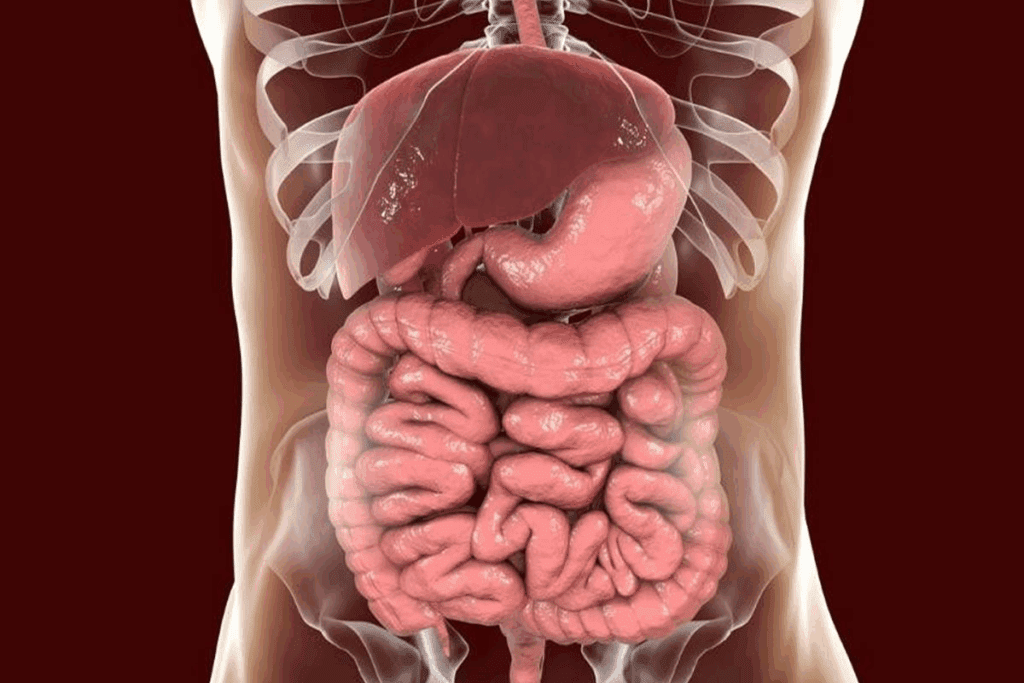
The rectum is a key part of the lower GI tract. It holds feces before they leave the body. Unlike the colon, it doesn’t have taenia coli, haustra, or omental appendices. This makes it special and important for digestion.
Definition and Basic Structure
The rectum is the last part of the large intestine. It goes from the sigmoid colon to the anal canal. It follows the shape of the sacrum and coccyx, making three curves as it goes down.
The rectum’s basic structure has a few important features:
- No taenia coli or haustra
- Houston’s valves (transverse rectal folds) are present
- It has a lot of blood supply from different arteries
Physiological Role in Digestion and Elimination
The rectum is vital for digestion. It acts as a temporary storage for feces. When it’s full, it starts the defecation reflex, helping us to go to the bathroom.
The rectum’s physiological role includes:
- Storing fecal matter
- Starting the defecation reflex
- Helping to get rid of waste
Knowing about the rectum’s anatomy and how it works helps us understand digestion and elimination better. It shows how important the rectum is for our gut health.
Detailed Rectum Anatomy: The 7 Essential Components
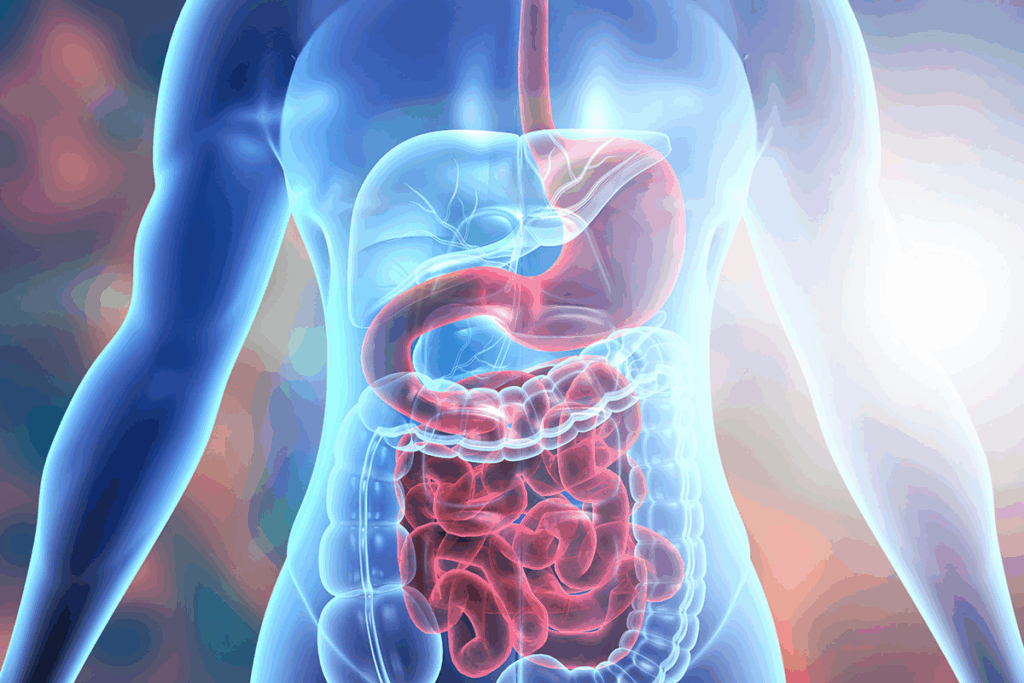
Exploring the rectum shows us seven key parts. These parts are vital for its work. Knowing them helps us understand how the rectum works and its role in health.
Ampulla of the Rectum
The ampulla of the rectum is a widened area. It holds feces until it’s time to go. This part is important for controlling when we go to the bathroom.
Houston’s Valves (Transverse Rectal Folds)
Houston’s valves are special folds in the rectum. They help keep feces from moving too fast. They also help doctors during exams by giving them landmarks.
Rectal Columns (Columns of Morgagni)
The rectal columns are long folds in the rectum. They have blood vessels and are key in understanding rectal problems like hemorrhoids.
Anorectal Junction
The anorectal junction is where the rectum meets the anal canal. It’s important because it’s where the rectum ends and the anal canal begins. This area is full of nerves and is key for controlling bowel movements.
Looking into the rectum’s anatomy, we see each part is essential. “The complexity of the rectum’s structure shows its importance in digestion,” says experts. This highlights the need for detailed knowledge in medical practice.
Anatomical Location and Relationships
The rectum is found in the pelvic cavity, near many important structures. Its location helps us understand its role and any health issues it might cause.
Position Within the Pelvis
The rectum sits in the pelvis, right against the sacrum. This spot is key because it affects how the rectum works and its health. The rectum curves like the sacrum and coccyx, marking an important spot in the body.
Relationship to the Sacrum and Coccyx
The back of the rectum is very close to the sacrum and coccyx. This isn’t just about where they are; the rectum’s shape matches the sacrum’s. Knowing this is important for diagnosing and treating problems with the rectum.
Surrounding Organs and Structures
The rectum is surrounded by different organs and structures, depending on whether you’re male or female. In men, it’s near the prostate and seminal vesicles. In women, it’s near the vagina and uterus. These connections are key for understanding how diseases can spread and the challenges of surgery.
The rectum’s location and its connections with other parts are essential for grasping its role in digestion and its health importance. The anterior rectum is special because of its close relationship to the prostate in men and the vagina in women. This shows why it’s important to know about male rectum anatomy and the anatomy of the rectum and anus in general.
Embryological Development of the Rectum
The formation of the rectum starts with the hindgut and the cloaca’s division. This complex process is key for the rectum’s normal development and function.
Formation During Fetal Development
In fetal development, the rectum comes from the hindgut, a part of the early gut. The urorectal septum is vital in dividing the cloaca into the urogenital sinus and the rectum. This division is essential for the urinary and gastrointestinal systems’ development.
The rectal development is complex, needing the work of many cells and molecules. Any issues during this time can cause congenital anomalies, some of which are serious.
Common Developmental Anomalies
Congenital anomalies of the rectum can happen due to disruptions in fetal development. Some common ones include:
- Rectal atresia: a complete blockage of the rectum.
- Anorectal malformations: issues with the anus and rectum’s formation, ranging from mild to severe.
- Rectal duplication: a rare condition where there’s a duplicate of the rectal tissue.
It’s important to understand these anomalies for early diagnosis and treatment. Clinical evaluation and imaging studies help identify the extent and nature of these issues.
“The embryological development of the rectum is a complex and highly regulated process. Understanding this process is vital for the diagnosis and treatment of congenital anomalies.”
— Fetal Development Journal
Histological Structure of Rectal Tissue
The rectal tissue has several layers that work together. These layers help the rectum do its job in the digestive system. Knowing about these layers is key to understanding the rectum’s role.
Mucosal Layer Characteristics
The mucosal layer is the innermost part of the rectum. It touches fecal matter. It has a layer of glycocalyx and simple columnar epithelium for absorbing water and electrolytes.
The mucosa also has goblet cells. These cells make mucus, helping stool move smoothly.
Submucosal Layer
The submucosa is under the mucosa. It’s full of blood vessels, lymphatic vessels, and nerves. This layer supports the mucosa and keeps the rectal wall strong.
The submucosa is also important in understanding rectal diseases.
Muscular Layer Organization
The muscular layer has inner circular and outer longitudinal layers. These layers help move fecal matter towards the anus. The inner circular layer is thicker and forms the rectal sphincters.
The outer longitudinal layer helps shorten the rectum during defecation.
Layer | Characteristics | Function |
Mucosa | Simple columnar epithelium, goblet cells | Absorption, mucus production |
Submucosa | Rich in blood vessels, lymphatics, and nerves | Support, integrity |
Muscularis | Inner circular, outer longitudinal layers | Movement of fecal matter |
Adventitia | Outermost layer, connective tissue | Anchoring, support |
Adventitial Layer
The adventitial layer is the outermost part of the rectum. It’s made of connective tissue that holds the rectum in place. It’s key to keeping the rectum in its correct position in the pelvis.
Arterial Blood Supply to the Rectum
It’s important to know how blood gets to the rectum. This helps us understand its structure and how it works. The rectum gets its blood from a network of arteries. These arteries come from different places, making sure the rectum is well supplied.
Superior Rectal Artery: Origin and Distribution
The superior rectal artery is the main blood supplier to the rectum. It starts from the inferior mesenteric artery. Then, it goes into the pelvis to feed the upper part of the rectum. The top two thirds of the rectum get their blood from this artery.
Middle Rectal Artery: Origin and Distribution
The middle rectal artery comes from the internal iliac artery. It adds to the blood supply of the rectum, focusing on its middle section.
Inferior Rectal Artery: Origin and Distribution
The inferior rectal artery branches off from the internal pudendal artery. It supplies blood to the lower part of the rectum and the anal canal.
Arterial Anastomoses and Clinical Significance
The rectal arteries connect with each other, forming a network. This network is key for keeping the rectum working right. It’s also very important in surgeries.
Artery | Origin | Distribution |
Superior Rectal Artery | Inferior Mesenteric Artery | Upper part of the rectum |
Middle Rectal Artery | Internal Iliac Artery | Middle portion of the rectum |
Inferior Rectal Artery | Internal Pudendal Artery | Lower part of the rectum and anal canal |
Venous Drainage Pathways
Understanding the venous drainage of the rectum is key for diagnosing and treating rectal issues. The rectum’s venous system is complex, with many veins draining into different systems.
Superior Rectal Vein and Portal System
The superior rectal vein is a major part of the rectum’s venous drainage. It drains the upper rectum and empties into the inferior mesenteric vein, part of the portal system. This link is important because it allows blood from the rectum to go to the liver.
“The superior rectal vein plays a key role in the rectum’s venous drainage. It’s a main path for blood to flow from the rectum to the portal circulation,” studies say.
Middle and Inferior Rectal Veins
The middle and inferior rectal veins also drain the rectum. The middle rectal veins cover the middle part, while the inferior rectal veins cover the lower part. Both drain into the internal iliac vein, part of the systemic circulation.
Portosystemic Anastomoses
One unique feature of the rectum’s venous drainage is the portosystemic anastomoses. These are connections between the portal and systemic circulations, found in the rectum. The anastomoses between the superior rectal vein (portal system) and the middle and inferior rectal veins (systemic circulation) are clinically significant.
Clinical Importance of Rectal Venous Drainage
The venous drainage of the rectum is very important clinically. For example, the portosystemic anastomoses in the rectum can serve as a collateral circulation in cases of portal hypertension. Knowing these pathways is key for managing conditions like hemorrhoids and rectal varices.
As a significant clinical correlation, “the rectal venous drainage plays a critical role in the development of hemorrhoids, mainly when there’s increased pressure in the portal system.”
Lymphatic System of the Rectum
The lymphatic system of the rectum is key to fighting off infections and cancer. It works closely with the blood vessels to keep the rectum healthy. This system is vital for stopping cancer from spreading.
Superior Rectal Lymphatic Drainage
The superior rectal lymphatic system drains the top part of the rectum. It follows the superior rectal artery and its branches. This drainage ends up in the inferior mesenteric lymph nodes.
Middle and Inferior Lymphatic Pathways
The middle and inferior pathways handle the middle and lower parts of the rectum. They follow the middle and inferior rectal arteries. These paths lead to the internal iliac and superficial inguinal lymph nodes.
Regional Lymph Nodes
Regional lymph nodes are important for cancer spread. The rectum has three groups of these nodes: superior, middle, and inferior. Cancer in these nodes can change treatment plans and outcomes.
Regional Lymph Nodes | Location | Drainage Pathway |
Inferior Mesenteric Lymph Nodes | Along the inferior mesenteric artery | Superior rectal lymphatic drainage |
Internal Iliac Lymph Nodes | Along the internal iliac artery | Middle rectal lymphatic drainage |
Superficial Inguinal Lymph Nodes | In the inguinal canal | Inferior rectal lymphatic drainage |
Significance in Cancer Metastasis
The lymphatic system of the rectum is key in cancer spread. Knowing how it drains is vital for treating rectal cancer. Cancer in lymph nodes shows how far the disease has spread, helping doctors decide on treatment.
Cancer metastasis through the lymphatic system is complex. It involves cancer cells spreading to lymph nodes. Understanding this is key to finding effective treatments.
Innervation of the Rectum
The rectum gets its nerve supply from both the autonomic and somatic nervous systems. This complex setup is key for controlling the rectum’s functions. It helps with both defecation and keeping things inside.
Sympathetic Nerve Supply
The sympathetic nerves come from the lumbar spinal cord. They go through the sympathetic trunk and reach the rectum via the inferior mesenteric plexus. These nerves help keep the internal anal sphincter tight, which helps with continence.
Parasympathetic Nerve Supply
The parasympathetic nerves come from the sacral spinal cord, mainly from S2, S3, and S4. They get to the rectum through the pelvic splanchnic nerves. These nerves are important for controlling the rectum’s movement and starting the defecation reflex. They help relax the internal anal sphincter, making it easier to pass stool.
Sensory Innervation Patterns
Sensory nerves in the rectum are important for feeling when it’s full or has feces. Stretch receptors in the rectum sense when it’s stretched, which can trigger the urge to go. These nerves also send pain and temperature signals, but the rectum doesn’t feel pain much because of its visceral innervation.
Neural Control of Defecation Reflex
The defecation reflex involves both the autonomic and somatic nervous systems. When the rectum is stretched by feces, stretch receptors start a reflex. This reflex makes the rectal muscles contract and the internal anal sphincter relax. The external anal sphincter, which we can control, also relaxes to let stool out. This teamwork is vital for a normal bowel movement.
In conclusion, the rectum’s innervation is complex and involves both sympathetic and parasympathetic nerves. Knowing about this innervation helps us understand how we control continence and defecation. It also sheds light on the causes of rectal problems.
Clinical Significance and Common Pathologies
Knowing about rectal anatomy is key for diagnosing and treating many conditions. The rectum’s complex structure makes it prone to several diseases. This is because of its role in our digestive system.
Rectal Cancer: Anatomical Considerations
Rectal cancer is a big concern, with its location affecting treatment. The rectum’s close position to other pelvic structures makes surgery tricky. Early detection is critical for better patient outcomes.
The blood supply to the rectum, mainly from the superior rectal artery, is important in surgery. Knowing the vascular anatomy helps surgeons keep blood flowing to the remaining tissue.
Inflammatory Bowel Conditions
Inflammatory bowel disease (IBD), like ulcerative colitis and Crohn’s disease, often hits the rectum. Inflammation and ulcers can harm the rectum’s function of storing feces.
Dealing with IBD needs a deep understanding of the rectum’s structure and how it reacts to inflammation. Treatment aims to reduce inflammation and heal the rectal mucosa.
Hemorrhoids and Vascular Disorders
Hemorrhoids are common and cause discomfort and bleeding. The rectal venous plexus can swell and get inflamed, leading to hemorrhoids.
Treatment for hemorrhoids varies from non-surgical to surgical methods, based on severity. Knowing the venous drainage of the rectum is key for effective treatment.
Rectal Prolapse and Structural Abnormalities
Rectal prolapse is when the rectal mucosa or wall bulges out. It happens when the pelvic floor muscles and ligaments weaken.
Surgery for rectal prolapse aims to fix the rectum’s position and strengthen the pelvic floor. Understanding the supporting structures of the rectum is essential for success.
Conclusion
The rectum is key to our digestive system, with a complex anatomy. We’ve looked at its location, blood supply, innervation, and structure. This shows its vital role in our health.
Knowing about the rectum’s anatomy is important for doctors and patients. The blood supply, from the superior, middle, and inferior rectal arteries, keeps it working right. The nerves that control it are also critical for bowel movements.
Understanding the rectum’s anatomy helps us see its importance in health. Issues like rectal cancer, inflammatory bowel disease, and hemorrhoids are linked to it. This knowledge is essential for treatment and care.
We aim to help you grasp the rectum’s anatomy and its health role. By learning more, we can improve how we diagnose and treat health problems. This will lead to better care for everyone.
FAQ:
What is the rectum’s role in the digestive system?
The rectum acts as a storage place for waste before it’s eliminated. It’s a key part of our digestive system.
What are the 7 essential components of the rectum anatomy?
The rectum’s anatomy includes the ampulla, Houston’s valves, and rectal columns. It also has the anorectal junction and other structures. These parts work together to help it function.
Where is the rectum located in the human body?
The rectum is found in the pelvis. It’s near the sacrum and coccyx. It’s a part of the large intestine.
What is the blood supply to the rectum?
The rectum gets its blood from three arteries: superior, middle, and inferior. Each has its own source and spread.
How is the rectum innervated?
The rectum is connected to nerves that help control bowel movements. These nerves are important for both the reflex to defecate and keeping things contained.
What is the significance of the rectal venous drainage?
The way waste leaves the rectum is key to understanding health issues. It helps explain conditions like hemorrhoids and cancer spread.
What are some common pathologies associated with the rectum?
Problems like rectal cancer, inflammatory bowel diseases, hemorrhoids, and prolapse are common. They all have big health impacts.
What is the lymphatic drainage of the rectum?
The lymphatic system of the rectum has three main paths. These are important for fighting off cancer.
How does the histological structure of the rectum contribute to its function?
The layers of the rectum, including the mucosa and muscles, are vital. They help the rectum work right and stay healthy.
What is the clinical significance of understanding the rectum’s anatomy?
Knowing the rectum’s anatomy is key for diagnosing and treating diseases. It helps us understand its role in digestion.
References:
National Center for Biotechnology Information. Rectum Anatomy: Location, Blood Supply, and Innervation. Retrieved from https://www.ncbi.nlm.nih.gov/books/NBK537245/