
We dive into the detailed structure of the outer ear, also known as the auricle or pinna. It plays a key role in catching and guiding sound waves to the eardrum. The outer ear is made of elastic cartilage and skin, with several parts working together to help us hear.
The auricle, or pinna, is the part we see, and it’s vital for catching sound waves. It has the helix, antihelix, and concha, which help direct sound into the ear canal. Knowing how the outer ear works helps us understand how it should function and spot any hearing problems.
Key Takeaways
- The outer ear is made of elastic cartilage.
- The auricle, or pinna, catches sound waves.
- The helix, antihelix, and concha are key parts of the outer ear.
- The outer ear guides sound to the ear canal.
- Understanding the outer ear is key to its function.
The Outer Ear Structure and Medical Terminology
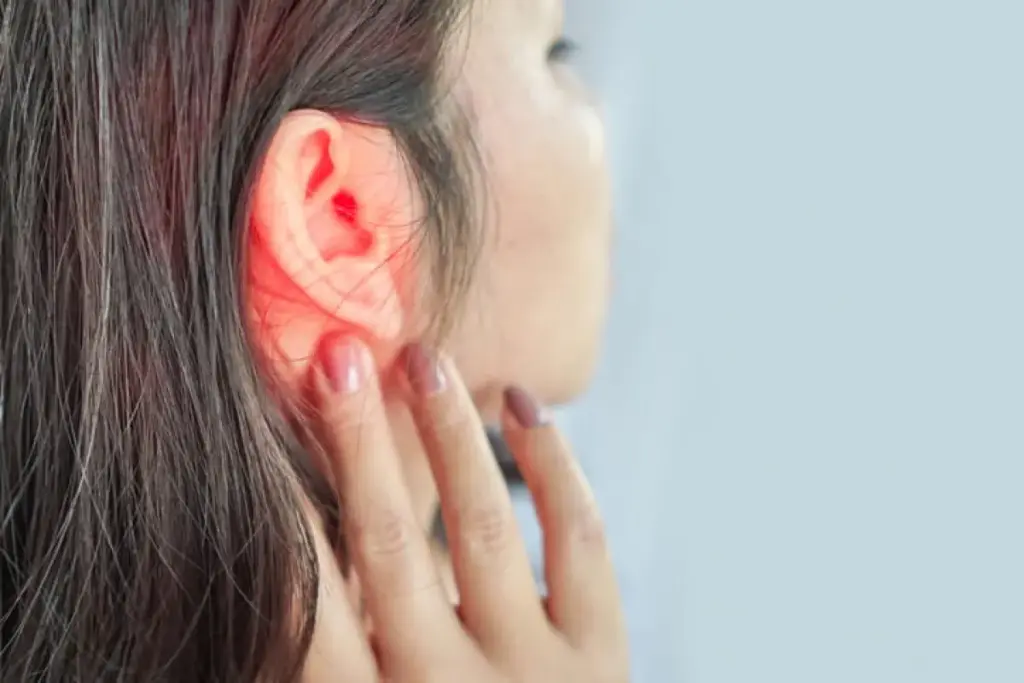
We will explore the outer ear’s anatomy, focusing on its structure and the medical terminology associated with it. The outer ear, also known as the pinna or auricle, is a complex structure that plays a key role in our hearing.
What is the Pinna or Auricle?
The pinna, or auricle, is the visible part of the outer ear. It is a paired structure found on either side of the head. It captures and directs sound waves towards the ear canal. The pinna is made of cartilage and skin, giving it the flexibility and support it needs. For a detailed understanding, let’s examine the anatomical structure of the ear.
Cartilage Composition of the Ear
The cartilage in the ear is key for its shape and function. It is a flexible, yet strong connective tissue that supports the ear without being too stiff. This is important for the ear’s ability to catch sound waves.
The cartilage in the outer ear is elastic cartilage. It has elastic fibers that help it keep its shape even when bent. This is vital for the outer ear’s structure, allowing it to go back to its original shape after bending.
Key Features of the Outer Ear’s Cartilage:
|
Feature |
Description |
|---|---|
|
Flexibility |
Allows the ear to bend without damage |
|
Elasticity |
Enables the ear to return to its original shape |
|
Support |
Provides structural integrity to the outer ear |
Understanding the cartilage composition of the ear and its role in the outer ear’s structure is essential. It helps us appreciate the complexity of human anatomy and its functions.
The Medical Term for Ear: 7 Principal Anatomical Parts

Knowing the outer ear’s parts is key. The outer ear, or pinna, is complex. It collects and directs sound waves to the ear canal.
1. Helix: The Outer Rim
The helix is the ear’s outer rim. It shapes the ear’s look. Made of cartilage and skin, it makes the ear flexible and strong.
2. Antihelix: The Inner Curved Ridge
The antihelix is a curved ridge inside the ear. It runs alongside the helix. This ridge helps shape the ear and collect sound.
3. Concha: The Deep Cavity
The concha is a deep area that catches sound waves. It directs them to the ear canal. It’s split into two parts: the cymba and cavum conchae.
4. Tragus: The Anterior Protrusion
The tragus is a small flap over the ear canal. It keeps dust and debris out. It’s vital for ear health and preventing infections.
The helix, antihelix, concha, and tragus are key parts of the outer ear. Knowing their roles helps us understand how we hear and process sound.
Additional Features of the Outer Ear Anatomy
The outer ear has more than meets the eye. It has features that help it collect and boost sound. Knowing about these parts is key to understanding how the outer ear works.
Crus of Helix and Scapha
The crus of helix is a key part that goes into the concha. It’s important for the outer ear’s function. The scapha is a shallow area between the helix and antihelix. It shapes the ear and helps it work better.
Triangular Fossa: Location and Structure
The triangular fossa is a small, triangular spot on the outer ear. It’s between the antihelix and helix. This spot is vital for understanding the ear’s shape and function.
Outer Ear Function: Sound Collection and Amplification
The outer ear’s main job is to catch and make sound louder. Its unique shape and parts, like the helix and concha, help direct sound into the ear canal. This makes hearing better.
We count on the outer ear’s detailed design for good sound processing. By learning about the crus of helix, scapha, and triangular fossa, we see how complex hearing is.
Conclusion: Clinical Significance of Outer Ear Anatomy
Knowing how the outside ear works is key to understanding its role and fixing problems. The outer ear’s design, with its pinna and cartilage, is vital for catching and boosting sound.
Issues with the outer ear can cause hearing problems. This makes studying its anatomy very important for doctors. For example, swimmer’s ear and perichondritis can happen due to injury or infection. This shows why taking care of our ears is so important. To learn more, check out ear resource.
Looking at diagrams of the ear helps us see its parts, like the helix and concha. The cartilage in the ear makes it flexible and strong. Knowing this helps doctors diagnose and treat ear problems.
Understanding the outer ear’s anatomy helps us see its role in our hearing. It also teaches us how to protect it from harm. This knowledge is vital for both doctors and people who want to keep their ears healthy.
FAQ
What is the outer ear composed of?
The outer ear consists of the pinna (auricle), the ear canal (external auditory canal), and the earlobe (lobule). It is made mostly of cartilage and skin, with a small amount of fat in the lobule.
What is the medical term for the ear?
The medical term for the external part of the ear is auris, while the outer ear is often referred to as the pinna or auricle.
What is the function of the cartilage in the ear’s structure?
Cartilage provides flexible support, maintaining the ear’s shape while allowing slight movement. It also protects the ear canal from collapsing.
What is the role of the helix in the outer ear anatomy?
The helix is the curved outer rim of the ear. It helps collect sound waves and directs them into the ear canal.
What is the concha, and what is its function?
The concha is the bowl-shaped cavity near the ear canal. It acts as a resonating chamber that helps amplify and direct sound into the external auditory canal.
How does the outer ear collect and amplify sound waves?
The pinna’s shape and folds capture sound waves and funnel them into the ear canal. The concha and ear canal naturally resonate certain frequencies, slightly amplifying sounds before they reach the eardrum.
What is the significance of understanding the outer ear’s anatomy?
Understanding outer ear anatomy is crucial for diagnosing ear conditions, fitting hearing aids, performing surgeries, and designing protective equipment like earplugs.
What is the pinna or auricle?
The pinna (auricle) is the visible part of the outer ear. It collects sound waves, directs them into the ear canal, and helps determine the direction of sounds.
What is the tragus, and what is its role?
The tragus is the small flap of cartilage in front of the ear canal. It helps protect the ear canal and assists in sound localization, particularly for sounds coming from behind.
References
National Institutes of Health. Evidence-Based Medical Insight. Retrieved from https://www.nidcd.nih.gov/news/multimedia/medical-illustration-parts-ear[8