
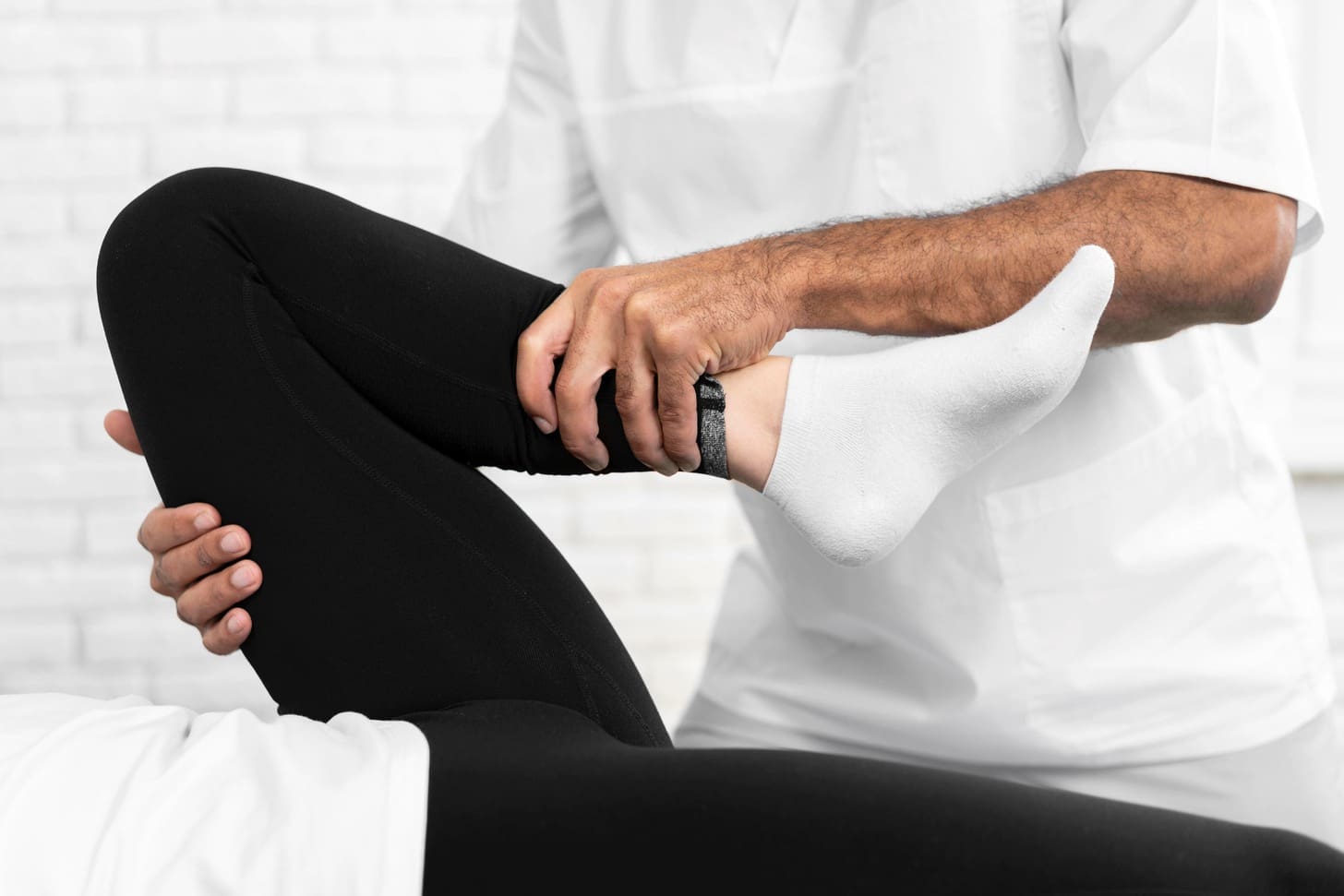
Are you looking for ways to avoid knee replacement surgery? Liv Hospital offers new, patient-focused methods and proven treatments that don’t involve surgery. These options help restore vitality and ease pain. They also improve function and stop further damage.
We take inspiration from practices like thermal bathing to create detailed treatment plans. Our aim is to help you skip or delay knee surgery while keeping your joints healthy for the long term.
Key Takeaways
- Explore nonsurgical alternatives to knee replacement surgery.
- Discover evidence-based treatments for pain relief and improved function.
- Learn about patient-centered strategies for knee health.
- Understand the benefits of delaying or avoiding knee surgery.
- Find out how a complete treatment plan can support long-term joint health.
The Growing Need for Knee Joint Repair Without Surgery
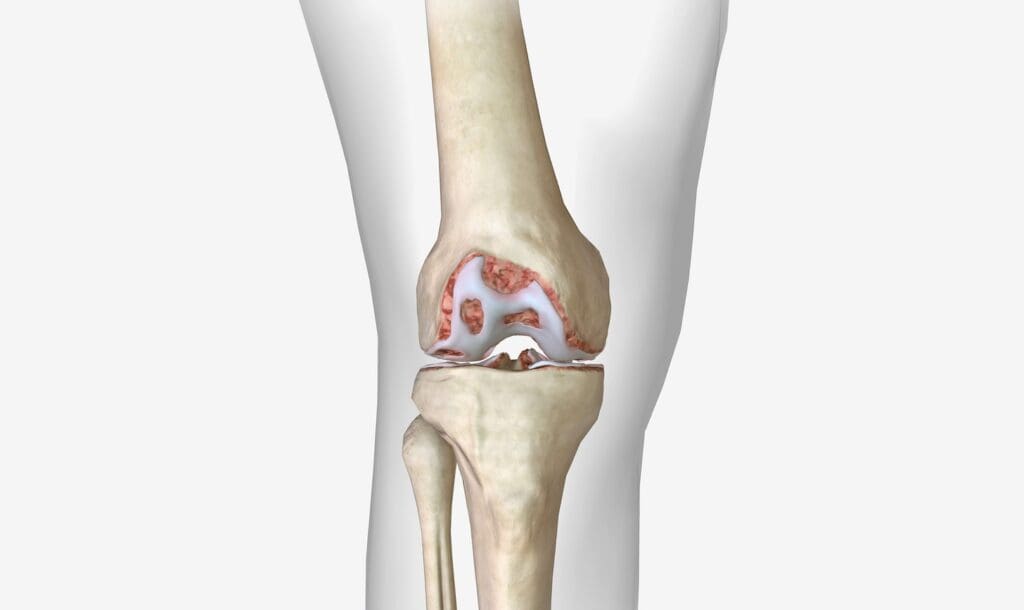
Knee joint problems are becoming more common. This is because more people are aging and staying active. As a result, there’s a big need for non-surgical fixes that can help without the risks of surgery.
Understanding Bone-on-Bone Knee Conditions
Bone-on-bone knee conditions happen when cartilage wears away. This leaves bones rubbing against each other. It causes a lot of pain and limits how you can move. It’s important to understand this to find non-surgical solutions.
The symptoms include:
- Severe knee pain, worse when moving
- Limited range of motion
- Swelling and stiffness in the knee
- A grinding feeling when moving the knee
Why Patients Seek to Avoid Knee Replacement Surgery
Knee replacement surgery is a big deal with risks and a long recovery. Many want to avoid it because of:
- Risks and complications from surgery
- The long time it takes to recover
- Concerns about implants failing or loosening
- The impact on their lifestyle during recovery
So, there’s a growing interest in alternatives to knee replacement bone on bone. People are looking into lifestyle changes, non-invasive treatments, and minimally invasive procedures. These options can help avoid surgery.
| Treatment Options | Description | Benefits |
|---|---|---|
| Physical Therapy | Strengthening exercises and physical therapy protocols | Improves knee function, reduces pain |
| Weight Management | Dietary changes and weight loss strategies | Reduces pressure on the knee joint |
| Injectable Treatments | Corticosteroid injections, viscosupplementation, and PRP therapy | Provides pain relief, improves joint lubrication |
Exploring these alternatives can help patients with bone-on-bone knee conditions. It can help them avoid surgery and keep their mobility and quality of life.
Physical Therapy: Strengthening Your Way to Better Knee Function

Physical therapy is a key part in managing knee pain. It’s a non-surgical way to make knees work better. It teaches patients how to strengthen their knees and move better.
Evidence-Based Exercise Protocols for Knee Rehabilitation
Physical therapy for knee rehab uses proven exercises. These exercises boost strength, flexibility, and movement. Studies show these exercises can cut down knee pain and boost function. Strengthening the quadriceps and hamstrings helps support the knee.
Our physical therapists create custom exercise plans for each patient. These plans fit the patient’s needs, fitness level, and goals. This way, patients see real improvements in their knee health.
How Physical Therapy Delays or Prevents Surgery
Physical therapy can also delay or avoid surgery. It improves knee function and reduces pain. “Physical therapy can be a game-changer for patients looking to avoid surgery,” says a top orthopedic specialist.
It also helps find and fix issues that cause knee pain. By fixing biomechanical problems and improving joint mobility, it lessens knee stress. This can stop further damage.
Success Stories: When PT Helped Patients Avoid Surgery
Many have avoided surgery thanks to physical therapy. For instance, a patient with moderate osteoarthritis avoided surgery with therapy and lifestyle changes.
“I was amazed at how much I could improve my knee function through physical therapy. It gave me a new lease on life,”
the patient said.
These stories highlight physical therapy’s power as a surgery alternative. It strengthens the knee and improves function, helping patients avoid surgery.
Weight Management: Reducing Pressure on Damaged Knee Joints
Managing your weight is key to easing the pressure on your knee joints. It’s a non-surgical way to handle knee pain. For those with bone-on-bone knee pain, staying at a healthy weight can lessen the strain on their knees.
The Biomechanics of Weight and Knee Stress
Every pound you carry adds a lot of pressure on your knee joints, like when you walk or climb stairs. Studies show losing a pound can cut the pressure on your knee by several pounds. This means less wear and tear on your joints.
It’s important to know how weight affects your knees. Losing weight can greatly reduce knee stress. This can slow down knee damage.
Effective Weight Loss Strategies for Knee Pain Sufferers
For those with knee pain, losing weight involves diet, exercise, and lifestyle changes. Eating a balanced diet with fruits, veggies, and lean proteins helps with weight loss. Low-impact exercises like swimming or cycling are good for burning calories without harming your knees.
“Losing weight is not just about looking good; it’s about feeling good and reducing the strain on your joints,” says a specialist in orthopedic care. “Even a modest weight loss can make a significant difference in knee pain.”
Anti-Inflammatory Diet Approaches for Joint Health
An anti-inflammatory diet is vital for knee pain management. Foods high in omega-3s, antioxidants, and fiber can fight inflammation. Adding salmon, berries, and leafy greens to your diet is beneficial. Avoid foods that trigger inflammation, like processed foods and sugars.
| Food Group | Examples | Benefits for Knee Health |
|---|---|---|
| Fatty Fish | Salmon, Sardines | Rich in Omega-3 fatty acids, reducing inflammation |
| Fruits | Berries, Oranges | High in antioxidants, helping to reduce oxidative stress |
| Leafy Greens | Spinach, Kale | Rich in antioxidants and fiber, supporting overall health |
By adding these dietary changes to your weight loss plan, you can reduce pain from bone-on-bone knee conditions. This approach to health can help avoid the need for knee replacement surgery.
Injectable Treatments: Targeted Relief for Knee Pain and Inflammation
Looking for ways to avoid knee surgery? Injectable treatments might be the answer. They’re known for their targeted pain relief and can help delay surgery.
Corticosteroid Injections: Benefits and Limitations
Corticosteroid injections are used to reduce knee inflammation and pain. They offer quick relief and less inflammation. But, they can cause cartilage damage and bone thinning with long-term use.
These injections are used sparingly. They can last from weeks to months. They’re seen as a short-term fix for severe symptoms.
Viscosupplementation (Hyaluronic Acid): Lubricating Bone-on-Bone Joints
Viscosupplementation adds hyaluronic acid to the knee joint. It improves joint lubrication and cushioning. This helps reduce pain and improve mobility, great for osteoarthritis patients.
Results from viscosupplementation vary. Many see a big drop in pain and better joint function. It involves several injections over weeks.
Platelet-Rich Plasma (PRP): Harnessing Your Body’s Healing Power
PRP therapy uses your own platelets in the knee joint. It’s packed with growth factors that encourage healing and tissue growth. It’s seen as a good option for knee pain and slowing osteoarthritis.
PRP’s effectiveness is being studied. But, many patients report less pain and better knee function. It’s safe because it uses your own blood.
Injectable treatments are a good alternative to knee surgery. They offer targeted relief for knee pain and inflammation. Knowing the pros and cons helps patients make better choices.
Bracing and Assistive Devices: Mechanical Solutions for Knee Stability
Mechanical solutions like bracing and assistive devices are key in managing knee instability and pain. They are a non-surgical way to help improve knee function and lessen discomfort. This is a good option for those trying to avoid knee replacement surgery.
Unloading Braces for Osteoarthritis and Alignment Issues
Unloading braces are made for those with knee osteoarthritis or alignment problems. They help by spreading the weight away from the damaged knee area. This reduces pain and boosts function.
Research shows unloading braces can cut down knee pain and boost mobility in osteoarthritis patients. They offer extra support and stability. This makes it easier for patients to do daily tasks.
Custom vs. Off-the-Shelf Bracing Options
Patients can pick between custom-made and off-the-shelf braces. Custom braces fit perfectly to the knee’s shape, providing better support.
| Feature | Custom Braces | Off-the-Shelf Braces |
|---|---|---|
| Fit | Tailored to individual anatomy | Standard sizes |
| Support | Potentially better support | Variable support |
| Cost | Generally more expensive | More affordable |
Combining Bracing with Other Non-Surgical Treatments
Bracing works best when paired with other non-surgical treatments. For instance, using a brace with physical therapy can boost knee stability and strength. This can lessen the need for surgery.
“The combination of bracing and physical therapy can provide significant benefits for patients with knee osteoarthritis, improving both pain and function.”
By adding bracing to a treatment plan, patients might avoid knee replacement surgery. Bracing and assistive devices are a valuable part of knee health care. They help improve stability and reduce pain.
Regenerative Medicine: The Newest Alternatives to Knee Replacement
Regenerative medicine is changing how we treat knee damage. It uses the body’s healing powers to fix or replace damaged tissues. This could mean avoiding big surgeries.
Stem Cell Therapy: Current Evidence and Applications
Stem cell therapy is a big hope for knee repair. It uses stem cells to grow new tissue. Studies show it can reduce pain and improve knee function in people with osteoarthritis.
Research on mesenchymal stem cells (MSCs) is promising. These cells can fight inflammation and grow into cartilage. They’re great for fixing knee damage.
Prolotherapy for Ligament and Tendon Strengthening
Prolotherapy is getting attention for strengthening knee ligaments and tendons. It involves injecting a solution to trigger healing. This can make tissues stronger and reduce pain.
While more studies are needed, many people have seen big improvements. The success of prolotherapy depends on the condition and the patient’s health.
Emerging Regenerative Treatments on the Horizon
New treatments are coming for knee damage. Gene therapy and tissue engineering are among them. They aim to fix or replace damaged tissues.
As research grows, we’ll see more options for knee treatment. But, we must understand both the benefits and risks of these new therapies.
In summary, regenerative medicine is giving patients new ways to treat knee damage. It offers alternatives to knee replacement surgery. We’re excited about the future of these treatments and how they can improve patients’ lives.
Minimally Invasive Procedures: When Conservative Treatments Aren’t Enough
Minimally invasive procedures are a good choice for those who haven’t seen results from other treatments but don’t want knee replacement surgery yet. These methods can offer big benefits with less risk and quicker recovery times than bigger surgeries.
Arthroscopic Debridement and Meniscus Repair
Arthroscopic debridement removes damaged or inflamed tissue in the knee. It can help lessen pain and boost function. This surgery is often done on an outpatient basis, leading to a fast recovery.
Meniscus repair is another arthroscopic surgery. It aims to fix tears in the meniscus, a cartilage that cushions the knee.
Benefits of Arthroscopic Procedures: They are less invasive than open surgery. This can mean fewer complications and a quicker return to daily activities.
Osteotomy: Surgical Realignment Without Full Replacement
Osteotomy is a surgery that cuts and realigns the knee bones to spread weight more evenly. It’s great for those with knee alignment problems or who are too young or active for knee replacement.
By fixing the alignment, osteotomy can greatly reduce pain and enhance knee function. It’s seen as a good alternative to knee replacement for some, providing a longer-term fix.
Both arthroscopic surgeries and osteotomy are key alternatives to knee replacement surgery. They give patients options that might delay or avoid the need for more invasive surgery.
Complementary Approaches for Knee Pain Management
We’re now looking at ways to manage knee pain that go beyond surgery. It’s key to explore other options to help treat knee pain. This includes using complementary approaches in a full treatment plan.
Acupuncture and Traditional Chinese Medicine
Acupuncture, a part of Traditional Chinese Medicine, has been used for ages to treat pain. It works by stimulating certain body points. This can help lessen inflammation and aid in healing.
Studies show acupuncture can help with knee pain from osteoarthritis. This is a common reason for bone-on-bone knee issues.
Therapeutic Massage and Myofascial Release
Therapeutic massage and myofascial release are also helpful for knee pain. They focus on easing tight muscles and boosting blood flow around the knee. These methods can help relax muscles and improve knee function.
Supplements and Nutraceuticals for Joint Health
Some supplements and nutraceuticals are being looked at for joint health and pain relief. Glucosamine and chondroitin sulfate may help keep cartilage healthy. Omega-3 fatty acids, with their anti-inflammatory effects, can also help with knee pain.
It’s important to talk to a doctor before trying these options. Combining these therapies with traditional treatments can help manage knee pain. This might even prevent the need for surgery.
Can You Fix Bone-on-Bone Knee Conditions Without Surgery?
Bone-on-bone knee conditions are very severe. Many wonder if you can fix them without surgery. Luckily, there are non-surgical ways to manage the condition.
Realistic Expectations for Non-Surgical Treatment
Studies show that non-surgical treatments can help with symptoms. But, they can’t always reverse the damage. It’s important to know what they can and can’t do.
Some non-surgical treatments that work include:
- Physical Therapy: It strengthens the muscles around the knee, helping to reduce pain.
- Weight Management: Keeping a healthy weight can lessen the pressure on the knee joint.
- Injectable Treatments: These, like corticosteroids and PRP therapy, can reduce inflammation and aid in healing.
- Bracing and Assistive Devices: These tools can help stabilize the knee and reduce stress on the joint.
When to Consider Surgical Options
Even with non-surgical treatments, sometimes surgery is needed. It’s important to know when to consider it to avoid more problems.
Think about surgery if:
- You’ve tried many non-surgical treatments but haven’t seen much improvement.
- Your condition is so bad that it’s affecting your daily life.
- You have significant bone loss or deformity that can’t be fixed without surgery.
Talking to a healthcare professional is key. They can help decide the best treatment for you. They’ll consider both non-surgical and surgical options.
Conclusion: Creating Your Personalized Plan to Avoid Knee Replacement Surgery
Exploring alternatives to knee replacement surgery is a proactive step for managing knee health. We’ve looked at many options, like physical therapy, weight management, and injectable treatments. We’ve also talked about bracing, regenerative medicine, and other complementary approaches.
To avoid knee replacement surgery, creating a personalized plan is key. It’s important to work with healthcare professionals to find the right treatment for you. By using these alternatives and making smart choices, you might not need surgery.
Knowing about the alternatives to knee replacement and taking action can greatly improve your knee health. If you want to avoid surgery, talk to your healthcare provider. Together, you can create a plan that includes strategies like those we’ve discussed. This can help manage knee pain and improve your quality of life.
What are the alternatives to knee replacement surgery?
We offer many alternatives. These include physical therapy, weight management, and injectable treatments. We also have bracing and assistive devices, regenerative medicine, and other approaches.
Can physical therapy really help avoid knee replacement surgery?
Yes, physical therapy can strengthen the muscles around the knee. It improves joint stability and reduces pain. This can delay or prevent surgery.
How does weight management affect knee health?
Keeping a healthy weight reduces pressure on damaged knee joints. This alleviates pain and may slow disease progression.
What are the benefits and limitations of corticosteroid injections for knee pain?
Corticosteroid injections quickly reduce inflammation and pain. But, they have side effects and may not work long-term.
Can bracing and assistive devices really help with knee stability?
Yes, devices like unloading braces provide mechanical support. They reduce stress on the knee joint and improve stability.
What is regenerative medicine, and how can it help with knee repair?
Regenerative medicine, like stem cell therapy, aims to heal the body naturally. It can repair damaged tissues and improve knee function.
Are there any minimally invasive procedures that can help avoid knee replacement?
Yes, procedures like arthroscopic debridement and meniscus repair can address specific issues. They may avoid the need for full replacement.
Can complementary approaches like acupuncture and massage help with knee pain?
Yes, these approaches can manage pain and improve well-being. They are often used with other treatments.
Can non-surgical treatments fix bone-on-bone knee conditions?
Non-surgical treatments can relieve pain and improve function. But, they may not work for all bone-on-bone conditions. It’s important to have realistic expectations and talk to a healthcare professional.
How do I determine the best course of treatment for my knee condition?
We recommend talking to a healthcare professional. They can help create a personalized plan based on your needs and goals.
What is the newest alternative to knee replacement surgery?
Regenerative medicine, including stem cell therapy, is a new alternative being explored for knee repair.
How can I avoid knee replacement surgery?
By exploring alternatives like physical therapy and weight management. Working with healthcare professionals to create a personalized plan is also key.
Are there other options beside knee replacement surgery?
Yes, we discuss many alternatives. These include physical therapy, weight management, and injectable treatments. We also talk about bracing, regenerative medicine, and complementary approaches.
What helps bone-on-bone knee pain without surgery?
Treatments like injectable therapies and bracing can help. Weight management and physical therapy also alleviate bone-on-bone knee pain without surgery.
References
- HealthPartners. (n.d.). Alternatives to Knee Replacement. Retrieved from https://www.healthpartners.com/blog/alternatives-to-knee-replacement



 Departments
 Related Videos
 Our Doctors
 News
News