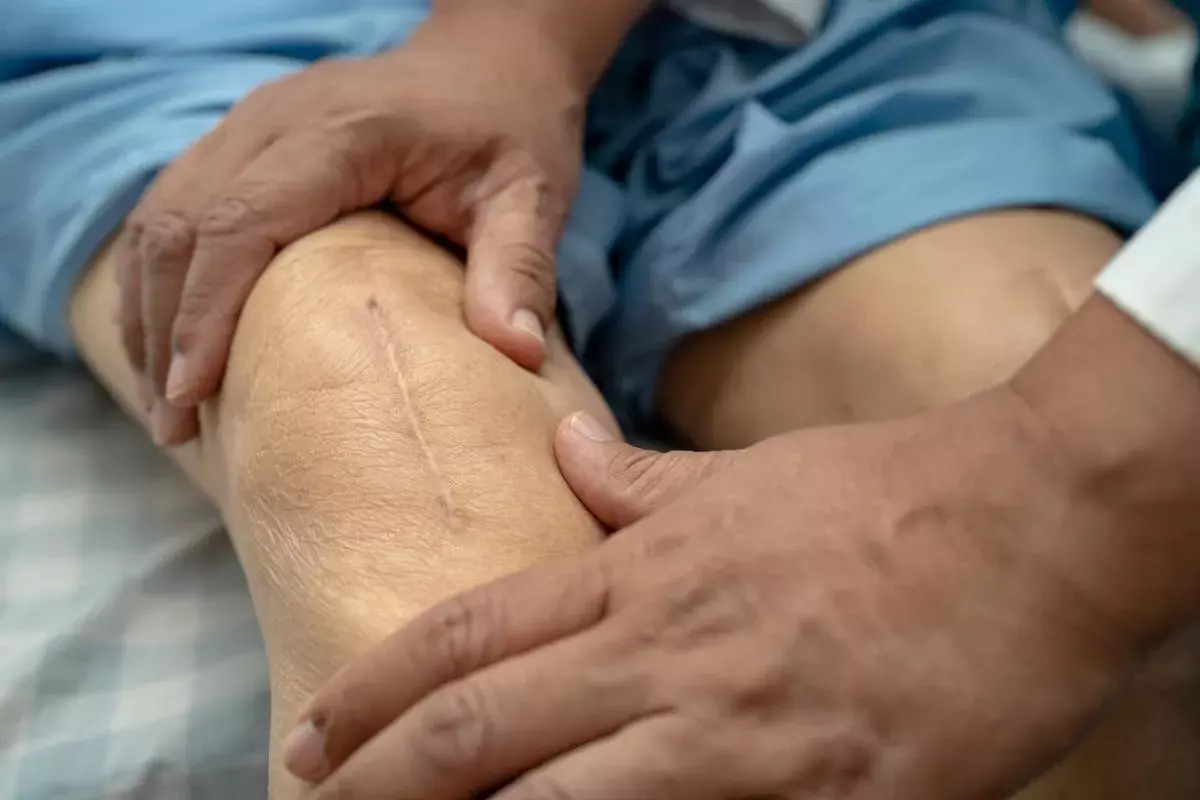
An anterior cruciate ligament (ACL) tear is a common knee injury. It affects between 100,000 and 200,000 people in the United States each year. The ACL is key for knee stability, and athletes in demanding sports often get hurt.
It’s important to know the signs of an ACL tear to get help fast. At Liv Hospital, we use the latest orthopedic methods. This ensures our patients get top-notch care and solutions to fix their knee problems.
Knowing the signs of a torn ACL can help you stay mobile and live better. We’ll show you the important symptoms to watch for. This way, you can get medical help quickly and get back to being active.
Key Takeaways
- ACL tears are among the most common knee injuries, specially in athletes.
- Prompt recognition of ACL tear symptoms is key for good treatment.
- Liv Hospital offers evidence-based orthopedic care for ACL injuries.
- Understanding the signs of a torn ACL can improve treatment outcomes.
- Timely medical attention is vital for fixing knee function.
Understanding ACL Injuries
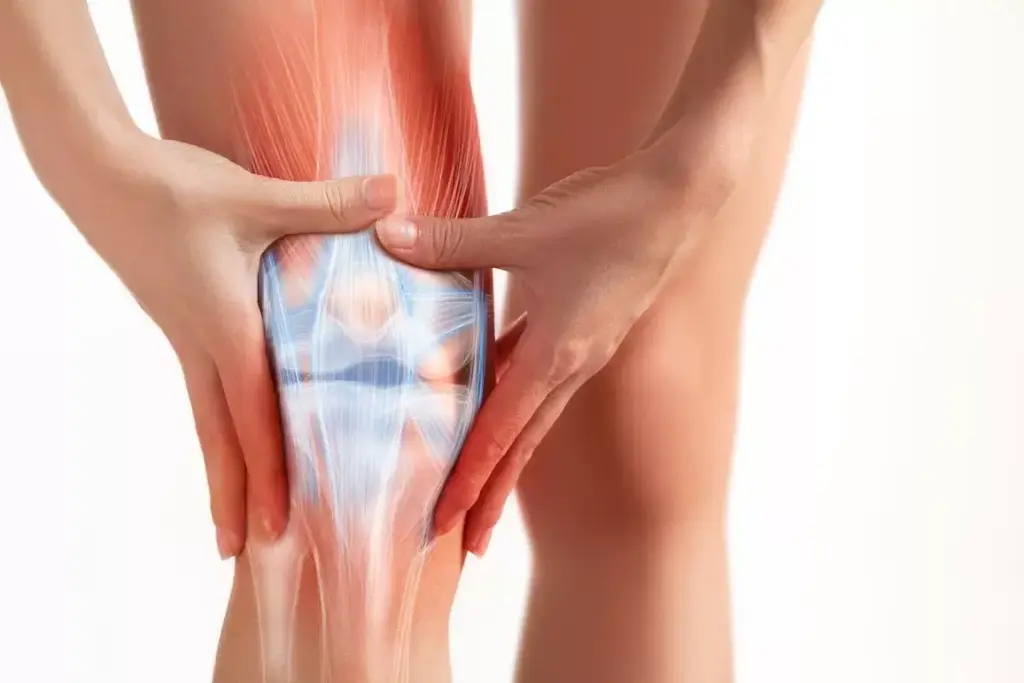
It’s key to know about ACL injuries to treat knee problems right. The anterior cruciate ligament (ACL) is a vital part of the knee. It helps keep the knee stable.
What Is the Anterior Cruciate Ligament?
The anterior cruciate ligament is a major stabilizer of the knee. It’s essential for knee stability. An ACL injury can cause knee instability. This makes everyday activities and sports hard to do.
How Common Are ACL Tears?
ACL tears happen a lot, mainly in athletes. They occur during sports that need quick stops, changes in direction, or direct contact. Many people get ACL tears each year. This shows how important it is to understand this injury.
Partial vs. Complete ACL Tears: What’s the Difference?
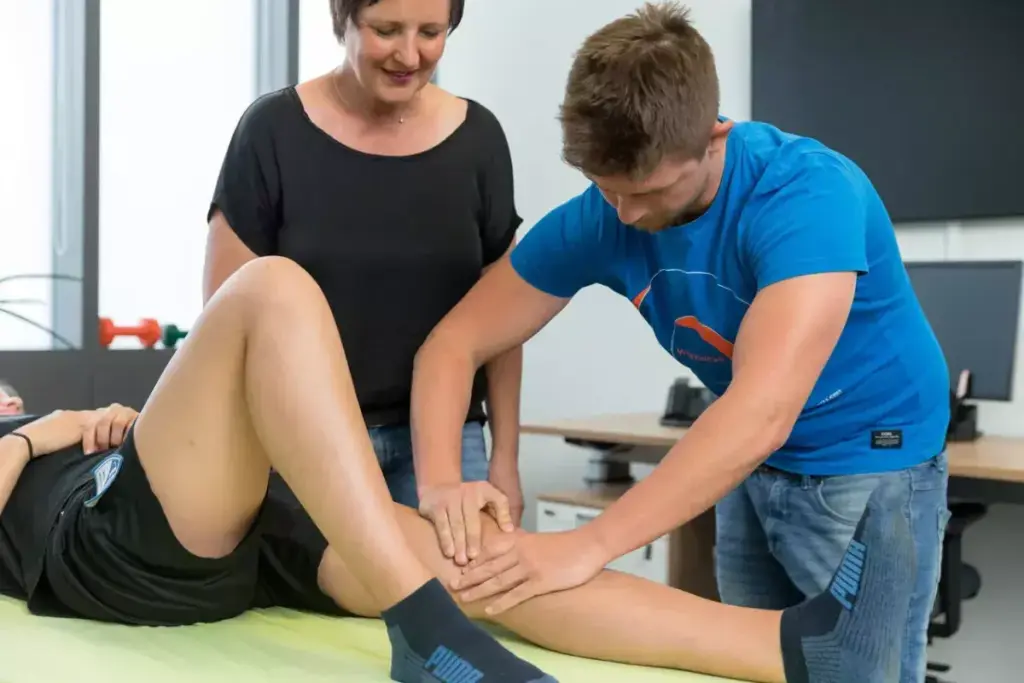
The severity of an ACL injury can vary. It can range from a partial tear to a complete rupture. This difference greatly affects the treatment needed. Knowing the difference is key to choosing the right treatment.
Partial ACL Tears and Their Symptoms
A partial ACL tear damages some of the ligament fibers but not all. Symptoms include mild to moderate knee pain and instability. Yet, the knee might feel somewhat stable.
Common symptoms of a partial ACL tear are:
- Mild pain or discomfort in the knee
- Minimal swelling
- A feeling of instability or “giving way” when bearing weight
Complete ACL Tears or Ruptures
A complete ACL tear or rupture means all ligament fibers are torn. This results in significant knee instability. Symptoms are more severe and include:
- Severe pain and immediate swelling
- A distinct popping sound or sensation at the time of injury
- Significant knee instability, making it difficult to bear weight
Can a Torn ACL Heal Itself?
The ability of a torn ACL to heal itself depends on the tear’s severity. Partial ACL tears might heal with conservative treatment like physical therapy and bracing. But, complete ACL tears often need surgery to restore knee stability and prevent further injury.
It’s vital to see a healthcare professional to find the best treatment for your injury. If you’re experiencing symptoms of an ACL tear, seek medical help.
7 Clear Signs of a Torn ACL
Knowing the symptoms of a torn ACL is key for athletes and anyone who’s active. A torn ACL can really affect how you move and feel. It’s important to spot the signs early.
1. Distinct Popping Sound or Sensation
One clear sign of a torn ACL is a distinct popping sound when it happens. People often say it sounds like a loud pop, like something snapping inside the knee. Some might not hear it but feel it suddenly.
2. Immediate and Severe Pain
Right after the pop, you might feel a lot of pain. This pain can be so bad that you can’t keep doing what you were doing. It usually hurts a lot around the knee and can make you feel unstable.
3. Rapid Swelling Within Hours
Swelling quickly is another sign of a torn ACL. It usually starts a few hours after the injury. This swelling can make your knee stiff and harder to move.
4. Knee Instability or “Giving Way” Sensation
Knee instability, or feeling like your knee is giving way, is common with a torn ACL. This happens when your knee feels like it’s buckling during activities that make you stand on it. It makes it hard to trust your knee.
To better understand these signs, let’s summarize them in a table:
| Signs of a Torn ACL | Description |
| Distinct Popping Sound | A loud pop or snap at the moment of injury |
| Immediate and Severe Pain | Intense pain following the injury, often localized around the knee |
| Rapid Swelling | Swelling within hours after the injury due to inflammation |
| Knee Instability | A feeling of the knee “giving way” during weight-bearing activities |
Knowing these signs can help you get medical help fast. This can lower the chance of more injury and help your treatment work better.
Conclusion: When to Seek Medical Attention
If you hear a popping sound in your knee, feel sudden pain, or see it swell quickly, get help right away. Ignoring these signs can lead to more problems like instability or arthritis. Look for immediate medical help if you notice a popping sound, a lot of pain, swelling, trouble walking, or your knee keeps buckling.
A torn ACL needs a doctor’s check-up to figure out the right treatment. Knowing the difference between a ruptured and torn ACL is key for the right care. By getting medical help for a torn ACL, you can avoid more issues and recover faster.
FAQ:
What are the main differences between a partial ACL tear and a complete ACL tear?
Can a torn ACL heal itself without surgical intervention?
What does a torn ACL look like on the outside?
How common are ACL tears among athletes?
What are the symptoms of a partial ACL tear?
Is it easy to tear your ACL?
What is the difference between an ACL rupture and an ACL tear?
Can a full thickness ACL tear heal without surgery?
References:
National Center for Biotechnology Information. Evidence-Based Medical Insight. Retrieved from https://www.ncbi.nlm.nih.gov/books/NBK499848/[5