


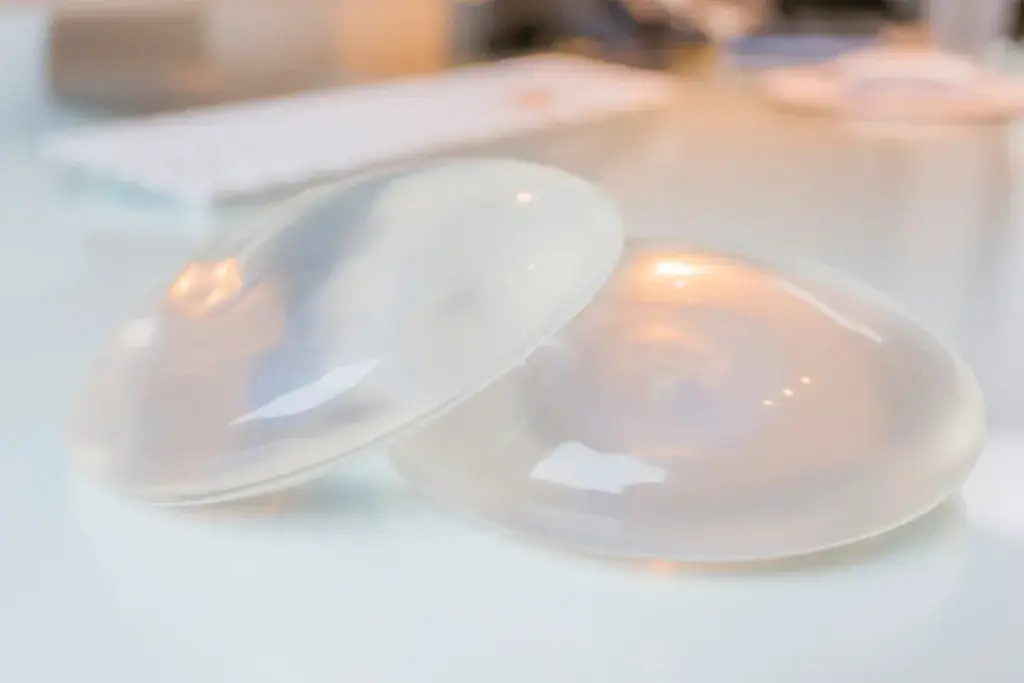
Choosing the right path for your cosmetic journey is a big decision. It’s important to know about the breast implants types to get the look you want.
At Liv Hospital, we want to help you make the best choice. We guide you through the latest breast augmentation choices to match your body and goals.
Doctors use four main factors to classify these implants: filling material, shape, outer surface, and projection. Finding the right mix depends on your body and skin.
We’ll look at the different types of breast augmentation to help you decide. Knowing about these breast augmentation implants will make you confident in your choice.
Key Takeaways
- Breast devices are categorized by filling, shape, surface texture, and projection.
- Your anatomy and tissue coverage play a vital role in selecting the best option.
- Expert consultation ensures your choice aligns with your long-term aesthetic goals.
- Understanding the differences between saline and silicone helps manage expectations.
- We prioritize patient-centered care to support your unique cosmetic journey.
Understanding the Different Types of Breast Implants

When you think about getting breast implants, knowing the different types is key. Each implant has a shell and a filling. All approved implants have a silicone shell, filled with either silicone gel or saline.
We’ll look at the various breast implants by their filling. We’ll talk about their good points and downsides. This info helps you pick the right implant for you.
Saline Implants
Saline implants are filled with salt water during surgery. A big plus is they can be adjusted for symmetry during the procedure. But, they might not feel as natural as silicone gel implants.
Structured Saline Implants
Structured saline implants have a saline-filled core in a silicone shell. They aim to offer a natural feel with the perks of saline implants. The core boosts the implant’s natural movement and feel.
Traditional Silicone Gel Implants
Traditional silicone gel implants are pre-filled with soft silicone gel. They’re known for their natural feel and look. They’re a top pick for those looking to enhance their breasts.
Cohesive Gel (Gummy Bear) Implants
Cohesive gel implants, or “gummy bear” implants, keep their shape even when cut. They offer a natural look and feel. Their thicker gel keeps the implant’s shape over time.
Comparing Shapes and Textures for Implants Boobs
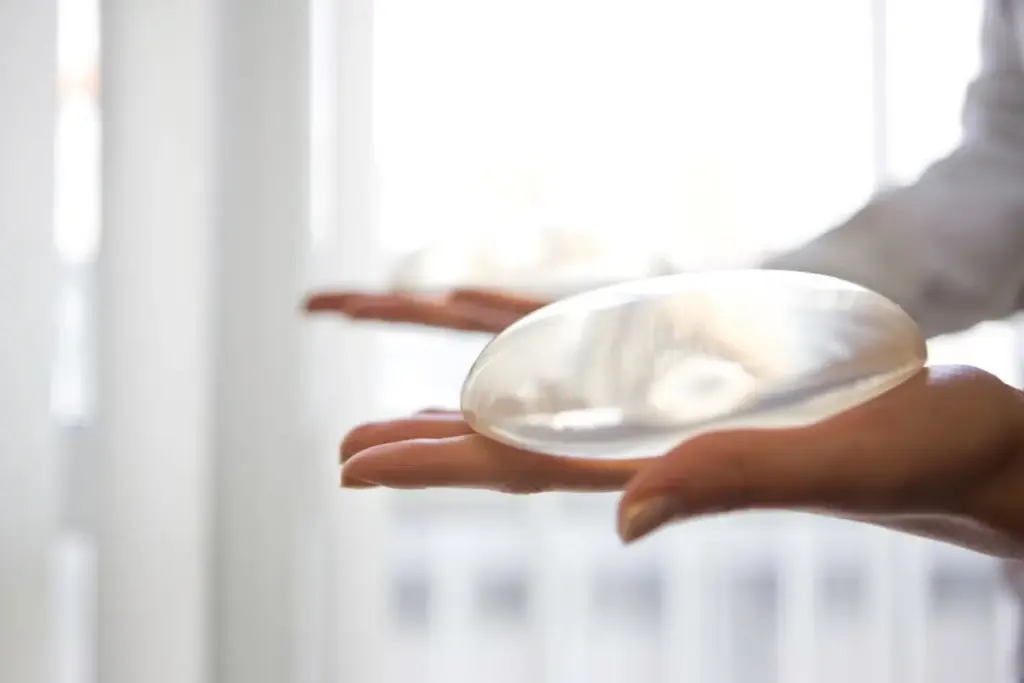
Choosing breast implants is more than just the filling type. Shape and texture are key to getting the look you want. Knowing about implant shapes and textures can greatly affect your surgery’s outcome.
Round Implants for Fullness
Round implants are popular for adding fullness to the breasts. They come in various sizes to fit different body types and preferences. Round implants can give a more noticeable upper pole fullness, perfect for those wanting a bold change.
Anatomical Teardrop Implants for Natural Contours
Anatomical or teardrop implants look like the natural slope of the breast. They offer a subtle and natural-looking boost. Teardrop implants are great for those worried about the implant moving, thanks to their textured surface.
Smooth Versus Textured Shell Surfaces
The texture of breast implants is also important. Smooth implants feel silky and natural but might rotate more. Textured implants, with their rougher surface, prevent rotation and are often used with anatomical implants. Your choice depends on your body, implant shape, and personal taste.
Key Factors to Consider Before Your Procedure
To get the results you want from breast augmentation, it’s key to think about your body type, goals, and the different implants. This careful planning helps you make a choice that fits your needs and dreams.
Assessing Your Body Type and Goals
Your body type and goals are important in picking the right breast implant. Things like breast tissue thickness, skin elasticity, and overall health matter a lot. Talking to a specialist can help find the best implant for you.
For example, people with less breast tissue might do well with textured implants to prevent rotation. Those with more tissue have more options.
Longevity and Maintenance Requirements
Knowing how long implants last and what care they need is important for happiness. Implants usually last 10 to 20 years, depending on the type and your health. Regular visits to your surgeon are key to keep your implants in good shape.
| Implant Type | Average Lifespan | Maintenance Requirements |
| Saline Implants | 10-15 years | Regular check-ups, possible rupture |
| Silicone Gel Implants | 15-20 years | Regular monitoring for rupture or capsular contracture |
| Cohesive Gel (Gummy Bear) Implants | 15-20 years | Regular check-ups, less likely to rupture |
Safety Profiles and FDA Considerations
Keeping implants safe is a big deal, with the FDA setting rules for their use. It’s important to know about the risks and complications like capsular contracture, rupture, and BIA-ALCL.
Talking to your surgeon about these risks and following their advice can help avoid problems.
Conclusion
Choosing the right breast implants is a big decision. It involves looking at the filling material, shape, surface, and profile. We’ve talked about the different types, like saline, silicone gel, and cohesive gel implants. We’ve also covered the various shapes and textures available.
Knowing what each implant type offers helps people make better choices. This way, they can pick the best implants for their needs and likes. Whether it’s implants for cosmetic reasons or for personal preference, there’s something for everyone.
The success of a breast augmentation depends on careful planning and talking to a specialist. We suggest taking time to learn about your options. This ensures you get the results you want and enjoy your new implants.
FAQ
Types of Breast Implants Available
Common options include saline implants, silicone gel implants, cohesive gel (“gummy bear”) implants, and structured implants, each varying in feel and firmness.
Choosing Between Boob Job Styles and Shapes
Selection depends on body frame, chest width, desired fullness, and profile, with choices like round or anatomical (teardrop) shapes.
Differences Between Implant Filling Materials
Saline implants contain sterile salt water, while silicone implants use gel that feels more like natural breast tissue; cohesive gel implants are firmer and hold shape better.
Safety Considerations for Breast Implants
Factors include risk of rupture, capsular contracture, implant shifting, and rare conditions like Breast Implant-Associated Anaplastic Large Cell Lymphoma.
Choosing Implants for Different Body Types
Surgeons assess height, weight, breast tissue, skin elasticity, and lifestyle to recommend the most suitable size and type.
Smooth vs Textured Implants
Smooth implants move more naturally and feel softer, while textured implants stay in place better but may carry different risk profiles.
Lifespan of Breast Implants
Implants typically last 10–20 years, but may require earlier replacement due to complications or personal preference.
National Center for Biotechnology Information. Evidence-Based Medical Insight. Retrieved from https://www.ncbi.nlm.nih.gov/books/NBK441998/[2


 Departments
 Related Videos
 Our Doctors
 News
News


