
Glaucoma is a major cause of blindness worldwide, affecting millions. New surgical approaches are changing ophthalmologic care. These methods aim to treat glaucoma effectively.
Glaucoma affects 76 million people, and this number is expected to grow. By 2040, it will reach 111.8 million. We will look at seven main types of glaucoma surgery. These include traditional and new, minimally invasive methods. They work to lower eye pressure and protect the optic nerve.
Key Takeaways
- Glaucoma is a leading cause of irreversible blindness worldwide.
- Various surgical approaches are now available to address glaucoma.
- Seven primary types of glaucoma surgery are used to reduce intraocular pressure.
- Effective treatment options are critical as the number of glaucoma cases grows.
- Advances in surgical techniques have improved patient outcomes.
Understanding Glaucoma Surgery and Its Evolution
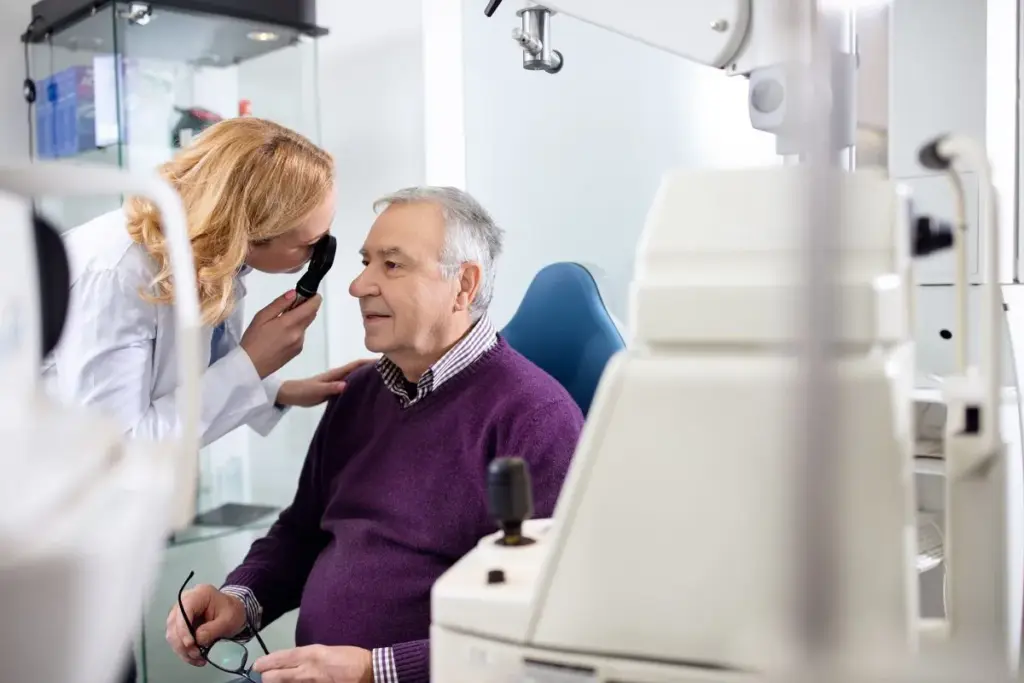
Our understanding of glaucoma has grown, leading to better surgery treatments. Glaucoma damages the optic nerve, often due to high eye pressure. Without treatment, it can cause vision loss and blindness.
Surgery is considered when eye drops or laser therapy fail to control eye pressure.
What is Glaucoma and Why Surgery is Needed
Glaucoma is called the “sneak thief of sight” because it can quietly damage vision. Surgery is needed when other treatments don’t work. Surgery aims to lower eye pressure to slow glaucoma’s damage.
In the U.S., MIGS now makes up 75.5% of glaucoma surgeries. This change is due to MIGS’s safety and less invasive nature.
The Shifting Landscape of Surgical Treatments
MIGS procedures have changed glaucoma surgery. They are safer and less invasive than old methods. MIGS offers quick recovery, fewer complications, and can be done with cataract surgery.
Its benefits include:
- Less eye trauma
- Lower risk of complications
- Quicker recovery
- Can be combined with other surgeries
The field of glaucoma surgery is always improving. MIGS is a big step forward, giving patients safer and more effective treatments. Knowing about glaucoma surgery’s evolution helps patients and doctors make better choices.
7 Essential Glaucoma Procedures for Treatment
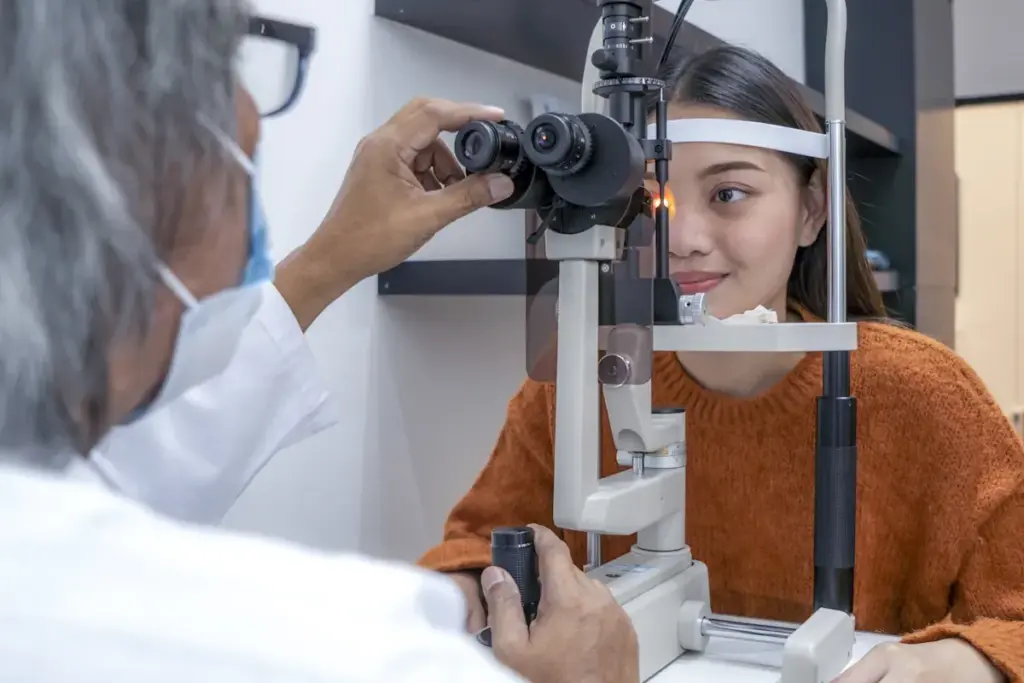
Medical technology has improved a lot, leading to many effective glaucoma surgeries. Now, we have several surgical options for treating glaucoma. Each option is designed for specific patient needs.
1. Trabeculectomy: The Traditional Filtering Approach
Trabeculectomy is a classic surgery that helps fluid leave the eye. This lowers intraocular pressure (IOP). It involves removing a small piece of tissue to make a new drainage channel. The goal is to improve fluid outflow and lower IOP, slowing the disease.
2. Glaucoma Drainage Implants (GDIs or Tube Shunts)
Glaucoma drainage implants, like tube shunts, help drain fluid from the eye. They are very effective for tough cases or those who’ve had surgery before. The implantation procedure involves placing a drainage tube in the eye, improving fluid drainage.
3. Trabecular Meshwork Ablation Techniques
Trabecular meshwork ablation techniques, like goniotomy and trabeculotomy, are less invasive surgeries. They aim to improve fluid outflow by removing or bypassing the trabecular meshwork. These procedures are less invasive than traditional surgeries and offer quicker recovery times. MIGS procedures have become increasingly popular for their efficacy and safety.
4. Gonioscopy-Assisted Transluminal Trabeculotomy
Gonioscopy-assisted transluminal trabeculotomy is another MIGS procedure. It creates a new drainage pathway through the trabecular meshwork. This technique uses a gonioscope to see the trabecular meshwork and a special tool to make a new drainage channel. The procedure is designed to be less invasive and promote faster healing.
These four procedures are some of the main surgical options for glaucoma treatment. Each has its own benefits and risks. The choice of surgery depends on the patient’s specific needs and condition. By understanding the different types of glaucoma operations, patients can make informed decisions about their care.
Conclusion: Making Informed Decisions About Glaucoma Surgery
Glaucoma surgery is a key treatment for those with glaucoma. This condition can cause permanent vision loss if not treated. By learning about the different types of glaucoma eye surgery, patients can choose the best treatment for them.
Good candidates for surgery usually have mild to moderate glaucoma. They might not be able to use eye drops or have uncontrolled eye pressure. By making smart choices, patients can manage their glaucoma and keep their vision.
It’s important to know all about the surgery, its benefits, and risks. Our healthcare team helps patients understand their options. This way, patients can pick the right surgery and keep their vision and quality of life.
FAQ
What is glaucoma surgery?
Glaucoma surgery is a procedure to lower eye pressure. It aims to protect the optic nerve and keep vision.
What types of glaucoma surgery are there?
There are many types, like trabeculectomy and glaucoma drainage implants. Also, there are trabecular meshwork ablation techniques and MIGS (Minimally Invasive Glaucoma Surgery) procedures.
Why is glaucoma surgery necessary?
It’s needed when eye drops or laser therapy don’t work. It helps prevent vision loss or blindness.
What is trabeculectomy?
Trabeculectomy is a surgery that makes a new drainage path. It helps fluid leave the eye, lowering pressure.
What are glaucoma drainage implants?
These implants, or tube shunts, help drain fluid. They reduce eye pressure.
What are MIGS procedures?
MIGS procedures are less invasive. They aim to lower pressure with small incisions and special tools.
What is gonioscopy-assisted transluminal trabeculotomy?
This MIGS procedure creates a new drainage path. It improves fluid outflow through the trabecular meshwork.
How do I choose the right glaucoma surgery?
Choosing depends on your needs and condition. Talk to a healthcare provider. Consider your glaucoma severity, health, and preferences.
What are the benefits and risks of glaucoma surgery?
Each surgery has its benefits and risks. Discuss these with your healthcare provider. This helps you understand the outcomes and make a choice.
Can glaucoma surgery restore vision?
Glaucoma surgery can protect vision by lowering pressure. But, it can’t bring back vision lost due to glaucoma.
Reference
National Center for Biotechnology Information. Evidence-Based Medical Insight. Retrieved from https://pubmed.ncbi.nlm.nih.gov/16488940/