


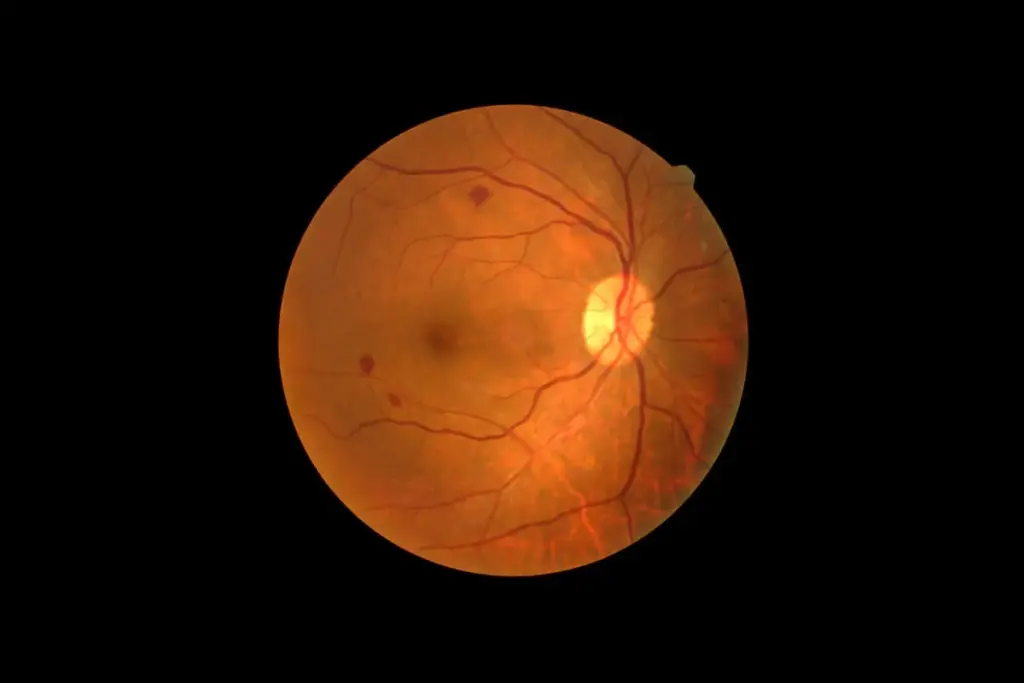
Your vision is precious and deserves superior eye care. This condition often develops silently without early symptoms until significant damage occurs. We understand how frightening vision changes can feel for you and your family.
At Liv Hospital, we combine cutting-edge technology with medical expertise. Our mission is to deliver world-class healthcare with comprehensive support. We help you navigate the various types of retinopathy through precise diagnosis.
Understanding the causes and symptoms is the first step toward healing. Our experts utilize the latest tools to identify issues before they worsen. We prioritize your comfort while ensuring the best possible clinical outcomes.
Managing retinopy requires a dedicated expert team. We work tirelessly to preserve your sight and improve your daily well-being. Let us guide your treatment journey.
We provide a compassionate environment where your health comes first. Every patient receives a tailored plan for their specific needs. Our facility stays at the forefront regarding medical innovation to serve you better.
Key Takeaways
- Early detection preserves your vision.
- Regular eye exams are vital.
- High blood sugar levels can damage sight.
- Blood pressure management protects retinal health.
- Advanced treatments are available at our facility.
- We provide personalized care for all patients.
Understanding Retinopathy and Its Impact on Vision
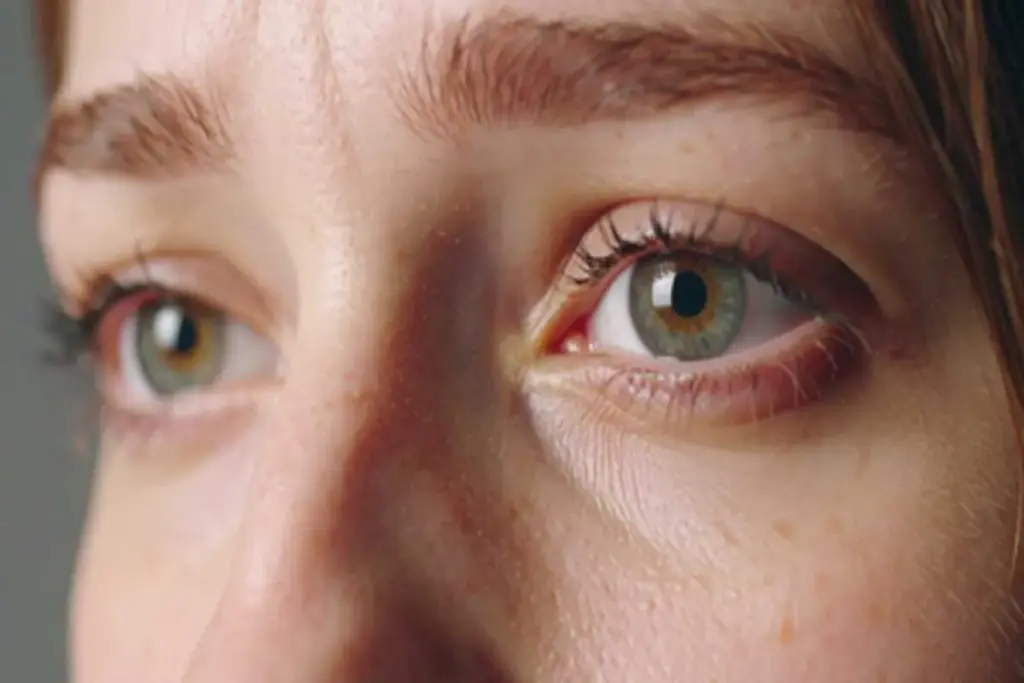
Knowing about retinopathy is key to keeping your eyes healthy. It covers many conditions that can affect your vision. The retina, which turns light into signals for your brain, is at the center of it all.
Defining Retinopathy
Retinopathy is damage to the retina caused by other health problems. It often involves blood vessel issues and can lead to vision loss. This condition has many types, each with its own cause.
It’s a group of disorders that harm the retina, which is essential for clear sight. Damage can lead to serious vision problems.
Common Risk Factors and Early Warning Signs
Diabetes and high blood pressure are big risks for retinopathy. Age also plays a part.
Look out for blurred vision, floaters, and flashes of light. These signs mean your retina might be stressed or damaged. Catching these early is vital for treatment.
Knowing the risks and signs helps you get help early. This is important for managing the condition and keeping your vision.
Exploring the 7 Primary Types of Retinopathy
The retina can face several types of retinopathy, each with its own causes and effects on vision. Knowing these types is key for both patients and doctors to handle and treat eye problems well.
Diabetic Retinopathy
Diabetic retinopathy is a common issue linked to diabetes. It happens when high blood sugar harms the retina’s blood vessels, causing vision issues. Early detection through regular eye exams is vital to avoid serious vision loss. Symptoms include blurred vision, floaters, and trouble seeing colors. Treatment can range from lifestyle changes and meds to laser therapy and injections.
Hypertensive Retinopathy
Hypertensive retinopathy is linked to high blood pressure, damaging the retinal vessels. It can cause vision problems and severe issues if not treated. Managing blood pressure is essential for this condition. Early symptoms are often not noticeable, making regular eye checks important for those with high blood pressure.
Retinopathy of Prematurity
Retinopathy of prematurity (ROP) affects premature babies, causing abnormal blood vessel growth in the retina. It’s a major cause of childhood blindness. Early screening and treatment are critical to prevent severe vision loss. Treatment includes laser therapy and injections to stop disease progression.
Solar Retinopathy
Solar retinopathy occurs from staring at the sun, often during an eclipse, without eye protection. It can harm the retina and cause vision issues. Prevention is essential, and using solar viewing glasses is necessary when looking at the sun. Symptoms include blind spots and distorted vision.
Understanding the various retinopathies, like diabetic, hypertensive, retinopathy of prematurity, and solar retinopathy, highlights the importance of early detection and proper care. Each type has its own causes and vision health implications, showing the need for specific treatment plans.
Diagnostic Procedures and Modern Treatment Options
Diagnosing and treating retinopathy needs a detailed approach. We use advanced technology and care tailored to each patient. Our diagnostic methods help spot retinopathy early, allowing for timely treatment.
Clinical Screening and Imaging Techniques
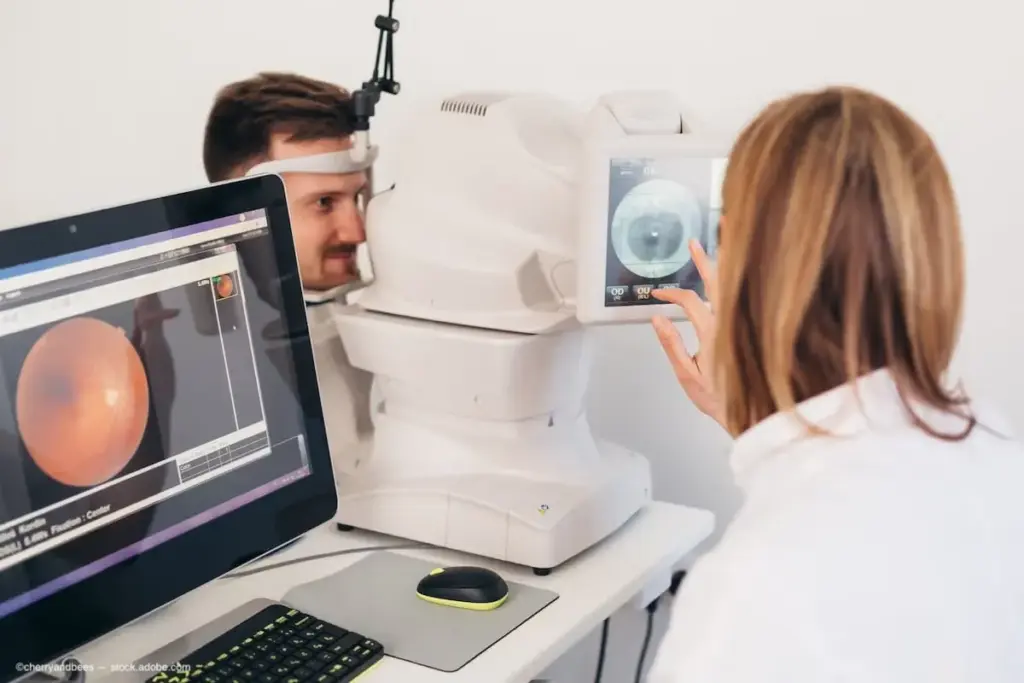
Screening for retinopathy involves a detailed retina check with modern imaging. Optical Coherence Tomography (OCT) gives us clear images of the retina. This helps us catch even small changes.
Fluorescein angiography is key for seeing the retina’s blood vessels. It shows us where there might be leaks or damage. These tools help us accurately diagnose retinopathy and track its progress.
Therapeutic Interventions and Lifestyle Management
Today, we have many ways to treat retinopathy. Laser therapy helps by destroying leaking blood vessels. Intravitreal injections of anti-VEGF drugs also help by reducing inflammation and preventing vision loss.
Lifestyle changes are also vital in managing retinopathy. For those with diabetic retinopathy, controlling blood sugar is key. Eating well, staying active, and managing blood pressure are also important for eye health.
- Managing blood sugar levels
- Maintaining a healthy blood pressure
- Eating a balanced diet
- Exercising regularly
Conclusion
Knowing about the different types of retinopathy is key to managing and treating them well. We’ve looked at diabetic retinopathy, hypertensive retinopathy, and retinopathy of prematurity, among others. Each type has its own causes and symptoms, showing why early detection is so important.
Preventing vision loss is a big deal, and getting medical help early can make a big difference. By knowing the risk factors and warning signs, people can get the care they need to protect their eyes.
We stress the importance of getting regular eye exams to catch retinopathy early. With the right treatment and making healthy lifestyle choices, it’s possible to lessen the effects of retinopathy and keep your vision.
FAQ
What is retinopathy and how does it affect my vision?
Retinopathy is damage to the retina, the back part of the eye. It happens when tiny blood vessels get damaged. This can lead to blurred vision, floaters, and even blindness if not treated.
What are the primary types of retinopathy addressed by specialists?
We deal with seven main types of retinopathy. These include Diabetic Retinopathy and Hypertensive Retinopathy. Each type needs a special approach to protect your eyes.
Is “retinopy” a different medical condition?
“Retinopy” is often a misspelling of retinopathy. If you’re looking for info on retinal damage, you’re in the right place.
How do we diagnose retinopathy at an early stage?
We use advanced imaging to catch issues early. This includes Optical Coherence Tomography (OCT) and fluorescein angiography. These tools help us spot problems before they get worse.
What modern treatment options are available for diabetic retinopathy?
We have several modern treatments for diabetic retinopathy. These include intravitreal injections and laser therapy. These methods help control swelling and stop abnormal blood vessel growth.
Can high blood pressure lead to hypertensive retinopathy?
Yes, high blood pressure can damage the retinal vessels. This can lead to swelling of the optic nerve. Managing blood pressure is key to treating this condition.
What are the early warning signs that require an immediate consultation?
Look out for sudden floaters, dark spots, or distorted vision. These symptoms can mean serious problems. Regular eye exams are the best way to catch issues early.
How does lifestyle management impact the progression of the disease?
Lifestyle changes can greatly help manage retinopathy. This includes keeping blood sugar levels in check and eating a healthy diet. We help our patients make these changes to improve treatment outcomes.
References
National Center for Biotechnology Information. Evidence-Based Medical Insight. Retrieved from https://pubmed.ncbi.nlm.nih.gov/24830835/


 Departments
 Related Videos
 Our Doctors
 News
News


