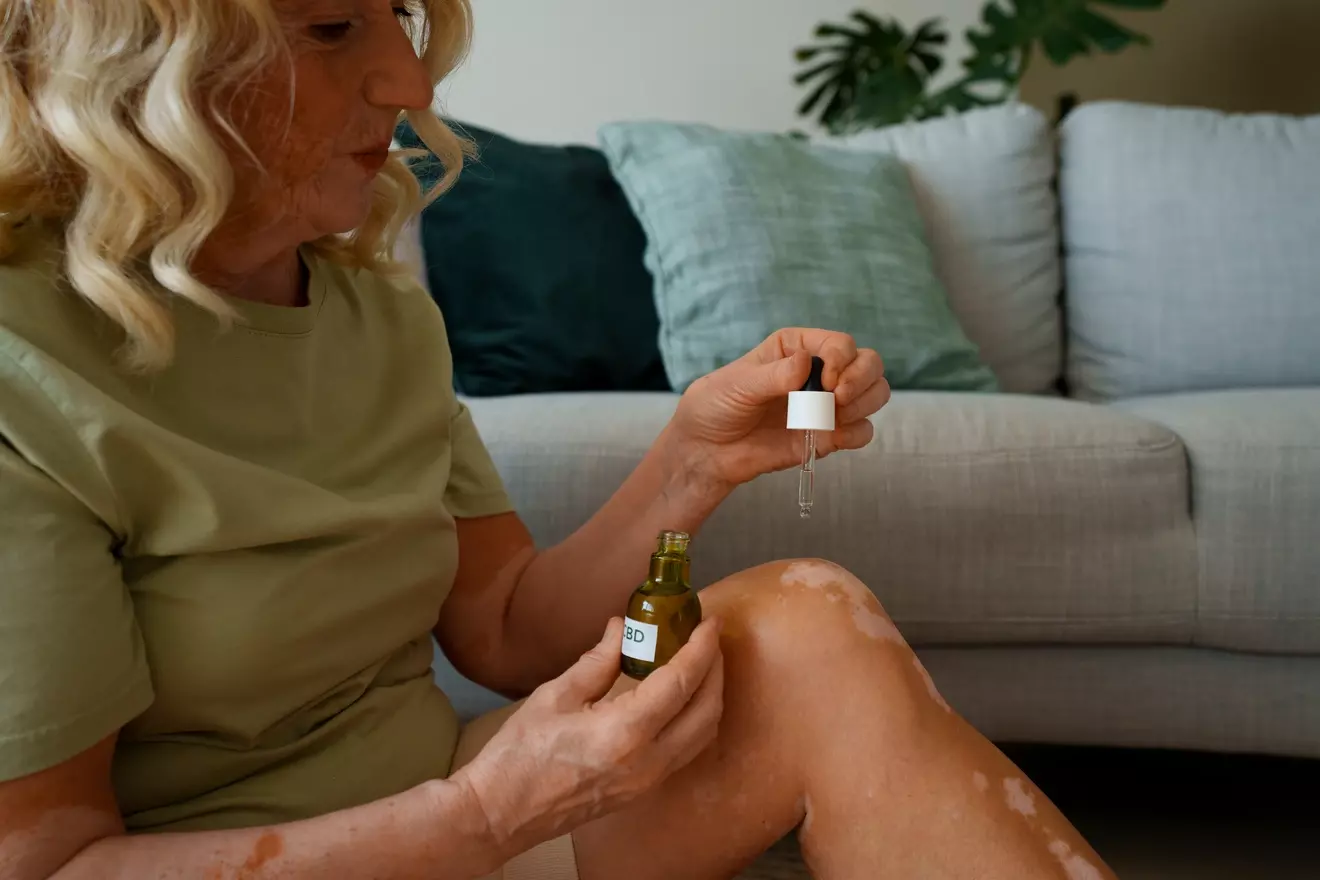
More people are looking into natural ways to treat skin issues. This includes using essential oils and castor oil for skin cancer. At Liv Hospital, we focus on giving top-notch, honest healthcare. We look into the science behind using these oils for skin cancer treatment.
Recent studies show there’s not much scientific proof that castor oil can treat skin cancer. We stress the need to stick with proven medical treatments. At the same time, we look into the good and bad sides of these natural remedies.
Key Takeaways
- The use of essential oils and castor oil for skin cancer treatment lacks substantial scientific evidence.
- Established medical treatments remain the primary recommendation for skin cancer care.
- We investigate the oils as possible complementary therapies.
- Liv Hospital is dedicated to providing complete, evidence-based healthcare services.
- Patients should talk to healthcare experts before trying alternative remedies.
The Reality of Skin Cancer: Types, Causes, and Standard Treatments
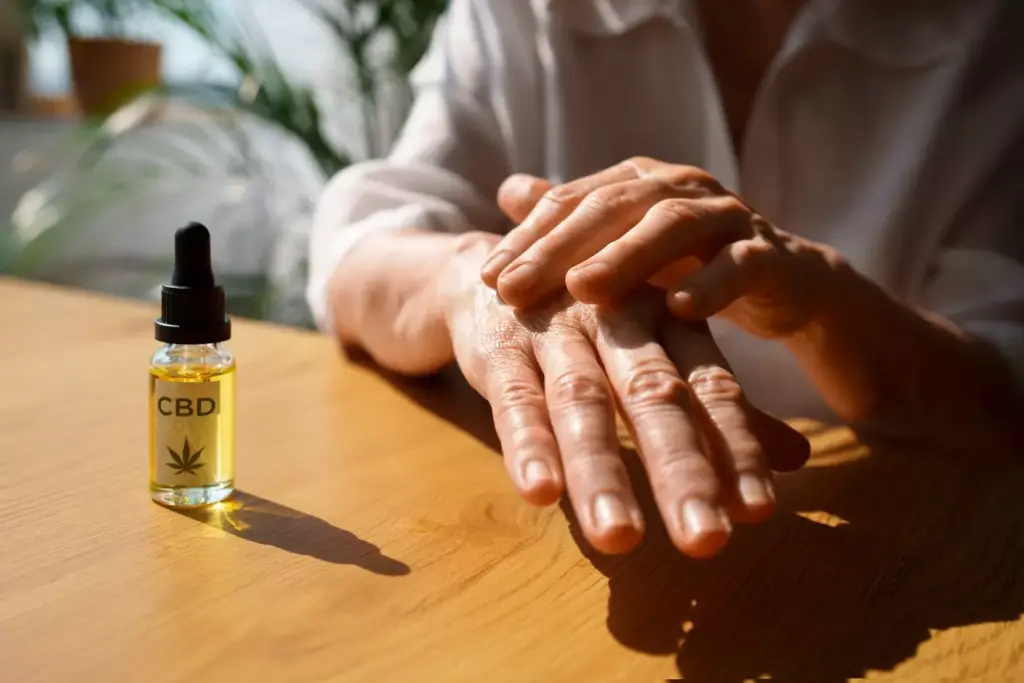
Skin cancer is a serious disease that affects millions worldwide. It’s important to know about its different types. It’s the most common cancer globally, posing a big health challenge.
Common Types of Skin Cancer and Their Characteristics
Skin cancer has several types, each with its own traits. The most common ones are:
- Basal Cell Carcinoma (BCC): BCC grows slowly and rarely spreads.
- Squamous Cell Carcinoma (SCC): SCC is more aggressive and can spread if not treated quickly.
- Melanoma: Melanoma is less common but the most dangerous because it can spread widely.
Risk Factors and Prevention Strategies
Knowing the risk factors is key to preventing skin cancer. Main risk factors include:
- UV Exposure: Too much UV radiation from the sun or tanning beds.
- Fair Skin: People with fair skin are at higher risk because they have less melanin.
- Family History: Having a family history of skin cancer increases your risk.
To prevent skin cancer, use sunscreen, wear protective clothes, and stay out of the sun during peak hours.
Evidence-Based Medical Treatments
There are proven treatments for skin cancer, depending on the type and stage. Common treatments are:
- Surgery: Removing the cancer is often the first step for many types.
- Radiation Therapy: Used for cancers that respond well to radiation.
- Chemotherapy: Used for advanced cases or certain types of skin cancer.
Early detection is key to better treatment outcomes. Regular skin checks are very important.
Why People Turn to Natural Remedies for Skin Cancer
More people are looking for new ways to fight skin cancer as it becomes more common. They are worried about the side effects of traditional treatments. They also want to try natural options and need proof they work.
Concerns About Conventional Treatments
Traditional treatments like surgery, chemotherapy, and radiation can harm a lot. They can cause scars, pain, and health problems later on. For example, surgery might leave scars, and chemotherapy can make you tired, lose your hair, and get sick easier.
Because of these risks, many people look for natural remedies. They hope these will have fewer side effects and help them heal in a more natural way. But, it’s important to know if these options are safe and effective.
The Appeal of Natural Alternatives
Natural remedies, like frankincense and castor oil, are becoming popular. People think they can fight inflammation, protect against damage, and even stop cancer. For instance, frankincense oil might slow down cancer cells.
These natural options are appealing because they seem safe and let people take charge of their health. Using them makes people feel like they’re doing something good for themselves.
The Importance of Scientific Validation
Even though natural remedies are tempting, we need to test them scientifically. We need studies and trials to know if they really work and are safe. Without this proof, people might skip treatments that are proven to work.
To show how important this is, let’s look at the evidence for both traditional treatments and natural remedies:
| Treatment Type | Evidence Base | Potential Benefits | Potential Risks |
|---|---|---|---|
| Conventional Treatments | Extensive clinical trials and research | Proven efficacy, standardized protocols | Significant side effects, long-term consequences |
| Natural Remedies | Limited clinical trials, mostly preclinical data | Perceived safety, anti-inflammatory and antioxidant effects | Lack of standardization, interactions with traditional treatments |
This table shows we need more research on natural remedies. We need to find out if they really help and are safe for everyone.
Castor Oil and Skin Cancer: What Research Actually Shows
Castor oil comes from the Ricinus communis plant and might fight cancer. We look at studies on castor oil and skin cancer. We focus on its traditional uses, properties, and the science behind it.
Traditional Uses and Properties of Castor Oil
Castor oil has been used for ages in medicine. It fights inflammation and germs. It’s full of ricinoleic acid, which helps it work.
It’s made from the seeds of the Ricinus communis plant. It’s thick and has a strong taste. Ancient Egypt used it for health and healing.
Antioxidant and Anti-inflammatory Benefits
Castor oil is good for the skin because it’s an antioxidant and anti-inflammatory. Ricinoleic acid in it can reduce inflammation and help skin heal.
Antioxidant Benefits: It protects the skin from damage by free radicals. This can help prevent skin cancer.
Anti-inflammatory Effects: It can lessen the severity of skin problems by reducing inflammation.
Limitations of Current Scientific Evidence
Castor oil might be good for the skin because of its antioxidants and anti-inflammatory effects. But, there’s not much science to prove it fights skin cancer. Most studies were done in labs or on animals. More research is needed to see how it works in people.
| Property | Description | Potential Benefit |
|---|---|---|
| Antioxidant | Protects skin from free radical damage | May reduce risk of skin cancer |
| Anti-inflammatory | Reduces inflammation | May help manage skin conditions |
| Ricinoleic Acid | Primary component of castor oil | Contributes to therapeutic effects |
In conclusion, castor oil might be good for the skin because of its antioxidants and anti-inflammatory effects. But, we don’t have enough science to say it’s a cure for skin cancer. More research is needed to know its true benefits and limits.
Frankincense Essential Oil: Most Researched Oil for Cancer
Frankincense essential oil is getting a lot of attention in cancer research. We’re looking into its anti-cancer properties and the science behind it.
Active Compounds and Their Proposed Mechanisms
Frankincense oil has compounds like boswellic acids. These are known for their anti-inflammatory and anti-cancer effects. They might stop cancer cells from growing and make them die.
The ways boswellic acids fight cancer are complex. They might block pathways that help tumors grow and spread.
Laboratory Studies on Cancer Cell Lines
Studies have tested frankincense oil on different cancer cells. It has shown to slow down cancer cell growth and cause cell death.
For example, one study found boswellic acids from frankincense oil killed leukemia cells. This suggests frankincense oil could be a helpful treatment for cancer.
Gaps Between Lab Results and Clinical Applications
Lab studies are promising, but there’s a big gap to using it in real treatments. Most evidence comes from lab tests, not human trials. We need more human studies to be sure it’s safe and works.
Also, the quality of frankincense oil can change a lot. It depends on where the resin comes from and how it’s made. We need to standardize it for any future research.
Lavender Essential Oil: Anti-inflammatory Properties and Cancer Research
Lavender essential oil has more than just calming effects. It also has anti-inflammatory properties that might affect cancer cells. We’ll look at the latest research on lavender oil. This includes its benefits for skin health, its possible anti-cancer effects, and safe use.
Known Benefits for Skin Health
Lavender essential oil is known for soothing the skin. Its anti-inflammatory properties can reduce redness and irritation. It’s often used in skin care products.
Research has shown that lavender oil can speed up wound healing. It promotes collagen synthesis and improves tissue repair. Its antimicrobial properties also help prevent infections, which is great for people with skin conditions.
Current Scientific Studies Related to Cancer Cells
Recent studies have looked into lavender essential oil’s anti-cancer effects. In vitro research suggests it can cause cancer cells to die. But, more research is needed to see how it works in humans.
Proper Application Methods and Dilution
When using lavender essential oil for skin, diluting it is key to avoid irritation. A 1-3% essential oil to carrier oil ratio is recommended. For example, mix 5-15 drops of lavender oil with 1 teaspoon of coconut or jojoba oil.
Always do a patch test before using it on more skin. Cancer patients should talk to their healthcare provider before using lavender oil, even if they’re getting conventional treatments.
Tea Tree Oil: Antimicrobial Agent with Cytotoxic Potencial
Tea tree oil is known for its strong antimicrobial action. It’s now being studied for its cytotoxic effects and possible use in cancer treatment. We’ll look at its benefits for skin conditions, its anti-cancer properties, and safety when using it.
Established Benefits for Various Skin Conditions
Tea tree oil is effective against acne, fungal infections, and minor cuts. Its anti-inflammatory properties reduce redness and swelling in various skin conditions.
Key benefits include:
- Antimicrobial action against bacteria, fungi, and viruses
- Anti-inflammatory effects to reduce redness and swelling
- Potential to improve acne by reducing microbial load on the skin
Research on Anti-Cancer Properties
Recent studies have looked into tea tree oil’s effects on cancer cells. The evidence is mostly from lab tests. It suggests tea tree oil might have anti-cancer properties.
Notable findings include:
- Cytotoxic effects against certain cancer cell lines
- Induction of apoptosis (programmed cell death) in cancer cells
- Potential synergistic effects when combined with conventional cancer treatments
Safety Considerations and Contraindications
Tea tree oil has many benefits but must be used safely. Undiluted tea tree oil can irritate the skin. It’s best avoided by those with sensitive skin or allergies.
| Safety Consideration | Precaution |
|---|---|
| Skin Irritation | Dilute tea tree oil with a carrier oil before topical application |
| Allergic Reactions | Perform a patch test before using tea tree oil extensively |
| Internal Use | Avoid ingesting tea tree oil due to possible toxicity |
Myrrh Essential Oil: Ancient Remedy Under Modern Investigation
Myrrh essential oil has a long history in traditional medicine. It’s now being studied for its possible use in cancer treatment. For centuries, it has been used for wound healing and pain relief.
Historical Uses in Traditional Medicine
Myrrh essential oil comes from the Commiphora tree’s resin. It has been a key part of traditional medicine worldwide. It’s used for many health issues, like digestive problems and skin conditions. Its anti-inflammatory and antimicrobial properties help with healing.
Current Scientific Understanding of Anti-Cancer Effects
Recent studies are looking into myrrh essential oil’s anti-cancer effects. Research suggests it might stop cancer cells from growing or make them die. For example, a study found myrrh extract killed certain cancer cells.
But, we need more research to understand how it works in humans. Most studies are in labs or on animals, not humans.
Limitations of Existing Research
While the results are promising, there are big challenges. Most studies are in labs or on animals, not humans. There’s also a big difference in myrrh oil quality and safety depending on where it’s from.
We should keep exploring myrrh essential oil’s benefits in cancer treatment. But, we must do it with caution and more research.
Four Additional Essential Oils with Possible Benefits
We’re looking into more natural ways to fight skin cancer. Four essential oils might help, but they shouldn’t replace doctor’s treatments. They could be used alongside them with a doctor’s advice.
Sandalwood Essential Oil and Alpha-Santalol
Sandalwood oil comes from Santalum trees and has been used for ages. Alpha-santalol, a key part of it, might fight cancer. It could make cancer cells die, slowing down tumor growth.
A study in Cancer Letters showed alpha-santalol might prevent skin cancer in mice. But, we need human studies to know for sure how it helps.
Thyme Essential Oil and Thymol
Thyme oil, full of thymol, might fight cancer and germs. Thymol kills cancer cells, including skin cancer ones.
A study in the Journal of Pharmacy and Pharmacology found thymol kills melanoma cells. But, how much thymol is needed and how to use it needs more study.
Oregano Essential Oil and Carvacrol
Oregano oil, with carvacrol, might fight cancer. Carvacrol kills cancer cells, like melanoma ones.
Research in the Journal of Agricultural and Food Chemistry showed carvacrol kills cancer cells but not normal ones. But, we need more research on oregano oil for skin cancer.
Lemongrass Essential Oil and Citral
Lemongrass oil, with citral, might also fight cancer. Citral stops cancer cells from growing, including skin cancer ones.
A study in Biochemical Pharmacology found citral kills melanoma cells and stops tumors in mice. But, we need more human studies.
In summary, sandalwood, thyme, oregano, and lemongrass oils might help against skin cancer. Their active parts, alpha-santalol, thymol, carvacrol, and citral, show promise. But, always use them with a doctor’s advice and not instead of proven treatments.
Essential Oils and Moles: Separating Fact from Fiction
Essential oils are sometimes seen as a way to get rid of moles. But, it’s important to know what’s true and what’s not. There’s not much scientific proof that certain essential oils can get rid of moles.
Claims About Essential Oils Removing Moles
Some people think that oils like tea tree oil or castor oil can help get rid of moles. They believe this because of their supposed anti-inflammatory and antioxidant effects. But, there’s not enough scientific research to back up these claims.
It’s important to be careful with these claims. Using essential oils on the skin, like on moles, can be risky.
Potential Dangers of Self-Treatment
Using essential oils to try to remove moles can cause problems. For example, using them without diluting or without knowing how can irritate the skin. It can also cause allergic reactions or infections.
“The use of unproven remedies for mole removal can delay diagnosis and treatment of potentially serious conditions like skin cancer.”
Also, trying to remove moles yourself can lead to scarring or changes in the mole’s look. This makes it hard for doctors to check how serious it is later.
When to Seek Medical Evaluation for Suspicious Moles
If you notice any unusual moles or skin changes, see a doctor right away. A doctor can tell if a mole is harmless or if it might be cancer. Early detection is key for treating skin problems well.
A dermatologist will check the mole using the ABCDE rule (Asymmetry, Border, Color, Diameter, Evolving). They might also do a biopsy to find out what the mole is.
Getting professional advice is the best way to get the right care. It helps avoid the dangers of using untested home remedies.
Safety Concerns and Risks of Using Oils for Skin Cancer
Exploring the benefits of essential oils in treating skin cancer is important. But, we must also look at the safety risks. These natural remedies can be promising, but they come with dangers.
Skin Sensitivity and Allergic Reactions
Using essential oils for skin cancer can lead to skin sensitivity and allergic reactions. These oils are very strong and can irritate the skin. Patch testing is key before using any new essential oil, on sensitive areas or compromised skin.
Some people might be more likely to have allergic reactions. This could be because of their skin type or past sensitivities to plant extracts. It’s essential to consult with a healthcare professional before starting any treatment with essential oils, for serious conditions like skin cancer.
Potential Interactions with Conventional Treatments
Another big concern is how essential oils might interact with traditional skin cancer treatments. Some oils could make chemotherapy, radiation, or targeted therapy work better or worse. For example, some oils might make the skin more sensitive to radiation, making side effects worse.
Patients should tell their doctors about any essential oils they’re using or planning to use with traditional treatments. This can help avoid bad interactions and make sure the treatment plan is complete.
Quality, Purity, and Standardization Issues
The quality, purity, and standardization of essential oils are big concerns. The essential oil industry isn’t as tightly regulated as pharmaceuticals. Using high-quality, pure essential oils from trusted sources is important to avoid risks.
Be careful of products that make big claims or are much cheaper than usual. Look for third-party certifications to check the quality of essential oils. Also, knowing the right dilution ratios and how to apply them is key for safe use.
Conclusion: Evidence-Based Approaches to Skin Cancer Management
When dealing with skin cancer, it’s key to use proven methods. Castor oil and essential oils might help, but we need more research. Right now, there’s not enough evidence to say they work well for skin cancer.
Doctors usually use surgery, radiation, and chemotherapy to treat skin cancer. It’s important to talk to a doctor before trying alternative treatments. This is to make sure they won’t harm your regular treatment.
Our study shows we need more research on castor oil and essential oils for skin cancer. Using proven treatments is the best way to help patients. This way, we can offer safe and effective care.
In short, while natural remedies might help, we should focus on proven methods for skin cancer. Patients should work with their doctors to find the best treatment plan. This plan should include treatments that have been shown to work.
Can castor oil and essential oils cure skin cancer?
There’s no solid proof that castor oil and essential oils can cure skin cancer. Some studies hint at their anti-cancer effects. But these findings are mostly from lab tests, not human trials.
What are the standard treatments for skin cancer?
Treatments for skin cancer include surgery, Mohs surgery, radiation, and creams. Always talk to a doctor to find the best treatment for you.
Why do people consider using natural remedies like castor oil and essential oils for skin cancer?
Some people prefer natural remedies because of concerns about treatment side effects. They might want a more natural health approach. But, it’s key to check if these alternatives are backed by science.
What are the possible benefits of using frankincense essential oil for skin cancer?
Frankincense oil might have anti-cancer properties, based on lab studies. Yet, more research is needed to know its true benefits and limits in fighting skin cancer.
Can essential oils be used to remove moles?
No, using essential oils to remove moles is not safe. It can cause skin problems and delay finding out if a mole is cancerous. Always get moles checked by a doctor.
Are there any safety concerns when using essential oils for skin cancer?
Yes, using essential oils can be risky. They might cause skin reactions, allergies, or interact with other treatments. Also, the quality and purity of essential oils vary a lot.
What are the benefits of lavender oil for skin health?
Lavender oil has anti-inflammatory effects, which can be good for the skin. But, its anti-cancer effects are not fully understood yet. More studies are needed.
Can tea tree oil be used to treat skin cancer?
Tea tree oil has antimicrobial and anti-cancer properties, but it’s not proven as a main treatment for skin cancer. More research is required.
What is myrrh oil used for, and does it have anti-cancer properties?
Myrrh oil is used in traditional medicine and might have anti-cancer effects. But, we need more research to know its true benefits and limits.
Are there other essential oils that may be beneficial for skin health or cancer treatment?
Yes, oils like sandalwood, thyme, oregano, and lemongrass might have anti-cancer properties. But, we need more research to understand their benefits and risks.
References
- The ASCO Post. Castor Oil. Retrieved from https://ascopost.com/issues/june-10-2025/castor-oil/
- PubMed / NIH. [Article Title]. Retrieved from https://pubmed.ncbi.nlm.nih.gov/18080873/
- Medisearch. Castor Oil for Skin Cancer. Retrieved from https://medisearch.io/blog/castor-oil-for-skin-cancer