
For active patients with severe hip arthritis or damage, dual hip replacement surgery can change their lives. We examine the pros and cons of this rare procedure, as reported by the CDC.
New advancements in orthopedic care, like the dual mobility hip prosthesis, provide unmatched stability for those with active lifestyles. At places like Liv Hospital, a mix of international expertise and a focus on the patient ensures both mobility and safety.
Those who get double hip surgery often see a big drop in pain and better function. We’ll dive into the benefits and drawbacks of this surgery. This will help active patients make smart choices about their health.
Key Takeaways
- Dual mobility hip implants reduce the risk of dislocation and allow for a greater range of motion.
- These implants are beneficial for patients who want to return to high-risk activities.
- Patients at high risk for dislocation due to spinal surgery or neurologic disorders may benefit from dual mobility implants.
- The dual mobility hip design includes a large plastic head and an additional smaller metal or ceramic head.
- Patients can return to active lifestyles, such as golf, yoga, and hiking, after surgery.
What You Need to Know About Dual Hip Replacement Surgery

If you have problems with both hips, dual hip replacement surgery might be the answer. It’s important to know the different ways this surgery can be done and what they mean.
Dual hip replacement, or bilateral total hip replacement, means both hips get new implants at once. This method is popular with people who stay active. It can lead to quicker recovery and better balance.
Simultaneous vs. Staged Bilateral Procedures
There are two main ways to do dual hip replacement: simultaneous bilateral total hip replacement and staged bilateral procedures. The first means both hips are replaced in one surgery. The second means two surgeries, a few months apart.
Each method has its own pros and cons. Doing both hips at once means less time in recovery. But, it might raise the risk of complications because of longer surgery time and blood loss.
The Growing Popularity Among Active Patients
Dual mobility hip replacements are becoming more popular for younger, active people. They offer less chance of hip dislocation. People who are active like this option because it can help them move better and get back to their activities faster.
a well-known orthopedic surgeon, says, “Dual hip replacement is great for active people who want to get back to their lives quickly.” Many patients who have had this surgery say it greatly improved their life.
“The decision to undergo dual hip replacement was life-changing for me. I was able to return to my favorite sports and activities much sooner than I expected.” – Emily, age 52
Key Differences from Standard Hip Replacement
Dual hip replacement is different from regular hip replacement in a few important ways. The main difference is that both hips are treated at the same time. This can lead to better balance and movement, which is good for those who stay active.
We will examine these differences in more detail as we discuss the pros and cons of dual hip replacement surgery.
Understanding Dual Mobility Hip Implants
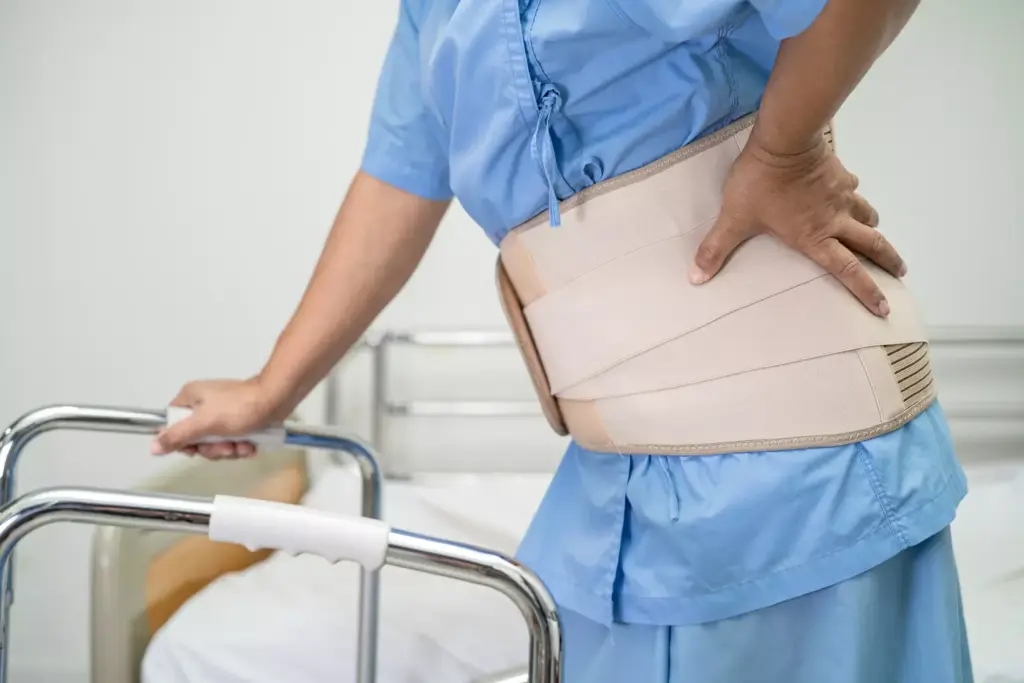
Dual mobility hip implants are a big step forward in hip surgery. They offer better stability and movement. Let’s dive into what makes them great for people who stay active.
The Dual-Bearing Design Explained
Dual mobility hip implants have a special design. They have a big outer head that moves with a polyethylene liner. This liner then moves with a smaller inner head. This setup boosts movement and cuts down on dislocation risks.
This design is perfect for those who need to move a lot. It makes the hip implant more flexible and stable.
How They Differ from Traditional Implants
Traditional implants have just one bearing surface. This can lead to more dislocations, mainly in active people. Dual mobility implants, on the other hand, have two surfaces. This greatly lowers the chance of dislocation.
Research shows dual mobility implants almost eliminate dislocation risks. This makes them a top choice for those who are always on the move.
| Feature | Dual Mobility Implants | Traditional Implants |
|---|---|---|
| Bearing Design | Dual-bearing | Single-bearing |
| Dislocation Risk | Significantly Reduced | Higher |
| Range of Motion | Increased | Limited |
Why They’re Considered for Active Individuals
People who are always active need implants that can keep up. Dual mobility implants are perfect for them. They offer better stability, less chance of dislocation, and more movement.
These implants let active people move naturally and safely. They can go back to their usual activities with more confidence and freedom.
PRO #1: Significantly Reduced Dislocation Risk
Dual hip replacement surgery greatly lowers the risk of dislocation. This is a big plus for those who stay active. The design of the dual mobility hip implant makes it more stable. This is key for keeping an active lifestyle after surgery.
Clinical Evidence on Dislocation Prevention
Studies show that dual mobility hip implants have fewer dislocations than traditional ones. This design makes dislocation much less likely. It gives patients more confidence in moving around.
Orthopedic journals have published research backing this up. The design of dual mobility implants really cuts down on dislocation risk. This is a big plus for those who love to stay active.
Why This Matters for High-Activity Lifestyles
For those who are always on the go, this is a huge advantage. It lets them enjoy their favorite sports and activities without worry. This improves their life quality and keeps them independent.
With dual mobility implants, active people can get back to their usual activities sooner. They can hike, cycle, or do other high-impact sports with less fear of dislocation. This makes these implants a great choice for those who don’t want surgery to slow them down.
Real-World Success Rates
Real data and patient stories confirm the success of dual mobility hip implants. Surgeons and healthcare providers see high success rates with these implants. They note the positive effects on recovery and patient happiness.
Choosing dual hip replacement with these implants means a more stable hip for active people. They can keep their active lifestyle with confidence. The evidence and success stories both show the benefits of this advanced hip replacement technology.
PRO #2: One Recovery Period Instead of Two
Dual hip replacement surgery makes recovery easier by combining it into one period. This means patients only have to go through one recovery, not multiple. It’s a big plus for those who want to get back to their active lives fast.
Streamlined Rehabilitation Timeline
With just one recovery period, the rehab time is much shorter. Patients do physical therapy and rehab just once, not for each hip. This saves time and makes things easier for the patient.
Our data shows that patients with simultaneous surgery have a smoother recovery. They focus on both hips at once, making the recovery more balanced.
Faster Return to Normal Activities
Having one recovery period means patients can get back to their activities sooner. This is great for those who love sports or hobbies, as they can start again without a long wait.
Studies show that dual hip replacement patients get back to normal faster than those with staged surgeries. This is a big win for those who value staying active and independent.
Mental Health Benefits of Single Recovery
The mental benefits of a single recovery period are huge. Surgery and recovery can be tough on the mind. A single recovery helps patients get back to their physical and mental health faster.
We’ve seen that patients with simultaneous surgery often have better mental health. This is because they recover faster and can get back to their activities sooner.
| Benefits | Single Recovery | Multiple Recoveries |
|---|---|---|
| Rehabilitation Time | Streamlined, once | Repeated for each hip |
| Return to Activities | Faster return | Prolonged downtime |
| Mental Health Impact | Reduced stress, improved outcomes | Increased stress, prolonged recovery |
PRO #3: Improved Symmetry and Balanced Movement
Dual hip replacement surgery leads to better symmetry. This is key for athletic performance and mobility. It makes daily activities and sports easier and more efficient.
Benefits for Athletic Performance
For athletes or those who are active, symmetry is very important. Improved symmetry means better movement balance. This lowers injury risk and boosts performance.
Research shows dual hip replacement surgery improves sports and physical activity abilities. It’s a big win for athletes.
- Enhanced balance and coordination
- Improved muscle strength on both sides of the body
- Better overall athletic performance
Long-term Biomechanical Advantages
Dual hip replacement surgery also has long-term benefits. It leads to bilateral symmetry. This means a more natural gait and movement, reducing joint wear and lowering future injury risks.
- Reduced risk of overuse injuries
- Lower likelihood of developing secondary joint problems
- Improved overall quality of life
Patient Experiences with Bilateral Symmetry
Patients after dual hip replacement surgery see big mobility and symmetry gains. They can do activities they loved before, feeling more confident in their movement and balance.
“After my dual hip replacement, I was amazed at how much more balanced I felt. I was able to return to hiking and cycling without any issues.” –
Understanding the benefits of symmetry and balanced movement helps us see the advantages of dual hip replacement surgery for active patients.
PRO #4: Cost-Effectiveness of Combined Procedures
Doing both hips at once can save a lot of money compared to doing them one at a time. This is because combining surgeries can cut down on the total cost of hip replacement.
Financial Comparison: Simultaneous vs. Staged Surgeries
Having both hips replaced at the same time can save money in several ways. Firstly, there’s a reduction in hospitalization costs, as you only need to stay in the hospital once. Also, operating room and anesthesia costs are minimized when you do both surgeries together. A study showed that doing both hips at once can save a lot of money for patients.
Insurance Considerations for Dual Procedures
Insurance is key when planning for dual hip replacement surgery. Many insurance providers cover both hips, but how much they cover can differ. It’s important for patients to talk to their insurance to know what they will have to pay out of pocket.
Long-term Economic Benefits
The long-term savings of dual hip replacement surgery are also important. Doing both hips at once means you don’t need to go through multiple surgeries and recoveries. This means you can get back to work and your normal life faster. This can help the economy and improve your quality of life. Plus, using dual mobility implants can lower healthcare costs in the long run.
While the upfront cost of dual hip replacement might seem high, the long-term savings and benefits make it a good choice for many.
CON #1: Increased Initial Surgical Risks
Thinking about dual hip replacement? It’s key to know the risks first. This surgery has more risks than single hip replacement at the start.
Extended Anesthesia Exposure
One big worry is the long time under anesthesia. This can lead to more problems, mainly for older folks or those with health issues. We must weigh the risks and benefits of this long anesthesia time.
Table: Risks Associated with Extended Anesthesia Exposure
| Risk Factor | Description | Potential Complication |
|---|---|---|
| Age | Patients over 65 years | Increased risk of cognitive dysfunction |
| Pre-existing Conditions | Heart disease, diabetes | Higher risk of cardiovascular events |
| Anesthesia Duration | Longer than 4 hours | Increased risk of respiratory complications |
Blood Loss Considerations
Dual hip replacement can cause a lot of blood loss. This might mean needing blood transfusions. We keep a close eye on blood loss to avoid problems.
Risk Factors That May Disqualify Candidates
Some risks might stop you from getting this surgery. These include serious heart disease, kidney problems, and other health issues. We do detailed checks before surgery to spot these risks.
Knowing these risks helps patients choose wisely. We aim to give personalized care to lower risks and improve results.
CON #2: More Demanding Initial Recovery Phase
Patients who get both hips replaced at once face a tough recovery. Both hips need to heal at the same time. This makes it hard to move and manage pain.
Mobility Challenges When Both Hips Are Healing
The first few weeks after dual hip replacement surgery are tough. Patients struggle to walk, stand, or do simple tasks. This is because both hips are healing together.
To help, doctors suggest using walkers or crutches. Physical therapy is also key. It helps patients get their strength and mobility back.
Pain Management Complexities
Dealing with pain after dual hip replacement surgery is hard. Patients might need different medicines to feel better.
It’s important for patients to work with their doctors. They need a personalized pain management plan. This plan should consider the patient’s health and pain level.
Required Support Systems for Recovery
Recovering from dual hip replacement surgery needs a strong support system. Patients need help with daily tasks like bathing and dressing.
Family or caregivers are essential. They help patients follow their rehab plans and manage their meds. They also help with the recovery’s challenges.
In summary, dual hip replacement surgery has many benefits. But, the start of recovery is hard. Knowing about the challenges helps patients prepare for the journey ahead.
CON #3: Potential Complications Specific to Dual Mobility Implants
Dual mobility implants offer hope but also come with unique risks. It’s important for patients to know these risks, even if they are active. Understanding these complications is key.
Intraprosthetic Dislocation Risks
Intraprosthetic dislocation is a big risk with these implants. It happens when the implant’s inner and outer parts move out of place. While rare, some patients face a higher risk.
Talking to your orthopedic surgeon about your risk factors is vital. They can help you lower this risk.
Wear Patterns and Debris Concerns
Dual mobility implants might wear down faster. This can lead to debris that could cause inflammation or other problems. It’s a concern to watch out for.
- Regular check-ups are key to keeping an eye on the implant.
- Advanced imaging can help spot wear and issues early.
Long-term Monitoring Requirements
Because of these risks, long-term monitoring is a must. Patients with these implants need regular visits to check on the implant’s health. This helps catch and fix any problems early.
Following the recommended follow-up schedule is critical. It helps ensure the implant works well for a long time.
CON #4: Limited Revision Options If Problems Occur
Thinking about dual hip replacement? It’s key to know the limits of revision options. This surgery is great for active people but has its own set of challenges when problems need fixing.
Challenges in Revision Surgery
Revision surgery for dual hip replacements is tougher than the first surgery. It means taking out the old parts and putting in new ones. This is hard because of the changed body and possible bone loss.
- Technical Complexity: The surgery needs a lot of skill and experience. Surgeons have to carefully remove the old implants without causing more harm.
- Bone Loss Concerns: People who had dual hip replacement might lose bone around the implant. This makes the revision surgery harder.
- Increased Risk: Revision surgeries are riskier. They can lead to infections, nerve damage, and dislocation.
Implications for Younger Patients
Younger patients, who are more active and live longer, might need many revision surgeries. The limited options for dual hip replacements can affect them a lot in the long run.
When thinking about dual hip replacement for younger patients, we must think about future surgeries. The implants’ lifespan and new technology are key to making this decision.
Future Technology Considerations
New technology in orthopedics is making hip replacement surgeries better. Future advancements could lead to better implants and less invasive surgeries.
- Advanced Materials: New materials and coatings might make implants last longer and work better.
- Minimally Invasive Techniques: New surgical methods could make recovery faster and reduce problems in revision surgeries.
- Personalized Implants: Custom-made implants based on each patient’s body might improve surgery success rates.
When looking at the limits of revision options for dual hip replacement, we must also think about the benefits. Keeping up with the latest in orthopedic technology is important.
Special Considerations for Younger, Active Patients
Dual hip replacement in younger patients needs a special plan for the best results. Young, active people have unique needs for hip surgery.
Implant Longevity for High-Demand Lifestyles
Young patients with busy lives worry about implant lasting long. We use top materials and designs for durability. Dual mobility implants offer extra stability and last longer.
Highly cross-linked polyethylene and other materials make implants wear less. But, regular check-ups are key to keep implants in good shape.
Activity Modifications After Dual Hip Replacement Surgery
Dual hip replacement boosts life quality but needs some activity changes. We suggest low-impact activities like swimming, cycling, or brisk walking. These are safe and good for health.
High-impact sports like running or jumping should be avoided. This helps prevent implant wear or failure. Our team helps create a plan that fits your activity level and protects your implants.
Expected Timeline for Returning to Sports
When you can go back to sports after surgery varies. It depends on your health, surgery details, and how well you recover. Usually, you can start low-impact sports in 3 to 6 months.
We have a rehab program to help you get strong and mobile again. It’s made just for you, ensuring a safe and successful return to your favorite activities.
Conclusion: Weighing Your Options for Bilateral Hip Problems
Patients with bilateral hip problems need to think carefully about dual hip replacement surgery. We’ve looked at the good sides, like less chance of dislocation and one recovery time. We’ve also talked about the downsides, like higher surgery risks and a tougher recovery.
Research shows that patients having both hips done at once stay in the hospital less. They also save money compared to doing each hip separately. For more details on the good and bad of doing both hips at once, check out Understand Ortho.
Understanding the pros and cons of dual hip replacement is key. This helps you make a choice that fits your life and needs.
FAQ
What is dual hip replacement surgery?
Dual hip replacement surgery, also known as bilateral hip replacement, is a procedure where both hips are replaced with artificial implants. This can happen in one operation or in two separate ones. We use advanced implants designed for active patients. They offer a more natural range of motion and lower risk of dislocation.
What are dual mobility hip implants?
Dual mobility hip implants have a special design. They allow for more movement and less wear on the implant. This makes them great for active people who need a durable and stable hip replacement.
What are the benefits of simultaneous dual hip replacement surgery?
This surgery has many benefits. It means only one recovery period, better symmetry, and possibly lower costs than doing each hip separately. It’s very good for active patients who want to get back to their activities quickly.
What are the risks associated with dual hip replacement surgery?
Like any big surgery, there are risks. These include infection, blood clots, and nerve damage. There are also specific risks with these implants, like dislocation and wear debris. We carefully look at each patient’s risks to try to avoid problems.
How long does it take to recover from dual hip replacement surgery?
Recovery time varies, but usually, it takes several weeks to a few months. We create a personalized plan to help patients get stronger and move better.
Can I return to sports after dual hip replacement surgery?
Yes, many patients can go back to sports and active lifestyles. But, it depends on the implant type and the patient’s health. We help patients safely start activities again.
What are the long-term implications of dual mobility hip implants?
These implants are made to last long, but they might need to be replaced someday. We keep a close eye on patients and talk about long-term plans with them.
How do I know if I’m a candidate for dual hip replacement surgery?
We check your health, hip condition, and lifestyle to see if you’re a good candidate. We consider your age, activity level, and hip condition to suggest the best treatment.
What are the financial considerations for dual hip replacement surgery?
The cost varies based on the implant, surgery type, and insurance. We help patients understand their financial options and insurance.
Are there any activity restrictions after dual hip replacement surgery?
While these implants are flexible, there might be some activity limits to protect the implant. We guide patients on safe activities and precautions to keep their hips healthy.
What is dual hip replacement surgery?
Dual hip replacement surgery, also known as bilateral hip replacement, is a procedure where both hips are replaced with artificial implants. This can happen in one operation or in two separate ones. We use advanced implants designed for active patients. They offer a more natural range of motion and lower risk of dislocation.
What are dual mobility hip implants?
Dual mobility hip implants have a special design. They allow for more movement and less wear on the implant. This makes them great for active people who need a durable and stable hip replacement.
What are the benefits of simultaneous dual hip replacement surgery?
This surgery has many benefits. It means only one recovery period, better symmetry, and possibly lower costs than doing each hip separately. It’s very good for active patients who want to get back to their activities quickly.
What are the risks associated with dual hip replacement surgery?
Like any big surgery, there are risks. These include infection, blood clots, and nerve damage. There are also specific risks with these implants, like dislocation and wear debris. We carefully look at each patient’s risks to try to avoid problems.
How long does it take to recover from dual hip replacement surgery?
Recovery time varies, but usually, it takes several weeks to a few months. We create a personalized plan to help patients get stronger and move better.
Can I return to sports after dual hip replacement surgery?
Yes, many patients can go back to sports and active lifestyles. But, it depends on the implant type and the patient’s health. We help patients safely start activities again.
What are the long-term implications of dual mobility hip implants?
These implants are made to last long, but they might need to be replaced someday. We keep a close eye on patients and talk about long-term plans with them.
How do I know if I’m a candidate for dual hip replacement surgery?
We check your health, hip condition, and lifestyle to see if you’re a good candidate. We consider your age, activity level, and hip condition to suggest the best treatment.
What are the financial considerations for dual hip replacement surgery?
The cost varies based on the implant, surgery type, and insurance. We help patients understand their financial options and insurance.
Are there any activity restrictions after dual hip replacement surgery?
While these implants are flexible, there might be some activity limits to protect the implant. We guide patients on safe activities and precautions to keep their hips healthy.
References
- Yale Medicine. (n.d.). Simultaneous bilateral total hip replacement. Retrieved from https://www.yalemedicine.org/conditions/simultaneous-bilateral-total-hip-replacement Yale Medicine
- Westrich, G. H. (2021, October 3). Dual mobility hip replacement: An attractive option for younger patients. Hospital for Special Surgery. Retrieved from https://www.hss.edu/health-library/conditions-and-treatments/dual-mobility-hip-replacement-for-younger-patients Hospital for Special Surgery
- Next Generation Hip & Knee. (2024, August 30). Is double hip replacement safe? Retrieved from https://www.nextgenerationhipandknee.com/is-double-hip-replacement-safe/ Dr Ugo Ihekweazu
- Blakeney, W. G., Epinette, J-A., & Vendittoli, P-A. (2019). Dual mobility total hip arthroplasty: Should everyone get one? EFORT Open Reviews, 4(9), 541–547. https://doi.org/10.1302/2058-5241.4.180045 PMC
- OrthoIndy. (n.d.). Pros and cons of double joint replacement surgery. Retrieved from https://www.orthoindy.com/blog/pros-and-cons-of-double-joint-replacement-surgery/