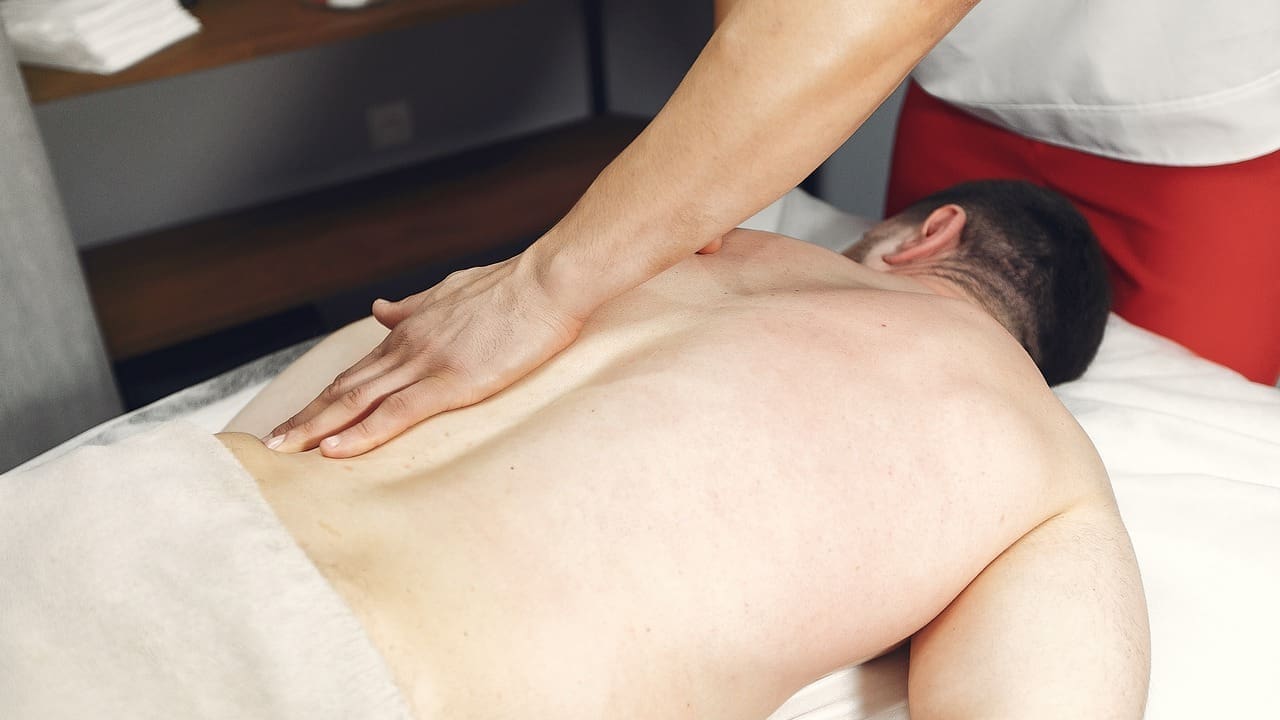
At Liv Hospital, we know how hard chronic pain can make life. It affects 60 to 80 percent of people at some time. We aim to give you back your active life with effective back treatments and natural remedies.
Our team is all about caring for you as a whole. We use non-surgical treatments and holistic therapies to help you feel better naturally. We want to give you the care you need to feel your best.
Key Takeaways
- Effective, non-surgical options for managing chronic pain
- Holistic therapies for complete care
- Personalized treatment plans for the best results
- Expert guidance from a dedicated medical team
- Focus on natural remedies for long-term relief
Understanding the Prevalence and Impact of Back Pain

Back pain is a big health problem worldwide. It affects many people at some point in their lives. It also puts a big strain on healthcare systems and economies.
Statistics on Back Pain Occurrence
Back pain is a top cause of disability globally. Many adults suffer from lower back pain, with some cases lasting a long time. Here are some important statistics:
| Condition | Prevalence | Impact |
|---|---|---|
| Chronic Back Pain | Affects approximately 80% of adults at some point | Leads to significant disability and healthcare costs |
| Lower Back Pain | Common among adults, often persisting for months | Impacts daily activities and quality of life |
Common Causes of Chronic Back Pain
Chronic back pain can come from many sources. These include muscle issues, degenerative diseases, and lifestyle choices. Knowing these causes helps in finding the right treatment.
- Muscle strain due to overuse or improper lifting
- Degenerative disc disease
- Poor posture and biomechanics
The Physical and Emotional Toll of Persistent Back Pain
Persistent back pain hurts not just physically but also emotionally. It can cause depression, anxiety, and lower quality of life. We need to tackle back pain from all angles.
Why Non-Surgical Back Treatments Are Gaining Popularity

More people are choosing non-surgical back treatments for chronic pain. It’s important to know why this is happening.
Limitations and Risks of Surgical Interventions
Surgery for back pain has big risks and downsides. These include surgery complications, long recovery times, and not always fixing the pain. Many are looking for safer options.
Benefits of Conservative Treatment Approaches
Non-surgical spine treatments have many advantages. They often mean less recovery time, fewer risks, and a more natural pain relief. Many find these methods very effective.
| Benefits | Non-Surgical Treatments | Surgical Interventions |
|---|---|---|
| Recovery Time | Typically shorter | Often longer |
| Risk of Complications | Lower | Higher |
| Pain Management | Holistic approach | May not always be effective |
Patient Preferences for Natural Solutions
There’s a big move towards natural back pain solutions. People want treatments that are safe and work well. They’re looking for alternatives that are both effective and safe.
Understanding the downsides of surgery and the upsides of non-surgical treatments helps us see why they’re more popular. It shows why many prefer these options.
Evidence-Based Back Treatments for Chronic Pain Relief
Managing chronic back pain requires understanding and using proven treatment methods. Chronic back pain is complex and needs a full treatment plan.
Physical Therapy Approaches
Physical therapy is key in treating chronic back pain. It includes exercises to boost flexibility and strength, manual therapy, and teaching on posture and body mechanics. Physical therapy can lessen pain, improve function, and better your life quality.
Chiropractic Care
Chiropractic care deals with the spine and musculoskeletal system. Chiropractors use spinal manipulation and other manual therapies. They aim to restore joint mobility, reduce inflammation, and enhance spinal function.
Injection Therapies
Injection therapies, like corticosteroid injections and nerve blocks, can help with chronic back pain. They can lessen inflammation and stop pain signals to the brain. But, they’re usually considered when other treatments don’t work.
When to Consider Medical Interventions
Some chronic back pain cases need medical help. It’s important to talk to healthcare experts to find the right treatment. This depends on the pain’s cause and how severe it is.
Some important points for medical interventions include:
- Severe pain that makes daily activities hard
- Neurological symptoms, like numbness or weakness
- Not getting better with other treatments
Knowing about evidence-based treatments helps people make better choices for their care. This way, they can work towards relieving chronic pain.
The Power of Movement: Exercise-Based Remedies for Back Pain
Movement through exercise is key in fighting back pain. It not only cuts down pain but also boosts function and life quality. We suggest mixing exercises that fit each person’s needs and abilities.
Core Strengthening Exercises
Strengthening the core is vital in managing back pain. It keeps the spine stable and lessens muscle strain. Planks, bridges, and pelvic tilts are great for building core strength.
Flexibility and Mobility Training
Stretching and yoga improve flexibility and motion. They help keep muscles flexible and can be adjusted for any fitness level.
Low-Impact Cardiovascular Activities
Activities like walking, swimming, and cycling are good for the heart without harming the back. They’re low-impact and safe.
Exercises for Lower Back Pain
For lower back pain, try knee to chest stretches, pelvic tilts, and cat-cow stretches. Start slow and build up the intensity.
Exercises for Upper Back Tension
Exercises like shoulder blade squeezes, arm circles, and chest stretches ease upper back tension. They relax tense muscles and better posture.
| Exercise Type | Examples | Benefits |
|---|---|---|
| Core Strengthening | Planks, Bridges | Stabilizes spine, reduces back strain |
| Flexibility & Mobility | Stretching, Yoga | Improves range of motion, reduces stiffness |
| Low-Impact Cardiovascular | Walking, Swimming | Improves cardiovascular health, low strain on back |
Adding these exercises to your daily routine can greatly help with back pain. It can also make you feel better overall.
Holistic Therapies for Back Pain Management
Holistic therapies treat the whole person, not just symptoms. They offer a complete approach to managing back pain. This method can be very effective in finding relief.
Acupuncture and Acupressure Techniques
Acupuncture uses thin needles to stimulate healing and pain relief. It’s based on traditional Chinese medicine. Acupressure, on the other hand, uses manual pressure without needles. Both methods release endorphins, the body’s natural painkillers, to reduce back pain.
Massage Therapy Methods
Massage therapy uses different techniques to relax muscles and improve circulation. It’s very helpful for back pain.
Deep Tissue Massage
Deep tissue massage targets deep muscle layers. It helps alleviate pain and stiffness in the lower back.
Myofascial Release
Myofascial release focuses on releasing tension in the fascia. It’s the web of tissue around muscles. By reducing fascial restrictions, it can significantly decrease back pain.
| Therapy | Description | Benefits for Back Pain |
|---|---|---|
| Acupuncture | Involves inserting thin needles into specific body points | Stimulates healing, releases endorphins |
| Deep Tissue Massage | Targets deeper muscle and connective tissue layers | Reduces pain and stiffness, improves circulation |
| Myofascial Release | Releases tension in the fascia surrounding muscles | Decreases back pain by reducing fascial restrictions |
Mindfulness and Meditation Practices
Mindfulness and meditation help focus on the present moment. They reduce stress and anxiety that can make back pain worse. Regular practice can improve pain management and overall well-being.
Adding these holistic therapies to a treatment plan can greatly improve back pain management. It’s about finding the right combination for each person.
Yoga and Tai Chi: Ancient Practices for Modern Back Problems
Yoga and Tai Chi are becoming popular for back pain relief. These practices help not just with back pain but also improve overall health.
Benefits of Yoga for Back Pain
Yoga combines poses, breathing, and meditation for health. Some Yoga poses are great for back pain.
- Cat-Cow Pose: Warming up the spine and improving flexibility.
- Child’s Pose: Stretches the back and promotes relaxation.
- Cobra Pose: Strengthens the back muscles and improves posture.
Tai Chi Movements for Spine Health
Tai Chi is a slow, meditative exercise. It improves balance, flexibility, and strength. Its movements support spine health.
| Tai Chi Movement | Benefit for Back Pain |
|---|---|
| Grasping the Sparrow’s Tail | Improves flexibility and balance |
| Single Whip | Enhances coordination and strengthens back muscles |
| Playing the Lute | Promotes relaxation and reduces tension |
Integrating Mind-Body Practices into Daily Life
To get the most from Yoga and Tai Chi, add them to your daily routine. Even a few minutes a day can help a lot.
Start with short sessions and increase time as you get more comfortable. Being consistent is important for lasting back pain relief.
Natural Anti-Inflammatory Remedies to Reduce Back Inflammation
Inflammation often causes back pain. There are natural ways to fight it. We’ll look at different remedies that can help lessen back pain by reducing inflammation.
Herbal Supplements with Anti-Inflammatory Properties
Some herbal supplements are great at fighting inflammation. This makes them good for back pain. We’ll talk about two of them.
Turmeric and Curcumin
Turmeric, a spice from Indian food, has curcumin. This compound is very good at fighting inflammation. Curcumin stops inflammatory pathways, which is why it’s great for back pain.
Willow Bark and Other Herbs
Willow bark is another natural remedy. It has salicin, like aspirin. Herbs like ginger and boswellia also help with back pain.
Anti-Inflammatory Foods and Dietary Approaches
What you eat affects inflammation. Eating foods with omega-3s, antioxidants, and fiber helps. Eating foods like fatty fish, leafy greens, and whole grains is good.
| Food | Anti-Inflammatory Property |
|---|---|
| Fatty Fish (Salmon, Sardines) | Rich in Omega-3 fatty acids |
| Leafy Greens (Spinach, Kale) | High in Antioxidants |
| Whole Grains (Quinoa, Brown Rice) | Rich in Fiber |
Essential Oils and Topical Applications
Essential oils like arnica, eucalyptus, and peppermint can help. They can be applied to the skin to reduce inflammation and back pain.
Using these natural remedies daily can help reduce back inflammation and manage chronic pain.
Heat and Cold Therapy: Simple Yet Effective Back Treatments
Heat and cold therapy are simple ways to ease back pain. They have been used for years to help with pain and swelling. You can use them at home easily.
When to Use Heat Therapy
Heat therapy is great for easing stiffness and relaxing muscles. Apply heat to the sore area for chronic back pain or after you’ve been active. Heat boosts blood flow, aiding in healing and pain relief.
When to Use Cold Therapy
Cold therapy is best for reducing swelling and numbing sharp pains. Use cold packs for sudden injuries or pain spikes. Cold therapy tightens blood vessels, which can cut down swelling and pain.
Proper Application Techniques for Maximum Benefit
To get the best results from heat or cold therapy, apply it right. For heat, try a warm bath, heating pad, or warm compress for 15-20 minutes. For cold, use an ice pack or cold compress wrapped in a towel to avoid skin contact, also for 15-20 minutes.
Combining Heat and Cold for Chronic Conditions
For long-term back pain, mixing heat and cold therapy works well. Start with heat to loosen muscles, then switch to cold to fight inflammation. This back-and-forth approach can better manage chronic pain.
Lifestyle Modifications to Prevent and Manage Chronic Back Pain
Making lifestyle changes is key to preventing and managing chronic back pain. Simple changes in daily life can greatly reduce discomfort and improve quality of life.
Ergonomic Adjustments at Home and Work
Good posture is essential to avoid back strain. Make sure your workspace supports your back, with monitors at eye level and a comfortable chair. At home, lift safely and organize spaces to avoid bending and reaching.
Sleep Positions and Mattress Considerations
Our sleep position can affect back pain. A supportive mattress and a sleep position that keeps the spine curved can help. Sleeping on your side with a pillow between your knees is a good option.
Stress Management Techniques
Stress can make back pain worse by tightening muscles. Meditation, deep breathing exercises, and yoga can help manage stress and reduce pain. A healthcare expert says, “Stress management is key to managing back pain.”
“Chronic stress can lead to increased muscle tension, which in turn can worsen back pain. Finding healthy ways to manage stress is essential.”
Weight Management Strategies
Keeping a healthy weight is important for back pain management. Extra weight can strain the back, making pain worse. Eating well and exercising regularly can help maintain a healthy weight and reduce back pain risk.
| Lifestyle Modification | Benefit |
|---|---|
| Ergonomic Adjustments | Reduces strain on the back |
| Proper Sleep Positions | Maintains natural spine curvature |
| Stress Management | Reduces muscle tension |
| Weight Management | Reduces additional strain on the back |
For more tips on managing chronic back pain, check out our resource page for detailed advice.
Conclusion: Creating Your Personalized Back Pain Relief Plan
Managing chronic back pain needs a full approach. This includes non-surgical treatments, holistic therapies, and lifestyle changes. Understanding back pain’s impact helps us start a personalized plan.
Use treatments like physical therapy and chiropractic care. Also, try holistic methods like acupuncture and mindfulness. Exercise, like core strengthening and low-impact activities, can help too.
Think about what you need and like when making a plan. Make your space ergonomic and manage stress. Keeping a healthy weight also helps.
By using these strategies and exploring holistic therapies, you can make a plan that works for you. This way, you can find lasting relief from chronic back pain.
What are the most effective non-surgical treatments for back pain?
For back pain, we suggest physical therapy, chiropractic care, and injection therapies. Also, try holistic methods like acupuncture, massage, and mindfulness. These can help a lot.
How can I ease back pain naturally?
To ease back pain naturally, try exercises like core strengthening and yoga. Also, low-impact activities and tai chi can help manage pain.
What are some natural anti-inflammatory remedies for back pain?
For back pain, use herbal supplements and anti-inflammatory foods. Essential oils can also help reduce inflammation and pain.
How do I know when to use heat or cold therapy for back pain?
Use heat for chronic pain and cold for acute injuries. We’ll guide you on how to apply them for the best results.
What lifestyle modifications can help prevent and manage chronic back pain?
To prevent and manage back pain, make ergonomic changes and improve your sleep. Stress management and a healthy weight are also key.
Can yoga and tai chi really help with back pain?
Yes, yoga and tai chi can help with back pain. They improve flexibility, balance, and strength, and reduce stress.
How can I integrate mind-body practices into my daily routine?
Start with short mindfulness and meditation sessions. Add yoga or tai chi to your daily routine to manage back pain.
Are there any alternative treatments for chronic back pain?
Yes, we offer alternative treatments like acupuncture, massage, and injection therapies for chronic back pain.
How can I create a personalized back pain relief plan?
To create a plan, consult a healthcare professional. They can help with non-surgical treatments, holistic therapies, and lifestyle changes tailored for you.
Can chronic back pain be cured naturally?
Chronic back pain is hard to cure completely. But, natural therapies and lifestyle changes can greatly reduce symptoms and improve life quality.
How can I reduce back inflammation?
To reduce back inflammation, use herbal supplements, anti-inflammatory foods, and essential oils. These can help a lot.
What are the benefits of conservative treatment approaches for back pain?
Conservative treatments like physical therapy and chiropractic care are effective for back pain. They minimize risks compared to surgery.
References
- Healthline: https://www.healthline.com/health/pain-relief/surprising-natural-pain-killers
- Medical News Today: https://www.medicalnewstoday.com/articles/322582