
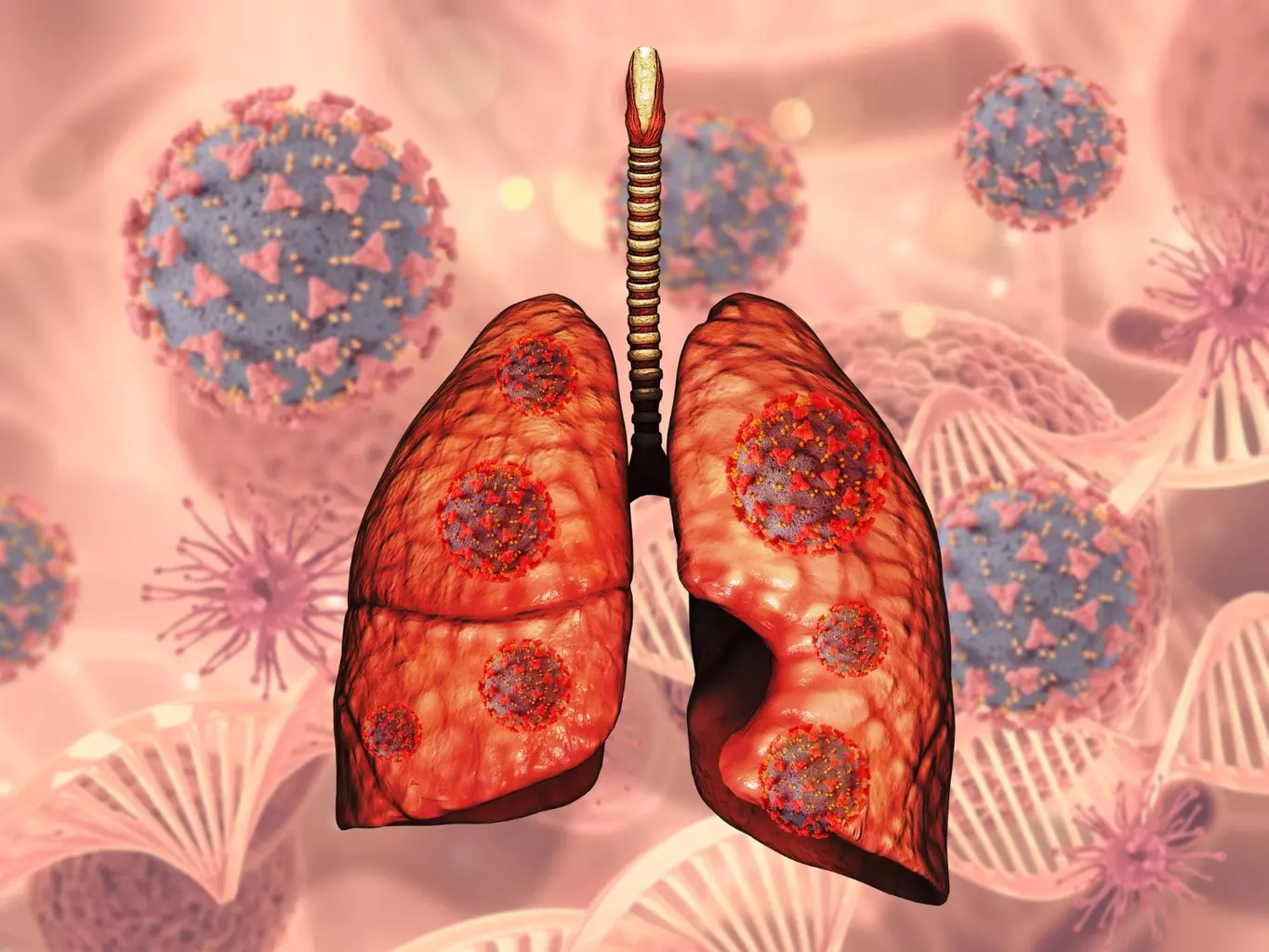
Non-Small Cell Lung Cancer (NSCLC) is a complex disease needing a detailed treatment plan. New research and technology have brought hope to those with NSCLC.
Finding the right treatment options for NSCLC can feel daunting. At Liv Hospital, our team offers patient-focused care. We guide you through the latest in NSCLC treatment.
Studies have shown that immunotherapy and targeted treatments have greatly helped patients. Our experts will help you find the best treatment for your condition. This includes treatments for adenocarcinoma and other NSCLC types.
Key Takeaways
- NSCLC treatment has evolved with advances in immunotherapy and targeted treatments.
- A multidisciplinary approach is key for effective NSCLC care.
- Patient-centered care helps navigate the complexities of NSCLC treatment.
- Recent studies have shown improved outcomes for NSCLC patients.
- Liv Hospital’s experts provide guidance on the most effective NSCLC treatments.
Understanding NSCLC: Types, Staging, and Treatment Selection

Understanding NSCLC is key to creating effective treatment plans for each patient. NSCLC includes adenocarcinoma, squamous cell carcinoma, and large cell carcinoma. Each type needs a different approach.
Adenocarcinoma vs. Non Small Cell Squamous Lung Cancer
Adenocarcinoma is the most common NSCLC type, making up about 40% of cases. It starts in mucus-secreting cells and is found in the lung’s outer parts. Non-small cell squamous lung cancer comes from squamous cells, which line the airways.
The difference between these types is key for choosing the right treatment.
“The type of NSCLC affects treatment choices and outcomes,” studies show. Accurate diagnosis is vital for effective non-small cell lung cancer treatment.
The Importance of Cancer Staging in Treatment Planning
Cancer staging is critical for understanding NSCLC extent and planning treatment. It looks at tumor size, lymph node involvement, and metastasis. Accurate staging is key for choosing the best treatment.
- Stage I: Cancer is localized to the lung.
- Stage II: Cancer has spread to nearby lymph nodes.
- Stage III: Cancer has spread to more distant lymph nodes or other structures.
- Stage IV: Cancer has metastasized to other parts of the body.
Molecular Profiling and Personalized Medicine
Molecular profiling has changed NSCLC treatment by finding genetic mutations that cause tumors. This info helps tailor treatments to each patient’s cancer. For example, some patients with EGFR mutations do better with specific targeted therapies.
Personalized medicine is a big step forward in treating non-small cell lung cancer. It leads to better results and fewer side effects by focusing on each patient’s unique cancer.
“The integration of molecular profiling into clinical practice has transformed the management of NSCLC, enabling more precise and effective treatment strategies.” -Oncologist
Surgical Interventions: The Primary Curative Approach
Surgery is a key part of treating non-small cell lung cancer. It can be a cure for many patients. For early-stage NSCLC, surgery is often the first treatment. It aims to remove the tumor completely.
Types of Surgical Procedures for NSCLC
There are several surgical methods for NSCLC, each with its own benefits. The most common include:
- Lobectomy: This is the standard operation for early-stage NSCLC. It removes the lobe with the tumor.
- Sublobar resection: This includes segmentectomy and wedge resection. It’s used for smaller tumors or in patients with limited lung function.
- Pneumonectomy: This is removing the entire lung. It’s usually for larger tumors or those involving major airways.
We choose the best surgery based on the tumor’s size, location, and the patient’s health.
Minimally Invasive Techniques and Innovations
New surgical techniques have led to minimally invasive methods. These include video-assisted thoracoscopic surgery (VATS) and robotic-assisted thoracic surgery (RATS). They offer:
- Smaller incisions, leading to less pain after surgery
- A lower risk of complications
- Quicker recovery times, so patients can get back to normal activities faster
Minimally invasive surgery is becoming more popular for treating NSCLC. It provides good results and makes patients more comfortable.
Patient Selection and Recovery Expectations
Choosing patients for surgery is a detailed process. It includes lung function tests, imaging studies, and a health assessment. We look at the patient’s age, how well they can perform daily tasks, and any health issues they have.
Recovery times vary based on the surgery and the patient’s health before surgery. Patients usually stay in the hospital for a few days after surgery. We give detailed instructions on postoperative care, like managing pain, breathing exercises, and follow-up appointments. This helps ensure a smooth recovery.
By carefully choosing patients and tailoring surgery to their needs, we can improve outcomes. This increases the chances of a successful non-small cell lung cancer treatment.
Radiation Therapy: Targeted Treatment Options
Radiation therapy is key in treating NSCLC. It offers targeted and effective treatments. Over time, it has evolved to meet different patient needs.
External Beam Radiation for NSCLC
External beam radiation therapy (EBRT) is a common treatment for NSCLC. It uses high-energy beams from outside the body to kill cancer cells. EBRT is great for tumors that can’t be removed or are in sensitive areas, where surgery is too risky.
Technologies like intensity-modulated radiation therapy (IMRT) and image-guided radiation therapy (IGRT) have improved EBRT. They help target tumours more accurately, protecting healthy tissues.
Stereotactic Body Radiation Therapy (SBRT)
Stereotactic Body Radiation Therapy (SBRT) is another important treatment for NSCLC. It gives high doses of radiation in a few sessions, usually one to five. It’s good for early-stage NSCLC patients who can’t have surgery.
- SBRT is quick, with treatments done in a short time.
- It’s effective in controlling tumors locally.
Combining Radiation with Other Treatment Modalities
Radiation therapy is often used with other treatments to improve results. For example, combining it with immunotherapy has shown great promise. This approach can boost the body’s fight against cancer, leading to better survival rates.
- Neoadjuvant radiation therapy can make tumors smaller before surgery.
- Adjuvant radiation therapy can kill any remaining cancer cells after surgery, lowering recurrence risk.
- Palliative radiation therapy helps manage symptoms and improve life quality in advanced NSCLC.
By combining radiation therapy with other treatments, we can offer a full and personalized care plan for NSCLC patients. This approach treats the tumor and considers the patient’s overall health.
Chemotherapy Regimens for Non Small Cell Lung Cancer Treatment
Chemotherapy is key in treating non-small cell lung cancer (NSCLC). It offers different treatments based on the stage and patient needs. We’ll look at the chemotherapy options for NSCLC, their uses, and benefits.
First-Line and Second-Line Chemotherapy Options
For advanced NSCLC, first-line treatment often includes a platinum-based doublet. This can be cisplatin or carboplatin with paclitaxel or pemetrexed. When the disease advances, second-line treatments are considered.
Docetaxel or pemetrexed are common second-line choices. The decision depends on the patient’s health and previous treatments.
Adjuvant and Neoadjuvant Chemotherapy Approaches
Adjuvant chemotherapy is given after surgery to kill any remaining cancer cells. Neoadjuvant chemotherapy is before surgery to shrink tumors. This makes them easier to remove.
For stage II or III NSCLC, adjuvant chemotherapy with a platinum-based regimen is standard. Neoadjuvant chemotherapy is also used for patients with tumors that can be removed.
Managing and Minimizing Side Effects
Chemotherapy can cause side effects like nausea and fatigue. It can also lead to serious issues like neutropenia. We use various methods to manage these side effects and improve patients’ quality of life.
Supportive care, including antiemetics and growth factors, helps reduce chemotherapy’s adverse effects. Personalized care plans are vital in minimizing side effects and maximizing treatment benefits.
Here’s an overview of common chemotherapy regimens for NSCLC:
| Treatment Line | Common Regimens | Key Considerations |
|---|---|---|
| First-Line | Platinum-based doublet (e.g., cisplatin + pemetrexed) | Patient’s overall health, tumor histology |
| Second-Line | Docetaxel, pemetrexed | Previous treatments, performance status |
| Adjuvant | Platinum-based regimen | Post-surgery, stage II or III disease |
| Neoadjuvant | Platinum-based regimen | Pre-surgery, potentially resectable tumors |
Understanding chemotherapy’s role in NSCLC treatment is key to effective treatment plans.
We’ve discussed the various chemotherapy regimens for NSCLC treatment. This includes first-line and second-line options, adjuvant and neoadjuvant approaches, and managing side effects. By understanding these, healthcare providers can create personalized treatment plans that improve patient outcomes.
Adenocarcinoma Lung Cancer: Targeted Therapy Breakthroughs
Targeted therapy has changed how we treat adenocarcinoma lung cancer. It focuses on specific genetic mutations that cause cancer to grow. This is more precise than traditional chemotherapy.
There have been big steps forward, like the creation of EGFR inhibitors. These drugs are key in treating non-small cell lung cancer for those with EGFR mutations. Knowing the genetic profile is key to finding the best treatment.
EGFR Inhibitors and Their Clinical Applications
EGFR inhibitors block the epidermal growth factor receptor, often found in adenocarcinoma lung cancer. This stops cancer cells from growing. Studies show EGFR inhibitors can greatly improve survival and response rates in patients with EGFR mutations.
ALK, ROS1, and Other Actionable Mutations
Other genetic changes like ALK and ROS1 are also targets in non-small cell lung cancer. Crizotinib, a tyrosine kinase inhibitor, works well for ALK-positive NSCLC. ROS1 rearrangements also respond well to crizotinib and other targeted therapies.
We keep learning about the genetic makeup of adenocarcinoma lung cancer. We find new targets and develop new treatments to attack these weaknesses.
Overcoming Resistance to Targeted Therapies
Even with targeted therapies, resistance can develop, limiting their use. To fight this, we’re working on new inhibitors and combination treatments. For example, osimertinib targets EGFR T790M resistance mutations, giving patients a second chance after earlier treatments fail.
By figuring out how resistance works and finding new ways to beat it, we aim to better outcomes for adenocarcinoma lung cancer patients.
Immunotherapy: Transforming NSCLC Treatment Options
Immunotherapy has changed the way we treat non-small cell lung cancer (NSCLC). It uses the body’s immune system to fight cancer. This approach improves treatment results and makes life better for patients.
Checkpoint Inhibitors and Their Mechanism of Action
Checkpoint inhibitors are key in immunotherapy for NSCLC. They let the immune system attack cancer cells more easily. Programmed death-1 (PD-1) inhibitors and programmed death-ligand 1 (PD-L1) inhibitors are examples that work well.
These drugs block the interaction between PD-1 on T cells and PD-L1 on tumor cells. This interaction normally stops the immune system from getting too active. By blocking it, checkpoint inhibitors help the immune system fight cancer better.
Biomarkers for Immunotherapy Response
Finding biomarkers for immunotherapy response is important. PD-L1 expression is a key biomarker for NSCLC. Patients with high PD-L1 expression do better with checkpoint inhibitors.
- Tumor Mutational Burden (TMB): High TMB means better response to immunotherapy.
- Microsatellite Instability (MSI): MSI-high status also predicts better response to checkpoint inhibitors.
- Other Emerging Biomarkers: Researchers are looking for more biomarkers, like gene profiles and immune cell signatures.
Long-term Outcomes and Durable Remission
Immunotherapy can lead to long-lasting remissions in some NSCLC patients. Studies show that some patients stay in remission even after treatment ends.
- Improved Survival Rates: Immunotherapy has led to better survival rates for NSCLC patients.
- Durable Responses: Some patients have long-lasting responses, with ongoing follow-up needed to understand these responses fully.
- Ongoing Research: More research aims to improve immunotherapy, find better biomarkers, and understand resistance.
As we keep improving immunotherapy for NSCLC, we’re seeing a big change in treatment. This offers new hope for patients and doctors alike.
Combination Approaches for Metastatic Non-Small Cell Lung Cancer Treatment
Combination treatments have changed how we fight metastatic NSCLC. They offer hope for better results. Using more than one treatment at a time is now key in treating this disease.
There’s a big change in how we treat metastatic NSCLC. We’re trying out different combinations. These include mixing chemotherapy with immunotherapy, using two immunotherapies together, and adding targeted therapy to immunotherapy.
Chemoimmunotherapy Combinations
Chemoimmunotherapy is a new and promising way to treat metastatic NSCLC. It combines chemotherapy with immunotherapy. This mix boosts the immune system’s fight against cancer.
A study in the New England Journal of Medicine showed great results. Adding pembrolizumab to chemotherapy made patients live longer, and their cancer didn’t grow as fast.
“The addition of pembrolizumab to chemotherapy resulted in a significant improvement in overall survival, with a hazard ratio of 0.64.”
| Treatment Regimen | Overall Survival (months) | Progression-Free Survival (months) |
|---|---|---|
| Chemoimmunotherapy | 15.6 | 6.5 |
| Chemotherapy alone | 10.3 | 4.8 |
Dual Immunotherapy Regimens
Dual immunotherapy combines two immunotherapies to fight cancer better. Early trials show it works well, with better results and longer life for patients.
For example, nivolumab and ipilimumab together have shown to help patients live longer and respond better than nivolumab alone.
Targeted Therapy Plus Immunotherapy Strategies
Targeted therapy with immunotherapy is another promising mix. It uses drugs that target specific cancer mutations, like EGFR or ALK, with immunotherapy. This combo has shown great results in some patients.
We’re excited about these combinations. They might help patients who don’t respond well to single treatments. This could lead to better outcomes for more people.
In summary, combining treatments has changed how we fight metastatic NSCLC. We’re eager to keep finding and testing new combinations to help patients more.
Palliative Care and Symptom Management for Advanced Non-Small Cell Carcinoma
For those with advanced non-small cell lung cancer (NSCLC), palliative care is key. It helps manage symptoms and boosts quality of life. As the disease gets worse, patients face many tough symptoms.
Palliative care focuses on easing symptoms and stress from serious illnesses. For advanced NSCLC patients, it’s vital. It meets the complex needs that come with the disease’s progression.
Managing Respiratory Symptoms and Complications
Respiratory symptoms are common in advanced NSCLC. These include shortness of breath, cough, and sometimes coughing up blood. It’s important to manage these symptoms well to keep patients comfortable.
- Oxygen therapy to alleviate dyspnea
- Palliative chemotherapy or radiation to reduce tumor size and alleviate symptoms
- Bronchoscopic interventions for managing airway obstruction
Handling respiratory symptoms needs a team effort. Pulmonologists, palliative care specialists, and others work together.
Pain Control and Quality of Life Considerations
Pain is a big issue for many with advanced NSCLC. It affects their quality of life and overall well-being. Good pain management is a key part of palliative care.
| Pain Management Approach | Description |
|---|---|
| Pharmacological Interventions | Use of opioids, NSAIDs, and other medications to control pain |
| Interventional Procedures | Nerve blocks, epidural analgesia, and other techniques to manage severe pain |
| Complementary Therapies | Use of acupuncture, massage, and other non-pharmacological methods to enhance pain relief |
Integrating Palliative Care with Active Treatment
Combining palliative care with active treatment for advanced NSCLC is now seen as best practice. This way, patients get symptom management and support while getting treatments aimed at curing or prolonging life.
This approach can lead to better symptom control, improved quality of life, and possibly better treatment results.
As we keep improving NSCLC treatment, the role of palliative care becomes even more important. It helps meet the complex needs of patients with advanced disease. This way, we can greatly enhance their quality of life and care experience.
Conclusion: Advances and Future Directions in NSCLC Treatment
There have been big steps forward in treating non small cell lung cancer (NSCLC). Now, there are many treatment options based on the cancer’s stage and type. The 5-year survival rate for NSCLC varies, from 63% for stage IA to 0% for stage IV. This shows how important early detection and effective treatments are.
Targeted therapies, like EGFR inhibitors for EGFR-mutant adenocarcinoma, have improved survival by about 10 months. ALK inhibitors have shown similar results, with a progression-free survival of 8-12 months for ALK rearrangement patients. Immunotherapy, including checkpoint inhibitors, has also shown great results in treating squamous cell carcinoma and other NSCLC types.
Looking ahead, finding actionable mutations in NSCLC is changing how we treat it. This is leading to personalized therapy options that are making a big difference for patients. Research is ongoing to find new targeted therapies and immunotherapies for NSCLC. This gives us hope for even better treatment options and care for patients in the future.
What are the main types of Non-Small Cell Lung Cancer (NSCLC)?
NSCLC includes adenocarcinoma, non-small cell squamous lung cancer, and large cell carcinoma. Adenocarcinoma is the most common, often found in non-smokers.
How is NSCLC staged, and why is staging important?
Staging NSCLC means finding out how far the cancer has spread. It’s key because it helps decide treatment, predicts how well you’ll do, and finds the best therapies for you.
What is molecular profiling, and how does it impact NSCLC treatment?
Molecular profiling checks the genes of a tumor. It finds specific mutations that can be targeted with treatments. This makes treatments more effective.
What surgical options are available for treating NSCLC?
Treatments include lobectomy, segmentectomy, and wedge resection. New methods like video-assisted thoracoscopic surgery (VATS) are used to cut recovery time and risks.
How does radiation therapy work in treating NSCLC?
Radiation therapy kills or slows cancer cells with high-energy beams. It’s used alone or with other treatments, like stereotactic body radiation therapy (SBRT).
What chemotherapy regimens are used to treat NSCLC?
Chemotherapy for NSCLC often starts with platinum-based combinations. For those who don’t respond, second-line treatments may include different drugs or targeted therapies based on genetic tests.
What are targeted therapies, and how are they used in adenocarcinoma lung cancer?
Targeted therapies target cancer cells with specific genetic mutations. In adenocarcinoma, treatments like EGFR inhibitors are used for patients with certain mutations.
How does immunotherapy work in treating NSCLC?
Immunotherapy boosts the body’s fight against cancer cells. It’s most effective for patients with certain biomarkers, like PD-L1 expression.
What combination approaches are used to treat metastatic NSCLC?
For metastatic NSCLC, treatments combine chemotherapy, immunotherapy, and targeted therapies. These combinations aim to better outcomes and manage side effects.
What role does palliative care play in managing advanced NSCLC?
Palliative care focuses on symptom management and improving quality of life for advanced NSCLC patients. It’s used alongside active treatments for a holistic approach.
What are the benefits of participating in clinical trials for NSCLC treatment?
Clinical trials offer new treatments not yet available. They help advance NSCLC care and improve patient results.
How can patients with NSCLC benefit from personalized medicine?
Personalized medicine tailors treatments to a patient’s genetic profile and tumor. It leads to more effective treatments and better outcomes for NSCLC patients.
Reference
National Cancer Institute (NCI). Non-Small Cell Lung Cancer Treatment (PDQ). https://www.cancer.gov/types/lung/patient/non-small-cell-lung-treatment-pdq
Cancer Research Institute (CRI). Immunotherapy for Lung Cancer. https://www.cancerresearch.org/immunotherapy-by-cancer-type/lung-cancer
American Cancer Society (ACS). Non-Small Cell Lung Cancer Treatment by Stage. https://www.cancer.org/cancer/types/lung-cancer/treating-non-small-cell/by-stage.html