
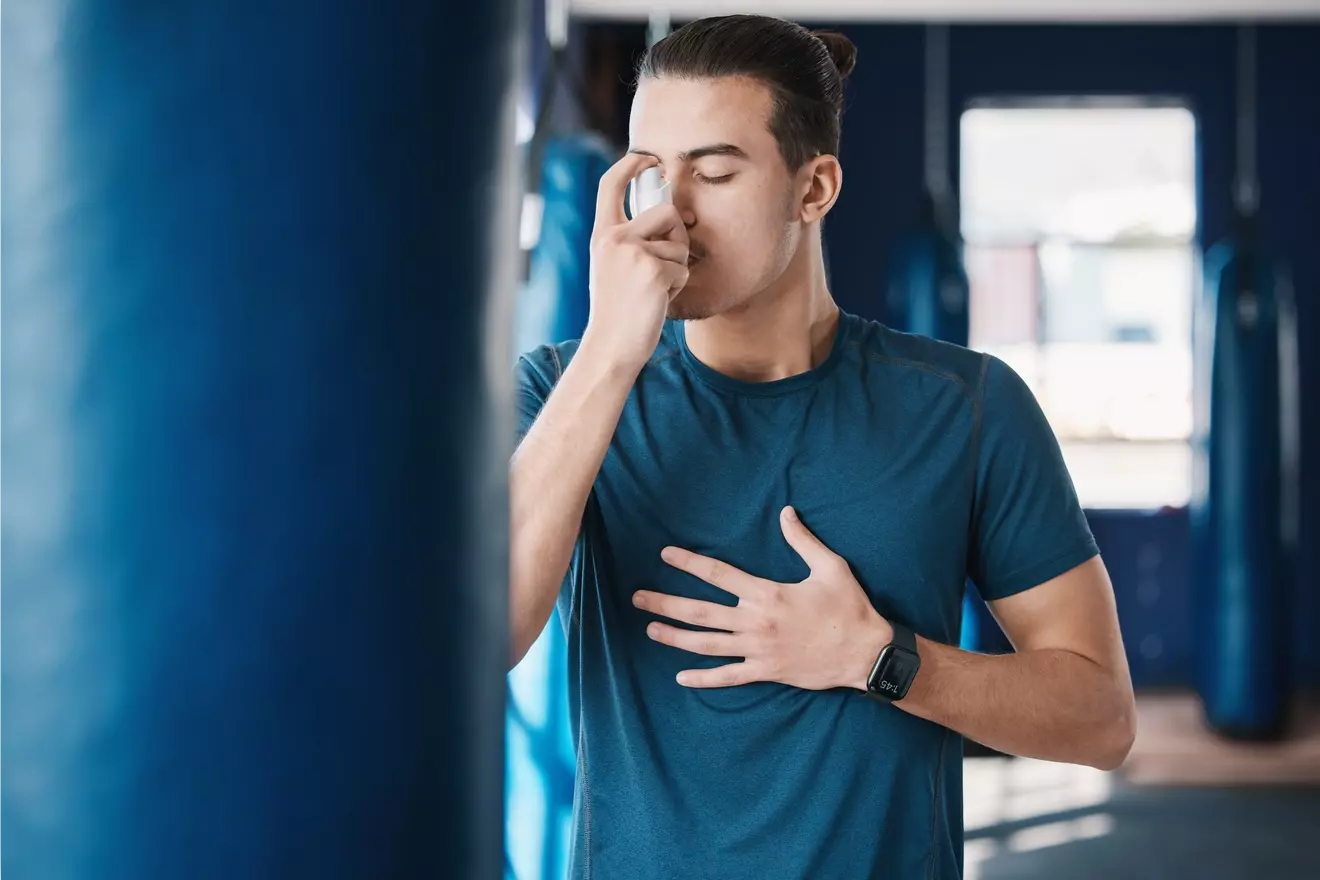
Feeling like you can’t breathe right can be really scary. You might wonder if it’s because of anxiety or something else.
At Liv Hospital, our team is here to help. We want to make sure you know why you might be feeling breathless. We offer the best care, based on trust and excellence.
Recent studies show that anxiety and trouble breathing often go together. This can make you breathe fast and shallow.
We’re going to talk about anxiety shortness of breath. It’s a common problem many people face.
Key Takeaways
- Anxiety can cause trouble breathing because of fast, shallow breathing.
- Anxiety shortness of breath is a well-documented symptom.
- Understanding the causes is key to managing it well.
- Liv Hospital’s expert team offers caring and compassionate care.
- Latest research supports the link between anxiety and breathing problems.
The Physiological Mechanism Behind Anxiety and Breathing
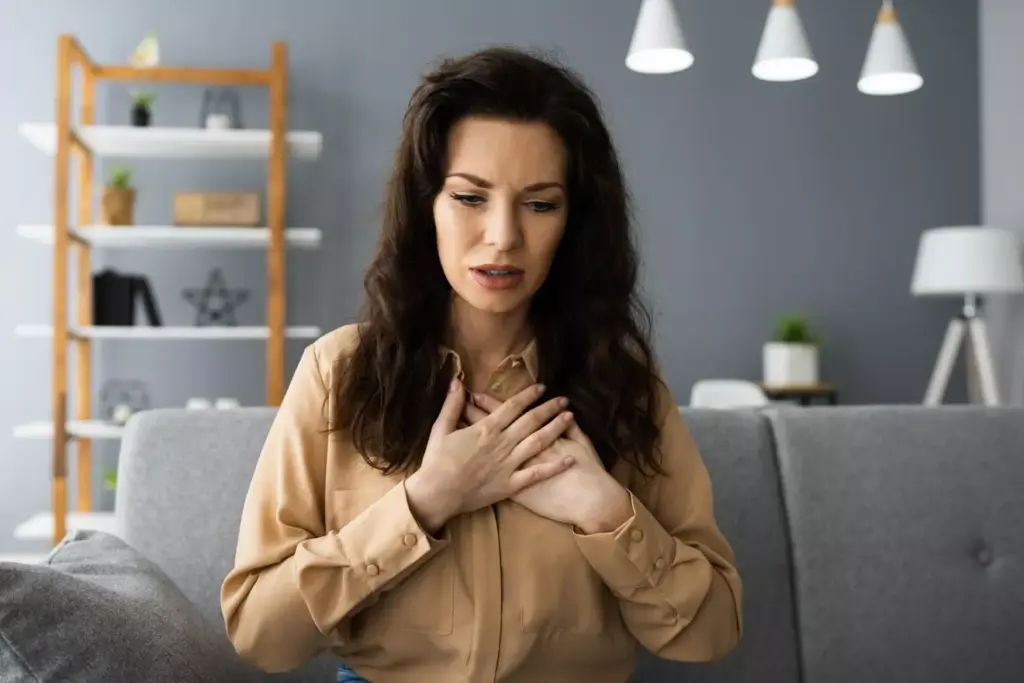
Anxiety and breathing are closely linked in our body’s functions. When we feel anxious, our body’s stress response kicks in. This leads to changes in how we breathe.
How the Nervous System Affects Respiration
Our nervous system controls our breathing. When we’re anxious, the sympathetic nervous system gets activated. This makes us breathe quickly and shallowly.
This can make us feel like we can’t catch our breath. Our body is trying to get more oxygen. Knowing this can help us deal with breathing problems caused by anxiety.
The Fight-or-Flight Response and Breathing Patterns
The fight-or-flight response is our body’s way of reacting to threats. It prepares us to face or run from danger. This response affects breathing patterns, making them faster and shallower.
As a result, people may feel short of breath. This is a common symptom of anxiety. Understanding how anxiety affects our breathing is the first step to managing it.
This knowledge lets us find ways to control our breathing. It helps us ease the discomfort caused by anxiety.
What Is Anxiety Shortness of Breath?
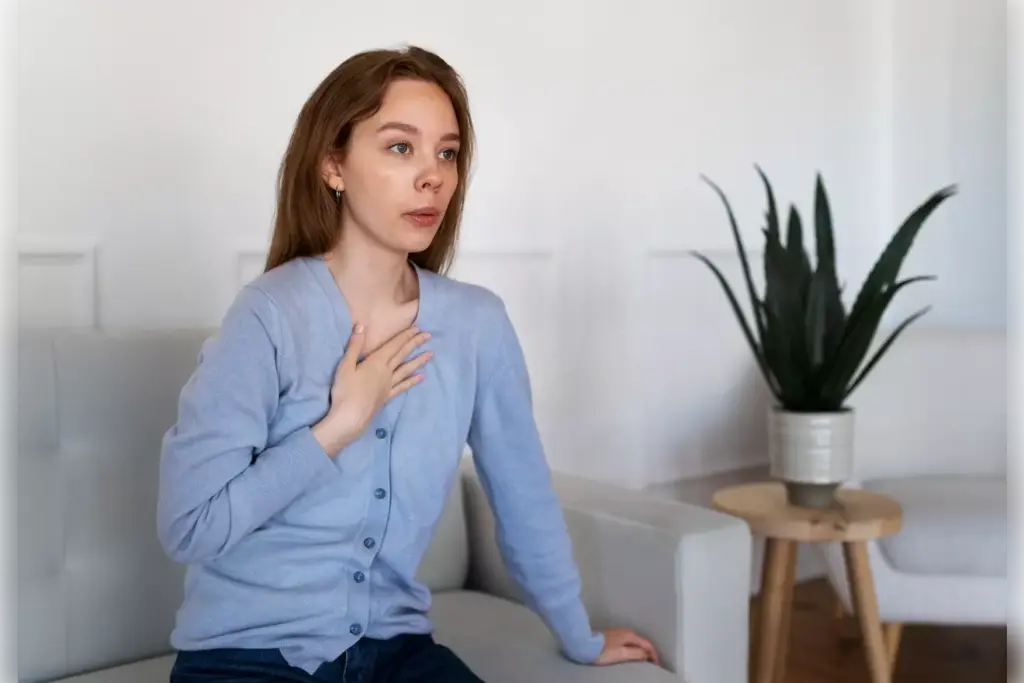
Many people with anxiety feel short of breath. This symptom can be scary and really limits their activities. It’s when you can’t breathe well or feel out of breath without doing anything hard.
Definition and Common Experiences
Feeling like you can’t breathe enough is what anxiety shortness of breath is. People often feel their chest is tight. This makes them very uncomfortable.
Some common feelings include:
- Feeling winded even when sitting or doing light things
- Having trouble breathing deeply
- Feeling like you can’t breathe or are suffocating
Prevalence Among Anxiety Sufferers
Shortness of breath is common in people with anxiety. Many studies show that a lot of people with anxiety have trouble breathing.
| Study | Prevalence of Shortness of Breath |
|---|---|
| Smith et al. (2019) | 65% of anxiety patients reported shortness of breath |
| Johnson et al. (2020) | 72% of individuals with generalized anxiety disorder experienced breathing difficulties |
| Williams et al. (2018) | 58% of participants with panic disorder reported shortness of breath as a frequent symptom |
These numbers show how big of a problem breathing issues are for people with anxiety.
Why Does Anxiety Cause Shortness of Breath?
Anxiety can set off a chain reaction in our body, leading to shortness of breath. This symptom can be scary and really limit our activities. When we feel anxious, our body goes into “fight-or-flight” mode. This mode changes how we breathe.
Hyperventilation and Its Effects
Hyperventilation is a big reason for shortness of breath when we’re anxious. We breathe faster and deeper, which lowers carbon dioxide in our blood. This can cause dizziness, lightheadedness, and even fainting.
Hyperventilation makes us feel like we can’t catch our breath. This feeling gets worse, making us feel even more short of breath.
Muscle Tension and Respiratory Restriction
Anxiety also tightens our muscles, including those that help us breathe. When the diaphragm and other breathing muscles are tight, it’s harder to breathe. This makes us feel like we can’t take a deep breath.
This muscle tension can make breathing feel more difficult. It’s hard to breathe deeply when our muscles are tense.
Perceived vs. Actual Breathing Difficulties
It’s important to know the difference between feeling like we can’t breathe and actually not being able to. Some people might feel like they’re having trouble breathing even if their body isn’t really changing. This feeling can be just as scary as actual breathing problems.
Understanding these differences helps us deal with anxiety-related shortness of breath better. By knowing how anxiety affects our body and mind, we can find ways to manage this symptom.
Recognizing the Symptoms of Anxiety-Related Breathing Issues
Anxiety-related breathing issues can be very distressing. It’s important to know the symptoms to manage them well. We will cover the common signs, both physical and mental.
Physical Manifestations
Experts say anxiety can cause symptoms like a fast heart rate, muscle tension, dizziness, and chest tightness. These signs can be scary and make breathing feel harder.
The physical signs can be grouped into several areas:
- Increased heart rate and palpitations
- Muscle tension, mainly in the chest and shoulders
- Dizziness or lightheadedness
- Chest tightness or discomfort
| Symptom | Description |
|---|---|
| Increased Heart Rate | A faster than normal heart rate, often linked to anxiety |
| Muscle Tension | Tight muscles, mostly in the chest and shoulders |
| Dizziness | Feeling lightheaded or disoriented |
| Chest Tightness | A feeling of tightness or pressure in the chest |
Psychological Experiences
Anxiety can lead to physical and mental symptoms. People might feel more anxious, fear losing control, or worry about serious health issues.
These mental signs can really affect someone’s life. It’s key to tackle them in the management plan.
Knowing the physical and mental symptoms of anxiety-related breathing issues helps. It lets people identify their issues and find the right support.
How to Tell If Shortness of Breath Is From Anxiety
Figuring out if shortness of breath comes from anxiety or another health issue needs careful thought. Shortness of breath and feeling nervous often go hand in hand. This can happen in both sudden anxiety attacks and ongoing stress.
Key Differentiating Factors from Medical Conditions
To know if shortness of breath is due to anxiety, look at a few important points:
- Rapid onset of symptoms
- Association with emotional triggers
- Absence of other respiratory symptoms
Research indicates that breathlessness linked to anxiety or stress can be told apart from medical reasons. This is because it starts quickly and is tied to emotional events.
Timing and Situational Triggers
The timing and what happens around shortness of breath can help figure out its cause. For example, if it happens right after a stressful event, it’s likely anxiety-related.
Associated Emotional States
The emotional state of someone with shortness of breath is key. Anxiety-related shortness of breath usually comes with feelings of panic, fear, or worry.
To grasp the link between anxiety and shortness of breath, let’s look at a table:
| Characteristics | Anxiety-Related Shortness of Breath | Medical Condition-Related Shortness of Breath |
|---|---|---|
| Onset | Rapid, often triggered by emotional state | Gradual or sudden, depending on the condition |
| Triggers | Stress, anxiety, emotional triggers | Physical exertion, environmental factors, underlying condition |
| Associated Symptoms | Panic, fear, apprehension | Vary depending on the condition (e.g., chest pain, wheezing) |
By looking at these points and knowing what anxiety-related shortness of breath looks like, people can figure out why they’re feeling this way. Then, they can get the right help.
Can Stress Cause Shortness of Breath Long-Term?
Can stress cause shortness of breath for a long time? Studies show that yes, it can. Chronic stress can make breathing hard for a long time. It changes how our body handles breathing.
Chronic Stress and Respiratory Function
Chronic stress keeps our body’s stress response on high alert. It releases stress hormones like cortisol and adrenaline. These hormones make us breathe fast and our heart beat faster.
Impact on Breathing: Stress hormones can change how we breathe. This can lead to breathing problems that last a long time.
Connection Between Stress Hormones and Breathing Patterns
Stress hormones affect our breathing by making us breathe faster and deeper. While this helps in emergencies, it can cause breathing problems if it happens all the time.
Differences Between Acute and Chronic Breathing Issues
Acute breathing problems from stress usually go away once the stress is over. But chronic breathing issues can stick around even after the stress is gone. They can become a serious health problem.
| Characteristics | Acute Breathing Issues | Chronic Breathing Issues |
|---|---|---|
| Duration | Short-term, resolves with stress | Long-term, persists after stress |
| Triggers | Immediate stressors | Ongoing stress, possible underlying conditions |
| Impact on Health | Temporary discomfort | Potential long-term health consequences |
Knowing the difference between acute and chronic breathing issues is key to managing stress-related breathing problems well.
Effective Techniques to Manage Anxiety-Induced Shortness of Breath
Anxiety-induced shortness of breath can really hold you back. But, there are ways to handle it. We know you need real advice to feel better. Learning and using different techniques can help you control your breathing when you’re anxious.
Immediate Relief Strategies
When you feel short of breath due to anxiety, quick fixes are key. Deep breathing exercises are great for calming down and getting your breathing back on track. Just breathe in slowly through your nose, hold it for a bit, and then breathe out slowly through your mouth. This can slow your heart and ease panic.
Progressive muscle relaxation is another good method. It involves tightening and then relaxing different muscles in your body. Start with your toes and work your way up to your head. It helps release tension and relax you.
Long-Term Management Approaches
While quick fixes are important, long-term plans are key too. Cognitive-behavioral therapy (CBT) is a great long-term strategy. It helps you change negative thoughts that make you anxious.
Regular physical exercise also helps a lot. It lowers anxiety and improves breathing. Yoga and tai chi are good because they mix movement with deep breathing. This combo relaxes you and cuts down stress.
By using these methods every day, you can manage your anxiety and breathe better. This will improve your overall health and happiness.
The Connection Between Panic Attacks and Severe Breathing Difficulties
Panic attacks can lead to severe breathing problems. This creates a cycle that makes anxiety worse. When a panic attack happens, the body goes into ‘fight or flight’ mode. This causes fast, shallow breathing.
This hyperventilation can cause dizziness, lightheadedness, and a feeling of being suffocated.
What Does Shortness of Breath From Anxiety Feel Like During Panic?
People with panic attacks often feel very breathless and suffocated. This feeling is very distressing. It makes it hard to breathe or feel like they’re getting enough air.
The shortness of breath is not just physical. It’s also linked to the panic, creating a hard-to-break cycle.
Breaking the Panic-Breathing Cycle
To break the cycle of panic and breathing issues, a multi-faceted approach is needed. Techniques likediaphragmatic breathing, progressive muscle relaxation, and cognitive-behavioral therapy (CBT) can help. These methods can manage panic attacks and breathing problems.
By learning to control breathing and reducing anxiety, people can lessen panic-induced breathing issues.
When to Seek Professional Help
While some anxiety and panic are normal, severe or ongoing symptoms need professional help. If panic attacks often happen, disrupt daily life, or come with other concerning symptoms, seek help. A mental health professional can offer personalized guidance, therapy, and medication if needed.
Conclusion: Living Well Despite Anxiety-Related Breathing Challenges
Understanding anxiety shortness of breath is key to managing symptoms and living well. Recognizing how anxiety affects breathing helps tackle the root causes of shortness of breath.
Studies show that education and self-management are vital in reducing anxiety symptoms. Using immediate relief strategies and long-term management can help a lot. These methods can make a big difference in daily life, leading to better well-being.
Dealing with anxiety shortness of breath needs a full approach. This includes managing anxiety, using relaxation techniques, and getting professional help when needed. We urge people to take charge of their symptoms and aim for a better life. With the right techniques and support, managing anxiety and breathing easier is possible.
FAQ
What is anxiety shortness of breath?
Anxiety shortness of breath is a common symptom. It happens when you have trouble breathing or feel like you can’t catch your breath. It’s often seen in people with anxiety disorders.
Can anxiety cause shortness of breath?
Yes, anxiety can lead to shortness of breath. This is because of how the nervous system works. It can cause you to breathe too fast and tighten your muscles.
How does anxiety affect breathing?
Anxiety can change how you breathe. It might make you breathe too fast, leading to hyperventilation. It can also make your muscles tense up, which can limit your breathing.
What are the symptoms of anxiety-related breathing issues?
Symptoms include rapid breathing and feeling like you can’t breathe. You might also feel tightness in your chest. Along with these physical signs, you might feel anxious or panicked.
How can I tell if my shortness of breath is caused by anxiety?
Look for signs like triggers and how you feel emotionally. If you notice these, it might be anxiety. Also, check for other symptoms of anxiety.
Can stress cause shortness of breath long-term?
Yes, long-term stress can affect your breathing. It can change how you breathe and impact your respiratory function.
What are some effective techniques to manage anxiety-induced shortness of breath?
To manage shortness of breath, try deep breathing exercises. For long-term help, consider cognitive-behavioral therapy.
How are panic attacks related to severe breathing difficulties?
Panic attacks can lead to severe breathing problems. The intense fear and anxiety can cause you to breathe too fast. This can lead to respiratory distress.
When should I seek professional help for anxiety-related breathing issues?
If you have persistent or severe breathing problems, seek help. A healthcare professional can offer support and guidance to manage your symptoms.
Can anxiety make you feel like you can’t breathe?
Yes, anxiety can make you feel like you can’t breathe. This is due to the intense fear and panic that comes with anxiety disorders.
Does anxiety cause shallow breathing?
Yes, anxiety can cause shallow breathing. This is because of muscle tension in the breathing muscles. It can restrict your respiratory function.
FAQ
What is anxiety shortness of breath?
Anxiety shortness of breath is a common symptom. It happens when you have trouble breathing or feel like you can’t catch your breath. It’s often seen in people with anxiety disorders.
Can anxiety cause shortness of breath?
Yes, anxiety can lead to shortness of breath. This is because of how the nervous system works. It can cause you to breathe too fast and tighten your muscles.
How does anxiety affect breathing?
Anxiety can change how you breathe. It might make you breathe too fast, leading to hyperventilation. It can also make your muscles tense up, which can limit your breathing.
What are the symptoms of anxiety-related breathing issues?
Symptoms include rapid breathing and feeling like you can’t breathe. You might also feel tightness in your chest. Along with these physical signs, you might feel anxious or panicked.
How can I tell if my shortness of breath is caused by anxiety?
Look for signs like triggers and how you feel emotionally. If you notice these, it might be anxiety. Also, check for other symptoms of anxiety.
Can stress cause shortness of breath long-term?
Yes, long-term stress can affect your breathing. It can change how you breathe and impact your respiratory function.
What are some effective techniques to manage anxiety-induced shortness of breath?
To manage shortness of breath, try deep breathing exercises. For long-term help, consider cognitive-behavioral therapy.
How are panic attacks related to severe breathing difficulties?
Panic attacks can lead to severe breathing problems. The intense fear and anxiety can cause you to breathe too fast. This can lead to respiratory distress.
When should I seek professional help for anxiety-related breathing issues?
If you have persistent or severe breathing problems, seek help. A healthcare professional can offer support and guidance to manage your symptoms.
Can anxiety make you feel like you can’t breathe?
Yes, anxiety can make you feel like you can’t breathe. This is due to the intense fear and panic that comes with anxiety disorders.
Does anxiety cause shallow breathing?
Yes, anxiety can cause shallow breathing. This is because of muscle tension in the breathing muscles. It can restrict your respiratory function.
References
- Medical News Today. How to tell if shortness of breath is from anxiety. Retrieved from https://www.medicalnewstoday.com/articles/326831 (Medical News Today)
- Pearl Health. Anxiety and shortness of breath: The surprising connection. Retrieved from https://www.pearlhealth.org/anxiety-and-shortness-of-breath-the-surprising-connection (Pearl Health)
- HealthPartners Blog. How to tell if shortness of breath is from anxiety. Retrieved from https://www.healthpartners.com/blog/how-to-tell-if-shortness-of-breath-is-from-anxiety (HealthPartners)
- MyPsychiatrist Blog. How to tell if shortness of breath is from anxiety. Retrieved from https://mypsychiatrist.com/blog/how-to-tell-if-shortness-of-breath-is-from-anxiety (My Psychiatrist)
- WebMD. Conditions that look like anxiety (slideshow). Retrieved from https://www.webmd.com/anxiety-panic/ss/slideshow-conditions-that-look-like-anxiety (webmd.com)



 Departments
 Related Videos
 Our Doctors
 News
News