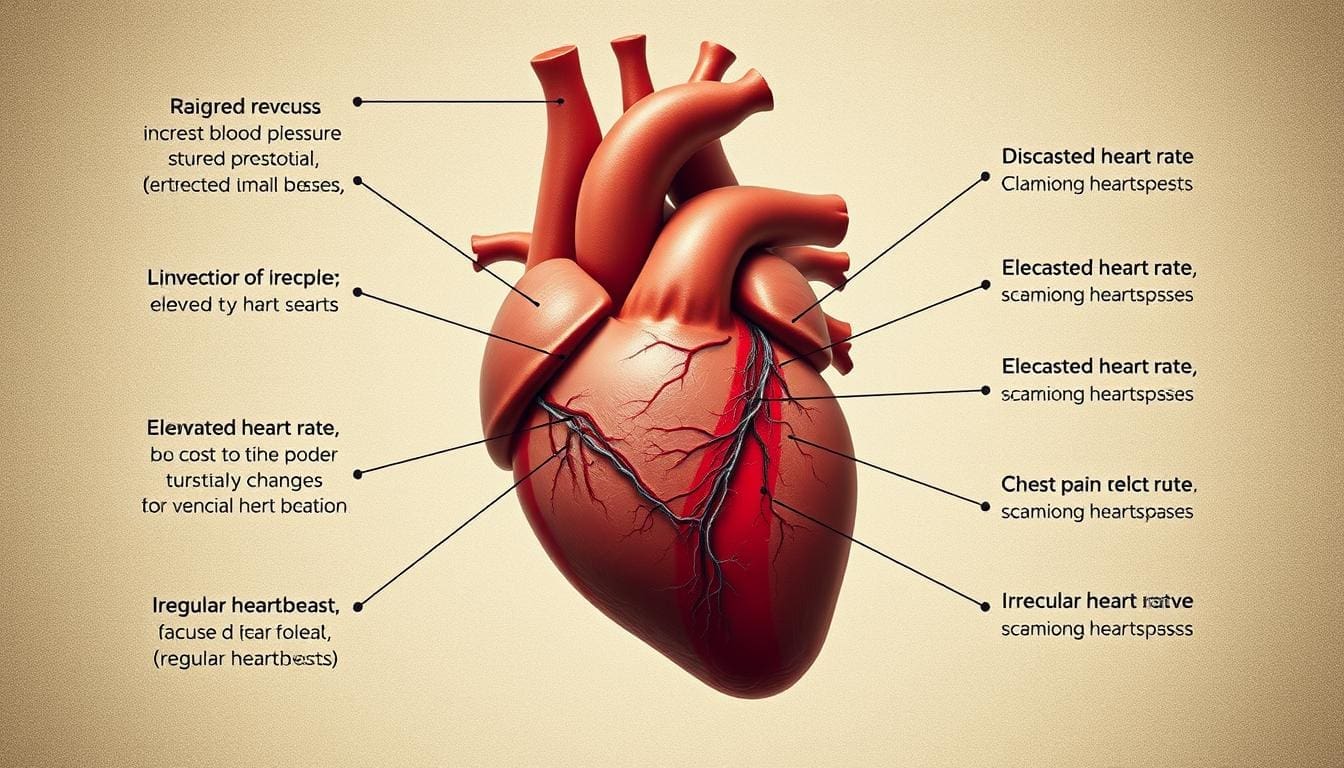
Feeling chest pain can be scary, even more so when it’s tied to stress and emotional turmoil. At Liv Hospital, we focus on you and use proven methods to find and treat heart stress symptoms.
Studies show that stress can make heart problems worse, like palpitations and heart attacks. Symptoms include dizziness, sweating, and feeling pressure in the chest. We aim to help you spot the signs of stress-related heart issues and grasp how stress impacts the heart.
Key Takeaways
- Understand the link between stress and heart-related symptoms.
- Recognize the signs that distinguish stress-related chest pain from other heart conditions.
- Learn how stress affects the heart and overall well-being.
- Discover the importance of seeking medical attention for stress-related heart symptoms.
- Explore Liv Hospital’s approach to diagnosing and treating stress-related heart issues.
The Link Between Stress and Cardiovascular Health
Stress and heart health are closely linked. Chronic emotional stress can lead to heart problems like stress-induced cardiomyopathy.
How the Fight-or-Flight Response Affects Your Heart
When we feel stressed, our body’s fight-or-flight response kicks in. It releases hormones like adrenaline and cortisol. These hormones get our body ready to face danger by speeding up our heart rate and blood pressure.
Key effects of the fight-or-flight response on the heart include:
- Increased heart rate and cardiac output
- Elevated blood pressure
- Redirected blood flow to muscles
This response is meant to protect us in emergencies. But, it can harm our heart if it happens too often or for too long.
Physiological Changes During Acute and Chronic Stress
Acute stress makes our heart rate and blood pressure go up. Studies show that stress can cause these changes, which can hurt our heart health over time.
Chronic stress can cause lasting changes in our body. These include:
- Persistent elevation of blood pressure
- Increased inflammation
- Potential damage to the cardiovascular system
Knowing how stress affects our body is key to preventing heart problems and keeping our heart healthy.
Understanding Chest Pain Stress: Causes and Mechanisms
Stress makes our body react in many ways, including causing chest pain. This symptom can be scary and confusing. Stress can lead to heart and muscle issues, causing pain in the chest.
Muscle Tension and Increased Heart Rate
Stress can make our muscles tight, including those in the chest. This tightness can cause pain or discomfort. It might feel like a heart problem.
Stress also makes our heart beat faster. This is our body’s way of getting ready to “fight or flight.” The fast heartbeat can feel like palpitations or an irregular rhythm, adding to the chest pain feeling.
Coronary Artery Spasms During Stress
Stress can cause the muscles around the coronary arteries to tighten. These spasms can cut down blood flow to the heart. This can lead to chest pain, or angina.
While rare, coronary artery spasms are serious, more so for those with heart disease.
Inflammation and Its Impact on Heart Function
Long-term stress can cause inflammation in the body, including the heart. This inflammation can damage blood vessel linings and make them more prone to blockages. It can also lead to heart disease over time, causing chest pain.
| Cause | Mechanism | Effect on Heart |
|---|---|---|
| Muscle Tension | Tightening of chest wall muscles | Pain or discomfort |
| Increased Heart Rate | Rapid heartbeat due to stress | Palpitations or irregular rhythm |
| Coronary Artery Spasms | Temporary tightening of coronary artery muscles | Reduced blood flow, angina |
| Inflammation | Damage to blood vessel lining | Increased risk of cardiovascular disease |
Stress-Induced Cardiomyopathy Explained
When we face intense stress, our heart can react in unexpected ways. This can lead to stress-induced cardiomyopathy, also known as broken heart syndrome. This condition can mimic a heart attack and cause worry for those affected.
What Is Broken Heart Syndrome?
Broken heart syndrome, or Takotsubo cardiomyopathy, is a temporary heart condition. It weakens the heart muscle, mainly the left ventricle. This can cause symptoms like chest pain and shortness of breath, similar to a heart attack.
But unlike a heart attack, it’s not caused by blocked arteries. Instead, it’s triggered by intense stress.
Key characteristics of broken heart syndrome include:
- Temporary left ventricular dysfunction
- Triggered by intense emotional or physical stress
- Symptoms mimicking a heart attack
- No evidence of significant coronary artery blockage
Triggers and Risk Factors
Stress-induced cardiomyopathy can be triggered by various factors. These include intense emotional stress, like losing a loved one, or physical stress, like a severe illness or surgery. Other risk factors include:
- Severe emotional distress
- Physical stressors like surgery or illness
- Neurological conditions such as stroke or seizure
- Certain medications that cause intense stress reactions
Knowing these triggers is key to identifying those at risk and providing the right care.
Potential Complications and Long-Term Effects
While broken heart syndrome is often reversible, it can lead to serious complications. These include heart failure, arrhythmias, and even rupture of the heart wall in rare cases. The long-term effects can vary, but most people recover fully within a few weeks to months.
Some may experience lingering symptoms or be at increased risk for future heart problems. It’s vital for those who have had stress-induced cardiomyopathy to work closely with their healthcare providers. This is to monitor their condition and manage any ongoing risks.
The 9 Key Symptoms of Stress-Related Heart Issues
Stress and heart health are closely linked. Several symptoms can signal heart problems. It’s important to spot these signs early to get help quickly.
Chest Pain and Pressure
Chest pain is a common sign of heart issues linked to stress. This pain can feel sharp or tight in the chest. Stress-induced chest pain often comes from muscle tension or a faster heart rate. Sometimes, it feels like a heavy weight on your chest.
It’s key to tell stress pain from heart problems. If you have sudden, severe, or ongoing chest pain, get help right away.
Heart Palpitations and Irregular Heartbeat
Heart palpitations are a common symptom of stress-related heart issues. These can feel like your heart is racing, pounding, or fluttering. Stress and anxiety can mess with your heart’s rhythm, causing irregular beats.
- Rapid heart rate
- Irregular heart rhythm
- Pounding or fluttering sensations
If you have ongoing or severe heart palpitations, see a doctor to check for other issues.
Shortness of Breath and Difficulty Breathing
Feeling short of breath or having trouble breathing can be a sign of heart problems related to stress. Stress triggers our “fight or flight” response, leading to fast breathing. This can make you feel like you can’t get enough air.
Key symptoms to watch for:
- Rapid breathing
- Difficulty catching breath
- Feeling of suffocation
If you keep having trouble breathing, get medical help to find out why.
Knowing these 9 symptoms helps us spot heart issues linked to stress. If you notice any, see a doctor for the right care.
Additional Warning Signs Your Heart Is Stressed
Stress can really hurt your heart health. It triggers a “fight or flight” response in our body. This response releases hormones like adrenaline and cortisol. These hormones help us react to stress, but they can also harm our heart.
Fatigue and Weakness
Fatigue and weakness are signs of stress on the heart. When stressed, the heart may not pump blood well. This can make us feel tired all the time.
Research shows stress can cause heart problems like heart failure. It’s important to notice fatigue and weakness as signs of heart stress.
Dizziness and Lightheadedness
Dizziness and lightheadedness are warning signs of heart stress. These symptoms can happen when stress changes our blood pressure or heart rate. If we feel dizzy or lightheaded, it’s key to check if it’s stress or something else.
Key factors to consider:
- Changes in blood pressure
- Heart rate variability
- Dehydration or other underlying conditions
Excessive Sweating and Cold Extremities
Excessive sweating and cold hands and feet can also mean heart stress. Stress can make blood vessels narrow, reducing blood flow. This makes our hands and feet feel cold or clammy.
The following table summarizes the additional warning signs that your heart is stressed:
| Symptom | Description | Possible Cause |
|---|---|---|
| Fatigue and Weakness | Persistent tiredness or feeling unwell | Inefficient blood pumping by the heart |
| Dizziness and Lightheadedness | Feeling dizzy or about to faint | Changes in blood pressure or heart rate |
| Excessive Sweating and Cold Extremities | Cold or clammy hands and feet | Constriction of blood vessels |
Pain in Heart Due to Stress: Characteristics and Sensations
Stress can cause different types of chest pain. It’s important to know these sensations to figure out if the pain is from stress or another heart problem.
Sharp vs. Dull Pain: What Each Might Mean
Stress can lead to sharp or dull heart pain. Sharp pain feels like a sudden stab in the chest, often from acute stress or anxiety. Dull pain feels like a heavy or squeezing feeling and can last longer. Both kinds of pain are serious and need to be checked out.
Location, Duration, and Intensity of Stress-Related Heart Pain
Stress-related heart pain usually happens in the chest. It might spread to the arms, back, or jaw. The pain can last from a few seconds to several minutes. It can feel mild or very severe, like tightness or pressure.
Stress can lead to heart pain and other heart issues. Broken heart syndrome, or stress-induced cardiomyopathy, can make you feel like you’re having a heart attack, with chest pain being a symptom.
Associated Symptoms That May Accompany Chest Discomfort
Chest pain from stress often comes with other signs like palpitations, shortness of breath, or dizziness. In broken heart syndrome, symptoms can be very bad and need quick medical help to make sure there’s no other serious problem.
It’s key to know the signs of stress-related heart pain. If you have unusual or severe chest pain, get medical help right away to find out what’s wrong and how to fix it.
Stress-Induced Heart Attack Symptoms: When to Worry
Stress can lead to heart attack symptoms. It’s important to know when to get help right away. We’ll look at the signs that show if it’s stress or a real heart attack.
Distinguishing Between Anxiety and Heart Attack
It’s hard to tell if heart symptoms come from stress or anxiety. Both can cause chest pain and fast heartbeat. But, the symptoms can be different.
Heart attack symptoms include:
- Chest pain or discomfort that feels like pressure, tightness, or a heavy weight
- Pain or discomfort in one or both arms, the back, neck, jaw, or stomach
- Shortness of breath or difficulty breathing
- Cold sweats or nausea
- Lightheadedness or dizziness
Anxiety can also cause these symptoms. But, it often adds more signs like:
- A sense of impending doom or intense fear
- Trembling or shaking
- Tingling sensations or numbness in the hands or feet
Red Flags That Require Immediate Medical Attention
Some symptoms mean you need to see a doctor fast. If you have:
- Severe chest pain or discomfort that lasts more than a few minutes
- Chest pain that radiates to the arm, neck, or jaw
- Shortness of breath without exertion
- Confusion, lightheadedness, or loss of consciousness
- Severe fatigue or weakness
These signs could mean a heart attack or serious heart problems. Quick medical help is key to avoid serious damage.
The Dangerous Overlap of Symptoms
Stress can make heart symptoms worse. It’s hard to tell if it’s stress or a heart issue. Stress can also cause heart attacks in some people.
It’s always better to be safe. If you’re not sure about your symptoms, go to the doctor. They can check you, do tests, and treat you right.
Knowing about stress and heart symptoms helps you stay healthy. By recognizing signs and getting medical help fast, you can keep your heart safe.
How Chronic Stress Leads to Long-Term Heart Conditions
Chronic stress is more than just a mental issue; it affects our heart health too. We’ll see how long-term stress can cause serious heart problems. This can harm our health and quality of life.
The Cumulative Effect of Stress Hormones
Stress makes our body release hormones like cortisol and adrenaline. These hormones get our body ready to “fight or flight.” But, long-term stress means these hormones stay in our system, harming our heart.
These hormones can cause inflammation in our arteries. This inflammation makes our arteries more likely to get damaged. This damage can lead to atherosclerosis, a condition that increases the risk of heart attacks and strokes.
Blood Pressure Changes and Arterial Damage
Chronic stress can also change our blood pressure a lot. These changes can damage the blood vessels’ inner lining. Over time, this can cause hypertension, a big risk for heart disease.
The constant pressure on our arteries can also make them less flexible. This increases the risk of heart and brain problems. The damage can cause blood clots, which can block blood flow and cause serious health issues.
Stress-Related Lifestyle Factors That Harm Heart Health
Chronic stress often leads to unhealthy habits like overeating, smoking, or drinking too much. These habits can greatly increase heart disease risk. For example, overeating can lead to obesity, a major heart disease risk factor. Smoking damages the heart and increases heart attack risk.
| Lifestyle Factor | Impact on Heart Health |
|---|---|
| Overeating | Leads to obesity, increasing the risk of heart disease |
| Smoking | Damages the cardiovascular system, increasing the risk of heart attacks |
| Excessive Alcohol Consumption | Can lead to high blood pressure and heart failure |
It’s important to understand how chronic stress affects our heart health. By making healthier choices and managing stress, we can lower the risk of heart conditions.
Diagnosing Stress-Related Heart Conditions
Diagnosing stress-related heart conditions requires a detailed medical check-up. We look at physical signs and mental health too.
Medical Tests and Evaluations
To accurately diagnose, we use several tests. These include:
- Electrocardiogram (ECG): Checks heart rhythm and finds any issues.
- Echocardiogram: Looks at heart structure and how it works.
- Stress Test: Sees how the heart acts under stress.
- Blood Tests: Finds signs of heart damage or inflammation.
These tests help us see the heart’s state and find stress-related problems.
Ruling Out Other Cardiac Conditions
It’s key to tell stress-related heart issues from other heart problems. We look at:
- Medical history
- Symptoms and how long they last
- Lifestyle, like diet and exercise
By examining these, we can rule out other heart symptom causes.
The Role of Mental Health Assessment
Mental health is very important in stress-related heart issues. A detailed mental health check helps us understand the psychological side.
“The mind and heart are closely linked; assessing mental health is key in diagnosing and treating stress-related heart conditions.”
We use special tools and interviews to measure stress, anxiety, and other mental health factors. These can affect heart symptoms.
By combining medical tests with mental health checks, we get a precise diagnosis. Then, we can create a good treatment plan.
Treatment Approaches for Stress-Induced Heart Symptoms
Stress can affect the heart in many ways. Luckily, there are several ways to manage these symptoms. Each person’s experience is different, so treatments are tailored to fit their needs.
Medical Interventions and Medications
Medical help is key in treating heart symptoms caused by stress. We might give medicines to ease symptoms like chest pain or shortness of breath. These can include:
- Beta-blockers to lower heart rate and blood pressure
- Anti-anxiety drugs to control stress and anxiety
- Anti-arrhythmic drugs to keep the heart rhythm steady
In some cases, we might suggest tests or procedures to check for heart problems that could be causing symptoms.
Psychotherapy and Counseling Options
Talking therapy is a big part of treating stress-induced heart symptoms. We offer different counseling options to help manage stress and emotions. These can be:
- Cognitive-behavioral therapy (CBT) to change negative thoughts
- Relaxation techniques like deep breathing and meditation
- Stress management counseling to learn coping skills
By focusing on the emotional side of symptoms, we help people find better ways to cope. This improves their overall health and well-being.
Complementary and Alternative Treatments
We also suggest other treatments to help with stress-induced heart symptoms. These can include:
| Treatment | Description | Potential Benefits |
|---|---|---|
| Acupuncture | An ancient method using fine needles on the body | Less stress and anxiety, better heart rate |
| Yoga | A practice combining physical postures, breathing, and meditation | Healthier heart, less stress and anxiety |
| Herbal Supplements | Herbs like ashwagandha and omega-3 fatty acids may help with stress | Less stress and anxiety, better heart health |
Always talk to a healthcare professional before trying new treatments or supplements. This ensures they are safe and work well with your current treatment plan.
Prevention Strategies: Protecting Your Heart from Stress
Managing stress and living a heart-healthy lifestyle can lower heart disease risk. Knowing and using prevention strategies helps keep your heart and overall health in good shape.
Effective Stress Management Techniques
Managing stress is key to avoiding heart problems. Meditation and deep breathing exercises can lower stress and boost heart health. Also, regular physical activity helps reduce stress and improves heart function.
Studies show that adding stress management to daily life can help your heart.
Heart-Healthy Lifestyle Modifications
Living a heart-healthy lifestyle is vital for preventing heart problems. This means eating a balanced diet full of fruits, veggies, and whole grains. It also means drinking less alcohol and avoiding tobacco products.
Health experts say a healthy diet and regular exercise are essential for heart health. They help lower the risk of heart disease.
Building Emotional Resilience
Building emotional resilience is important for managing stress and heart health. It involves learning coping skills, staying connected with others, and getting help when needed.
Emotional resilience helps you deal with stress better. It reduces the chance of heart problems caused by stress. A healthcare expert says, “Emotional resilience is vital for stress management and heart health.”
In summary, protecting your heart from stress needs a mix of stress management, heart-healthy habits, and emotional resilience. By using these strategies, you can lower your risk of heart problems and keep your heart healthy.
Conclusion: Taking Control of Your Heart Health
The connection between stress and heart health is complex. It’s important to understand how stress affects the heart. This knowledge helps us stay healthy.
To keep your heart healthy, you need a plan. This plan should include ways to manage stress and healthy lifestyle choices. Studies show that being proactive can lower heart disease risk.
Try stress-reducing activities like meditation or deep breathing. Eating well and exercising regularly also helps your heart. Start making better choices for your heart today. If you need help, don’t hesitate to ask a professional.
What is stress-induced cardiomyopathy, and how does it affect the heart?
Stress-induced cardiomyopathy, or broken heart syndrome, weakens the heart muscle. It happens due to extreme stress. Symptoms include chest pain and shortness of breath. It’s serious and needs quick treatment.
Can stress cause heart pain, and what are the characteristics of stress-related heart pain?
Yes, stress can lead to heart pain. This pain can be sharp or dull. It can change in location, duration, and intensity. Symptoms also include palpitations, shortness of breath, and excessive sweating.
How does chronic stress lead to long-term heart conditions?
Chronic stress can harm the heart over time. It does this by releasing stress hormones, changing blood pressure, and damaging arteries. Poor diet and lack of exercise also affect heart health.
What are the 9 key symptoms of stress-related heart issues?
The 9 key symptoms are: chest pain and pressure, heart palpitations, and irregular heartbeat. Shortness of breath and fatigue are also symptoms. Dizziness, excessive sweating, and cold extremities are other signs. Pain or discomfort in the arms, back, neck, jaw, or stomach is also common.
How can I distinguish between anxiety and heart attack symptoms?
Anxiety and heart attack symptoms can be similar. But, severe chest pain, difficulty breathing, and pain in the arms, back, neck, jaw, or stomach are red flags. If unsure, seek medical help.
What are the treatment approaches for stress-induced heart symptoms?
Treatments include medical interventions and medications. Psychotherapy and counseling are also options. Stress management, heart-healthy lifestyle, and emotional resilience are key.
How can I protect my heart from stress?
Protect your heart by managing stress and making healthy lifestyle choices. Regular exercise, healthy eating, and enough sleep are important. Building emotional resilience helps too.
Can stress cause a heart attack, and what are the warning signs?
Stress itself doesn’t directly cause heart attacks. But, it can increase the risk. Warning signs include severe chest pain, difficulty breathing, and pain in the arms, back, neck, jaw, or stomach.
How is stress-related heart condition diagnosed?
Diagnosing stress-related heart conditions involves medical tests and evaluations. These include electrocardiograms, echocardiograms, and stress tests. Mental health assessment is also important.
What is the role of mental health assessment in diagnosing stress-related heart conditions?
Mental health assessment is key in diagnosing stress-related heart conditions. It helps identify stress and anxiety that may be causing heart symptoms.
Can stress cause heart palpitations, and how can they be managed?
Yes, stress can cause heart palpitations. Managing stress with relaxation techniques like deep breathing, meditation, or yoga can help.
How does stress affect blood pressure, and what are the long-term effects?
Stress can temporarily raise blood pressure. Chronic stress can lead to sustained high blood pressure. This can damage arteries and increase heart disease risk.
Reference:
- “Stress and cardiovascular disease: an update” — Nature Reviews Cardiology.https://www.nature.com/articles/s41569-024-01024-y (Nature)
- “Stress Can Increase Your Risk for Heart Disease” — URMC (University of Rochester).https://www.urmc.rochester.edu/encyclopedia/content?ContentID=2171&ContentTypeID=1 (University of Rochester Medical Center)
“Stress and Cardiovascular Disease – The Cardiology Advisor” — The Cardiology Advisor site.https://www.thecardiologyadvisor.com/features/stress-and-cardiovascular-disease/ (thecardiologyadvisor.com)