

Undergoing carpal tunnel release surgery can be a significant step towards relieving the symptoms of carpal tunnel syndrome. At Liv Hospital, we understand that patients are eager to know what to expect during the recovery process. Immediately after the procedure, most patients experience relief from nighttime pain and tingling.
However, it’s common to encounter varying degrees of pain and swelling, especially in the first few days. Our patient-centered protocols are designed to guide you through this period, ensuring a smooth and successful recovery. We will walk you through the typical recovery experience, including pain management and rehabilitation, to help you prepare for the journey ahead.
Key Takeaways
- Immediate relief from nighttime pain and tingling after carpal tunnel release surgery
- Varying degrees of pain and swelling in the first few days post-surgery
- Personalized pain management plans to ensure comfort during recovery
- A structured rehabilitation program to restore hand function and strength
- A comprehensive support system to guide you through the recovery process
Understanding Carpal Tunnel Release Surgery
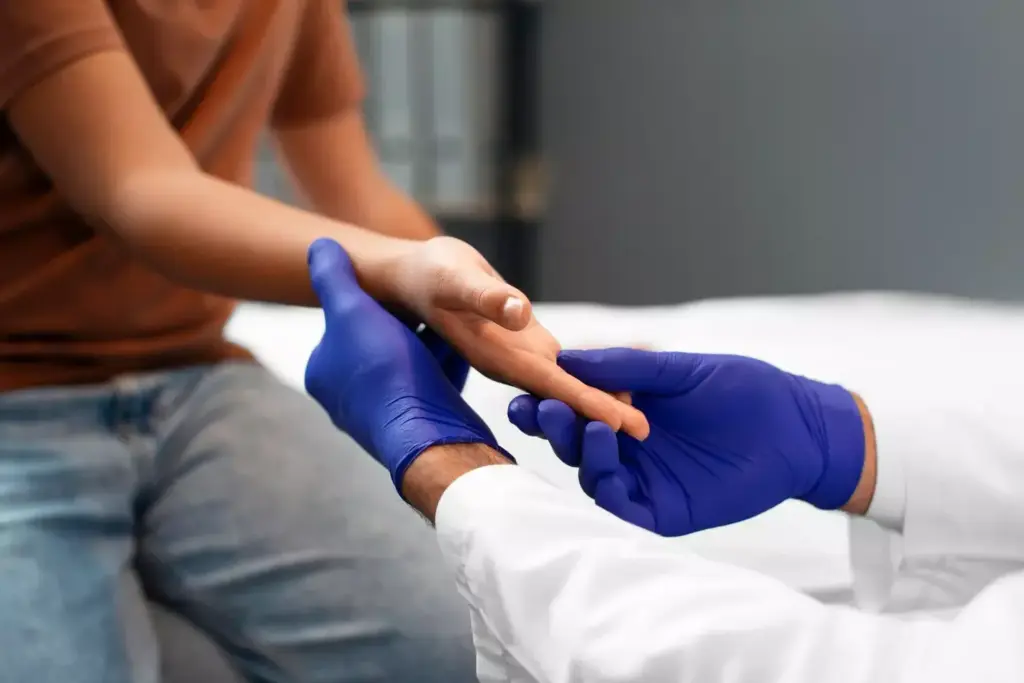
Understanding the intricacies of carpal tunnel release surgery is crucial for patients considering this operation. Carpal tunnel release (CTR) is a surgical procedure performed to alleviate the symptoms of carpal tunnel syndrome, a condition that arises from the compression of the median nerve as it travels through the wrist.
What Is Carpal Tunnel Syndrome?
Carpal tunnel syndrome is a medical condition characterized by numbness, tingling, and weakness in the hand and arm. It occurs when the median nerve, which runs from the forearm into the palm of the hand, becomes pressed or squeezed at the wrist. The compression can result from various factors, including swelling, inflammation, or repetitive motion injuries. The symptoms can significantly impact daily activities, making simple tasks challenging.
Types of Carpal Tunnel Release Procedures
There are primarily two types of carpal tunnel release procedures: open release and endoscopic release. The choice between these procedures depends on various factors, including the severity of the condition, patient preference, and the surgeon’s recommendation.
Open carpal tunnel release involves making a small incision in the wrist to allow the surgeon to cut the transverse carpal ligament, relieving pressure on the median nerve. This traditional method provides a clear view of the area and is often preferred for its simplicity and effectiveness.
Open vs. Endoscopic Techniques
Endoscopic carpal tunnel release, on the other hand, involves the use of a small camera (endoscope) and specialized instruments inserted through one or two small incisions. This minimally invasive technique can result in less post-operative pain and a quicker return to normal activities. However, it may not be suitable for all patients, particularly those with certain anatomical variations or complicating factors.
Both open and endoscopic techniques have their advantages and potential drawbacks. The decision between them should be made after consulting with a healthcare professional, taking into account individual circumstances and needs.
Immediate Post-Surgery Experience: The First 48 Hours

The first 48 hours after carpal tunnel surgery are crucial for setting the stage for a smooth recovery. During this period, patients typically experience varying degrees of pain and swelling, which are normal parts of the healing process.
Bandaging and Wound Care
After carpal tunnel surgery, the hand is usually bandaged to protect the wound. We recommend keeping the bandage clean and dry. It’s essential to follow the surgeon’s instructions regarding bandage removal and wound care to minimize the risk of infection.
Key wound care tips include:
- Keeping the bandage dry
- Avoiding submerging the hand in water
- Monitoring for signs of infection, such as redness or increased swelling
Initial Pain Management
Pain management is a critical aspect of the postoperative care for carpal tunnel surgery. We typically recommend a combination of rest, ice packs, and prescribed pain medication to manage discomfort.
| Pain Management Strategy | Description | Benefits |
|---|---|---|
| Rest | Avoiding strenuous activities | Reduces strain on the wrist |
| Ice Packs | Applying ice to reduce swelling | Helps in pain relief and reduces inflammation |
| Prescribed Pain Medication | Following the surgeon’s prescription | Effectively manages pain |
Swelling and Discomfort Expectations
Swelling after carpal tunnel surgery is common and usually peaks within the first 48 hours. Elevating the hand above the level of the heart can help reduce swelling. We also recommend gentle finger exercises to promote circulation and reduce stiffness.
By understanding what to expect in the first 48 hours after carpal tunnel surgery, patients can better navigate their recovery. It’s crucial to follow postoperative instructions carefully and reach out to healthcare providers with any concerns.
Pain Levels: What to Expect After Carpal Tunnel Surgery
After undergoing carpal tunnel surgery, patients often wonder what to expect in terms of pain and discomfort. While carpal tunnel surgery is generally not considered to be severely painful, some level of discomfort is common, particularly in the initial recovery phase.
Typical Pain Timeline
Pain after carpal tunnel surgery typically follows a predictable pattern. The intensity of pain is usually highest in the first 48 to 72 hours post-surgery. During this period, pain management is crucial, and opioid pain relievers are often prescribed to help manage the discomfort.
As the days progress, the pain gradually subsides, and most patients can transition to over-the-counter pain medications such as NSAIDs or acetaminophen within 2-4 weeks after surgery.
Pillar Pain and Its Duration
Pillar pain, which refers to discomfort at the base of the palm (the “pillar” area), is a common phenomenon after carpal tunnel surgery. This type of pain can vary in intensity and duration among individuals. Generally, pillar pain is most pronounced in the first few weeks and tends to improve as the hand heals.
Pain Differences Between Surgical Approaches
The method of carpal tunnel release surgery—whether open or endoscopic—can influence the level and duration of post-operative pain. Some studies suggest that endoscopic surgery may result in less post-operative pain and quicker recovery compared to open surgery, although individual experiences can vary.
When to Contact Your Doctor About Pain
While some pain is expected after carpal tunnel surgery, there are instances where you should contact your doctor:
- Severe pain not relieved by prescribed medication
- Increasing pain or swelling
- Signs of infection, such as redness, warmth, or fever
- Numbness or tingling that worsens or doesn’t improve
| Post-Surgery Day | Expected Pain Level | Pain Management Tips |
|---|---|---|
| 1-3 | High | Use prescribed opioid pain relievers as directed |
| 4-14 | Moderate | Transition to NSAIDs or acetaminophen; start hand exercises as advised |
| 14+ | Mild to minimal | Continue with NSAIDs or acetaminophen as needed; gradually increase hand activities |
Understanding the pain timeline and management strategies can significantly enhance your recovery experience after carpal tunnel surgery. If you have concerns about your pain or if it’s not improving as expected, it’s essential to consult with your healthcare provider.
The First Week of Recovery
The first week following carpal tunnel surgery is a critical period for recovery and healing. During this time, patients can expect significant progress in their rehabilitation journey.
Bandage Removal and Wound Healing
Typically, the bandage is removed a few days after surgery, and patients are advised on how to care for their wound to promote healing. Keeping the wound clean and dry is essential to prevent infection.
Proper wound care involves gently washing the area with soap and water, then drying it thoroughly. Patients should monitor their wound for signs of infection, such as redness, swelling, or discharge.
Activity Limitations
After carpal tunnel surgery, patients are advised to avoid strenuous activities for several weeks. In the first week, it’s crucial to limit heavy lifting, bending, or any activity that could strain the wrist.
We recommend avoiding activities that involve:
- Lifting objects heavier than 5 pounds
- Making repetitive motions with the hand
- Engaging in strenuous activities like gardening or heavy household chores
Initial Hand Exercises
Gentle hand exercises are encouraged soon after surgery to promote healing and regain hand function. These exercises help reduce stiffness and improve mobility.
Some initial exercises include:
| Exercise | Description | Repetitions |
|---|---|---|
| Wrist Extension | Gently lift the hand up, keeping the arm still. | 5-10 |
| Finger Bending | Bend the fingers toward the palm. | 5-10 |
| Finger Spreading | Spread the fingers apart as far as comfortable. | 5-10 |
Managing Daily Tasks One-Handed
During the first week of recovery, patients often need to adapt to performing daily tasks with one hand. This can include dressing, eating, and personal hygiene.
Tips for managing daily tasks:
- Prepare meals in advance that are easy to reheat.
- Use adaptive tools like a one-handed jar opener.
- Simplify your clothing choices to avoid complicated fasteners.
By understanding what to expect during the first week of recovery, patients can better navigate their rehabilitation journey. Most individuals resume light activities by week two and regain full hand function after 2-3 months.
Weeks 2-4: Progressing Through Recovery
The period between weeks 2-4 post-surgery is crucial for regaining hand functionality. During this time, patients typically start to feel more comfortable and begin to resume their normal activities. We will guide you through what to expect in terms of resuming light activities, the introduction to physical therapy, scar management, and considerations for driving.
Resuming Light Activities
By weeks 2-4, most patients can start resuming light activities, including simple tasks like dressing and preparing meals. It’s essential to gradually increase activity levels to avoid overexertion. Listen to your body and stop if you experience pain or discomfort.
Physical Therapy Introduction
Physical therapy usually begins within a few weeks after surgery, focusing on strengthening and regaining flexibility. A physical therapist will create a personalized exercise program to help you regain hand strength and range of motion. Regular attendance and adherence to the exercise program are crucial for optimal recovery.
| Physical Therapy Component | Description | Benefits |
|---|---|---|
| Range of Motion Exercises | Gentle movements to maintain flexibility | Prevents stiffness and promotes healing |
| Strengthening Exercises | Progressive exercises to build hand strength | Enhances grip strength and functionality |
| Manual Therapy | Therapist-assisted techniques for scar tissue management | Reduces scar adhesions and promotes smooth healing |
Scar Management
Proper scar management is vital for minimizing the appearance of scars and ensuring they don’t become too tight or adherent to underlying tissues. Techniques may include massage, silicone gel or sheeting, and gentle exercises. Consistent scar care can significantly improve the overall outcome of your surgery.
Driving Considerations
When you can resume driving depends on several factors, including the type of surgery you had (open vs. endoscopic), your level of pain, and your ability to control the vehicle safely. Typically, patients who undergo endoscopic surgery may be able to drive sooner than those who have open surgery. It’s crucial to be able to react quickly and safely while driving.
As you progress through weeks 2-4, it’s essential to continue following your surgeon’s instructions and attending follow-up appointments. While significant progress is made during this period, complete strength may take up to a year to recover fully. By understanding what to expect and adhering to your rehabilitation plan, you can optimize your recovery and return to your normal activities.
Returning to Work After Carpal Tunnel Surgery
The timeline for returning to work after carpal tunnel surgery varies significantly based on the nature of one’s job. While some patients can resume their duties within a few days, others may need several weeks off to ensure proper healing.
Timeline for Different Types of Jobs
Patients with desk jobs often find they can return to work within a few days to a week after surgery, provided their job doesn’t require heavy manual labor or repetitive hand movements. On the other hand, individuals engaged in manual labor or jobs that involve heavy lifting, bending, or repetitive tasks may need to take several weeks off. It’s essential to follow the surgeon’s advice regarding when to return to work, as premature return can lead to complications or re-injury.
Workplace Accommodations
Upon returning to work, some patients may require temporary workplace accommodations to facilitate a smooth transition. These can include:
- Adjusting workstations to reduce strain on the hand and wrist
- Modifying tasks to avoid heavy lifting or repetitive movements
- Providing ergonomic tools or equipment
- Allowing regular breaks to rest the hand
Discussing these needs with your employer and providing a doctor’s note can help in making necessary arrangements.
Preventing Re-injury at Work
To prevent re-injury at work, it’s crucial to adhere to the post-operative instructions and rehabilitation plan provided by your healthcare team. This may include performing specific exercises to strengthen the hand and wrist, using protective gear if necessary, and gradually increasing work intensity.
Key strategies for preventing re-injury include:
- Maintaining proper ergonomics at the workplace
- Avoiding activities that exacerbate symptoms
- Regularly exercising to improve hand and wrist strength
- Reporting any discomfort or pain to your supervisor and healthcare provider
By taking these precautions and being mindful of the body’s signals, patients can significantly reduce the risk of re-injury and enjoy a successful return to their job.
Long-Term Recovery Timeline: 1-12 Months
After undergoing carpal tunnel surgery, patients often wonder about the long-term recovery process and what to expect in the months that follow. The long-term recovery timeline after carpal tunnel surgery is a critical aspect of the healing process that patients should be aware of.
Strength Rebuilding Expectations
Rebuilding strength in the hand and wrist is a gradual process that occurs over several months. Most patients can expect significant improvement in strength between 3 to 6 months post-surgery. However, full strength may take up to a year to achieve, especially in severe cases.
We recommend a consistent physical therapy regimen to enhance strength rebuilding. Gentle exercises and gradual progression are key to avoiding re-injury. Patients should work closely with their healthcare provider to develop a personalized exercise plan.
| Timeframe | Strength Rebuilding Expectations |
|---|---|
| 1-3 months | Initial strength improvement, gentle exercises |
| 3-6 months | Significant strength gain, progressive exercises |
| 6-12 months | Full strength achievement, advanced exercises |
Return to Full Activities
Returning to full activities after carpal tunnel surgery depends on various factors, including the type of work or activity and the individual’s overall health. Most patients can resume light activities within a few weeks, while more strenuous activities may take longer.
“It’s essential to follow the surgeon’s guidelines and gradually increase activity levels to avoid complications.”
Residual Symptoms and Their Resolution
Some patients may experience residual symptoms such as numbness, tingling, or pain after carpal tunnel surgery. The resolution of these symptoms can vary, with some improving within a few months, while others may take longer.
We advise patients to be patient and work closely with their healthcare provider to manage any lingering symptoms. In some cases, additional treatment may be necessary to address persistent issues.
When Full Recovery Is Achieved
Full recovery after carpal tunnel surgery is generally achieved within 6 to 12 months. During this time, patients can expect to regain strength, improve hand function, and experience a reduction in symptoms.
By understanding the long-term recovery timeline, patients can better prepare themselves for the journey ahead and achieve optimal outcomes.
Rehabilitation Exercises for Optimal Recovery
A comprehensive rehabilitation program, including specific exercises, is essential for regaining hand function and strength after carpal tunnel surgery. We recommend that patients follow a structured exercise regimen to optimize their recovery.
Early Stage Exercises
In the initial stages following carpal tunnel surgery, it’s crucial to begin with gentle exercises that promote healing and prevent stiffness. Some of the early-stage exercises include:
- Wrist extensions: Slowly tilt your wrist upward, holding for a few seconds before releasing.
- Wrist flexions: Gently bend your wrist downward, holding for a few seconds before straightening.
- Finger bends: Curl your fingers into a fist and then straighten them.
These exercises should be performed gently and within a pain-free range. It’s essential to consult with your healthcare provider before starting any new exercise program after surgery.
Progressive Strengthening Techniques
As your hand begins to heal, you can progress to more strengthening exercises. These may include:
- Using a light grip strengthener or a rubber ball to improve grip strength.
- Performing wrist curls and extensions with light weights.
- Engaging in activities that promote finger dexterity, such as playing a musical instrument or typing.
Progressive strengthening techniques are vital for regaining full hand function and preventing future injuries.
When to Advance Your Exercise Program
The rate at which you advance your exercise program should be guided by your level of comfort and pain. Generally, if you’re experiencing minimal pain and have good range of motion, you can gradually increase the intensity of your exercises. However, it’s crucial to listen to your body and not push through pain.
“The key to successful rehabilitation after carpal tunnel surgery is a gradual and well-planned exercise program. Patients should work closely with their healthcare providers to tailor a program that meets their specific needs.”
By following a structured rehabilitation exercise program, patients can achieve optimal recovery and return to their normal activities with improved hand function and strength.
Conclusion: Life After Carpal Tunnel Surgery
After undergoing carpal tunnel surgery, patients can expect a significant improvement in their symptoms and quality of life. Most patients experience lasting relief from carpal tunnel symptoms after surgery. Understanding what to expect during the recovery process is crucial for a smooth and successful rehabilitation.
Recovery from carpal tunnel syndrome surgery involves a combination of rest, rehabilitation exercises, and pain management. We have outlined the key aspects of the recovery process, including the immediate post-surgery experience, pain levels, and the rehabilitation timeline. By following the recommended rehabilitation program, patients can regain strength and mobility in their hands.
Life after carpal tunnel surgery is generally characterized by reduced pain and improved hand function. Patients can expect to return to their normal activities, including work and daily tasks, within a few weeks to a few months after surgery. With proper care and rehabilitation, the majority of patients achieve full recovery and experience long-term relief from carpal tunnel symptoms.
What is carpal tunnel surgery and how is it performed?
Carpal tunnel surgery, also known as carpal tunnel release, is a procedure to relieve pressure on the median nerve in the wrist. The surgery can be performed using either open or endoscopic techniques, both of which aim to release the compressed nerve by cutting the transverse carpal ligament.
How long does it take to recover from carpal tunnel surgery?
The recovery time can vary, but most patients can expect to return to their normal activities within a few weeks to a few months. Full recovery, including strength rebuilding, can take anywhere from one to twelve months.
What are the differences between open and endoscopic carpal tunnel release?
Open carpal tunnel release involves a larger incision in the palm, while endoscopic release uses smaller incisions and a camera to visualize the area. Endoscopic surgery may result in less post-operative pain and faster recovery, but both methods are effective.
How is pain managed after carpal tunnel surgery?
Pain management typically involves a combination of medication, rest, and ice. Patients are often prescribed pain medication to manage discomfort in the initial stages of recovery.
What are the typical pain levels after carpal tunnel surgery?
Pain levels can vary, but most patients experience mild to moderate pain that improves within the first few days to a week after surgery. Some may experience pillar pain, which can last for several weeks or months.
When can I return to work after carpal tunnel surgery?
The return to work timeline depends on the type of job and the individual’s recovery progress. For desk jobs, patients may return within a few days to a week, while manual labor jobs may require several weeks off.
What rehabilitation exercises are recommended after carpal tunnel surgery?
Early-stage exercises typically include gentle stretching and mobilization. As recovery progresses, patients are introduced to strengthening exercises to regain hand function and strength.
How do I manage daily tasks with one hand during recovery?
Patients can use various adaptive techniques and tools, such as one-handed kitchen gadgets or dressing aids, to make daily tasks more manageable during the recovery period.
Are there any complications associated with carpal tunnel surgery?
As with any surgery, there are potential complications, including infection, nerve damage, and scar tenderness. However, these are relatively rare, and most patients undergo the procedure without major issues.
What are the signs that I should contact my doctor after carpal tunnel surgery?
Patients should contact their doctor if they experience severe pain, signs of infection (such as redness, swelling, or fever), or if they notice a significant decrease in hand function or sensation.