At 9weeks pregnant, you’ve hit a big milestone in your first trimester. Your baby has moved from embryo to fetus and is growing fast. Detailed guide to symptoms, development, and size when you are 9 weeks pregnant. Everything you need to know about being 9 weeks pregnant.
Your little one is now about 1 inch long, similar to a medium green olive. As your baby grows, you might feel different. You could be feeling sick, tired, or having mood swings.
Knowing what to expect can help you deal with the changes. We’ll show you what symptoms and developments you can look forward to at week 9 pregnancy.
Key Takeaways
- Your baby is now a fetus and is about 1 inch long.
- You may experience peak pregnancy symptoms like nausea and fatigue.
- Major organs are forming, and facial features are becoming recognizable.
- It’s essential to trust in evidence-based prenatal care for your wellness and your baby’s development.
- Physical and emotional changes are common during this period.
Your Pregnancy Journey at 9 Weeks
At 9 weeks pregnant, you’ve reached a big milestone. Your baby is growing fast, moving from an embryo to a fetus. This is a key moment in their development.
Milestone: From Embryo to Fetus
By 9 weeks, your baby is now a fetus. This change marks the end of the embryonic stage. During this time, major organs and systems started to form.
First Trimester Progress
The first trimester is a period of fast growth for your baby. Important organs like the heart, lungs, and liver start to form. By 9 weeks, your baby’s heart has four chambers and is pumping blood.
Brain and nervous system development is happening quickly. The digestive system is also getting ready for life outside the womb by practicing contractions.
What’s Happening in Your Body
Your body is working hard to support your baby’s growth. The placenta is fully working, providing nutrients and oxygen. You might feel tired or have morning sickness due to hormonal changes. These symptoms usually go away by the end of the first trimester.
As your uterus grows, you might feel some cramps in the 9th week of pregnancy. Mild cramping is normal. But, it’s important to watch your symptoms and talk to your healthcare provider if you’re worried.
What to Expect When You’re 9 Weeks Pregnant
At 9 weeks pregnant, you might feel a lot of changes. Your body is getting ready for the growing baby. You could notice symptoms that surprise and worry you.
Physical Changes Beginning to Show
You might feel your breasts getting tender, feel tired, and gain a bit of weight. These signs come from hormonal changes and more blood flow. Wearing comfy clothes and eating well is key for your health and your baby’s growth.
Emotional and Mental Changes
Emotionally, you could feel mood swings, anxiety, or excitement for your baby’s arrival. These feelings are normal and come from hormones and the joy of becoming a mom. Talking to your partner, family, and friends can help you feel supported.
Sleep and Energy Levels
Sleeping well can be tough at 9 weeks pregnant. You might feel uncomfortable, need to pee a lot, or have vivid dreams. Feeling tired is common because of your body’s changes and hormone levels. Resting and doing gentle exercises can help with these issues.
Symptom | Cause | Management Tip |
Breast Tenderness | Hormonal Changes | Wear a supportive bra |
Fatigue | Increased Metabolism | Take regular breaks to rest |
Mood Swings | Hormonal Fluctuations | Practice relaxation techniques like deep breathing |
Knowing what’s happening can make being 9 weeks pregnant easier. Taking care of yourself and your baby is important for your health and their growth.
Your Baby’s Size at 9 Weeks
At 9 weeks, your baby is growing fast. They are now the size of a cherry or grape. They measure about 0.6 to 0.9 inches long.
Size Comparison: Cherry or Grape
Imagine your baby at 9 weeks as the size of a cherry or grape. They are small but full of life. This comparison helps parents see how much their baby is growing.
Weight and Measurements
Your baby weighs about 0.1 ounces at 9 weeks. They are 0.6 to 0.9 inches long. These numbers show how much they’ve grown. But, every baby grows differently.
Growth Timeline from Week 8 to 10
Seeing how fast your baby grows is amazing. Here’s a quick look:
- Week 8: Your baby was about 0.4 to 0.7 inches long.
- Week 9: Your baby measures 0.6 to 0.9 inches.
- Week 10: Your baby is expected to be around 1 to 1.5 inches long.
This fast growth shows how much your baby is developing in just a few weeks.
Fetal Development at 9 Weeks
The ninth week of pregnancy is a time of big changes for your baby. At this point, your baby’s major organs start to form and work. This is the start of their growth and development.
Heart Formation and Four Chambers
One key event at 9 weeks is the heart’s formation and division into four chambers. The heart starts pumping blood through its chambers. This is a big step for the growing fetus.
Brain and Nervous System Progress
The brain and nervous system are also growing fast. The neural tube, which will become the brain and spinal cord, is closing. This is important for the central nervous system’s development.
Digestive and Reproductive Systems
The digestive system is growing quickly, with the pancreas forming and digestive enzymes starting to be made. The reproductive system is also starting to form, but it’s too early to tell the baby’s sex. These early developments are key for the baby’s health.
Lungs, Kidneys, and Other Organs
Lungs start making surfactant, which helps them expand after birth. The kidneys are working, making urine that goes into the amniotic fluid. Other organs like the liver and stomach are also getting ready for life outside the womb.
Organ/System | Developmental Milestone at 9 Weeks |
Heart | Divided into four chambers, pumping blood |
Brain and Nervous System | Neural tube closing, foundation for CNS |
Digestive System | Pancreas forming, digestive enzymes production starts |
Reproductive System | Initial formation, sex determination not yet possible |
Lungs | Surfactant production begins |
Kidneys | Producing urine, excreted into amniotic fluid |
These changes show how fast your baby’s vital organs are growing at 9 weeks. As we move forward, we’ll keep exploring the amazing journey of fetal development.
Your Baby’s Physical Features
At 9 weeks pregnant, your baby is growing fast. It’s about the size of a cherry or grape. Its features are becoming clearer.
Facial Development: Eyes, Nose, and Mouth
Your baby’s face is starting to look like a real face. The eyes are forming, but they’re on the sides of the head. The nose and mouth are also getting more defined.
Key developments include:
- Eyes: The retina is starting to form, and the eyes are beginning to pigment.
- Nose: The nasal passages are opening, and the nose is becoming more defined.
- Mouth: The lips are forming, and the tongue is developing.
Limbs: Fingers, Toes, and Joints
The limbs are moving on their own. Fingers and toes are getting clearer. Joints are starting to form.
Notable limb developments include:
- Fingers and toes are becoming more distinct.
- Joints are forming, allowing for more complex movements.
- Muscles are developing, enabling the fetus to move.
Early Movements and Thumb Sucking
At 9 weeks, your baby is starting to move more. These movements are not felt by the mother yet. The fetus may start to suck its thumb, a behavior that will continue into the later stages of pregnancy.
“The fetus is now able to swallow, kick, and even suck its thumb, preparing for life outside the womb.”
Skin and Bone Development
The skin is getting thicker, and layers are forming. The bones are also developing, with cartilage starting to turn into bone.
Skin and bone developments include:
- Skin thickening and layer formation.
- Bone ossification, replacing cartilage with bone tissue.
Common Symptoms at 9 Weeks Pregnant
At 9 weeks pregnant, you might notice several symptoms. Hormonal changes can cause physical and emotional shifts.
Morning Sickness and Nausea
Morning sickness can happen at any time, not just in the morning. Nausea and vomiting are due to hormone spikes, like hCG.
Tips to manage morning sickness:
- Eating small, frequent meals
- Avoiding strong-smelling foods
- Staying hydrated
Breast Tenderness and Changes
Breast tenderness is common due to hormones. Your breasts may swell, feel tender, and sore. Preparing for breastfeeding includes finding the right bra and learning about breast changes.
Fatigue and Mood Swings
Feeling very tired is normal. Your body is working hard for your growing baby. Mood swings can make you feel more emotional or irritable.
Symptom | Coping Mechanism |
Fatigue | Resting adequately, taking short naps |
Mood Swings | Engaging in relaxing activities, practicing mindfulness |
Food Aversions and Cravings
Some women have strong food aversions or cravings. These are often due to hormones and are temporary. It can be hard to keep a balanced diet, but planning helps.
Knowing about these symptoms can help you deal with them better. It’s key to stay informed and talk to your healthcare provider if you have concerns.
Managing Pregnancy Discomforts
Understanding and managing pregnancy discomforts is key for a healthy pregnancy. At 9 weeks pregnant, women face many physical and emotional changes. These can cause discomfort.
Cramps in the 9th Week of Pregnancy
Mild cramping is common at 9 weeks due to the growing uterus. But, severe cramping or heavy bleeding needs quick medical help.
To ease mild cramps, rest, drink plenty of water, and try relaxation techniques like deep breathing or prenatal yoga.
Spotting: Normal vs. Concerning
Spotting can happen early in pregnancy, often from implantation or hormonal changes. Light spotting might be normal. But, heavy bleeding or spotting with severe pain is a worry and needs a doctor’s check.
Spotting Characteristics | Normal | Concerning |
Amount | Light, spotting | Heavy, bleeding |
Color | Light pink or brown | Bright red |
Associated Symptoms | None or mild cramping | Severe pain, dizziness |
Relieving Nausea and Digestive Issues
Nausea and digestive problems are common in the first trimester. To help, eat small meals often, avoid strong smells, and drink lots of water.
Ginger can help with nausea. You can have it as tea, candies, or supplements, but check with your doctor first.
Coping with Fatigue and Sleep Problems
Fatigue is common early in pregnancy. To fight it, rest a lot, eat well, and do gentle exercises like walking or prenatal yoga.
Make a bedtime routine and a comfy sleep area to better your sleep.
Prenatal Care and Health Considerations
At 9 weeks pregnant, prenatal care is key for a healthy pregnancy. It’s not just about checking on your baby. It’s also about keeping you healthy and well throughout your pregnancy.
Upcoming Doctor Appointments
At 9 weeks, you’ll likely have a prenatal visit with your healthcare provider. This is a chance to talk about any worries, get screenings, and learn how to stay healthy. Make a list of questions to ask your doctor.
First Trimester Screenings and Tests
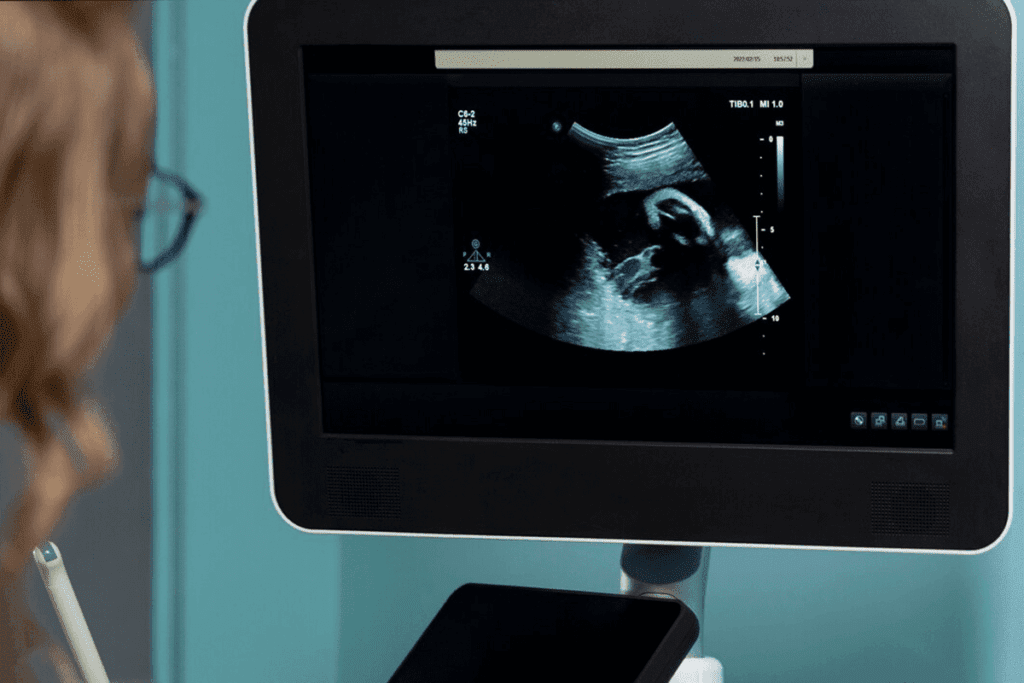
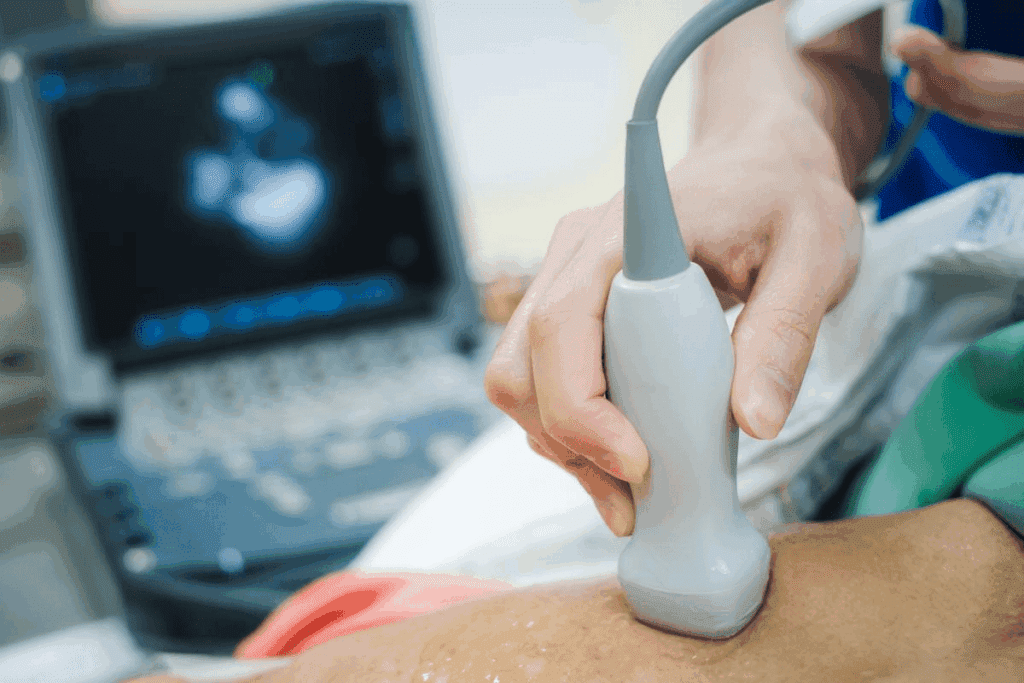
At 9 weeks, you might have some screenings and tests. These include blood tests for infections and blood type, and an ultrasound to check your baby’s heartbeat. First trimester screenings are key for finding genetic conditions and checking for pregnancy risks.
Nutrition and Supplement Guidelines
Eating well is important during pregnancy. Eat lots of fruits, veggies, whole grains, lean proteins, and healthy fats. Also, taking folic acid supplements is recommended. Always check with your doctor before taking any supplements.
Safe Exercise During Early Pregnancy
Safe exercise in early pregnancy can help with fatigue and discomfort. Try walking, swimming, and prenatal yoga. But listen to your body and avoid risky activities. Always talk to your doctor before starting or continuing any exercise.
By following these prenatal care tips, you can have a healthy pregnancy and get ready for your baby’s arrival.
Conclusion: Looking Ahead to Week 10 and Beyond
As you move through your pregnancy, you’ll see many changes. By week 9, you’re getting closer to meeting your baby. Knowing what’s coming can help you get ready and enjoy the amazing changes in your body and your baby’s growth.
When you reach week 10, your baby will keep growing fast. Their organs and body systems will get more complex. We’ll guide you through the next parts of your pregnancy, helping you understand what’s next and how to handle any discomforts.
In week 9, you’ve probably noticed big changes in your body. As you move into week 10, more growth and development are on the way. Stay updated and feel free to ask your healthcare provider any questions or concerns.
FAQ
What are the common symptoms at 9 weeks pregnant?
At 9 weeks, you might feel morning sickness, tender breasts, tiredness, and mood swings. These are due to hormonal changes.
How big is my baby at 9 weeks?
Your baby is about 0.6 to 0.9 inches long and weighs 0.1 ounces at 9 weeks.
What is happening to my baby’s development at 9 weeks?
At 9 weeks, your baby’s organs like the heart, brain, lungs, and kidneys are forming. The digestive and reproductive systems are also growing.
Why am I experiencing cramps at 9 weeks pregnant?
Cramps at 9 weeks can be from implantation or hormonal changes. But, if they’re severe or you bleed a lot, see a doctor.
How can I manage morning sickness and nausea?
To ease nausea and stomach issues, eat small meals often, avoid strong smells, and drink plenty of water.
What prenatal care is recommended at 9 weeks pregnant?
At 9 weeks, see your doctor regularly, follow nutrition advice, and do safe exercises in early pregnancy.
What can I expect during my first trimester screenings and tests?
First trimester tests include ultrasound and blood tests. They check your baby’s growth and look for any problems.
How can I cope with fatigue and sleep problems during pregnancy?
To fight fatigue and sleep issues, set a regular sleep schedule, nap, and do gentle exercises.
What are the guidelines for safe exercise during early pregnancy?
Safe early pregnancy exercises are walking, yoga, and swimming. Avoid hard activities and talk to your doctor before starting any new routine.
How is my baby’s physical development progressing at 9 weeks?
At 9 weeks, your baby’s body is growing fast, with facial features, limbs, and other traits. They might even start thumb sucking.
References
No suitable referNational Center for Biotechnology Information. 8-Week Ultrasound: Visualizing Early Pregnancy and Fetal Viability. Retrieved from https://www.ncbi.nlm.nih.gov/pmc/articles/PMC7065984/