


Cardiology specialist at Liv Hospital.
View doctor profile →


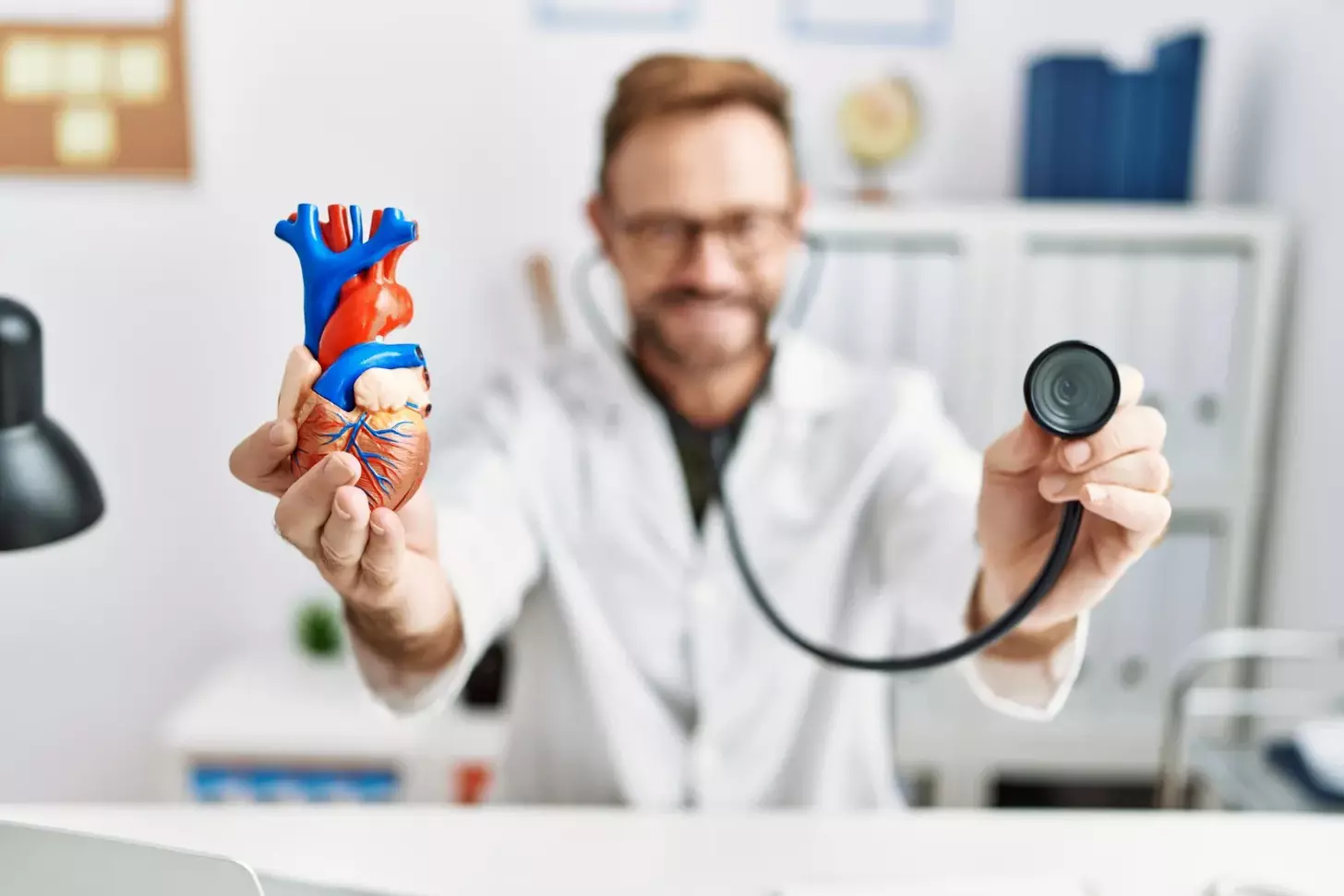
A heart attack, or myocardial infarction, occurs when a major coronary artery is blocked, causing irreversible damage to the heart muscle. This critical condition requires immediate medical attention to minimize lasting damage.
At Liv Hospital, we understand the importance of timely and expert care for patients experiencing a heart attack. Our internationally trusted, patient-centered approach ensures comprehensive support throughout the treatment process.
Understanding the causes, symptoms, and treatment options for superior myocardial infarction is crucial for effective cardiac care. We are committed to providing world-class healthcare with complete support for international patients.
Key Takeaways
- Understanding the urgency of treating a heart attack is crucial.
- Expert cardiac care can significantly improve outcomes.
- Recognizing symptoms early can save lives.
- Comprehensive treatment options are available for myocardial infarction.
- Timely medical intervention minimizes lasting heart damage.
What Is Superior Myocardial Infarction?
A superior myocardial infarction is a serious medical condition characterized by the interruption of blood flow to the heart muscle, leading to damage or death of the heart cells. This condition is a type of acute coronary syndrome, which occurs when the coronary arteries become blocked, preventing sufficient blood flow to the heart.
Myocardial infarction remains a leading cause of death worldwide, emphasizing the need for prompt medical intervention and comprehensive care. We will delve into the definition and pathophysiology of superior myocardial infarction, explaining how acute blockage leads to irreversible heart muscle damage.
Definition and Pathophysiology
Superior myocardial infarction is defined by the location and extent of the heart muscle damage. It typically involves the anterior wall of the heart, which is supplied by the left anterior descending artery. The pathophysiology involves a complex interplay of factors including atherosclerosis, plaque rupture, and thrombosis, leading to an acute blockage that results in ischemia and subsequent necrosis of the heart muscle.
The process begins with the buildup of plaque in the coronary arteries, a condition known as atherosclerosis. When this plaque ruptures, it can cause a blood clot to form, blocking the artery and cutting off blood supply to the heart muscle. This blockage leads to ischemia, and if not promptly treated, results in irreversible damage to the heart muscle.
“The timely diagnosis and treatment of myocardial infarction are critical to preventing long-term damage and improving patient outcomes.”
Acute Blockage and Irreversible Damage
The acute blockage of a coronary artery leads to a cascade of events resulting in heart muscle injury. The severity and duration of the blockage determine the extent of the damage. Prompt medical intervention is crucial to minimize the damage and improve survival chances.
The impact of superior myocardial infarction on cardiovascular health is significant. It not only affects the heart’s functioning but also has broader implications on the patient’s overall health and quality of life. Understanding the mechanisms behind this condition is essential for developing effective treatment strategies.
| Condition | Description | Impact on Heart Muscle |
|---|---|---|
| Atherosclerosis | Plaque buildup in arteries | Reduced blood flow |
| Plaque Rupture | Release of thrombogenic material | Acute blockage |
| Thrombosis | Formation of blood clot | Ischemia and necrosis |
We recognize the importance of educating patients and healthcare providers about the risks and consequences of superior myocardial infarction. By understanding the definition, pathophysiology, and impact of this condition, we can work towards better prevention and treatment strategies.
Key Fact #1: The Global Impact of Superior Myocardial Infarction
Myocardial infarction continues to be a leading cause of death globally, with a profound impact on public health. As we delve into the global statistics, it becomes evident that the burden of this condition is not limited to mortality rates alone but also extends to significant socioeconomic implications.
Worldwide Mortality Statistics
According to global health data, cardiovascular diseases, including myocardial infarction, account for a substantial number of deaths worldwide. The World Health Organization (WHO) reports that cardiovascular diseases are the leading cause of death globally, resulting in approximately 17.9 million deaths per year.
The mortality rates due to myocardial infarction vary across different regions and countries, influenced by factors such as lifestyle, healthcare access, and prevalence of risk factors. In the United States alone, someone dies from a heart attack every minute, underscoring the severity of this health issue.
“Cardiovascular diseases are the number one cause of death globally, taking an estimated 17.9 million lives each year.”
Socioeconomic Burden of Cardiac Events
The socioeconomic burden of cardiac events, including myocardial infarction, is multifaceted. It encompasses not only the direct medical costs associated with treating the condition but also indirect costs such as lost productivity and the impact on families and caregivers.
The table above illustrates the significant economic burden of cardiovascular diseases across different regions. These costs highlight the need for effective prevention and management strategies to mitigate the impact of myocardial infarction on individuals, communities, and healthcare systems.
As we continue to explore the complexities surrounding superior myocardial infarction, it becomes clear that addressing this condition requires a comprehensive approach that includes both preventive measures and advanced treatment protocols.
Key Fact #2: Recognizing Critical Symptoms
Understanding the critical symptoms of superior myocardial infarction can significantly impact treatment outcomes. Recognizing these symptoms early can be the difference between life and death, making it essential for both the general public and healthcare professionals to be aware of the warning signs.
Chest Pain and Radiating Discomfort
One of the most common symptoms of a heart attack is chest pain or discomfort, often described as a feeling of pressure, tightness, or heaviness in the chest. This pain can radiate to other areas, such as the arms, back, neck, jaw, or stomach. It’s crucial to note that the pain can vary in intensity and may not always be severe. We often hear from patients who have experienced this radiating discomfort, emphasizing the need to take any unusual chest or upper body pain seriously.
Shortness of Breath and Associated Symptoms
Shortness of breath is another critical symptom that can occur even in the absence of chest pain. Patients may experience difficulty breathing or feel like they can’t catch their breath. Associated symptoms can include cold sweats, nausea, or lightheadedness. These symptoms can be particularly concerning as they may indicate a severe cardiac event. It’s vital to seek medical attention immediately if these symptoms are present.
Atypical Presentations to Be Aware Of
Not everyone experiences the typical symptoms of a heart attack. Some individuals, particularly women, older adults, and people with diabetes, may have atypical presentations. These can include symptoms like fatigue, indigestion, or a general feeling of being unwell. Being aware of these atypical symptoms is crucial for early detection and treatment. We emphasize the importance of considering heart attack as a potential cause of unusual or unexplained symptoms, especially in high-risk populations.
In conclusion, recognizing the critical symptoms of superior myocardial infarction is essential for timely and effective treatment. By understanding both typical and atypical presentations, we can improve patient outcomes and save lives.
Key Fact #3: Risk Factors for Developing Superior Myocardial Infarction
Understanding the risk factors for superior myocardial infarction is crucial for prevention and management. We recognize that certain factors significantly increase the likelihood of developing this condition.
Lifestyle-Related Risk Factors
Lifestyle choices play a significant role in determining cardiovascular health. Smoking and tobacco use are major contributors to the risk of heart disease, damaging the inner lining of blood vessels and making them more susceptible to blockage. A sedentary lifestyle also increases risk, as regular physical activity helps maintain healthy blood flow and overall cardiovascular function.
A diet high in saturated fats, trans fats, and cholesterol can lead to the development of plaque in arteries, further increasing the risk of myocardial infarction. Additionally, excessive alcohol consumption can have detrimental effects on heart health, raising blood pressure and contributing to the development of heart disease.
Genetic and Age-Related Predispositions
Genetic factors also play a crucial role in determining the risk of superior myocardial infarction. Individuals with a family history of heart disease are at higher risk, indicating a possible genetic predisposition. Age is another significant factor, as the risk of heart disease increases with age, particularly after the age of 45 for men and 55 for women.
Medical Conditions That Increase Risk
Certain medical conditions can significantly increase the risk of developing superior myocardial infarction. Hypertension (high blood pressure) is a major risk factor, as it can damage arteries and increase the workload on the heart. Diabetes mellitus is another condition that increases risk, as it can damage blood vessels and nerves that control the heart.
High cholesterol levels, particularly low-density lipoprotein (LDL) cholesterol, can lead to plaque buildup in arteries, increasing the risk of myocardial infarction. Other conditions, such as obesity and chronic kidney disease, also contribute to the overall risk profile.
Key Fact #4: Advanced Diagnostic Techniques
Advanced diagnostic techniques play a crucial role in the timely and accurate diagnosis of superior myocardial infarction. We rely on a combination of cutting-edge technologies and established medical practices to identify this condition effectively.
ECG Patterns in Superior Myocardial Infarction
The electrocardiogram (ECG) remains a cornerstone in the diagnosis of myocardial infarction. Specific ECG patterns can indicate the occurrence of a superior myocardial infarction. For instance, ST-segment elevation in certain leads is a hallmark of this condition. Our cardiologists are trained to interpret these complex patterns accurately.
Some key ECG findings include:
- ST-segment elevation in leads I, aVL, and sometimes V2-V3
- Q waves indicating previous myocardial infarction
- T wave inversion, which can signify ischemia
Cardiac Biomarkers and Their Interpretation
Cardiac biomarkers are proteins released into the bloodstream when cardiac damage occurs. The most commonly used biomarkers are troponin and creatine kinase-MB (CK-MB). Elevated levels of these biomarkers can confirm the diagnosis of myocardial infarction.
Our medical team interprets these biomarker levels in the context of the patient’s clinical presentation and other diagnostic findings. For example:
- Troponin levels are highly specific for cardiac damage
- CK-MB levels can indicate the extent of cardiac injury
Imaging Modalities for Confirmation
While ECG and biomarkers provide critical information, imaging modalities can further confirm the diagnosis and assess the extent of cardiac damage. Techniques such as echocardiography and cardiac MRI offer valuable insights into cardiac function and structure.
Some benefits of these imaging modalities include:
- Assessment of left ventricular function
- Detection of wall motion abnormalities
- Visualization of cardiac structure and potential complications
By combining these advanced diagnostic techniques, we can ensure a comprehensive and accurate diagnosis of superior myocardial infarction, enabling timely and effective treatment.
Key Fact #5: Evidence-Based Treatment Protocols

Evidence-based treatment protocols are crucial in the management of superior myocardial infarction, improving patient outcomes. These protocols are designed to ensure that patients receive the most effective care, from initial diagnosis through to long-term recovery.
Emergency Reperfusion Strategies
Emergency reperfusion strategies are a cornerstone in the treatment of superior myocardial infarction. Timely reperfusion is critical to restore blood flow to the affected area of the heart, minimizing damage and improving survival rates. We utilize various reperfusion techniques, including thrombolysis and primary percutaneous coronary intervention (PCI), depending on the patient’s condition and the available resources.
The choice between thrombolysis and primary PCI is guided by factors such as the time elapsed since symptom onset, the patient’s overall health, and the availability of catheterization facilities. Primary PCI is generally preferred when available promptly, as it offers better outcomes compared to thrombolysis.
Pharmacological Management
Pharmacological management plays a vital role in the treatment of superior myocardial infarction. We employ a range of medications to manage symptoms, prevent complications, and improve long-term outcomes. These include antiplatelet agents, beta-blockers, ACE inhibitors, and statins.
- Antiplatelet agents help prevent further clot formation.
- Beta-blockers reduce the workload on the heart.
- ACE inhibitors support heart function and reduce blood pressure.
- Statins lower cholesterol levels and stabilize plaques.
Interventional Cardiology Approaches
Interventional cardiology approaches have revolutionized the treatment of superior myocardial infarction. Procedures such as PCI, coronary artery stenting, and coronary artery bypass grafting (CABG) are used to restore blood flow to the heart muscle.
PCI and stenting are commonly used to open blocked arteries, while CABG is typically reserved for patients with complex coronary artery disease. These interventions are highly effective in improving survival and reducing the risk of future cardiac events.
By integrating emergency reperfusion strategies, pharmacological management, and interventional cardiology approaches, we provide comprehensive care for patients with superior myocardial infarction, optimizing their chances of recovery and long-term health.
Key Fact #6: The Critical Timeline of Superior Myocardial Infarction Care
Understanding the timeline of care for superior myocardial infarction is crucial for effective management. The timely and coordinated care of patients with heart attacks significantly influences outcomes.
The Golden Hour Concept
The golden hour is a critical period in the management of superior myocardial infarction. It refers to the first hour after the onset of symptoms, during which timely medical intervention can significantly reduce mortality and improve outcomes. We emphasize the importance of prompt recognition of symptoms and immediate action.
Rapid response during this period involves calling emergency services and initiating transport to a medical facility equipped to handle cardiac emergencies. The goal is to restore blood flow to the affected heart muscle as quickly as possible.
Hospital Phase Management
Upon arrival at the hospital, a coordinated effort among healthcare professionals ensures that the patient receives appropriate care. This includes emergency reperfusion strategies such as thrombolysis or primary percutaneous coronary intervention (PCI).
We utilize advanced diagnostic techniques, including ECG and cardiac biomarkers, to confirm the diagnosis and guide treatment decisions. The hospital phase is critical for stabilizing the patient and preventing further cardiac damage.
Long-Term Recovery Trajectory
The long-term recovery trajectory begins after the initial hospital phase. It involves a comprehensive rehabilitation program that includes lifestyle modifications, medication adherence, and ongoing monitoring.
We work closely with patients to develop a personalized recovery plan, addressing risk factors and promoting heart-healthy behaviors. This phase is crucial for improving long-term survival and quality of life.
By understanding and adhering to the critical timeline of superior myocardial infarction care, we can significantly improve patient outcomes. The golden hour, hospital phase management, and long-term recovery trajectory are all essential components of effective heart attack management.
Key Fact #7: Prevention Strategies That Save Lives
By adopting preventive measures, we can lower the risk of experiencing a heart attack. Prevention strategies are crucial in the fight against superior myocardial infarction, and they can be broadly categorized into primary prevention approaches, secondary prevention after cardiac events, and emerging preventive technologies.
Primary Prevention Approaches
Primary prevention focuses on preventing heart attacks before they occur. This involves managing risk factors through lifestyle changes and, when necessary, medication. Key strategies include:
- Healthy Diet: Consuming a diet rich in fruits, vegetables, whole grains, and lean proteins.
- Regular Exercise: Engaging in at least 150 minutes of moderate-intensity aerobic activity or 75 minutes of vigorous-intensity activity per week.
- Smoking Cessation: Quitting smoking and avoiding exposure to secondhand smoke.
- Weight Management: Maintaining a healthy weight through a combination of diet and exercise.
- Blood Pressure and Cholesterol Management: Monitoring and controlling blood pressure and cholesterol levels through lifestyle changes and medication if necessary.
Secondary Prevention After Cardiac Events
For individuals who have already experienced a cardiac event, secondary prevention is critical to prevent recurrence. This involves:
- Medication Adherence: Taking prescribed medications as directed, such as antiplatelet agents, beta-blockers, ACE inhibitors, and statins.
- Lifestyle Modifications: Implementing the same lifestyle changes recommended for primary prevention.
- Cardiac Rehabilitation: Participating in a structured program that includes exercise training, education, and support.
- Risk Factor Management: Continuing to manage risk factors such as hypertension, hyperlipidemia, and diabetes.
| Prevention Strategy | Primary Prevention | Secondary Prevention |
|---|---|---|
| Healthy Diet | Recommended | Recommended |
| Regular Exercise | Recommended | Recommended with cardiac rehabilitation |
| Smoking Cessation | Recommended | Recommended |
| Medication Adherence | As needed | Essential |
Emerging Preventive Technologies
Technology is playing an increasingly important role in heart attack prevention. Emerging technologies include:
- Wearable Devices: Wearables that monitor heart rate, rhythm, and other vital signs can detect early warning signs of a heart attack.
- Mobile Health Applications: Apps that track physical activity, provide health reminders, and offer personalized health advice.
- Genetic Testing: Identifying genetic predispositions to cardiovascular disease.
- Advanced Biomarkers: New biomarkers that can more accurately predict cardiovascular risk.
By leveraging these prevention strategies, we can significantly reduce the incidence of superior myocardial infarction and improve outcomes for those at risk.
Liv Hospital’s Excellence in Cardiac Care

Liv Hospital stands at the forefront of cardiac care, driven by a mission to achieve the best possible outcomes for our patients. We are committed to providing world-class medical care that addresses the complex needs of individuals suffering from superior myocardial infarction.
Best-in-Class Medical Outcomes
Our mission is guided by rigorous academic protocols and a relentless pursuit of excellence. We strive to achieve best-in-class medical outcomes by leveraging the latest advancements in cardiac care and fostering a culture of continuous improvement among our medical staff.
By focusing on evidence-based practices and innovative treatment strategies, we ensure that our patients receive the highest quality care available. Our commitment to excellence is reflected in our state-of-the-art facilities and our team of experienced cardiologists and cardiac surgeons.
Specialty-Focused Cardiac Services
Liv Hospital offers a comprehensive range of specialty-focused cardiac services designed to meet the diverse needs of our patients. From diagnosis to treatment and follow-up care, our multidisciplinary team works collaboratively to provide personalized care plans tailored to each patient’s unique condition.
Our cardiac services include advanced diagnostic techniques, emergency reperfusion strategies, pharmacological management, and interventional cardiology approaches. We are dedicated to ensuring that every patient receives the most appropriate and effective treatment for their specific needs.
Five-Star Healthcare Standards
At Liv Hospital, we are committed to maintaining five-star healthcare standards in all aspects of our cardiac care services. Our commitment to quality is reflected in our rigorous adherence to international healthcare standards and our ongoing efforts to improve patient safety and satisfaction.
We believe that exceptional patient care is the cornerstone of our mission. Therefore, we continuously invest in our staff, technology, and processes to ensure that we deliver the highest level of care to our patients. Our goal is to make a positive impact on the lives of those we serve, providing them with the best possible outcomes and a renewed sense of hope and well-being.
Innovations Transforming Superior Myocardial Infarction Management
The management of superior myocardial infarction is undergoing a significant transformation thanks to innovative research and technological advancements. As we continue to push the boundaries of medical science, we are witnessing a paradigm shift in how we approach cardiac care.
Breakthrough Research Developments
Recent studies have led to a deeper understanding of the underlying mechanisms of superior myocardial infarction. Genomic research has identified new targets for therapy, while stem cell therapy shows promise in regenerating damaged heart tissue. These breakthroughs are paving the way for more effective treatment strategies.
- Personalized medicine approaches tailored to individual genetic profiles
- Advanced imaging techniques for early detection and diagnosis
- Novel pharmacological agents to reduce morbidity and mortality
Technological Advancements in Treatment
Technological innovations are revolutionizing the treatment of superior myocardial infarction. Minimally invasive procedures and robot-assisted surgeries are becoming increasingly common, reducing recovery times and improving outcomes. The development of bioresorbable stents and drug-coated balloons has also enhanced the efficacy of interventional cardiology procedures.
Future Directions in Cardiac Care
As we look to the future, it’s clear that the management of superior myocardial infarction will continue to evolve. Artificial intelligence and machine learning are being integrated into diagnostic and treatment protocols, enabling more precise and personalized care. The development of remote monitoring systems will allow for real-time tracking of patients’ conditions, facilitating early intervention when necessary.
We are committed to staying at the forefront of these innovations, ensuring that our patients receive the most advanced and effective care available. By embracing these breakthroughs and technological advancements, we can improve outcomes and enhance the quality of life for individuals affected by superior myocardial infarction.
Conclusion: Living Well After a Cardiac Event
Living well after a cardiac event requires comprehensive care and support. At Liv Hospital, we understand the importance of providing high-quality cardiac care to help patients recover and lead healthy lives. Throughout this article, we have discussed the critical aspects of superior myocardial infarction, from its global impact and risk factors to advanced diagnostic techniques and evidence-based treatment protocols.
Cardiac rehabilitation plays a vital role in the recovery process, enabling patients to regain their strength and improve their heart health. Our commitment to delivering world-class healthcare services ensures that our patients receive the best possible care for cardiovascular disease.
By focusing on prevention strategies and leveraging the latest innovations in cardiac care, we empower our patients to take control of their heart health and reduce the risk of future cardiac events. At Liv Hospital, we are dedicated to supporting our patients every step of the way, from initial treatment to long-term recovery and beyond.
What is a superior myocardial infarction?
A superior myocardial infarction, commonly known as a heart attack, occurs when the blood flow to the heart is severely blocked, causing damage to the heart muscle due to lack of oxygen.
What are the symptoms of a heart attack?
Common symptoms include chest pain or discomfort, shortness of breath, pain or discomfort in one or both arms, the back, neck, jaw, or stomach, feeling tired or weak, and lightheadedness or loss of consciousness.
How is a myocardial infarction diagnosed?
Diagnosis typically involves a combination of electrocardiogram (ECG) to assess heart activity, blood tests to check for cardiac biomarkers indicating heart damage, and imaging tests such as echocardiography or coronary angiography.
What are the risk factors for developing coronary artery disease that can lead to a heart attack?
Risk factors include high blood pressure, high cholesterol levels, smoking, diabetes, obesity, physical inactivity, family history of heart disease, and age, with risk increasing after the age of 45 for men and 55 for women.
What is the treatment for acute myocardial infarction?
Treatment involves immediate medical attention, including emergency reperfusion strategies like thrombolysis or primary percutaneous coronary intervention (PCI) to restore blood flow, along with pharmacological management using antiplatelet agents, beta-blockers, and other medications.
Can a heart attack be prevented?
Yes, prevention strategies include adopting a healthy lifestyle, such as a balanced diet, regular physical activity, not smoking, managing stress, and controlling conditions like hypertension, diabetes, and high cholesterol.
What is the importance of timely medical intervention in the case of a heart attack?
Timely intervention is crucial as it significantly improves outcomes by minimizing heart damage; the concept of the “golden hour” emphasizes the importance of receiving medical treatment within the first hour of symptom onset.
How does Liv Hospital approach cardiac care?
Liv Hospital is committed to providing best-in-class cardiac care through its multidisciplinary team of specialists, state-of-the-art facilities, and adherence to international healthcare standards, ensuring comprehensive treatment and support for patients.
What advancements are being made in the management of myocardial infarction?
Advances include breakthroughs in research, technological innovations in treatment such as improved stents and more effective pharmacological agents, and emerging preventive technologies, all aimed at enhancing patient outcomes and quality of life.
A heart attack, or myocardial infarction, occurs when a major coronary artery is blocked, causing irreversible damage to the heart muscle. This critical condition requires immediate medical attention to minimize lasting damage.
At Liv Hospital, we understand the importance of timely and expert care for patients experiencing a heart attack. Our internationally trusted, patient-centered approach ensures comprehensive support throughout the treatment process.
Understanding the causes, symptoms, and treatment options for superior myocardial infarction is crucial for effective cardiac care. We are committed to providing world-class healthcare with complete support for international patients.
Key Takeaways
- Understanding the urgency of treating a heart attack is crucial.
- Expert cardiac care can significantly improve outcomes.
- Recognizing symptoms early can save lives.
- Comprehensive treatment options are available for myocardial infarction.
- Timely medical intervention minimizes lasting heart damage.
What Is Superior Myocardial Infarction?
A superior myocardial infarction is a serious medical condition characterized by the interruption of blood flow to the heart muscle, leading to damage or death of the heart cells. This condition is a type of acute coronary syndrome, which occurs when the coronary arteries become blocked, preventing sufficient blood flow to the heart.
Myocardial infarction remains a leading cause of death worldwide, emphasizing the need for prompt medical intervention and comprehensive care. We will delve into the definition and pathophysiology of superior myocardial infarction, explaining how acute blockage leads to irreversible heart muscle damage.
Definition and Pathophysiology
Superior myocardial infarction is defined by the location and extent of the heart muscle damage. It typically involves the anterior wall of the heart, which is supplied by the left anterior descending artery. The pathophysiology involves a complex interplay of factors including atherosclerosis, plaque rupture, and thrombosis, leading to an acute blockage that results in ischemia and subsequent necrosis of the heart muscle.
The process begins with the buildup of plaque in the coronary arteries, a condition known as atherosclerosis. When this plaque ruptures, it can cause a blood clot to form, blocking the artery and cutting off blood supply to the heart muscle. This blockage leads to ischemia, and if not promptly treated, results in irreversible damage to the heart muscle.
“The timely diagnosis and treatment of myocardial infarction are critical to preventing long-term damage and improving patient outcomes.”
Acute Blockage and Irreversible Damage
The acute blockage of a coronary artery leads to a cascade of events resulting in heart muscle injury. The severity and duration of the blockage determine the extent of the damage. Prompt medical intervention is crucial to minimize the damage and improve survival chances.
The impact of superior myocardial infarction on cardiovascular health is significant. It not only affects the heart’s functioning but also has broader implications on the patient’s overall health and quality of life. Understanding the mechanisms behind this condition is essential for developing effective treatment strategies.
| Condition | Description | Impact on Heart Muscle |
|---|---|---|
| Atherosclerosis | Plaque buildup in arteries | Reduced blood flow |
| Plaque Rupture | Release of thrombogenic material | Acute blockage |
| Thrombosis | Formation of blood clot | Ischemia and necrosis |
We recognize the importance of educating patients and healthcare providers about the risks and consequences of superior myocardial infarction. By understanding the definition, pathophysiology, and impact of this condition, we can work towards better prevention and treatment strategies.
Key Fact #1: The Global Impact of Superior Myocardial Infarction
Myocardial infarction continues to be a leading cause of death globally, with a profound impact on public health. As we delve into the global statistics, it becomes evident that the burden of this condition is not limited to mortality rates alone but also extends to significant socioeconomic implications.
Worldwide Mortality Statistics
According to global health data, cardiovascular diseases, including myocardial infarction, account for a substantial number of deaths worldwide. The World Health Organization (WHO) reports that cardiovascular diseases are the leading cause of death globally, resulting in approximately 17.9 million deaths per year.
The mortality rates due to myocardial infarction vary across different regions and countries, influenced by factors such as lifestyle, healthcare access, and prevalence of risk factors. In the United States alone, someone dies from a heart attack every minute, underscoring the severity of this health issue.
“Cardiovascular diseases are the number one cause of death globally, taking an estimated 17.9 million lives each year.”
Socioeconomic Burden of Cardiac Events
The socioeconomic burden of cardiac events, including myocardial infarction, is multifaceted. It encompasses not only the direct medical costs associated with treating the condition but also indirect costs such as lost productivity and the impact on families and caregivers.
The table above illustrates the significant economic burden of cardiovascular diseases across different regions. These costs highlight the need for effective prevention and management strategies to mitigate the impact of myocardial infarction on individuals, communities, and healthcare systems.
As we continue to explore the complexities surrounding superior myocardial infarction, it becomes clear that addressing this condition requires a comprehensive approach that includes both preventive measures and advanced treatment protocols.
Key Fact #2: Recognizing Critical Symptoms
Understanding the critical symptoms of superior myocardial infarction can significantly impact treatment outcomes. Recognizing these symptoms early can be the difference between life and death, making it essential for both the general public and healthcare professionals to be aware of the warning signs.
Chest Pain and Radiating Discomfort
One of the most common symptoms of a heart attack is chest pain or discomfort, often described as a feeling of pressure, tightness, or heaviness in the chest. This pain can radiate to other areas, such as the arms, back, neck, jaw, or stomach. It’s crucial to note that the pain can vary in intensity and may not always be severe. We often hear from patients who have experienced this radiating discomfort, emphasizing the need to take any unusual chest or upper body pain seriously.
Shortness of Breath and Associated Symptoms
Shortness of breath is another critical symptom that can occur even in the absence of chest pain. Patients may experience difficulty breathing or feel like they can’t catch their breath. Associated symptoms can include cold sweats, nausea, or lightheadedness. These symptoms can be particularly concerning as they may indicate a severe cardiac event. It’s vital to seek medical attention immediately if these symptoms are present.
Atypical Presentations to Be Aware Of
Not everyone experiences the typical symptoms of a heart attack. Some individuals, particularly women, older adults, and people with diabetes, may have atypical presentations. These can include symptoms like fatigue, indigestion, or a general feeling of being unwell. Being aware of these atypical symptoms is crucial for early detection and treatment. We emphasize the importance of considering heart attack as a potential cause of unusual or unexplained symptoms, especially in high-risk populations.
In conclusion, recognizing the critical symptoms of superior myocardial infarction is essential for timely and effective treatment. By understanding both typical and atypical presentations, we can improve patient outcomes and save lives.
Key Fact #3: Risk Factors for Developing Superior Myocardial Infarction
Understanding the risk factors for superior myocardial infarction is crucial for prevention and management. We recognize that certain factors significantly increase the likelihood of developing this condition.
Lifestyle-Related Risk Factors
Lifestyle choices play a significant role in determining cardiovascular health. Smoking and tobacco use are major contributors to the risk of heart disease, damaging the inner lining of blood vessels and making them more susceptible to blockage. A sedentary lifestyle also increases risk, as regular physical activity helps maintain healthy blood flow and overall cardiovascular function.
A diet high in saturated fats, trans fats, and cholesterol can lead to the development of plaque in arteries, further increasing the risk of myocardial infarction. Additionally, excessive alcohol consumption can have detrimental effects on heart health, raising blood pressure and contributing to the development of heart disease.
Genetic and Age-Related Predispositions
Genetic factors also play a crucial role in determining the risk of superior myocardial infarction. Individuals with a family history of heart disease are at higher risk, indicating a possible genetic predisposition. Age is another significant factor, as the risk of heart disease increases with age, particularly after the age of 45 for men and 55 for women.
Medical Conditions That Increase Risk
Certain medical conditions can significantly increase the risk of developing superior myocardial infarction. Hypertension (high blood pressure) is a major risk factor, as it can damage arteries and increase the workload on the heart. Diabetes mellitus is another condition that increases risk, as it can damage blood vessels and nerves that control the heart.
High cholesterol levels, particularly low-density lipoprotein (LDL) cholesterol, can lead to plaque buildup in arteries, increasing the risk of myocardial infarction. Other conditions, such as obesity and chronic kidney disease, also contribute to the overall risk profile.
Key Fact #4: Advanced Diagnostic Techniques
Advanced diagnostic techniques play a crucial role in the timely and accurate diagnosis of superior myocardial infarction. We rely on a combination of cutting-edge technologies and established medical practices to identify this condition effectively.
ECG Patterns in Superior Myocardial Infarction
The electrocardiogram (ECG) remains a cornerstone in the diagnosis of myocardial infarction. Specific ECG patterns can indicate the occurrence of a superior myocardial infarction. For instance, ST-segment elevation in certain leads is a hallmark of this condition. Our cardiologists are trained to interpret these complex patterns accurately.
Some key ECG findings include:
- ST-segment elevation in leads I, aVL, and sometimes V2-V3
- Q waves indicating previous myocardial infarction
- T wave inversion, which can signify ischemia
Cardiac Biomarkers and Their Interpretation
Cardiac biomarkers are proteins released into the bloodstream when cardiac damage occurs. The most commonly used biomarkers are troponin and creatine kinase-MB (CK-MB). Elevated levels of these biomarkers can confirm the diagnosis of myocardial infarction.
Our medical team interprets these biomarker levels in the context of the patient’s clinical presentation and other diagnostic findings. For example:
- Troponin levels are highly specific for cardiac damage
- CK-MB levels can indicate the extent of cardiac injury
Imaging Modalities for Confirmation
While ECG and biomarkers provide critical information, imaging modalities can further confirm the diagnosis and assess the extent of cardiac damage. Techniques such as echocardiography and cardiac MRI offer valuable insights into cardiac function and structure.
Some benefits of these imaging modalities include:
- Assessment of left ventricular function
- Detection of wall motion abnormalities
- Visualization of cardiac structure and potential complications
By combining these advanced diagnostic techniques, we can ensure a comprehensive and accurate diagnosis of superior myocardial infarction, enabling timely and effective treatment.
Key Fact #5: Evidence-Based Treatment Protocols
Evidence-based treatment protocols are crucial in the management of superior myocardial infarction, improving patient outcomes. These protocols are designed to ensure that patients receive the most effective care, from initial diagnosis through to long-term recovery.
Emergency Reperfusion Strategies
Emergency reperfusion strategies are a cornerstone in the treatment of superior myocardial infarction. Timely reperfusion is critical to restore blood flow to the affected area of the heart, minimizing damage and improving survival rates. We utilize various reperfusion techniques, including thrombolysis and primary percutaneous coronary intervention (PCI), depending on the patient’s condition and the available resources.
The choice between thrombolysis and primary PCI is guided by factors such as the time elapsed since symptom onset, the patient’s overall health, and the availability of catheterization facilities. Primary PCI is generally preferred when available promptly, as it offers better outcomes compared to thrombolysis.
Pharmacological Management
Pharmacological management plays a vital role in the treatment of superior myocardial infarction. We employ a range of medications to manage symptoms, prevent complications, and improve long-term outcomes. These include antiplatelet agents, beta-blockers, ACE inhibitors, and statins.
- Antiplatelet agents help prevent further clot formation.
- Beta-blockers reduce the workload on the heart.
- ACE inhibitors support heart function and reduce blood pressure.
- Statins lower cholesterol levels and stabilize plaques.
Interventional Cardiology Approaches
Interventional cardiology approaches have revolutionized the treatment of superior myocardial infarction. Procedures such as PCI, coronary artery stenting, and coronary artery bypass grafting (CABG) are used to restore blood flow to the heart muscle.
PCI and stenting are commonly used to open blocked arteries, while CABG is typically reserved for patients with complex coronary artery disease. These interventions are highly effective in improving survival and reducing the risk of future cardiac events.
By integrating emergency reperfusion strategies, pharmacological management, and interventional cardiology approaches, we provide comprehensive care for patients with superior myocardial infarction, optimizing their chances of recovery and long-term health.
Key Fact #6: The Critical Timeline of Superior Myocardial Infarction Care
Understanding the timeline of care for superior myocardial infarction is crucial for effective management. The timely and coordinated care of patients with heart attacks significantly influences outcomes.
The Golden Hour Concept
The golden hour is a critical period in the management of superior myocardial infarction. It refers to the first hour after the onset of symptoms, during which timely medical intervention can significantly reduce mortality and improve outcomes. We emphasize the importance of prompt recognition of symptoms and immediate action.
Rapid response during this period involves calling emergency services and initiating transport to a medical facility equipped to handle cardiac emergencies. The goal is to restore blood flow to the affected heart muscle as quickly as possible.
Hospital Phase Management
Upon arrival at the hospital, a coordinated effort among healthcare professionals ensures that the patient receives appropriate care. This includes emergency reperfusion strategies such as thrombolysis or primary percutaneous coronary intervention (PCI).
We utilize advanced diagnostic techniques, including ECG and cardiac biomarkers, to confirm the diagnosis and guide treatment decisions. The hospital phase is critical for stabilizing the patient and preventing further cardiac damage.
Long-Term Recovery Trajectory
The long-term recovery trajectory begins after the initial hospital phase. It involves a comprehensive rehabilitation program that includes lifestyle modifications, medication adherence, and ongoing monitoring.
We work closely with patients to develop a personalized recovery plan, addressing risk factors and promoting heart-healthy behaviors. This phase is crucial for improving long-term survival and quality of life.
By understanding and adhering to the critical timeline of superior myocardial infarction care, we can significantly improve patient outcomes. The golden hour, hospital phase management, and long-term recovery trajectory are all essential components of effective heart attack management.
Key Fact #7: Prevention Strategies That Save Lives
By adopting preventive measures, we can lower the risk of experiencing a heart attack. Prevention strategies are crucial in the fight against superior myocardial infarction, and they can be broadly categorized into primary prevention approaches, secondary prevention after cardiac events, and emerging preventive technologies.
Primary Prevention Approaches
Primary prevention focuses on preventing heart attacks before they occur. This involves managing risk factors through lifestyle changes and, when necessary, medication. Key strategies include:
- Healthy Diet: Consuming a diet rich in fruits, vegetables, whole grains, and lean proteins.
- Regular Exercise: Engaging in at least 150 minutes of moderate-intensity aerobic activity or 75 minutes of vigorous-intensity activity per week.
- Smoking Cessation: Quitting smoking and avoiding exposure to secondhand smoke.
- Weight Management: Maintaining a healthy weight through a combination of diet and exercise.
- Blood Pressure and Cholesterol Management: Monitoring and controlling blood pressure and cholesterol levels through lifestyle changes and medication if necessary.
Secondary Prevention After Cardiac Events
For individuals who have already experienced a cardiac event, secondary prevention is critical to prevent recurrence. This involves:
- Medication Adherence: Taking prescribed medications as directed, such as antiplatelet agents, beta-blockers, ACE inhibitors, and statins.
- Lifestyle Modifications: Implementing the same lifestyle changes recommended for primary prevention.
- Cardiac Rehabilitation: Participating in a structured program that includes exercise training, education, and support.
- Risk Factor Management: Continuing to manage risk factors such as hypertension, hyperlipidemia, and diabetes.
| Prevention Strategy | Primary Prevention | Secondary Prevention |
|---|---|---|
| Healthy Diet | Recommended | Recommended |
| Regular Exercise | Recommended | Recommended with cardiac rehabilitation |
| Smoking Cessation | Recommended | Recommended |
| Medication Adherence | As needed | Essential |
Emerging Preventive Technologies
Technology is playing an increasingly important role in heart attack prevention. Emerging technologies include:
- Wearable Devices: Wearables that monitor heart rate, rhythm, and other vital signs can detect early warning signs of a heart attack.
- Mobile Health Applications: Apps that track physical activity, provide health reminders, and offer personalized health advice.
- Genetic Testing: Identifying genetic predispositions to cardiovascular disease.
- Advanced Biomarkers: New biomarkers that can more accurately predict cardiovascular risk.
By leveraging these prevention strategies, we can significantly reduce the incidence of superior myocardial infarction and improve outcomes for those at risk.
Liv Hospital’s Excellence in Cardiac Care
Liv Hospital stands at the forefront of cardiac care, driven by a mission to achieve the best possible outcomes for our patients. We are committed to providing world-class medical care that addresses the complex needs of individuals suffering from superior myocardial infarction.
Best-in-Class Medical Outcomes
Our mission is guided by rigorous academic protocols and a relentless pursuit of excellence. We strive to achieve best-in-class medical outcomes by leveraging the latest advancements in cardiac care and fostering a culture of continuous improvement among our medical staff.
By focusing on evidence-based practices and innovative treatment strategies, we ensure that our patients receive the highest quality care available. Our commitment to excellence is reflected in our state-of-the-art facilities and our team of experienced cardiologists and cardiac surgeons.
Specialty-Focused Cardiac Services
Liv Hospital offers a comprehensive range of specialty-focused cardiac services designed to meet the diverse needs of our patients. From diagnosis to treatment and follow-up care, our multidisciplinary team works collaboratively to provide personalized care plans tailored to each patient’s unique condition.
Our cardiac services include advanced diagnostic techniques, emergency reperfusion strategies, pharmacological management, and interventional cardiology approaches. We are dedicated to ensuring that every patient receives the most appropriate and effective treatment for their specific needs.
Five-Star Healthcare Standards
At Liv Hospital, we are committed to maintaining five-star healthcare standards in all aspects of our cardiac care services. Our commitment to quality is reflected in our rigorous adherence to international healthcare standards and our ongoing efforts to improve patient safety and satisfaction.
We believe that exceptional patient care is the cornerstone of our mission. Therefore, we continuously invest in our staff, technology, and processes to ensure that we deliver the highest level of care to our patients. Our goal is to make a positive impact on the lives of those we serve, providing them with the best possible outcomes and a renewed sense of hope and well-being.
Innovations Transforming Superior Myocardial Infarction Management
The management of superior myocardial infarction is undergoing a significant transformation thanks to innovative research and technological advancements. As we continue to push the boundaries of medical science, we are witnessing a paradigm shift in how we approach cardiac care.
Breakthrough Research Developments
Recent studies have led to a deeper understanding of the underlying mechanisms of superior myocardial infarction. Genomic research has identified new targets for therapy, while stem cell therapy shows promise in regenerating damaged heart tissue. These breakthroughs are paving the way for more effective treatment strategies.
- Personalized medicine approaches tailored to individual genetic profiles
- Advanced imaging techniques for early detection and diagnosis
- Novel pharmacological agents to reduce morbidity and mortality
Technological Advancements in Treatment
Technological innovations are revolutionizing the treatment of superior myocardial infarction. Minimally invasive procedures and robot-assisted surgeries are becoming increasingly common, reducing recovery times and improving outcomes. The development of bioresorbable stents and drug-coated balloons has also enhanced the efficacy of interventional cardiology procedures.
Future Directions in Cardiac Care
As we look to the future, it’s clear that the management of superior myocardial infarction will continue to evolve. Artificial intelligence and machine learning are being integrated into diagnostic and treatment protocols, enabling more precise and personalized care. The development of remote monitoring systems will allow for real-time tracking of patients’ conditions, facilitating early intervention when necessary.
We are committed to staying at the forefront of these innovations, ensuring that our patients receive the most advanced and effective care available. By embracing these breakthroughs and technological advancements, we can improve outcomes and enhance the quality of life for individuals affected by superior myocardial infarction.
Conclusion: Living Well After a Cardiac Event
Living well after a cardiac event requires comprehensive care and support. At Liv Hospital, we understand the importance of providing high-quality cardiac care to help patients recover and lead healthy lives. Throughout this article, we have discussed the critical aspects of superior myocardial infarction, from its global impact and risk factors to advanced diagnostic techniques and evidence-based treatment protocols.
Cardiac rehabilitation plays a vital role in the recovery process, enabling patients to regain their strength and improve their heart health. Our commitment to delivering world-class healthcare services ensures that our patients receive the best possible care for cardiovascular disease.
By focusing on prevention strategies and leveraging the latest innovations in cardiac care, we empower our patients to take control of their heart health and reduce the risk of future cardiac events. At Liv Hospital, we are dedicated to supporting our patients every step of the way, from initial treatment to long-term recovery and beyond.
A heart attack, or myocardial infarction, occurs when a major coronary artery is blocked, causing irreversible damage to the heart muscle. This critical condition requires immediate medical attention to minimize lasting damage.
At Liv Hospital, we understand the importance of timely and expert care for patients experiencing a heart attack. Our internationally trusted, patient-centered approach ensures comprehensive support throughout the treatment process.
Understanding the causes, symptoms, and treatment options for superior myocardial infarction is crucial for effective cardiac care. We are committed to providing world-class healthcare with complete support for international patients.
Key Takeaways
- Understanding the urgency of treating a heart attack is crucial.
- Expert cardiac care can significantly improve outcomes.
- Recognizing symptoms early can save lives.
- Comprehensive treatment options are available for myocardial infarction.
- Timely medical intervention minimizes lasting heart damage.
What Is Superior Myocardial Infarction?
A superior myocardial infarction is a serious medical condition characterized by the interruption of blood flow to the heart muscle, leading to damage or death of the heart cells. This condition is a type of acute coronary syndrome, which occurs when the coronary arteries become blocked, preventing sufficient blood flow to the heart.
Myocardial infarction remains a leading cause of death worldwide, emphasizing the need for prompt medical intervention and comprehensive care. We will delve into the definition and pathophysiology of superior myocardial infarction, explaining how acute blockage leads to irreversible heart muscle damage.
Definition and Pathophysiology
Superior myocardial infarction is defined by the location and extent of the heart muscle damage. It typically involves the anterior wall of the heart, which is supplied by the left anterior descending artery. The pathophysiology involves a complex interplay of factors including atherosclerosis, plaque rupture, and thrombosis, leading to an acute blockage that results in ischemia and subsequent necrosis of the heart muscle.
The process begins with the buildup of plaque in the coronary arteries, a condition known as atherosclerosis. When this plaque ruptures, it can cause a blood clot to form, blocking the artery and cutting off blood supply to the heart muscle. This blockage leads to ischemia, and if not promptly treated, results in irreversible damage to the heart muscle.
“The timely diagnosis and treatment of myocardial infarction are critical to preventing long-term damage and improving patient outcomes.”
Acute Blockage and Irreversible Damage
The acute blockage of a coronary artery leads to a cascade of events resulting in heart muscle injury. The severity and duration of the blockage determine the extent of the damage. Prompt medical intervention is crucial to minimize the damage and improve survival chances.
The impact of superior myocardial infarction on cardiovascular health is significant. It not only affects the heart’s functioning but also has broader implications on the patient’s overall health and quality of life. Understanding the mechanisms behind this condition is essential for developing effective treatment strategies.
| Condition | Description | Impact on Heart Muscle |
|---|---|---|
| Atherosclerosis | Plaque buildup in arteries | Reduced blood flow |
| Plaque Rupture | Release of thrombogenic material | Acute blockage |
| Thrombosis | Formation of blood clot | Ischemia and necrosis |
We recognize the importance of educating patients and healthcare providers about the risks and consequences of superior myocardial infarction. By understanding the definition, pathophysiology, and impact of this condition, we can work towards better prevention and treatment strategies.
Key Fact #1: The Global Impact of Superior Myocardial Infarction
Myocardial infarction continues to be a leading cause of death globally, with a profound impact on public health. As we delve into the global statistics, it becomes evident that the burden of this condition is not limited to mortality rates alone but also extends to significant socioeconomic implications.
Worldwide Mortality Statistics
According to global health data, cardiovascular diseases, including myocardial infarction, account for a substantial number of deaths worldwide. The World Health Organization (WHO) reports that cardiovascular diseases are the leading cause of death globally, resulting in approximately 17.9 million deaths per year.
The mortality rates due to myocardial infarction vary across different regions and countries, influenced by factors such as lifestyle, healthcare access, and prevalence of risk factors. In the United States alone, someone dies from a heart attack every minute, underscoring the severity of this health issue.
“Cardiovascular diseases are the number one cause of death globally, taking an estimated 17.9 million lives each year.”
Socioeconomic Burden of Cardiac Events
The socioeconomic burden of cardiac events, including myocardial infarction, is multifaceted. It encompasses not only the direct medical costs associated with treating the condition but also indirect costs such as lost productivity and the impact on families and caregivers.
The table above illustrates the significant economic burden of cardiovascular diseases across different regions. These costs highlight the need for effective prevention and management strategies to mitigate the impact of myocardial infarction on individuals, communities, and healthcare systems.
As we continue to explore the complexities surrounding superior myocardial infarction, it becomes clear that addressing this condition requires a comprehensive approach that includes both preventive measures and advanced treatment protocols.
Key Fact #2: Recognizing Critical Symptoms
Understanding the critical symptoms of superior myocardial infarction can significantly impact treatment outcomes. Recognizing these symptoms early can be the difference between life and death, making it essential for both the general public and healthcare professionals to be aware of the warning signs.
Chest Pain and Radiating Discomfort
One of the most common symptoms of a heart attack is chest pain or discomfort, often described as a feeling of pressure, tightness, or heaviness in the chest. This pain can radiate to other areas, such as the arms, back, neck, jaw, or stomach. It’s crucial to note that the pain can vary in intensity and may not always be severe. We often hear from patients who have experienced this radiating discomfort, emphasizing the need to take any unusual chest or upper body pain seriously.
Shortness of Breath and Associated Symptoms
Shortness of breath is another critical symptom that can occur even in the absence of chest pain. Patients may experience difficulty breathing or feel like they can’t catch their breath. Associated symptoms can include cold sweats, nausea, or lightheadedness. These symptoms can be particularly concerning as they may indicate a severe cardiac event. It’s vital to seek medical attention immediately if these symptoms are present.
Atypical Presentations to Be Aware Of
Not everyone experiences the typical symptoms of a heart attack. Some individuals, particularly women, older adults, and people with diabetes, may have atypical presentations. These can include symptoms like fatigue, indigestion, or a general feeling of being unwell. Being aware of these atypical symptoms is crucial for early detection and treatment. We emphasize the importance of considering heart attack as a potential cause of unusual or unexplained symptoms, especially in high-risk populations.
In conclusion, recognizing the critical symptoms of superior myocardial infarction is essential for timely and effective treatment. By understanding both typical and atypical presentations, we can improve patient outcomes and save lives.
Key Fact #3: Risk Factors for Developing Superior Myocardial Infarction
Understanding the risk factors for superior myocardial infarction is crucial for prevention and management. We recognize that certain factors significantly increase the likelihood of developing this condition.
Lifestyle-Related Risk Factors
Lifestyle choices play a significant role in determining cardiovascular health. Smoking and tobacco use are major contributors to the risk of heart disease, damaging the inner lining of blood vessels and making them more susceptible to blockage. A sedentary lifestyle also increases risk, as regular physical activity helps maintain healthy blood flow and overall cardiovascular function.
A diet high in saturated fats, trans fats, and cholesterol can lead to the development of plaque in arteries, further increasing the risk of myocardial infarction. Additionally, excessive alcohol consumption can have detrimental effects on heart health, raising blood pressure and contributing to the development of heart disease.
Genetic and Age-Related Predispositions
Genetic factors also play a crucial role in determining the risk of superior myocardial infarction. Individuals with a family history of heart disease are at higher risk, indicating a possible genetic predisposition. Age is another significant factor, as the risk of heart disease increases with age, particularly after the age of 45 for men and 55 for women.
Medical Conditions That Increase Risk
Certain medical conditions can significantly increase the risk of developing superior myocardial infarction. Hypertension (high blood pressure) is a major risk factor, as it can damage arteries and increase the workload on the heart. Diabetes mellitus is another condition that increases risk, as it can damage blood vessels and nerves that control the heart.
High cholesterol levels, particularly low-density lipoprotein (LDL) cholesterol, can lead to plaque buildup in arteries, increasing the risk of myocardial infarction. Other conditions, such as obesity and chronic kidney disease, also contribute to the overall risk profile.
Key Fact #4: Advanced Diagnostic Techniques
Advanced diagnostic techniques play a crucial role in the timely and accurate diagnosis of superior myocardial infarction. We rely on a combination of cutting-edge technologies and established medical practices to identify this condition effectively.
ECG Patterns in Superior Myocardial Infarction
The electrocardiogram (ECG) remains a cornerstone in the diagnosis of myocardial infarction. Specific ECG patterns can indicate the occurrence of a superior myocardial infarction. For instance, ST-segment elevation in certain leads is a hallmark of this condition. Our cardiologists are trained to interpret these complex patterns accurately.
Some key ECG findings include:
- ST-segment elevation in leads I, aVL, and sometimes V2-V3
- Q waves indicating previous myocardial infarction
- T wave inversion, which can signify ischemia
Cardiac Biomarkers and Their Interpretation
Cardiac biomarkers are proteins released into the bloodstream when cardiac damage occurs. The most commonly used biomarkers are troponin and creatine kinase-MB (CK-MB). Elevated levels of these biomarkers can confirm the diagnosis of myocardial infarction.
Our medical team interprets these biomarker levels in the context of the patient’s clinical presentation and other diagnostic findings. For example:
- Troponin levels are highly specific for cardiac damage
- CK-MB levels can indicate the extent of cardiac injury
Imaging Modalities for Confirmation
While ECG and biomarkers provide critical information, imaging modalities can further confirm the diagnosis and assess the extent of cardiac damage. Techniques such as echocardiography and cardiac MRI offer valuable insights into cardiac function and structure.
Some benefits of these imaging modalities include:
- Assessment of left ventricular function
- Detection of wall motion abnormalities
- Visualization of cardiac structure and potential complications
By combining these advanced diagnostic techniques, we can ensure a comprehensive and accurate diagnosis of superior myocardial infarction, enabling timely and effective treatment.
Key Fact #5: Evidence-Based Treatment Protocols
Evidence-based treatment protocols are crucial in the management of superior myocardial infarction, improving patient outcomes. These protocols are designed to ensure that patients receive the most effective care, from initial diagnosis through to long-term recovery.
Emergency Reperfusion Strategies
Emergency reperfusion strategies are a cornerstone in the treatment of superior myocardial infarction. Timely reperfusion is critical to restore blood flow to the affected area of the heart, minimizing damage and improving survival rates. We utilize various reperfusion techniques, including thrombolysis and primary percutaneous coronary intervention (PCI), depending on the patient’s condition and the available resources.
The choice between thrombolysis and primary PCI is guided by factors such as the time elapsed since symptom onset, the patient’s overall health, and the availability of catheterization facilities. Primary PCI is generally preferred when available promptly, as it offers better outcomes compared to thrombolysis.
Pharmacological Management
Pharmacological management plays a vital role in the treatment of superior myocardial infarction. We employ a range of medications to manage symptoms, prevent complications, and improve long-term outcomes. These include antiplatelet agents, beta-blockers, ACE inhibitors, and statins.
- Antiplatelet agents help prevent further clot formation.
- Beta-blockers reduce the workload on the heart.
- ACE inhibitors support heart function and reduce blood pressure.
- Statins lower cholesterol levels and stabilize plaques.
Interventional Cardiology Approaches
Interventional cardiology approaches have revolutionized the treatment of superior myocardial infarction. Procedures such as PCI, coronary artery stenting, and coronary artery bypass grafting (CABG) are used to restore blood flow to the heart muscle.
PCI and stenting are commonly used to open blocked arteries, while CABG is typically reserved for patients with complex coronary artery disease. These interventions are highly effective in improving survival and reducing the risk of future cardiac events.
By integrating emergency reperfusion strategies, pharmacological management, and interventional cardiology approaches, we provide comprehensive care for patients with superior myocardial infarction, optimizing their chances of recovery and long-term health.
Key Fact #6: The Critical Timeline of Superior Myocardial Infarction Care
Understanding the timeline of care for superior myocardial infarction is crucial for effective management. The timely and coordinated care of patients with heart attacks significantly influences outcomes.
The Golden Hour Concept
The golden hour is a critical period in the management of superior myocardial infarction. It refers to the first hour after the onset of symptoms, during which timely medical intervention can significantly reduce mortality and improve outcomes. We emphasize the importance of prompt recognition of symptoms and immediate action.
Rapid response during this period involves calling emergency services and initiating transport to a medical facility equipped to handle cardiac emergencies. The goal is to restore blood flow to the affected heart muscle as quickly as possible.
Hospital Phase Management
Upon arrival at the hospital, a coordinated effort among healthcare professionals ensures that the patient receives appropriate care. This includes emergency reperfusion strategies such as thrombolysis or primary percutaneous coronary intervention (PCI).
We utilize advanced diagnostic techniques, including ECG and cardiac biomarkers, to confirm the diagnosis and guide treatment decisions. The hospital phase is critical for stabilizing the patient and preventing further cardiac damage.
Long-Term Recovery Trajectory
The long-term recovery trajectory begins after the initial hospital phase. It involves a comprehensive rehabilitation program that includes lifestyle modifications, medication adherence, and ongoing monitoring.
We work closely with patients to develop a personalized recovery plan, addressing risk factors and promoting heart-healthy behaviors. This phase is crucial for improving long-term survival and quality of life.
By understanding and adhering to the critical timeline of superior myocardial infarction care, we can significantly improve patient outcomes. The golden hour, hospital phase management, and long-term recovery trajectory are all essential components of effective heart attack management.
Key Fact #7: Prevention Strategies That Save Lives
By adopting preventive measures, we can lower the risk of experiencing a heart attack. Prevention strategies are crucial in the fight against superior myocardial infarction, and they can be broadly categorized into primary prevention approaches, secondary prevention after cardiac events, and emerging preventive technologies.
Primary Prevention Approaches
Primary prevention focuses on preventing heart attacks before they occur. This involves managing risk factors through lifestyle changes and, when necessary, medication. Key strategies include:
- Healthy Diet: Consuming a diet rich in fruits, vegetables, whole grains, and lean proteins.
- Regular Exercise: Engaging in at least 150 minutes of moderate-intensity aerobic activity or 75 minutes of vigorous-intensity activity per week.
- Smoking Cessation: Quitting smoking and avoiding exposure to secondhand smoke.
- Weight Management: Maintaining a healthy weight through a combination of diet and exercise.
- Blood Pressure and Cholesterol Management: Monitoring and controlling blood pressure and cholesterol levels through lifestyle changes and medication if necessary.
Secondary Prevention After Cardiac Events
For individuals who have already experienced a cardiac event, secondary prevention is critical to prevent recurrence. This involves:
- Medication Adherence: Taking prescribed medications as directed, such as antiplatelet agents, beta-blockers, ACE inhibitors, and statins.
- Lifestyle Modifications: Implementing the same lifestyle changes recommended for primary prevention.
- Cardiac Rehabilitation: Participating in a structured program that includes exercise training, education, and support.
- Risk Factor Management: Continuing to manage risk factors such as hypertension, hyperlipidemia, and diabetes.
| Prevention Strategy | Primary Prevention | Secondary Prevention |
|---|---|---|
| Healthy Diet | Recommended | Recommended |
| Regular Exercise | Recommended | Recommended with cardiac rehabilitation |
| Smoking Cessation | Recommended | Recommended |
| Medication Adherence | As needed | Essential |
Emerging Preventive Technologies
Technology is playing an increasingly important role in heart attack prevention. Emerging technologies include:
- Wearable Devices: Wearables that monitor heart rate, rhythm, and other vital signs can detect early warning signs of a heart attack.
- Mobile Health Applications: Apps that track physical activity, provide health reminders, and offer personalized health advice.
- Genetic Testing: Identifying genetic predispositions to cardiovascular disease.
- Advanced Biomarkers: New biomarkers that can more accurately predict cardiovascular risk.
By leveraging these prevention strategies, we can significantly reduce the incidence of superior myocardial infarction and improve outcomes for those at risk.
Liv Hospital’s Excellence in Cardiac Care
Liv Hospital stands at the forefront of cardiac care, driven by a mission to achieve the best possible outcomes for our patients. We are committed to providing world-class medical care that addresses the complex needs of individuals suffering from superior myocardial infarction.
Best-in-Class Medical Outcomes
Our mission is guided by rigorous academic protocols and a relentless pursuit of excellence. We strive to achieve best-in-class medical outcomes by leveraging the latest advancements in cardiac care and fostering a culture of continuous improvement among our medical staff.
By focusing on evidence-based practices and innovative treatment strategies, we ensure that our patients receive the highest quality care available. Our commitment to excellence is reflected in our state-of-the-art facilities and our team of experienced cardiologists and cardiac surgeons.
Specialty-Focused Cardiac Services
Liv Hospital offers a comprehensive range of specialty-focused cardiac services designed to meet the diverse needs of our patients. From diagnosis to treatment and follow-up care, our multidisciplinary team works collaboratively to provide personalized care plans tailored to each patient’s unique condition.
Our cardiac services include advanced diagnostic techniques, emergency reperfusion strategies, pharmacological management, and interventional cardiology approaches. We are dedicated to ensuring that every patient receives the most appropriate and effective treatment for their specific needs.
Five-Star Healthcare Standards
At Liv Hospital, we are committed to maintaining five-star healthcare standards in all aspects of our cardiac care services. Our commitment to quality is reflected in our rigorous adherence to international healthcare standards and our ongoing efforts to improve patient safety and satisfaction.
We believe that exceptional patient care is the cornerstone of our mission. Therefore, we continuously invest in our staff, technology, and processes to ensure that we deliver the highest level of care to our patients. Our goal is to make a positive impact on the lives of those we serve, providing them with the best possible outcomes and a renewed sense of hope and well-being.
Innovations Transforming Superior Myocardial Infarction Management
The management of superior myocardial infarction is undergoing a significant transformation thanks to innovative research and technological advancements. As we continue to push the boundaries of medical science, we are witnessing a paradigm shift in how we approach cardiac care.
Breakthrough Research Developments
Recent studies have led to a deeper understanding of the underlying mechanisms of superior myocardial infarction. Genomic research has identified new targets for therapy, while stem cell therapy shows promise in regenerating damaged heart tissue. These breakthroughs are paving the way for more effective treatment strategies.
- Personalized medicine approaches tailored to individual genetic profiles
- Advanced imaging techniques for early detection and diagnosis
- Novel pharmacological agents to reduce morbidity and mortality
Technological Advancements in Treatment
Technological innovations are revolutionizing the treatment of superior myocardial infarction. Minimally invasive procedures and robot-assisted surgeries are becoming increasingly common, reducing recovery times and improving outcomes. The development of bioresorbable stents and drug-coated balloons has also enhanced the efficacy of interventional cardiology procedures.
Future Directions in Cardiac Care
As we look to the future, it’s clear that the management of superior myocardial infarction will continue to evolve. Artificial intelligence and machine learning are being integrated into diagnostic and treatment protocols, enabling more precise and personalized care. The development of remote monitoring systems will allow for real-time tracking of patients’ conditions, facilitating early intervention when necessary.
We are committed to staying at the forefront of these innovations, ensuring that our patients receive the most advanced and effective care available. By embracing these breakthroughs and technological advancements, we can improve outcomes and enhance the quality of life for individuals affected by superior myocardial infarction.
Conclusion: Living Well After a Cardiac Event
Living well after a cardiac event requires comprehensive care and support. At Liv Hospital, we understand the importance of providing high-quality cardiac care to help patients recover and lead healthy lives. Throughout this article, we have discussed the critical aspects of superior myocardial infarction, from its global impact and risk factors to advanced diagnostic techniques and evidence-based treatment protocols.
Cardiac rehabilitation plays a vital role in the recovery process, enabling patients to regain their strength and improve their heart health. Our commitment to delivering world-class healthcare services ensures that our patients receive the best possible care for cardiovascular disease.
By focusing on prevention strategies and leveraging the latest innovations in cardiac care, we empower our patients to take control of their heart health and reduce the risk of future cardiac events. At Liv Hospital, we are dedicated to supporting our patients every step of the way, from initial treatment to long-term recovery and beyond.
A heart attack, or myocardial infarction, occurs when a major coronary artery is blocked, causing irreversible damage to the heart muscle. This critical condition requires immediate medical attention to minimize lasting damage.
At Liv Hospital, we understand the importance of timely and expert care for patients experiencing a heart attack. Our internationally trusted, patient-centered approach ensures comprehensive support throughout the treatment process.
Understanding the causes, symptoms, and treatment options for superior myocardial infarction is crucial for effective cardiac care. We are committed to providing world-class healthcare with complete support for international patients.
Key Takeaways
- Understanding the urgency of treating a heart attack is crucial.
- Expert cardiac care can significantly improve outcomes.
- Recognizing symptoms early can save lives.
- Comprehensive treatment options are available for myocardial infarction.
- Timely medical intervention minimizes lasting heart damage.
What Is Superior Myocardial Infarction?
A superior myocardial infarction is a serious medical condition characterized by the interruption of blood flow to the heart muscle, leading to damage or death of the heart cells. This condition is a type of acute coronary syndrome, which occurs when the coronary arteries become blocked, preventing sufficient blood flow to the heart.
Myocardial infarction remains a leading cause of death worldwide, emphasizing the need for prompt medical intervention and comprehensive care. We will delve into the definition and pathophysiology of superior myocardial infarction, explaining how acute blockage leads to irreversible heart muscle damage.
Definition and Pathophysiology
Superior myocardial infarction is defined by the location and extent of the heart muscle damage. It typically involves the anterior wall of the heart, which is supplied by the left anterior descending artery. The pathophysiology involves a complex interplay of factors including atherosclerosis, plaque rupture, and thrombosis, leading to an acute blockage that results in ischemia and subsequent necrosis of the heart muscle.
The process begins with the buildup of plaque in the coronary arteries, a condition known as atherosclerosis. When this plaque ruptures, it can cause a blood clot to form, blocking the artery and cutting off blood supply to the heart muscle. This blockage leads to ischemia, and if not promptly treated, results in irreversible damage to the heart muscle.
“The timely diagnosis and treatment of myocardial infarction are critical to preventing long-term damage and improving patient outcomes.”
Acute Blockage and Irreversible Damage
The acute blockage of a coronary artery leads to a cascade of events resulting in heart muscle injury. The severity and duration of the blockage determine the extent of the damage. Prompt medical intervention is crucial to minimize the damage and improve survival chances.
The impact of superior myocardial infarction on cardiovascular health is significant. It not only affects the heart’s functioning but also has broader implications on the patient’s overall health and quality of life. Understanding the mechanisms behind this condition is essential for developing effective treatment strategies.
| Condition | Description | Impact on Heart Muscle |
|---|---|---|
| Atherosclerosis | Plaque buildup in arteries | Reduced blood flow |
| Plaque Rupture | Release of thrombogenic material | Acute blockage |
| Thrombosis | Formation of blood clot | Ischemia and necrosis |
We recognize the importance of educating patients and healthcare providers about the risks and consequences of superior myocardial infarction. By understanding the definition, pathophysiology, and impact of this condition, we can work towards better prevention and treatment strategies.
Key Fact #1: The Global Impact of Superior Myocardial Infarction
Myocardial infarction continues to be a leading cause of death globally, with a profound impact on public health. As we delve into the global statistics, it becomes evident that the burden of this condition is not limited to mortality rates alone but also extends to significant socioeconomic implications.
Worldwide Mortality Statistics
According to global health data, cardiovascular diseases, including myocardial infarction, account for a substantial number of deaths worldwide. The World Health Organization (WHO) reports that cardiovascular diseases are the leading cause of death globally, resulting in approximately 17.9 million deaths per year.
The mortality rates due to myocardial infarction vary across different regions and countries, influenced by factors such as lifestyle, healthcare access, and prevalence of risk factors. In the United States alone, someone dies from a heart attack every minute, underscoring the severity of this health issue.
“Cardiovascular diseases are the number one cause of death globally, taking an estimated 17.9 million lives each year.”
Socioeconomic Burden of Cardiac Events
The socioeconomic burden of cardiac events, including myocardial infarction, is multifaceted. It encompasses not only the direct medical costs associated with treating the condition but also indirect costs such as lost productivity and the impact on families and caregivers.
The table above illustrates the significant economic burden of cardiovascular diseases across different regions. These costs highlight the need for effective prevention and management strategies to mitigate the impact of myocardial infarction on individuals, communities, and healthcare systems.
As we continue to explore the complexities surrounding superior myocardial infarction, it becomes clear that addressing this condition requires a comprehensive approach that includes both preventive measures and advanced treatment protocols.
Key Fact #2: Recognizing Critical Symptoms
Understanding the critical symptoms of superior myocardial infarction can significantly impact treatment outcomes. Recognizing these symptoms early can be the difference between life and death, making it essential for both the general public and healthcare professionals to be aware of the warning signs.
Chest Pain and Radiating Discomfort
One of the most common symptoms of a heart attack is chest pain or discomfort, often described as a feeling of pressure, tightness, or heaviness in the chest. This pain can radiate to other areas, such as the arms, back, neck, jaw, or stomach. It’s crucial to note that the pain can vary in intensity and may not always be severe. We often hear from patients who have experienced this radiating discomfort, emphasizing the need to take any unusual chest or upper body pain seriously.
Shortness of Breath and Associated Symptoms
Shortness of breath is another critical symptom that can occur even in the absence of chest pain. Patients may experience difficulty breathing or feel like they can’t catch their breath. Associated symptoms can include cold sweats, nausea, or lightheadedness. These symptoms can be particularly concerning as they may indicate a severe cardiac event. It’s vital to seek medical attention immediately if these symptoms are present.
Atypical Presentations to Be Aware Of
Not everyone experiences the typical symptoms of a heart attack. Some individuals, particularly women, older adults, and people with diabetes, may have atypical presentations. These can include symptoms like fatigue, indigestion, or a general feeling of being unwell. Being aware of these atypical symptoms is crucial for early detection and treatment. We emphasize the importance of considering heart attack as a potential cause of unusual or unexplained symptoms, especially in high-risk populations.
In conclusion, recognizing the critical symptoms of superior myocardial infarction is essential for timely and effective treatment. By understanding both typical and atypical presentations, we can improve patient outcomes and save lives.
Key Fact #3: Risk Factors for Developing Superior Myocardial Infarction
Understanding the risk factors for superior myocardial infarction is crucial for prevention and management. We recognize that certain factors significantly increase the likelihood of developing this condition.
Lifestyle-Related Risk Factors
Lifestyle choices play a significant role in determining cardiovascular health. Smoking and tobacco use are major contributors to the risk of heart disease, damaging the inner lining of blood vessels and making them more susceptible to blockage. A sedentary lifestyle also increases risk, as regular physical activity helps maintain healthy blood flow and overall cardiovascular function.
A diet high in saturated fats, trans fats, and cholesterol can lead to the development of plaque in arteries, further increasing the risk of myocardial infarction. Additionally, excessive alcohol consumption can have detrimental effects on heart health, raising blood pressure and contributing to the development of heart disease.
Genetic and Age-Related Predispositions
Genetic factors also play a crucial role in determining the risk of superior myocardial infarction. Individuals with a family history of heart disease are at higher risk, indicating a possible genetic predisposition. Age is another significant factor, as the risk of heart disease increases with age, particularly after the age of 45 for men and 55 for women.
Medical Conditions That Increase Risk
Certain medical conditions can significantly increase the risk of developing superior myocardial infarction. Hypertension (high blood pressure) is a major risk factor, as it can damage arteries and increase the workload on the heart. Diabetes mellitus is another condition that increases risk, as it can damage blood vessels and nerves that control the heart.
High cholesterol levels, particularly low-density lipoprotein (LDL) cholesterol, can lead to plaque buildup in arteries, increasing the risk of myocardial infarction. Other conditions, such as obesity and chronic kidney disease, also contribute to the overall risk profile.
Key Fact #4: Advanced Diagnostic Techniques
Advanced diagnostic techniques play a crucial role in the timely and accurate diagnosis of superior myocardial infarction. We rely on a combination of cutting-edge technologies and established medical practices to identify this condition effectively.
ECG Patterns in Superior Myocardial Infarction
The electrocardiogram (ECG) remains a cornerstone in the diagnosis of myocardial infarction. Specific ECG patterns can indicate the occurrence of a superior myocardial infarction. For instance, ST-segment elevation in certain leads is a hallmark of this condition. Our cardiologists are trained to interpret these complex patterns accurately.
Some key ECG findings include:
- ST-segment elevation in leads I, aVL, and sometimes V2-V3
- Q waves indicating previous myocardial infarction
- T wave inversion, which can signify ischemia
Cardiac Biomarkers and Their Interpretation
Cardiac biomarkers are proteins released into the bloodstream when cardiac damage occurs. The most commonly used biomarkers are troponin and creatine kinase-MB (CK-MB). Elevated levels of these biomarkers can confirm the diagnosis of myocardial infarction.
Our medical team interprets these biomarker levels in the context of the patient’s clinical presentation and other diagnostic findings. For example:
- Troponin levels are highly specific for cardiac damage
- CK-MB levels can indicate the extent of cardiac injury
Imaging Modalities for Confirmation
While ECG and biomarkers provide critical information, imaging modalities can further confirm the diagnosis and assess the extent of cardiac damage. Techniques such as echocardiography and cardiac MRI offer valuable insights into cardiac function and structure.
Some benefits of these imaging modalities include:
- Assessment of left ventricular function
- Detection of wall motion abnormalities
- Visualization of cardiac structure and potential complications
By combining these advanced diagnostic techniques, we can ensure a comprehensive and accurate diagnosis of superior myocardial infarction, enabling timely and effective treatment.
Key Fact #5: Evidence-Based Treatment Protocols
Evidence-based treatment protocols are crucial in the management of superior myocardial infarction, improving patient outcomes. These protocols are designed to ensure that patients receive the most effective care, from initial diagnosis through to long-term recovery.
Emergency Reperfusion Strategies
Emergency reperfusion strategies are a cornerstone in the treatment of superior myocardial infarction. Timely reperfusion is critical to restore blood flow to the affected area of the heart, minimizing damage and improving survival rates. We utilize various reperfusion techniques, including thrombolysis and primary percutaneous coronary intervention (PCI), depending on the patient’s condition and the available resources.
The choice between thrombolysis and primary PCI is guided by factors such as the time elapsed since symptom onset, the patient’s overall health, and the availability of catheterization facilities. Primary PCI is generally preferred when available promptly, as it offers better outcomes compared to thrombolysis.
Pharmacological Management
Pharmacological management plays a vital role in the treatment of superior myocardial infarction. We employ a range of medications to manage symptoms, prevent complications, and improve long-term outcomes. These include antiplatelet agents, beta-blockers, ACE inhibitors, and statins.
- Antiplatelet agents help prevent further clot formation.
- Beta-blockers reduce the workload on the heart.
- ACE inhibitors support heart function and reduce blood pressure.
- Statins lower cholesterol levels and stabilize plaques.
Interventional Cardiology Approaches
Interventional cardiology approaches have revolutionized the treatment of superior myocardial infarction. Procedures such as PCI, coronary artery stenting, and coronary artery bypass grafting (CABG) are used to restore blood flow to the heart muscle.
PCI and stenting are commonly used to open blocked arteries, while CABG is typically reserved for patients with complex coronary artery disease. These interventions are highly effective in improving survival and reducing the risk of future cardiac events.
By integrating emergency reperfusion strategies, pharmacological management, and interventional cardiology approaches, we provide comprehensive care for patients with superior myocardial infarction, optimizing their chances of recovery and long-term health.
Key Fact #6: The Critical Timeline of Superior Myocardial Infarction Care
Understanding the timeline of care for superior myocardial infarction is crucial for effective management. The timely and coordinated care of patients with heart attacks significantly influences outcomes.
The Golden Hour Concept
The golden hour is a critical period in the management of superior myocardial infarction. It refers to the first hour after the onset of symptoms, during which timely medical intervention can significantly reduce mortality and improve outcomes. We emphasize the importance of prompt recognition of symptoms and immediate action.
Rapid response during this period involves calling emergency services and initiating transport to a medical facility equipped to handle cardiac emergencies. The goal is to restore blood flow to the affected heart muscle as quickly as possible.
Hospital Phase Management
Upon arrival at the hospital, a coordinated effort among healthcare professionals ensures that the patient receives appropriate care. This includes emergency reperfusion strategies such as thrombolysis or primary percutaneous coronary intervention (PCI).
We utilize advanced diagnostic techniques, including ECG and cardiac biomarkers, to confirm the diagnosis and guide treatment decisions. The hospital phase is critical for stabilizing the patient and preventing further cardiac damage.
Long-Term Recovery Trajectory
The long-term recovery trajectory begins after the initial hospital phase. It involves a comprehensive rehabilitation program that includes lifestyle modifications, medication adherence, and ongoing monitoring.
We work closely with patients to develop a personalized recovery plan, addressing risk factors and promoting heart-healthy behaviors. This phase is crucial for improving long-term survival and quality of life.
By understanding and adhering to the critical timeline of superior myocardial infarction care, we can significantly improve patient outcomes. The golden hour, hospital phase management, and long-term recovery trajectory are all essential components of effective heart attack management.
Key Fact #7: Prevention Strategies That Save Lives
By adopting preventive measures, we can lower the risk of experiencing a heart attack. Prevention strategies are crucial in the fight against superior myocardial infarction, and they can be broadly categorized into primary prevention approaches, secondary prevention after cardiac events, and emerging preventive technologies.
Primary Prevention Approaches
Primary prevention focuses on preventing heart attacks before they occur. This involves managing risk factors through lifestyle changes and, when necessary, medication. Key strategies include:
- Healthy Diet: Consuming a diet rich in fruits, vegetables, whole grains, and lean proteins.
- Regular Exercise: Engaging in at least 150 minutes of moderate-intensity aerobic activity or 75 minutes of vigorous-intensity activity per week.
- Smoking Cessation: Quitting smoking and avoiding exposure to secondhand smoke.
- Weight Management: Maintaining a healthy weight through a combination of diet and exercise.
- Blood Pressure and Cholesterol Management: Monitoring and controlling blood pressure and cholesterol levels through lifestyle changes and medication if necessary.
Secondary Prevention After Cardiac Events
For individuals who have already experienced a cardiac event, secondary prevention is critical to prevent recurrence. This involves:
- Medication Adherence: Taking prescribed medications as directed, such as antiplatelet agents, beta-blockers, ACE inhibitors, and statins.
- Lifestyle Modifications: Implementing the same lifestyle changes recommended for primary prevention.
- Cardiac Rehabilitation: Participating in a structured program that includes exercise training, education, and support.
- Risk Factor Management: Continuing to manage risk factors such as hypertension, hyperlipidemia, and diabetes.
| Prevention Strategy | Primary Prevention | Secondary Prevention |
|---|---|---|
| Healthy Diet | Recommended | Recommended |
| Regular Exercise | Recommended | Recommended with cardiac rehabilitation |
| Smoking Cessation | Recommended | Recommended |
| Medication Adherence | As needed | Essential |
Emerging Preventive Technologies
Technology is playing an increasingly important role in heart attack prevention. Emerging technologies include:
- Wearable Devices: Wearables that monitor heart rate, rhythm, and other vital signs can detect early warning signs of a heart attack.
- Mobile Health Applications: Apps that track physical activity, provide health reminders, and offer personalized health advice.
- Genetic Testing: Identifying genetic predispositions to cardiovascular disease.
- Advanced Biomarkers: New biomarkers that can more accurately predict cardiovascular risk.
By leveraging these prevention strategies, we can significantly reduce the incidence of superior myocardial infarction and improve outcomes for those at risk.
Liv Hospital’s Excellence in Cardiac Care
Liv Hospital stands at the forefront of cardiac care, driven by a mission to achieve the best possible outcomes for our patients. We are committed to providing world-class medical care that addresses the complex needs of individuals suffering from superior myocardial infarction.
Best-in-Class Medical Outcomes
Our mission is guided by rigorous academic protocols and a relentless pursuit of excellence. We strive to achieve best-in-class medical outcomes by leveraging the latest advancements in cardiac care and fostering a culture of continuous improvement among our medical staff.
By focusing on evidence-based practices and innovative treatment strategies, we ensure that our patients receive the highest quality care available. Our commitment to excellence is reflected in our state-of-the-art facilities and our team of experienced cardiologists and cardiac surgeons.
Specialty-Focused Cardiac Services
Liv Hospital offers a comprehensive range of specialty-focused cardiac services designed to meet the diverse needs of our patients. From diagnosis to treatment and follow-up care, our multidisciplinary team works collaboratively to provide personalized care plans tailored to each patient’s unique condition.
Our cardiac services include advanced diagnostic techniques, emergency reperfusion strategies, pharmacological management, and interventional cardiology approaches. We are dedicated to ensuring that every patient receives the most appropriate and effective treatment for their specific needs.
Five-Star Healthcare Standards
At Liv Hospital, we are committed to maintaining five-star healthcare standards in all aspects of our cardiac care services. Our commitment to quality is reflected in our rigorous adherence to international healthcare standards and our ongoing efforts to improve patient safety and satisfaction.
We believe that exceptional patient care is the cornerstone of our mission. Therefore, we continuously invest in our staff, technology, and processes to ensure that we deliver the highest level of care to our patients. Our goal is to make a positive impact on the lives of those we serve, providing them with the best possible outcomes and a renewed sense of hope and well-being.
Innovations Transforming Superior Myocardial Infarction Management
The management of superior myocardial infarction is undergoing a significant transformation thanks to innovative research and technological advancements. As we continue to push the boundaries of medical science, we are witnessing a paradigm shift in how we approach cardiac care.
Breakthrough Research Developments
Recent studies have led to a deeper understanding of the underlying mechanisms of superior myocardial infarction. Genomic research has identified new targets for therapy, while stem cell therapy shows promise in regenerating damaged heart tissue. These breakthroughs are paving the way for more effective treatment strategies.
- Personalized medicine approaches tailored to individual genetic profiles
- Advanced imaging techniques for early detection and diagnosis
- Novel pharmacological agents to reduce morbidity and mortality
Technological Advancements in Treatment
Technological innovations are revolutionizing the treatment of superior myocardial infarction. Minimally invasive procedures and robot-assisted surgeries are becoming increasingly common, reducing recovery times and improving outcomes. The development of bioresorbable stents and drug-coated balloons has also enhanced the efficacy of interventional cardiology procedures.
Future Directions in Cardiac Care
As we look to the future, it’s clear that the management of superior myocardial infarction will continue to evolve. Artificial intelligence and machine learning are being integrated into diagnostic and treatment protocols, enabling more precise and personalized care. The development of remote monitoring systems will allow for real-time tracking of patients’ conditions, facilitating early intervention when necessary.
We are committed to staying at the forefront of these innovations, ensuring that our patients receive the most advanced and effective care available. By embracing these breakthroughs and technological advancements, we can improve outcomes and enhance the quality of life for individuals affected by superior myocardial infarction.
Conclusion: Living Well After a Cardiac Event
Living well after a cardiac event requires comprehensive care and support. At Liv Hospital, we understand the importance of providing high-quality cardiac care to help patients recover and lead healthy lives. Throughout this article, we have discussed the critical aspects of superior myocardial infarction, from its global impact and risk factors to advanced diagnostic techniques and evidence-based treatment protocols.
Cardiac rehabilitation plays a vital role in the recovery process, enabling patients to regain their strength and improve their heart health. Our commitment to delivering world-class healthcare services ensures that our patients receive the best possible care for cardiovascular disease.
By focusing on prevention strategies and leveraging the latest innovations in cardiac care, we empower our patients to take control of their heart health and reduce the risk of future cardiac events. At Liv Hospital, we are dedicated to supporting our patients every step of the way, from initial treatment to long-term recovery and beyond.
A heart attack, or myocardial infarction, occurs when a major coronary artery is blocked, causing irreversible damage to the heart muscle. This critical condition requires immediate medical attention to minimize lasting damage.
At Liv Hospital, we understand the importance of timely and expert care for patients experiencing a heart attack. Our internationally trusted, patient-centered approach ensures comprehensive support throughout the treatment process.
Understanding the causes, symptoms, and treatment options for superior myocardial infarction is crucial for effective cardiac care. We are committed to providing world-class healthcare with complete support for international patients.
Key Takeaways
- Understanding the urgency of treating a heart attack is crucial.
- Expert cardiac care can significantly improve outcomes.
- Recognizing symptoms early can save lives.
- Comprehensive treatment options are available for myocardial infarction.
- Timely medical intervention minimizes lasting heart damage.
What Is Superior Myocardial Infarction?
A superior myocardial infarction is a serious medical condition characterized by the interruption of blood flow to the heart muscle, leading to damage or death of the heart cells. This condition is a type of acute coronary syndrome, which occurs when the coronary arteries become blocked, preventing sufficient blood flow to the heart.
Myocardial infarction remains a leading cause of death worldwide, emphasizing the need for prompt medical intervention and comprehensive care. We will delve into the definition and pathophysiology of superior myocardial infarction, explaining how acute blockage leads to irreversible heart muscle damage.
Definition and Pathophysiology
Superior myocardial infarction is defined by the location and extent of the heart muscle damage. It typically involves the anterior wall of the heart, which is supplied by the left anterior descending artery. The pathophysiology involves a complex interplay of factors including atherosclerosis, plaque rupture, and thrombosis, leading to an acute blockage that results in ischemia and subsequent necrosis of the heart muscle.
The process begins with the buildup of plaque in the coronary arteries, a condition known as atherosclerosis. When this plaque ruptures, it can cause a blood clot to form, blocking the artery and cutting off blood supply to the heart muscle. This blockage leads to ischemia, and if not promptly treated, results in irreversible damage to the heart muscle.
“The timely diagnosis and treatment of myocardial infarction are critical to preventing long-term damage and improving patient outcomes.”
Acute Blockage and Irreversible Damage
The acute blockage of a coronary artery leads to a cascade of events resulting in heart muscle injury. The severity and duration of the blockage determine the extent of the damage. Prompt medical intervention is crucial to minimize the damage and improve survival chances.
The impact of superior myocardial infarction on cardiovascular health is significant. It not only affects the heart’s functioning but also has broader implications on the patient’s overall health and quality of life. Understanding the mechanisms behind this condition is essential for developing effective treatment strategies.
| Condition | Description | Impact on Heart Muscle |
|---|---|---|
| Atherosclerosis | Plaque buildup in arteries | Reduced blood flow |
| Plaque Rupture | Release of thrombogenic material | Acute blockage |
| Thrombosis | Formation of blood clot | Ischemia and necrosis |
We recognize the importance of educating patients and healthcare providers about the risks and consequences of superior myocardial infarction. By understanding the definition, pathophysiology, and impact of this condition, we can work towards better prevention and treatment strategies.
Key Fact #1: The Global Impact of Superior Myocardial Infarction
Myocardial infarction continues to be a leading cause of death globally, with a profound impact on public health. As we delve into the global statistics, it becomes evident that the burden of this condition is not limited to mortality rates alone but also extends to significant socioeconomic implications.
Worldwide Mortality Statistics
According to global health data, cardiovascular diseases, including myocardial infarction, account for a substantial number of deaths worldwide. The World Health Organization (WHO) reports that cardiovascular diseases are the leading cause of death globally, resulting in approximately 17.9 million deaths per year.
The mortality rates due to myocardial infarction vary across different regions and countries, influenced by factors such as lifestyle, healthcare access, and prevalence of risk factors. In the United States alone, someone dies from a heart attack every minute, underscoring the severity of this health issue.
“Cardiovascular diseases are the number one cause of death globally, taking an estimated 17.9 million lives each year.”
Socioeconomic Burden of Cardiac Events
The socioeconomic burden of cardiac events, including myocardial infarction, is multifaceted. It encompasses not only the direct medical costs associated with treating the condition but also indirect costs such as lost productivity and the impact on families and caregivers.
The table above illustrates the significant economic burden of cardiovascular diseases across different regions. These costs highlight the need for effective prevention and management strategies to mitigate the impact of myocardial infarction on individuals, communities, and healthcare systems.
As we continue to explore the complexities surrounding superior myocardial infarction, it becomes clear that addressing this condition requires a comprehensive approach that includes both preventive measures and advanced treatment protocols.
Key Fact #2: Recognizing Critical Symptoms
Understanding the critical symptoms of superior myocardial infarction can significantly impact treatment outcomes. Recognizing these symptoms early can be the difference between life and death, making it essential for both the general public and healthcare professionals to be aware of the warning signs.
Chest Pain and Radiating Discomfort
One of the most common symptoms of a heart attack is chest pain or discomfort, often described as a feeling of pressure, tightness, or heaviness in the chest. This pain can radiate to other areas, such as the arms, back, neck, jaw, or stomach. It’s crucial to note that the pain can vary in intensity and may not always be severe. We often hear from patients who have experienced this radiating discomfort, emphasizing the need to take any unusual chest or upper body pain seriously.
Shortness of Breath and Associated Symptoms
Shortness of breath is another critical symptom that can occur even in the absence of chest pain. Patients may experience difficulty breathing or feel like they can’t catch their breath. Associated symptoms can include cold sweats, nausea, or lightheadedness. These symptoms can be particularly concerning as they may indicate a severe cardiac event. It’s vital to seek medical attention immediately if these symptoms are present.
Atypical Presentations to Be Aware Of
Not everyone experiences the typical symptoms of a heart attack. Some individuals, particularly women, older adults, and people with diabetes, may have atypical presentations. These can include symptoms like fatigue, indigestion, or a general feeling of being unwell. Being aware of these atypical symptoms is crucial for early detection and treatment. We emphasize the importance of considering heart attack as a potential cause of unusual or unexplained symptoms, especially in high-risk populations.
In conclusion, recognizing the critical symptoms of superior myocardial infarction is essential for timely and effective treatment. By understanding both typical and atypical presentations, we can improve patient outcomes and save lives.
Key Fact #3: Risk Factors for Developing Superior Myocardial Infarction
Understanding the risk factors for superior myocardial infarction is crucial for prevention and management. We recognize that certain factors significantly increase the likelihood of developing this condition.
Lifestyle-Related Risk Factors
Lifestyle choices play a significant role in determining cardiovascular health. Smoking and tobacco use are major contributors to the risk of heart disease, damaging the inner lining of blood vessels and making them more susceptible to blockage. A sedentary lifestyle also increases risk, as regular physical activity helps maintain healthy blood flow and overall cardiovascular function.
A diet high in saturated fats, trans fats, and cholesterol can lead to the development of plaque in arteries, further increasing the risk of myocardial infarction. Additionally, excessive alcohol consumption can have detrimental effects on heart health, raising blood pressure and contributing to the development of heart disease.
Genetic and Age-Related Predispositions
Genetic factors also play a crucial role in determining the risk of superior myocardial infarction. Individuals with a family history of heart disease are at higher risk, indicating a possible genetic predisposition. Age is another significant factor, as the risk of heart disease increases with age, particularly after the age of 45 for men and 55 for women.
Medical Conditions That Increase Risk
Certain medical conditions can significantly increase the risk of developing superior myocardial infarction. Hypertension (high blood pressure) is a major risk factor, as it can damage arteries and increase the workload on the heart. Diabetes mellitus is another condition that increases risk, as it can damage blood vessels and nerves that control the heart.
High cholesterol levels, particularly low-density lipoprotein (LDL) cholesterol, can lead to plaque buildup in arteries, increasing the risk of myocardial infarction. Other conditions, such as obesity and chronic kidney disease, also contribute to the overall risk profile.
Key Fact #4: Advanced Diagnostic Techniques
Advanced diagnostic techniques play a crucial role in the timely and accurate diagnosis of superior myocardial infarction. We rely on a combination of cutting-edge technologies and established medical practices to identify this condition effectively.
ECG Patterns in Superior Myocardial Infarction
The electrocardiogram (ECG) remains a cornerstone in the diagnosis of myocardial infarction. Specific ECG patterns can indicate the occurrence of a superior myocardial infarction. For instance, ST-segment elevation in certain leads is a hallmark of this condition. Our cardiologists are trained to interpret these complex patterns accurately.
Some key ECG findings include:
- ST-segment elevation in leads I, aVL, and sometimes V2-V3
- Q waves indicating previous myocardial infarction
- T wave inversion, which can signify ischemia
Cardiac Biomarkers and Their Interpretation
Cardiac biomarkers are proteins released into the bloodstream when cardiac damage occurs. The most commonly used biomarkers are troponin and creatine kinase-MB (CK-MB). Elevated levels of these biomarkers can confirm the diagnosis of myocardial infarction.
Our medical team interprets these biomarker levels in the context of the patient’s clinical presentation and other diagnostic findings. For example:
- Troponin levels are highly specific for cardiac damage
- CK-MB levels can indicate the extent of cardiac injury
Imaging Modalities for Confirmation
While ECG and biomarkers provide critical information, imaging modalities can further confirm the diagnosis and assess the extent of cardiac damage. Techniques such as echocardiography and cardiac MRI offer valuable insights into cardiac function and structure.
Some benefits of these imaging modalities include:
- Assessment of left ventricular function
- Detection of wall motion abnormalities
- Visualization of cardiac structure and potential complications
By combining these advanced diagnostic techniques, we can ensure a comprehensive and accurate diagnosis of superior myocardial infarction, enabling timely and effective treatment.
Key Fact #5: Evidence-Based Treatment Protocols
Evidence-based treatment protocols are crucial in the management of superior myocardial infarction, improving patient outcomes. These protocols are designed to ensure that patients receive the most effective care, from initial diagnosis through to long-term recovery.
Emergency Reperfusion Strategies
Emergency reperfusion strategies are a cornerstone in the treatment of superior myocardial infarction. Timely reperfusion is critical to restore blood flow to the affected area of the heart, minimizing damage and improving survival rates. We utilize various reperfusion techniques, including thrombolysis and primary percutaneous coronary intervention (PCI), depending on the patient’s condition and the available resources.
The choice between thrombolysis and primary PCI is guided by factors such as the time elapsed since symptom onset, the patient’s overall health, and the availability of catheterization facilities. Primary PCI is generally preferred when available promptly, as it offers better outcomes compared to thrombolysis.
Pharmacological Management
Pharmacological management plays a vital role in the treatment of superior myocardial infarction. We employ a range of medications to manage symptoms, prevent complications, and improve long-term outcomes. These include antiplatelet agents, beta-blockers, ACE inhibitors, and statins.
- Antiplatelet agents help prevent further clot formation.
- Beta-blockers reduce the workload on the heart.
- ACE inhibitors support heart function and reduce blood pressure.
- Statins lower cholesterol levels and stabilize plaques.
Interventional Cardiology Approaches
Interventional cardiology approaches have revolutionized the treatment of superior myocardial infarction. Procedures such as PCI, coronary artery stenting, and coronary artery bypass grafting (CABG) are used to restore blood flow to the heart muscle.
PCI and stenting are commonly used to open blocked arteries, while CABG is typically reserved for patients with complex coronary artery disease. These interventions are highly effective in improving survival and reducing the risk of future cardiac events.
By integrating emergency reperfusion strategies, pharmacological management, and interventional cardiology approaches, we provide comprehensive care for patients with superior myocardial infarction, optimizing their chances of recovery and long-term health.
Key Fact #6: The Critical Timeline of Superior Myocardial Infarction Care
Understanding the timeline of care for superior myocardial infarction is crucial for effective management. The timely and coordinated care of patients with heart attacks significantly influences outcomes.
The Golden Hour Concept
The golden hour is a critical period in the management of superior myocardial infarction. It refers to the first hour after the onset of symptoms, during which timely medical intervention can significantly reduce mortality and improve outcomes. We emphasize the importance of prompt recognition of symptoms and immediate action.
Rapid response during this period involves calling emergency services and initiating transport to a medical facility equipped to handle cardiac emergencies. The goal is to restore blood flow to the affected heart muscle as quickly as possible.
Hospital Phase Management
Upon arrival at the hospital, a coordinated effort among healthcare professionals ensures that the patient receives appropriate care. This includes emergency reperfusion strategies such as thrombolysis or primary percutaneous coronary intervention (PCI).
We utilize advanced diagnostic techniques, including ECG and cardiac biomarkers, to confirm the diagnosis and guide treatment decisions. The hospital phase is critical for stabilizing the patient and preventing further cardiac damage.
Long-Term Recovery Trajectory
The long-term recovery trajectory begins after the initial hospital phase. It involves a comprehensive rehabilitation program that includes lifestyle modifications, medication adherence, and ongoing monitoring.
We work closely with patients to develop a personalized recovery plan, addressing risk factors and promoting heart-healthy behaviors. This phase is crucial for improving long-term survival and quality of life.
By understanding and adhering to the critical timeline of superior myocardial infarction care, we can significantly improve patient outcomes. The golden hour, hospital phase management, and long-term recovery trajectory are all essential components of effective heart attack management.
Key Fact #7: Prevention Strategies That Save Lives
By adopting preventive measures, we can lower the risk of experiencing a heart attack. Prevention strategies are crucial in the fight against superior myocardial infarction, and they can be broadly categorized into primary prevention approaches, secondary prevention after cardiac events, and emerging preventive technologies.
Primary Prevention Approaches
Primary prevention focuses on preventing heart attacks before they occur. This involves managing risk factors through lifestyle changes and, when necessary, medication. Key strategies include:
- Healthy Diet: Consuming a diet rich in fruits, vegetables, whole grains, and lean proteins.
- Regular Exercise: Engaging in at least 150 minutes of moderate-intensity aerobic activity or 75 minutes of vigorous-intensity activity per week.
- Smoking Cessation: Quitting smoking and avoiding exposure to secondhand smoke.
- Weight Management: Maintaining a healthy weight through a combination of diet and exercise.
- Blood Pressure and Cholesterol Management: Monitoring and controlling blood pressure and cholesterol levels through lifestyle changes and medication if necessary.
Secondary Prevention After Cardiac Events
For individuals who have already experienced a cardiac event, secondary prevention is critical to prevent recurrence. This involves:
- Medication Adherence: Taking prescribed medications as directed, such as antiplatelet agents, beta-blockers, ACE inhibitors, and statins.
- Lifestyle Modifications: Implementing the same lifestyle changes recommended for primary prevention.
- Cardiac Rehabilitation: Participating in a structured program that includes exercise training, education, and support.
- Risk Factor Management: Continuing to manage risk factors such as hypertension, hyperlipidemia, and diabetes.
| Prevention Strategy | Primary Prevention | Secondary Prevention |
|---|---|---|
| Healthy Diet | Recommended | Recommended |
| Regular Exercise | Recommended | Recommended with cardiac rehabilitation |
| Smoking Cessation | Recommended | Recommended |
| Medication Adherence | As needed | Essential |
Emerging Preventive Technologies
Technology is playing an increasingly important role in heart attack prevention. Emerging technologies include:
- Wearable Devices: Wearables that monitor heart rate, rhythm, and other vital signs can detect early warning signs of a heart attack.
- Mobile Health Applications: Apps that track physical activity, provide health reminders, and offer personalized health advice.
- Genetic Testing: Identifying genetic predispositions to cardiovascular disease.
- Advanced Biomarkers: New biomarkers that can more accurately predict cardiovascular risk.
By leveraging these prevention strategies, we can significantly reduce the incidence of superior myocardial infarction and improve outcomes for those at risk.
Liv Hospital’s Excellence in Cardiac Care
Liv Hospital stands at the forefront of cardiac care, driven by a mission to achieve the best possible outcomes for our patients. We are committed to providing world-class medical care that addresses the complex needs of individuals suffering from superior myocardial infarction.
Best-in-Class Medical Outcomes
Our mission is guided by rigorous academic protocols and a relentless pursuit of excellence. We strive to achieve best-in-class medical outcomes by leveraging the latest advancements in cardiac care and fostering a culture of continuous improvement among our medical staff.
By focusing on evidence-based practices and innovative treatment strategies, we ensure that our patients receive the highest quality care available. Our commitment to excellence is reflected in our state-of-the-art facilities and our team of experienced cardiologists and cardiac surgeons.
Specialty-Focused Cardiac Services
Liv Hospital offers a comprehensive range of specialty-focused cardiac services designed to meet the diverse needs of our patients. From diagnosis to treatment and follow-up care, our multidisciplinary team works collaboratively to provide personalized care plans tailored to each patient’s unique condition.
Our cardiac services include advanced diagnostic techniques, emergency reperfusion strategies, pharmacological management, and interventional cardiology approaches. We are dedicated to ensuring that every patient receives the most appropriate and effective treatment for their specific needs.
Five-Star Healthcare Standards
At Liv Hospital, we are committed to maintaining five-star healthcare standards in all aspects of our cardiac care services. Our commitment to quality is reflected in our rigorous adherence to international healthcare standards and our ongoing efforts to improve patient safety and satisfaction.
We believe that exceptional patient care is the cornerstone of our mission. Therefore, we continuously invest in our staff, technology, and processes to ensure that we deliver the highest level of care to our patients. Our goal is to make a positive impact on the lives of those we serve, providing them with the best possible outcomes and a renewed sense of hope and well-being.
Innovations Transforming Superior Myocardial Infarction Management
The management of superior myocardial infarction is undergoing a significant transformation thanks to innovative research and technological advancements. As we continue to push the boundaries of medical science, we are witnessing a paradigm shift in how we approach cardiac care.
Breakthrough Research Developments
Recent studies have led to a deeper understanding of the underlying mechanisms of superior myocardial infarction. Genomic research has identified new targets for therapy, while stem cell therapy shows promise in regenerating damaged heart tissue. These breakthroughs are paving the way for more effective treatment strategies.
- Personalized medicine approaches tailored to individual genetic profiles
- Advanced imaging techniques for early detection and diagnosis
- Novel pharmacological agents to reduce morbidity and mortality
Technological Advancements in Treatment
Technological innovations are revolutionizing the treatment of superior myocardial infarction. Minimally invasive procedures and robot-assisted surgeries are becoming increasingly common, reducing recovery times and improving outcomes. The development of bioresorbable stents and drug-coated balloons has also enhanced the efficacy of interventional cardiology procedures.
Future Directions in Cardiac Care
As we look to the future, it’s clear that the management of superior myocardial infarction will continue to evolve. Artificial intelligence and machine learning are being integrated into diagnostic and treatment protocols, enabling more precise and personalized care. The development of remote monitoring systems will allow for real-time tracking of patients’ conditions, facilitating early intervention when necessary.
We are committed to staying at the forefront of these innovations, ensuring that our patients receive the most advanced and effective care available. By embracing these breakthroughs and technological advancements, we can improve outcomes and enhance the quality of life for individuals affected by superior myocardial infarction.
Conclusion: Living Well After a Cardiac Event
Living well after a cardiac event requires comprehensive care and support. At Liv Hospital, we understand the importance of providing high-quality cardiac care to help patients recover and lead healthy lives. Throughout this article, we have discussed the critical aspects of superior myocardial infarction, from its global impact and risk factors to advanced diagnostic techniques and evidence-based treatment protocols.
Cardiac rehabilitation plays a vital role in the recovery process, enabling patients to regain their strength and improve their heart health. Our commitment to delivering world-class healthcare services ensures that our patients receive the best possible care for cardiovascular disease.
By focusing on prevention strategies and leveraging the latest innovations in cardiac care, we empower our patients to take control of their heart health and reduce the risk of future cardiac events. At Liv Hospital, we are dedicated to supporting our patients every step of the way, from initial treatment to long-term recovery and beyond.
A heart attack, or myocardial infarction, occurs when a major coronary artery is blocked, causing irreversible damage to the heart muscle. This critical condition requires immediate medical attention to minimize lasting damage.
At Liv Hospital, we understand the importance of timely and expert care for patients experiencing a heart attack. Our internationally trusted, patient-centered approach ensures comprehensive support throughout the treatment process.
Understanding the causes, symptoms, and treatment options for superior myocardial infarction is crucial for effective cardiac care. We are committed to providing world-class healthcare with complete support for international patients.
Key Takeaways
- Understanding the urgency of treating a heart attack is crucial.
- Expert cardiac care can significantly improve outcomes.
- Recognizing symptoms early can save lives.
- Comprehensive treatment options are available for myocardial infarction.
- Timely medical intervention minimizes lasting heart damage.
What Is Superior Myocardial Infarction?
A superior myocardial infarction is a serious medical condition characterized by the interruption of blood flow to the heart muscle, leading to damage or death of the heart cells. This condition is a type of acute coronary syndrome, which occurs when the coronary arteries become blocked, preventing sufficient blood flow to the heart.
Myocardial infarction remains a leading cause of death worldwide, emphasizing the need for prompt medical intervention and comprehensive care. We will delve into the definition and pathophysiology of superior myocardial infarction, explaining how acute blockage leads to irreversible heart muscle damage.
Definition and Pathophysiology
Superior myocardial infarction is defined by the location and extent of the heart muscle damage. It typically involves the anterior wall of the heart, which is supplied by the left anterior descending artery. The pathophysiology involves a complex interplay of factors including atherosclerosis, plaque rupture, and thrombosis, leading to an acute blockage that results in ischemia and subsequent necrosis of the heart muscle.
The process begins with the buildup of plaque in the coronary arteries, a condition known as atherosclerosis. When this plaque ruptures, it can cause a blood clot to form, blocking the artery and cutting off blood supply to the heart muscle. This blockage leads to ischemia, and if not promptly treated, results in irreversible damage to the heart muscle.
“The timely diagnosis and treatment of myocardial infarction are critical to preventing long-term damage and improving patient outcomes.”
Acute Blockage and Irreversible Damage
The acute blockage of a coronary artery leads to a cascade of events resulting in heart muscle injury. The severity and duration of the blockage determine the extent of the damage. Prompt medical intervention is crucial to minimize the damage and improve survival chances.
The impact of superior myocardial infarction on cardiovascular health is significant. It not only affects the heart’s functioning but also has broader implications on the patient’s overall health and quality of life. Understanding the mechanisms behind this condition is essential for developing effective treatment strategies.
| Condition | Description | Impact on Heart Muscle |
|---|---|---|
| Atherosclerosis | Plaque buildup in arteries | Reduced blood flow |
| Plaque Rupture | Release of thrombogenic material | Acute blockage |
| Thrombosis | Formation of blood clot | Ischemia and necrosis |
We recognize the importance of educating patients and healthcare providers about the risks and consequences of superior myocardial infarction. By understanding the definition, pathophysiology, and impact of this condition, we can work towards better prevention and treatment strategies.
Key Fact #1: The Global Impact of Superior Myocardial Infarction
Myocardial infarction continues to be a leading cause of death globally, with a profound impact on public health. As we delve into the global statistics, it becomes evident that the burden of this condition is not limited to mortality rates alone but also extends to significant socioeconomic implications.
Worldwide Mortality Statistics
According to global health data, cardiovascular diseases, including myocardial infarction, account for a substantial number of deaths worldwide. The World Health Organization (WHO) reports that cardiovascular diseases are the leading cause of death globally, resulting in approximately 17.9 million deaths per year.
The mortality rates due to myocardial infarction vary across different regions and countries, influenced by factors such as lifestyle, healthcare access, and prevalence of risk factors. In the United States alone, someone dies from a heart attack every minute, underscoring the severity of this health issue.
“Cardiovascular diseases are the number one cause of death globally, taking an estimated 17.9 million lives each year.”
Socioeconomic Burden of Cardiac Events
The socioeconomic burden of cardiac events, including myocardial infarction, is multifaceted. It encompasses not only the direct medical costs associated with treating the condition but also indirect costs such as lost productivity and the impact on families and caregivers.
The table above illustrates the significant economic burden of cardiovascular diseases across different regions. These costs highlight the need for effective prevention and management strategies to mitigate the impact of myocardial infarction on individuals, communities, and healthcare systems.
As we continue to explore the complexities surrounding superior myocardial infarction, it becomes clear that addressing this condition requires a comprehensive approach that includes both preventive measures and advanced treatment protocols.
Key Fact #2: Recognizing Critical Symptoms
Understanding the critical symptoms of superior myocardial infarction can significantly impact treatment outcomes. Recognizing these symptoms early can be the difference between life and death, making it essential for both the general public and healthcare professionals to be aware of the warning signs.
Chest Pain and Radiating Discomfort
One of the most common symptoms of a heart attack is chest pain or discomfort, often described as a feeling of pressure, tightness, or heaviness in the chest. This pain can radiate to other areas, such as the arms, back, neck, jaw, or stomach. It’s crucial to note that the pain can vary in intensity and may not always be severe. We often hear from patients who have experienced this radiating discomfort, emphasizing the need to take any unusual chest or upper body pain seriously.
Shortness of Breath and Associated Symptoms
Shortness of breath is another critical symptom that can occur even in the absence of chest pain. Patients may experience difficulty breathing or feel like they can’t catch their breath. Associated symptoms can include cold sweats, nausea, or lightheadedness. These symptoms can be particularly concerning as they may indicate a severe cardiac event. It’s vital to seek medical attention immediately if these symptoms are present.
Atypical Presentations to Be Aware Of
Not everyone experiences the typical symptoms of a heart attack. Some individuals, particularly women, older adults, and people with diabetes, may have atypical presentations. These can include symptoms like fatigue, indigestion, or a general feeling of being unwell. Being aware of these atypical symptoms is crucial for early detection and treatment. We emphasize the importance of considering heart attack as a potential cause of unusual or unexplained symptoms, especially in high-risk populations.
In conclusion, recognizing the critical symptoms of superior myocardial infarction is essential for timely and effective treatment. By understanding both typical and atypical presentations, we can improve patient outcomes and save lives.
Key Fact #3: Risk Factors for Developing Superior Myocardial Infarction
Understanding the risk factors for superior myocardial infarction is crucial for prevention and management. We recognize that certain factors significantly increase the likelihood of developing this condition.
Lifestyle-Related Risk Factors
Lifestyle choices play a significant role in determining cardiovascular health. Smoking and tobacco use are major contributors to the risk of heart disease, damaging the inner lining of blood vessels and making them more susceptible to blockage. A sedentary lifestyle also increases risk, as regular physical activity helps maintain healthy blood flow and overall cardiovascular function.
A diet high in saturated fats, trans fats, and cholesterol can lead to the development of plaque in arteries, further increasing the risk of myocardial infarction. Additionally, excessive alcohol consumption can have detrimental effects on heart health, raising blood pressure and contributing to the development of heart disease.
Genetic and Age-Related Predispositions
Genetic factors also play a crucial role in determining the risk of superior myocardial infarction. Individuals with a family history of heart disease are at higher risk, indicating a possible genetic predisposition. Age is another significant factor, as the risk of heart disease increases with age, particularly after the age of 45 for men and 55 for women.
Medical Conditions That Increase Risk
Certain medical conditions can significantly increase the risk of developing superior myocardial infarction. Hypertension (high blood pressure) is a major risk factor, as it can damage arteries and increase the workload on the heart. Diabetes mellitus is another condition that increases risk, as it can damage blood vessels and nerves that control the heart.
High cholesterol levels, particularly low-density lipoprotein (LDL) cholesterol, can lead to plaque buildup in arteries, increasing the risk of myocardial infarction. Other conditions, such as obesity and chronic kidney disease, also contribute to the overall risk profile.
Key Fact #4: Advanced Diagnostic Techniques
Advanced diagnostic techniques play a crucial role in the timely and accurate diagnosis of superior myocardial infarction. We rely on a combination of cutting-edge technologies and established medical practices to identify this condition effectively.
ECG Patterns in Superior Myocardial Infarction
The electrocardiogram (ECG) remains a cornerstone in the diagnosis of myocardial infarction. Specific ECG patterns can indicate the occurrence of a superior myocardial infarction. For instance, ST-segment elevation in certain leads is a hallmark of this condition. Our cardiologists are trained to interpret these complex patterns accurately.
Some key ECG findings include:
- ST-segment elevation in leads I, aVL, and sometimes V2-V3
- Q waves indicating previous myocardial infarction
- T wave inversion, which can signify ischemia
Cardiac Biomarkers and Their Interpretation
Cardiac biomarkers are proteins released into the bloodstream when cardiac damage occurs. The most commonly used biomarkers are troponin and creatine kinase-MB (CK-MB). Elevated levels of these biomarkers can confirm the diagnosis of myocardial infarction.
Our medical team interprets these biomarker levels in the context of the patient’s clinical presentation and other diagnostic findings. For example:
- Troponin levels are highly specific for cardiac damage
- CK-MB levels can indicate the extent of cardiac injury
Imaging Modalities for Confirmation
While ECG and biomarkers provide critical information, imaging modalities can further confirm the diagnosis and assess the extent of cardiac damage. Techniques such as echocardiography and cardiac MRI offer valuable insights into cardiac function and structure.
Some benefits of these imaging modalities include:
- Assessment of left ventricular function
- Detection of wall motion abnormalities
- Visualization of cardiac structure and potential complications
By combining these advanced diagnostic techniques, we can ensure a comprehensive and accurate diagnosis of superior myocardial infarction, enabling timely and effective treatment.
Key Fact #5: Evidence-Based Treatment Protocols
Evidence-based treatment protocols are crucial in the management of superior myocardial infarction, improving patient outcomes. These protocols are designed to ensure that patients receive the most effective care, from initial diagnosis through to long-term recovery.
Emergency Reperfusion Strategies
Emergency reperfusion strategies are a cornerstone in the treatment of superior myocardial infarction. Timely reperfusion is critical to restore blood flow to the affected area of the heart, minimizing damage and improving survival rates. We utilize various reperfusion techniques, including thrombolysis and primary percutaneous coronary intervention (PCI), depending on the patient’s condition and the available resources.
The choice between thrombolysis and primary PCI is guided by factors such as the time elapsed since symptom onset, the patient’s overall health, and the availability of catheterization facilities. Primary PCI is generally preferred when available promptly, as it offers better outcomes compared to thrombolysis.
Pharmacological Management
Pharmacological management plays a vital role in the treatment of superior myocardial infarction. We employ a range of medications to manage symptoms, prevent complications, and improve long-term outcomes. These include antiplatelet agents, beta-blockers, ACE inhibitors, and statins.
- Antiplatelet agents help prevent further clot formation.
- Beta-blockers reduce the workload on the heart.
- ACE inhibitors support heart function and reduce blood pressure.
- Statins lower cholesterol levels and stabilize plaques.
Interventional Cardiology Approaches
Interventional cardiology approaches have revolutionized the treatment of superior myocardial infarction. Procedures such as PCI, coronary artery stenting, and coronary artery bypass grafting (CABG) are used to restore blood flow to the heart muscle.
PCI and stenting are commonly used to open blocked arteries, while CABG is typically reserved for patients with complex coronary artery disease. These interventions are highly effective in improving survival and reducing the risk of future cardiac events.
By integrating emergency reperfusion strategies, pharmacological management, and interventional cardiology approaches, we provide comprehensive care for patients with superior myocardial infarction, optimizing their chances of recovery and long-term health.
Key Fact #6: The Critical Timeline of Superior Myocardial Infarction Care
Understanding the timeline of care for superior myocardial infarction is crucial for effective management. The timely and coordinated care of patients with heart attacks significantly influences outcomes.
The Golden Hour Concept
The golden hour is a critical period in the management of superior myocardial infarction. It refers to the first hour after the onset of symptoms, during which timely medical intervention can significantly reduce mortality and improve outcomes. We emphasize the importance of prompt recognition of symptoms and immediate action.
Rapid response during this period involves calling emergency services and initiating transport to a medical facility equipped to handle cardiac emergencies. The goal is to restore blood flow to the affected heart muscle as quickly as possible.
Hospital Phase Management
Upon arrival at the hospital, a coordinated effort among healthcare professionals ensures that the patient receives appropriate care. This includes emergency reperfusion strategies such as thrombolysis or primary percutaneous coronary intervention (PCI).
We utilize advanced diagnostic techniques, including ECG and cardiac biomarkers, to confirm the diagnosis and guide treatment decisions. The hospital phase is critical for stabilizing the patient and preventing further cardiac damage.
Long-Term Recovery Trajectory
The long-term recovery trajectory begins after the initial hospital phase. It involves a comprehensive rehabilitation program that includes lifestyle modifications, medication adherence, and ongoing monitoring.
We work closely with patients to develop a personalized recovery plan, addressing risk factors and promoting heart-healthy behaviors. This phase is crucial for improving long-term survival and quality of life.
By understanding and adhering to the critical timeline of superior myocardial infarction care, we can significantly improve patient outcomes. The golden hour, hospital phase management, and long-term recovery trajectory are all essential components of effective heart attack management.
Key Fact #7: Prevention Strategies That Save Lives
By adopting preventive measures, we can lower the risk of experiencing a heart attack. Prevention strategies are crucial in the fight against superior myocardial infarction, and they can be broadly categorized into primary prevention approaches, secondary prevention after cardiac events, and emerging preventive technologies.
Primary Prevention Approaches
Primary prevention focuses on preventing heart attacks before they occur. This involves managing risk factors through lifestyle changes and, when necessary, medication. Key strategies include:
- Healthy Diet: Consuming a diet rich in fruits, vegetables, whole grains, and lean proteins.
- Regular Exercise: Engaging in at least 150 minutes of moderate-intensity aerobic activity or 75 minutes of vigorous-intensity activity per week.
- Smoking Cessation: Quitting smoking and avoiding exposure to secondhand smoke.
- Weight Management: Maintaining a healthy weight through a combination of diet and exercise.
- Blood Pressure and Cholesterol Management: Monitoring and controlling blood pressure and cholesterol levels through lifestyle changes and medication if necessary.
Secondary Prevention After Cardiac Events
For individuals who have already experienced a cardiac event, secondary prevention is critical to prevent recurrence. This involves:
- Medication Adherence: Taking prescribed medications as directed, such as antiplatelet agents, beta-blockers, ACE inhibitors, and statins.
- Lifestyle Modifications: Implementing the same lifestyle changes recommended for primary prevention.
- Cardiac Rehabilitation: Participating in a structured program that includes exercise training, education, and support.
- Risk Factor Management: Continuing to manage risk factors such as hypertension, hyperlipidemia, and diabetes.
| Prevention Strategy | Primary Prevention | Secondary Prevention |
|---|---|---|
| Healthy Diet | Recommended | Recommended |
| Regular Exercise | Recommended | Recommended with cardiac rehabilitation |
| Smoking Cessation | Recommended | Recommended |
| Medication Adherence | As needed | Essential |
Emerging Preventive Technologies
Technology is playing an increasingly important role in heart attack prevention. Emerging technologies include:
- Wearable Devices: Wearables that monitor heart rate, rhythm, and other vital signs can detect early warning signs of a heart attack.
- Mobile Health Applications: Apps that track physical activity, provide health reminders, and offer personalized health advice.
- Genetic Testing: Identifying genetic predispositions to cardiovascular disease.
- Advanced Biomarkers: New biomarkers that can more accurately predict cardiovascular risk.
By leveraging these prevention strategies, we can significantly reduce the incidence of superior myocardial infarction and improve outcomes for those at risk.
Liv Hospital’s Excellence in Cardiac Care
Liv Hospital stands at the forefront of cardiac care, driven by a mission to achieve the best possible outcomes for our patients. We are committed to providing world-class medical care that addresses the complex needs of individuals suffering from superior myocardial infarction.
Best-in-Class Medical Outcomes
Our mission is guided by rigorous academic protocols and a relentless pursuit of excellence. We strive to achieve best-in-class medical outcomes by leveraging the latest advancements in cardiac care and fostering a culture of continuous improvement among our medical staff.
By focusing on evidence-based practices and innovative treatment strategies, we ensure that our patients receive the highest quality care available. Our commitment to excellence is reflected in our state-of-the-art facilities and our team of experienced cardiologists and cardiac surgeons.
Specialty-Focused Cardiac Services
Liv Hospital offers a comprehensive range of specialty-focused cardiac services designed to meet the diverse needs of our patients. From diagnosis to treatment and follow-up care, our multidisciplinary team works collaboratively to provide personalized care plans tailored to each patient’s unique condition.
Our cardiac services include advanced diagnostic techniques, emergency reperfusion strategies, pharmacological management, and interventional cardiology approaches. We are dedicated to ensuring that every patient receives the most appropriate and effective treatment for their specific needs.
Five-Star Healthcare Standards
At Liv Hospital, we are committed to maintaining five-star healthcare standards in all aspects of our cardiac care services. Our commitment to quality is reflected in our rigorous adherence to international healthcare standards and our ongoing efforts to improve patient safety and satisfaction.
We believe that exceptional patient care is the cornerstone of our mission. Therefore, we continuously invest in our staff, technology, and processes to ensure that we deliver the highest level of care to our patients. Our goal is to make a positive impact on the lives of those we serve, providing them with the best possible outcomes and a renewed sense of hope and well-being.
Innovations Transforming Superior Myocardial Infarction Management
The management of superior myocardial infarction is undergoing a significant transformation thanks to innovative research and technological advancements. As we continue to push the boundaries of medical science, we are witnessing a paradigm shift in how we approach cardiac care.
Breakthrough Research Developments
Recent studies have led to a deeper understanding of the underlying mechanisms of superior myocardial infarction. Genomic research has identified new targets for therapy, while stem cell therapy shows promise in regenerating damaged heart tissue. These breakthroughs are paving the way for more effective treatment strategies.
- Personalized medicine approaches tailored to individual genetic profiles
- Advanced imaging techniques for early detection and diagnosis
- Novel pharmacological agents to reduce morbidity and mortality
Technological Advancements in Treatment
Technological innovations are revolutionizing the treatment of superior myocardial infarction. Minimally invasive procedures and robot-assisted surgeries are becoming increasingly common, reducing recovery times and improving outcomes. The development of bioresorbable stents and drug-coated balloons has also enhanced the efficacy of interventional cardiology procedures.
Future Directions in Cardiac Care
As we look to the future, it’s clear that the management of superior myocardial infarction will continue to evolve. Artificial intelligence and machine learning are being integrated into diagnostic and treatment protocols, enabling more precise and personalized care. The development of remote monitoring systems will allow for real-time tracking of patients’ conditions, facilitating early intervention when necessary.
We are committed to staying at the forefront of these innovations, ensuring that our patients receive the most advanced and effective care available. By embracing these breakthroughs and technological advancements, we can improve outcomes and enhance the quality of life for individuals affected by superior myocardial infarction.
Conclusion: Living Well After a Cardiac Event
Living well after a cardiac event requires comprehensive care and support. At Liv Hospital, we understand the importance of providing high-quality cardiac care to help patients recover and lead healthy lives. Throughout this article, we have discussed the critical aspects of superior myocardial infarction, from its global impact and risk factors to advanced diagnostic techniques and evidence-based treatment protocols.
Cardiac rehabilitation plays a vital role in the recovery process, enabling patients to regain their strength and improve their heart health. Our commitment to delivering world-class healthcare services ensures that our patients receive the best possible care for cardiovascular disease.
By focusing on prevention strategies and leveraging the latest innovations in cardiac care, we empower our patients to take control of their heart health and reduce the risk of future cardiac events. At Liv Hospital, we are dedicated to supporting our patients every step of the way, from initial treatment to long-term recovery and beyond.


