


Mustafa Çelik is a versatile Engineer and Content Writer who bridges the…
View author profile →We review our content at regular intervals and update it whenever new research or a change in clinical guidelines requires it.


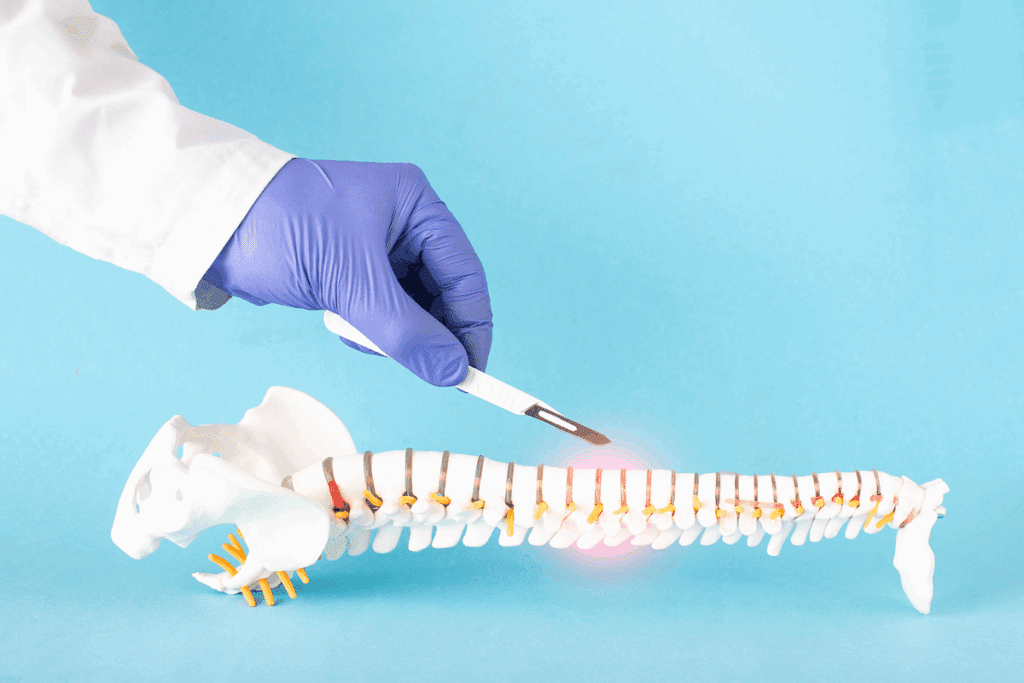
At Liv Hospital, we know how tough back surgery can be. We use cement in vertebrae to help with painful compression fractures. Vertebroplasty and kyphoplasty have changed spine surgery, making it less invasive. They help patients with osteoporotic or cancer-related fractures feel better and more stable.
These new methods involve putting bone cement into the broken vertebrae. This makes the spine stable and reduces pain. Our team is here to help every step of the way, making sure you get the best care possible.
Key Takeaways
- Vertebroplasty and kyphoplasty are minimally invasive procedures used to treat compression fractures.
- Bone cement is injected into the fractured vertebrae to provide stability and pain relief.
- Liv Hospital’s experts are committed to delivering personalized care and achieving optimal results.
- These procedures are beneficial for patients with osteoporotic or cancer-related fractures.
- A step-by-step guide helps patients understand the process and what to expect.
Understanding Vertebral Compression Fractures
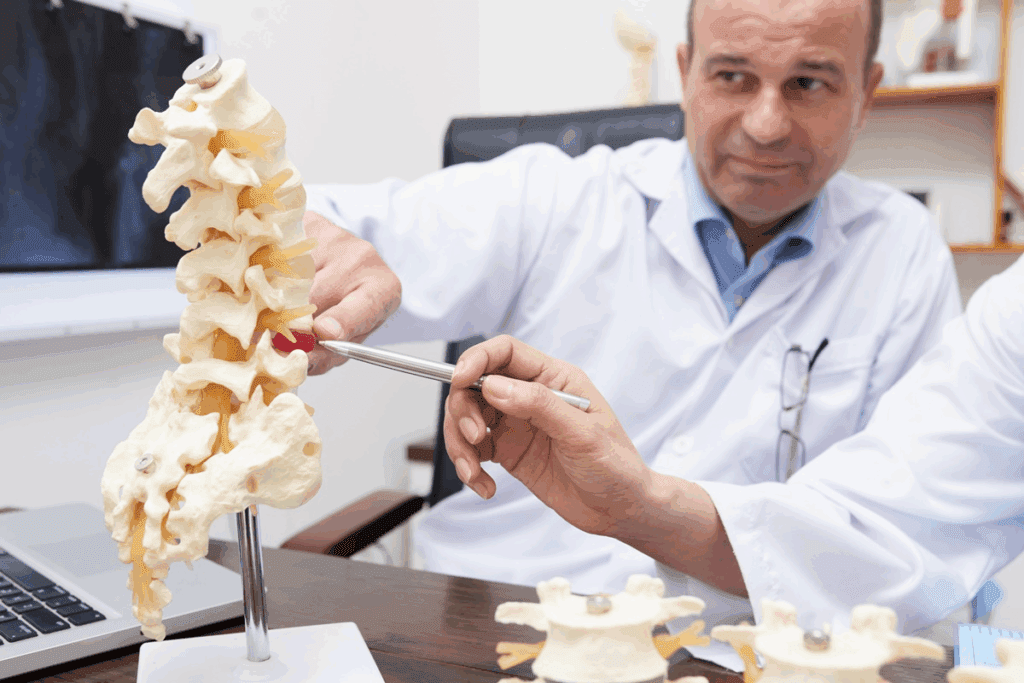
Vertebral compression fractures can really hurt a person’s life if not treated. They happen when a vertebra collapses, either a bit or all the way. This is because the bone is too weak.
Common Causes of Vertebral Fractures
The main reasons for vertebral compression fractures are:
- Osteoporosis: This is when bones get weak, making them break easily.
- Cancer: Spinal tumors can make vertebrae weak, causing fractures.
- Trauma: Big injuries from falls or accidents can also cause these fractures.
Symptoms and Clinical Presentation
People with vertebral compression fractures might feel:
- Very bad back pain that gets worse when they move
- They might look shorter because of the vertebra collapse
- They might have a hunched back, called kyphosis
These symptoms can really mess up a person’s daily life. Simple things become hard to do.
Impact on Patient Mobility and Quality of Life
Vertebral compression fractures can make it hard to move, cause constant pain, and lower quality of life. Treatments like vertebroplasty and kyphoplasty help. They aim to reduce pain, fix the vertebra, and help patients feel better.
Knowing about vertebral compression fractures helps doctors give better care. They can help patients move better and live better lives.
The Role of Cement in Vertebrae Procedures
Medical-grade bone cement is key in vertebroplasty and kyphoplasty. It helps those with vertebral compression fractures.
Composition and Properties of Medical-Grade Bone Cement
Vertebral procedures use polymethylmethacrylate (PMMA) bone cement. It’s chosen for being safe, strong, and hardening fast. This makes it great for immediate support of fractured vertebrae.
Key properties of medical-grade bone cement include:
- Rapid hardening to minimize procedural time
- High mechanical strength to support spinal structures
- Biocompatibility to reduce the risk of adverse reactions
- Radiopacity for visibility during and after the procedure
Mechanism of Action in Stabilizing Fractured Vertebrae
Bone cement is injected into the fractured vertebra under imaging. It hardens, creating a cast that stabilizes the fracture. This supports the bone around it.
This stabilization is key for pain relief and spinal strength. The procedure is less invasive, leading to faster recovery than open surgery.
Benefits of Creating an Internal Vertebral Cast
Creating an internal vertebral cast through cement injection in the spine has many benefits. It gives immediate pain relief and prevents further collapse. It also helps improve mobility and quality of life.
The use of cement in vertebrae procedures has changed how we treat vertebral compression fractures. It offers a minimally invasive solution with great benefits for patients.
Types of Cement Procedures for Back Surgery
Vertebroplasty and kyphoplasty are two cement procedures that have changed how we treat vertebral compression fractures. They help patients with back pain from fractured vertebrae. Knowing the differences between these procedures is key to choosing the right treatment.
Vertebroplasty: Definition and Indications
Vertebroplasty is a minimally invasive procedure. It involves injecting bone cement into a fractured vertebra to stabilize it and ease pain. It’s often recommended for severe vertebral fractures that haven’t improved with other treatments. The cement strengthens the vertebra, lowering the chance of further collapse.
Medical experts say vertebroplasty can greatly reduce pain and improve life quality for those with vertebral compression fractures. It’s used for osteoporotic compression fractures, traumatic fractures, and painful vertebral metastases.
Kyphoplasty: Definition and Indications
Kyphoplasty is another procedure for vertebral compression fractures. It differs from vertebroplasty by first inflating a balloon in the fractured vertebra. This creates a space before cement is injected. This step helps restore some of the vertebra’s height and reduces cement leakage risk.
Kyphoplasty is for patients with painful vertebral fractures that cause significant height loss or kyphotic deformity. It’s very helpful for those with osteoporotic fractures or vertebral fractures from multiple myeloma or metastatic disease.
Comparing Vertebroplasty and Kyphoplasty Outcomes
Both vertebroplasty and kyphoplasty are good at relieving pain and stabilizing fractured vertebrae. Yet, they have different outcomes. Here’s a table that highlights the main differences:
| Procedure | Key Characteristics | Outcomes |
| Vertebroplasty | Injects cement directly into the fractured vertebra | Significant pain relief, stabilizes vertebrae |
| Kyphoplasty | Involves balloon inflation to create a cavity before cement injection | Restores vertebral height, reduces kyphotic deformity, significant pain relief |
The choice between vertebroplasty and kyphoplasty depends on the patient’s condition, fracture severity, and any kyphotic deformity. Both procedures are valuable in treating vertebral compression fractures. Understanding their differences is vital for the best patient care.
Patient Selection Criteria for Cement Back Surgery
Choosing the right patients for cement back surgery is key to success. We carefully check each patient to see if they’re a good fit for this procedure.
Ideal Candidates for Vertebral Cement Procedures
Those with painful compression fractures that haven’t gotten better with other treatments are often good candidates. These fractures can really hurt a person’s quality of life, causing ongoing pain and making it hard to move.
Key characteristics of ideal candidates include:
- Painful vertebral compression fractures
- Failure of conservative treatment
- Significant impact on quality of life
Absolute and Relative Contraindications
Even though cement back surgery works well for many, there are some things that might make it not safe or effective. These include both absolute and relative contraindications.
| Contraindication Type | Description | Examples |
| Absolute Contraindications | Conditions that make the procedure unsafe | Osteomyelitis, active infection, severe coagulopathy |
| Relative Contraindications | Conditions that may require special consideration | Significant vertebral destruction, neurological deficits, severe cardiopulmonary disease |
When Conservative Treatment Fails
Cement back surgery is usually for when other treatments don’t work. This includes pain meds, bracing, and physical therapy. If these don’t help, then cement augmentation might be an option.
Pre-Procedure Risk Assessment
Doing a thorough risk assessment before surgery is very important. It helps make sure patients get the right treatment and have the best chance of success. We look at the patient’s health, how bad their condition is, and any possible risks.
By carefully picking patients and looking at risks, we can make sure cement back surgery works well and is safe.
Pre-Operative Preparation for Cement Injection in Spine
Cement injection in the spine needs careful planning before surgery. This ensures the patient’s safety and the success of the procedure. Several important steps are taken to achieve the best results.
Required Diagnostic Imaging Studies
Imaging is key in planning for cement injection. We use advanced imaging to look at the spine’s structure and find any issues.
- X-rays: Show the initial state of vertebral fractures and deformities.
- MRI (Magnetic Resonance Imaging): Gives a detailed view of soft tissues like nerves and discs.
- CT (Computed Tomography) scans: Provide clear images of bones, helping in precise planning.
These studies help us see how bad the fracture is, the bone’s condition, and any other spinal problems.
Patient Preparation Guidelines
Getting the patient ready for cement injection involves several steps. These steps help reduce risks and make the procedure smoother.
- Reviewing the patient’s medical history to check for allergies or conditions that might affect the procedure.
- Running pre-operative lab tests to check the patient’s health.
- Giving instructions on fasting and managing medications before the procedure.
- Talking about possible risks and benefits to get informed consent.
Anesthesia Options and Considerations
Choosing the right anesthesia is important for comfort and success. We look at the patient’s medical history, the procedure’s complexity, and their preference.
| Anesthesia Type | Description | Considerations |
| Local Anesthesia | Numbing the specific area of the procedure | Ideal for straightforward cases with minimal patient anxiety |
| Conscious Sedation | Relaxing the patient while remaining awake | Suitable for most patients, providing comfort without deep sedation risks |
| General Anesthesia | Putting the patient into a deep sleep | Reserved for complex cases or patients with high anxiety levels |
Surgical Planning and Approach Selection
Planning the surgery well means choosing the best approach for each patient. We consider the fracture’s location, the bone’s condition, and the patient’s health.
“The key to a successful cement injection procedure lies in meticulous pre-operative planning and a tailored approach to each patient’s unique needs.”
— Expert in Orthopedic Surgery
By carefully planning and preparing for cement injection in the spine, we can greatly improve patient outcomes and lower the risk of complications.
Step-by-Step Vertebroplasty Technique
The vertebroplasty technique involves injecting bone cement into fractured vertebrae. This helps to ease pain and improve spinal stability. The procedure is guided by imaging to place the cement accurately.
Patient Positioning and Surgical Setup
To start the vertebroplasty, the patient lies on their stomach on a special table. This table is clear for imaging during surgery. We make sure the patient is comfortable and stable to avoid movement.
Key aspects of patient positioning include:
- Prone positioning on a radiolucent table
- Careful alignment of the spine
- Use of pillows or supports to maintain comfort and stability
Needle Trajectory and Placement Technique
A needle is carefully guided into the fractured vertebra under fluoroscopy. The needle’s path is planned to avoid other structures and place it precisely in the vertebra.
The steps involved in needle placement are:
- Initial needle placement under fluoroscopic guidance
- Adjustment of the needle trajectory as needed
- Confirmation of the final needle position
| Step | Description | Imaging Guidance |
| 1 | Initial needle placement | Fluoroscopy |
| 2 | Needle trajectory adjustment | Fluoroscopy |
| 3 | Final needle position confirmation | Fluoroscopy |
Cement Preparation and Working Time
After the needle is in place, the bone cement is mixed as instructed. The cement is then injected into the vertebra under imaging to watch its flow and prevent leakage.
Critical factors in cement preparation include:
- Mixing the cement according to the manufacturer’s guidelines
- Monitoring the cement’s viscosity and working time
- Injecting the cement under fluoroscopic guidance
By following these steps, we can ensure a successful vertebroplasty procedure. This provides relief and stability to patients with vertebral compression fractures.
Step-by-Step Kyphoplasty Technique
In kyphoplasty, we use a balloon tamp to make a space in the fractured vertebra. This space is then filled with bone cement. This method is great for treating vertebral compression fractures.
Trocar Placement and Cannula Insertion
The first step is placing a trocar and cannula into the vertebra. We use fluoroscopy to guide it accurately. The trocar goes through the pedicle into the vertebra body.
Next, a cannula is put over the trocar. This creates a path for the next steps. Getting the trocar and cannula right is key for success.
Balloon Tamp Inflation Technique
With the cannula in place, a balloon tamp is inserted. It’s then inflated slowly to make a space in the vertebra. We watch this on fluoroscopy to make sure it’s done right.
Inflating the balloon is important. It makes room for the bone cement and helps restore the vertebra’s height. We control the pressure and volume carefully for the best results.
Creating and Measuring the Vertebral Cavity
After the balloon is deflated and removed, we fill the space with bone cement. We measure the cement to match the cavity’s size. This is important to avoid too much or too little cement.
The table below shows the main steps and things to consider in kyphoplasty:
| Step | Description | Considerations |
| Trocar Placement | Precise placement under fluoroscopic guidance | Accurate positioning is key |
| Balloon Tamp Inflation | Inflation to create a cavity within the vertebra | Careful monitoring to avoid over-expansion |
| Cement Injection | Filling the created cavity with bone cement | Matching cement volume to cavity size |
By following these steps, kyphoplasty is a good treatment for vertebral compression fractures. It helps relieve pain and restore the vertebra’s height.
Post-Operative Care After Cement Spine Surgery
Effective post-operative care is key for patients after cement spine surgery. It helps ensure a smooth and successful recovery. The post-operative period is critical for achieving optimal outcomes and maximizing the chances of a full recovery.
Immediate Recovery Protocol
Immediately after the procedure, patients are closely monitored in a recovery area for any signs of complications. We emphasize the importance of keeping the patient calm and comfortable during this period. Monitoring vital signs and neurological status is critical.
The immediate recovery protocol includes:
- Close monitoring of vital signs and neurological status
- Pain management through medication
- Observation for any signs of complications or adverse reactions to the cement
Pain Management Strategies
Pain management is a critical component of post-operative care. We employ a variety of strategies to manage pain effectively, including the use of analgesic medications and other non-pharmacological interventions.
| Pain Management Method | Description | Benefits |
| Analgesic Medications | Use of pain relief drugs | Effective in managing acute pain |
| Physical Therapy | Gentle exercises and stretches | Improves mobility and reduces pain |
| Alternative Therapies | Techniques like acupuncture or relaxation | Complementary methods for pain relief |
Activity Restrictions and Gradual Return to Function
To ensure a successful recovery, patients are advised on activity restrictions and a gradual return to their normal functions. We recommend avoiding heavy lifting, bending, or strenuous activities for a specified period.
Patients can often experience rapid pain relief after the procedure, allowing them to gradually resume their daily activities. It’s important to follow the recommended activity restrictions to prevent complications.
Follow-up Imaging Schedule and Assessments
Follow-up care includes a scheduled imaging regimen to assess the outcome of the procedure and monitor the healing process. We typically conduct follow-up assessments at regular intervals to evaluate the patient’s progress and address any concerns.
The follow-up schedule may include:
- Imaging studies (e.g., X-rays, CT scans) to assess the vertebrae
- Clinical evaluations to monitor pain levels and mobility
- Adjustments to the treatment plan as necessary
By adhering to the post-operative care guidelines, patients can optimize their recovery and achieve the best possible outcomes after cement spine surgery.
Potential Complications and Risk Management
It’s important to know the risks of vertebral cement procedures. These procedures are usually safe but can have some risks. Both patients and doctors need to be aware of these.
Common Complications of Vertebral Cement Procedures
Common problems include cement leakage, more fractures, and infections. Cement leakage is a big risk. It happens when cement gets out of the bone during the procedure.
Cement leakage can be lessened with careful technique and imaging. More fractures might happen because of how the spine changes after the procedure. This shows the need for choosing the right patients and good care after the procedure.
Rare but Serious Adverse Events
But there are rare but serious risks like pulmonary embolism, heart problems, and nerve damage. These risks are rare but can be very serious. It’s key to have plans for managing them.
We think it’s very important to carefully screen patients and watch them closely during and after the procedure. This helps lower these risks.
Evidence-Based Strategies to Minimize Risks
We use proven ways to lower risks. This includes choosing patients carefully, doing the procedure with precision, and giving good care after. Using advanced imaging during the procedure can also cut down on cement leakage risks.
- Careful patient selection based on thorough diagnostic evaluation
- Use of advanced imaging guidance during the procedure
- Precise cement preparation and injection technique
- Comprehensive post-operative monitoring and care
Recognition and Management of Complications
It’s vital to quickly spot and handle complications. This means knowing the possible problems, watching patients closely after the procedure, and having plans for any bad events.
We believe in working together to handle complications. This includes doctors, surgeons, and other health experts as needed.
Conclusion: Advances and Future Directions in Vertebral Cement Procedures
Recent research is making cement injection in the spine safer and more effective. We’re seeing big steps forward in how we use cement in the spine. This is all about making treatments better for people with vertebral compression fractures.
New cement materials and techniques are on the way. These changes will make treatments safer and more effective. Our work in research and development is all about improving care for patients.
By moving forward with these advances, we can better treat vertebral compression fractures. This means safer and more effective options for patients. The future of treating these fractures is looking bright, with exciting new developments coming.
FAQ
What is the purpose of using cement in vertebrae for back surgery?
Cement is used to stabilize fractured vertebrae. It relieves pain and restores spinal strength. This is often needed for fractures caused by osteoporosis or cancer.
What are vertebroplasty and kyphoplasty, and how do they differ?
Vertebroplasty and kyphoplasty are spine surgeries that use bone cement. Vertebroplasty injects cement directly into the vertebra. Kyphoplasty uses a balloon to create a space before adding cement.
What is medical-grade bone cement, and how does it work?
Medical-grade bone cement is a special material for bone stabilization. In spine surgeries, it acts like an internal cast. It relieves pain, stabilizes the vertebra, and strengthens the spine.
Who are ideal candidates for vertebral cement procedures?
Patients with painful vertebral compression fractures are ideal candidates. This includes those with osteoporosis or cancer-related fractures who haven’t responded to other treatments.
What are the possible complications of vertebral cement procedures?
Complications can include cement leakage, infection, nerve damage, and pulmonary embolism. It’s important to understand these risks and have strategies to prevent them.
How is patient selection done for cement back surgery?
Patient selection involves checking the patient’s health and the fracture’s severity. They must also have tried other treatments. A thorough risk assessment is done before surgery.
What is the role of diagnostic imaging in pre-operative preparation for cement injection in the spine?
Imaging studies like X-rays and CT scans are key. They help assess the fracture, plan the surgery, and ensure the needle is placed correctly.
What are the post-operative care requirements after cement spine surgery?
Care includes immediate recovery, pain management, and activity limits. Follow-up imaging is also necessary to ensure a smooth recovery.
How do vertebroplasty and kyphoplasty compare in terms of outcomes?
Both procedures relieve pain and stabilize vertebrae. Kyphoplasty may also restore vertebral height and reduce kyphosis. This can improve patient outcomes and quality of life.
What are the advances and future directions in vertebral cement procedures?
Research aims to improve the safety and effectiveness of these procedures. This includes better cement composition, new techniques, and enhanced patient selection criteria.
References
Alebi̇osu, C. O., et al. (2004). Percutaneous renal biopsy as an outpatient procedure. Nigerian Journal of Clinical Practice, 7(2), 56-59. https://pubmed.ncbi.nlm.nih.gov/15481751/


