
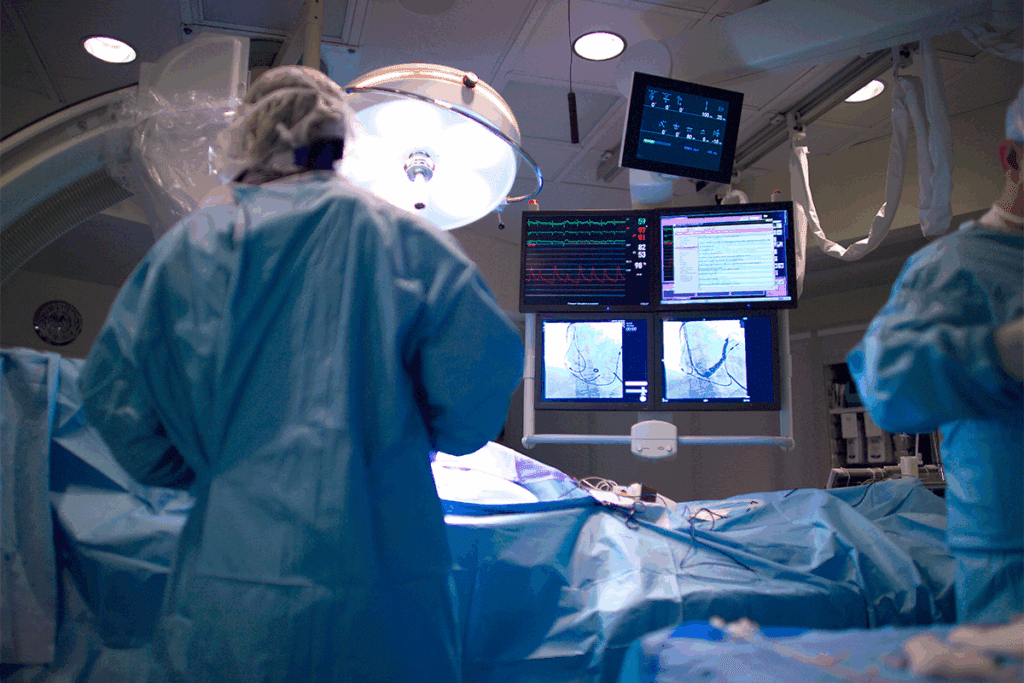
Liv Hospital is at the forefront of minimally invasive surgery, a revolutionary approach that transforms the way surgeries are performed. This technique utilizes small incisions, specialized instruments, and advanced technologies like cameras to conduct procedures that once required larger, open incisions.
By adopting minimally invasive techniques, patients benefit from quicker recovery times, less pain, and smaller scars compared to traditional open surgery. While traditional surgery still has its place in treating certain conditions, minimally invasive surgery offers a less intrusive alternative with significant benefits.
Key Takeaways
- Faster recovery times with minimally invasive techniques
- Less pain and discomfort for patients
- Smaller scars resulting from smaller incisions
- Advanced technologies enhance surgical precision
- Liv Hospital’s expertise in minimally invasive procedures
The Evolution of Surgical Techniques
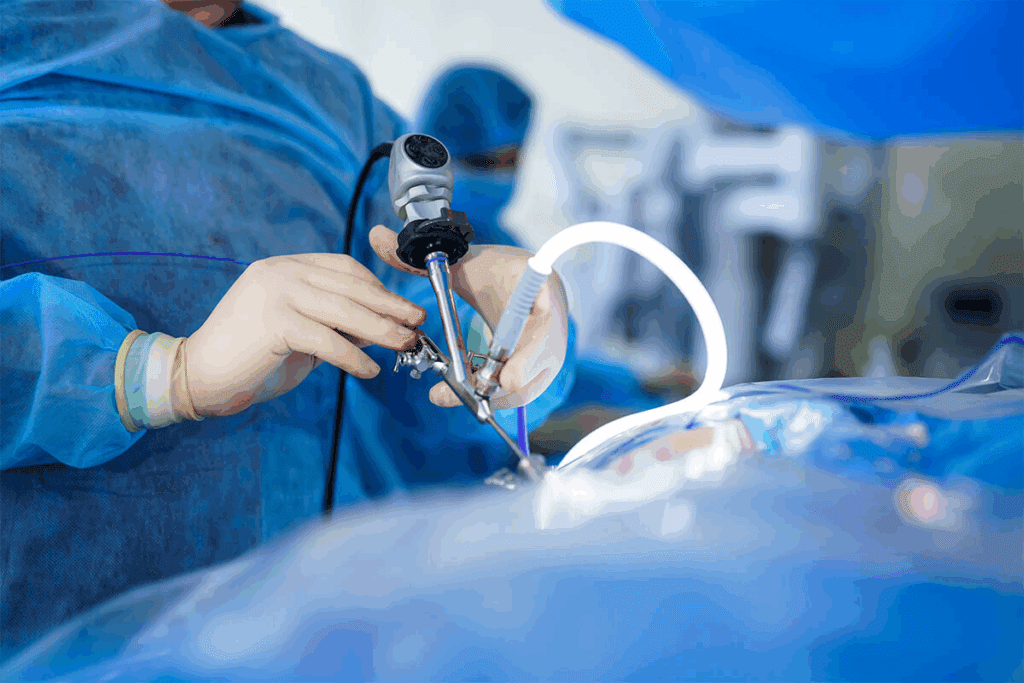
Surgical techniques have evolved substantially, shifting from traditional open procedures to more refined, less invasive methods. This transformation has been driven by the quest for reducing patient trauma and enhancing recovery outcomes.
From Open Procedures to Modern Approaches
Traditionally, surgery involved large incisions to provide surgeons with direct access to the area of the body requiring treatment. However, these open procedures often resulted in significant tissue damage, lengthy recovery times, and increased risk of complications. The shift towards modern surgical approaches has focused on minimizing these adverse effects.
Minimally invasive surgery (MIS) has emerged as a pivotal advancement, characterized by smaller incisions, reduced tissue handling, and less disruption to the patient’s body. This approach not only decreases the immediate trauma to the patient but also contributes to a faster return to normal activities.
The Drive Toward Less Invasive Methods
The drive towards less invasive methods is largely driven by the desire to improve patient outcomes and reduce healthcare costs. By minimizing the size of incisions and reducing tissue damage, minimally invasive procedures lead to less pain, fewer complications, and shorter hospital stays. This, in turn, enhances the overall efficiency of healthcare delivery.
The development and adoption of less invasive surgical techniques reflect a broader trend towards patient-centered care, where the focus is on minimizing discomfort and maximizing recovery speed. As technology continues to evolve, it is likely that we will see further innovations in this area, potentially including more sophisticated robotic-assisted surgeries and advanced imaging techniques.
What Is Minimally Invasive Surgery?

Minimally invasive surgery represents a significant shift from traditional open surgery, offering numerous benefits to patients. This surgical approach is characterized by its use of small incisions, through which specialized instruments and a camera are inserted to perform the operation.
Definition and Core Principles
Minimally invasive surgery is defined by its use of small incisions and advanced technology to minimize tissue damage and promote faster healing. The core principles of MIS include reducing trauma to the patient, minimizing scarring, and decreasing recovery time.
Key elements of minimally invasive surgery include:
- Small incisions, typically less than 1 cm in length
- Use of a laparoscope or similar device for visualization
- Specialized instruments designed for precise manipulation
- Advanced imaging systems for enhanced visualization
The Meaning of “Minimally Invasive” in Medical Context
In the medical context, “minimally invasive” refers to procedures that limit the size and number of incisions, thereby reducing tissue damage. This approach contrasts with traditional open surgery, which often requires larger incisions.
The benefits of this approach include reduced pain, shorter hospital stays, and quicker return to normal activities.
Key Terminology: MIS, Mini-Invasive, and Non-Invasive
Understanding the terminology related to minimally invasive surgery is crucial. MIS stands for Minimally Invasive Surgery, while “mini-invasive” is sometimes used interchangeably, though it can refer to slightly larger incisions than MIS. “Non-invasive” refers to procedures that do not involve breaking the skin or entering the body, such as certain diagnostic tests.
| Term | Description |
| MIS | Minimally Invasive Surgery – involves small incisions and specialized instruments |
| Mini-Invasive | Refers to surgical techniques with slightly larger incisions than MIS |
| Non-Invasive | Procedures that do not involve entering the body or breaking the skin |
Traditional Surgery vs. Minimally Invasive Approaches
The shift from traditional open surgery to minimally invasive surgical techniques represents a significant advancement in medical practice. This evolution is characterized by several key differences between the two approaches, impacting patient outcomes and recovery.
Incision Size and Surgical Access
One of the most notable differences between traditional and minimally invasive surgery is the size of the incision. Traditional open surgery requires larger incisions to provide surgeons with direct access to the area of the body being operated on. In contrast, minimally invasive surgery uses several small incisions, typically less than an inch in length, through which surgical instruments and a camera are inserted.
This difference in incision size has a direct impact on tissue trauma and postoperative pain. Smaller incisions result in less tissue damage and, consequently, less pain after surgery. The table below summarizes the key differences in incision size and surgical access between traditional and minimally invasive surgery.
| Surgical Approach | Incision Size | Surgical Access |
| Traditional Surgery | Large, single incision | Direct access |
| Minimally Invasive Surgery | Multiple small incisions | Indirect access via camera and instruments |
Tissue Handling and Manipulation
Tissue handling is another area where traditional and minimally invasive surgeries differ significantly. In traditional open surgery, surgeons have direct access to the surgical site, allowing for more straightforward tissue manipulation. However, this direct access comes at the cost of increased tissue trauma.
In contrast, minimally invasive surgery requires more delicate tissue handling due to the indirect access through small incisions. Surgeons must use specialized instruments designed for precision and control, which can lead to less tissue damage.
Visualization Methods
The method of visualization is also distinct between the two surgical approaches. Traditional surgery relies on the surgeon’s direct line of sight to the surgical site, whereas minimally invasive surgery uses a camera (laparoscope or endoscope) to visualize the area on a monitor.
This camera provides a magnified view of the surgical site, potentially improving the precision of the procedure. The visualization method in MIS can lead to more accurate dissections and suturing, contributing to better outcomes.
Recovery Process Differences
The recovery process is significantly influenced by the choice between traditional and minimally invasive surgery. Patients undergoing minimally invasive procedures typically experience less postoperative pain, shorter hospital stays, and quicker return to normal activities.
The reduced trauma and smaller incisions associated with MIS contribute to these faster recovery times. In contrast, traditional open surgery often results in longer recovery periods due to the larger incisions and greater tissue damage.
Types of Minimally Invasive Surgical Procedures
Minimally invasive surgery encompasses a range of techniques that have revolutionized the field of surgical medicine. These procedures are designed to reduce the size and number of incisions, thereby minimizing tissue damage and promoting faster recovery times.
Laparoscopic Surgery
Laparoscopic surgery, also known as keyhole surgery, involves making small incisions through which a laparoscope and surgical instruments are inserted. The laparoscope is a thin tube with a camera and light that allows the surgeon to visualize the internal organs on a monitor.
This technique is commonly used for procedures such as gallbladder removal, hernia repair, and certain types of gastrointestinal surgery. The benefits of laparoscopic surgery include reduced pain, less scarring, and shorter hospital stays.
Robotic-Assisted Surgery
Robotic-assisted surgery represents a significant advancement in MIS surgery, offering enhanced precision and control. Robotic systems, such as the da Vinci Surgical System, provide surgeons with a high-definition 3D view of the operating area and instruments that can be manipulated with great dexterity.
The use of robotic-assisted surgery has been associated with improved outcomes in complex procedures, including those in urology, gynecology, and cardiothoracic surgery.
Endoscopic Procedures
Endoscopic procedures involve the use of an endoscope, a flexible tube with a camera and light, to visualize the internal organs or cavities. This technique is often used for diagnostic purposes, such as examining the gastrointestinal tract, or for therapeutic interventions like removing polyps or tumors.
Endoscopy is considered a minimally invasive technique because it typically does not require external incisions, reducing the risk of complications and promoting quicker recovery.
Other Minimally Invasive Techniques
In addition to laparoscopic, robotic-assisted, and endoscopic procedures, there are other minimally invasive techniques, including percutaneous procedures, where instruments are inserted through the skin, and natural orifice transluminal endoscopic surgery (NOTES), which involves accessing the abdominal cavity through natural orifices.
These diverse approaches underscore the versatility and innovation in the field of minimally invasive surgery, offering patients a range of options tailored to their specific needs.
Benefits of Minimally Invasive Procedures
By understanding what minimally invasive means, patients can appreciate the benefits it offers over traditional surgical methods. Minimally invasive surgery (MIS) has become a cornerstone in modern medical practice, providing numerous advantages that enhance patient outcomes and experiences.
Reduced Pain and Scarring
One of the most significant benefits of MIS is the reduction in postoperative pain and scarring. Smaller incisions result in less tissue damage and trauma, leading to less postoperative pain and minimal scarring. This not only improves the patient’s physical comfort but also enhances their overall satisfaction with the surgical outcome.
Shorter Hospital Stays and Recovery Time
Patients undergoing MIS typically experience shorter hospital stays and quicker recovery times compared to those who undergo traditional open surgery. This is because MIS involves less tissue trauma and damage, allowing patients to return to their normal activities sooner.
| Procedure Type | Average Hospital Stay | Average Recovery Time |
| Minimally Invasive Surgery | 1-2 days | 2-4 weeks |
| Traditional Open Surgery | 3-7 days | 6-12 weeks |
Lower Risk of Infection and Complications
MIS is associated with a lower risk of infection and complications compared to traditional surgery. The smaller incisions reduce the exposure of internal tissues to potential contaminants, thereby minimizing the risk of postoperative infections.
Economic Benefits and Return to Normal Activities
The economic benefits of MIS are also noteworthy. Shorter hospital stays and quicker recovery times translate into reduced healthcare costs and lost productivity. Patients can return to their normal activities and work sooner, which has a positive impact on their economic well-being and overall quality of life.
In conclusion, the benefits of minimally invasive procedures, including reduced pain and scarring, shorter hospital stays, lower risk of complications, and economic benefits, make it a highly advantageous choice for many patients. Understanding what minimally invasive means can help patients make informed decisions about their surgical options.
Limitations and Considerations of MIS Surgery
While minimally invasive surgery (MIS) has revolutionized the field of surgery, it’s not without its limitations. As with any medical technique, understanding the constraints and potential drawbacks of MIS is essential for providing the best possible care to patients.
When Traditional Surgery May Be Preferred
In certain complex cases or emergency situations, traditional open surgery may be the preferred or necessary approach. For instance, traditional surgery remains the gold standard for certain complex spinal conditions that cannot be adequately addressed through smaller incisions. The complexity of some surgical procedures may require the wider access and direct visualization that traditional surgery provides.
Emergency situations, such as severe trauma or significant internal bleeding, often necessitate immediate and direct access to the affected area, making traditional surgery the more appropriate choice. In these scenarios, the priority is to save the patient’s life or prevent further damage, and MIS techniques may not be feasible or fast enough.
Potential Challenges and Risks
MIS procedures come with their own set of challenges and risks. These can include technical difficulties related to the equipment or the surgeon’s experience with MIS techniques. There’s also a risk of complications such as infection, bleeding, or damage to surrounding tissues, although these risks are generally lower compared to traditional surgery.
Another consideration is the limited tactile feedback in MIS procedures. Surgeons often rely on visual information from the camera, which can make it harder to assess tissue texture or the tension of sutures. Advances in technology, such as improved imaging systems and robotic-assisted surgery, are helping to mitigate some of these challenges.
Training and Expertise Requirements
The successful execution of MIS procedures requires specialized training and expertise. Surgeons must be proficient in the use of MIS equipment and techniques, which can involve a significant learning curve. The need for ongoing education and training in the latest MIS technologies and methods is crucial for maintaining high standards of care.
Institutions and surgical training programs are increasingly focusing on providing comprehensive MIS training to ensure that surgeons are equipped to offer the best possible outcomes for their patients. This includes not only technical skills but also the ability to select appropriate candidates for MIS and to manage potential complications effectively.
Applications Across Medical Specialties
The versatility of MIS is evident in its application across multiple medical disciplines, transforming patient care and surgical outcomes. Minimally invasive techniques are now a staple in various surgical fields, offering numerous benefits to patients.
Gynecologic Procedures
In gynecology, MIS has revolutionized procedures such as hysterectomies, endometriosis treatments, and ovarian cyst removals. These operations are now performed with smaller incisions, resulting in less pain and quicker recovery times for patients.
Orthopedic Applications
Orthopedic surgery has also seen significant advancements with MIS. Procedures like knee replacements, arthroscopic surgeries, and spinal fusions are being performed with greater precision and less tissue damage, leading to faster rehabilitation.
Cardiac and Thoracic Interventions
In the realm of cardiac and thoracic surgery, MIS is used for coronary artery bypass grafting, mitral valve repairs, and lung resections. These procedures benefit from reduced trauma to the chest, resulting in shorter hospital stays and less post-operative pain.
Gastrointestinal and General Surgery
Gastrointestinal and general surgery have also embraced MIS for procedures like cholecystectomies, hernia repairs, and bariatric surgeries. The minimally invasive approach reduces the risk of complications and promotes a quicker return to normal activities.
| Medical Specialty | Common MIS Procedures | Benefits |
| Gynecology | Hysterectomies, Endometriosis treatment | Less pain, quicker recovery |
| Orthopedics | Knee replacements, Arthroscopic surgery | Greater precision, faster rehabilitation |
| Cardiac/Thoracic | CABG, Mitral valve repair | Reduced chest trauma, shorter hospital stays |
| Gastrointestinal | Cholecystectomies, Hernia repair | Fewer complications, quicker recovery |
By examining the diverse applications of MIS across medical specialties, it becomes clear that this surgical approach offers significant advantages in terms of patient outcomes and recovery. As technology continues to evolve, the scope of MIS is likely to expand further, benefiting an even broader range of patients.
Technology Driving Minimally Invasive Surgical Advances
Technological innovations have been pivotal in advancing minimally invasive surgical techniques, enhancing both precision and patient outcomes. The integration of cutting-edge technology has transformed the surgical landscape, enabling more complex procedures to be performed with minimal incisions.
Imaging Systems and Visualization Tools
Advanced imaging systems and visualization tools have significantly improved the precision of minimally invasive surgery. High-definition cameras and 3D visualization systems provide surgeons with a clear and detailed view of the surgical site, allowing for more accurate dissections and reconstructions.
The use of enhanced imaging technologies, such as fluorescence imaging and intraoperative ultrasound, further aids in identifying critical structures and assessing the progress of the surgery in real-time.
Specialized Instruments and Devices
The development of specialized instruments and devices has been crucial in the advancement of minimally invasive surgery. These instruments are designed to be more precise and flexible, allowing for delicate maneuvers through small incisions.
Devices such as robotic arms and articulating instruments enable surgeons to perform complex tasks with greater control and dexterity, reducing the risk of complications and improving patient recovery times.
Artificial Intelligence and Navigation Systems
Artificial intelligence (AI) and navigation systems are increasingly being integrated into minimally invasive surgical procedures. AI algorithms can analyze preoperative images and intraoperative data to provide real-time guidance and support decision-making during surgery.
Navigation systems, often utilizing electromagnetic or optical tracking, enhance the accuracy of instrument placement and tumor localization, contributing to more effective and safer surgical interventions.
Training Simulators and Virtual Reality
The use of training simulators and virtual reality (VR) is revolutionizing the training of surgeons in minimally invasive techniques. These platforms offer a realistic and immersive environment for practicing complex procedures, reducing the learning curve and improving technical skills.
Simulators can replicate various surgical scenarios, allowing surgeons to rehearse and refine their techniques in a risk-free setting, ultimately enhancing their readiness for real surgical challenges.
Conclusion: The Future of Surgical Care
The future of surgical care is likely to be shaped by continued advances in minimally invasive techniques, leading to better outcomes and improved patient experiences. As technology continues to evolve, we can expect to see further innovations in minimal invasive surgery, expanding its applications and benefits across various medical specialties.
With the development of new imaging systems, specialized instruments, and navigation systems, minimal invasive procedures will become even more precise and effective. This will lead to reduced recovery times, less pain, and fewer complications for patients undergoing surgical procedures.
As the field continues to advance, we can expect to see increased adoption of minimal invasive techniques across different areas of medicine, ultimately improving the quality of care and patient satisfaction. The ongoing evolution of minimal invasive surgery will play a significant role in shaping the future of surgical care.
FAQ
What is minimally invasive surgery?
Minimally invasive surgery refers to surgical procedures that limit the size and number of incisions, reducing tissue damage and promoting faster recovery. These procedures often utilize specialized instruments and imaging systems to facilitate the operation.
How does minimally invasive surgery differ from traditional surgery?
Minimally invasive surgery differs from traditional surgery in its approach, using smaller incisions, less tissue handling, and advanced visualization methods, resulting in reduced pain, scarring, and recovery time.
What are the benefits of minimally invasive procedures?
The benefits of minimally invasive procedures include reduced pain and scarring, shorter hospital stays, lower risk of infection and complications, and faster return to normal activities.
What are the different types of minimally invasive surgical procedures?
The different types of minimally invasive surgical procedures include laparoscopic surgery, robotic-assisted surgery, endoscopic procedures, and other techniques that utilize specialized instruments and imaging systems.
Is minimally invasive surgery always the best option?
Minimally invasive surgery is not always the best option; traditional surgery may be preferred in certain situations, such as complex or high-risk procedures, and the choice of surgical approach depends on individual patient needs and medical conditions.
What is the role of technology in minimally invasive surgery?
Technology plays a crucial role in minimally invasive surgery, driving advances in imaging systems, specialized instruments, artificial intelligence, and navigation systems, as well as training simulators and virtual reality.
What is laparoscopic surgery?
Laparoscopic surgery is a type of minimally invasive surgical procedure that involves inserting a laparoscope (a thin, lighted tube with a camera) and specialized instruments through small incisions to perform the operation.
What is robotic-assisted surgery?
Robotic-assisted surgery is a type of minimally invasive surgical procedure that utilizes a robotic system to enhance the surgeon’s capabilities, providing improved visualization, precision, and dexterity.
Are minimally invasive procedures available for all medical specialties?
Minimally invasive procedures are available for various medical specialties, including gynecologic, orthopedic, cardiac, thoracic, gastrointestinal, and general surgery, among others.
What are the potential challenges and risks associated with minimally invasive surgery?
Potential challenges and risks associated with minimally invasive surgery include technical difficulties, limited visibility, and potential complications, such as bleeding or infection, as well as the need for specialized training and expertise.



 Departments
 Related Videos
 Our Doctors
 News
News