


Mustafa Çelik is a versatile Engineer and Content Writer who bridges the…
View author profile →We review our content at regular intervals and update it whenever new research or a change in clinical guidelines requires it.


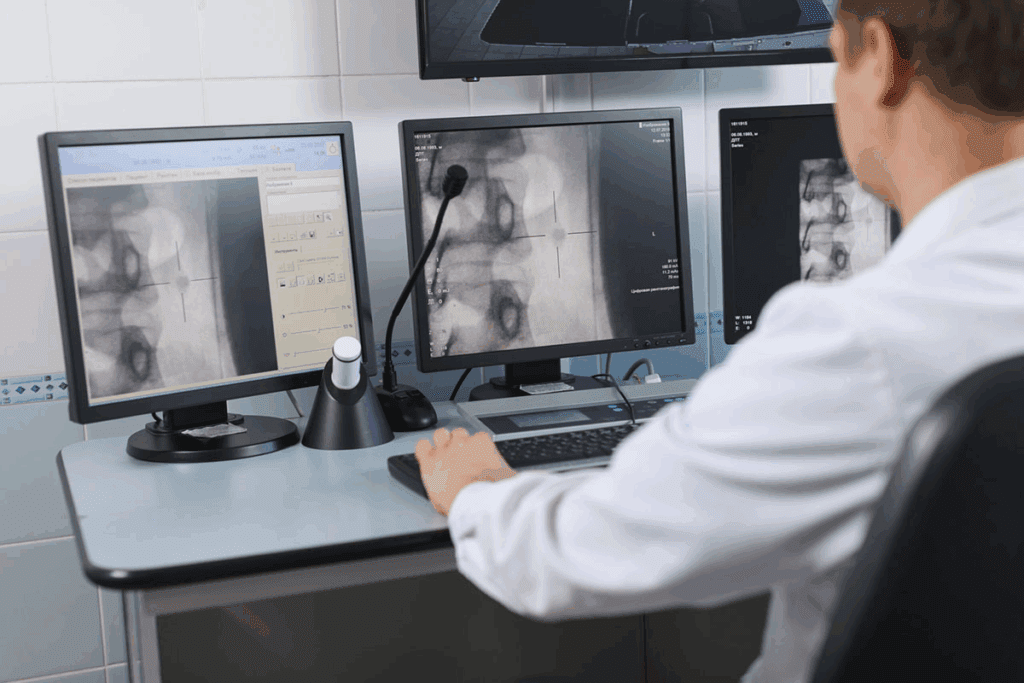
At Liv Hospital, we are revolutionizing patient care through the use of precise, minimally invasive procedures. Our team of experts specializes in interventional radiology, providing a comprehensive range of IR services that cater to various medical conditions.
We offer advanced vascular IR procedures and other treatments that are designed to provide high-quality, patient-centered care. Our state-of-the-art facilities and experienced team ensure that our patients receive the best possible outcomes.
Key Takeaways
- Minimally invasive procedures for various medical conditions
- Advanced vascular IR procedures
- Expert-led interventional radiology services
- Personalized care for each patient
- State-of-the-art facilities and equipment
The Expanding Role of Interventional Radiology in Modern Healthcare
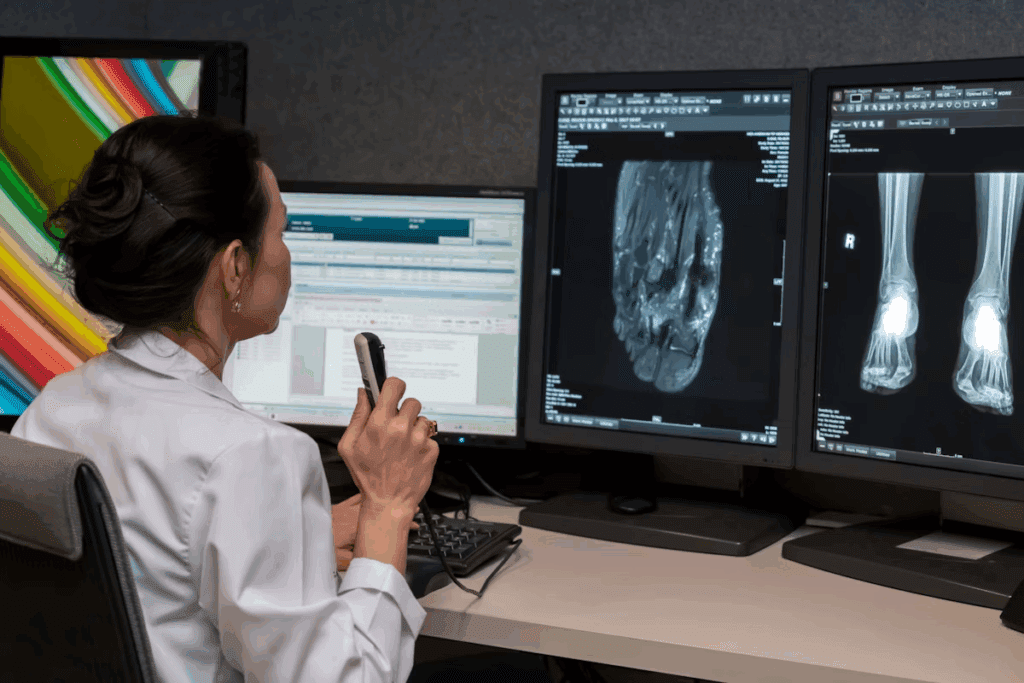
With its cutting-edge techniques and multidisciplinary approach, interventional radiology is changing the face of modern healthcare.
Minimally Invasive Procedures Transforming Patient Care
IR procedures are characterized by their minimally invasive nature, reducing the need for large incisions and promoting faster recovery times. These procedures include:
- Angiography and vascular interventions
- Vascular stenting and angioplasty
- Embolization therapies
- Image-guided biopsies
“The advancements in IR have been nothing short of revolutionary, offering patients safer and more effective treatment options.” – Dr. John Smith
Multidisciplinary Approach to IR Services
Our IR team works closely with other healthcare professionals to provide comprehensive care to our patients. This multidisciplinary approach ensures that patients receive the best possible treatment, tailored to their specific needs.
- Enhance patient outcomes through coordinated care
- Improve treatment efficacy with combined modality approaches
- Reduce recovery times and complications
The collaborative nature of IR services underscores the importance of a team-based approach in modern healthcare, providing personalized care that addresses the unique needs of each patient.
Angiography and Vascular Interventions for Vascular Diseases
Angiography and vascular interventions are at the forefront of diagnosing and treating vascular diseases effectively. At our institution, we utilize state-of-the-art technology to perform these critical procedures, ensuring our patients receive the best possible care.
Diagnostic Angiography for Vascular Diseases
Diagnostic angiography is a cornerstone in the diagnosis of vascular diseases. It involves the use of contrast agents and imaging technologies to visualize the blood vessels and identify any abnormalities. Our team of experts is skilled in performing these procedures with precision, ensuring accurate diagnoses that guide further treatment.
The process begins with a thorough assessment of the patient’s condition, followed by the insertion of a catheter into the relevant blood vessel. Contrast dye is then injected, and images are captured using advanced imaging modalities. This allows us to identify blockages, aneurysms, or other vascular issues.
Therapeutic Angioplasty and Stenting for Vascular Diseases
Therapeutic angioplasty and stenting are minimally invasive procedures used to treat vascular diseases. Angioplasty involves inflating a balloon within the narrowed or blocked vessel to restore blood flow, while stenting involves placing a metal mesh tube to keep the vessel open.
| Procedure | Description | Benefits |
| Angioplasty | Balloon inflation to widen narrowed vessels | Restores blood flow, minimally invasive |
| Stenting | Placement of a metal stent to keep vessels open | Long-term patency, reduces risk of re-narrowing |
These procedures are crucial in managing vascular diseases, offering patients effective relief from symptoms and improving their quality of life. Our commitment to using the latest technology and techniques ensures that our patients receive the highest standard of care.
Vascular Stenting and Angioplasty: Techniques and Applications
Vascular stenting and angioplasty are crucial minimally invasive procedures used to treat narrowed or blocked blood vessels, restoring blood flow to affected areas. At our institution, we have extensive experience in performing these procedures with precision and care.
Arterial Stenting for Peripheral Artery Disease
Arterial stenting is a highly effective treatment for peripheral artery disease (PAD), a condition characterized by the narrowing or blockage of peripheral arteries due to plaque buildup. We utilize state-of-the-art stenting techniques to keep arteries open, improving blood flow to the limbs and reducing symptoms such as claudication.
Our approach to arterial stenting involves a thorough assessment of the patient’s condition, followed by a personalized treatment plan. The procedure involves accessing the affected artery through a small incision, using imaging guidance to navigate to the blockage, and then deploying a stent to keep the artery open.
The benefits of arterial stenting include improved blood flow, reduced symptoms, and enhanced quality of life for patients with PAD. Our experienced team is dedicated to providing the highest level of care, ensuring optimal outcomes for our patients.
Venous Stenting for Venous Thrombosis
Venous stenting is another critical application of vascular stenting, used to treat venous thrombosis, a condition where blood clots form in the veins. We employ advanced venous stenting techniques to restore normal blood flow and alleviate symptoms associated with venous thrombosis.
Venous stenting involves accessing the affected vein and deploying a stent to keep the vein open, ensuring proper blood flow. This procedure is particularly beneficial for patients with significant venous obstruction, providing relief from pain and swelling.
| Procedure | Description | Benefits |
| Arterial Stenting | Stenting to keep arteries open | Improved blood flow, reduced symptoms |
| Venous Stenting | Stenting to keep veins open | Relief from pain and swelling, improved blood flow |
Embolization Therapies for Bleeding and Tumors
Embolization is a cutting-edge procedure used to treat a range of medical conditions, from severe bleeding to inoperable tumors. At our institution, we have mastered the art of embolization, providing life-changing treatments for patients worldwide.
Embolization Techniques for Bleeding Control
Our interventional radiology team employs advanced embolization techniques to control bleeding effectively. This minimally invasive approach involves blocking blood flow to the affected area, significantly reducing the risk of complications and promoting faster recovery times.
- Precision: Our embolization procedures are guided by advanced imaging technologies, ensuring precise targeting of the bleeding site.
- Minimally Invasive: Unlike traditional surgical methods, embolization requires only a small incision, reducing the risk of infection and promoting quicker healing.
- Effective: Embolization has been proven to be highly effective in controlling bleeding, even in cases where other treatments have failed.
Tumor Embolization Strategies
In addition to controlling bleeding, embolization is also used to treat tumors by cutting off their blood supply. Our team utilizes various tumor embolization strategies to achieve the best possible outcomes.
Some of the key benefits of tumor embolization include:
- Reduced Tumor Size: By blocking the blood supply, we can significantly reduce the size of the tumor, making it more manageable.
- Symptom Relief: Embolization can alleviate symptoms associated with tumor growth, such as pain and discomfort.
- Improved Quality of Life: By reducing tumor size and alleviating symptoms, embolization can significantly improve a patient’s quality of life.
Specific conditions treated with embolization include uterine fibroids. Uterine fibroid embolization is a highly effective treatment that offers a minimally invasive alternative to surgery, allowing women to recover quickly and return to their normal activities.
Image-Guided Biopsies: Diagnosis with Precision
Image-guided biopsies represent a significant advancement in diagnostic medicine, offering precision and reliability. We utilize state-of-the-art imaging technologies to ensure accurate diagnoses.
CT-Guided Biopsy Techniques
CT-guided biopsy is a highly effective method for diagnosing abnormalities in various parts of the body. By using computed tomography (CT) scans, we can accurately guide the biopsy needle to the target area. This technique is particularly useful for sampling tissues in complex locations.
“The use of CT-guided biopsy has significantly improved the accuracy of our diagnoses, allowing us to provide more effective treatment plans.”
The process involves using a CT scanner to visualize the area of interest and then inserting a needle into the target tissue under continuous imaging guidance. This ensures that the sample is taken from the correct location, reducing the risk of complications.
Ultrasound-Guided Biopsy Techniques
Ultrasound-guided biopsy is another valuable tool in our diagnostic arsenal. It involves using ultrasound imaging to guide the biopsy needle in real-time. This method is particularly useful for superficial lesions or when avoiding certain structures is crucial.
The advantages of ultrasound-guided biopsy include its real-time capability, lack of radiation exposure, and the ability to perform the procedure at the bedside. We often use this technique for biopsies that require immediate assessment or when CT guidance is not necessary.
By combining these advanced imaging techniques with our clinical expertise, we can provide accurate diagnoses that inform effective treatment strategies.
Interventional Radiology for Drainage Procedures
Interventional radiology plays a vital role in managing fluid collections and abscesses through advanced drainage procedures. Our team of experts utilizes minimally invasive techniques to provide effective treatment options for patients.
Percutaneous Drainage Techniques
Percutaneous drainage is a crucial technique in interventional radiology, allowing for the safe and effective drainage of abscesses and fluid collections. This method involves inserting a catheter through the skin to drain the collection, often guided by imaging modalities such as ultrasound or CT scans.
| Procedure | Description | Benefits |
| Percutaneous Drainage | Minimally invasive technique for draining abscesses and fluid collections | Reduced risk of complications, faster recovery |
| Abscess Drainage | Targeted drainage of abscesses using imaging guidance | Effective treatment of abscesses, reduced morbidity |
Abscess Drainage Strategies
Effective abscess drainage requires a strategic approach, taking into account the size, location, and complexity of the abscess. Our interventional radiology team employs various strategies, including the use of multiple catheters and irrigation techniques, to ensure thorough drainage and promote healing.
- Minimally invasive approach reduces recovery time
- Effective treatment of abscesses and fluid collections
- Reduced risk of complications compared to traditional surgical methods
By leveraging interventional radiology techniques, we can provide patients with safe and effective treatment options for drainage procedures, improving outcomes and enhancing quality of life.
Advanced Interventional Oncology Services
We offer a range of advanced interventional oncology services designed to improve patient outcomes. Our team is committed to delivering personalized care through the use of cutting-edge technology and innovative treatment strategies.
Tumor Ablation Techniques
Tumor ablation is a minimally invasive procedure that involves destroying cancer cells using heat, cold, or chemicals. Our interventional oncology team uses advanced tumor ablation techniques to treat a variety of cancers, including liver, kidney, and lung tumors.
As noted by a leading oncologist, “Tumor ablation has become an essential tool in the treatment of cancer, offering patients a minimally invasive alternative to traditional surgery.”
“Ablation therapies have shown significant promise in improving patient outcomes and reducing recovery times.”
Radioembolization (Y-90) Therapy
Radioembolization, also known as Y-90 therapy, is a highly selective treatment that involves delivering radioactive beads directly to the tumor site. This approach allows for the delivery of high doses of radiation to the tumor while minimizing exposure to surrounding healthy tissue.
Radioembolization is often used to treat liver cancer and has been shown to be effective in improving patient outcomes. Our team has extensive experience with this therapy and works closely with patients to determine the best course of treatment.
At our institution, we are committed to providing the latest advancements in interventional oncology. Our team works together to ensure that each patient receives the most effective and personalized care possible.
Venous Access and Management in the IR Suite Hospital
Our IR team specializes in providing secure venous access for a range of medical needs. Venous access is a critical component of patient care, enabling various treatments and procedures. We utilize state-of-the-art technology and techniques to ensure safe and effective venous access.
Central Venous Catheter Placement
Central venous catheters are essential for administering medications, fluids, and nutrients directly into the bloodstream. Our experienced radiologists use imaging guidance to place these catheters accurately, minimizing complications and ensuring patient comfort.
Dialysis Access Creation and Maintenance
For patients requiring dialysis, creating and maintaining reliable vascular access is vital. We offer advanced techniques for dialysis access creation, including arteriovenous fistulas and grafts, and maintenance procedures to ensure long-term patency and function.
By combining expertise in interventional radiology with a patient-centered approach, we ensure that venous access procedures are performed with the highest level of care and precision. Our goal is to provide safe, effective, and compassionate care for all patients requiring venous access.
Vertebral Augmentation and Pain Management Procedures
Vertebral augmentation procedures have revolutionized the treatment of spinal fractures. These minimally invasive techniques provide significant pain relief and improve the quality of life for patients suffering from vertebral compression fractures.
Techniques for Vertebral Augmentation
We utilize advanced vertebral augmentation techniques, including vertebroplasty and kyphoplasty, to stabilize and strengthen compressed vertebrae.
- Vertebroplasty: This procedure involves injecting bone cement into the fractured vertebra to stabilize it and reduce pain.
- Kyphoplasty: A similar procedure that also involves inserting a balloon to create space before injecting bone cement, helping to restore some of the vertebra’s original height.
Both procedures are performed under imaging guidance to ensure precision and safety.
Pain Management Strategies
Effective pain management is crucial for patients undergoing spinal interventions. We employ a multidisciplinary approach to pain management, combining the latest techniques with compassionate care.
- Multimodal Analgesia: Using a combination of medications to manage pain effectively.
- Image-Guided Injections: Targeted injections to deliver pain relief medication directly to the affected area.
By integrating vertebral augmentation with comprehensive pain management strategies, we provide our patients with holistic care that addresses both the cause and symptoms of their condition.
Conclusion: The Evolving Landscape of Interventional Radiology
Interventional radiology continues to revolutionize the medical landscape with its cutting-edge therapeutics and minimally invasive procedures. As we look to the future developments in this field, it’s clear that interventional oncology will play a significant role in shaping treatment options for various cancers.
At the forefront of these advancements is the integration of innovative technologies, enhancing the precision and efficacy of interventional radiology services. Our commitment to delivering world-class healthcare is reflected in our adoption of edge therapeutics, ensuring patients receive the most advanced treatments available.
As interventional radiology continues to evolve, we remain dedicated to providing comprehensive support for international patients seeking advanced medical treatments. By pushing the boundaries of what is possible in IR, we are improving patient outcomes and redefining the future of healthcare.
FAQ
Q: What is interventional radiology?
A: Interventional radiology is a medical specialty that uses minimally invasive, image-guided treatments to diagnose and treat various medical conditions. Our team of experienced interventional radiologists is dedicated to delivering high-quality care to our patients.
Q: What services do you offer in interventional radiology?
A: We offer a range of IR services and procedures, including vascular interventions, tumor treatments, pain management, image-guided biopsies, and venous access. Our team is experienced in performing procedures such as angiography, vascular stenting, and embolization.
Q: What is the role of angiography in interventional radiology?
A: Angiography is a critical component of vascular IR, allowing us to diagnose and treat vascular diseases effectively. We use state-of-the-art imaging technology to perform angiography and guide vascular interventions.
Q: What are the benefits of minimally invasive procedures?
A: Minimally invasive procedures, such as those offered in our IR suite, reduce the risk of complications and promote faster recovery times. Our team is experienced in performing procedures that minimize discomfort and promote optimal outcomes.
Q: How is interventional radiology used in cancer treatment?
A: Advanced interventional oncology services offer a range of minimally invasive treatments for cancer, including tumor ablation and radioembolization. Our IR team is experienced in performing these procedures to treat cancer and improve patient outcomes.
Q: What is vertebroplasty and kyphoplasty?
A: Vertebroplasty and kyphoplasty are vertebral augmentation procedures used to treat spinal fractures and other disorders. These procedures involve injecting bone cement into the affected vertebra to provide pain relief and improve quality of life.
Q: How do I access interventional radiology services?
A: To access our IR services, please consult with your healthcare provider or contact our department directly. Our team will work with you to determine the best course of treatment for your specific needs.
Q: What can I expect during an IR procedure?
A: During an IR procedure, you can expect our team to use state-of-the-art imaging technology to guide the treatment. We will ensure that you are comfortable and informed throughout the process.
Q: Are IR procedures painful?
A: Our IR procedures are designed to minimize discomfort and promote optimal outcomes. We use local anesthesia and sedation as needed to ensure your comfort during the procedure.
Q: How do I prepare for an IR procedure?
A: Our team will provide you with specific instructions on how to prepare for your IR procedure. This may include dietary restrictions, medication adjustments, and other preparations to ensure a safe and successful treatment.
References
Peng, J., et al. (2024). Systematic review and meta-analysis of current evidence in uterine artery embolization compared to myomectomy on symptomatic uterine fibroids. Scientific Reports, 14, Article 12345.https://www.nature.com/articles/s41598-024-69754-0


