


Nearly 20 million nuclear medicine procedures are done every year. SPECT scans are a big part of these tests.
It’s important for doctors and patients to know about these limits. This helps in making better choices about SPECT scans.
This article will look into the disadvantages of SPECT scans. We’ll see how they affect medical diagnosis.
Key Takeaways
- Knowing the limits of SPECT scans is key for making smart choices.
- SPECT imaging has several downsides that can affect how accurate it is.
- The limits of SPECT scans impact how it’s used in medical diagnosis.
- Being aware of these limits can help improve patient care.
- Looking into the disadvantages of SPECT scans helps us understand its value in diagnosis.
The Basics of SPECT Imaging
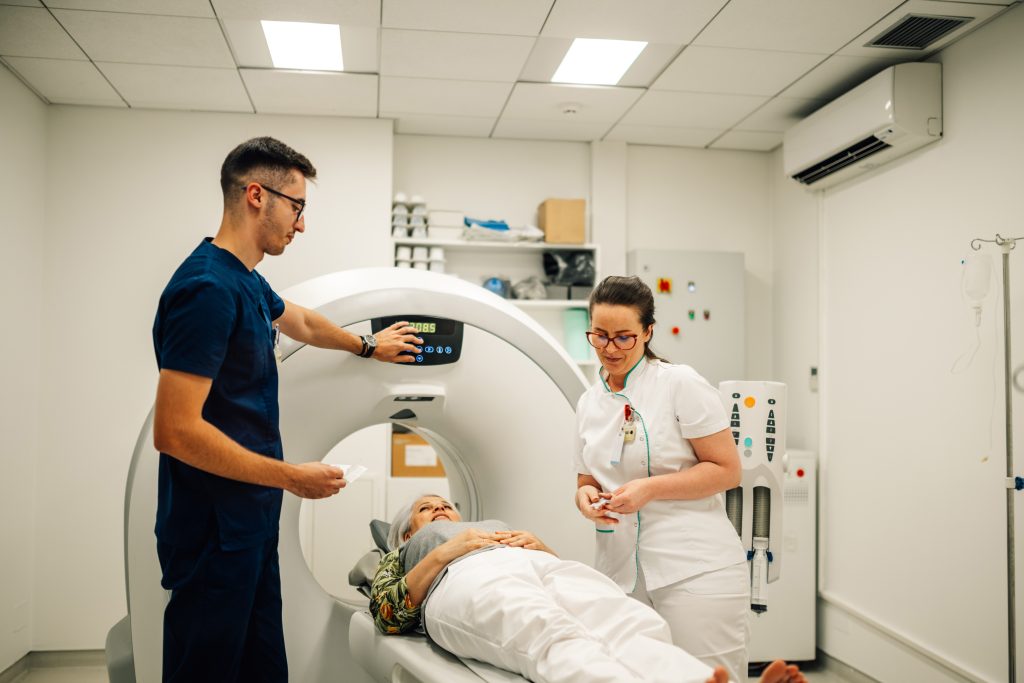
Single Photon Emission Computed Tomography, or SPECT, is a complex imaging method used in medicine. It’s key in nuclear medicine, giving doctors important info for diagnosis.
How SPECT Technology Works
SPECT uses a special drug that’s injected into the patient. This drug sends out gamma rays. The SPECT camera catches these rays as it moves around the patient.
It takes pictures from different angles. Then, these images are put together to show the body’s inside parts in 3D.
The process involves several key steps:
- The patient gets a special drug that helps doctors see what’s going on inside.
- The SPECT camera picks up the gamma rays from the drug.
- As the camera moves, it takes pictures from all sides.
- Special software makes these pictures into detailed 3D images.
Common Clinical Applications
SPECT is used in many areas, like cardiac, neurological, and oncological assessments. It helps doctors see how the body works inside. This is very helpful for diagnosing and treating diseases.
Some of the main uses are:
- Looking at the heart to see how well it’s working.
- Checking the brain for diseases like Alzheimer’s.
- Helping find and track cancer.
Knowing how SPECT works and its uses helps doctors understand its value in medicine. It also shows its limits.
SPECT Scan Disadvantages: A Complete Look
SPECT scans have big downsides in medical use and risk checks. They are a key tool for doctors but come with problems. Knowing these issues helps doctors make better choices and patients understand the risks and benefits.
Primary Limitations in Clinical Practice
The main issues with SPECT scans in medical use are:
- Limited Spatial Resolution: SPECT scans can’t see as much detail as MRI or CT scans.
- Radiation Exposure: Patients get exposed to radiation, which is a big worry for some.
- Image Artifacts: SPECT images can have problems due to technical and patient issues.
These problems can make SPECT scans less reliable. For example, a study found that “SPECT’s lower detail can make it hard to spot small problems or tiny changes in tissue”.
Risk-Benefit Assessment Framework
Using SPECT scans right means looking at the good and bad sides. It’s about balancing the benefits against the risks and limits. Important things to think about include:
- What question the scan is trying to answer and if SPECT is the best choice.
- The risks of radiation, reactions to the medicine, and other dangers.
- Other scan options and their good and bad points.
By thinking about these points, doctors can make choices that weigh SPECT’s benefits against its downsides and risks.
Radiation Exposure Risks
Radiation exposure is a risk in SPECT scans. It’s important to understand its health impacts. SPECT imaging uses small amounts of radioactive tracers for diagnosis and monitoring.
Typical Radiation Doses in SPECT Procedures
The dose from a SPECT scan varies. It depends on the procedure and the radiopharmaceutical used. The effective dose is usually between 1 to 30 millisieverts (mSv), sometimes more.
For comparison, a chest X-ray has about 0.1 mSv. A CT scan of the abdomen and pelvis has around 10 mSv. SPECT scans have a moderate dose.
Factors influencing radiation dose include:
- The type and amount of radiopharmaceutical administered
- The specific imaging protocol used
- Patient factors such as age and weight
Long-term Health Implications
SPECT scans expose patients to ionizing radiation. This can increase the risk of cancer. The risk is small but not zero.
A report by The BMJ says understanding radiation exposure is key. It highlights risks like cancer, genetic damage, and other health problems.
“The risk of cancer from radiation exposure is a complex issue, influenced by factors such as dose, dose rate, and individual susceptibility.”
Vulnerable Patient Populations
Some patients are more at risk from radiation. These include children, pregnant women, and those with a history of many scans.
Children are more sensitive because their bodies are developing. Pregnant women need special care to protect their unborn babies.
Precautions for vulnerable populations:
- Careful justification of the SPECT procedure
- Optimization of the imaging protocol to minimize dose
- Use of alternative imaging modalities when possible
Limited Spatial Resolution
The spatial resolution of SPECT scans is key to their accuracy. It’s about how well an image can show two close objects. With SPECT, low spatial resolution means images might not show small details well.
Technical Factors Affecting Image Quality
Several things affect SPECT’s spatial resolution. The design of the collimator, how sensitive the detectors are, and the algorithms used to make images all play a part. The collimator helps with spatial resolution but also blocks some gamma rays.
Detector sensitivity is also important. More sensitive detectors can make better images but might cost more and be harder to use.
Diagnostic Accuracy Concerns
The low spatial resolution of SPECT scans can affect how well doctors diagnose. It might make them think a tumor is smaller or bigger than it really is. This can change how doctors plan treatment.
Diagnostic accuracy gets worse when trying to image small things or areas with complex anatomy. SPECT might not give clear results in these cases.
Small Lesion Detection Challenges
Finding small lesions with SPECT is hard because of its low spatial resolution. Small tumors might not show up, leading to false negatives. This is a big problem for early disease detection and tracking how well treatments work.
To get around these issues, doctors might use other imaging methods or advanced image processing. But these solutions can make things more complicated and expensive.
Temporal Resolution Constraints
SPECT imaging faces challenges in capturing quick physiological changes due to temporal resolution limits. This is a big issue in functional imaging, where tracking fast processes is key.
Limitations in Capturing Dynamic Processes
SPECT technology has a slow temporal resolution, making it hard to image fast events well. Processes like blood flow need quick imaging to be captured accurately. But SPECT’s slow scan times can cause motion artifacts and lower image quality.
The temporal resolution of SPECT scans is usually several minutes to hours. This is not good for catching fast physiological changes. While better algorithms and techniques can help, it’s a big problem.
Impact on Functional Imaging Applications
The impact of SPECT’s temporal resolution constraints on functional imaging is big. Functional imaging needs to measure physiological processes over time. SPECT’s limits can make these measurements less accurate.
In cardiac imaging, for example, SPECT’s slow scan times can make it hard to see how the heart reacts to stress. Despite these issues, researchers and doctors are working on new ways to improve SPECT for functional imaging. They’re looking into dynamic SPECT imaging and new radiopharmaceuticals to boost SPECT’s usefulness in clinics.
Time-Consuming Procedure
SPECT imaging is slow, which affects patients and healthcare facilities. It’s a big problem.
Lengthy Acquisition Protocols
SPECT imaging needs patients to stay very quiet for a long time. The time needed can change based on the task and technology used. For example, heart SPECT scans can take 15 to 30 minutes per image, and a full study might need many images.
A study in the Journal of Nuclear Cardiology found SPECT heart scans take about 20-25 minutes. This long wait can be hard for patients, like those with claustrophobia. Getting good images often means longer waits, which is tough in busy clinics.
Patient Throughput Limitations
SPECT’s slow pace slows down how many patients can be seen. Healthcare places struggle to keep up because of the long scans. This means patients wait longer, and there’s less room for SPECT scans.
A healthcare manager said, “The long SPECT scans use up our resources and make it hard to see more patients.” This feeling is common in places where SPECT is key for diagnosing.
Scheduling and Workflow Challenges
Planning for SPECT’s long scans is hard. Places have to plan their schedules tightly, making it hard to change things. This makes it tough to manage patient flow and use resources well.
- Limited availability of SPECT machines
- Increased demand for skilled technologists
- Need for optimized scheduling software
To solve these problems, healthcare is looking at better SPECT methods, newer tech, and smarter scheduling systems.
Radiopharmaceutical Complications
Radiopharmaceuticals used in SPECT imaging have several issues. These problems can affect how well SPECT scans work. This can hurt patient care and how well doctors can diagnose.
Making and sending out radiopharmaceuticals is a complex task. Supply chain and availability issues can cause delays. This can push back when patients can get their scans, affecting their treatment plans.
Supply Chain and Availability Issues
Radiopharmaceuticals are made in special places. They need to be handled and moved carefully to stay good. Problems in getting them to where they need to be can happen for many reasons.
- Issues in making them can cause a shortage.
- Delays in moving them can make it hard to get them on time.
- When many people need them at once, it can be hard to keep up.
Short Half-Life Constraints
Many radiopharmaceuticals don’t last long because they decay fast. This makes it hard to store, move, and plan SPECT scans.
- Because they decay quickly, planning when to use them is very important.
- Places doing SPECT scans need to be able to safely store and handle these materials.
Quality Control and Preparation Challenges
It’s very important to make sure radiopharmaceuticals are safe and work well in SPECT imaging. This means doing lots of tests and following strict rules to keep them good.
The problems with radiopharmaceuticals in SPECT imaging show we need better ways to manage supplies, plan ahead, and check quality. Fixing these issues is key to keeping SPECT scans reliable and effective.
Patient Discomfort and Tolerance Issues
The SPECT scanning process can be tough for patients. They often face a long and sometimes uncomfortable procedure.
Physical Positioning Discomfort
Patients must stay in one spot for a long time. This can cause physical strain and discomfort, mainly for those with musculoskeletal issues or chronic pain.
Prolonged immobilization can lead to stiffness and pain. This might make it hard for patients to stay calm and steady, affecting the scan’s quality.
Claustrophobia and Psychological Stress
SPECT scanners can make some patients anxious or claustrophobic. The closed space can cause a lot of psychological stress. This makes it hard for patients to relax and stay calm during the scan.
To help, some places offer sedation or use reassurance techniques. But these might not work for everyone.
Movement Artifacts and Image Degradation
Moving during the scan can cause movement artifacts. These can make the images poor quality and lead to wrong diagnoses. Movement can be on purpose or by accident, due to discomfort, anxiety, or other reasons.
To get good SPECT images, it’s key to reduce movement artifacts. This can be done by educating patients, making them comfortable, and sometimes using immobilization devices.
Medical Contraindications
It’s important to know when SPECT scans are not safe for patients. Some health conditions or factors can make these scans risky or need extra care.
Pregnancy and Breastfeeding Restrictions
Pregnancy is a big no for SPECT scans because of the radiation risks. This radiation can harm the unborn baby. So, doctors usually avoid SPECT scans for pregnant women unless it’s really needed.
Women who are breastfeeding might also need to stop for a while after a SPECT scan. This depends on the type of radioactive material used.
Allergic Reactions to Radiopharmaceuticals
Another big concern is allergic reactions to the radioactive materials in SPECT scans. If a patient is allergic to these, they need careful checking. Doctors might choose other tests instead.
Conditions Precluding SPECT Usage
Some health issues can stop SPECT scans or change how they’re done. For example, people with bad claustrophobia might find the SPECT scanner too scary. Also, those with certain implants or conditions might need special attention.
| Condition | Consideration for SPECT | Alternative Diagnostic Options |
| Pregnancy | Generally contraindicated due to radiation exposure | Ultrasound, MRI |
| Allergy to Radiopharmaceuticals | Contraindicated; risk of allergic reaction | PET scan, CT scan with contrast |
| Severe Claustrophobia | May not tolerate SPECT scanner environment | Open MRI, sedation |
Knowing these limits helps doctors choose the best and safest tests for patients. This ensures patients get the right care without risks.
Adverse Reactions and Side Effects
SPECT scans, like any medical imaging, carry risks. It’s important to know these risks to keep patients safe and improve diagnosis.
Common Physiological Responses
People getting SPECT scans might feel some effects from the radiopharmaceuticals. They might get mild allergic reactions like skin rashes or itchiness. They could also feel vasovagal reactions, which are dizziness or fainting. Most of the time, these effects are short-lived and don’t cause lasting harm.
Rare but Serious Complications
Even though they’re rare, serious problems can happen after a SPECT scan. These include severe allergic reactions to the radiopharmaceutical, which can be life-threatening. Other serious issues might affect the heart or brain, needing quick action.
Management of Adverse Events
Handling adverse events from SPECT scans involves a few important steps. First, patient screening before the scan is key to spotting those at higher risk. Next, having emergency protocols ready is vital for quick action if something goes wrong. Lastly, post-procedure monitoring helps catch and manage any late reactions.
Knowing about the possible side effects of SPECT scans helps doctors reduce risks. This makes the diagnostic process safer for patients.
Technical Artifacts and Interpretation Challenges
Understanding technical artifacts and challenges in SPECT imaging is key for accurate diagnosis. SPECT scans are valuable but can face technical issues. These issues can impact image quality and how we interpret them.
Common Image Artifacts in SPECT
Image artifacts in SPECT come from patient motion, equipment malfunction, and improper data acquisition. These can cause attenuation artifacts, where images are distorted by the body’s absorption of photons. Or they can cause scatter artifacts, where photons are deflected, leading to incorrect localization.
Misdiagnosis Risks
Technical artifacts can greatly increase the risk of misdiagnosis. For example, an artifact that mimics a lesion can lead to a false-positive diagnosis. On the other hand, a true lesion obscured by an artifact can result in a false-negative diagnosis. It’s important for clinicians to be aware of these risks and take steps to reduce them.
Reader Variability Issues
Reader variability is another challenge in SPECT imaging. Different readers may interpret images differently due to varying experience and expertise. This can lead to inconsistent interpretations. Standardized training and the use of quantitative analysis software can help make interpretations more objective.
By understanding and addressing these challenges, healthcare professionals can improve SPECT imaging’s accuracy and reliability. This will ultimately lead to better patient care.
Clinical Application Limitations
SPECT is a useful tool, but it has its limits. Healthcare professionals need to know these to use it wisely.
Cardiac Imaging Constraints
SPECT is key in heart health checks, like looking at blood flow and heart muscle health. Yet, it can’t always show the full picture of heart disease. A study in the Journal of Nuclear Cardiology found SPECT might miss some heart problems.
Technical issues, like camera sensitivity and the type of radioactive tracer used, are big hurdles. These problems can make it hard to get accurate results, mainly in complex heart cases.
Neurological Assessment Drawbacks
SPECT helps check brain health by looking at blood flow and brain function. But, it has its downsides. It can’t give detailed brain pictures, so it’s often paired with MRI.
Reading SPECT brain scans can be tricky because of image quality issues. An article in the Journal of Nuclear Medicine stresses the importance of careful scanning to avoid mistakes.
Oncological Diagnosis Limitations
In cancer care, SPECT helps spot tumor activity and spread. But, it’s not as good as PET scans for some cancers. This makes it less reliable for certain cancer types.
Using SPECT in cancer diagnosis also depends on the right radioactive tracers and clear images. A European Journal of Nuclear Medicine and Molecular Imaging review suggests choosing the right imaging method based on the patient’s needs.
Comparative Disadvantages to Other Imaging Modalities
SPECT has its own set of limitations when compared to other imaging methods like PET and MRI. It’s important for doctors to know these differences when choosing the best imaging option for patients.
SPECT vs. PET: Key Differences
When we look at SPECT and PET, some big differences stand out. PET scans have higher spatial resolution and sensitivity than SPECT. This is because PET uses pairs of gamma rays to create images, which are clearer, mainly in cancer and brain studies.
- PET scans can measure activity levels directly, which is a big plus.
- Even so, SPECT has its own strengths, like in heart stress tests.
SPECT vs. MRI and CT: Capability Gaps
MRI and CT scans have their own benefits over SPECT. MRI gives excellent soft tissue contrast without radiation, perfect for brain and muscle studies. CT scans are fast and detailed, great for emergencies and bone scans.
- MRI and CT can also show how organs work when used with special techniques.
- But, SPECT’s ability to show how organs function is often not as detailed as MRI and CT.
Hybrid Imaging Considerations
Hybrid imaging like SPECT/CT and PET/CT combines different types of scans. SPECT/CT helps with finding and correcting images, but PET/CT is more sensitive and detailed.
When choosing between SPECT/CT and PET/CT, doctors consider several things:
- The right choice depends on the patient’s needs, what’s available, and costs.
- SPECT/CT is useful for heart and infection studies, though.
Conclusion: Weighing SPECT Limitations Against Clinical Value
SPECT imaging has some big downsides. These include risks from radiation, poor spatial and temporal resolution, and technical issues. Yet, despite these problems, SPECT is a key tool in many medical fields.
The good side of SPECT is its ability to show how organs and tissues work. When looking at both the good and bad of SPECT, it’s important to think about the situation and what the patient needs. For example, in heart and brain checks, SPECT’s special features often make up for its flaws.
In summary, SPECT’s limitations are real, but its benefits are big. Knowing these points helps doctors decide when to use SPECT. This can lead to better diagnosis and treatment for patients.
FAQ
What are the primary disadvantages of SPECT scans?
SPECT scans have several drawbacks. These include risks from radiation, limited ability to see details, and long procedures. There are also complications with the drugs used, discomfort for patients, and certain medical conditions that make them unsuitable.
How does radiation exposure from SPECT scans affect patients?
Radiation from SPECT scans can harm patients over time. It raises the risk of cancer, which is a big concern for children and pregnant women.
What are the limitations of SPECT’s spatial resolution?
SPECT’s ability to show details is limited. This makes it hard to spot small problems, affecting how well it works for diagnosis.
How does SPECT’s temporal resolution impact functional imaging applications?
SPECT’s inability to capture fast changes limits its use in functional imaging. This makes it less accurate for certain applications.
Why are SPECT procedures considered time-consuming?
SPECT scans take a long time. This is because of the long process needed to get the images, how many patients can be scanned at once, and the challenges in scheduling.
What complications are associated with radiopharmaceuticals used in SPECT imaging?
The drugs used in SPECT scans can cause problems. These include issues with getting the drugs, their short lifespan, and the challenges in preparing and checking them.
How does patient discomfort affect SPECT scans?
Discomfort for patients can ruin SPECT scans. It can cause movement that distorts the images, making them less accurate and useful.
What are the medical contraindications for SPECT scans?
Some people should not have SPECT scans. This includes pregnant women, those allergic to the drugs used, and people with certain health conditions.
What adverse reactions and side effects are associated with SPECT scans?
SPECT scans can cause side effects. These range from mild reactions to serious problems. Managing these reactions is important.
How do technical artifacts and interpretation challenges impact SPECT imaging?
SPECT scans can be affected by technical issues and how well they are interpreted. This can lead to mistakes and make the scans less reliable.
What are the limitations of SPECT imaging in various clinical applications?
SPECT scans have their limits. They are not as good as other methods for some uses, like in the heart, brain, or cancer diagnosis.
How does SPECT compare to other imaging modalities like PET, MRI, and CT scans?
SPECT has its own set of drawbacks compared to other imaging methods. These include differences in how well they can show details and their uses in medicine.
What are the implications of hybrid imaging considerations for SPECT?
Combining SPECT with other imaging methods can improve its results. But, it also brings new challenges and limitations.


