


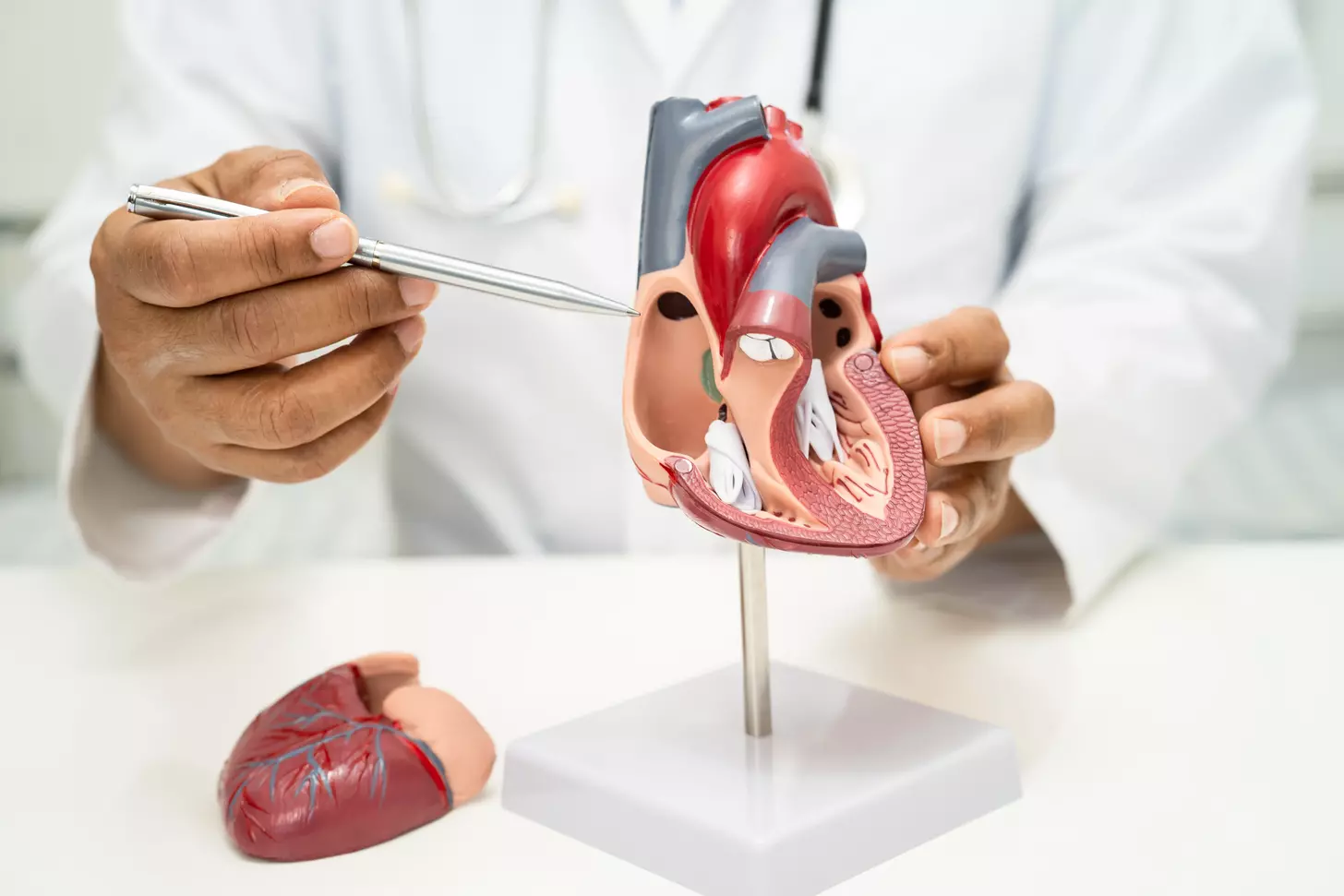
At Liv Hospital, we understand the complexities and concerns surrounding quadruple heart bypass surgery. This surgery, also known as quadruple CABG, is used to bypass four blocked coronary arteries. It helps restore blood flow to the heart. This is a big step towards better heart health and a better life.
We are committed to providing world-class cardiac care. Our team of experts works hard to make sure patients get the best treatment. The time it takes for quadruple bypass surgery is usually between 3 to 6 hours. This depends on how complex the case is and the patient’s health.
Key Takeaways
- Quadruple heart bypass surgery involves bypassing four blocked coronary arteries.
- The procedure typically takes 3 to 6 hours to complete.
- Liv Hospital is dedicated to providing internationally accredited cardiac care.
- Recovery process is key for the surgery’s success.
- Our team of experts is committed to supporting patients throughout their journey.
Understanding Quadruple Heart Bypass Surgery

When four coronary arteries are blocked, a quadruple bypass surgery is often necessary. This surgery aims to improve heart function and overall health. Knowing what to expect can greatly alleviate concerns.
Quadruple heart bypass surgery, also known as a 4-way heart bypass, is a major cardiac operation. It involves grafting new blood vessels onto the heart. This bypasses blocked or narrowed sections of the coronary arteries, improving blood flow to the heart muscle.
What Is a Quadruple Bypass?
A quadruple bypass surgery is performed when a patient has four coronary arteries that are significantly blocked. These blockages, often due to coronary artery disease, can lead to reduced heart function, chest pain (angina), and increased risk of heart attack. By bypassing these blockages, the surgery aims to restore adequate blood flow to the heart, reducing symptoms and improving the patient’s quality of life.
The procedure involves the use of grafts – typically taken from the patient’s leg (saphenous vein) or arm (radial artery) – to create a detour around the blocked sections of the arteries. This allows blood to flow more freely to the heart muscle, improving its function.
“The goal of quadruple bypass surgery is to improve blood flow to the heart, reduce symptoms, and prevent future heart problems.”
Why Four Bypasses Are Needed
The need for four bypasses indicates the extent of coronary artery disease in the patient. When multiple arteries are blocked, the heart muscle does not receive the oxygen and nutrients it needs. This leads to various symptoms and potentially serious complications. By performing a quadruple bypass, surgeons can address multiple blockages simultaneously, significantly improving the patient’s cardiac health.
| Number of Bypasses | Indication | Surgical Goal |
|---|---|---|
| Single Bypass | One blocked coronary artery | Restore blood flow through one graft |
| Double Bypass | Two blocked coronary arteries | Restore blood flow through two grafts |
| Triple Bypass | Three blocked coronary arteries | Restore blood flow through three grafts |
| Quadruple Bypass | Four blocked coronary arteries | Restore blood flow through four grafts |
Understanding the complexity and the reasons behind a quadruple bypass surgery can help patients better prepare for the procedure and the recovery process that follows. It’s a significant operation that requires careful planning and post-operative care. But it offers substantial benefits for patients with severe coronary artery disease.
How Long Does a Quadruple Heart Bypass Take

The time it takes for quadruple heart bypass surgery varies. This is because many factors can change the length of the procedure.
Average Surgery Duration
Generally, quadruple heart bypass surgery lasts between 3 to 6 hours. This includes getting ready, the surgery itself, and the first recovery steps in the operating room. The team’s experience and the case’s complexity also affect the exact time.
Factors That Affect Surgery Length
Several things can change how long the surgery takes. These include:
- The patient’s overall health and any existing medical conditions.
- The complexity of the coronary artery disease.
- The surgical team’s experience with similar procedures.
- Any unexpected complications that might happen during surgery.
We know that waiting and the surgery’s length can worry patients and their families. But, our surgical teams are very experienced. They work hard to make sure the procedure is done well and quickly.
Preparing for Quadruple CABG Surgery
Before quadruple CABG surgery, patients go through many evaluations. Pre-surgery testing is key to find risks and ensure good results.
Pre-Surgery Testing and Evaluation
The testing phase checks the patient’s health thoroughly. This includes:
- Cardiac catheterization to see the coronary arteries and find blockages.
- Electrocardiogram (ECG) to check heart rhythm and function.
- Blood tests to check overall health, like cholesterol and blood sugar.
- Imaging tests like chest X-rays or CT scans to check lung and heart health.
One patient said, “The testing was more than I thought, but it made me understand why each test was needed.” This detailed check helps the medical team plan the surgery just right for the patient.
Days Leading Up to Surgery
In the days before surgery, patients should:
- Eat a healthy diet full of fruits, veggies, and whole grains.
- Drink lots of water to stay hydrated.
- Manage stress with meditation or deep breathing.
- Follow medication instructions from their healthcare team.
“Preparation is key to a successful surgery and recovery. By following the guidelines provided by your healthcare team, you can significantly impact your outcome.”
Patients are also told to:
- Stop smoking, if applicable, to lower surgery risks.
- Avoid certain medications that could affect surgery.
- Plan for post-surgery care and transportation home.
By following these steps and doing the needed tests, patients can get ready for their quadruple CABG surgery. This preparation helps make the surgery successful and eases the recovery.
The 4 Way Heart Bypass Procedure Explained
The quadruple heart bypass surgery is a complex procedure. It requires careful planning and execution. We will guide you through the various stages involved in this operation, ensuring that you understand each step clearly.
Anesthesia and Initial Preparation
The first step in the quadruple heart bypass procedure is administering anesthesia. This ensures the patient remains comfortable and pain-free throughout the surgery. General anesthesia is typically used, meaning the patient will be asleep during the operation.
Once the anesthesia takes effect, the surgical team prepares the patient. They insert various monitoring lines and catheters. The patient’s chest is then opened through a process called a median sternotomy. The sternum is carefully divided to access the heart. This initial preparation is critical for the success of the surgery.
The Surgical Process
After the initial preparation, the surgical team proceeds with the bypass grafting. The quadruple heart bypass involves grafting four coronary arteries to bypass blockages. The grafts used for this purpose are typically taken from the patient’s leg (saphenous vein) or artery from the chest wall (internal mammary artery).
- The surgeon identifies the blocked coronary arteries that need to be bypassed.
- Grafts are carefully harvested and prepared for attachment.
- The patient is connected to a heart-lung machine, which takes over the function of the heart and lungs during the surgery.
- The grafts are then attached to the coronary arteries, bypassing the blockages.
Completing the Procedure
Once the grafting is complete, the surgical team ensures that the grafts are functioning properly. They check that blood flow to the heart is improved. The heart is then gradually weaned off the heart-lung machine, and the sternum is closed with wires.
The quadruple bypass surgery is a significant operation. Understanding its complexity can help patients appreciate the care and precision involved. While the question of “how serious is quadruple bypass surgery” is valid, it’s reassuring to know that this procedure is performed regularly with a high success rate.
After the surgery, the patient is taken to the intensive care unit for close monitoring and post-operative care. We will discuss the immediate post-operative care in the next section.
Immediate Post-Operative Care
After a quadruple heart bypass surgery, patients start a critical recovery phase. This phase needs careful watching and care. It’s key to manage possible problems and help the patient recover well.
Intensive Care Unit Stay
After surgery, patients go to the intensive care unit (ICU). Here, they are watched closely. The ICU stay can last from a few hours to a couple of days, based on the patient’s health and the doctor’s team.
Key aspects of ICU care include:
- Continuous monitoring of vital signs
- Management of pain and discomfort
- Administration of medications to prevent infection and promote healing
First 48 Hours After Surgery
The first 48 hours after surgery are very important. Patients are watched for any signs of trouble, like bleeding, infection, or heart problems.
| Care Aspect | Description |
|---|---|
| Pain Management | Effective pain management strategies are employed to ensure patient comfort. |
| Respiratory Care | Patients are assisted with breathing exercises and oxygen therapy as needed. |
| Mobility | Gradual mobilization is encouraged to prevent complications like deep vein thrombosis. |
Knowing about the care after surgery helps patients and their families get ready for the recovery journey.
Hospital Recovery Timeline
Quadruple heart bypass surgery is a big deal. Knowing the hospital recovery timeline helps patients get ready for what’s ahead. After surgery, patients are watched closely in the ICU before moving to a regular room.
Days 3-5 After Surgery
By days 3-5, patients start to get better fast. “The progress can be remarkable, with patients regaining strength and beginning to resume light activities,” says a cardiothoracic surgeon. The medical team keeps a close eye, managing pain and looking out for any issues.
Patients are encouraged to do gentle movements and breathing exercises. This helps prevent problems like pneumonia or blood clots. The healthcare team also starts teaching patients about wound care, medication, and follow-up visits.
Preparing for Discharge
As discharge approaches, the focus is on getting patients ready for home. A detailed discharge plan is made. It covers medication, follow-up care, and lifestyle changes.
Key aspects of discharge preparation include:
- Understanding medication regimens and possible side effects
- Knowing when to seek urgent medical help
- Following a diet and exercise plan
- Going to follow-up appointments
By discharge, patients can do basic self-care and are more stable. They might need some help, though. The hospital recovery timeline makes sure patients are ready for the next part of their journey.
Quad Heart Bypass Recovery at Home
After quadruple heart bypass surgery, recovery at home is key. Here, patients stick to a detailed rehabilitation plan. This phase is vital for healing and building strength.
First Two Weeks at Home
In the first two weeks, rest and slow movement are important. Stay away from heavy lifting, bending, or hard work to avoid hurting the chest incision and possible complications.
- Take short walks around the house to improve circulation and prevent blood clots.
- Gradually increase walking distance and frequency as comfort and energy levels allow.
- Follow the medication regimen as prescribed by your healthcare provider.
It’s normal to feel energy ups and downs and some discomfort during this time. But, if you see signs of infection like redness, swelling, or fever, or if you feel chest pain, call your healthcare provider right away.
Weeks 3-6 of Recovery
By weeks 3-6, most people start to feel better and can do more. Keep following the rehabilitation plan and go to all scheduled doctor’s appointments.
- Keep increasing physical activity, like walking, to boost heart health.
- Start doing light household chores and other daily tasks.
- Talk to your healthcare provider about when it’s okay to drive and do hard activities again.
Returning to Normal Activities
Going back to normal after quadruple heart bypass surgery takes time and varies for everyone. Listen to your body and don’t rush the recovery.
- Start sexual activity when you feel ready and after talking to your healthcare provider.
- Slowly go back to work, maybe in phases if your healthcare provider suggests it.
- Keep up a heart-healthy lifestyle, including a balanced diet and regular exercise, for long-term recovery.
Recovering from quadruple heart bypass surgery at home needs patience, sticking to the rehabilitation plan, and a supportive setting. By following these steps, patients can improve their recovery and health outcomes.
Cardiac Rehabilitation After Quadruple Bypass
Recovering from quadruple bypass surgery is a big step. Cardiac rehabilitation plays a key role in this process. It helps patients get better from heart surgery and manage heart disease.
Recovering from quadruple bypass surgery is tough, both physically and emotionally. Cardiac rehabilitation tackles these challenges with a multi-faceted approach.
Structured Exercise Programs
Exercise is vital in cardiac rehabilitation. These programs are made to fit each patient’s needs and abilities. They aim to boost heart health, strength, and endurance.
These programs include aerobic exercise, strength training, and flexibility exercises. Supervised exercise in a cardiac rehabilitation setting is emphasized. Here, patients work with healthcare professionals to create a safe and effective exercise plan.
Nutritional Counseling
Eating right is key for heart health. Nutritional counseling is a big part of cardiac rehabilitation. Patients learn how to make dietary changes to manage heart disease and improve heart health.
Our programs offer personalized nutritional advice. We focus on heart-healthy foods, portion control, and meal planning strategies.
Emotional and Psychological Support
Recovering from quadruple bypass surgery can be tough emotionally. Cardiac rehabilitation programs offer emotional and psychological support. They help patients deal with stress and anxiety from heart surgery.
We know mental health is important in recovery. We offer counseling, stress management techniques, and support groups.
Cardiac rehabilitation after quadruple bypass surgery has many benefits. Patients see improvements in physical health, emotional well-being, and quality of life. By joining a structured cardiac rehabilitation program, patients can experience these benefits.
| Benefits | Description |
|---|---|
| Improved Cardiovascular Health | Enhanced heart function and reduced risk of future heart problems. |
| Increased Strength and Endurance | Patients can perform daily activities with more ease and energy. |
| Better Management of Heart Disease | Through lifestyle changes and medication management. |
| Emotional Well-being | Reduced stress and anxiety through support and counseling. |
How Serious Is Quadruple Bypass Surgery
It’s important for patients and their families to know how serious quadruple bypass surgery is. This major surgery involves grafting multiple bypasses to improve blood flow to the heart. Thanks to medical advancements, the outcomes have gotten much better.
Mortality Rates and Statistics
Quadruple bypass surgery is complex but has a low mortality rate. Studies show that the in-hospital death rate for this surgery is between 1% and 3%. The Society of Thoracic Surgeons (STS) database says the death rate for this surgery has gone down. This is because of better surgical techniques and care before and after surgery.
Looking at long-term survival, the news is good. Patients who have this surgery live longer than those who just take medicine. This is true, even for those with complex heart disease.
Risk Factors That Increase Complications
While quadruple bypass surgery is mostly safe, some factors can raise the risk of complications. These include:
- Age: Older patients face higher risks because of other health issues.
- Diabetes: Diabetics may heal slower and face more infection risks.
- Smoking: Smoking can hurt lung function and slow down recovery.
- Pre-existing heart failure: Patients with heart failure may find it harder to recover.
Knowing these risk factors helps both patients and doctors make better choices. It helps them take steps to lower the risks.
In summary, quadruple bypass surgery is serious but outcomes have greatly improved. By understanding the risks and benefits, patients can prepare well for the surgery and recovery.
Long-Term Outlook and Survival Rates
Knowing what to expect after a quadruple heart bypass surgery is key. We aim to give you all the details on survival rates and life quality post-surgery.
Survival Rate of a Quadruple Bypass
Research shows that quadruple bypass surgery can greatly improve survival chances. The survival rate of a quadruple bypass depends on several factors. These include the patient’s health, lifestyle, and care after surgery. Most patients make it through the surgery and live active lives.
Studies suggest that the 5-year survival rate for quadruple bypass patients is 80% to 90%. The 10-year survival rate is about 60% to 70%. These numbers are promising, showing the surgery’s success in improving long-term health.
Quality of Life After Surgery
The long-term outlook for quadruple bypass patients is more than just living longer. It’s also about enjoying a better quality of life. Many patients see big improvements in their symptoms and overall health. Cardiac rehabilitation is key in this, helping patients get stronger, manage stress, and live healthier.
Several factors affect life quality post-surgery. These include following doctor’s orders, joining cardiac rehab, and managing risks like smoking and diabetes. By focusing on these, patients can greatly improve their long-term health.
In summary, while quadruple bypass surgery is a big deal, the outlook is mostly positive. Understanding what affects survival and quality of life helps patients make better choices. This way, they can aim for the best possible results.
Conclusion
Quadruple heart bypass surgery is a complex procedure. It needs careful preparation, skilled teams, and good post-operative care. At Liv Hospital, we focus on top-notch cardiac care for our patients.
We’ve talked about the details of quadruple heart bypass surgery. This includes preparation, surgery, and recovery. We also highlighted the role of cardiac rehabilitation in healing. Our goal is to offer advanced medical treatments and care to our international patients.
Choosing Liv Hospital means getting a team of experts dedicated to your care. We use the latest technologies and techniques. We support our patients from the first consultation to after surgery and rehabilitation. This ensures the best results for those having quadruple heart bypass surgery.
What is quadruple heart bypass surgery?
Quadruple heart bypass surgery is a procedure to fix four blocked or narrowed heart arteries. It helps restore blood flow to the heart.
How long does a quadruple heart bypass surgery take?
This surgery usually takes 3 to 4 hours. The exact time depends on the case’s complexity and the surgeon’s experience.
What is the recovery time for quadruple heart bypass surgery?
Recovery time varies, but most patients stay in the hospital for 5 to 7 days. They then spend weeks to months recovering at home.
How serious is quadruple bypass surgery?
This surgery is serious but often life-saving. Its impact depends on the patient’s health and any existing medical conditions.
What are the survival rates for quadruple heart bypass surgery?
Survival rates are generally high, with most patients doing well in the short and long term. Outcomes vary based on health and medical conditions.
What is cardiac rehabilitation, and is it necessary after quadruple bypass surgery?
Cardiac rehab is a program for exercise, nutrition, and emotional support after heart surgery. It’s highly recommended to improve health and quality of life.
How long does it take to return to normal activities after quadruple heart bypass surgery?
Returning to normal activities takes several weeks to months. It depends on each patient’s recovery pace.
What are the benefits of quadruple heart bypass surgery?
Benefits include better blood flow, reduced heart disease symptoms, and improved quality of life. It can also increase long-term survival chances.
References
- NGHS. (2025, March 20). How long does coronary artery bypass (CABG) surgery take. Retrieved October 23, 2025, from https://www.nghs.com/2025/03/20/how-long-does-coronary-artery-bypass-cabg-surgery-take Northeast Georgia Health System
- GoodRx. (n.d.). Heart bypass surgery recovery. Retrieved October 23, 2025, from GoodRx
- NHS UK. (n.d.). Coronary artery bypass graft — How it’s done. Retrieved October 23, 2025, from https://www.nhs.uk/tests-and-treatments/coronary-artery-bypass-graft/how-its-done/ nhs.uk
- Heart Foundation Australia. (n.d.). Heart bypass surgery. Retrieved October 23, 2025, from https://www.heartfoundation.org.au/your-heart/support/heart-bypass-surgery


