



Many men worry about how prostate surgery will affect their sexual health. The fear of erectile dysfunction is common. But, new surgical methods and rehab programs give hope for a full recovery.Sex after prostatectomy: Learn about the common sexual side effects like ED, the timeline for recovery, and how to resume sexual activity.
After prostate removal, sexual function may change at first. Yet, studies show most men can enjoy sex again in one to two years. With special surgery, 50-90 percent of men can get back to normal erections within a year.
Key Takeaways
- Prostate surgery can cause temporary erectile dysfunction.
- Nerve-sparing techniques improve the chances of recovering sexual function.
- Most men regain satisfying sexual capability within one to two years.
- Comprehensive rehabilitation programs support sexual recovery.
- Modern surgical techniques minimize the impact on sexual health.
Understanding Prostatectomy and Its Impact on Sexual Function
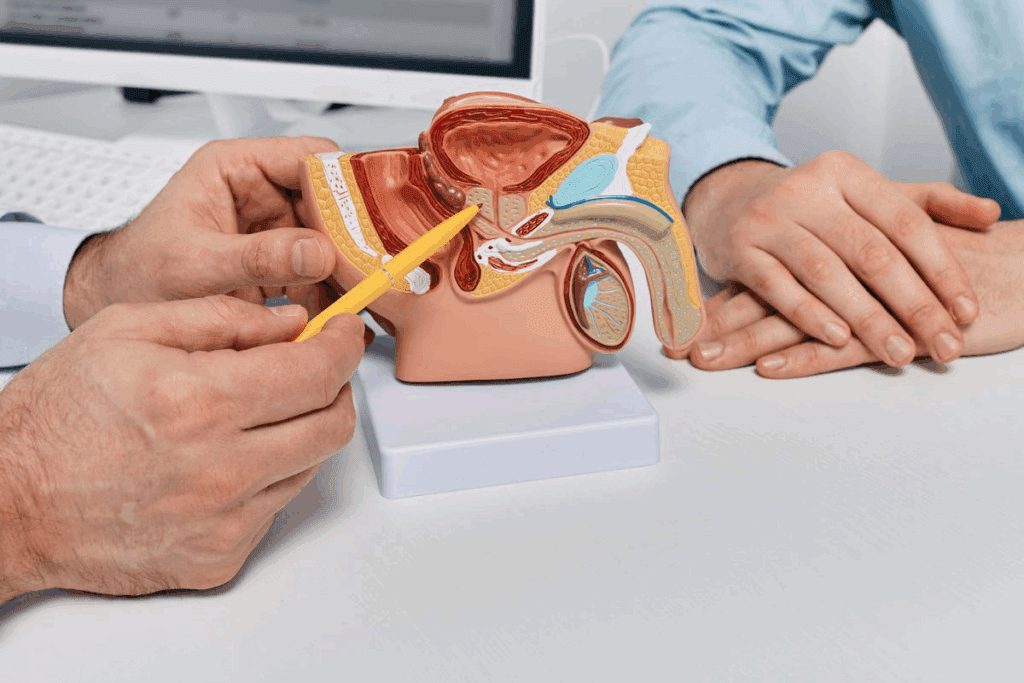
It’s important for men to know how prostatectomy affects their sexual health. Prostatectomy is a surgery to remove the prostate gland, often for prostate cancer. There are different ways to do this surgery.
What Is a Prostatectomy?
A prostatectomy is a surgery to remove the prostate gland, usually for prostate cancer. It can be done in several ways, like open surgery or robotic-assisted surgery. The choice depends on the patient’s health and the cancer’s stage.
The prostate gland is key for men’s health, including sex. It’s near the bladder and the urethra. Removing it can harm nerves and blood vessels, affecting sex.
How Prostate Removal Affects Sexual Health
Removing the prostate gland can impact sex health. One big worry is how it affects erections. The nerves and blood vessels around the prostate are important for erections. During surgery, these can be damaged or saved, depending on the method.
Research shows that how much damage there is during surgery affects erections. Techniques to save nerves have been developed to help men recover better after surgery.
“The preservation of neurovascular bundles during radical prostatectomy is key for keeping erectile function.”
Surgical Technique | Impact on Erectile Function | Recovery Rate |
Nerve-Sparing Prostatectomy | Minimal damage to nerves | Higher recovery rate |
Non-Nerve-Sparing Prostatectomy | Significant nerve damage | Lower recovery rate |
It’s vital for men to understand these points before surgery. The effects of prostatectomy on sex can differ a lot. This depends on age, health, and the surgery method.
The Reality of Sex After Prostatectomy

It’s important to understand how prostatectomy affects sexual health. This surgery can change a man’s sex life, but how much it changes varies. Each person’s experience is different.
Immediate Effects on Sexual Function
Right after surgery, most men face some erectile dysfunction. This happens because the nerves and tissues around the prostate get hurt. Some men might not be able to get an erection at all, at least not right away.
Long-term Sexual Outcomes
As time goes on, many men see their sex life get better. The long-term sexual outcomes depend on several things. These include the surgery method, the man’s age, and his sex life before surgery.
Using nerve-sparing techniques can greatly help men regain their ability to get erections.
Recovery Success Rates
Research shows that 50-90% of men can get erections again within a year after surgery. This success rate varies because of many factors. These include the surgeon’s skill and the patient’s health and age.
It’s key for men having prostatectomy to know what to expect about their sex life after surgery. While the first few months can be tough, many men see a big improvement in their sex life over time.
Physical Changes to Expect After Surgery
After a prostatectomy, men often see big changes in their sexual health. It’s key to know these changes to manage expectations and recover well.
Erectile Dysfunction After Prostatectomy
Erectile dysfunction (ED) is a big worry after prostate surgery. How much ED happens depends on the surgery type and the man’s sex life before surgery.
Nerve-sparing techniques help lower ED risk. But, some ED is possible even with these methods.
Surgical Technique | Risk of Erectile Dysfunction |
Nerve-Sparing Prostatectomy | Lower risk |
Non-Nerve-Sparing Prostatectomy | Higher risk |
Dry Orgasms: What They Are and How They Feel
Men often get “dry orgasms” after prostate surgery. This happens because the seminal vesicles, which make a lot of ejaculate fluid, are often changed or removed.
Dry orgasms are different from normal orgasms because there’s no ejaculation. Men might feel pleasure, but it’s a new feeling without the ejaculation.
“The absence of ejaculation during orgasm can be a significant adjustment for men after prostatectomy. But, many men adapt and keep having satisfying orgasms.”
Changes in Sensation and Pleasure
Men might notice changes in how they feel during sex after prostate surgery. Some feel less sensitive, while others feel different sensations.
These changes come from the surgery’s effects on the pelvic area and nerves. But, many men can get their sex life back or adjust over time with the right help.
- Changes in erectile function
- Altered sensations during orgasm
- Dry orgasms due to the removal of seminal vesicles
Knowing these changes helps men get ready for recovery and work with doctors to solve any problems.
Recovery Timeline for Sexual Function
After a prostatectomy, patients often ask when they can have sex again. The time it takes for sexual function to return varies. It depends on the surgery’s extent, the patient’s health, and if nerve-sparing techniques were used.
First 6 Weeks Post-Surgery
In the first six weeks, sexual function is often greatly reduced. Doctors usually tell patients to avoid sex during this time to heal. Following post-operative instructions carefully is key to avoid complications.
6-12 Month Recovery Period
Between six to twelve months, many men start to see sexual function improve. Erections may become more frequent and sustainable, though not as strong as before. This is a key time for sexual function recovery, with some men seeing big improvements.
Long-term Recovery (18-24 Months)
For some, full sexual function recovery can take 18 to 24 months or longer. Age, pre-surgery erectile function, and surgery technique play a role. Patience and possibly more treatments are needed for the best results.
Recovery Period | Expected Changes in Sexual Function |
0-6 Weeks | Significant impairment; avoid sexual activity |
6-12 Months | Improvements in erections; may become more frequent and sustainable |
18-24 Months | Potential for full recovery; influenced by age, pre-surgery function, and surgical technique |
Knowing the recovery timeline for sexual function after prostatectomy helps manage expectations. It guides patients in seeking the right support and treatments for their recovery.
When Is It Safe to Resume Sexual Activity?
Men often wonder when they can safely start intimate activities after a prostatectomy. The timing is key for a healthy recovery and to avoid complications.
Medical Guidelines for Post-Surgery Intimacy
Doctors usually say wait at least six weeks before starting sex again. This time helps with healing and lowers the chance of bleeding or infection.
It’s important to listen to your doctor’s advice. Everyone heals differently. Things like the surgery type, your health, and any surgery issues can affect how fast you recover.
Signs Your Body Is Ready
Before starting sex again, watch for these signs that your body is ready:
- Minimal discomfort or pain in the pelvic area
- Ability to control urine flow
- No significant bleeding or discharge
- Gradual return of sexual desire
Precautions to Take
When you start sex again, take these precautions for a safe and enjoyable time. Here are some tips:
Precaution | Description |
Start Slowly | Begin with gentle, non-penetrative activities to gauge comfort and response. |
Use Lubricants | Lubricants can help reduce discomfort and enhance pleasure. |
Communicate with Your Partner | Open communication can help manage expectations and comfort levels. |
By following these guidelines and paying attention to your body’s signals, you can safely start sex again after prostatectomy. This will help your recovery and overall well-being.
Nerve-Sparing Techniques and Their Impact on Sexual Recovery
Nerve-sparing techniques have changed prostate surgery, giving hope to men worried about sex after surgery. These methods aim to keep nerves around the prostate, key for erections.
Preserving Sexual Function Through Nerve-Sparing Surgery
Nerve-sparing surgery carefully keeps nerves near the prostate safe. These nerves are vital for erections. By saving these nerves, surgeons help men regain their ability to have erections after surgery. The success of nerve-sparing techniques depends on the surgeon’s skill and experience, the patient’s health, and the cancer’s stage.
Research shows nerve-sparing prostatectomy helps men regain erections more than other surgeries. Success rates vary, but younger men with good erections before surgery and skilled surgeons tend to do better.
Success Rates and Expectations
Success in nerve-sparing surgery is measured by regaining erections. While results differ, many men regain their erections after nerve-sparing surgery. It’s key to have realistic hopes and know recovery can take 18-24 months.
Determining If You’re a Candidate
Not every man is right for nerve-sparing surgery. The choice depends on cancer extent, health, and sexual function before surgery. A detailed check by a skilled urologist or prostate cancer expert is needed to see if nerve-sparing is right. Men with localized cancer and good erections before surgery are often good candidates.
Sex After Prostatectomy: What Changes
After a prostatectomy, men often see big changes in their sex life. These changes can affect both how they feel and their mindset. It’s key to know about these changes to manage expectations and improve sex life after surgery.
Physical Sensations and Orgasm Quality
Men often notice changes in how they feel during sex after prostatectomy. The surgery can mess with nerves that control erections and ejaculation. This can change how orgasms feel.
Some men might find their orgasms less intense or experience dry orgasms. This is because the prostate gland and seminal vesicles, which help make semen, are removed or changed during surgery.
Adapting to Dry Orgasms
Dry orgasms can be a big adjustment for men. Even though they might feel an orgasm, not ejaculating can feel odd. Men can get used to this by focusing on other parts of their sex life and being close with their partner.
Talking openly with your partner about these changes is key. Exploring new ways to enjoy pleasure together is also important.
Psychological Aspects of Changed Sexual Function
The emotional side of changed sex life after prostatectomy is very important. Men might feel sad or grieve about their new sexual abilities.
Talking about these feelings with healthcare providers and partners is vital. Getting support can help men deal with the emotional side of their changed sex life.
Change | Description | Potential Impact |
Physical Sensations | Altered nerve function | Changes in orgasm intensity |
Dry Orgasms | No ejaculation | Adjustment in sexual experience |
Psychological Impact | Feelings of loss or grief | Emotional distress |
Treatment Options for Erectile Dysfunction After Prostate Surgery
After prostate surgery, erectile dysfunction can be a big worry. But, there are many treatments that can help. It’s important to look into these options.
Oral Medications (PDE5 Inhibitors)
Oral medications, like PDE5 inhibitors, are often the first choice. They help increase blood flow to the penis. This makes it easier to get and keep an erection. Sildenafil (Viagra), tadalafil (Cialis), and vardenafil (Levitra) are common ones.
Benefits: These meds are easy to use and don’t need a needle.
Considerations: They might not work for everyone. Side effects can include headaches and red face.
Injectable Therapies
Injectable therapies give medicine directly to the penis. They’re good for those who don’t get better with pills.
Benefits: They work fast and can be very effective.
Considerations: They can hurt a bit. Side effects might include a long-lasting erection or scarring.
Vacuum Erection Devices
Vacuum erection devices (VEDs) use a pump to make an erection. They’re a good choice for those who don’t like pills.
Benefits: VEDs are easy to use and can work with other treatments.
Considerations: They can be a bit awkward. The erection might not be as firm as with other methods.
Penile Implants and Prostheses
Penile implants and prostheses are surgical options. They’re put inside the penis and can help get an erection.
Benefits: Implants can be a lasting fix and make many men very happy.
Considerations: Surgery is needed. There’s a chance of problems like infection or device failure.
Talking to a doctor is key to finding the right treatment. This way, men can feel better and enjoy life again after prostate surgery.
Fertility Concerns Following Prostatectomy
Men often worry about fertility after prostate surgery. This worry is because prostatectomy removes parts needed for sperm. But, there are ways to address these concerns.
Understanding Infertility After Prostate Removal
After prostate surgery, men can’t naturally father children. This is because the surgery removes key parts. It’s important to think about fertility before surgery.
Infertility after prostatectomy is a big worry for men wanting kids. Knowing this helps men understand the surgery’s impact on their future.
Sperm Banking Options Before Surgery
Sperm banking is a key option for men facing prostatectomy. It freezes sperm for later use in fertility treatments. This way, men can have biological children after surgery.
Men should talk to their doctors about sperm banking. They need to know the process, costs, and chances of success. Sperm banking gives men a chance to have biological kids.
Sperm Banking Considerations | Description |
Process | Sperm collection, analysis, and freezing for future use. |
Cost | Initial fee for collection and freezing, with annual storage fees. |
Success Rate | Dependent on sperm quality and the chosen reproductive technology. |
Alternative Family Planning Options
Men without banked sperm or who don’t want to use their own have other options. They can use donor sperm for IVF or ICSI, or adopt.
Each option has its own considerations. Men and their partners should think carefully about these choices. They should choose what fits their values and situation.
Understanding how prostate surgery affects fertility is key. Exploring options helps men make informed choices about their reproductive health. Talking to doctors is a big step in dealing with these challenges.
Maintaining Intimacy During Recovery
Maintaining intimacy after prostate surgery is more than just physical closeness. It’s also about emotional connection. As we go through recovery, it’s key to know that intimacy can be many things. This helps couples stay close during tough times.
Alternative Forms of Physical Intimacy
Even when sex is off-limits, there are other ways to stay physically close. Cuddling, holding hands, and giving massages can keep the emotional tie strong between partners.
- Engage in non-sexual touch like hugging and kissing
- Practice intimate conversations and sharing feelings
- Share relaxing activities together, like watching a movie or reading
Communication Strategies with Your Partner
Open and honest talk is key during recovery. We suggest talking openly about feelings, expectations, and worries with your partner. This keeps your emotional bond strong.
- Schedule regular check-ins to discuss your recovery progress
- Be open about your feelings and listen to your partner’s concerns
- Use this time to strengthen your bond through shared activities and conversations
Redefining Sexual Satisfaction
After prostate surgery, what we mean by sexual satisfaction might change. Exploring new ways to achieve pleasure and intimacy is part of this journey.
Couples can work together to find new ways to feel sexually satisfied. This might involve trying different approaches to intimacy and sex when it’s safe again.
Psychological Aspects of Sexual Recovery
Recovering from a prostatectomy is more than just healing physically. It also involves dealing with the emotional side of sexual changes. This journey affects not just the person but also their partner and their relationship.
Managing Expectations
It’s key to manage what you expect during recovery. Men should know that recovery times can differ a lot. Also, sexual function might not come back right away.
We stress the need for patience and talking openly with doctors about sexual recovery. Setting realistic goals and understanding that some changes are temporary can help ease worries.
Dealing with Anxiety and Depression
Many men feel anxious or depressed after a prostatectomy. This is often because of the sexual changes and the stress of getting better. We see the value in acknowledging these feelings and getting the right help.
Ways to handle anxiety and depression include therapy, support groups, and sometimes medicine. Talking openly with doctors about these feelings is key to getting the right support.
Strategies | Description | Benefits |
Counseling | Professional guidance to cope with emotional challenges | Personalized support, coping mechanisms |
Support Groups | Community of individuals facing similar challenges | Shared experiences, emotional support |
Medication | Pharmacological interventions for severe cases | Symptom management, improved mental health |
When to Seek Professional Support
Knowing when to get help is important. If you feel anxious, depressed, or really upset about sexual changes, you might need more support.
We encourage people to seek help early. Getting help quickly can greatly improve your life and well-being.
Conclusion: Embracing a New Normal
Understanding sex after prostatectomy is key. A fulfilling sex life is possible with time, patience, and support. Men can see big improvements in their sexual function and well-being.
Adapting to changes after prostate removal is important. Sexual recovery is a journey. It’s vital to be open to different treatments and support systems.
Sex after prostate removal might seem scary, but many men have overcome it. Knowing how prostatectomy affects sex and exploring treatments helps make informed choices.
Yes, you can have sex after prostate removal with the right mindset and support. Stay positive and proactive in your sexual recovery. Embrace the new normal and find ways to keep intimacy and satisfaction alive.
FAQ
Can you have sex after prostate removal?
Yes, many men can have sex again after prostate surgery. But, how quickly they can do so varies from person to person.
How long after prostate surgery can you have intercourse?
When you can start having sex again depends on how fast you recover. Doctors usually say it’s safe in a few weeks to months after surgery.
What are the immediate effects of prostatectomy on sexual function?
Right after surgery, men often find it hard to get an erection. But, with the right treatment and care, this can get better over time.
What is a ‘dry orgasm’ after prostate removal?
A ‘dry orgasm’ is when you have an orgasm but don’t ejaculate. This is common after prostate surgery because the prostate and seminal vesicles are removed.
Can nerve-sparing techniques during prostatectomy improve sexual recovery?
Yes, using nerve-sparing techniques can help a lot. It helps keep the nerves around the prostate intact, which can improve sexual function later on.
What treatment options are available for erectile dysfunction after prostate surgery?
There are many ways to treat erectile dysfunction after surgery. Options include pills, injections, vacuum devices, and even implants. Each has its own benefits and things to consider.
How does prostate removal affect fertility?
Removing the prostate usually makes a man infertile. This is because the prostate and seminal vesicles are removed, which can damage the sperm’s path. But, sperm banking before surgery is an option.
How can intimacy be maintained during the recovery period?
You can stay close with your partner by doing things like cuddling and kissing. Also, talking openly about what you both want and need is key.
What are the psychological aspects of recovering sexual function after prostatectomy?
It’s important to manage your expectations and deal with any anxiety or depression. Getting professional help when you need it is also vital for your mental health.
Can a man enjoy sex after prostate removal?
Yes, many men can have a fulfilling sex life after surgery. It might take some getting used to, but there are ways to find new forms of pleasure and intimacy.
What are the long-term sexual outcomes after prostatectomy?
The long-term effects on sex vary. Some men fully regain their function, while others may face ongoing erectile issues or changes in how they feel during sex.
Are there any precautions to take when resuming sexual activity after prostatectomy?
Yes, it’s important to follow your doctor’s advice and wait until you’re ready. Also, be careful to avoid any complications like infections or injuries to the surgical area.
References
- Kok, D. J. (2016). Timelines of the “free-particle” and “fixed-particle” models of renal stone formation. World Journal of Nephrology, 5(6), 213–219. https://pmc.ncbi.nlm.nih.gov/articles/PMC5250668/


