


Otorhinolaryngology specialist at Liv Hospital.
View doctor profile →



Many patients come to us with sudden onset throat pain. This is often linked to acute pharyngitis. It’s a common issue that causes the pharynx to swell, leading to pain and discomfort.
What is acute pharyngolaryngitis? Learn about the simultaneous inflammation of the pharynx and larynx (throat and voice box).
At Liv Hospital, we focus on the causes, symptoms, and treatments for acute pharyngitis. Knowing these details helps us give better care. We aim to diagnose quickly to avoid serious problems.
Key Takeaways
- Acute pharyngitis is a common medical condition worldwide.
- Sudden onset throat pain is a primary symptom.
- Understanding causes and symptoms is key for effective treatment.
- Prompt diagnosis helps prevent serious complications.
- Treatment options vary based on the cause.
What Is Acute Pharyngitis?
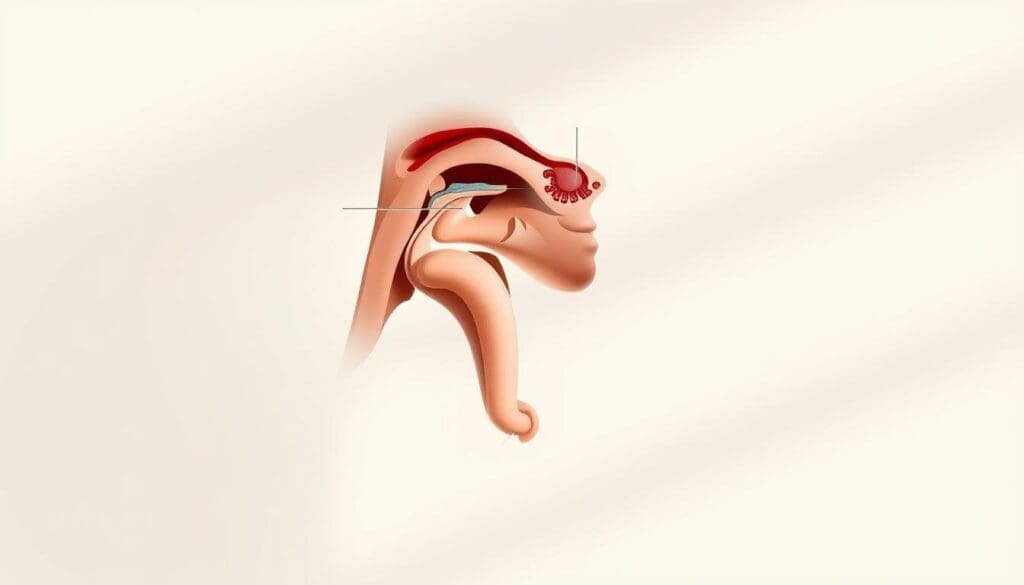
Acute pharyngitis is an inflammation of the pharynx. This is the muscular tube behind the nasal cavity and mouth. It causes the back of the throat to swell, leading to uncomfortable symptoms.
Definition and Clinical Significance
Acute pharyngitis is an inflammation of the pharynx. It can be caused by infections, environmental factors, or irritants. This condition affects a person’s quality of life, causing discomfort, pain, and trouble swallowing.
The pharynx is key for both breathing and eating. Inflammation here can harm normal functions. It’s important to treat it to avoid complications.
Anatomy of the Pharynx
The pharynx, or throat, runs from the base of the skull to the esophagus. It has three parts: the nasopharynx, oropharynx, and laryngopharynx. The nasopharynx is behind the nasal cavity, the oropharynx is behind the mouth, and the laryngopharynx is above the larynx, leading to the esophagus and trachea.
Knowing the pharynx’s anatomy is key for diagnosing and treating acute pharyngitis. The condition can affect any part of the pharynx. Symptoms vary based on the area affected.
Epidemiology of Acute Pharyngitis

Acute pharyngitis, known for its quick onset sore throat, is a common illness. It affects people differently, depending on their age and where they live. We’ll look at how common it is in the U.S., who gets it most, and when it happens.
Prevalence in the United States
In the U.S., about 12 million people get acute pharyngitis every year. This is a big problem for the healthcare system. It shows how important it is to understand this illness.
Studies show that it’s a big reason for people to see their doctors.
“Pharyngitis is one of the most common reasons for patients to visit their primary care physicians.”
This makes it clear we need good ways to treat it.
Age Group | Prevalence Rate |
5-14 years | High |
15-24 years | Moderate to High |
25-44 years | Moderate |
45-64 years | Low to Moderate |
65+ years | Low |
Age and Seasonal Distribution
Acute pharyngitis is more common in kids and young adults. It spreads easily in schools because of all the people together.
The time of year also affects how often it happens. Viral causes tend to peak during the winter months. Bacterial causes, like Group A beta-hemolytic streptococcus (GABHS), can happen any time but might be more common in late winter and early spring.
Knowing these patterns helps doctors treat it better. By understanding who gets it and when, we can help more people.
Causes of Acute Pharyngitis
Acute pharyngitis has many causes, both infectious and non-infectious. Knowing these causes is key to treating it well.
Viral Causes (50-80% of Cases)
Viral infections cause most cases of acute pharyngitis, from 50 to 80 percent. Rhinovirus, influenza virus, and adenovirus are common culprits. These viruses often bring symptoms like cough, runny nose, and sore eyes, helping doctors figure out what’s wrong.
“Most cases of acute pharyngitis are viral, so antibiotics don’t work,” doctors say. This shows why it’s important to tell viral from bacterial infections to avoid overusing antibiotics.
Bacterial Causes (5-36% of Cases)
Bacterial infections, like those from Group A beta-hemolytic streptococcus (GABHS), also cause a lot of cases. GABHS is responsible for 5 to 36 percent of cases, more in kids. Spotting bacterial pharyngitis is key to stopping it and starting the right treatment.
Non-infectious Causes
Non-infectious causes include things like tobacco smoke, pollution, and allergens. These can make the throat swell up, causing symptoms like those from infections. To treat non-infectious pharyngitis, avoid these irritants and use treatments to ease symptoms.
In summary, acute pharyngitis has many causes, needing a detailed approach to diagnose and treat. By knowing the different reasons, doctors can give better care to patients.
Risk Factors for Developing Acute Pharyngitis
Several factors can increase the risk of getting acute pharyngitis. These include age, environment, and health. Knowing these factors helps in preventing and managing the condition.
Age-related Factors
Age is a big factor in getting acute pharyngitis. Kids and young adults get it more often because their immune systems are not fully grown. Studies show that kids aged 5-15 get it the most. As people get older, their immune system gets better, but other factors like lifestyle and environment become more important.
Environmental Exposures
Being around certain things can also increase the risk. Tobacco smoke can irritate the throat and weaken the immune system. Pollution and chemicals can also irritate the pharynx, making inflammation more likely. Allergies can cause pharyngitis, too, in people with allergic rhinitis.
A healthcare professional says, “Reducing exposure to environmental irritants is key to preventing acute pharyngitis.”
“Avoiding tobacco smoke and reducing exposure to pollutants can greatly lower the risk of acute pharyngitis.”
Immune System Status
The health of your immune system is also very important. People with weakened immune systems, due to illness, medication, or other reasons, are more likely to get infections. Keeping your immune system strong through good nutrition, enough sleep, and exercise can help.
In summary, knowing and dealing with the risk factors for acute pharyngitis is key. By understanding age, environment, and immune system factors, you can take steps to lower your risk of getting this condition.
Clinical Presentation and Symptoms
Acute pharyngitis shows a range of symptoms that can affect daily life. These symptoms can be very uncomfortable. It’s important to know what they are and how they change.
Common Symptoms
Acute pharyngitis has several common symptoms. These include:
- Sore throat: A sharp, scratchy, or burning feeling in the throat.
- Pain when swallowing: Trouble swallowing because of throat pain, which can be quite bad.
- Fever: A high body temperature, often with other symptoms.
- Swollen lymph nodes: Neck lymph nodes that get bigger, showing the body’s fight against infection.
- Rash: Sometimes, a rash appears, which can happen with bacterial or viral causes.
Differentiating Viral vs. Bacterial Symptoms
Telling viral from bacterial pharyngitis by symptoms alone is hard. But, some clues can help:
- Viral pharyngitis often has symptoms like cough, runny nose, and hoarseness.
- Bacterial pharyngitis, like streptococcal, has more severe throat pain, fever, and swollen lymph nodes. It doesn’t have cough or runny nose.
Typical Symptom Progression
The way symptoms of acute pharyngitis get worse can depend on the cause:
- It usually starts with a sore throat and might have fever and feeling tired.
- In viral cases, symptoms can get worse and include cough and other upper respiratory issues.
- In bacterial cases, symptoms can get worse in 2-3 days and might need antibiotics to avoid serious problems.
Knowing how acute pharyngitis presents and progresses is key for doctors to treat it right. By spotting the symptoms and how they change, doctors can start the right treatment quickly.
Diagnosis of Acute Pharyngitis
Understanding how to diagnose acute pharyngitis is key to treating it well. Doctors use several steps to figure out if you have this common illness. These steps include checking you over, doing lab tests, and sometimes using special rules.
Clinical Evaluation
The first step is a detailed check-up. Doctors will ask you about your health and look at you. They look for signs like a sore throat, fever, and swollen lymph nodes. They also check for redness and discharge on your tonsils or throat.
Rapid Strep Testing
If you have symptoms that might mean you have a bacterial infection, doctors might do a rapid strep test. This test gives quick results, usually in minutes. It helps doctors decide if you need antibiotics right away.
Throat Culture
Even though rapid strep testing is fast, a throat culture is the best way to find out if you have a bacterial infection. It involves taking a swab from your throat and tonsils and sending it to a lab. It takes longer to get results, but it’s more accurate.
Centor Criteria and McIsaac Score
Doctors use the Centor criteria or the McIsaac score to decide if you need a test or treatment for a bacterial infection. These tools help doctors figure out how likely it is that you have the infection. This helps them decide who needs tests and antibiotics.
By using these methods together, doctors can accurately diagnose acute pharyngitis. They can tell if it’s caused by a virus or bacteria. Then, they can give you the right treatment.
Treatment Approaches for Acute Pharyngitis
Managing acute pharyngitis requires a mix of relief for symptoms and specific treatments. The choice of treatment depends on the cause, whether it’s viral, bacterial, or non-infectious.
Knowing the cause is key to picking the right treatment. We’ll look at how to treat viral and bacterial infections, and also at supportive care.
Management of Viral Pharyngitis
Viral pharyngitis is the most common type. It’s treated mainly by easing symptoms. Because viruses don’t respond to antibiotics, the focus is on helping the body heal naturally.
- Hydration: Drinking lots of fluids keeps the throat moist and thins mucus.
- Rest: Adequate rest helps the body fight off the infection.
- Throat Lozenges: Lozenges can give temporary pain relief and soothe the throat.
- Humidification: A humidifier adds moisture to the air, reducing throat irritation.
Treatment of Bacterial Pharyngitis
Bacterial pharyngitis, often caused by Group A beta-hemolytic streptococcus (GABHS), needs antibiotics. This is to prevent serious problems and shorten symptoms.
Antibiotic | Dose | Duration |
Penicillin | 500 mg twice daily | 10 days |
Amoxicillin | 500 mg twice daily | 10 days |
Azithromycin | 500 mg on day 1, then 250 mg daily | 5 days |
The antibiotic choice depends on the patient’s health and local resistance patterns.
Home Remedies and Supportive Care
Along with treatments for viral or bacterial infections, home remedies can help. Gargling with warm salt water several times a day can reduce swelling and kill bacteria.
Over-the-counter pain relievers like acetaminophen or ibuprofen can ease pain and lower fever. Keeping good hygiene, like washing hands often, also helps prevent spreading the infection.
By understanding the cause of acute pharyngitis and using the right treatment, patients can manage their symptoms well and avoid complications.
When to Seek Medical Attention
Knowing when to get medical help is key to avoiding serious problems from acute pharyngitis. Most cases are viral and get better on their own. But, some symptoms mean you should see a doctor right away.
Warning Signs and Red Flags
There are warning signs that mean you need to see a doctor. These include:
- Difficulty breathing or swallowing
- Severe pain that doesn’t improve with medication
- High fever that lasts more than 2-3 days
- A rash or swollen lymph nodes
- Symptoms that worsen over time
Spotting these signs early can stop serious problems. A doctor said, “Spotting severe symptoms early can greatly improve outcomes for acute pharyngitis patients.”
“The key to managing acute pharyngitis effectively lies in identifying those cases that require medical intervention.”
Medical Expert, ENT Specialist
Emergency Symptoms
Some symptoms need immediate medical help. These include:
- Stridor or significant difficulty breathing
- Severe dehydration
- Confusion or altered mental status
- Chest pain or difficulty swallowing
If you or someone you know has these symptoms, get emergency care right away.
Follow-up Care Guidelines
After being diagnosed with acute pharyngitis, seeing a doctor again is important. It helps make sure you get better and catches any problems early. Here are some guidelines for follow-up:
Condition | Follow-up Recommendation |
Viral Pharyngitis | Follow-up in 2-3 days if symptoms persist or worsen |
Bacterial Pharyngitis | Follow-up in 2-3 days after starting antibiotics to assess response |
Severe Symptoms | Immediate follow-up or emergency care as needed |
Following these guidelines helps you recover smoothly and lowers the risk of serious problems.
By knowing when to get medical help and following these guidelines, you can manage your condition better. This reduces the chance of serious outcomes.
Complications of Untreated Acute Pharyngitis
Untreated acute pharyngitis can cause serious health problems. It can lead to immediate and long-term issues. These problems can affect your quality of life and even lead to serious health conditions.
Immediate Complications
Untreated acute pharyngitis can cause abscesses, like peritonsillar abscesses. These are collections of pus behind the tonsils. They can cause severe throat pain, trouble swallowing, and fever. Prompt medical attention is key to drain the abscess and prevent more problems.
Infections can spread to nearby areas, causing otitis media (ear infection) or sinusitis. These infections can lead to ear pain, hearing loss, or facial pressure.
Long-term Sequelae
Long-term problems can arise from acute pharyngitis, mainly if caused by Streptococcus pyogenes (Group A streptococcus). A major long-term issue is rheumatic fever, which can develop after an untreated streptococcal infection. Rheumatic fever can cause rheumatic heart disease, leading to heart valve damage.
Other long-term complications include post-streptococcal glomerulonephritis, a kidney condition. It can cause blood in the urine and excess protein in the urine. While rare, these complications highlight the need for proper diagnosis and treatment.
Streptococcal-specific Complications
Streptococcal infections can lead to specific complications if not treated. For example, streptococcal pharyngitis can cause scarlet fever, marked by a distinctive rash. While scarlet fever is usually not life-threatening, it needs medical attention to prevent complications.
In rare cases, streptococcal infections can cause severe conditions like necrotizing fasciitis or streptococcal toxic shock syndrome. These are medical emergencies that need immediate treatment.
We stress the importance of seeking medical care if symptoms don’t improve or get worse. Proper diagnosis and treatment can greatly reduce the risk of complications from acute pharyngitis.
Special Considerations in Children
Diagnosing and treating acute pharyngitis in kids is different. They are more likely to get streptococcal infections, making treatment harder.
Presentation Differences
Acute pharyngitis in kids shows up differently than in adults. Pediatric patients often have more severe symptoms, like higher fevers and bigger lymph nodes. They might also have more stomach pain and throw up, making it harder to figure out what’s wrong.
Doctors need to know these differences to give the right treatment. Seeing a scarlatiniform rash or palatal petechiae means the kid might have a strep infection, which needs more tests.
Treatment Modifications
For kids with acute pharyngitis, antibiotics are usually needed for bacterial infections. The doctor will pick an antibiotic based on local resistance and the kid’s allergies. Amoxicillin is a common choice because it’s safe and works well for kids.
It’s also key to watch out for complications like rheumatic fever in strep infections in kids. The right treatment can lower this risk a lot.
School and Daycare Concerns
Kids with acute pharyngitis should stay home from school or daycare to stop the infection from spreading. Guidelines say kids on antibiotics can go back to school 24 hours after starting, if they’re not sick anymore and feel okay.
Parents and caregivers should make sure the kid finishes all the antibiotics. They should also watch for any signs of getting worse or complications.
Conclusion
Acute pharyngitis is a common illness found all over the world. It needs the right diagnosis and treatment to avoid serious problems. This article has covered everything about acute pharyngitis, from its causes to how it’s treated.
Knowing about acute pharyngitis is key for doctors and patients. We talked about the different reasons it happens, like viruses and bacteria. It’s important to know the difference to choose the right treatment.
Managing acute pharyngitis well means checking the patient, doing tests, and treating them right. We explained how to treat both viral and bacterial cases. We also mentioned home remedies and care that can help.
In short, our look at acute pharyngitis shows how fast action is needed to avoid serious issues. By understanding the causes, signs, and treatments, doctors can give better care to those with this illness.
FAQ
What is acute pharyngitis?
Acute pharyngitis is when the pharynx gets inflamed. This leads to a sore throat, fever, and swollen lymph nodes.
What causes acute pharyngitis?
It can be caused by viruses like rhinovirus and influenza. Bacteria like Group A streptococcus can also cause it. Non-infectious factors play a role too.
How is acute pharyngitis diagnosed?
Doctors use clinical evaluation and lab tests like rapid strep testing and throat culture. They also use rules like the Centor criteria and McIsaac score.
What are the symptoms of acute pharyngitis?
Symptoms include a sore throat, fever, swollen lymph nodes, and trouble swallowing.
How is acute pharyngitis treated?
Treatment varies based on the cause. For viral infections, doctors may suggest symptomatic relief. Antibiotics are used for bacterial infections. Home remedies like gargling with salt water are also helpful.
When should I seek medical attention for acute pharyngitis?
Seek medical help if symptoms are severe, if you see signs of complications, or if symptoms get worse.
What are the complications of untreated acute pharyngitis?
Untreated cases can lead to abscesses, long-term health issues, and streptococcal-specific complications.
How does acute pharyngitis present in children?
In kids, symptoms might be different. Treatment for children may need to be adjusted.
Can acute pharyngitis be prevented?
Some risks can’t be avoided. But, avoiding tobacco smoke and keeping your immune system strong can help prevent it.
What is the difference between viral and bacterial pharyngitis?
Viral infections start slowly. Bacterial infections, like those from Group A streptococcus, start quickly and are more severe.
How long does acute pharyngitis last?
It lasts differently based on the cause. Viral infections usually go away in a week. Bacterial infections need antibiotics.
What is acute infectious pharyngitis?
It’s pharyngitis caused by an infectious agent, like a virus or bacteria.
What is the definition of acute pharyngitis?
It’s inflammation of the pharynx that comes on quickly. It’s often marked by a sore throat and fever.
References
National Center for Biotechnology Information. (2025). What Is Acute Pharyngitis Causes Symptoms Treatment./


