


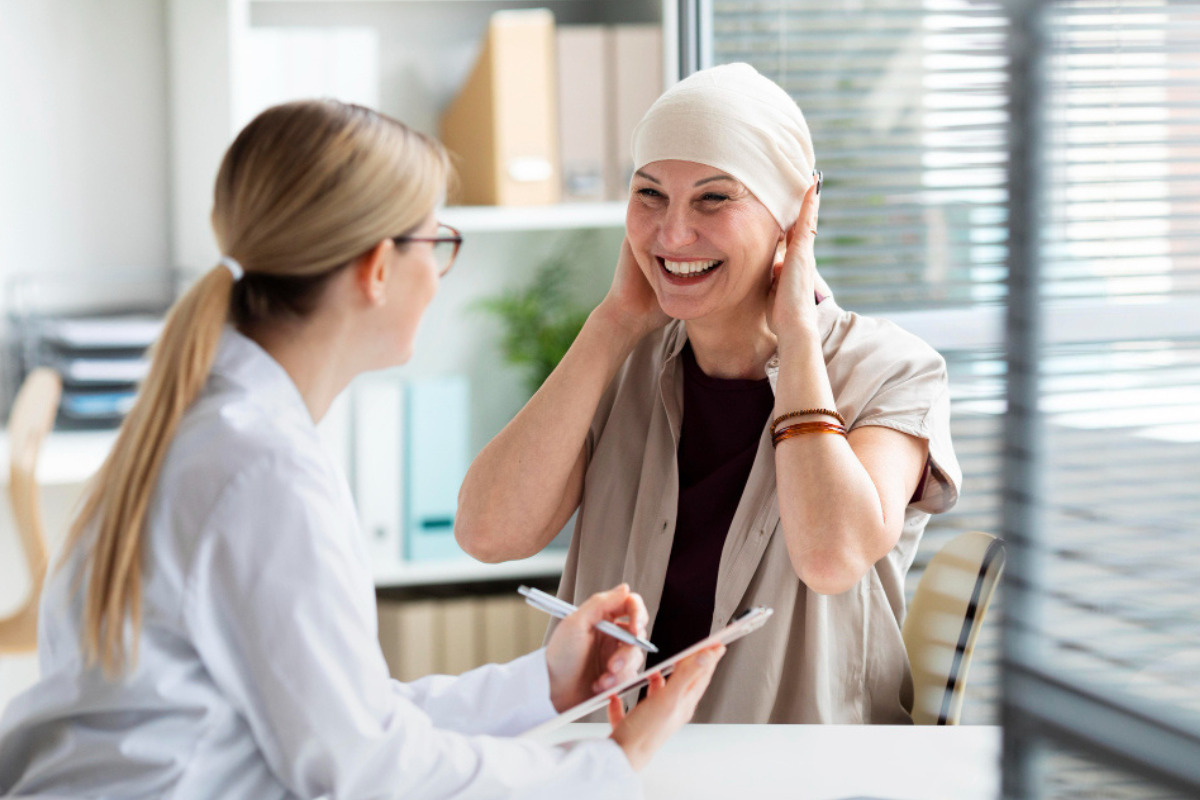
Getting news that targeted therapy isn’t working can be tough. At Livhospital.com, we know how important it is to give full care. We look for other treatment options to help patients get better.If targeted therapy can’t stop cancer, patients might see their disease get worse. They might need other treatments. We’re here to help you find the best way forward and improve your situation.
Key Takeaways
- Understanding the limits of targeted therapy is key to patient care.
- Looking into other treatments is a good option when targeted therapy fails.
- Full care is vital for better patient results.
- Helping patients with their next steps is our main goal.
- Trying new treatments can lead to better results.
Understanding Targeted Therapy in Cancer Treatment
Targeted therapy has changed how we fight cancer. It’s a more precise way to treat cancer than old methods. This new approach targets specific parts of cancer cells that help them grow.

How Targeted Therapy Differs from Traditional Treatments
Unlike chemotherapy, targeted therapy only hits cancer cells. It spares healthy cells. This selective approach means fewer side effects and a better life for patients.
These therapies work by blocking certain proteins or genes in cancer cells. This makes treatment more effective for each patient’s cancer.
Common Types of Targeted Cancer Therapies
There are many types of targeted therapies used today. These include:
- Monoclonal antibodies that target specific proteins on cancer cells
- Tyrosine kinase inhibitors that block signals promoting cancer cell growth
- Proteasome inhibitors that disrupt protein degradation in cancer cells
These can be used alone or with other treatments like chemotherapy or radiation. This makes them more effective.
Expected Outcomes and Success Rates
Research shows targeted therapies have greatly improved survival rates. The success rate depends on the cancer type, its stage, and the tumor’s molecular makeup.
For example, targeted therapies work well on cancers with certain genetic mutations, like HER2-positive breast cancer. Knowing the outcomes helps patients choose the best treatment.
Signs That Targeted Therapy Isn’t Working
It can be hard to tell if targeted therapy isn’t working. But it’s key to move on to other treatments. This time can be tough for patients and their families.
Clinical Indicators of Treatment Failure
Healthcare providers watch for certain signs when targeted therapy fails. These include:
- Increased tumor size or new tumors
- Worsening symptoms such as pain or difficulty breathing
- Rising tumor marker levels in blood tests
- Deterioration in overall health or performance status
These signs mean the cancer is getting worse despite treatment. We then need to look at other treatment options.
Monitoring Response Through Imaging and Biomarkers
We use imaging tests like CT scans and MRI to check how well targeted therapy is working. These tests show if the tumor is getting smaller or growing. Biomarkers also help us see how the cancer is reacting at a molecular level.

Biomarkers tell us if the treatment is effective. For example, certain proteins or genetic mutations show if the treatment is working. If biomarkers show it’s not working, we might change the therapy.
Timeframes for Evaluating Treatment Efficacy
The time it takes to see if targeted therapy is working varies. It depends on the cancer type, treatment, and patient factors. Usually, we check after a few cycles, about 2-3 months.
It’s important to remember that targeted therapy doesn’t work right away. We need time for it to take effect. But if it doesn’t work after a while, we look at other options. This might include different treatments that could be more effective.
Why Targeted Therapy May Fail
When targeted therapy doesn’t work, it’s often because of complex resistance. This therapy is a big step forward in cancer treatment. But it fails sometimes, showing how complex cancer biology is and the need for more research.
Primary and Acquired Resistance Mechanisms
There are two types of resistance to targeted therapy. Primary resistance happens when the treatment doesn’t work from the start. This is often because of genetic mutations that make the therapy useless. Acquired resistance develops over time as cancer cells find ways to avoid the treatment.
It’s important to understand these resistance mechanisms. For example, using more than one targeted therapy at a time can help get around resistance.
Genetic Mutations and Tumor Heterogeneity
Genetic mutations are key in making cancer resistant to targeted therapy. Tumors are made up of different cells with different genes. This diversity means some cancer cells can survive the therapy, leading to failure.
Some genetic mutations, like those in the KRAS gene, can make targeted therapies less effective. This is seen in non-small cell lung cancer.
Patient-Specific Factors Affecting Treatment Success
Many factors can affect how well targeted therapy works. These include a patient’s health, genetics, and lifestyle. For example, some health conditions or medications can make targeted therapies less effective or more harmful.
Every patient is different, and treatments should be tailored to fit. This personalized approach is key to getting the most out of targeted therapy.
Disease Progression After Failed Targeted Therapy
When targeted therapy fails, it’s key to understand how the disease will progress next. This phase is tough for patients. It’s important to look at all parts of disease progression.
Common Patterns of Cancer Progression
Cancer can grow in different ways after targeted therapy fails. It might get bigger at the original site or spread to other parts of the body. Knowing these patterns helps pick the right treatments.
Studies show that cancer can progress due to resistance and genetic changes. For example, a study on metastatic melanoma found it’s critical to choose the right second-line treatments. More details are in studies like those on Targeted Oncology.
Managing Symptoms During Disease Advancement
As cancer gets worse, managing symptoms is key to keeping patients comfortable. This involves a team effort, including palliative care. We focus on creating care plans that meet each patient’s needs.
Good symptom management helps with physical comfort and emotional support. Our team works with patients and families to lessen the disease’s impact on daily life.
Psychological Impact on Patients
Disease progression can have a big psychological impact. Patients may feel anxious, depressed, and worried about the future. We offer compassionate support and counseling to help them cope.
By focusing on the psychological side of cancer progression, we help patients stay positive. Our support services cover medical, emotional, and psychological needs.
Alternative Treatment Options When Targeted Therapy Fails
When targeted therapy doesn’t work, we look at other treatment options. Patients and doctors work together to find the best next step. We help support patients through these tough decisions.
Switching to Different Targeted Agents
Switching to a different targeted therapy is one option. This choice depends on the cancer’s genetic makeup. Doctors use the tumor’s profile to find better targeted agents.
“Not all targeted therapies fail at once”. “We look for other targeted options that might work better.”
Immunotherapy as a Second-Line Treatment
Immunotherapy uses the body’s immune system to fight cancer. It’s a good choice for some cancers when targeted therapy stops working.
- Checkpoint inhibitors
- CAR-T cell therapy
- Cancer vaccines
Immunotherapy can be used alone or with other treatments. It’s a flexible way to fight cancer.
Returning to Traditional Chemotherapy
Going back to traditional chemotherapy might be the best choice. It has side effects, but it can be very effective, often with other treatments.
We help pick the right chemotherapy for each patient. We consider their needs and medical history.
Radiation Therapy Considerations
Radiation therapy is another option when targeted therapy fails. It can stop tumors from growing, ease symptoms, or treat specific areas.
New radiation therapy methods are more precise and effective. They’re a key part of fighting cancer.
At Livhospital.com, we help patients make tough treatment choices. Our team offers full support and care for those facing cancer treatment challenges.
Clinical Trials for Patients with Resistant Disease
When targeted therapy fails, clinical trials can be a vital next step in cancer treatment. Finding the right clinical trial can seem daunting. But these trials offer innovative treatments that may not be available elsewhere.
Novel Agents in Development
Clinical trials often involve new agents that target specific cancer cell aspects. These can include:
- Tyrosine kinase inhibitors: Targeting enzymes that promote cancer cell growth.
- Monoclonal antibodies: Designed to mark cancer cells for destruction by the immune system.
- Cancer vaccines: Aimed at preventing cancer recurrence or treating existing cancer.
Combination Therapy Approaches
Some clinical trials explore combination therapy approaches. This involves using two or more treatments together to fight cancer. The goal is to improve treatment results and overcome resistance.
Examples of combination approaches include:
- Pairing a targeted therapy with a checkpoint inhibitor to boost the immune response.
- Combining different targeted therapies to attack the cancer from multiple angles.
Statistical Insights: Targeted Therapy Outcomes and Challenges
Targeted therapy has changed cancer treatment a lot. But there are both good results and big challenges. It’s important to understand these stats to fix care gaps and help patients more.
HER2-Targeted Therapy Access Gap: The 24% Problem
One big problem is nthat ot enough people get HER2-targeted therapy. About 24% of those who could benefit don’t get it. This gap is due to many reasons, such as not having access to the right care, insurance issues, and financial problems.
To fix this, doctors are trying to find and help more patients. They want to make sure everyone who can benefit gets the right treatment. Ways to help include:
- Teaching patients more about their options
- Making it easier to get to specialized care
- Working to get more insurance to cover these treatments
Survival Impact: From 1.27 to 5+ Years
Targeted therapy has greatly improved survival rates. For some, it has raised survival from 1.27 years to over 5 years. This shows how much targeted therapy can change cancer treatment.
The survival gains from targeted therapy depend on the patient’s cancer type. By treating each patient based on their cancer, doctors can make targeted therapy work better.
KRAS Inhibitor Resistance: The 5.5-6.5 Month Window
Even with the good results of targeted therapy, resistance is a big problem. KRAS inhibitors, for example, stop working in 5.5 to 6.5 months. Finding out why this happens is key to finding ways to keep treatments working longer.
Scientists are working hard to find new ways to keep KRAS inhibitors effective. Some ideas include:
- Using KRAS inhibitors with other treatments to make them stronger
- Finding new KRAS inhibitors that don’t get resistant as fast
- Seeing if adding immunotherapy can make KRAS inhibitors last longer
By studying targeted therapy’s successes and challenges, we can make cancer care better. This will help patients live better and longer lives.
The Challenge of Treatment Access and Adherence
Getting to targeted therapies is hard for many, affecting health outcomes globally. At Livhospital.com, we understand the issues in making sure patients get the right treatments.
Barriers to Receiving Recommended Targeted Therapies
Many obstacles block the way to targeted therapies. Money issues, lack of insurance, and where you live are big problems. The cost of these treatments is often too high for many.
Insurance matters a lot, too. Sometimes, insurance won’t pay for certain treatments. Or, the coverage is not enough, leaving patients with big bills.
Impact of Missed Treatment Opportunities
When patients can’t get targeted therapies, their health can suffer. This can lead to worse disease and shorter lives. Missing out on treatments also lowers quality of life.
Research shows that timely targeted therapies lead to better health. Those who get them on time do better than those who don’t.
Strategies to Improve Treatment Access
To get more people to targeted therapies, we need many solutions. One way is to teach patients more about treatments and the help they can get.
- Simplifying the process for accessing targeted therapies
- Providing financial assistance programs for eligible patients
- Improving insurance coverage for targeted therapies
- Expanding access to clinical trials for new treatments
By using these methods, we can help more people get the treatments they need. This will improve health outcomes.
Multidisciplinary Approaches to Overcoming Targeted Therapy Resistance
Beating resistance to targeted therapy needs a team effort. When treatments don’t work, working together can find new ways to help. This teamwork can lead to better results.
The Role of Tumor Boards in Decision Making
Tumor boards are key in handling tough cancer cases. They bring together experts from different fields. This includes oncology, radiology, and surgery, to name a few.
These teams discuss patient cases and plan treatments. They use their knowledge to:
- Look over diagnostic info and treatment history
- Talk about possible treatments, like clinical trials
- Offer tailored treatment plans
Integrating Palliative Care with Active Treatment
Adding palliative care to treatment plans is vital. Palliative care helps manage symptoms and stress of serious illnesses. It improves life quality for patients and their families.
With palliative care, we can:
- Manage symptoms better
- Meet psychological and emotional needs
- Boost overall well-being
Livhospital.com’s Protocol-Driven Approach
At Livhospital.com, we use a protocol-driven method to fight targeted therapy resistance. Our team creates and sticks to evidence-based protocols. These are based on the latest research and guidelines.
This method helps us:
- Standardize care, but also make it personal
- Keep updating our strategies with new evidence
- Make sure patients get full, coordinated care
By using these team efforts, we can make treatments more effective. This way, we give patients the best care when they face targeted therapy resistance.
Conclusion: Future Directions in Cancer Care After Targeted Therapy Failure
Research keeps moving forward, bringing hope for those who fail targeted therapy. At Livhospital.com, we’re dedicated to leading in cancer care. We offer full support to our patients.
New treatments and personalized care are on the horizon. This includes novel targeted agents and immunotherapies. We aim for a future where cancer treatment keeps getting better.
We’re always seeking ways to improve care, even when targeted therapy doesn’t work. Every patient should get the newest cancer care options. We’ll keep supporting and guiding them through their treatment.
FAQ
What is targeted therapy in cancer treatment?
Targeted therapy is a cancer treatment that uses drugs to target specific genes or proteins. These are involved in cancer cell growth and survival. It aims to be more precise than traditional chemotherapy, reducing harm to healthy cells.
How do I know if targeted therapy is working?
To check if targeted therapy is working, regular imaging tests like CT scans or MRI are used. Biomarker tests are also done. Your healthcare team will look at these results to see if the treatment is effective.
What are the common side effects of targeted therapy?
Side effects of targeted therapy can include skin rash, diarrhea, fatigue, and liver damage. The specific side effects depend on the type of therapy used.
Can targeted therapy be used in combination with other treatments?
Yes, targeted therapy can be used with other treatments like chemotherapy, radiation therapy, or immunotherapy. The choice depends on the cancer type and stage.
What happens if I develop resistance to targeted therapy?
If you develop resistance, your healthcare team might consider other treatments. This could include switching to a different targeted agent, immunotherapy, or chemotherapy. Clinical trials might also be an option.
How do clinical trials fit into targeted therapy treatment plans?
Clinical trials offer new and innovative targeted therapies not yet widely available. They are an option for those who have developed resistance or are looking for alternative treatments.
What are the benefits of participating in clinical trials for targeted therapy?
Clinical trials offer access to cutting-edge treatments and close monitoring by healthcare teams. They also give the chance to contribute to new therapy development.
How can I find clinical trials that are relevant to my condition?
You can find clinical trials online, like the National Cancer Institute’s Clinical Trials Database. Or, ask your healthcare team for recommendations. We can also help at Livhospital.com.
What is the role of tumor boards in decision-making for targeted therapy?
Tumor boards are teams of healthcare professionals who discuss and decide on treatment plans. They ensure patients get the best, most coordinated care.
How can I improve my access to targeted therapy and other cancer treatments?
Improving access to targeted therapy involves addressing cost, insurance, and availability barriers. We help patients explore options and develop strategies to access necessary treatments.
References
- Cancer Council NSW. (n.d.). Common questions about targeted therapy. Retrieved September 22, 2025, from https://www.cancercouncil.com.au/cancer-information/cancer-treatment/targeted-therapy/common-questions-about-targeted-therapy/
- Lung Cancer Foundation of America. (n.d.). When Targeted Therapy Stops Working. Retrieved September 22, 2025, from https://lcfamerica.org/story/when-targeted-therapy-stops-working/
- National Cancer Institute. (n.d.). Targeted Therapy to Treat Cancer. Retrieved September 22, 2025, from https://www.cancer.gov/about-cancer/treatment/types/targeted-therapies
- OncoLink. (n.d.). All About Targeted Therapy. Retrieved September 22, 2025, from https://www.oncolink.org/cancer-treatment/targeted-therapies/all-about-targeted-therapy
- Royal College of Surgeons. (n.d.). When targeted therapy stops working¦ Karen’s lung cancer story. Retrieved September 22, 2025, from https://roycastle.org/when-targeted-therapy-stops-working-karens-lung-cancer-story/


