


Targeted therapy has changed cancer treatment a lot. It offers personalized medicine that significantly improves patient results. How long it lasts depends on the cancer type, genetic mutations, and how well the patient responds.
At LivHospital, we know how important it is to understand these factors. We aim to give the best care possible. Our goal is to provide world-class healthcare and support for patients from around the world.
Key Takeaways
- The duration of targeted therapy varies based on cancer type and genetic mutations.
- Personalized treatment plans are key to effective cancer therapy.
- Understanding treatment response is vital for adjusting therapy duration.
- Comprehensive support is essential for patients undergoing targeted therapy.
- Leading healthcare centers like livhospital.com are dedicated to better patient outcomes.
What Is Targeted Therapy and How Does It Work
Targeted therapy is a big step forward in cancer treatment. It’s more precise than traditional chemotherapy. This method targets specific parts of cancer cells that help them grow.
Definition and Basic Principles
Targeted therapy uses drugs to attack specific genes or proteins in cancer cells. It aims to interfere with the molecular mechanisms that cancer uses to grow and spread. This way, it tries to protect healthy cells from harm.
A leading oncologist says, “Targeted therapy has changed how we treat cancer. It offers a more personalized way to fight the disease.”
“The future of cancer treatment lies in understanding the genetic and molecular characteristics of individual tumors.”
Molecular Mechanisms of Action
How targeted therapies work depends on the drug and its target. Some block certain enzymes or proteins in cancer cells. Others boost the immune system to fight cancer cells better.
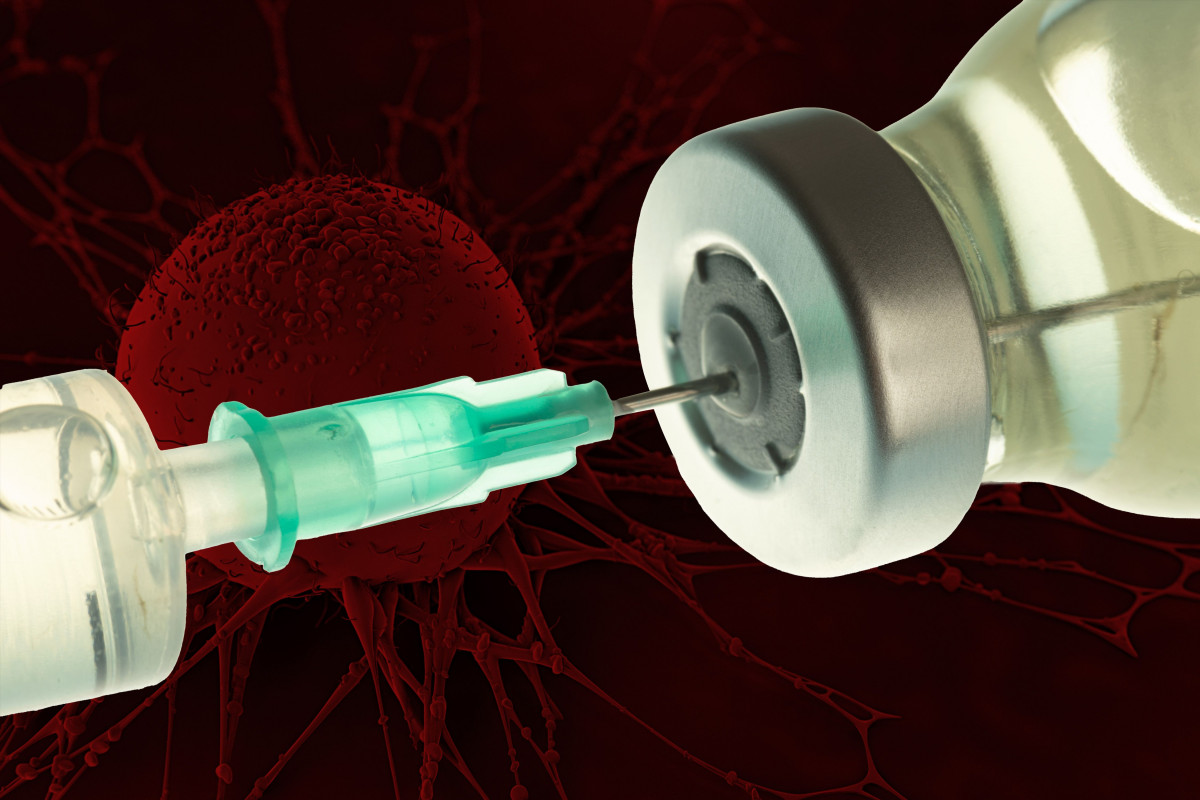
For example, therapies targeting EGFR block the growth signal it sends to cells. By knowing how these therapies work, we can see their role in treating different cancers. This includes cancers with specific genetic changes.
Targeted therapy is a hopeful way to fight cancer. It focuses on precision and aims to improve patient results. As research grows, we’ll see new therapies that work better and have fewer side effects.
Types of Targeted Therapy for Cancer Treatment
Targeted therapy is a key part of cancer treatment. It’s tailored to fit the specific needs of each patient’s cancer. This makes it a powerful tool in the fight against cancer.
We’ll look at the main types of targeted therapy for cancer treatment. These include small molecule inhibitors, monoclonal antibodies, and antibody-drug conjugates. Knowing about these can help choose the best treatment.
Small Molecule Inhibitors
Small-molecule inhibitors are drugs that block proteins or enzymes in cancer cells. They are taken by mouth and get inside the cell to work. This stops cancer cells from growing and surviving.
Examples of these inhibitors are:
- Erlotinib, used in non-small cell lung cancer
- Imatinib is used in chronic myeloid leukemia and gastrointestinal stromal tumors
- Lapatinib, used in HER2-positive breast cancer
Monoclonal Antibodies
Monoclonal antibodies target cancer cells or proteins that help them grow. They are larger than small-molecule inhibitors and can’t get inside cells. Instead, they target proteins on the cell surface or outside.
Examples of monoclonal antibodies include:
- Rituximab, used in non-Hodgkin lymphoma
- Trastuzumab, used in HER2-positive breast cancer
- Bevacizumab is used in various cancers, including colorectal, lung, and kidney cancer
Antibody-Drug Conjugates
Antibody-drug conjugates (ADCs) are a newer type of targeted therapy. They combine the precision of monoclonal antibodies with the power of drugs. They bind to cancer cells and deliver a toxic payload, harming cancer cells while sparing healthy ones.
Examples of ADCs include:
- Trastuzumab emtansine (T-DM1), used in HER2-positive breast cancer
- Brentuximab vedotin, used in Hodgkin lymphoma and some types of non-Hodgkin lymphoma
The table below shows the main features of different targeted therapies:
| Type of Targeted Therapy | Mechanism of Action | Examples |
|---|---|---|
| Small Molecule Inhibitors | Block specific proteins or enzymes inside cancer cells | Erlotinib, Imatinib, Lapatinib |
| Monoclonal Antibodies | Target proteins on the surface of or outside cancer cells | Rituximab, Trastuzumab, Bevacizumab |
| Antibody-Drug Conjugates | Deliver toxic drugs directly to cancer cells | Trastuzumab emtansine, Brentuximab vedotin |

In conclusion, the variety of targeted therapies for cancer treatment brings new hope. Understanding these options helps patients and doctors create the best treatment plans.
Factors That Determine Targeted Therapy Duration
The time a patient spends on targeted therapy depends on several key factors. It’s important for both patients and doctors to understand these to make the best treatment choices.
Cancer Type and Stage
The type and stage of cancer greatly affect how long targeted therapy lasts. Different cancers grow at different rates and respond differently to treatment. For example, cancers caught early might need shorter treatments, while more advanced ones might take longer.
Some cancers, like certain lung cancers with specific genetic changes, can be treated well with targeted therapies. This might mean longer treatment times. On the other hand, aggressive cancers might need more than one treatment, changing how long therapy lasts.
Specific Genetic Mutations
Genetic changes in cancer cells can greatly affect how well targeted therapy works and for how long. Treatments aimed at these changes can be very effective. Bu, if there are many changes or if the cancer becomes resistant, treatment can get harder.
For instance, people with EGFR-positive non-small cell lung cancer (NSCLC) might get treatments like osimertinib. This treatment works well, but how long it’s needed can change based on how the patient responds and if new resistance mutations appear.
Patient Response and Tolerance
How well a patient does with targeted therapy and how they handle it are big factors in treatment length. Patients who do well and can manage side effects are more likely to stay on treatment longer.
On the other hand, those who face tough side effects or show resistance might need to adjust their treatment. This could shorten how long they’re on the current therapy. It’s key for doctors to keep a close eye on how patients are doing to make these decisions.
Also, the amount of drug given over time, known as relative dose intensity, matters. Keeping the dose right can help the treatment work better and last longer.
Average Duration of Targeted Therapy Treatments
Knowing how long targeted therapy lasts is key for both patients and doctors. This treatment targets specific parts of cancer cells to stop them from growing. It’s a big change in how we fight cancer today.
Treatment Protocols and Guidelines
Many rules guide how long targeted therapy lasts. These rules come from studies that check if these treatments work well and are safe. Some treatments last a set time, while others go on until the cancer gets worse or the patient can’t keep up.
Clinical guidelines are very important in setting treatment lengths. They change as new research comes out. They consider things like the type and stage of cancer, and how well the patient is doing.
Fixed Duration vs. Continuous Treatment
Choosing between a set time and ongoing treatment depends on several things. Fixed-duration treatment is used when there’s a clear goal, like getting rid of all cancer cells. It can help avoid long-term side effects and make it easier for patients to stick with treatment.
- Fixed-duration treatment may reduce the risk of long-term side effects and improve patient compliance.
- Continuous treatment is often considered for patients with advanced disease or those who are responding well to therapy.
Maintenance Therapy Approaches
Maintenance therapy is another way to treat cancer. It’s less intense after a strong start. It aims to keep the cancer under control without causing too much harm.
Maintenance therapy helps a lot with certain cancers, like advanced ones. It lets doctors lower the treatment’s strength. This helps manage side effects and keeps patients’ quality of life better.
Targeted Therapy Duration for Lung Cancer
The time needed for targeted therapy in lung cancer changes based on several things. These include the type of lung cancer, genetic mutations, and how well the patient responds to treatment. Knowing these factors helps figure out how long treatment will last and plan for the future.
EGFR-Positive NSCLC and Osimertinib
Patients with EGFR-positive non-small cell lung cancer (NSCLC) often get osimertinib. Studies show that osimertinib treatment lasts about 11 months on average. This time can change based on the EGFR mutation type and the patient’s health.
Osimertinib works well for EGFR-positive NSCLC, helping many patients live longer without their cancer getting worse. We’ll look into the details of treatment length and how patients do.
ALK-Positive NSCLC and Alectinib
ALK-positive NSCLC also benefits from targeted therapy. Alectinib is a top choice for ALK-positive NSCLC, with studies showing a treatment duration of about 20 months. Alectinib’s effectiveness in slowing tumor growth is why treatment lasts longer.
Patients on alectinib often see a big delay in their cancer getting worse. This allows for a longer treatment time. We’ll dive into what makes treatment last longer with alectinib.
ROS1 and Other Targetable Mutations
ROS1 rearrangements are another targetable mutation in NSCLC. Though less common than EGFR or ALK, ROS1-positive NSCLC does well with treatments like crizotinib and entrectinib. The treatment time for ROS1-positive NSCLC is similar tothat of other targeted therapies.
We’ll also look at other rare targetable mutations in lung cancer and their treatment times. This will give a full picture of targeted therapy options for lung cancer patients.
Targeted Therapy Duration for Breast Cancer
The time needed for targeted therapy in breast cancer changes based on several things. These include the type of breast cancer, its stage, and how well the patient responds to treatment.
Targeted therapy is key in treating certain breast cancers, like HER2-positive and HR-positive types. We’ll look at how long this therapy usually lasts for these cancers. This will help both patients and doctors understand what to expect.
HER2-Positive Breast Cancer
For HER2-positive breast cancer, treatments like trastuzumab (Herceptin) have made a big difference. Usually, trastuzumab is given for 1 year. This is because studies have shown it helps patients live longer. But how long someone gets this treatment can change based on how well they do and how they feel.
Some people might get adjuvant targeted therapy for a short time. This depends on their risk and other health factors. For example, the American Cancer Society says HER2-positive patients should get this treatment.
- Trastuzumab (Herceptin) is commonly used for 1 year.
- Pertuzumab (Perjeta) may be added to trastuzumab for certain patients.
- Treatment duration can be adjusted based on patient response and tolerance.
CDK4/6 Inhibitors for HR-Positive Disease
For HR-positive, HER2-negative breast cancer, CDK4/6 inhibitors are very important. These drugs, like palbociclib (Ibrance), ribociclib (Kisqali), and abemaciclib (Verzenio), slow the disease’s growth. They are used with hormone therapy.
How long someone gets CDK4/6 inhibitors varies. They keep getting it until the disease gets worse or they can’t handle the side effects. Studies have shown these treatments can make patients live longer without the disease getting worse.
- Palbociclib (Ibrance) is typically given in 28-day cycles.
- Ribociclib (Kisqali) is also administered on a 28-day cycle basis.
- Abemaciclib (Verzenio) can be given continuously, with dosing adjustments as needed.
Knowing how long targeted therapy lasts for breast cancer is key. It helps manage what patients and doctors expect. By tailoring treatment and watching how patients do, doctors can make targeted therapy work best.
Targeted Therapy Duration for Other Common Cancers
Targeted therapy is key in treating many cancers. We’ll look at how long it lasts for melanoma, colorectal cancer, and renal cell carcinoma. We’ll talk about what affects treatment length.
Melanoma Treatment with BRAF/MEK Inhibitors
Patients with melanoma and certain genetic mutations benefit from BRAF and MEK inhibitors. Treatment can last months to years. This depends on how well the treatment works.
- Median Progression-Free Survival (PFS): 11-14 months
- Treatment Duration: Often continues until disease progression or intolerance
Colorectal Cancer Treatment with Anti-EGFR and Anti-VEGF Therapies
For colorectal cancer, treatments like anti-EGFR and anti-VEGF are used. These work best in patients with certain genetic profiles. How long treatment lasts depends on the treatment plan and any chemotherapy used.
- Median PFS for Anti-EGFR: 5-8 months in later lines of treatment
- Treatment Continuation: Often until progression or unacceptable toxicity
Renal Cell Carcinoma Treatment with TKIs and mTOR Inhibitors
Targeted therapies are also effective in treating renal cell carcinoma (RCC). Drugs like TKIs and mTOR inhibitors are used. Treatment length can vary based on the treatment plan and how well the patient tolerates it.
- Median PFS for TKIs: 8-11 months
- Treatment Duration: Can be continued until disease progression or intolerance to side effects
Knowing how long targeted therapy lasts helps patients and doctors plan. It helps manage expectations and make better treatment choices.
Understanding Progression-Free Survival in Targeted Therapy
Progression-free survival is key to checking if targeted therapy works for cancer. It’s the time a patient lives with the disease without it getting worse. For targeted therapy, PFS shows how well the treatment controls the cancer.
Definition and Measurement
PFS starts from when treatment begins until the disease gets worse or the patient dies. It’s a key goal in targeted therapies trials. We use imaging like CT scans and doctor checks to measure it.
We look at PFS because it shows how well a cancer therapy works early on. This is before we see overall survival data, which takes a long time.
PFS Ranges for Common Targeted Agents
The time patients live without disease worsening varies with the cancer type and treatment. For example, some studies show PFS from 5.5 to 13.7 months.
| Targeted Agent | Cancer Type | PFS Range (months) |
|---|---|---|
| Osimertinib | EGFR-Positive NSCLC | 10.1-18.9 |
| Alectinib | ALK-Positive NSCLC | 12.9-34.8 |
| BRAF/MEK Inhibitors | Melanoma | 9.5-11.5 |
These numbers show how different treatments affect patients. Knowing this helps doctors and patients choose the best treatment.
Looking at PFS helps us see what works and what doesn’t in therapies in cancer treatment. This info is key for better treatment plans and better patient results.
Overall Survival Improvements with Targeted Therapy
Recent breakthroughs in targeted therapy have greatly improved survival rates for many cancers. This is thanks to treatments that are more precise and effective. They focus on specific molecular targets.
Historical Trends
Looking back, we see a big jump in survival rates for cancer patients. Patients diagnosed from 2020 to 2022 lived about 23 months, up from 19 months in 2015 to 2019. This shows how targeted therapy has made a big difference in patient outcomes.
The rise in survival can be credited to better targeted agents and improved treatment plans. Sequential therapy, or using different targeted therapies one after another, has also been key. It helps patients live longer.
Impact of Sequential Therapy on Survival
Sequential therapy is a big win in cancer treatment. It lets doctors adjust to changes in tumors and get past resistance. By using different targeted therapies in order, doctors can help patients live longer.
Research shows that using sequential therapy wisely can greatly improve patient results. For example, in EGFR-positive NSCLC, starting with osimertinib after an EGFR inhibitor has shown big survival benefits.
Quality of Life Considerations
Survival is important, but so is how well patients feel during treatment. Targeted therapies often have fewer side effects than traditional chemotherapy. This makes life better for patients during treatment.
Doctors look at how well treatments work and how they affect patients’ daily lives. By reducing side effects and fine-tuning treatments, patients can stay active and feel better during their treatment.
When Does Targeted Therapy End?
Understanding when targeted therapy ends is key. It’s a complex treatment that depends on many factors. These include the cancer type, its stage, how the patient responds, and genetic mutations.
Disease Progression Scenarios
Targeted therapy often stops when the cancer grows or spreads. A study in the Journal of Clinical Oncology found that how long it lasts varies. It depends on the cancer type and the targeted therapy used.
“The development of resistance to targeted therapy is a major challenge, and understanding its mechanisms is critical for finding better treatments.”
In non-small cell lung cancer (NSCLC), treatments like EGFR inhibitors can last from 10 to 18 months. If the cancer starts growing again, doctors might switch to another treatment. This could be another targeted therapy or chemotherapy.
Intolerable Side Effects
Side effects can also end targeted therapy. While these treatments are often easier on the body than traditional chemotherapy, they can cause problems. Common issues include rash, diarrhea, and feeling very tired.
For example, some melanoma patients on BRAF/MEK inhibitors may face severe skin issues. This might mean they need to stop the treatment or reduce the dose. Doctors and patients discuss the risks and benefits together.
Complete Response and Treatment Holidays
Targeted therapy might stop if a patient gets a complete response. This means no cancer is found in the body. After a complete response, patients might get a break from treatment.
Stopping targeted therapy should always be discussed with a doctor. They consider the patient’s risk of cancer coming back and other factors. For instance, some breast cancer patients might stop trastuzumab after a year if they’ve had a complete response. But this decision is made carefully, considering the risk of cancer coming back.
Resistance to Targeted Therapy and Duration Impact
Resistance to targeted therapy is a big challenge. It affects how long treatment lasts and how well patients do. Targeted therapy works well for many, but resistance can limit its success.
It’s key to understand how resistance works. This knowledge helps us find ways to keep treatment going longer and improve results. We’ll look at the main types of resistance and how to beat them.
Primary and Acquired Resistance Mechanisms
There are two main types of resistance: primary and acquired. Primary resistance is when cancer cells naturally resist a therapy. Acquired resistance happens as cells adapt to the treatment over time.
- Primary Resistance: This can be due to genetic changes or changes in the target protein, making the therapy less effective.
- Acquired Resistance: It develops during treatment, often because of new mutations or changes in how cells signal.
Strategies to Extend Treatment Duration
To fight resistance and keep treatment going, we use several methods. These include:
- Combination Therapies: Using more than one targeted therapy or combining them with other treatments like chemotherapy or immunotherapy.
- Sequential Therapies: Giving different targeted therapies one after another to target new resistant cells.
- Dose Optimization: Adjusting the dose and timing of targeted therapy to keep the treatment strong and reduce resistance.
By understanding resistance and using these strategies, we can make targeted therapy last longer. This can lead to better results for patients. New approaches in gene therapy for cancer and new targeted treatments offer hope for beating resistance.
Conclusion: The Evolving Landscape of Targeted Therapy Duration
Targeted therapy for cancer is key in modern medicine. We’ve talked about how long it should last. This depends on the cancer type, genetic mutations, and how well the patient responds.
The time needed for targeted therapy changes a lot. For example, those with EGFR-positive NSCLC might get osimertinib for about 11 months. On the other hand, ALK-positive NSCLC patients might take alectinib for roughly 20 months. Knowing these differences is important for better treatment results.
Research is ongoing to make treatments better and longer-lasting. Scientists are looking into ways to keep treatments effective longer. New technologies and treatments will keep changing how we fight cancer.
Keeping up with the latest in cancer treatment is important. This helps doctors and patients work together for the best results. The future of targeted therapy looks bright, with more tailored and effective treatments on the horizon.
FAQ
What is targeted therapy, and how does it work?
Targeted therapy is a treatment for cancer that focuses on specific genetic changes. It uses drugs that target these changes. This helps stop cancer cells from growing and spreading.
What are the different types of targeted therapy used in cancer treatment?
There are three main types of targeted therapy. These are small-molecule inhibitors, monoclonal antibodies, and antibody-drug conjugates. Each type targets cancer cells in different ways.
How long does targeted therapy typically last?
The length of targeted therapy varies. It depends on the cancer type, genetic mutations, and how well the treatment works.
What factors influence the duration of targeted therapy?
Several factors affect how long targeted therapy lasts. These include the cancer type, genetic mutations, and how well the treatment works. Understanding these factors helps in making treatment plans.
How long does targeted therapy last for lung cancer?
Lung cancer treatment duration varies. For example, patients with EGFR-positive NSCLC may get treatment for about 11 months. Those with ALK-positive NSCLC may get treatment for about 20 months.
How long does targeted therapy last for breast cancer?
Breast cancer treatment duration also varies. For HER2-positive breast cancer, treatment can last for a certain period. For HR-positive disease, CDK4/6 inhibitors may be used for longer.
What is progression-free survival (PFS) in targeted therapy?
Progression-free survival (PFS) measures how long a patient lives without the cancer getting worse. It’s a key indicator of treatment success in targeted therapy.
Can targeted therapy be stopped or changed due to resistance?
Yes, targeted therapy can be stopped or changed if resistance occurs. To extend treatment, doctors may switch to a different therapy or add other treatments.
What happens when targeted therapy ends?
Targeted therapy may end due to disease progression, side effects, or complete response. Patients may then be eligible for treatment holidays or alternative treatments.
How does relative dose intensity impact targeted therapy?
Relative dose intensity is the amount of targeted therapy received. Keeping a high relative dose intensity is important for the best treatment outcomes.
What is the role of gene therapy in cancer treatment?
Gene therapy is a promising area of research. It involves modifying genes to treat or prevent cancer. While not yet widely available, it holds great promise for future treatments.
How does targeted therapy improve overall survival?
Targeted therapy improves overall survival by targeting specific genetic changes that drive cancer growth. By slowing or stopping cancer growth, it helps patients live longer.
References
- Reckamp, K. L., et al. (2020). Duration of targeted therapy in advanced non-small cell lung cancer detected using circulating tumor DNA. Translational Lung Cancer Research, 9(3), 975-986. https://pmc.ncbi.nlm.nih.gov/articles/PMC9227978/


