


Şevval Tatlıpınar is a versatile Content Writer with three years of professional…
View author profile →We review our content at regular intervals and update it whenever new research or a change in clinical guidelines requires it.


Many patients ask about the most minor surgery today. Modern surgery has changed a lot. Now, we have minimally invasive procedures that are safer and quicker.
Minor surgery means procedures that don’t go deep or need long recovery times. For example, removing moles or skin tags is done under local anesthesia. These types of surgery help treat many health issues without long waits to get better.
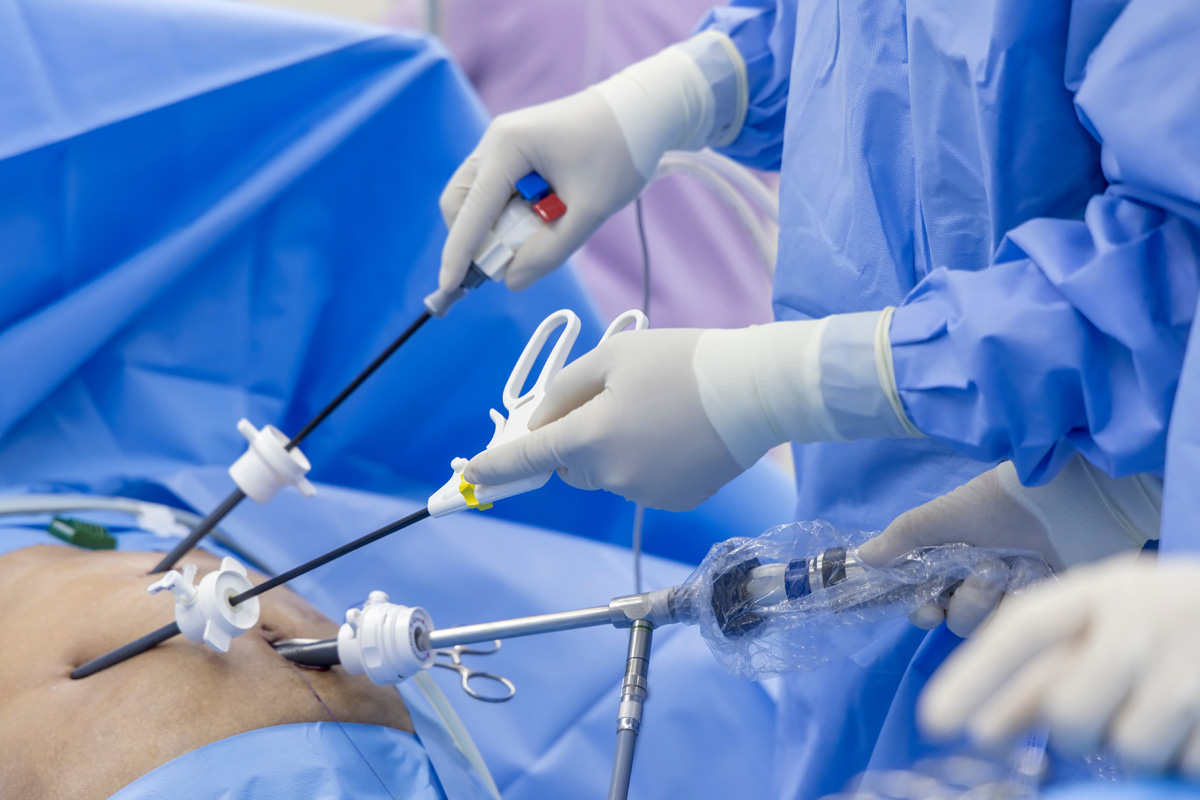
To learn more about common minor surgeries, check out our page on the 5 most common minor surgeries. It talks about things like biopsies and laparoscopy.
Key Takeaways
- Minor surgeries are procedures that do not require extended recovery periods.
- Examples include mole or skin tag removal and biopsies.
- These surgeries are often performed under local anesthesia.
- Modern surgical care is safer and more efficient.
- Minimally invasive procedures are considered the least invasive surgeries.
Understanding Minor Surgeries and Minimally Invasive Procedures
Patients need to understand minor surgeries. These procedures are key in modern medicine. They offer benefits like shorter recovery times and fewer complications.
Definition and Characteristics of Minor Surgeries
Minor surgeries are less invasive and carry less risk than major surgeries. They have smaller incisions and cause less tissue damage. This means patients heal faster. Minimally invasive surgeries (MIS) use advanced technology to reduce the impact on the body.
The main features of minor surgeries include:
- Smaller incisions reduce tissue damage and scarring
- Less risk of complications and infections
- Shorter recovery times allow patients to return to their normal activities sooner
- Often performed under local anesthesia, which reduces the risks associated with general anesthesia
The Spectrum of Surgical Invasiveness
Surgical procedures vary in how invasive they are. The level of invasiveness depends on the incision size, tissue damage, and procedure complexity. Knowing this spectrum helps patients make better choices about their care.
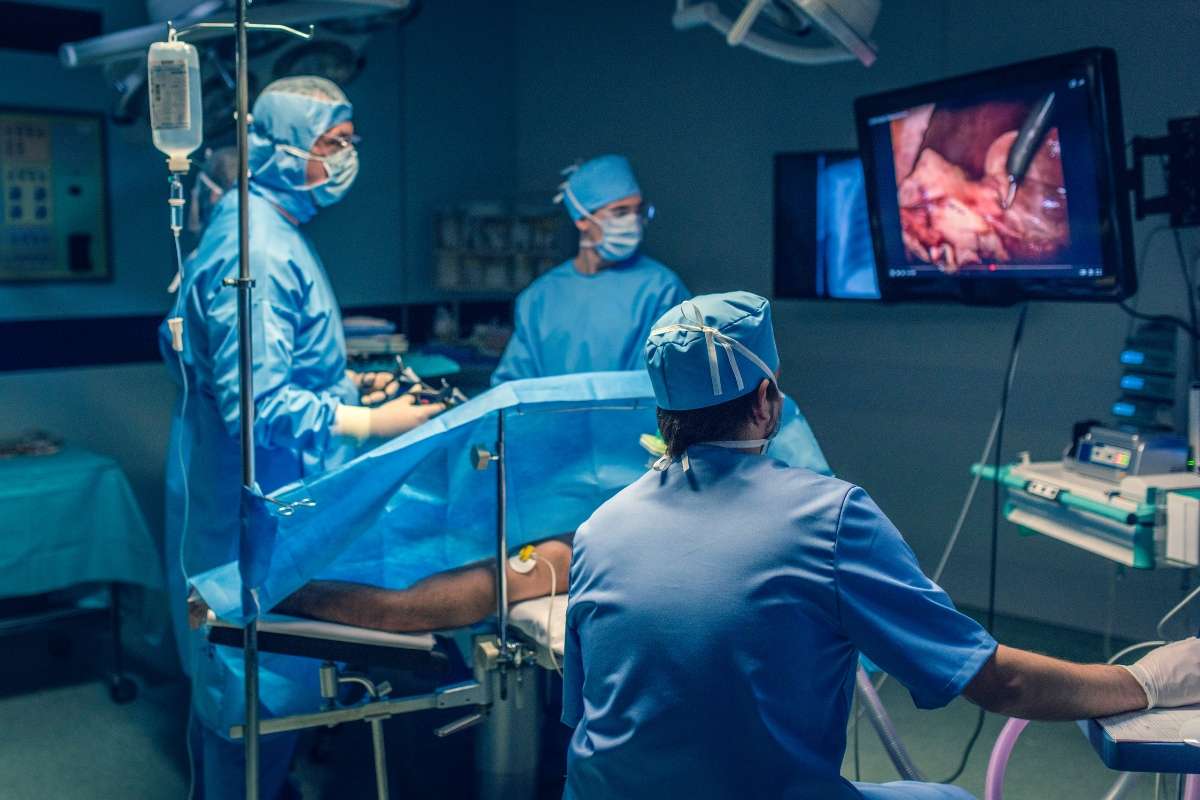
At one end, minimally invasive surgeries have tiny incisions and specialized tools. They lead to less pain and quicker recovery. At the other end, major surgeries are more invasive. They have larger incisions and longer recovery times.
The Most Minor Surgical Procedures Available Today
Many minor surgeries are easy and don’t hurt much. They are done in clinics and don’t mess up your daily life much.
Removing skin tags and moles is a common minor surgery. It’s quick, usually done in under an hour.
Skin Tag and Mole Removal
Skin tag and mole removal are minor surgical procedures. They don’t hurt much, and you don’t need to rest for long. They are done with local anesthesia to keep you comfortable.
The steps are:
- Preparation: The area is cleaned and ready for the surgery.
- Anesthesia: Local anesthesia is given to numb the area.
- Removal: The skin tag or mole is removed, either by surgery or laser.
- Aftercare: You get instructions on how to take care of the area.
These surgeries are highly effective. They leave little to no scars, and you can get back to normal in a day or two.

Doctors say, “
Minor surgeries like skin tag and mole removal are safe and greatly improve life quality.” They show how medical tech and techniques focus on comfort and quick recovery.
In summary, minor surgeries like skin tag and mole removal are the least invasive today. They are simple, safe, and don’t require much time off. They’re a good choice for those who want to fix cosmetic or health issues without a long recovery.
Office-Based Minor Surgeries
Medical technology has advanced, allowing many minor surgeries to be done in offices. This change is because offices are more convenient and have less risk of infections.
Urgent cares and health clinics often do procedures like debridement, biopsies, and sutures. These minor surgical procedures are quick and have little recovery time. They are perfect for office settings.
“The ability to perform minor surgeries in an office setting not only enhances patient convenience but also reduces healthcare costs,”
Office-based minor surgeries include many different types of surgery. They range from skin treatments to minor bone work. These surgeries are less invasive, causing less harm and faster recovery.
The medical procedure definition covers a wide range of treatments. Office-based minor surgeries are a key part of this. Knowing about these benefits helps patients make better choices for their care.
- Convenience: Procedures can often be scheduled quickly and performed at a time convenient to the patient.
- Reduced Risk: Lower risk of hospital-acquired infections.
- Cost-Effective: Generally less expensive than surgeries performed in hospitals.
As technology improves, more minor surgeries will be done in offices. This trend will make care better, making surgeries more accessible and less scary.
Common Types of Minimally Invasive Surgeries in Modern Medicine
Minimally invasive surgeries are key in today’s medicine. They help patients heal faster and leave less scarring. These surgeries have changed surgery by making less of an impact on the body.
These surgeries are used in about 83% of cosmetic procedures. This shows they are very popular and accepted. Let’s look at the different kinds used today.
- Laparoscopy: Small cuts are made for a laparoscope and tools. It’s used for gallbladder removal and hysterectomies.
- Endoscopy: An endoscope is used to see inside the body. It helps diagnose and treat stomach issues.
- Robotic-assisted surgery: A robotic system helps the surgeon. It offers better precision and control. It’s used for many surgeries, like prostate and heart repairs.
These minimally invasive surgical procedures have changed surgery. They bring many benefits to patients. These include less pain, shorter stays in the hospital, and quicker recovery.
Cosmetic and Aesthetic Minor Surgeries
Cosmetic and aesthetic minor surgeries aim to improve how we look. They are less invasive than traditional surgeries, leading to quicker recovery times. We’ll look at the different types of cosmetic surgeries, their benefits, and what they involve.
Laser-Based Minor Procedures
Laser-based minor procedures have changed cosmetic and aesthetic surgeries. They use advanced laser technology to treat skin issues like pigmentation, scarring, and unwanted hair. Laser skin resurfacing boosts collagen, making skin smoother and reducing fine lines. Laser hair removal offers a lasting fix for unwanted hair.
Other minor cosmetic surgeries include neurotoxin injections, fillers, and micro-needling. These treatments are quick and have little downtime, letting people get back to their day fast. Neurotoxin injections relax facial muscles, reducing wrinkles. Fillers add volume to the face, shaping it better.
Micro-needling creates tiny skin injuries to boost collagen, improving skin texture and reducing scars and fine lines. These procedures are done in clinics and are a less invasive option compared to traditional surgeries. They meet the growing need for beauty enhancements.
Choosing the right procedure is key. It’s important to talk to a qualified professional to find the best treatment. This way, people can make smart choices about their cosmetic surgeries, ensuring they get the results they want safely and well.
Technology Advancements Enabling Less Invasive Surgeries
The world of surgery is changing fast, thanks to new technology. This tech makes surgeries less invasive. It also helps patients recover faster and feel better sooner.
New surgical systems are key to this change. Robotic-assisted surgery systems lead the way. They help surgeons do complex tasks with more skill and accuracy.
Precision and Outcomes with Robotic-Assisted Surgery
Robotic-assisted surgery systems have made surgeries better. They give surgeons real-time data and clear images. This helps them make better choices during surgery.
“Robotic-assisted surgery has changed how we do complex surgeries,” says a top surgeon. “It lets us get better results with less harm to the patient.” Many studies back this up, showing it reduces problems and speeds up recovery.
Robotic-assisted surgery has many benefits. It makes surgeries more precise, reduces blood loss, and cuts down on pain and hospital stays. As tech gets better, we’ll see more uses of robotic surgery in medicine.
- Enhanced precision and control
- Improved patient outcomes
- Increased adoption of minimally invasive procedures
Looking ahead, tech will keep changing surgery. With robotic-assisted surgery, we’re heading towards safer, more effective, and less invasive surgeries.
Benefits of Choosing Minor Surgical Procedures
Minor surgical procedures have changed the medical world a lot. They offer many benefits to patients. These include shorter recovery times, less scarring, and fewer risks of problems.
Reduced Recovery Times: One big plus of minor surgeries is how fast you can get back to your life. Unlike big surgeries, these use smaller cuts. This means less damage, and you can start doing things again sooner.
Less Scarring: Because these surgeries use small cuts, there’s less chance of infection. Plus, the scars are less noticeable. This is great for people who want to look good after surgery.
The market for these surgeries is growing fast. More people want them because they’re safer, and you heal quicker. As technology gets better, we’ll see even more new ways to do minor surgeries.
- Faster recovery times
- Less scarring
- Lower risk of complications
- Minimally invasive techniques
Choosing minor surgeries means you get many benefits. It makes your surgery experience better. We’re dedicated to giving top-notch healthcare to everyone, including international patients. We want to make sure you get the best care possible.
What to Expect During and After a Minor Surgery
Knowing what to expect during and after a minor surgery can help reduce anxiety. At our institution, we focus on patient education and comfort. We want to make sure you have a smooth recovery.
Before the procedure, we’ll walk you through the preparation. This includes any tests, medication instructions, and what to do on the day of surgery. Our team will make sure you’re well-informed and comfortable.
During the Procedure
A minor surgery is less invasive and usually results in minimal pain and a quick recovery. We use the latest technology and techniques to make the procedure as comfortable as possible. You might get local anesthesia or conscious sedation to help you relax.
Our surgeons and medical staff are experienced in many minor surgical procedures. This includes skin tag and mole removal to more complex operations. We aim to make the experience as pleasant as possible, using methods that reduce discomfort and promote healing.
Post-Operative Care
After surgery, we’ll give you detailed instructions on caring for the site, managing pain, and recognizing complications. Our team is here to answer any questions and support you during recovery.
Most patients can return to normal activities in a few days, depending on the procedure. It’s important to follow our post-operative instructions carefully for a quick recovery.
Your comfort and safety are our top priorities.
Understanding what to expect during and after a minor surgery helps prepare you. If you have concerns or questions, we’re here to provide the information and support you need.
The Global Market for Minimally Invasive Surgeries
Medical technology has made big strides, pushing the global MIS market forward. The market for minimally invasive surgeries is expanding. This is because of new tech and patients wanting less invasive options.
The global MIS devices market is now worth $30.71 billion. It’s expected to grow more, thanks to the need for surgeries that heal faster and have fewer side effects. We’re seeing a big move towards operations that are less invasive and more precise. This is all thanks to new medical tech.
Key Drivers of Market Growth:
- Technological advancements in MIS equipment
- Increasing patient preference for minimally invasive procedures
- Rising demand for outpatient surgeries
As the global MIS market keeps growing, we’ll see more new surgical techniques and tools. This growth is good for patients and healthcare providers alike. It lets them offer the latest treatments.
The line between an operation and a procedure is getting fuzzy in MIS. Both mean medical interventions, but the move to less invasive methods is changing surgery.
Conclusion: Making Informed Decisions About Minor Surgeries
Knowing about minor surgeries helps patients make smart choices about their health. They can pick the right treatment for their needs by understanding the benefits and what happens during and after surgery.
Minor surgeries, like cosmetic ones, have many options for quick recovery. New tech, like robotic surgery, makes these procedures even less invasive.
We suggest talking to doctors to explore your options. This way, you can choose a treatment that fits your health goals and preferences. This leads to better results and more satisfaction with your care.
FAQ
What is considered a minor surgery?
Minor surgeries are quick and don’t need a lot of recovery time. They are often done with local anesthesia.
What are some examples of minor surgical procedures?
Examples include removing skin tags and moles. Also, cosmetic procedures like laser treatments fall into this category.
Are minor surgeries performed in a hospital setting?
No, many minor surgeries are done in an office. This is more convenient and safer than hospitals.
What are the benefits of minimally invasive surgeries?
These surgeries have less recovery time and leave less scarring. They also have fewer risks of complications.
How do I prepare for a minor surgery?
Your healthcare provider will give you specific instructions. This might include avoiding certain medicines or fasting.
What can I expect during a minor surgery?
You’ll get local anesthesia to numb the area. The surgery is done in a clean environment with little discomfort.
What is the recovery time for minor surgeries?
Recovery times vary, but most can get back to normal in a few days. Some procedures might not require any downtime.
Are minor surgeries safe?
Yes, they are safe when done by experienced professionals in a clean environment.
What are the risks associated with minor surgeries?
Risks are rare but can include infection, bleeding, or reactions to anesthesia.
Can I undergo multiple minor surgeries at once?
Sometimes, yes. It depends on the procedures and what your healthcare provider recommends.
How do robotic-assisted surgery systems improve surgical outcomes?
These systems improve precision and reduce recovery times. They also minimize scarring, leading to better outcomes for patients.
What is the global trend in minimally invasive surgeries?
The trend is growing fast. It’s driven by new technology, more demand for less invasive procedures, and the benefits to patients.
References
- Yale Medicine. (2022, September 23). Minimally Invasive Surgery.


