


Recent studies show a worrying trend. Cancer survivors, especially those treated as kids, face a high risk of age-related diseases early. Thanks to better detection and treatment, 70% of cancer survivors live 5 or more years after diagnosis. Almost 18% survive 20 years or more.
We’re learning more about the long-term effects of cancer treatment, like life expectancy after chemotherapy and how it connects to aging. The treatments that save lives can also cause premature aging. This increases the risk of chronic health issues.
It’s key to understand how treatments like chemotherapy affect overall health and life expectancy after chemotherapy in the long run.
Key Takeaways
- Cancer survivors face a higher risk of age-related diseases.
- Advances in detection and therapeutics have increased survival rates.
- Chemotherapy can lead to premature aging.
- Understanding the impact of chemotherapy on life expectancy is key.
- Cancer survivors need complete care to manage long-term health risks.
The Phenomenon of Accelerated Aging in Cancer Survivors
Accelerated aging in cancer survivors is a big concern. It affects their health and how long they live. As we get better at treating cancer, we see more of its long-term effects.
Defining Accelerated Aging in Medical Terms
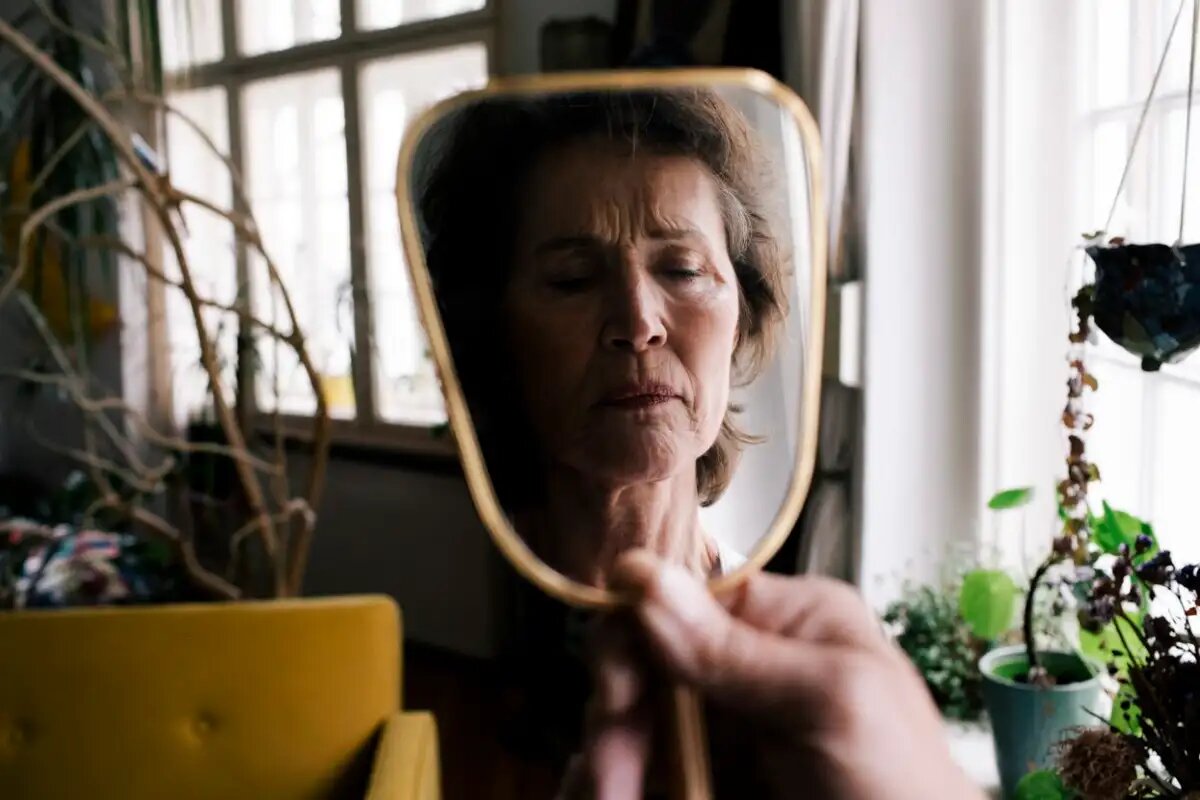
Accelerated aging means getting age-related diseases and changes early. In medical terms, it’s when genomic instability, telomere attrition, and epigenetic alterations happen because of cancer treatments. These changes make physical function worse and raise the risk of chronic health issues.
Cancer survivors get chronic health conditions17.7 years earlier than others. This shows how big an impact accelerated aging has on their quality of life.
The Scope of the Problem Among Cancer Survivors
Many cancer survivors face accelerated aging. Studies show they are at higher risk for age-related diseases. The type of cancer treatment, age at diagnosis, and health conditions all affect how much aging is accelerated.
It’s important to understand this problem well. We need to find ways to lessen its effects. This will help improve the long-term health of cancer survivors.
Alarming Statistics: How Much Faster Do Cancer Survivors Age?
The stats on how fast cancer survivors age are scary. They face many health problems much earlier than others. This really affects their quality of life.
17.7 Years Earlier Onset of Age-Related Diseases
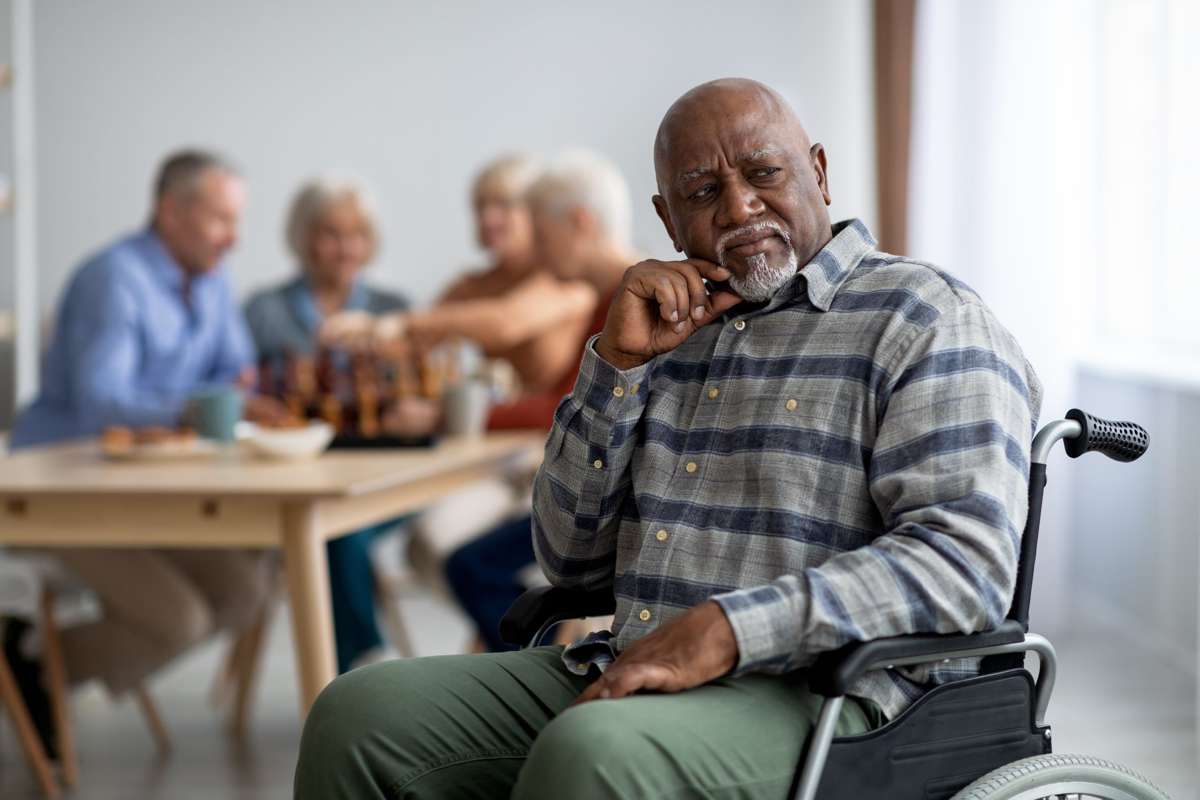
Research shows cancer survivors get age-related diseases 17.7 years earlier than others. This includes heart disease, bone loss, and brain decline. These are usually seen in older people.
2.7-Fold Higher Risk of Chronic Health Conditions
Also, cancer survivors are 2.7 times more likely to get chronic health problems. This shows we need better care and management for these issues.
34% Excess Risk by Age 65
By age 65, cancer survivors have a 34% higher risk of health problems. This shows that cancer and its treatment can really affect aging. It’s why long-term care is so important.
These numbers show we must create better care plans for cancer survivors. Understanding these risks and acting early can help slow down aging in this group.
Understanding Life Expectancy After Chemotherapy
It’s important to know how chemotherapy affects life expectancy for both cancer survivors and healthcare providers. Chemotherapy is a key part of cancer treatment. But its long-term effects on survival are complex.
Chemotherapy can lead to changes that make us age faster. These changes affect our body’s systems in different ways.
How Chemotherapy Affects Long-Term Survival
Chemotherapy’s long-term survival impact is complex. It can damage DNA, causing mutations that speed up aging. It also makes it harder for our bodies to fix DNA damage, which adds to aging.
The type and strength of chemotherapy matter a lot. Some chemotherapy agents are more likely to cause lasting damage. For example, alkylating agents can increase the risk of secondary cancers and other health problems.
Factors That Influence Post-Treatment Life Expectancy
Many things affect life expectancy after treatment. These include the cancer type, its stage, the patient’s health, and lifestyle. Younger patients with fewer health issues and a healthy lifestyle usually do better.
Changing your lifestyle can help a lot. Eating well, exercising, and not smoking can improve life expectancy after chemotherapy. Also, regular medical check-ups are key to catching and managing long-term effects early.
The Biological Mechanisms Behind Accelerated Aging
Understanding the biological mechanisms behind accelerated aging is key to better cancer survivor care. Cancer treatments save lives but can also cause aging effects. We’ll dive into these mechanisms, focusing on how treatments speed up aging.
DNA Damage and Telomere Shortening
Cancer treatments, like chemotherapy and radiation, can harm DNA. This damage affects both cancer and healthy cells, causing telomere shortening. Telomeres protect chromosomes, and shortening them is linked to aging. When telomeres get too short, cells can stop growing or die.
Survivors of childhood cancer often have shorter telomeres than their peers. This early telomere shortening leads to age-related diseases sooner.
Chronic Inflammation Pathways
Chronic inflammation is another aging mechanism. Cancer treatments can cause long-lasting inflammation, harming tissues and organs. This inflammation is linked to diseases like heart disease, diabetes, and brain decline.
- Inflammation leads to pro-inflammatory cytokines, worsening tissue damage.
- It’s also tied to secondary cancers in survivors.
- Anti-inflammatory treatments might help slow the aging effects.
Cellular Senescence and Impaired Regeneration
Cellular senescence is when cells stop dividing but don’t die. Cancer treatments can make cells senescent, speeding up aging. Senescent cells also produce factors that contribute to aging.
“Cellular senescence is a double-edged sword; while it can prevent the proliferation of damaged cells, it also contributes to aging and age-related diseases.”
Cancer treatments also harm the body’s ability to repair itself. This affects stem cells, leading to less tissue repair. Senescence and impaired regeneration together cause accelerated aging in survivors.
Understanding these mechanisms helps us develop ways to slow aging in cancer survivors. This knowledge is vital for better long-term care and improving survivors’ lives.
How Different Cancer Treatments Accelerate Aging
Different cancer treatments can make people age faster. Cancer survivors often face many challenges, including aging faster. It’s important to know how each treatment affects aging.
Radiation Therapy: Long-Term Cellular Effects
Radiation therapy kills cancer cells with high-energy waves. But it can also harm normal cells’ DNA. This damage can lead to aging faster.
Radiation-induced DNA damage can cause cells to stop growing or die. This affects how tissues heal and work.
Chronic inflammation is another problem from radiation therapy. It makes aging worse. We’ll talk about how to manage these effects for better patient care.
Chemotherapy Agents and Their Aging Impact
Chemotherapy targets fast-growing cancer cells. But it can also harm healthy cells. Some chemotherapy agents can make aging worse by damaging DNA.
Chemotherapy’s aging effects include more oxidative stress and inflammation. These can speed up aging. It’s key to understand these effects to reduce long-term harm.
Immunotherapy and Newer Treatment Modalities
Immunotherapy uses the immune system to fight cancer. It’s seen as a promising option with fewer side effects. Yet, immunotherapy can also affect aging, mainly through chronic inflammation.
New treatments like targeted therapy and CAR-T cell therapy are being developed. It’s vital to watch how these treatments affect aging. This ensures cancer survivors get the best care.
Organ-Specific Aging Effects in Cancer Survivors
Cancer survivors face aging effects in many organ systems because of their treatments. They need full care to lessen these risks.
Cardiovascular System: Premature Heart Disease
Certain chemotherapy and radiation can cause premature heart disease in survivors. These treatments harm the heart, speeding up aging. We must focus on survivors’ heart health in treatment plans.
Cardiovascular monitoring is key for spotting and treating heart problems early. This might include regular check-ups, lifestyle changes, and sometimes medicine.
Neurological Effects: Cognitive Aging and “Chemo Brain”
Cancer survivors may face cognitive aging and “chemo brain,” with memory and focus issues. These effects can be hard to deal with and affect daily life. Studies show that both chemotherapy and radiation can cause these problems.
It’s important to understand why survivors experience cognitive aging. This knowledge helps us create better programs to help them. We’re seeing more interest in cognitive rehabilitation programs for survivors.
Endocrine System Disruptions
Cancer treatment can also harm the endocrine system, causing hormonal imbalances. For example, some treatments can mess with the thyroid or lead to early menopause in women.
Handling these endocrine issues requires close monitoring and sometimes hormone therapy. We stress the need for endocrine system evaluation in survivor care.
Musculoskeletal Deterioration
Cancer survivors may lose muscle and bone density, known as musculoskeletal deterioration. This can happen due to the cancer, treatments like steroids, and less activity during treatment.
To fight these effects, we suggest exercise programs tailored to each person’s needs. Regular exercise helps keep muscles and bones strong, boosting survivors’ quality of life.
The Unique Vulnerability of Childhood Cancer Survivors
Survivors of childhood cancer face a higher risk of serious health problems later in life. The treatments that save them can also have lasting effects on their health and well-being.
Developmental Disruptions and Growth Issues
Childhood cancer treatments can greatly affect a child’s development. Developmental disruptions happen because treatments harm growing tissues and organs. These issues can cause growth problems, affecting physical development and organ function.
Some developmental issues survivors might face include:
- Growth hormone deficiencies
- Delayed puberty
- Osteoporosis or other bone-related problems
- Cognitive and learning disabilities
Life Expectancy of Childhood Cancer Survivors
The life expectancy of childhood cancer survivors is a big concern. Studies show they might live shorter lives than others. The type of cancer, treatment, and late effects all play a role.
Six-Fold Higher Risk at Age 40
By age 40, survivors are at a six-fold higher risk of serious health issues. This highlights the need for ongoing medical care and preventive measures to manage these effects.
To tackle these challenges, we must focus on providing thorough care for survivors. This includes:
- Regular health check-ups
- Screening for late effects
- Lifestyle changes to lower health risks
- Psychological support for emotional well-being
Psychological Dimensions of Accelerated Aging
Accelerated aging in cancer survivors brings many psychological effects. These effects deeply impact mental health, body image, and social relationships. It’s important to address these issues.
Mental Health Challenges
Cancer survivors with accelerated aging face big mental health hurdles. They often deal with anxiety, depression, and stress. It’s vital to offer support to help them cope with these feelings.
Body Image and Identity Issues
The physical changes from accelerated aging can cause body image problems. Survivors may struggle with their sense of identity. We must help them keep a positive self-image and adapt to these changes.
Social and Relationship Impacts
Accelerated aging can also change how survivors interact socially. We need to understand how these changes affect their social lives. Then, we can guide them in keeping healthy relationships.
Understanding the psychological effects of accelerated aging helps us support cancer survivors better. This support is key to their recovery and improving their quality of life.
Preventive Strategies and Interventions
Cancer survivors often age faster than others. We need a full plan to stop this. As more people beat cancer, we must also tackle the long-term effects of treatment.
Medical Surveillance and Early Detection Protocols
Watching for health problems early is key for cancer survivors. We should check for heart disease, diabetes, and other chronic conditions often. Personalized follow-up care plans can make a big difference in how well someone does.
Evidence-Based Lifestyle Modifications
Changing how we live can help fight aging faster. Evidence-based recommendations include eating well, staying active, and not smoking or drinking too much. These steps can lower disease risk and boost life quality.
Emerging Anti-Aging Therapies for Cancer Survivors
New research on anti-aging treatments is exciting for cancer survivors. Potential interventions include drugs to lessen chemotherapy’s aging effects. Also, new ideas like senolytic therapy aim to remove aging cells.
Even though these new treatments look promising, more research is needed. We must keep studying to know if they’re safe and work well for cancer survivors.
Comprehensive Cancer Survivorship Care Models
Comprehensive cancer survivorship care models are key to meeting the needs of cancer survivors. As cancer treatment improves, the need for post-treatment care grows. Cancer survivors face many challenges, from physical health problems to emotional and psychological issues.
Integrated Multidisciplinary Approaches
At the core of cancer survivorship care are integrated, multidisciplinary approaches. These methods combine healthcare experts from various fields, like oncology and primary care. This way, we offer coordinated care that meets the complex needs of survivors, helping them thrive.
These models include regular check-ups and monitoring for treatment side effects. They also focus on promoting healthy lifestyles. For example, a survivorship care plan might include personalized exercise programs to help prevent chronic health issues.
Patient Education and Self-Management Tools
Patient education and self-management tools are vital in survivorship care. By teaching survivors about their condition and how to manage it, we empower them. Educational programs cover topics like nutrition and stress management, giving survivors the skills to manage their post-treatment journey.
Self-management tools, like mobile apps and online resources, support survivors in tracking their health. These tools help identify issues early, leading to better outcomes and timely interventions.
The Role of Specialized Survivorship Clinics
Specialized survivorship clinics are essential for delivering complete cancer survivorship care. These clinics focus on the unique needs of survivors, providing services from follow-up care to rehabilitation. They offer a centralized location for care, making it easier for survivors to get the services they need.
Survivorship clinics are also centers for research and innovation in post-treatment care. By combining clinical practice with research, we can improve outcomes for survivors. This enhances their quality of life and long-term health.
Conclusion: Addressing the Challenge of Accelerated Aging in Cancer Care
Accelerated aging is a big problem in cancer care. It affects how long people live and their quality of life after cancer. We’ve looked into why this happens, like DNA damage and chronic inflammation.
We need to care for cancer survivors completely. This means using preventive steps like medical checks and healthy lifestyle choices. New treatments for aging can also help.
Good care for cancer survivors includes many doctors working together and teaching patients. This approach helps fight accelerated aging. It makes sure cancer care is top-notch for survivors’ long-term health.
We must focus more on aging in cancer care. We need to fund research and improve how we treat cancer survivors. This way, we can give survivors the care they need to do well.
FAQ
Does chemotherapy age you?
Yes, chemotherapy can make you age faster if you’ve had cancer. It increases your risk of chronic health issues and early aging.
How many years does chemo age you?
Studies show cancer survivors might age 17.7 years early. This highlights how much chemotherapy can affect aging.
Does chemotherapy reduce life expectancy?
Chemotherapy can shorten your life span. Its effect varies based on the type, your health, and lifestyle.
What is the life expectancy of childhood cancer survivors?
Kids who survive cancer face unique challenges. They may age faster and have a higher risk of health problems. This can shorten their life expectancy.
How does chemotherapy affect long-term survival?
Chemotherapy can both help and harm long-term survival. It treats cancer but can also cause lasting side effects. These can affect how long you live.
What are the factors that influence post-treatment life expectancy?
Many things affect how long you live after treatment. These include the type of chemotherapy, your health, lifestyle, and any other health issues you have.
Does cancer age your face?
Yes, cancer treatments like chemotherapy and radiation can cause early aging. This can show as changes in your skin and wrinkles.
How much does chemo age you?
How much chemotherapy ages you depends on several factors. These include the type and length of treatment, your health, and lifestyle.
What are the preventive strategies for mitigating the risks of accelerated aging in cancer survivors?
To prevent early aging, there are several strategies. These include regular medical check-ups, healthy lifestyle choices, and new anti-aging treatments.
What is the role of comprehensive cancer survivorship care models?
These models are key for cancer survivors. They include a team approach, education, and tools for managing health. They help improve outcomes and quality of life.
Reference
- National Cancer Institute. (2023). Cancer survivorship: Follow-up care. Retrieved from https://www.cancer.gov/about-cancer/coping/survivorship/follow-up-care


