


Şevval Tatlıpınar is a versatile Content Writer with three years of professional…
View author profile →We review our content at regular intervals and update it whenever new research or a change in clinical guidelines requires it.


Leukemia is a cancer that affects the blood and bone marrow. It can grow at different speeds, depending on the type. Getting a diagnosis of leukemia can be scary, and acting fast is key to treatment success. Understanding the leukemia survival rate is also important, as it helps patients and families set realistic expectations and explore the best treatment options.

We at our institution are here to help those with leukemia. Our team offers top-notch care and support for patients from around the world.
Knowing about the different types of leukemia and how fast they grow is very important. Some types, like acute leukemias, grow quickly. Others, like chronic forms, grow more slowly. We’ll look at the newest advances in treatment and survival rates to help you understand this complex disease better.
Key Takeaways
- Leukemia is a cancer of the blood and bone marrow that can progress at varying rates.
- The rate of progression depends on the specific subtype of leukemia.
- Acute leukemias progress rapidly, while chronic forms evolve more slowly.
- Understanding the type and progression rate is critical for effective care.
- Our institution provides complete care and support for patients diagnosed with leukemia.
Understanding Leukemia: Blood Cancer Basics
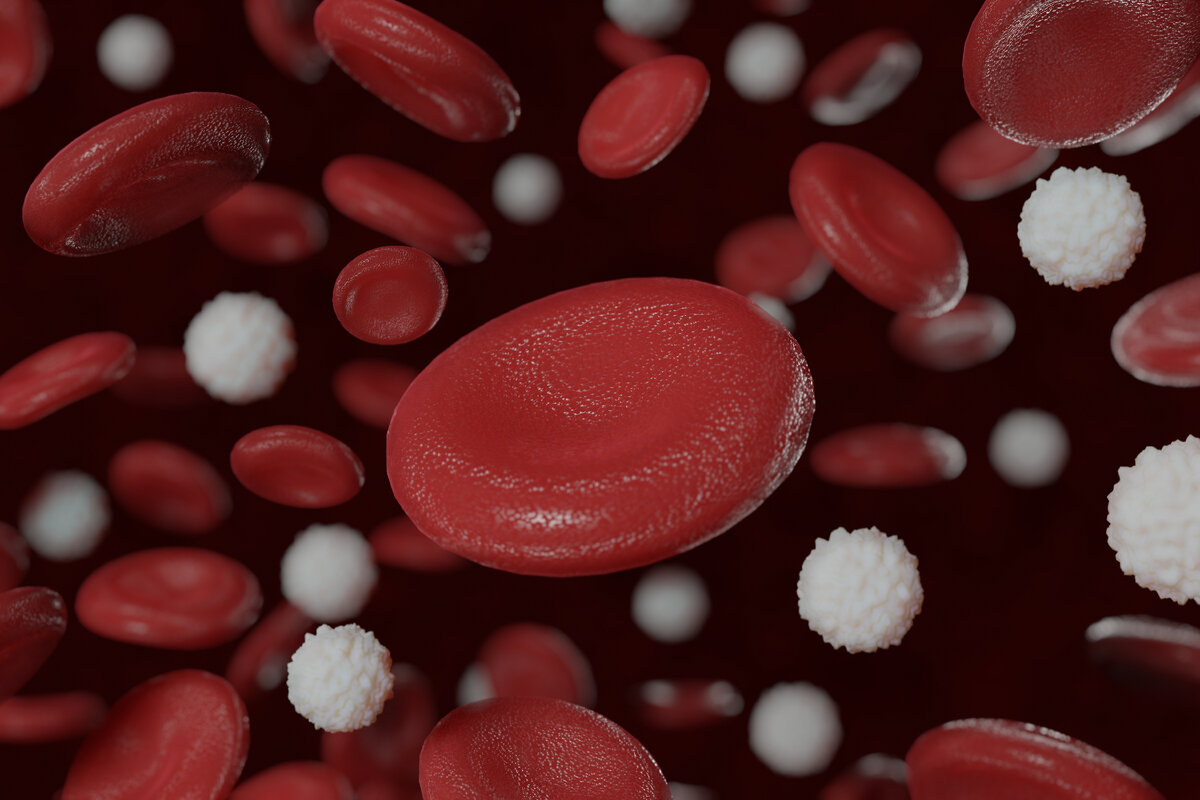
Leukemia is a blood cancer that affects the body’s blood-making tissues and immune system. It happens when the bone marrow makes too many bad white blood cells. These cells are key to fighting off infections.
In healthy people, the bone marrow makes white blood cells that work properly. But with leukemia, the bone marrow makes too many bad cells. These cells don’t fight infections well.
What Is Leukemia and How Does It Affect the Body
Leukemia messes with the body’s blood-making parts, like the bone marrow and lymphatic system. It messes up how blood cells are made, leading to health problems. The bad white blood cells in leukemia take over the bone marrow, making it hard to fight off infections.
Acute leukemias, like ALL and AML, grow fast and can cause serious symptoms if not treated. Chronic leukemias, like CLL and CML, grow more slowly.
The Four Main Types of Leukemia
There are four main types of leukemia, each with its own traits and how fast it grows. These types are:
- Acute Lymphoblastic Leukemia (ALL)
- Acute Myeloid Leukemia (AML)
- Chronic Lymphocytic Leukemia (CLL)
- Chronic Myeloid Leukemia (CML)
The table below shows the main differences between these four types of leukemia:
| Type of Leukemia | Progression Rate | Commonly Affected Age Group |
|---|---|---|
| Acute Lymphoblastic Leukemia (ALL) | Rapid | Children and young adults |
| Acute Myeloid Leukemia (AML) | Rapid | Adults, especially older adults |
| Chronic Lymphocytic Leukemia (CLL) | Slow | Older adults |
| Chronic Myeloid Leukemia (CML) | Slow | Adults |
Knowing these differences helps doctors find the best treatment. This improves how well patients do.
What Causes Leukemia: Risk Factors and Triggers
Leukemia’s exact causes are not fully known. Yet, research has found many genetic, environmental, and lifestyle factors that play a part. The SEER data shows the U.S. sees 14.4 new leukemia cases per 100,000 people yearly. This highlights the need to grasp these risk factors.
Genetic and Hereditary Factors
Genetic disorders can raise the risk of getting leukemia. For example, people with Down syndrome are more likely to get acute leukemia. Other genetic issues, like ataxia-telangiectasia and Li-Fraumeni syndrome, also increase the risk. Family history can also be a factor, though most won’t get leukemia.
“Genetic factors can predispose individuals to leukemia, but the presence of these factors doesn’t guarantee the development of the disease.”
Environmental Exposures and Lifestyle Factors
Some environmental toxins and radiation can raise leukemia risk. Benzene, found in gasoline and used in many industrial processes, is a known risk. High ionizing radiation, like from nuclear accidents or some medical treatments, also increases the risk.

Smoking is linked to a higher risk of certain leukemias, like acute myeloid leukemia (AML).
| Risk Factor | Description | Associated Leukemia Type |
|---|---|---|
| Genetic Disorders | Conditions like Down syndrome | Acute Leukemia |
| Benzene Exposure | Chemicals in gasoline and industrial processes | AML |
| Ionizing Radiation | High levels from nuclear accidents or medical treatments | AML, ALL |
| Smoking | Lifestyle factor | AML |
Previous Cancer Treatments and Medical Conditions
Previous cancer treatments, like chemotherapy and radiation, can raise leukemia risk later. Certain medical conditions, such as myelodysplastic syndromes, can turn into leukemia.
Knowing these risk factors is key to early detection and prevention. While some can’t be avoided, being aware helps monitor for leukemia signs early.
Progression Rates: How Quickly Does Leukemia Develop?
Leukemia develops at different rates, depending on its type. It can be divided into two main types: acute and chronic. Knowing these differences helps doctors choose the best treatment.
Acute Leukemias: Rapid Progression Timeline
Acute leukemias, like Acute Lymphoblastic Leukemia (ALL) and Acute Myeloid Leukemia (AML), grow fast. They involve young blood cells that build up quickly. This can lead to health problems fast if not treated.
Because of this, acute leukemia needs quick and strong treatment. Doctors must act fast to help manage symptoms and increase chances of survival.
Chronic Leukemias: Slower Development Patterns
Chronic leukemias, such as Chronic Lymphocytic Leukemia (CLL) and Chronic Myeloid Leukemia (CML), grow more slowly. They involve older blood cells that take longer to build up. This can take months or years.
Because they grow more slowly, chronic leukemia can be treated more flexibly. Doctors often watch them closely and start with less intense treatments. But, they must be watched closely to stop problems and prevent it from getting worse.
We know how worried patients and their families are about how fast leukemia grows. Our team works hard to give each patient the care and support they need. We tailor our approach to the type and how fast their leukemia is growing.
Early Detection: Recognizing Leukemia Symptoms
Early detection is key to fighting leukemia. Knowing its symptoms is the first step to effective treatment. Leukemia, a blood and bone marrow cancer, often shows subtle signs. It’s vital to be aware of these signs for timely medical help.
Common Warning Signs and When to Seek Help
Leukemia symptoms include fever, chills, persistent fatigue, frequent infections, and easy bleeding. These signs can be hard to spot early. If you notice any, seeing a doctor is a must. We aim for quick and accurate diagnoses.
Key symptoms to watch out for:
- Persistent fatigue or weakness
- Frequent or severe infections
- Easy bleeding or bruising
- Fever or chills
- Weight loss or loss of appetite
Early Signs of Leukemia in Blood Work
Blood tests can show early leukemia signs, like abnormal white blood cell counts. A leukemia blood test can spot leukemic cells, a clear sign of the disease. We use top-notch tests to find these issues.

Spotting leukemia in blood work early is vital for quick treatment. Our team offers top healthcare and support for international patients.
If you’re feeling off or worried about your health, get medical help. Early action can greatly improve survival chances.
Diagnosis Process: From Symptoms to Confirmation
Diagnosing leukemia involves several steps, starting with initial checks and moving to more detailed tests. We know getting a diagnosis can be tough. Our team is here to help you through every step.
Initial Blood Tests and What They Reveal
The first step is oftenblood tests to check for unusual blood cell levels. These tests can show if your blood cells are healthy or not. They might suggest leukemia.
We use the latest technology for these tests. A complete blood count (CBC) checks different blood cells. If the results are off, we’ll look closer.
Bone Marrow Biopsy and Advanced Diagnostics
If blood tests hint at leukemia, a bone marrow biopsy is next. This involves taking a bone marrow sample for tests. Tests like cytogenetic analysis help find out the leukemia type and its genetic details.
Our skilled pathologists work with your healthcare team. They use the newest tech to make sure your diagnosis is right and fast.
Staging and Classification Systems
After diagnosing leukemia, we use staging and classification systems to understand its extent and type. This info is key for planning your treatment.
| Diagnostic Tool | Purpose | Information Provided |
|---|---|---|
| Blood Tests | Initial Screening | Abnormal blood cell counts |
| Bone Marrow Biopsy | Confirmation of Diagnosis | Type of leukemia, genetic characteristics |
| Cytogenetic Analysis | Advanced Diagnostics | Genetic abnormalities, specific leukemia type |
Knowing how we diagnose leukemia helps you understand your care better. Our team is here to support and inform you every step of the way.
Leukemia Survival Rate: Statistics and Trends
Leukemia survival rates have improved a lot over time. This is thanks to better medical treatments. We aim to give the latest info and care to those dealing with this tough disease.
Current Five-Year Survival Statistics by Leukemia Type
The five-year survival rate for leukemia changes based on the type. For Acute Lymphoblastic Leukemia (ALL), it’s about 72.6%. Childhood Acute Myeloid Leukemia (AML) has a survival rate of 65% to 70%. These numbers show how far we’ve come in fighting leukemia.
Survival rates by leukemia type:
- ALL: 72.6%
- Childhood AML: 65-70%
Improvements in Survival Rates Over Time
The American Cancer Society says mortality rates for childhood leukemia have fallen by about 70% from 1970. This drop is due to better treatments and care. We keep pushing forward, giving our patients top-notch support and new therapies.
These better survival numbers highlight the need for ongoing research and top-notch healthcare. At our place, we’re all about leading in these advancements. We want to give our patients the best care possible.
Knowing the latest survival stats and trends helps patients and their families make better choices. We’re here to support them, providing caring and detailed care every step of the way.
Treatment Approaches and Their Impact on Progression
How leukemia is treated depends on several factors. These include the type and stage of the disease. Each treatment plan is made to fit the needs of the patient.
Standard Treatments and Response Times
Leukemia treatments include chemotherapy, radiation therapy, and stem cell transplantation. How fast these treatments work can change a lot. It depends on the treatment and the patient.
Chemotherapy is a key part of leukemia treatment. It uses drugs to kill cancer cells. The time it takes to see results can be weeks or months.
Radiation therapy uses rays to kill cancer cells. It might be used before a stem cell transplant or to target cancer in specific areas.
Stem cell transplantation replaces bad bone marrow with healthy stem cells. It can be a cure for some leukemia types. But, it also has big risks.
| Treatment Modality | Response Time | Success Rate |
|---|---|---|
| Chemotherapy | Several weeks to months | Variable |
| Radiation Therapy | Variable | High |
| Stem Cell Transplantation | Several months | Potential cure |
Emerging Therapies and Their Success Rates
New treatments like targeted therapy and immunotherapy are showing great promise. Targeted therapy attacks cancer cells directly, sparing normal cells. Immunotherapy uses the immune system to fight cancer.
Studies show these new therapies are improving leukemia treatment results.
We’re moving towards more tailored and effective leukemia treatments. This gives patients new hope. As research keeps improving, we’ll see even better treatment success rates.
Is Leukemia Curable? Prognosis and Long-term Outlook
Leukemia’s curability depends on many factors, like the type of leukemia and the patient’s health. Thanks to new treatments, there’s more hope for those with this blood cancer.
Defining “Cure” vs. “Remission” in Leukemia
In leukemia, “cure” and “remission” mean different things. A cure means the disease is gone for good. Remission means the disease is controlled, but it could come back. For many, reaching remission is a big win, but they must stay vigilant for signs of the disease returning.
Our team works hard to help patients on their journey. We offer support for the long haul, including care for survivors.
Factors That Affect Curability
Many things can change how likely it is to cure leukemia. These include the type of leukemia, the patient’s age, health, and how well they respond to treatment. For example, acute leukemias can get worse fast if not treated, but they might respond better to aggressive therapy. Chronic leukemias may grow slower but can be harder to treat when they get worse.
- The type of leukemia: Different types have different chances of being cured and how they respond to treatment.
- Patient’s age and overall health: Older patients or those with other health issues might face tougher treatment challenges.
- Response to initial treatment: Patients who do well with their first treatment often have better outcomes.
Long-term Monitoring and Survivorship
For those in remission, watching for signs of the disease coming back is key. This means regular check-ups, blood tests, and sometimes bone marrow biopsies. We also focus on survivorship care, helping patients deal with treatment’s late effects and support their overall health.
As we learn more about leukemia, the outlook for patients gets better. While finding a “cure” is complex, the progress in treatments and care gives hope to those fighting this disease.
Conclusion: Advances in Leukemia Treatment and Hope for the Future
Leukemia treatment has made big strides, leading to better survival rates and outcomes. Our institution is dedicated to top-notch healthcare for international patients. We keep up with the latest in leukemia research and treatment, aiming to help those with leukemia.
New treatments have brought hope to leukemia patients. We focus on caring for patients with compassion and support. Our goal is to give patients the best care possible, using the latest medical knowledge and teamwork.
The future of leukemia treatment is bright, with new research and therapies on the horizon. We’re committed to helping those with leukemia, bringing hope and support to every step of their journey.
FAQ’s:
What is leukemia, and how does it affect the body?
Leukemia is a blood cancer that affects the body’s blood-making tissues. This includes the bone marrow and lymphatic system. It can cause symptoms like fatigue, frequent infections, and unexplained bleeding.
What are the main types of leukemia?
There are four main types of leukemia. These are acute lymphoblastic leukemia (ALL), acute myeloid leukemia (AML), chronic lymphocytic leukemia (CLL), and chronic myeloid leukemia (CML). Each type has its own characteristics and how fast it progresses.
How quickly can leukemia spread?
Leukemia can spread at different rates. Acute leukemias like ALL and AML spread quickly, often in days or weeks. Chronic leukemias like CLL and CML spread more slowly, sometimes over months or years.
What are the risk factors for developing leukemia?
Several factors can increase the risk of getting leukemia. These include genetic disorders like Down syndrome, exposure to chemicals like benzene, and previous cancer treatments.
How is leukemia diagnosed?
Diagnosing leukemia involves several steps. First, blood tests check for abnormal cell counts. Then, a bone marrow biopsy confirms the diagnosis and finds the specific type of leukemia.
What are the early signs of leukemia in blood work?
Blood tests can show early signs of leukemia. These include abnormal white blood cell counts. Our team keeps up with the latest research to give the best care to our patients.
Can leukemia be cured?
The idea of curing leukemia is complex. It depends on the type of leukemia and how well the patient responds to treatment. Getting into remission is a big step, but ongoing monitoring is needed to catch any signs of recurrence.
What are the current leukemia survival rates?
Survival rates for leukemia have improved a lot. This is thanks to better treatments and care. The five-year survival rate varies by type, with ALL at 72.6% and childhood AML at 65-70%.
What are the treatment options for leukemia?
Treatment for leukemia depends on the type and stage. Common treatments include chemotherapy, radiation, and stem cell transplants. New treatments like targeted therapy and immunotherapy are also showing good results.
How do I know if I have leukemia?
Symptoms of leukemia include fatigue, frequent infections, and unexplained bleeding. If you have these symptoms, see a healthcare professional for a check-up and diagnosis.
What is the white blood cell count range for leukemia?
An abnormal white blood cell count can mean leukemia. Our specialists are skilled in diagnosing and treating leukemia. We offer full care, including support for long-term survivors, to help patients through their journey.
References
- Blood Cancer United. (2025). “Stages of leukemia: Understanding classification and progression. https://bloodcancerunited.org/resources/blog/stages-leukemia-understanding-classification-and-progression


