


Cancer rehabilitation is a wide-ranging healthcare approach. It helps people deal with the physical, emotional, and mental impacts of cancer and its treatments.
This process has four main stages: preventive (prehabilitation), restorative, supportive, and palliative. These stages help restore function, reduce side effects, and enhance quality of life for those affected.
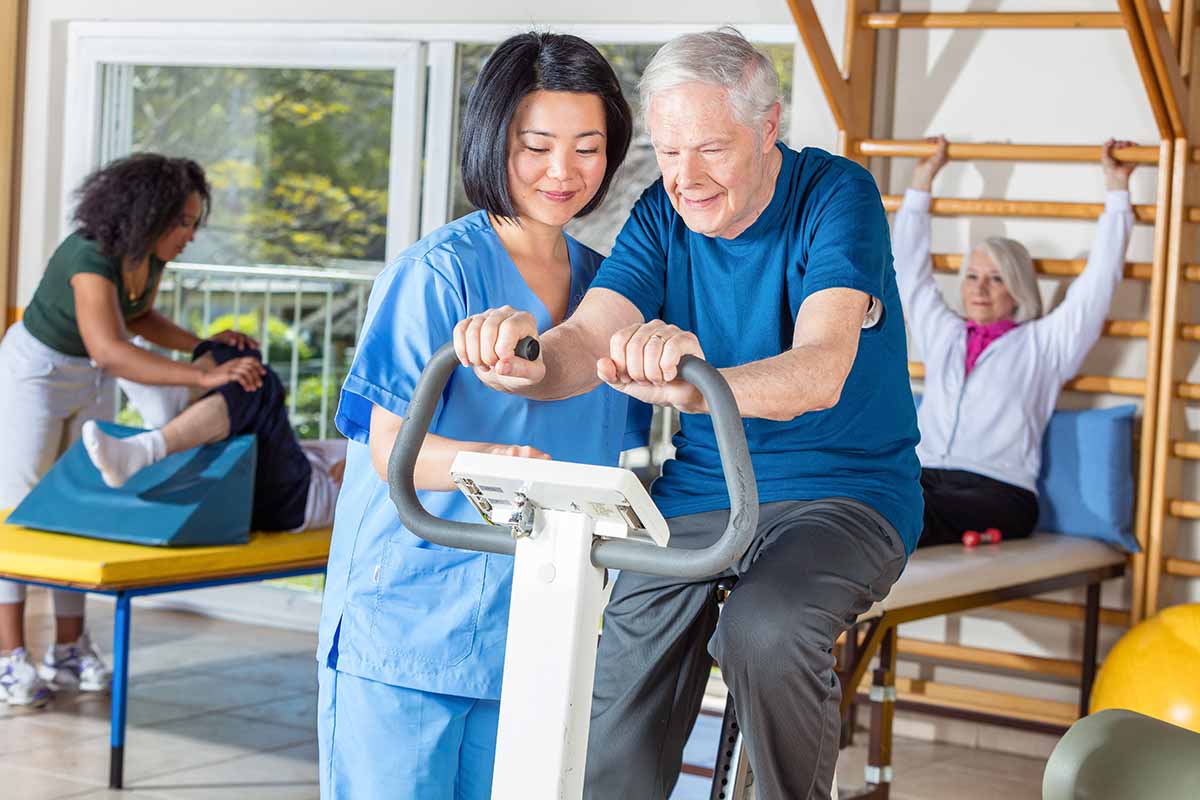
Knowing the different stages of oncology rehabilitation is key. It lets patients and healthcare teams work together for the best results.
Key Takeaways
- Cancer rehabilitation involves four stages: preventive, restorative, supportive, and palliative.
- The goal of rehabilitation is to restore function, minimize side effects, and improve quality of life.
- A complete healthcare process, cancer rehab supports patients throughout their cancer journey.
- The four stages work together to achieve optimal patient outcomes.
- Understanding the stages of oncology rehabilitation is vital for effective cancer care.
The Critical Role of Cancer Rehabilitation in Oncology Care
Cancer rehabilitation is key in caring for oncology patients. It helps prevent, relieve, and reduce symptoms during treatment. It aims to restore mobility, reduce pain, and improve well-being, making life better for cancer patients.

Definition and Purpose of Rehabilitation for Cancer Patients
The purpose of rehabilitation in cancer care is to meet patients’ physical, emotional, and social needs. It includes physical, occupational, and speech therapy, tailored for each patient. The main goal is to help patients regain independence, manage symptoms, and improve function.
Rehabilitation starts at diagnosis and goes through treatment and beyond. It’s a vital part of oncology rehab, aiming to lessen treatment side effects and improve outcomes. It helps cancer patients face their challenges and live better lives.
The Growing Importance of Comprehensive Cancer Treatment
The role of cancer rehabilitationcenter services has grown with better cancer treatments. More patients survive cancer but face recovery challenges. Rehabilitation helps them regain strength, mobility, and confidence.
Rehab cancer programs are now a big part of cancer care. They support patients from diagnosis to survivorship or palliative care. Adding rehabilitation to treatment plans improves outcomes, cuts costs, and boosts care quality.
Cancer Rehabilitation: A Complete Framework
Cancer rehabilitation is now a key part of cancer care. It tackles the many challenges patients face.

As cancer treatments get better, the importance of rehabilitation has grown. Cancer rehabilitation is a team effort. It deals with the physical, emotional, and mental effects of cancer and its treatments.
The Evolution of Rehabilitation in Cancer Care
Rehabilitation in cancer care has changed a lot over time. It used to mainly help with treatment side effects. Now, it offers a wide range of services to boost patient outcomes and life quality.
“Rehabilitation is not just about recovering from treatment; it’s about restoring the patient’s overall well-being and enabling them to return to their normal activities,” says the expert.
Evidence-Based Approaches to Cancer Rehabilitation
Today’s cancer rehabilitation uses evidence-based approaches to help patients. These include cancer physical therapy, occupational therapy, and speech therapy. Each is customized for the patient’s needs.
- Personalized exercise programs to enhance physical function and reduce fatigue
- Occupational therapy to support daily activities and independence
- Speech and swallowing therapy to address communication and nutritional challenges
By using these proven methods, cancer rehabilitation programs can greatly improve patient results. They help patients live longer and better lives.
The Multidisciplinary Team in Cancer Rehabilitation
Cancer treatment is complex, so a team-based approach to rehabilitation is needed. A diverse group of healthcare professionals work together to provide complete care. This teamwork ensures patients get the support they need during their recovery.
Key Healthcare Professionals Involved
A team of specialists is key in cancer rehabilitation. They all play a role in patient care. Here are some of the main professionals involved:
- Physicians specializing in physical medicine and rehabilitation
- Physical therapists who help patients regain strength and mobility
- Occupational therapists who assist patients in regaining daily functioning skills
- Speech-language pathologists who address communication and swallowing disorders
- Nurses who provide ongoing care and support
- Psychologists or psychiatrists who help manage mental health challenges
Coordinated care planning is vital for success in cancer rehabilitation. The team works together to create a treatment plan that meets each patient’s unique needs.
Coordinated Care Planning for Optimal Outcomes
Effective care planning means regular talks among team members. This ensures all aspects of a patient’s care are covered. This method helps in:
- Identifying and addressing possible complications early
- Optimizing treatment outcomes through a holistic approach
- Improving patient satisfaction by meeting their diverse needs
By using a multidisciplinary approach, cancer rehabilitation programs can greatly improve patient outcomes. This leads to better quality of life and survival rates for cancer patients.
Stage 1: Preventive Rehabilitation (Prehabilitation)
Prehabilitation is a new way of thinking in cancer care. It focuses on getting ready and being physically fit before treatment starts. This early effort helps patients do better by making them stronger and more able to handle treatment.
Definition and Goals of Cancer Prehabilitation
Cancer prehabilitation is about getting ready for treatment before it starts. It aims to make patients physically better, mentally stronger, and less likely to face treatment problems.
Physical Conditioning Before Cancer Treatment
Getting physically fit is key in prehabilitation. It means checking how a patient is doing and creating a workout plan. This plan helps boost strength, flexibility, and endurance. It helps patients handle treatment better and recover faster.
Patient Education and Preparation Strategies
Teaching patients is also important in prehabilitation. It’s about telling them about their treatment, possible side effects, and how to deal with them. This knowledge helps reduce fear, makes patients more likely to follow their treatment plans, and improves their overall health.
Good prehabilitation programs also help with the emotional side of things. They offer counselling, stress management, and support groups. These help patients feel more positive and ready for treatment.
Measurable Benefits of Prehabilitation
Studies show that prehabilitation improves patient outcomes. It’s a key part of cancer care. By taking steps before treatment, patients see fewer complications and faster recovery.
30% Decrease in Post-Operative Morbidity
Prehabilitation greatly reduces post-operative issues. Research shows a 30% decrease in complications. This is thanks to better physical shape, nutrition, and mental readiness.
Improved Treatment Tolerance and Recovery
Prehabilitation also makes patients more resilient during treatment. It boosts physical health and lessens symptoms. This means patients can handle chemotherapy and surgery better, leading to improved outcomes and quicker recovery.
Case Studies and Research Findings
Many studies highlight prehabilitation’s benefits in cancer care. For example, patients having colorectal surgery who did prehabilitation had shorter stays and fewer issues. This shows why prehabilitation is vital in treatment plans.
In summary, research backs up prehabilitation’s benefits. It cuts down on complications, boosts treatment tolerance, and speeds up recovery. Prehabilitation is key to better patient outcomes.
Stage 2: Restorative Rehabilitation
Restorative rehabilitation helps patients deal with the tough parts of cancer treatment. It makes them feel better overall. This stage is key for meeting patients’ immediate needs while they’re getting treatment.
Supporting Patients During Active Treatment
Patients face many physical and emotional hurdles during treatment. Restorative rehabilitation offers vital support. It helps them cope with these challenges and keep their quality of life good. Key parts include physical therapy, pain management, and mental support.
Physical therapy is a big part of restorative rehabilitation. It helps patients stay strong, flexible, and mobile. This way, they can handle treatment better and heal faster.
Addressing Acute Symptoms and Side Effects
Restorative rehabilitation also works to lessen the symptoms and side effects of cancer treatment. This includes things like pain management and nutrition advice. The aim is to reduce how much treatment affects their daily lives.
Common symptoms like pain, tiredness, and trouble moving are common during treatment. Restorative rehabilitation programs are made to tackle these problems. They help patients do better and recover faster from treatment.
By helping patients during treatment and dealing with symptoms, restorative rehabilitation is very important in cancer care. This stage is critical for better patient outcomes and a better quality of life.
Therapeutic Modalities in Restorative Cancer Rehabilitation
Therapeutic modalities are key in restorative cancer rehab. They help patients manage symptoms and improve their life quality. This phase of care is vital for recovery from cancer and its treatment.
Physical Therapy Interventions
Physical therapy is a mainstay in restorative cancer rehab. It helps patients regain strength, mobility, and function. Exercise programs are customized to meet each patient’s needs and abilities.
These programs aim to boost cardiovascular health, reduce fatigue, and improve physical function. Physical therapists also manage pain and symptoms from cancer and treatment. Techniques like manual therapy, therapeutic exercises, and education on body mechanics greatly benefit patients.
Occupational Therapy Approaches
Occupational therapy is also essential in restorative cancer rehab. Occupational therapists help patients with daily living and work skills. This includes adaptive equipment training and managing fatigue and cognitive issues.
By focusing on meaningful activities, occupational therapy helps patients regain independence. It lets them fully participate in their daily lives.
Speech and Swallowing Rehabilitation
For those with head and neck surgery or treatment, speech and swallowing rehab is vital. Speech-language pathologists work to improve speech, voice, and swallowing issues.
They use exercises to enhance swallowing, strategies for better communication, and cognitive rehabilitation. This addresses cognitive changes from treatment.
By using these therapies, restorative cancer rehab programs greatly improve patient outcomes. They enhance survival and quality of life.
Stage 3: Supportive Rehabilitation
The third stage of cancer rehabilitation is called supportive rehabilitation. It helps patients manage chronic symptoms and regain independence. This stage provides ongoing support and care for those living after cancer treatment.
Managing Chronic Symptoms Post-Treatment
Healthcare professionals work closely with patients to manage chronic symptoms after treatment. These symptoms can include pain, fatigue, and more. Managing these symptoms is key to improving patient outcomes and helping them return to daily life.
Strategies for managing chronic symptoms include medication, physical therapy, and lifestyle changes. Physical therapy helps patients regain strength and mobility. Medication helps alleviate pain and other symptoms.
Regaining Independence for Daily Activities
A main goal of supportive rehabilitation is to help patients regain independence in daily activities. Occupational therapy plays a big role in this. It helps patients with tasks like bathing, dressing, and cooking.
Occupational therapists teach patients strategies to overcome physical limitations from cancer treatment. This helps patients improve their quality of life and confidence.
Long-term Supportive Care Strategies
Supportive rehabilitation also includes long-term care strategies. It ensures patients get the ongoing care they need. This includes regular check-ups, psychological support, and resources for coping with cancer treatment effects.
Long-term care planning involves a team of healthcare professionals. They create a care plan tailored to each patient’s needs. This ongoing support helps patients deal with the challenges of cancer survivorship.
Quality of Life Improvements Through Supportive Rehabilitation
Supportive rehabilitation helps cancer patients a lot. It focuses on managing symptoms, getting back independence, and giving long-term care.
Physical Functioning Enhancements
Improving physical functioning is a big goal. Patients get stronger, more flexible, and mobile. This makes them healthier and able to do daily tasks better.
- Personalized exercise programs to improve strength and flexibility
- Manual therapy techniques to reduce pain and stiffness
- Education on proper body mechanics to prevent injury
Psychological and Emotional Recovery
It also helps with psychological and emotional recovery. Patients get counselling, join support groups, and learn stress management. This helps them deal with the emotional side of cancer.
- Cognitive-behavioural therapy to manage anxiety and depression
- Support groups to foster a sense of community and connection
- Mindfulness practices to reduce stress and promote relaxation
Social Reintegration and Return to Work
Helping patients get back into their lives is key. They regain strength and confidence. This makes it easier to join social and work activities again.
Supportive rehabilitation makes a big difference. It improves quality of life and overall well-being. Patients can live a more fulfilling life after treatment.
Stage 4: Palliative Rehabilitation
Palliative rehabilitation is a care approach for advanced cancer patients. It focuses on comfort, function, and quality of life. This stage is key for those facing advanced disease complexities.
Optimizing Comfort and Function in Advanced Cancer
Palliative rehabilitation aims to help patients manage symptoms and stay independent. Research on PMC shows a team approach is vital for advanced cancer patients.
The goals include reducing pain and other symptoms. They also help patients reach their personal care goals. This way, patients can live better lives.
End-of-Life Care Considerations
As cancer reaches its end stages, care shifts to compassionate end-of-life care. It covers physical symptoms and emotional, social, and spiritual needs. This care is for patients and their families.
Good end-of-life care is holistic and focuses on dignity and comfort. It needs a team effort to meet each patient’s needs.
Maintaining Dignity and Quality of Life
Maintaining dignity is critical in advanced cancer stages. Healthcare providers support patients’ values and preferences. This ensures care is personalized.
This approach helps patients face advanced cancer with more comfort and support. It also reassures and supports families during tough times.
Accessing Specialized Cancer Rehabilitation Services
Cancer patients can greatly benefit from specialized rehabilitation services. These services are made to help patients recover, addressing their unique challenges.
Finding Cancer Rehabilitation Centers
Finding the right cancer rehabilitation center is key. These centers have a team of experts who create treatment plans for each patient. You can find them through your doctor, online directories, or your oncologist.
When choosing a rehabilitation center, consider these:
- The services they offer, like physical and occupational therapy.
- The team’s qualifications and experience.
- The quality of their equipment and facilities.
Telerehabilitation Options for Remote Care
Telerehabilitation is a great option for those who can’t get to in-person services. It uses technology to provide care from home. This way, patients get the support they need without leaving their homes.
Telerehabilitation services include:
- Virtual physical therapy sessions.
- Remote monitoring of patient progress.
- Online educational resources and support groups.
With telerehabilitation, patients can keep up with their care, even when they can’t visit in person.
Conclusion: Advancing Cancer Rehabilitation for Better Patient Outcomes
Cancer rehabilitation is key to better care for cancer patients. It improves their outcomes and quality of life. By improving these services, healthcare providers can make care better for cancer patients.
New advancements in cancer rehab have made a big difference. They have improved patients’ lives and helped them survive longer. Using proven methods and teams of experts has been very helpful.
As cancer rehab grows, we must keep making it better. This way, patients get the best care possible. This leads to better lives for them and their families.
Improving cancer rehab needs teamwork from doctors, researchers, and patients. Together, we can make rehab services even better. This will help cancer patients and their families live better lives.
FAQ
What is cancer rehabilitation?
Cancer rehabilitation is a care approach that improves patients’ physical, emotional, and social well-being. It’s a team effort to help cancer patients feel better.
What are the four stages of cancer rehabilitation?
The stages are prehabilitation, restorative rehabilitation, supportive rehabilitation, and palliative rehabilitation. Each stage focuses on different aspects of recovery.
What is prehabilitation, and why is it important?
Prehabilitation prepares patients before cancer treatment. It makes them stronger and more ready for treatment. This stage is key to a smoother recovery.
What is the role of physical therapy in cancer rehabilitation?
Physical therapy is vital in cancer rehab. It helps patients move better, feel less pain, and live better lives. Therapists use exercises and education to help patients reach their goals.
How does cancer rehabilitation improve quality of life?
It tackles physical, emotional, and social needs. Patients learn to manage symptoms and do daily activities again. This boosts their overall well-being.
What is palliative rehabilitation, and what are its goals?
Palliative rehab focuses on comfort and quality of life for advanced cancer patients. It aims to ease symptoms and maintain dignity. The goal is to improve life quality.
How can I access cancer rehabilitation services?
Look for cancer rehab centers or programs. Many offer telerehabilitation. Cancer centers and hospitals have teams ready to help.
What is the importance of a multidisciplinary team in cancer rehabilitation?
A team approach is critical. It brings together experts for a well-rounded care plan. This ensures patients get the best support throughout their journey.
What is the purpose of rehabilitation in cancer care?
Rehab helps patients recover from cancer’s effects. It improves life quality and lets patients do daily activities again.
What are the benefits of oncology rehabilitation?
It boosts physical function, reduces symptoms, and enhances life quality. It helps patients regain independence and manage chronic symptoms.
What is cancer physiotherapy, and how does it help?
Cancer physiotherapy is therapy for cancer patients. It includes exercises and education to manage cancer’s effects. It improves physical function and overall well-being.
References
- American Cancer Society. (2023). Physical Side Effects of Cancer and Its Treatment. Retrieved from https://www.cancer.org/treatment/treatments-and-side-effects/physical-side-effects.html


