


Every year, nearly 400,000 children and adolescents worldwide are diagnosed with cancer. This disease is both daunting and complex. The World Health Organization says the most common types are leukemias, brain tumors, and lymphomas. While we don’t know the exact causes of most childhood cancers, we can reduce some risk factors.

We will look at why cancer prevention in children is so important. We’ll talk about global statistics and the need for awareness. By understanding risk factors and reducing them, we can help children with cancer.
Key Takeaways
- Nearly 400,000 children are diagnosed with cancer worldwide each year.
- Most childhood cancers have unknown causes, but known risk factors can be mitigated.
- Early diagnosis and treatment are key to better outcomes.
- Cancer prevention strategies can lower the risk of childhood cancer.
- Awareness and education are vital for promoting childhood cancer prevention.
The Growing Concern of Pediatric Cancer Worldwide
Pediatric cancer is a big problem worldwide. We need to look at the numbers and survival rates. It affects kids from all walks of life, making it important to understand its impact.
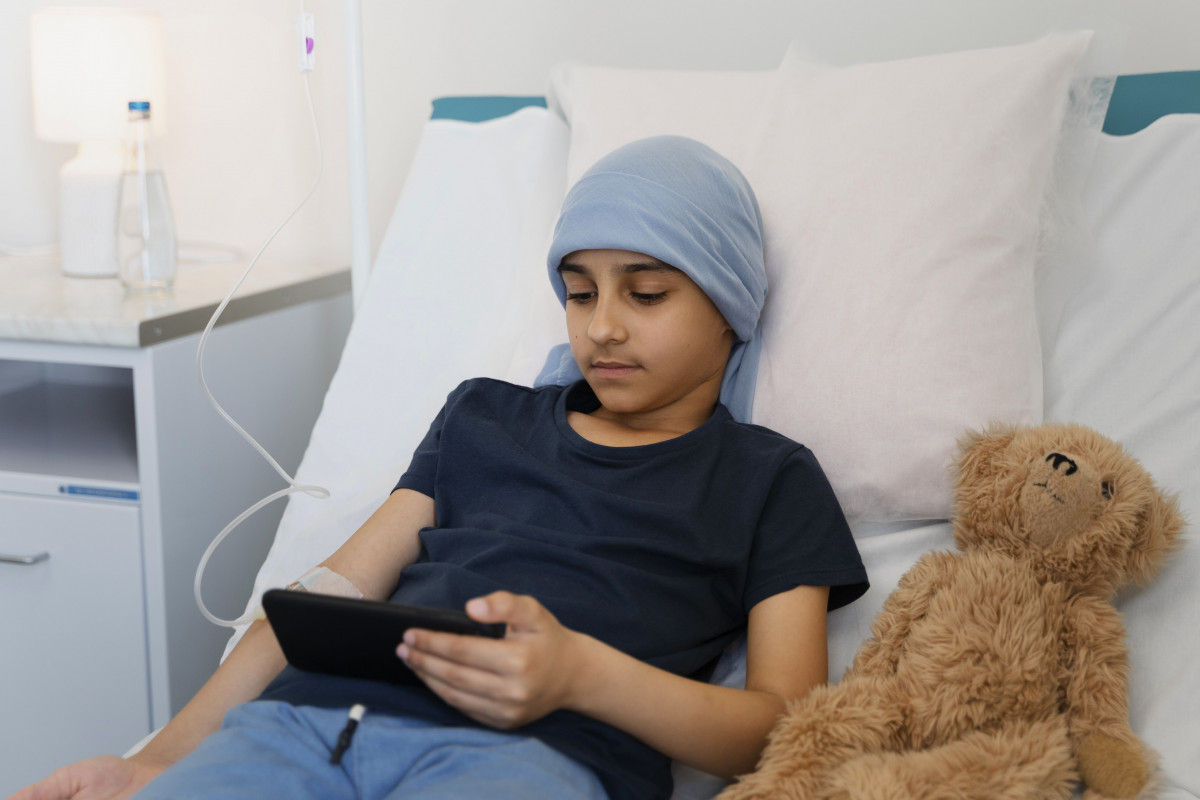
400,000 Cases Annually in Children Under 19
Every year, about 400,000 new cases of pediatric cancer are found in kids under 19. This shows how common the disease is. It also shows we need to work together to fight it.
Some common cancers in kids include leukemia, brain tumors, and lymphomas. Knowing these facts helps us find better ways to fight pediatric cancer.
Survival Rate Disparities: 80% in High-Income vs. 30% in Low-Income Countries
The survival rates for kids with cancer are very different around the world. In rich countries, about 80% of kids survive. But in poor countries, the survival rate is only 30%.
This big difference is due to many reasons. These include how easy it is to get healthcare, how well doctors can diagnose, and what treatments are available. To fix this, we need to:
- Make sure kids in poor countries get the care they need fast.
- Work together globally to share knowledge and resources for fighting pediatric cancer.
- Support efforts to make healthcare fairer for everyone.
By understanding these differences and working together, we can aim for a future. A future where every child, no matter where they live, has a fair chance at a healthy life.
Understanding Risk Factors for Childhood Cancer
It’s important to know what increases a child’s chance of getting cancer. While we don’t know everything, research has found some key factors. These can help us prevent cancer in kids.
Genetic Predispositions and Inherited Conditions
Some genetic conditions make kids more likely to get cancer. For example, kids with Li-Fraumeni syndrome or Down syndrome face a higher risk. Early genetic testing can spot these risks.
For families with a history of cancer, genetic counseling is helpful. It helps them understand their risks. But, most childhood cancers aren’t caused by inherited genes.
Environmental Factors That Increase Risk
Some environmental factors can raise a child’s cancer risk. Ionizing radiation, like from X-rays, is a known risk. Also, pesticides and household chemicals can increase the risk.

Reducing exposure to these hazards can lower the risk. Parents can use non-toxic cleaners and avoid pesticide areas.
Debunking Myths: What Doesn’t Cause Childhood Cancer
There’s no proof that vaccinations or electromagnetic fields cause childhood cancer. It’s key for parents to have the right info. This helps them make smart health choices for their kids.
Knowing what does and doesn’t increase cancer risk helps parents protect their kids. It also supports efforts to prevent cancer in children.
Creating a Toxin-Free Environment for Your Child
A toxin-free environment is key for kids’ health and helps prevent pediatric cancer. As parents, we can lower our kids’ risk by avoiding harmful substances.
Eliminating Secondhand and Thirdhand Tobacco Smoke
Secondhand smoke is bad for health, including cancer. Make your home smoke-free to keep your kids safe. Don’t smoke at home, in the car, or near your kids. Also, watch out for thirdhand smoke, the toxic stuff left on surfaces and clothes after smoking.
To get rid of secondhand and thirdhand smoke, tell smokers to quit or smoke outside. Wash clothes and surfaces that might have smoke on them.
Reducing Exposure to Pesticides and Household Chemicals
Pesticides and household chemicals can be harmful. Choose natural or organic options when you can. Always read the labels to use these products safely. Keep them away from kids to avoid accidents.
For pests, try integrated pest management that’s safe. Pick household cleaners that are labeled as non-toxic or eco-friendly.
Minimizing Radiation Exposure in Daily Life
Some radiation is unavoidable, but we can reduce it. Be careful with medical imaging that uses radiation, like X-rays and CT scans. Make sure they’re really needed. For environmental radiation, use air purifiers to lower radon in your home.
Nutrition Strategies to Reduce Pediatric Cancer Risk
Nutrition plays a big role in preventing pediatric cancer. It’s a powerful tool for families. A diet full of essential nutrients can protect kids from cancer. We’ll look at how certain foods can help lower this risk.
Cancer-Fighting Foods to Include in Children’s Diets
Adding certain foods to a child’s diet can fight cancer. Fruits and vegetables are key because they’re full of antioxidants and phytochemicals. Berries, leafy greens, and broccoli are great choices.
Whole grains like brown rice and quinoa add fiber and nutrients. Lean proteins from poultry, fish, and legumes are also good for health.
It’s also good to include foods rich in omega-3 fatty acids, like salmon. These support brain health and may fight inflammation. A varied diet with these foods can help keep kids healthy and lower cancer risk.
Foods and Additives to Limit or Avoid
Knowing what not to eat is just as important. Processed foods, sugary drinks, and unhealthy fats can increase health risks, including cancer. It’s wise to limit food additives and preservatives too, as they can pose health risks.
- Reduce processed meats to lower cancer risk.
- Limit sugary snacks and drinks.
- Avoid foods with artificial colors and flavors.
Establishing Healthy Eating Habits from an Early Age
Starting healthy eating habits early is key for long-term health and cancer prevention. Encourage kids to try different foods and watch portion sizes. Make mealtime a positive experience.
By choosing whole, nutrient-rich foods and avoiding unhealthy ones, parents can help kids develop a healthy food relationship. This supports their overall health and lowers cancer risk.
The Protective Power of Physical Activity Against Cancer
Physical activity is key in fighting cancer in kids. It boosts their health and lowers cancer risk later. We’ll look at how exercise strengthens their immune systems and make exercise fun for kids.
How Exercise Strengthens Children’s Immune Systems
Exercise boosts kids’ immune systems in many ways. It improves blood flow, helping immune cells move better. It also cuts down inflammation, linked to lower cancer risk. Plus, it keeps them at a healthy weight, lowering cancer risk even more.
Key benefits of exercise for children’s immune systems include:
- Enhanced circulation of immune cells
- Reduced chronic inflammation
- Improved overall immune function
- Maintenance of a healthy weight
Age-Appropriate Physical Activity Recommendations
The World Health Organization says kids aged 5-17 should do 60 minutes of active play daily. For younger kids, the rules change based on age. It’s important to pick activities that fit your child’s age and growth stage.
Age-specific recommendations:
- Infants (less than 1 year): Encourage floor play and tummy time.
- Toddlers (1-2 years): Engage in at least 180 minutes of physical activity throughout the day.
- Preschoolers (3-4 years): Aim for at least 180 minutes of physical activity, including at least 60 minutes of moderate-to-vigorous intensity activity.
Making Exercise Fun and Sustainable for Kids
To help kids keep exercising for life, make it fun and engaging. Mix up activities and let them pick what they like. Involve them in planning to keep them excited.
Tips for making exercise fun:
- Encourage participation in sports or dance classes.
- Engage in family activities like cycling, hiking, or playing games.
- Limit screen time and encourage outdoor play.
- Make exercise a positive experience by praising effort and progress.
By understanding the importance of physical activity, we can help our kids live healthier lives. This reduces their cancer risk and boosts their overall well-being.
Preventive Medical Interventions for Pediatric Cancer
Preventive medical interventions are key in fighting pediatric cancer. They use the latest medical tools to lower cancer risk in kids.
Lifesaving Vaccinations
Vaccines can stop certain cancers before they start. For example, the HPV vaccine fights human papillomavirus, linked to cervical cancer. The Hepatitis B vaccine helps prevent liver cancer by stopping hepatitis B infection.
It’s vital to keep up with vaccination schedules. These shots not only fight viruses but also help prevent cancer. Vaccinating against HPV and Hepatitis B can save lives and keep kids healthy as adults.
Regular Pediatric Check-ups
Regular check-ups are key for kids’ health. They let doctors track growth and spot problems early.
These visits also mean vaccinations, advice on diet and lifestyle, and a chance to talk about health concerns. Keeping up with these check-ups ensures kids get the care they need and stay healthy.
Evidence-Based Screening Recommendations
Screening can catch cancer early, when it’s easier to treat. While there are few general guidelines, kids at high risk get special care.
Children with a high risk due to genes or family history might need more tests. This could include imaging, blood tests, or other specific checks.
Following the latest screening advice helps parents and doctors keep kids safe. They can make a plan to watch for and manage health risks.
Recognizing Early Warning Signs of Cancer in Children
Cancer in kids can be hard to spot, but catching it early is key. As a parent, watching for health changes in your child is vital. Knowing the early signs helps you get medical help fast.
Common Symptoms That Shouldn’t Be Ignored
Kids might show signs that could mean cancer. These include:
- Persistent fatigue or weakness
- Unexplained weight loss or loss of appetite
- Pain or swelling in the abdomen, bones, or joints
- Frequent or recurring infections
- Easy bruising or bleeding
These symptoms can also mean other things, but seeing a doctor is smart if they don’t go away.
When to Seek Immediate Medical Attention
Some symptoms need quick doctor visits. If your child has:
- Severe headache or vomiting, especially in the morning
- Vision changes or double vision
- Seizures or convulsions
- A lump or swelling that is growing
Get help right away. These could mean serious problems, like cancer.
Advocating for Your Child in the Healthcare System
As a parent, speaking up for your child is key. This means:
- Asking lots of questions about your child’s health
- Getting a second opinion if unsure
- Making sure your child gets all the care they need
Knowing about childhood cancer helps a lot. Being aware and pushing for your child’s care can make a big difference.
Conclusion: Empowering Families in Pediatric Cancer Prevention
Teaching families about cancer is key in the fight against it. Knowing the risks and acting early can lower cancer chances in kids. Keeping homes free from toxins, eating healthy, and staying active are important steps.
Medical checks and vaccines are also critical. Spotting cancer signs early and getting help fast is vital. This ensures kids get the care they need quickly.
We aim to give top-notch healthcare and support to families around the world. By spreading cancer awareness and helping families take action, we can fight pediatric cancer together. This way, we can help more kids live healthier lives.
FAQ
Why does cancer happen in children?
Can you be born with cancer?
What causes childhood cancer?
How do children get cancer?
Why is childhood cancer increasing?
What is the main cause of cancer?
How can a child be born with cancer?
How to prevent childhood cancer?
What are the common symptoms of childhood cancer?
Why do kids get cancer?
What is causing childhood cancer?
How do kids get cancer?
References
- Sultan, I. (2025). Trends in childhood cancer: Incidence and survival analysis (1975“2019). Pediatric Blood & Cancer. https://pmc.ncbi.nlm.nih.gov/articles/PMC11698462/


