The olfactory nerve, also known as cranial nerve I (CN I), is key to our sense of smell. It sends signals from the nose to the brain. This lets us recognize many different smells.which cranial nerve is responsible for the9 Brain Tumor Vision Problems: Key Symptoms & Warning Signs
At Liv Hospital, we know how important the olfactory system is. It helps us enjoy life more. Our sense of smell is tied to our memories and feelings, making it very important.
Key Takeaways
- The olfactory nerve is the first cranial nerve responsible for transmitting sensory information related to smell.
- This nerve is a specialized sensory nerve that directly connects the nasal cavity to the brain.
- The sense of smell is closely linked to memory and emotional responses.
- Damage to the olfactory nerve can result in a loss of smell, known as anosmia.
- Understanding the role of the olfactory nerve is essential for diagnosing and treating smell-related disorders.
The Olfactory Nerve: An Overview
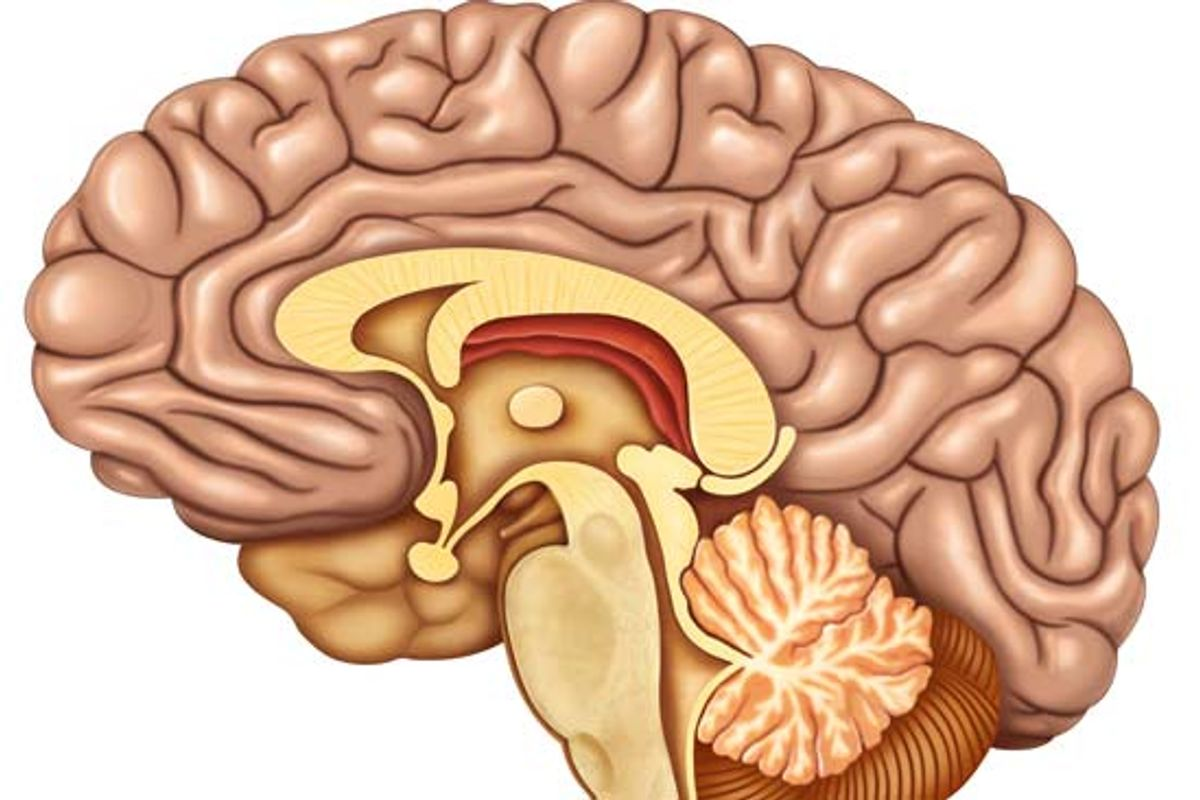
The olfactory nerve is key in detecting smells. It’s the first cranial nerve for this job. It helps us sense many different odors.
Definition and Basic Function
The olfactory nerve, also known as Cranial Nerve I, sends smell information from the nose to the brain. It has about 6 to 10 million olfactory sensory neurons. These cells are special because they can detect odor molecules in the air we breathe.
“The olfactory system is uniquely positioned to detect an vast array of odorants, making it a critical part of our sensory experience,” say neuroscience experts.
The olfactory nerve’s main job is to turn chemical signals from smells into electrical signals. The brain can then understand these signals. This starts in the olfactory epithelium, a mucous membrane inside the nasal cavity. Here, odor molecules bind to specific receptors on olfactory sensory neurons.
Historical Discovery and Naming
The olfactory nerve has fascinated people for centuries. It was one of the first cranial nerves studied. The word “olfactory” comes from the Latin “olfactus,” meaning smell.
Over time, scientists have learned a lot about the olfactory nerve. It starts from the olfactory placode, a thickening of the ectoderm layer in the embryo. This shows how important it is and how early it forms.
The significance of the olfactory nerve goes beyond just smelling. It’s also linked to memory and emotions. The olfactory system sends sensory info straight to brain areas linked to memory and feelings. This makes smells powerful triggers for memories and emotions.
Anatomy of the Olfactory System
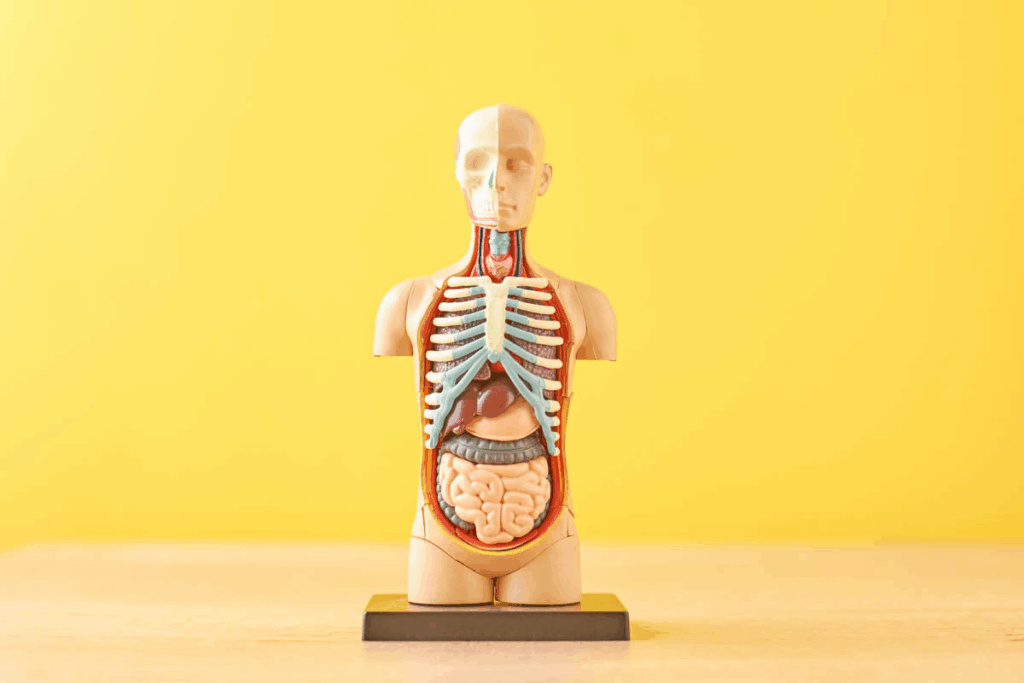
The sense of smell is made possible by a complex system. This system includes several key parts. It lets us smell everything from flowers to smoke.
Structure of the Olfactory Nerve
The olfactory nerve, or Cranial Nerve I, carries smell information from the nose to the brain. It’s special because it can grow back. The nerve’s axons go through the cribriform plate to the olfactory bulb.
Olfactory Nerve Characteristics:
Characteristics | Description |
Function | Transmits sensory information related to smell |
Regenerative Ability | Capable of regeneration |
Projection | Axons project through the cribriform plate to the olfactory bulb |
The Olfactory Epithelium
The olfactory epithelium lines the top of the nasal cavity. It’s a special mucous membrane. It has sensory neurons that detect smells in the air.
This part is key for smelling. It’s where sensory neurons turn smell signals into electrical signals for the brain.
The Cribriform Plate and Olfactory Bulb
The cribriform plate is a bony structure in the ethmoid bone. It lets the nerve axons pass from the nasal cavity to the brain. There, they connect in the olfactory bulb.
The olfactory bulb is vital in the smell pathway. It processes smell information from receptors. Then, it sends it to the brain for more processing.
The detailed anatomy of the olfactory system shows its importance. It helps us enjoy food smells and detect dangers like smoke.
Which Cranial Nerve Is Responsible for the Sense of Smell?
Our sense of smell is thanks to a special cranial nerve. It’s key for our daily life, affecting our appetite and memory. But which nerve is behind this complex process?
Cranial Nerve I: The Olfactory Nerve
The nerve in charge of smell is Cranial Nerve I, or the Olfactory Nerve. It’s a nerve that carries smell information from our nose to our brain. It’s special because it starts directly from the cerebrum, showing its unique role in our senses.
The olfactory nerve does something different from other nerves. It picks up odor molecules in the air and sends them to our brain. This is how we can tell different smells apart.
Comparison with Other Sensory Cranial Nerves
There are twelve cranial nerves, but only a few deal with our senses. The olfactory nerve (Cranial Nerve I) is for smell, while the optic nerve (Cranial Nerve II) is for sight. Other nerves handle hearing and balance (Cranial Nerve VIII). Each nerve has its own job, but they all help us understand the world.
Compared to other sensory nerves, the olfactory nerve is very sensitive. It can pick up a wide range of smells. This is because of the special structure of the olfactory epithelium and its receptors. Knowing this helps us see how complex our senses are and how they work together.
The Pathway of Smell: From Nose to Brain
Smelling starts with odor molecules hitting olfactory receptors. This journey is key for us to notice and tell apart different smells.
Olfactory Receptors and Odor Detection
Olfactory receptors are special proteins in our noses. They catch odor molecules and send signals to our brain. This lets us smell a wide range of things.
The area in our noses where these receptors live is vital. It has millions of neurons, each ready to catch specific smells. The shape and chemical makeup of smells decide which receptors they bind to, starting the signal.
Signal Transmission Through the Cribriform Plate
The signals from our noses go through the cribriform plate to the olfactory bulb. This is key as it sends the smell information to our brain. The cribriform plate, part of the ethmoid bone, has many small holes for the nerve fibers to pass through.
Processing in the Olfactory Bulb and Beyond
The olfactory bulb refines the smell information before it goes to other brain parts. It acts as a middleman, making the signals clearer. Then, the information goes to areas like the limbic system, which handles emotions and memories. This is why smells can bring back strong memories.
Learning about how smells travel from our noses to our brains shows how complex and vital the olfactory system is. It’s a remarkable process that lets us enjoy the rich variety of smells around us.
Neurophysiology of Olfaction
Exploring how we smell takes us into the detailed world of olfaction’s neurophysiology. Smelling isn’t just about detecting smells. It’s a complex mix of neural signals and pathways that help us recognize different smells.
How Odor Molecules Trigger Neural Responses
Olfactory sensory neurons have special parts that reach out to the olfactory mucosa’s surface. There, they meet odor molecules. When these molecules bind to specific receptors, a neural response is triggered. This is the start of a series of events that leads to smell perception.
The Mechanism of Odor Detection
The olfactory epithelium’s structure helps detect odor molecules. It’s filled with millions of olfactory receptor neurons, each tuned to specific smells. When an odor molecule finds its matching receptor, it starts a signaling chain that makes the neuron depolarize.
Neurotransmitters and Receptors in Olfaction
Olfactory information travels from the olfactory epithelium to the brain through neurotransmitters and receptors. The neurons release neurotransmitters like glutamate. These then bind to receptors in the olfactory bulb, sending a signal to the brain as a specific smell.
The Role of Neurotransmitters
Neurotransmitters are key in sending olfactory signals. They allow the signal to move from the olfactory receptor neurons to the olfactory bulb and then to the brain. The mix and amount of neurotransmitters can change how strong and what kind of smell we perceive.
Integration of Olfactory Information in the Brain
Processing olfactory information in the brain is complex, involving many brain areas. The olfactory bulb is the first to process these signals. Then, the information goes to the piriform cortex and other brain regions for further processing. Here, it’s mixed with other sensory info and past experiences to create our smell perception.
Brain Region | Function in Olfaction |
Olfactory Bulb | Initial processing of olfactory signals |
Piriform Cortex | Further processing and recognition of smells |
Higher-Order Brain Regions | Integration with other sensory information and past experiences |
The cranial nerve responsible for smell, the olfactory nerve, is vital for our ability to smell. Knowing its role and the neurophysiology of olfaction gives us insights into how we smell.
Olfaction, Memory, and Emotions
Smells can stir up strong emotions and memories because of how our brain works. This connection is key to understanding why smells affect us so deeply.
The Limbic Connection: Why Smells Evoke Memories
The olfactory cortex links to many brain areas, like the piriform cortex, amygdala, and hippocampus. These spots are important for emotions and memories. This is why smells can bring back memories and feelings so vividly.
When we smell something, it doesn’t just hit our olfactory bulb. It also wakes up the limbic system. This wake-up call can make us remember things linked to that smell. For example, the smell of cookies might take us back to our childhood, filling us with nostalgia.
Evolutionary Significance of Smell
Smell has always been important for survival. It helps us find danger, like gas leaks, and it’s key in social interactions and memory. The bond between smell, memory, and emotion has helped humans survive for ages.
Our brains are set up to react to smells in a way that’s both basic and personal. This reaction comes from how the olfactory system is connected to emotion and memory areas in the brain. Knowing this can help us understand how we see and interact with the world.
Common Disorders Affecting the Olfactory Nerve
Disorders of the olfactory nerve can really change someone’s life. The sense of smell, carried by the cranial nerve responsible for smell, is key for enjoying food, spotting dangers, and feeling emotions tied to memories.
Anosmia and Hyposmia: Causes and Symptoms
Anosmia means losing your sense of smell completely. Hyposmia is when your sense of smell is not as strong. These can happen from viral infections, head injuries, or neurological problems. “Anosmia can be a big problem, affecting how you enjoy food and spotting dangers,” says a leading expert.
Symptoms of anosmia and hyposmia vary. Some people lose their sense of smell completely. Others might smell things differently. Knowing which cranial nerve detects smell helps doctors figure out what’s wrong, as the problem often lies with the olfactory nerve.
Trauma and Infections Affecting Smell
Head injuries can damage the olfactory nerve, causing anosmia or hyposmia. The cribriform plate, where olfactory nerves pass, is very fragile and easily hurt. Viral infections can also harm the olfactory system.
Some viral infections can damage the olfactory epithelium, causing a loss of smell. In some cases, this damage can last forever. This shows how important the cranial nerve responsible for smell is in our daily lives.
Age-Related Changes in Olfaction
As we get older, our sense of smell can get weaker. This is because we have fewer olfactory receptors. Age-related anosmia is common, where fewer olfactory neurons are replaced with age. This makes it harder to enjoy food and smell things.
Treatment Options for Olfactory Disorders
Treatment for olfactory disorders depends on the cause. For infections, treatments like antivirals or antibiotics might help. For trauma-induced anosmia, some people might get their smell back over time.
New research in olfactory science offers hope for treatments. “Understanding the olfactory system is key to finding effective treatments for smell disorders,” says a researcher.
In conclusion, disorders of the olfactory nerve are complex and varied. Knowing the causes, from trauma and infections to age-related changes, is key to finding good treatments.
Clinical Assessment and Research
Diagnosing olfactory disorders requires a detailed approach. This includes different tests and imaging methods to check the olfactory nerve. Finding the right diagnosis is key for effective treatment. Research keeps growing our knowledge of smell problems.
Diagnostic Tests for Smell Disorders
There are several tests to check for smell issues. These include:
- Smell identification tests, which check how well someone can recognize different smells.
- Threshold tests, which find out the smallest amount of smell someone can detect.
- Discrimination tests, which see if someone can tell different smells apart.
These tests help find out if someone has anosmia (no sense of smell) or hyposmia (less sense of smell).
Imaging Techniques for Olfactory Nerve Evaluation
Imaging is vital for looking at the olfactory nerve and related areas. Some main imaging tools are:
Imaging Technique | Description | Application in Olfactory Assessment |
MRI (Magnetic Resonance Imaging) | Shows detailed images of soft tissues, like the brain and olfactory bulb. | Helps find structural problems with the olfactory nerve. |
CT (Computed Tomography) Scan | Provides clear images of bones, like the cribriform plate. | Useful for spotting bone issues that might affect smell. |
Functional MRI (fMRI) | Tracks blood flow to show brain activity. | Used to study how the brain handles smells and find smell-processing areas. |
Recent Advances in Olfactory Research
Recent research has made big strides in understanding smell disorders. We now know more about the genetic causes and new treatments. Studies also explore how smell problems relate to diseases like Alzheimer’s and Parkinson’s.
These new findings offer hope for better diagnosis and treatment of smell disorders. This could greatly improve life for those with these issues.
Conclusion
The olfactory nerve, or cranial nerve I, is key to our sense of smell. We’ve looked into how it works and its role in our lives. It helps us detect smells and send signals to our brain.
This nerve is the main one for smelling. Problems like anosmia and hyposmia can really affect how we smell things. This shows how important it is to find and treat these issues.
Knowing which nerve is for smell helps us understand how complex smelling is. This knowledge is vital for finding better treatments. It can greatly improve the lives of those with smell problems.
As we learn more about the olfactory nerve, we’ll find new ways to help with smell disorders. This will make our sense of smell better and improve our overall health.
FAQ
Which cranial nerve is responsible for the sense of smell?
The olfactory nerve, also known as cranial nerve I, is in charge of our sense of smell. It lets us detect and tell apart different smells.
Is the cranial nerve responsible for the sense of smell the same as other sensory cranial nerves?
No, the olfactory nerve is different from other sensory nerves like the optic or auditory nerves. It has its own special structure and role.
What is the pathway of smell from the nose to the brain?
Smell starts in the nose, where odor molecules meet olfactory receptors. These signals then travel through the cribriform plate to the brain’s olfactory bulb for processing.
How do odor molecules trigger neural responses?
When odor molecules hit olfactory receptors, they start a chain of signals. This chain sends the smell information to the brain.
What are some common disorders affecting the olfactory nerve?
Disorders like anosmia (loss of smell) and hyposmia (reduced smell) can happen. They might be due to injury, infections, or aging.
How are olfactory disorders diagnosed?
Doctors use tests like olfactory threshold tests and odor identification tests. They might also use MRI or CT scans to check the nerve and brain areas involved in smell.
What is the connection between olfaction, memory, and emotions?
The sense of smell is closely tied to emotions and memory. This is why smells can bring back strong memories and feelings.
Can the sense of smell be restored if it is lost?
Sometimes, lost smell can come back with treatment. It depends on why the smell was lost. Treatment might include medicine, surgery, or training to improve smell.
References
National Center for Biotechnology Information. Evidence-Based Medical Guidance. Retrieved from https://www.ncbi.nlm.nih.gov/books/NBK542239/