


Recent studies have uncovered a link between childbirth and cancer risk. They found that having kids can change a woman’s chance of getting certain cancers. These include breast, ovarian, and endometrial cancers, while questions like does birth control cause cancer are also being explored in related research.
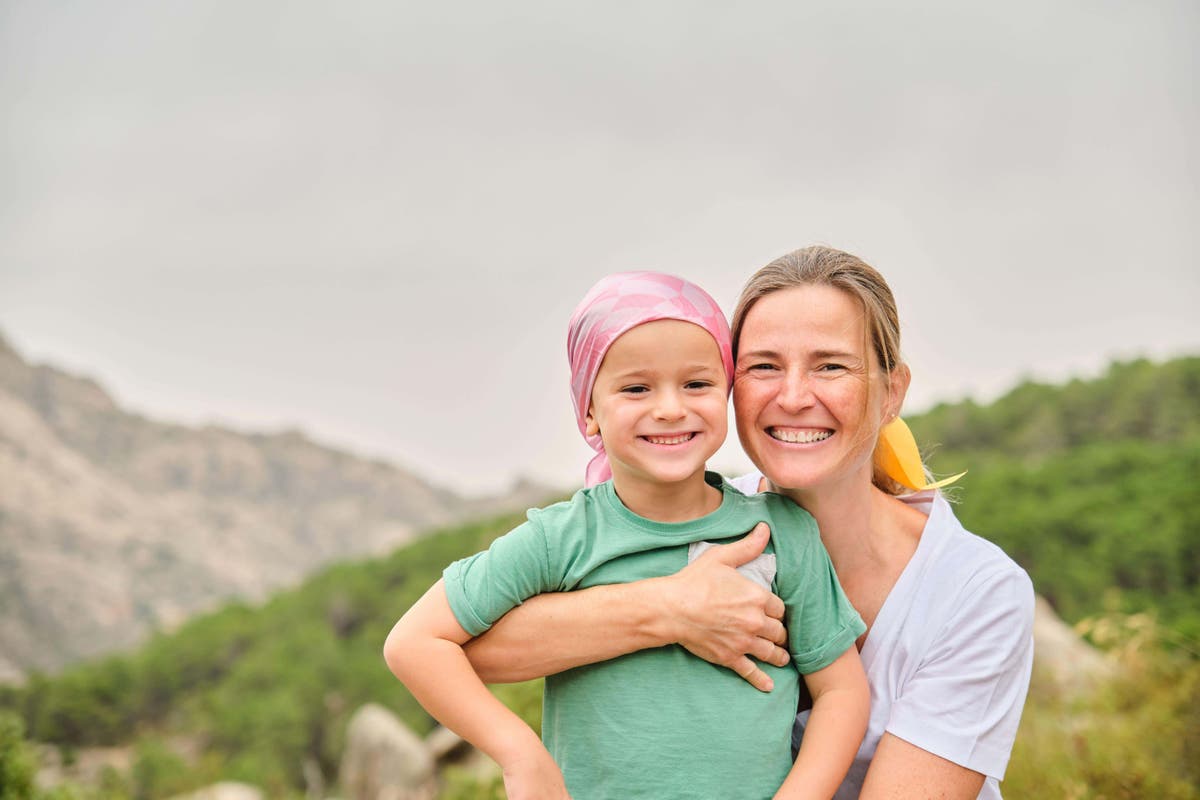
Women who have given birth tend to have a lower risk of breast cancer. But, new research shows this protection might not start right away. It could take more than 20 years after the last pregnancy to see the benefits.
We will dive into the complex ties between pregnancy, childbirth, and cancer risk. We’ll look at how having children might affect a woman’s chance of getting certain cancers.
Key Takeaways
- Pregnancy is linked to a reduced risk of certain cancers in women.
- The protective effect of childbirth on breast cancer risk may be delayed.
- Women may face an elevated breast cancer risk for over 20 years after their last pregnancy.
- Understanding the relationship between pregnancy prevention and cancer risk is key.
- More research is needed to fully grasp the complex interactions between childbirth and cancer risk.
1. The Biological Connection Between Reproduction and Cancer Risk
The link between having kids and cancer risk is complex. Hormonal and cellular changes play a big role. During pregnancy, hormone levels change a lot, affecting cancer risk later on.
Hormonal Fluctuations During Pregnancy
Pregnancy brings big changes in hormone levels, like estrogen and progesterone. These changes make breast cells grow fast. But This fast cell growth can sometimes spread damaged cells, raising cancer risk if those cells are flawed. Also, the high estrogen levels during pregnancy can impact cancer risk.
Studies show pregnancy hormones can change breast cancer risk. A study in the Journal of the National Cancer Institute found breast cancer risk goes up right after pregnancy. But, this risk goes down over time. It’s key to know these hormonal changes are natural during pregnancy and their effect on cancer risk is being studied.
Cellular Cha nges After Childbirth
After having a baby, the body goes through big changes that can affect cancer risk. Pregnancy and childbirth change breast tissue, making it less likely to get cancer. As
“Pregnancy induces a protective effect against certain types of cancer, like breast and ovarian cancer, by promoting cellular differentiation.”
experts in oncology say.
These changes after childbirth are the body’s natural response to pregnancy. They can lower the risk of cancers like breast and ovarian cancer in the long run. Knowing about these changes helps us understand how having kids affects cancer risk.
In summary, the connection between reproduction and cancer risk is complex. It involves hormonal changes during pregnancy and cellular changes after childbirth. By understanding these processes, we can better see how having children impacts a woman’s cancer risk.
2. Cancer Risk Reduction in Women Who Have Children
Many large studies have linked having children to lower cancer risks in women. This is true for breast, ovarian, and endometrial cancers. We’ll look at the evidence showing how childbearing can protect against these cancers.
7-14% Lower Breast Cancer Risk After Pregnancy
Women who have had a full-term pregnancy face a lower risk of breast cancer. The risk drop is between 7% and 14%. This is because pregnancy changes the breast tissue, making it less likely to get cancer. Having more children offers even more protection.

Up to 30% Decreased Ovarian Cancer Risk
Women with children also see a big drop in ovarian cancer risk. The risk can fall by up to 30%. It’s not clear why, but stopping ovulation during pregnancy might help. More pregnancies mean more protection, showing a clear link between having children and lower ovarian cancer risk.
Endometrial Cancer Protection Through Childbearing
Having children also lowers the risk of endometrial cancer. This is likely due to hormonal changes during pregnancy, like higher progesterone levels. These changes help keep the endometrium healthy. Studies show that women with more children have a much lower risk of endometrial cancer than those without children.
In summary, studies confirm that having children can lower the risk of breast, ovarian, and endometrial cancers. The benefits grow with each pregnancy, showing how important it is to have children in reducing cancer risk.
3. Does Birth Control Cause Cancer? Examining the Evidence
Looking into whether birth control causes cancer is complex. We need to look at the evidence. Birth control’s link to cancer varies by type and method.
Studies have checked if fertility drugs or IVF raise cancer risks. But, it’s hard to understand because infertility itself is a risk factor for some cancers.
Birth Control Carcinogen Classifications Explained
Understanding birth control’s cancer risk is key. The International Agency for Research on Cancer (IARC) says some hormonal birth controls might be cancer-causing. This is mainly because of the estrogen in these contraceptives.
The IARC groups carcinogens into categories based on evidence:
- Group 1: Carcinogenic to humans
- Group 2A: Probably carcinogenic to humans
- Group 2B: Possibly carcinogenic to humans
- Group 3: Not classifiable as to its carcinogenicity to humans
Hormonal birth controls, like the pill and progestin-only options, are in Group 2B. This means there’s some evidence in humans that they might cause cancer.
Balancing Contraceptive Benefits Against Cancer Risks
Birth control might have cancer risks, but it also has big benefits. It prevents unplanned pregnancies, lowers death rates for moms and babies, and offers many health perks.
Research shows hormonal birth control’s benefits often outweigh its risks for many. But, it’s important to think about your family health history, age, and other health issues when picking a birth control method.
“The decision to use hormonal contraception should be made after discussing the risks and benefits with a healthcare provider. This should consider your personal risk factors and health history.”
Understanding the link between birth control and cancer helps women make smart choices about their health. By weighing the benefits and risks, women can pick the best birth control for them.
4. Age Factors: Timing of Pregnancies and Cancer Prevention
It’s important to know how age affects pregnancy and cancer risk. This knowledge helps us make better choices about when to have children. Age plays a big role in how pregnancy timing affects cancer prevention.
Chance of Miscarriage by Age and Cancer Correlation
The risk of miscarriage goes up after 35. This is not just about having a healthy pregnancy. It also affects cancer risk later on. Hormonal changes during pregnancy, which change with age, can impact cancer risk.
As women get older, the risk of pregnancy problems, like miscarriage, goes up. This is because of changes in hormone levels and egg quality. Knowing these changes helps us understand their impact on cancer risk.
Early vs. Late Pregnancies: Impact on Cancer Risk
The age at which a woman has her first child affects cancer risk. Women who have their first child before 35 have a lower risk of breast cancer. But, women who have their first child after 35 or never have children have a slightly higher risk.
Early pregnancies can lower the risk of some cancers. This is because of hormonal changes and breast tissue development during pregnancy. Late pregnancies might not offer the same protection and could increase cancer risk temporarily due to hormonal changes.
It’s key to understand how hormones pregnancy affects cancer risk. Hormonal changes, like estrogen and progesterone levels, play a big role. As we learn more about pregnancy timing and cancer prevention, age is a major factor in risk.
5. Does Breastfeeding Decrease Risk of Breast Cancer?
Breastfeeding has been studied to see if it lowers breast cancer risk. We’ll look at if breastfeeding cuts down breast cancer risk. This includes how hormonal changes during breastfeeding affect cancer risk and how long breastfeeding impacts cancer protection.
Hormonal Changes During Lactation
During breastfeeding, hormones in the body change a lot. Prolactin levels go up, and estrogen levels go down. This can lead to fewer menstrual cycles. This might lower the risk of breast cancer.
Duration of Breastfeeding and Cancer Protection Rates
The length of breastfeeding matters a lot. Extended breastfeeding, which is more than a year, is linked to lower breast cancer risk. Both hormone receptor-positive and hormone receptor-negative breast cancers see a decrease in risk.
Studies show that longer breastfeeding periods mean a bigger drop in breast cancer risk. This is due to hormonal changes and fewer menstrual cycles.
6. Fertility Treatments and Cancer Risk Assessment
Fertility treatments are becoming more common, but worries about their link to cancer are growing. It’s key to look at the latest research and findings.
Studies have looked into if fertility drugs or IVF might raise cancer risks. Most research shows no link to breast cancer. But, findings on ovarian and endometrial cancers are mixed.
Current Research on IVF and Cancer Risk
Research on IVF and cancer has given mixed results. A big review found no big cancer risk increase in women who had IVF. Yet, some studies hint at a possible ovarian cancer risk.
“The available evidence suggests that IVF treatment does not significantly increase the overall risk of cancer in women,” the American Society for Reproductive Medicine says.
“While some studies have raised concerns about a possible link between IVF and certain cancers, the data is not yet conclusive, and more research is needed to fully understand any possible risks.”
Hormonal Fertility Treatments and Long-term Health
Hormonal fertility treatments, like those in IVF, have raised health concerns. They might increase ovarian cancer risk. But, the evidence is not solid, and more study is needed.
It’s also vital to think about the benefits of these treatments. For many, IVF and other treatments are the only hope for a baby. A fertility expert, says,
“While there are risks with fertility treatments, the benefits often outweigh them for those facing infertility.”
In summary, while there are worries about fertility treatments and cancer, most evidence shows IVF doesn’t greatly increase cancer risk. Yet, more research is needed to grasp any long-term health effects.
7. When Childbirth Temporarily Increases Cancer Risk
Childbirth can surprise us by affecting cancer risk, mainly right after pregnancy. Pregnancy changes a woman’s body in many ways. Research shows that there’s a temporary rise in cancer risk after childbirth.
Postpartum Breast Cancer Triggers
Women who have just had a baby face a short-term higher risk of breast cancer. This risk goes down after about 10 years. The exact cause is not fully understood. Some think it might be because of high hormone levels or fast breast cell growth during pregnancy.
Key factors that may contribute to postpartum breast cancer triggers include:
- Hormonal fluctuations during pregnancy
- Rapid cell growth in the breast tissue
- Genetic predisposition
Monitoring and Prevention Strategies After Pregnancy
To lower the risk of breast cancer after pregnancy, it’s key to use good monitoring and prevention methods. These might include:
- Regular breast self-examinations
- Annual mammograms as recommended by healthcare providers
- Maintaining a healthy lifestyle, including a balanced diet and regular exercise
Early detection is key in managing breast cancer risk. By knowing the possible triggers and taking action, new moms can lower their risk. This way, they can get help quickly if needed.
8. Conclusion: Making Informed Reproductive Choices for Cancer Prevention
It’s important to understand how pregnancy and childbirth affect cancer risk. We’ve seen that having kids can lower the risk of some cancers. But, the exact amount of risk reduction depends on things like age and how many children you have.
When thinking about preventing pregnancy, it’s key to consider the pros and cons of birth control. Some methods might affect cancer risk, but the science isn’t clear yet. Women should talk to their doctors to find the best option for them.
Knowing how pregnancy and reproductive choices relate to cancer prevention is vital. Women can make better decisions about their health by learning about these links. We suggest women talk to their healthcare providers to figure out their own risk and plan for cancer prevention.
FAQ
Does having children reduce the risk of certain cancers?
Is birth control a carcinogen, and does it cause cancer?
How does age affect the risk of miscarriage and cancer?
Does breastfeeding decrease the risk of breast cancer?
Does IVF cause cancer, and what are the risks associated with fertility treatments?
Can childbirth temporarily increase cancer risk, and what are the triggers of postpartum breast cancer?
How can women make informed reproductive choices to reduce their cancer risk?
Does the duration of breastfeeding impact cancer protection rates?
What are the benefits and risks of contraceptive use, and how do they impact cancer risk?
References
- Husby, A., et al. (2022). Pregnancy duration and ovarian cancer risk: A 50-year nationwide cohort study. International Journal of Cancer, 150(2), 322-332. https://www.ncbi.nlm.nih.gov/pmc/articles/PMC9796914/


