


Pediatrics specialist at Liv Hospital.
View doctor profile →


The link between sugar consumption and cancer is a hot topic. Scientists and patients are curious about it. New studies show that too much sugar intake can help cancer grow and spread, raising the common question: does sugar feed cancer?
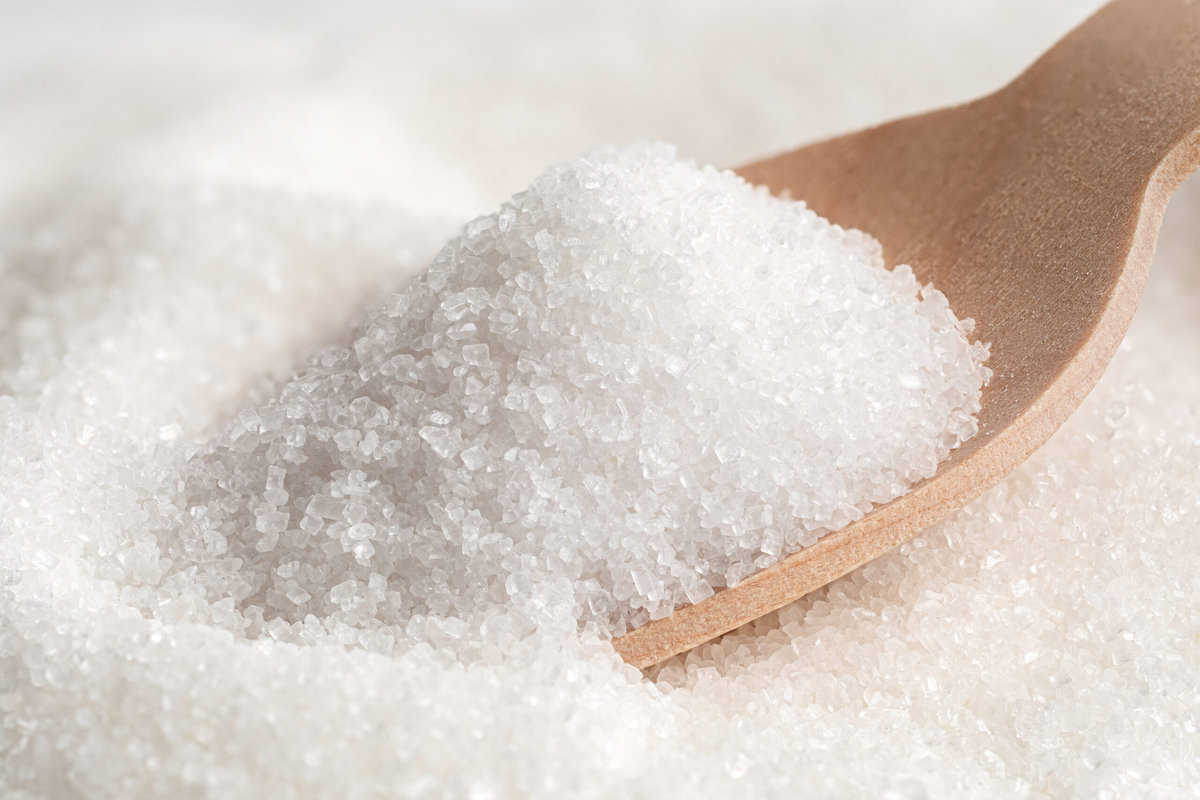
In the U.S., we eat over 45 kg of added sugar each year. This is way more than we should. Cancer cells use a lot of sugar to grow. Let’s dive into how sugar and cancer are connected, based on science and expert views.
Key Takeaways
- Excess sugar intake is linked to cancer growth and progression.
- Cancer cells consume sugar at high rates to fuel their growth.
- The average American consumes far more sugar than recommended.
- Biological mechanisms link sugar consumption to tumor growth.
- Understanding sugar’s role in cancer can inform prevention and treatment strategies.
The Sugar-Cancer Connection: What Science Reveals
The link between sugar and cancer has been studied a lot. It shows that sugar and cancer are more connected than we thought.
Overview of Scientific Evidence
Many studies have looked into sugar and cancer. They found that too much sugar can lead to more cancer. This is true even if you’re not overweight.
High sugar intake is linked to more cancers, like breast, colon, and pancreatic. For example, a study found that eating a lot of added sugars raises the risk of esophageal cancer.
Epidemiologic and Preclinical Studies
Epidemiologic studies show that eating a lot of sugar is linked to more cancer. Preclinical studies explain how sugar helps cancer grow.
Sugar feeds cancer cells, giving them the energy to grow. Cancer cells use sugar differently than healthy cells, a process called the Warburg effect.
- Cancer cells need more glucose than normal cells.
- Too much sugar can cause insulin resistance, which is bad for cancer.
- Sugar can also cause chronic inflammation, which helps cancer grow.
The Biological Mechanisms at Work
The ways sugar affects cancer are complex. One key way is through the insulin/IGF-1 signaling pathway. This pathway is activated by sugar and helps cancer cells grow and survive.
“The insulin/IGF-1 signaling pathway plays a key role in cancer by helping cells grow and survive.”
– Leading Cancer Researcher
Understanding these mechanisms is important for fighting cancer. By looking at the science, we can learn how sugar impacts cancer. This helps us make better choices about what we eat and how we live.
Does Sugar Feed Cancer? The Warburg Effect Explained
The Warburg effect shows how sugar affects cancer growth. It’s a key difference between cancer and normal cells.

How Cancer Cells Metabolize Sugar Differently
Cancer cells use sugar differently than normal cells. They prefer glycolysis, even with oxygen around. This is unlike normal cells, which use oxidative phosphorylation for energy.
This difference, known as the Warburg effect, helps cancer cells grow fast. They need a lot of sugar to keep growing.
Why Cancer Cells Prefer Glucose
Glucose is key for cancer cells’ energy. The Warburg effect shows why they choose glucose. It gives them the energy and materials for fast cell growth.
Learning about the Warburg effect helps us understand cancer better. It guides us in finding new ways to treat and prevent cancer.
America’s Dangerous Sugar Habit: Consumption Statistics
Sugar consumption in the United States has hit epidemic proportions, posing serious health risks. The average American eats over 45 kg of added sugar each year. This amount far exceeds the recommended limits.
The 45kg Per Year Reality
Consuming over 45 kg of sugar annually means many Americans eat their body weight in sugar each year. To estimate your sugar intake, multiply your weight by 16. If you weigh about 70 kg (154 lbs), you consume around 1120 grams or over 1 kg of sugar weekly.
How American Consumption Compares Globally
The United States has one of the highest per-capita sugar intakes globally. Americans eat significantly more sugar than the global average. The average person consumes more than twice the amount health guidelines recommend.
Recommended Limits vs. Actual Intake
Health organizations suggest adults limit daily sugar intake to less than 25 grams (6 teaspoons) of added sugars. Yet, the average American consumes nearly three times this amount daily. This shows a big gap between what’s recommended and what’s actually eaten.
By understanding these statistics, we can see how big America’s sugar habit is. It shows the health risks, like obesity and cancer, that come with it.
Not All Sugars Are Created Equal: Types and Their Cancer Impact
Not all sugars are the same. Their different structures and how they’re broken down in our bodies affect cancer. Some sugars are more linked to cancer risk than others.
Added Sugars in Processed Foods and Beverages
Added sugars in processed foods and drinks are a big worry for cancer risk. These sugars hide in many products, making it hard to know how much we’re eating.
Key sources of added sugars include:
- Sweetened beverages like soda and sports drinks
- Baked goods and pastries
- Processed snacks
Eating too much of these can lead to too much sugar intake. This might raise cancer risk.
High-Fructose Corn Syrup: A Special Concern
High-fructose corn syrup (HFCS) is a bad sugar because it’s in so many foods. It’s broken down differently than regular sugar. Studies say it might increase cancer risk.
Fructose, a key part of HFCS, mainly gets broken down in the liver. This can lead to more lipids and other substances that help cancer cells grow.

Why Natural Sugars in Fruits Behave Differently
Natural sugars in fruits are different from added sugars. Fruits have nutrients and fiber that help balance out sugar’s effects. These nutrients and fiber can reduce cancer risk.
The key differences between natural and added sugars include:
- The presence of fiber, which slows down sugar absorption
- Antioxidants and phytochemicals that counteract oxidative stress
- A more gradual impact on blood sugar and insulin levels
Understanding these differences is key to making smart food choices. It helps us manage sugar’s impact on cancer risk.
Cancer Types Most Strongly Linked to Sugar Consumption
The effect of sugar on cancer is complex. Some cancers are more linked to sugar than others. Knowing this can help prevent cancer.
Breast Cancer: The Sugar Connection
Studies show that eating too much sugar raises breast cancer risk. This is because sugar can lead to insulin resistance and hormonal changes. Insulin resistance can make cells grow in ways that lead to cancer.
Also, the type of sugar matters. For example, high-fructose corn syrup is linked to higher breast cancer risk because of how it affects the body.
Colorectal Cancer and Dietary Sugar
High sugar intake is also linked to colorectal cancer. This is true when diets are low in fiber and high in processed foods. The gut microbiota and insulin response play a role.
Sugar’s role in colorectal cancer is also tied to obesity. Obesity causes chronic inflammation and insulin resistance, both of which can lead to cancer.
Other Cancers Affected by High Sugar Intake
Other cancers, like pancreatic cancer, are also linked to sugar. The pancreas is key in glucose metabolism. High sugar can stress the pancreas, possibly leading to cancer.
While research continues, cutting down on sugar is seen as a healthy choice. It can help prevent cancer overall.
The Sugar-Inflammation Pathway to Cancer Progression
Sugar is linked to cancer growth, mainly through inflammation. Eating too much sugar makes tumors grow faster. It’s also tied to metabolic syndrome, which increases cancer risk. We’ll look at how sugar causes inflammation, its connection to metabolic syndrome, and how it affects tumor growth.
Inflammatory Responses Triggered by Sugar
Eating lots of sugar causes long-term inflammation. This inflammation is key in starting and growing cancer. Sugar starts many inflammatory pathways, helping tumors grow. For example, diets high in sugar or fructose start inflammation and affect how the body uses glucose and fats.
Key ways include:
- More pro-inflammatory cytokines are made
- Inflammatory cells like macrophages are activated
- Oxidative stress increases
Metabolic Syndrome: A Cancer Risk Factor
Metabolic syndrome, tied to high sugar intake, raises cancer risk. It includes high blood pressure, blood sugar, belly fat, and bad cholesterol levels. These factors lead to a pro-inflammatory state, pushing cancer forward.
People with metabolic syndrome face a higher risk of some cancers. For instance, research shows that controlling sugar intake can lower cancer risk.
Sugar’s Role in Tumor Aggressiveness
High sugar intake not only leads to cancer but also makes tumors more aggressive. Cancer cells use glucose differently, growing fast and spreading quickly.
Understanding sugar’s role in tumor growth helps us see why managing sugar is key, even for cancer patients. The debate on whether cancer patients should avoid sugar is complex. But, cutting down on sugar seems to help.
Practical Steps to Reduce Sugar for Cancer Prevention
To lower cancer risk, we must cut down on sugar. This means being careful about what we eat, understanding food labels, and finding sweet treats that are healthier.
Reading Food Labels Effectively
First, learn to read food labels well. Many foods, even savory ones, have added sugars. Look for sugar names like high-fructose corn syrup, sucrose, and maltose in the ingredients.
- Check the ingredient list for various forms of sugar.
- Be aware of the different names used for sugar on food labels.
- Choose products with less than 8 grams of sugar per serving.
Healthier Alternatives to Satisfy Sweet Cravings
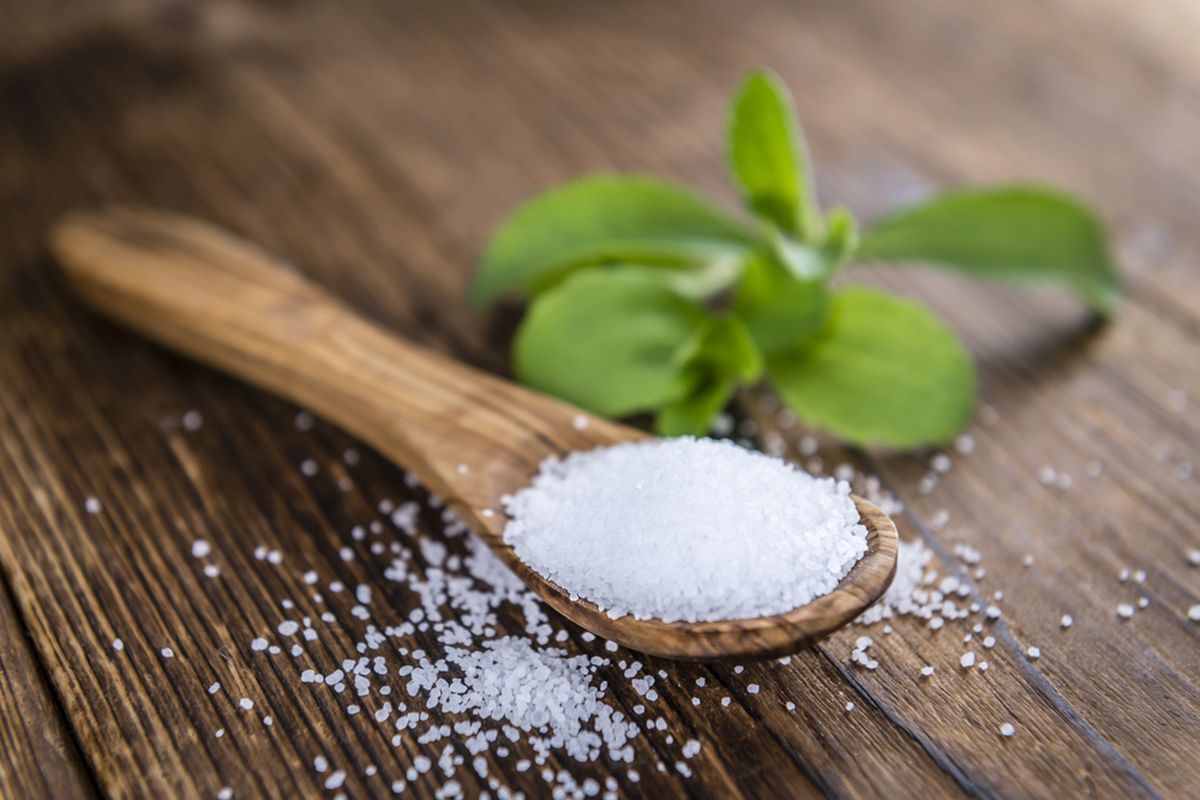
We can curb our sweet tooth with better choices. Try natural sweeteners like stevia or monk fruit. They’re low in calories and don’t spike blood sugar.
- Use natural sweeteners like stevia or monk fruit.
- Choose fruits as a sweet snack option.
- Experiment with spices like cinnamon to add flavor without sugar.
Dietary Approaches for Cancer Patients
Cancer patients need to watch their sugar intake closely. It affects treatment success. Stick to whole, nutrient-rich foods that are naturally low in sugar. Foods high in fiber, like veggies and whole grains, help control blood sugar.
Some low sugar food options that are suitable for cancer patients include:
- Leafy greens like spinach and kale.
- Broccoli and other cruciferous vegetables.
- Berries, which are rich in antioxidants and relatively low in sugar.
By following these dietary tips and watching sugar intake, cancer patients can manage their condition better. This helps support their treatment.
Conclusion: Making Informed Choices About Sugar Consumption
It’s important to know how sugar and cancer are connected. We’ve looked into how sugar can lead to different cancers and why this happens.
Lowering sugar intake is key to preventing cancer. Choosing natural sugars like those in fruits is a good start. LIV Hospital supports making health choices based on solid evidence.
So, is sugar good for you? No, too much sugar is harmful. Knowing if sucrose is bad for you means looking at how it fits into your diet. A healthy diet should have less added sugar and more whole foods.
By making smart food choices, we can lower our cancer risk and stay healthy. We urge everyone to be active in their diet and get advice from doctors.
FAQ
Does sugar cause cancer?
What does sugar do to your body?
Is sucrose bad for you?
Does your body need sugar?
Should cancer patients avoid sugar?
What is the Warburg effect, and how does it relate to cancer?
Are there low-sugar foods that are okay for cancer patients?
Is sugar or alcohol worse for cancer risk?
How can I reduce my sugar intake for cancer prevention?
Multiply your weight by 16 to find what?
References
- Epner, M. (2022). Understanding the link between sugar and cancer. Cancers, 14(1), 44. https://pmc.ncbi.nlm.nih.gov/articles/PMC9775518/


